Ghumoopedia — Explore, Discover, Experience
Sign in
Jind, near Narwana

City guide · Haryana

Narwana

Narwana is a municipal town in Haryana’s Jind district, about 36 kilometres from Jind city. Its importance today comes less from a single major monument or specialist industry than from its role as a local centre for trade, transport, education and everyday services for surrounding rural communities.

Famous for

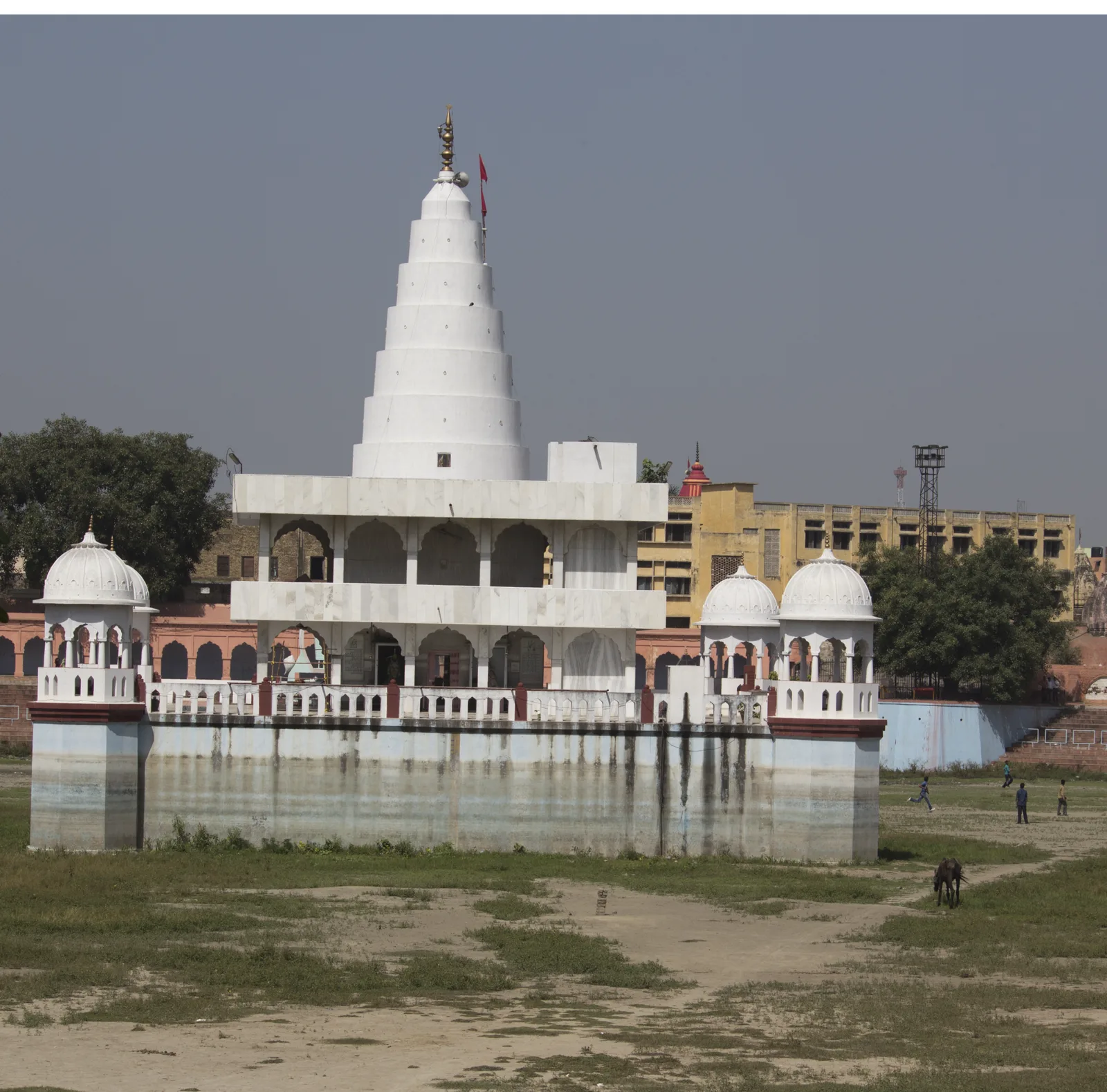
  • Baba Gaibi Sahib Temple
  • Narwana Junction
  • Jind district market town
  • Haryana agrarian hinterland
  • Name-origin traditions

Why Narwana matters

Narwana is a municipal town in Haryana’s Jind district, about 36 kilometres from Jind city. Its importance today comes less from a single major monument or specialist industry than from its role as a local centre for trade, transport, education and everyday services for surrounding rural communities. The railway junction and regional road connections help link the town with nearby parts of Haryana and neighbouring states.

Visitors may stop at Baba Gaibi Sahib Temple, one of the town’s best-known places of worship, or explore its busy central market and observe the rhythms of a small Haryana town. Narwana is also associated with local stories about how its name arose: some link it to a lake called Nirwana near the temple, while another tradition recalls a large Mor community and an earlier name, Morwana. These accounts are part of local memory rather than a settled explanation. The surrounding countryside and the town’s markets give Narwana its distinctly regional character.
Famous for: crafts, trade & products

Narwana is not widely identified with a particular saree, textile tradition, handicraft or GI-tagged product. Its better-known commercial role is as a service and trading centre for the surrounding agrarian area. Shops and small businesses in the central market cater to residents’ everyday needs, while local trade connects the town with nearby villages. Visitors looking for clothing, household goods, food provisions or routine services should explore the town’s main bazaar streets and commercial areas rather than expect a dedicated craft district or specialist shopping quarter.

Farm-related commerce is part of the wider local economy, though Narwana is not especially known as a destination for a single branded crop or manufactured product. The town also serves local families through schools and other educational institutions, including schools affiliated with state and central education boards. These are important to the community but are not, by themselves, visitor attractions. For travellers, the most useful way to experience Narwana’s commerce is to walk through its everyday market areas, where shops, eateries and service businesses reflect the needs of the town and nearby villages.

History

Narwana’s name has more than one local explanation. One tradition connects it with a lake called Nirwana near Baba Gaibi Sahib Temple; another says the town was once called Morwana, recalling the Mor community, before the name changed. These accounts remain part of local lore, and neither should be treated as a definitive record of the town’s founding.

The wider area was historically associated with the princely state of Jind, which existed under British paramountcy during the colonial period. Narwana’s growth was shaped by its position within this regional landscape and by transport and trade links serving nearby settlements. Partition in 1947 brought major change: Muslim residents, including Arains, Lohars, Rajputs and Julahas, migrated to Pakistan, particularly to areas around Bahawalnagar and Minchinabad. After independence, the town became part of the evolving administrative structure of the region. Haryana was formed in 1966, and Narwana is now administered as a municipal council within Jind district. Its modern role centres on local commerce, services and transport.

Food, festivals & culture

Everyday food in Narwana reflects the wider food traditions of Haryana and north India. Meals commonly draw on wheat-based breads, seasonal vegetables, lentils and dairy; bajra roti and lassi are familiar regional choices, especially in season. Sweet shops and local eateries provide popular Indian snacks and sweets, though the town is not especially associated with one signature dish. Hindi and Haryanvi are widely used in daily life, with other languages also heard among residents and visitors.

Hindu festivals such as Holi in spring, Teej during the monsoon season and Diwali in autumn are observed alongside national and community celebrations. Folk music and dance traditions, including regional singing styles and seasonal performances, belong to the wider cultural life of Haryana. Baba Gaibi Sahib Temple is a notable place of worship and a point of local identity; neighbourhood temples and other religious sites serve residents’ daily needs. The town’s culture is best encountered through its markets, eateries and places of worship rather than through a large, formal visitor programme.

Visiting the city

October to November and February to March are generally comfortable periods to visit, with milder weather than the very hot summer months. Winter can bring dense fog, particularly in January, while the monsoon season is humid. Indira Gandhi International Airport in Delhi is the major airport commonly used for access; check current onward connections before travelling. Narwana Junction is the town’s main railway station.

Auto-rickshaws and local vehicles are practical for getting around town; road connections link Narwana with Jind and other nearby centres. The central bazaar is a good area for a walk, everyday shopping and local food. Baba Gaibi Sahib Temple and its vicinity offer another worthwhile stop. Narwana is compact enough for a short visit, while the railway station area is useful for arrivals and departures.

Trips from the city

Nearest places to visit from Narwana

Our closest destination guides, by straight-line distance.

Jind

37 km away · Jind district

Jind

Jind is among the largest and oldest cities in Haryana’s Jind district and serves as its administrative centre. Visitors go to Rani Talab, while Pandu Pindara and Ramrai draw devotees for Amavasya bathing.

Agroha

56 km away · Hisar district

Agroha

Agroha is a town in Haryana’s Hisar district, between Hisar and Fatehabad along NH 09. Visitors may be interested in archaeological finds uncovered at the Agroha Mound.

Firoz Shah palace complex

62 km away · Hisar district

Firoz Shah palace complex

The Firoz Shah palace complex is a medieval fortified site in Hisar, Haryana, associated with Sultan Firoz Shah Tughlaq. Visitors come to explore its palace remains, religious buildings and evidence of the older settlement beneath it.

Hisar

64 km away · Hisar district

Hisar

Hisar is Haryana’s district administrative centre, where visitors encounter a history shaped by successive rulers, from the Mauryans to the British.

Jyotisar

75 km away · Kurukshetra district

Jyotisar

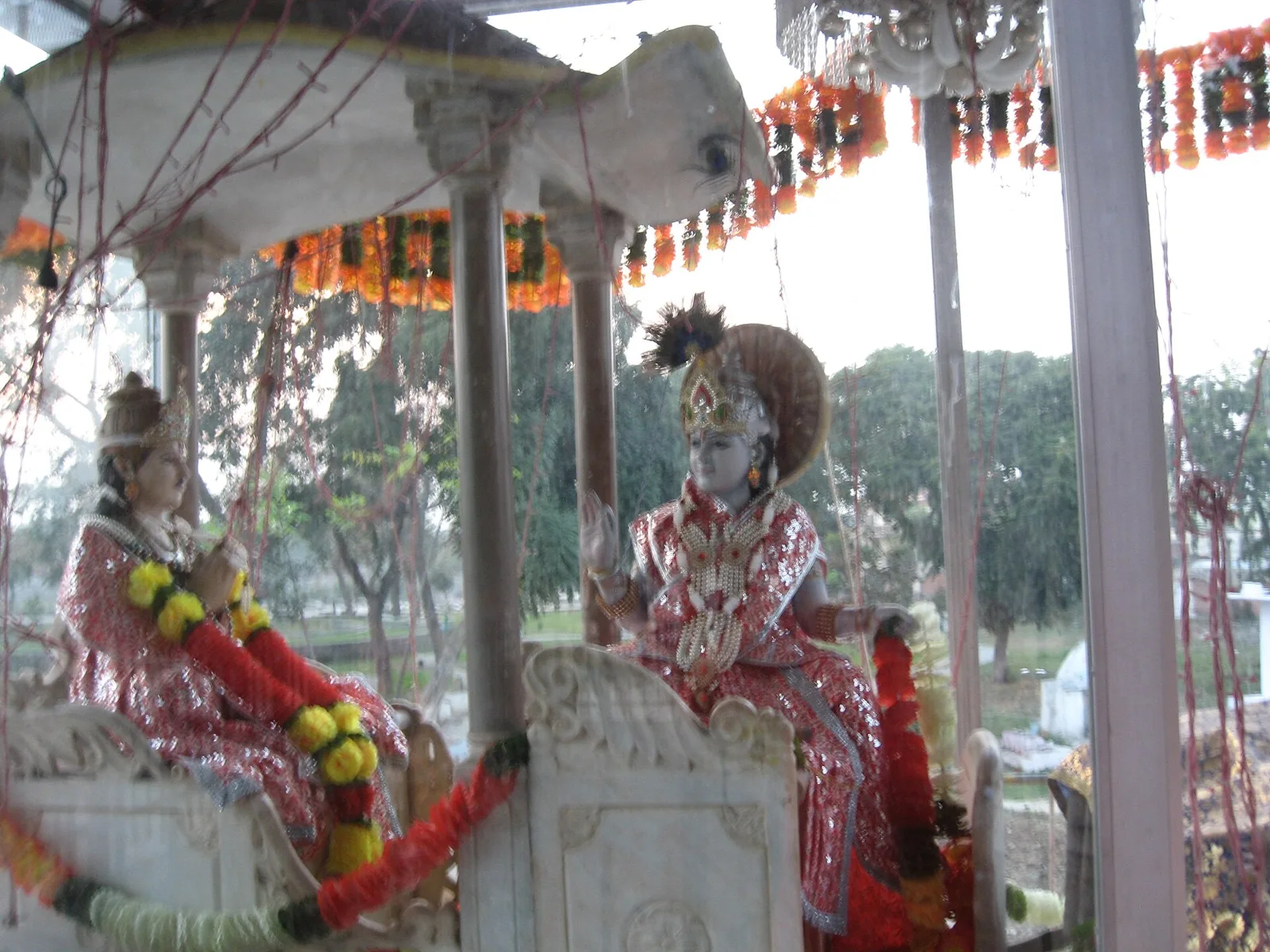
Jyotisar is a Hindu pilgrimage destination in Kurukshetra, Haryana, linked to Krishna’s teaching of the Bhagavad Gita to Arjuna. People visit to honour this sacred tradition.

Brahma Sarovar

79 km away · Kurukshetra district

Brahma Sarovar

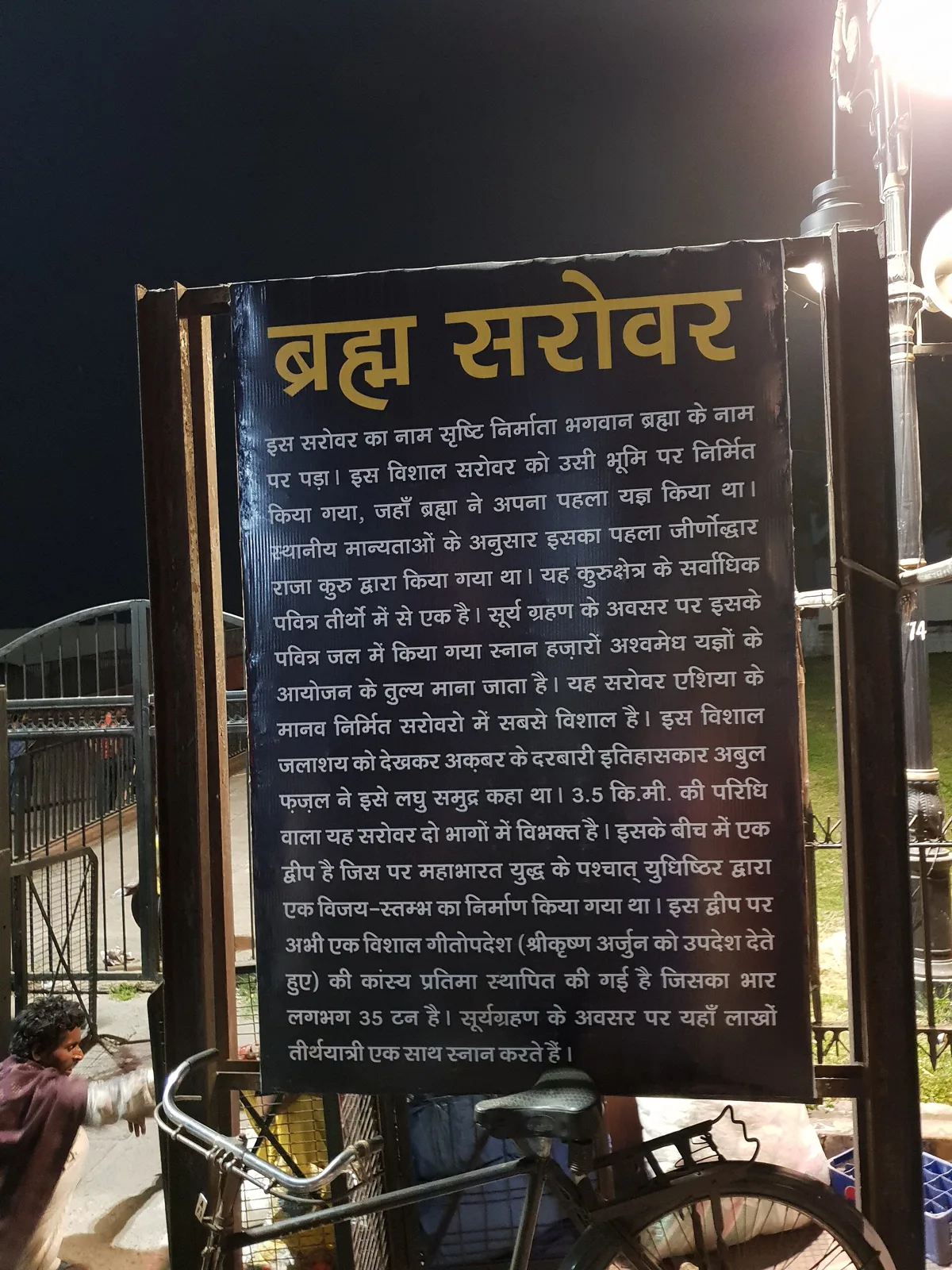
Brahma Sarovar is a natural sacred tank in Haryana’s Kurukshetra district, associated with Brahma. People visit to bathe as an act of inner and outer purification, and Hindu genealogy registers are kept at the site.

Kurukshetra

80 km away · Kurukshetra district

Kurukshetra

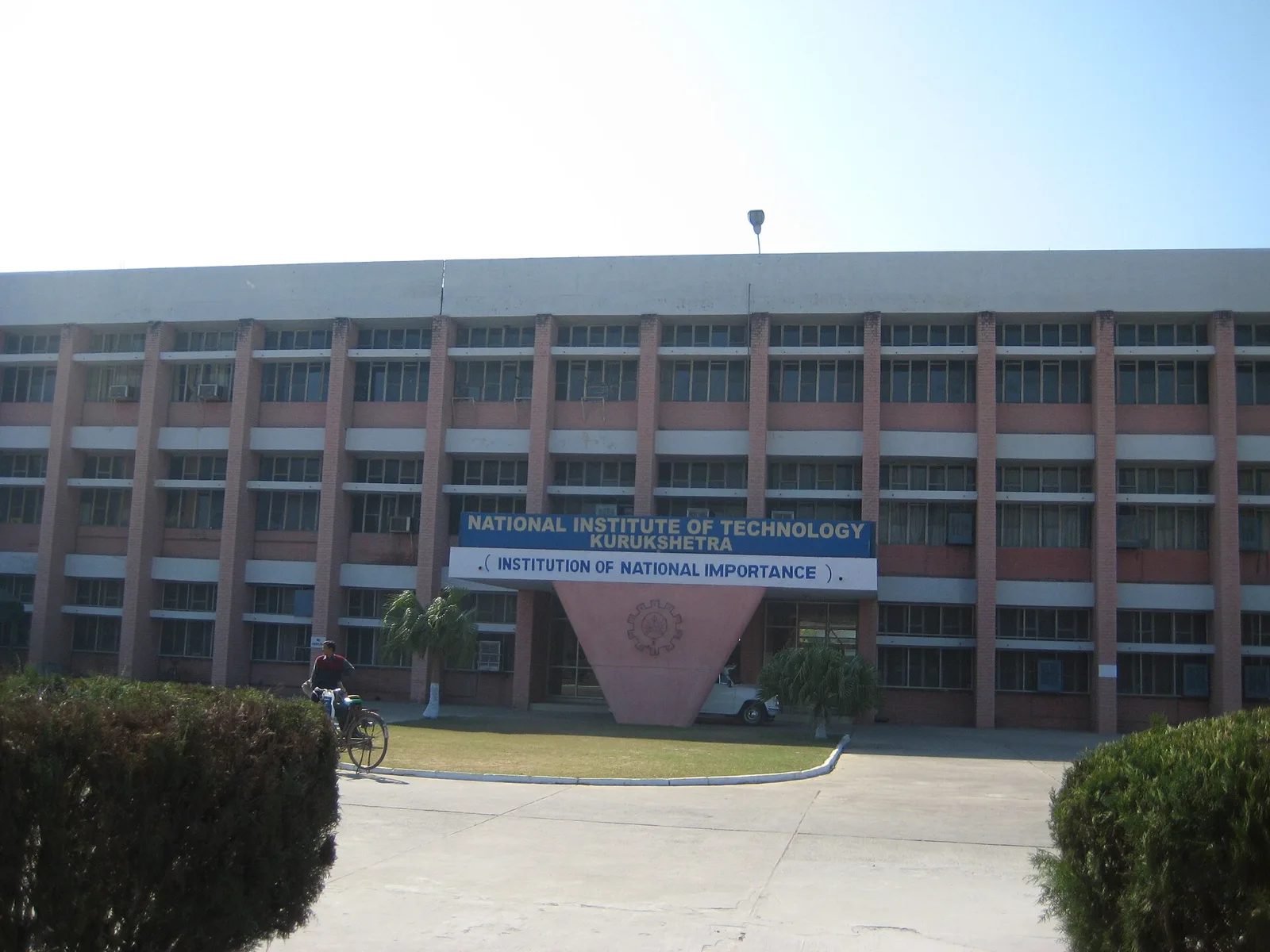
Kurukshetra is a historic region and city in Haryana, associated with the Bhagavad Gita and the name Dharmakshetra. People visit for its religious and historical significance.

Sheikh Chilli's Tomb

80 km away · Kurukshetra district

Sheikh Chilli's Tomb

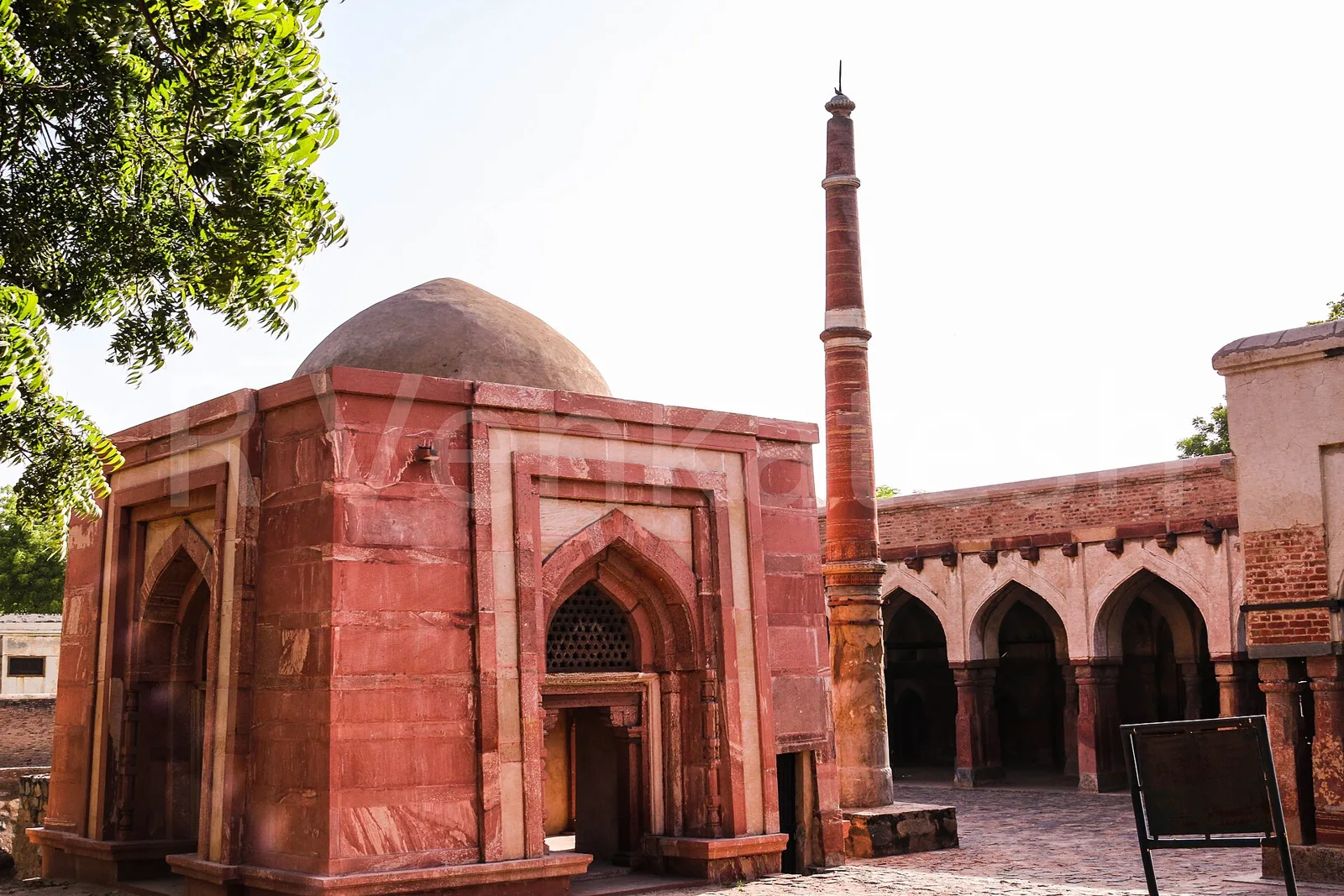
Sheikh Chilli's Tomb is an ensemble of buildings in Thanesar, Haryana. Visitors come to see its two tombs, madrasa, Mughal gardens and later features.

Map

Narwana on the map

  1. 1Jind
  2. 2Agroha
  3. 3Firoz Shah palace complex
  4. 4Hisar
  5. 5Jyotisar
  6. 6Brahma Sarovar
  7. 7Kurukshetra
  8. 8Sheikh Chilli's Tomb

Haryana

Other cities to explore