Ghumoopedia — Explore, Discover, Experience
Sign in
Jyotisar, near Pehowa

City guide · Haryana

Pehowa

Pehowa is a pilgrimage town in Kurukshetra district, valued especially as a place to honour ancestors. At Pruthudak Tirath, on the traditional banks of the Sarasvati, Hindu families come to perform pind daan and other rites for deceased relatives.

Famous for

  • Pruthudak Tirath
  • Pind-daan rites
  • Sarasvati pilgrimage
  • Kurukshetra 48-kos circuit
  • Early medieval inscriptions

Why Pehowa matters

Pehowa is a pilgrimage town in Kurukshetra district, valued especially as a place to honour ancestors. At Pruthudak Tirath, on the traditional banks of the Sarasvati, Hindu families come to perform pind daan and other rites for deceased relatives. Hindu and Sikh visitors alike travel here for these observances, and the town forms part of the sacred landscape associated with Kurukshetra, the Mahabharata and Krishna.

The pilgrimage site is also a focus for family genealogical records maintained by local priests. Beyond its religious role, Pehowa has a long history as a settlement and market centre: inscriptions from the ninth century describe temples and a busy fair where horses were traded. Today, its importance is closely tied to the steady flow of pilgrims and to its place in the surrounding region. Visitors generally come for the tirth, ritual traditions and historic associations rather than for a large collection of conventional tourist attractions.
Famous for: crafts, trade & products

Pehowa is not particularly known as a centre for a signature textile, handicraft or GI-tagged product. Its most distinctive local activity is connected to pilgrimage: visitors seek out ritual services, family genealogy records and offerings for ceremonies at Pruthudak Tirath. Small shops around the sacred site and in the town’s bazaar serve everyday needs and pilgrims; what is available can vary, so it is best to ask locally about particular ritual items.

The town also recalls an older commercial role. A ninth-century inscription describes a fair at Prithudaka, the historical name for Pehowa, where horse dealers from several places traded and made donations to religious institutions. That account points to Pehowa’s importance as a regional market in its time, rather than to a distinctive product trade that visitors can still seek out today. For present-day shopping, explore the central bazaar for ordinary household goods and locally used provisions. The main reason to visit is the living pilgrimage tradition, not a specialist shopping district.

History

Pehowa’s religious importance is reflected in references to Prithudaka in several Puranic texts. Ninth-century inscriptions provide more concrete historical detail: they associate the settlement with the Pratihara ruler Mahendrapala I and record the construction of Vishnu temples by members of the Tomara family. Those temples are not known to survive in the town today.

An inscription dated 882–883 describes Prithudaka as the site of a significant fair, including horse trading by dealers from different places. It also records donations to shrines, suggesting that commerce and religious life were closely linked. By the time of the poet Rajasekhara, Prithudaka was regarded as a point marking the beginning of Uttarapatha, the northern region.

Under British rule, Pehowa remained part of the wider Punjab region. It became part of Haryana when the state was formed in 1966. The Pehowa tehsil was established in 1979, and the town is now administered as a municipal committee in Kurukshetra district.

Food, festivals & culture

Pehowa’s culture is shaped most visibly by its pilgrimage traditions. Families come to Pruthudak Tirath to perform pind daan and related rites, often consulting priests who maintain genealogical records. The town’s religious associations draw on the Mahabharata, Krishna traditions and the wider sacred geography of Kurukshetra. Temples and ritual spaces around the tirth are central places of worship and gathering.

Hindi and Haryanvi are widely used in daily life, with Punjabi also heard in the region. Home cooking follows the broader Haryana pattern of breads, pulses, seasonal vegetables, dairy foods and drinks such as lassi; local shops and eateries offer everyday meals and sweets, rather than a single dish for which Pehowa is especially famous. Holi is celebrated in spring, while Janmashtami and the Navratri observances bring devotional activity in their usual seasonal periods. The town’s religious calendar is also shaped by rites and visits arranged by families, so activity at the pilgrimage site can be more meaningful to visitors than a large public performance or festival programme.

Visiting the city

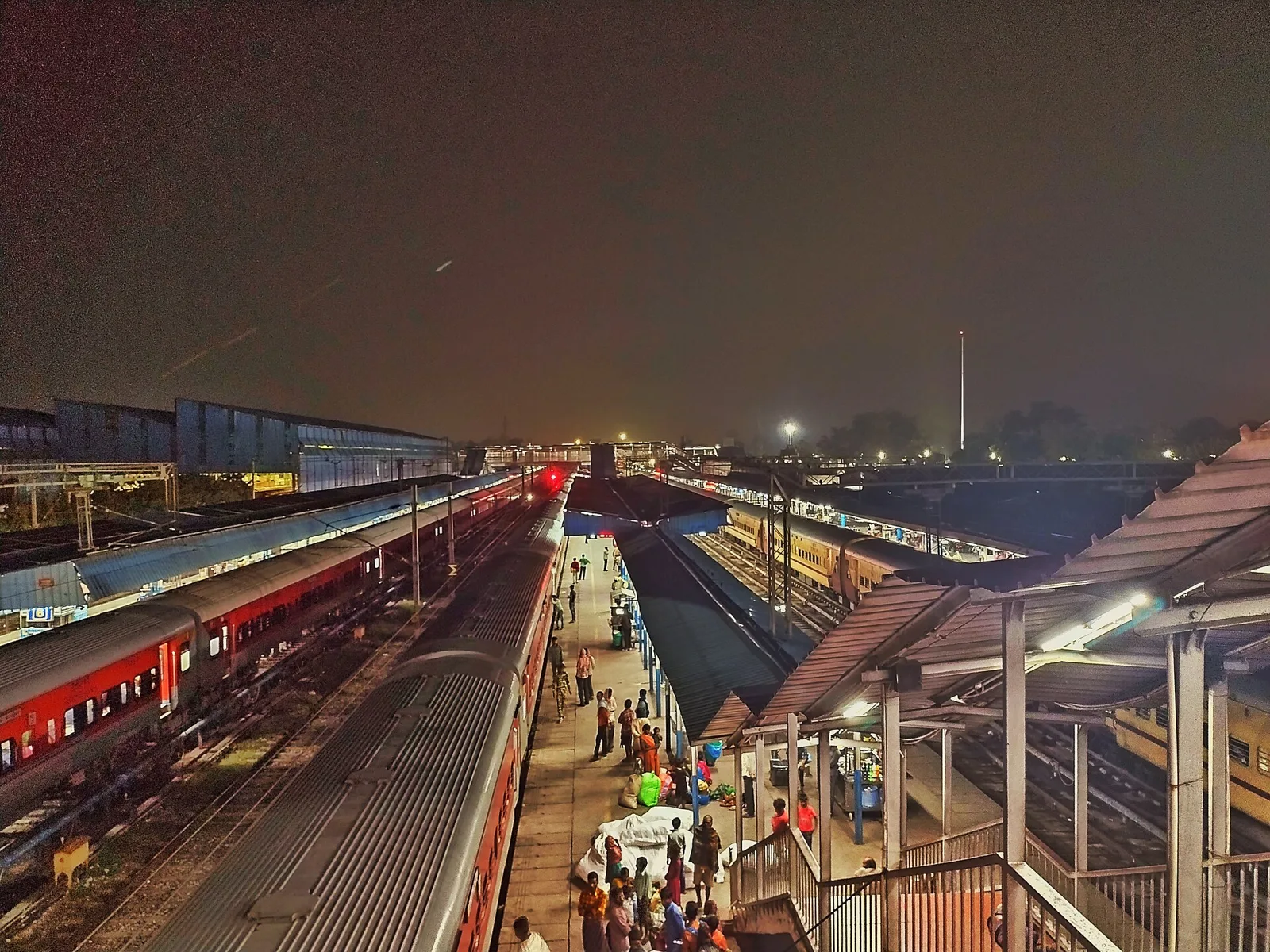
October to March is generally the most comfortable period to visit, especially for spending time outdoors at the pilgrimage site. Summers can be very hot, while monsoon weather may bring rain. Chandigarh International Airport is the nearest major airport; Kurukshetra Junction is the main railway station commonly used for onward travel to Pehowa. From Kurukshetra, visitors can continue by road using buses, taxis or other local transport.

In town, auto-rickshaws and local vehicles can help with short trips. Start at Pruthudak Tirath and its nearby worship spaces, then explore the central bazaar for everyday shops and food. Allow time for the ritual setting and speak with local priests if you want to understand the genealogy-register tradition. Pehowa is also a useful stop within a broader visit to Kurukshetra’s pilgrimage circuit.

Trips from the city

Nearest places to visit from Pehowa

Our closest destination guides, by straight-line distance.

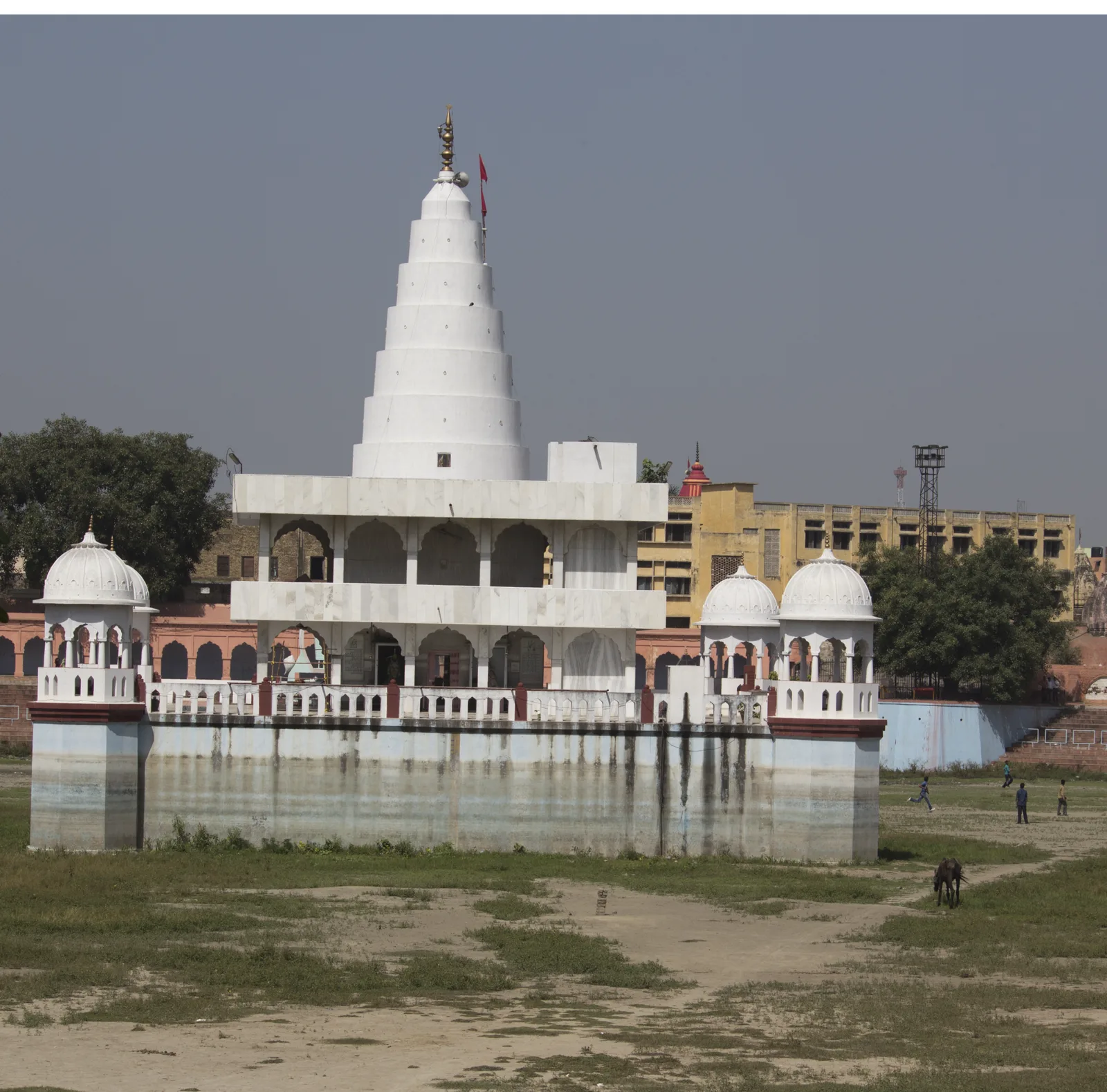
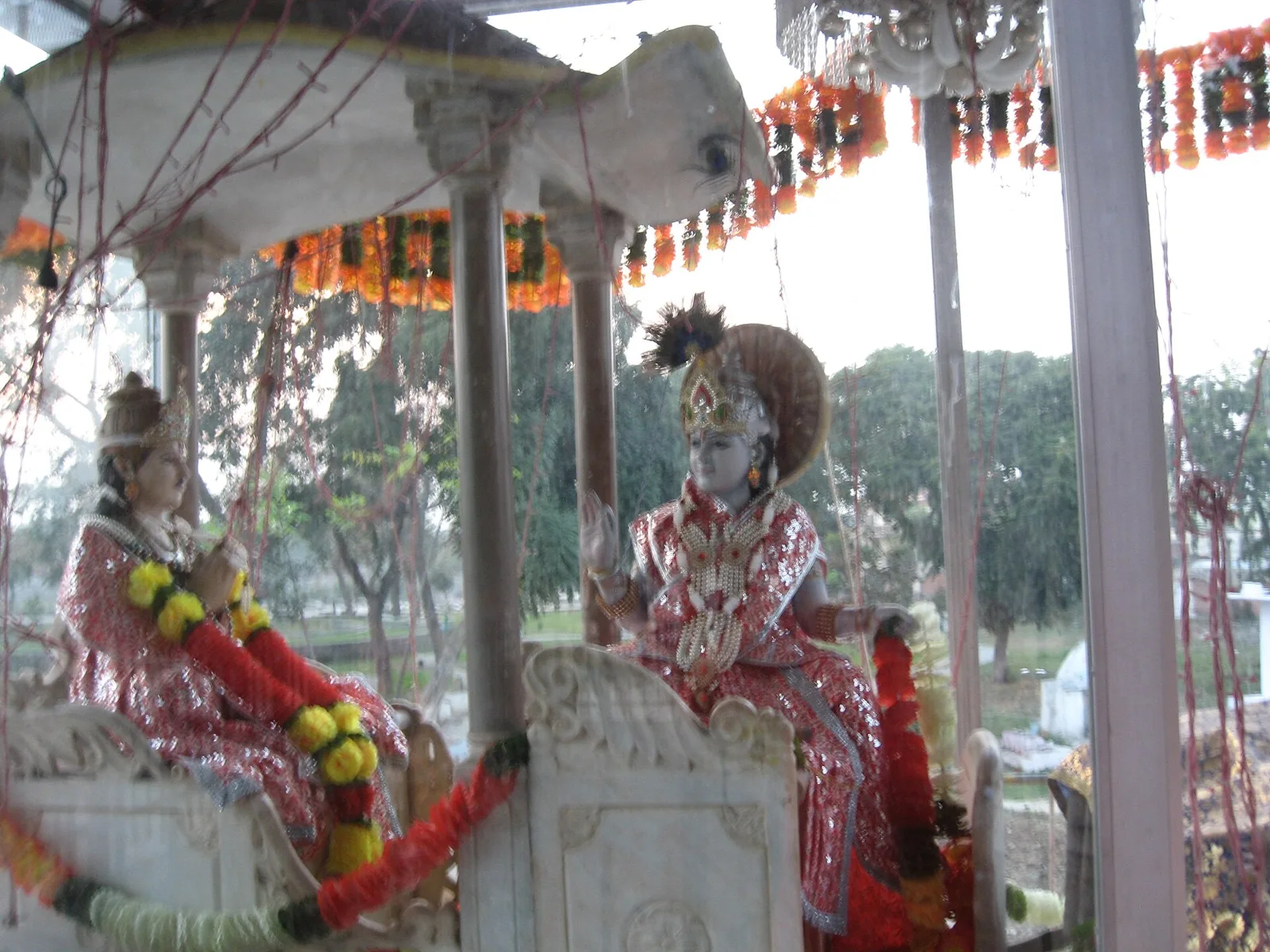
Jyotisar

18 km away · Kurukshetra district

Jyotisar

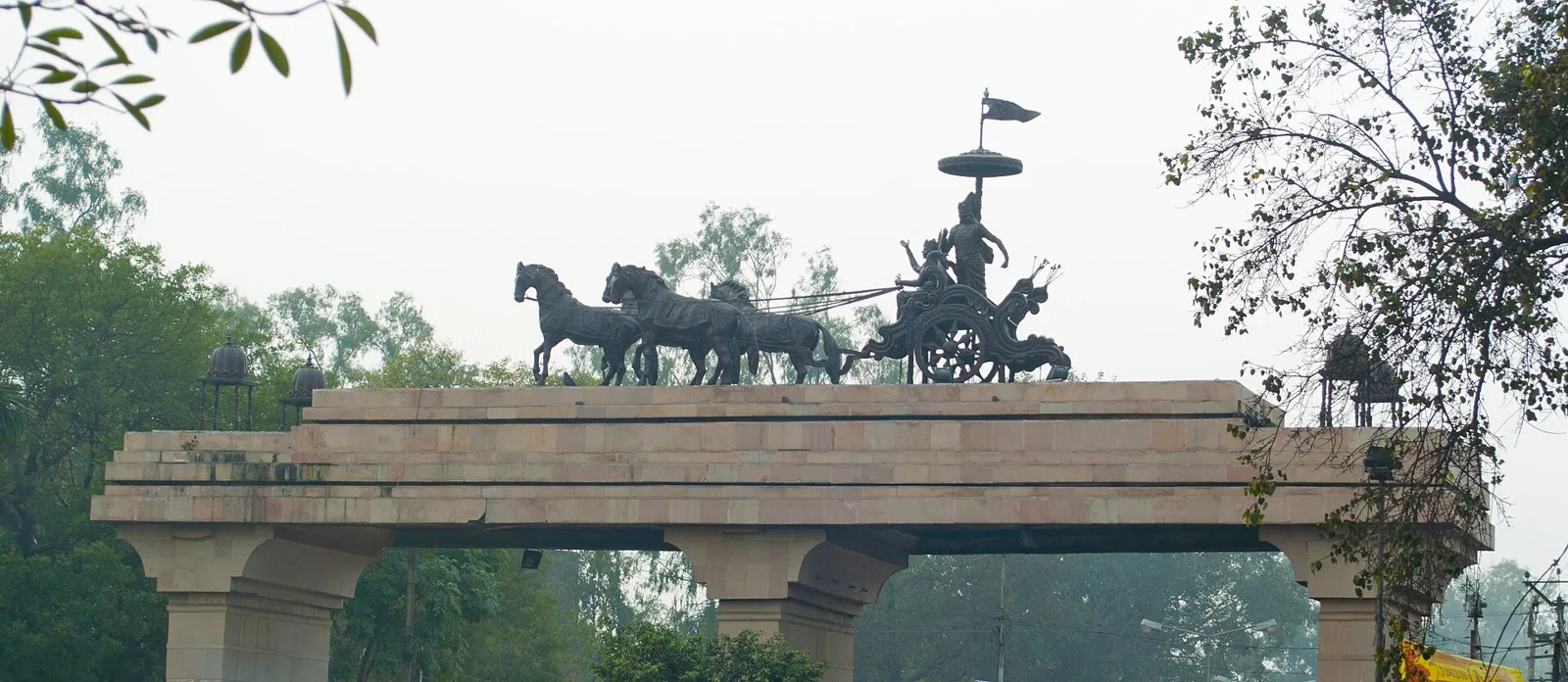
Jyotisar is a Hindu pilgrimage destination in Kurukshetra, Haryana, linked to Krishna’s teaching of the Bhagavad Gita to Arjuna. People visit to honour this sacred tradition.

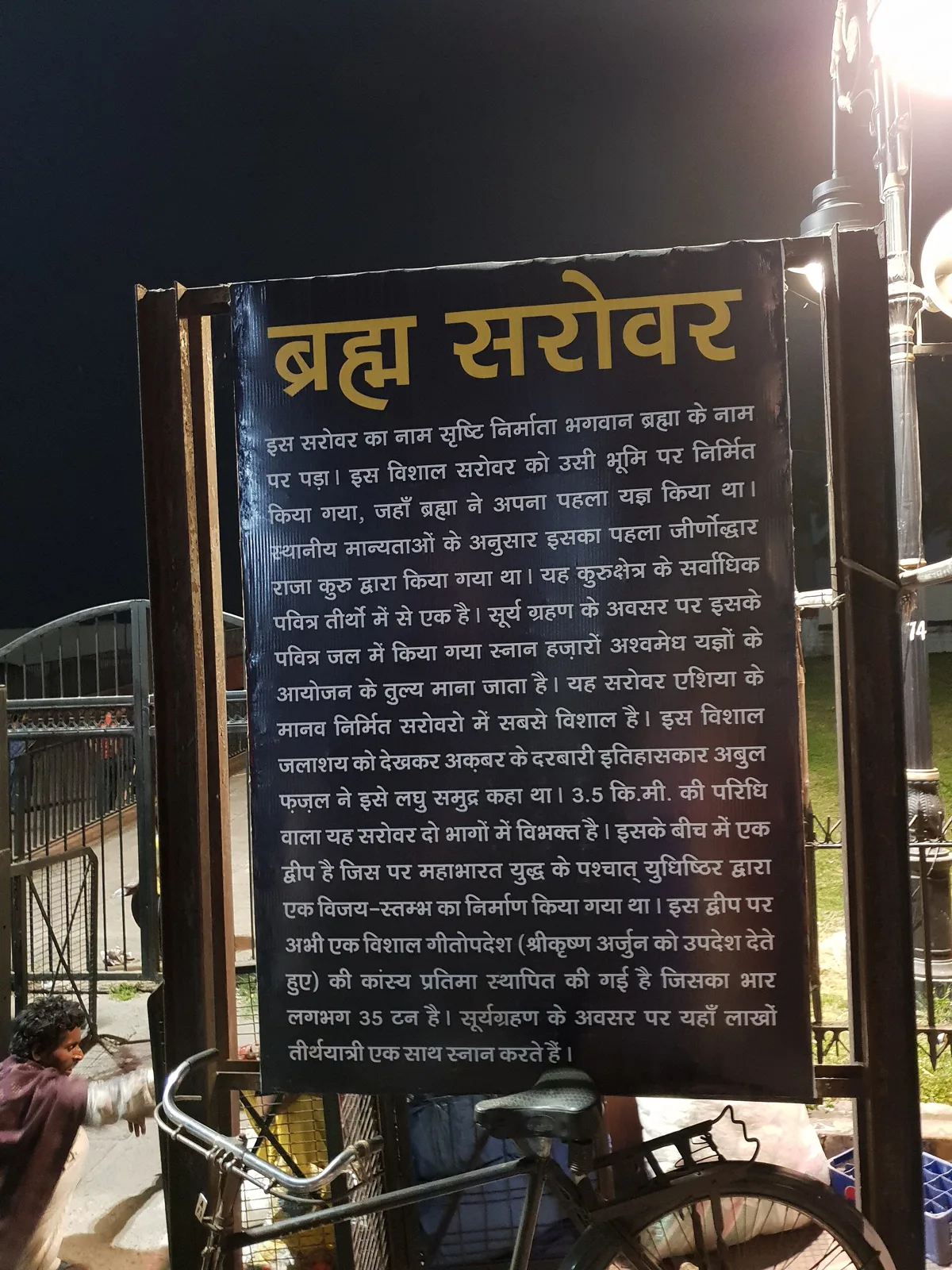
Brahma Sarovar

24 km away · Kurukshetra district

Brahma Sarovar

Brahma Sarovar is a natural sacred tank in Haryana’s Kurukshetra district, associated with Brahma. People visit to bathe as an act of inner and outer purification, and Hindu genealogy registers are kept at the site.

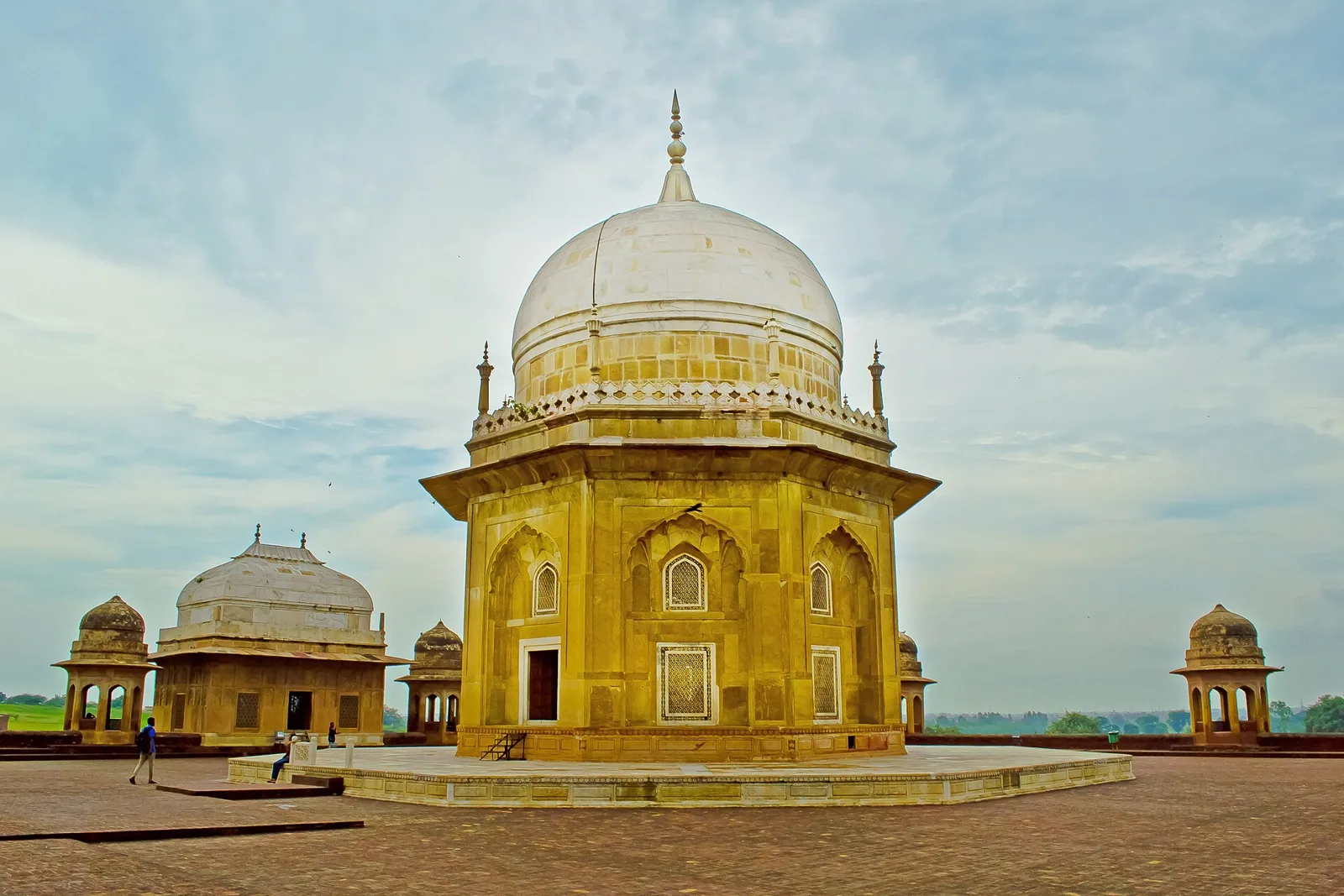
Sheikh Chilli's Tomb

24 km away · Kurukshetra district

Sheikh Chilli's Tomb

Sheikh Chilli's Tomb is an ensemble of buildings in Thanesar, Haryana. Visitors come to see its two tombs, madrasa, Mughal gardens and later features.

Kurukshetra

25 km away · Kurukshetra district

Kurukshetra

Kurukshetra is a historic region and city in Haryana, associated with the Bhagavad Gita and the name Dharmakshetra. People visit for its religious and historical significance.

Ambala

48 km away · Ambala district

Ambala

Ambala is a city in Haryana near the Punjab border and Chandigarh. Travellers use the district as a regional passage point for tourism and encounter its paired city and cantonment.

Karnal

51 km away · Karnal district

Karnal

Karnal is a city in Haryana and the centre of its district. Its traditional link with Karna and its history, including the 1739 Battle of Karnal, give it cultural and historical interest.

Panipat

76 km away · Panipat district

Panipat

Panipat is an industrial city in Haryana, noted for its textile trade and pivotal battlefield history. Visitors come to explore its association with three clashes that reshaped power in India.

Jind

78 km away · Jind district

Jind

Jind is among the largest and oldest cities in Haryana’s Jind district and serves as its administrative centre. Visitors go to Rani Talab, while Pandu Pindara and Ramrai draw devotees for Amavasya bathing.

Map

Pehowa on the map

  1. 1Jyotisar
  2. 2Brahma Sarovar
  3. 3Sheikh Chilli's Tomb
  4. 4Kurukshetra
  5. 5Ambala
  6. 6Karnal
  7. 7Panipat
  8. 8Jind

Haryana

Other cities to explore