Ghumoopedia — Explore, Discover, Experience
Sign in
Jind, near Kalayat

City guide · Haryana

Kalayat

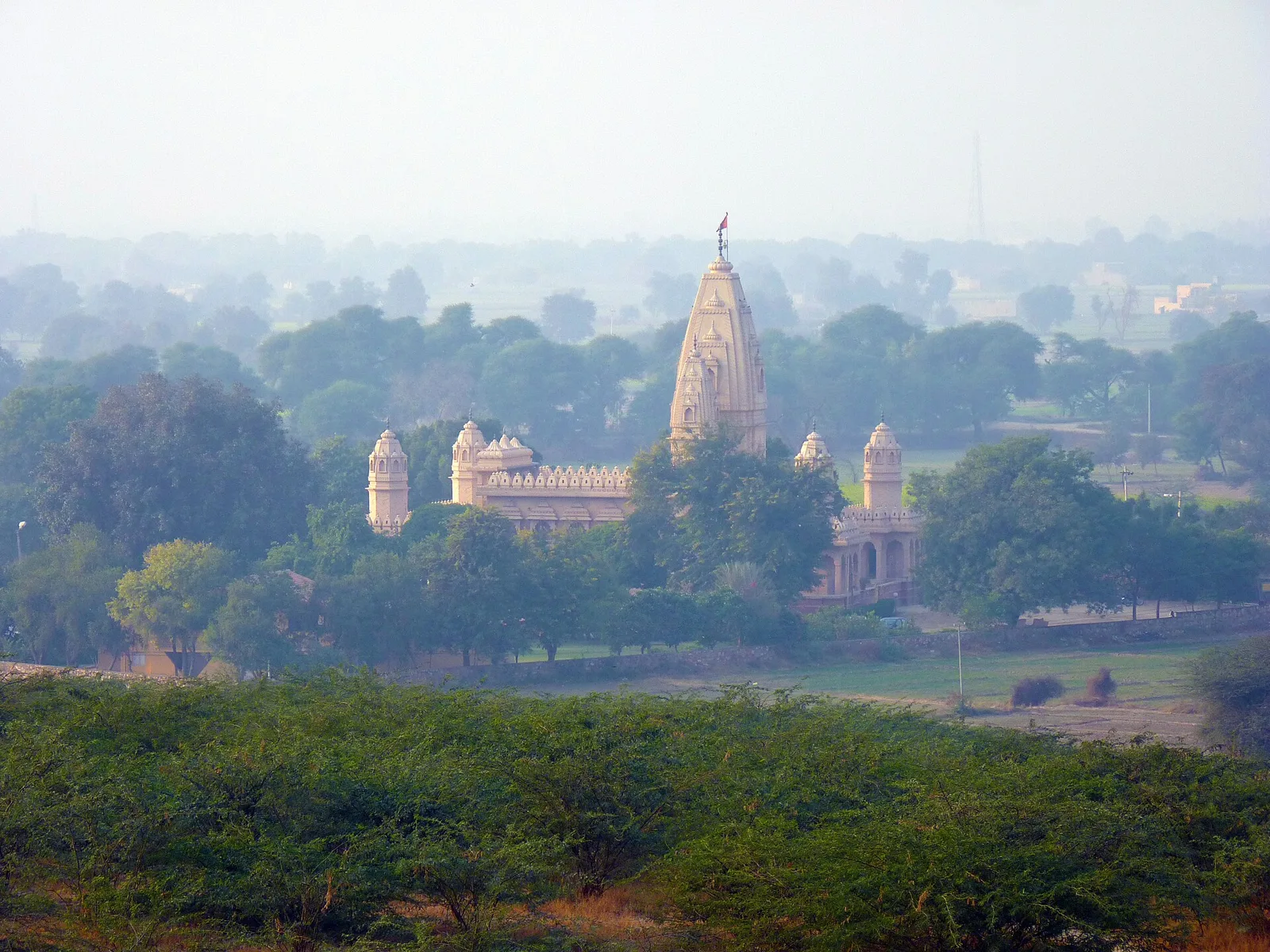
Kalayat is a town in Kaithal district, in Haryana’s north-central plains. Its main draw is the Kalayat Ancient Brick Temple Complex, a group of historic structures associated with the town’s early religious past.

Famous for

  • Kalayat Ancient Brick Temples
  • Kapilayat historical name
  • Sage Kapila tradition
  • Haryanvi rural culture

Why Kalayat matters

Kalayat is a town in Kaithal district, in Haryana’s north-central plains. Its main draw is the Kalayat Ancient Brick Temple Complex, a group of historic structures associated with the town’s early religious past. The temples give visitors a reason to pause in a largely agricultural part of the state and offer a glimpse of brick architecture rarely encountered in everyday village landscapes. Kalayat is also remembered by the older names Kapilayat and Kapilayatana, traditionally linked to the Vedic sage Kapila.

Today, the town serves local residents and surrounding villages through everyday services, shops and road connections within Kaithal district. It is a useful stop for travellers exploring the district’s historic sites and rural scenery, rather than a large urban destination with a broad visitor infrastructure. Local life follows the rhythms of farming and the seasons, while nearby towns provide additional transport and services. Kalayat’s significance rests above all on the temple complex and the historical traditions attached to this small Haryana town.
Famous for: crafts, trade & products

Kalayat’s best-known heritage is its ancient brick temple complex, which gives the town a distinct place among the historic sites of Kaithal district. The temples are the principal destination for visitors interested in local architecture and religious history. The name Kapilayat, also found in the form Kapilayatana, is traditionally connected with sage Kapila and forms part of the town’s historical identity.

Kalayat is not especially associated with a signature textile, craft or GI-tagged product. Its shops and local market mainly serve residents and nearby villages, with everyday goods and supplies shaped by the needs of an agricultural hinterland. Visitors can look around the town’s central market streets for routine purchases and local snacks, while specialist shopping is more readily found in larger district and regional centres. The surrounding countryside reflects Haryana’s farming economy, but particular crops or manufactured goods should not be treated as exclusive to Kalayat. For most travellers, the ancient temples—not a particular commercial product—are the clearest reason to visit.

History

Kalayat’s older names, Kapilayat and Kapilayatana, are traditionally associated with the Vedic sage Kapila. The town’s most tangible historical landmark is its ancient brick temple complex, generally dated to the 8th century. Its surviving structures point to an established religious and building tradition in the area, though the town’s early political history is less prominent in commonly told local accounts.

A regional legend connects the area with the journey of Arjuna and the women and children of Dwaraka towards Hastinapura after the submergence of Dwaraka. This belongs to epic tradition rather than a securely documented account of the town’s development. Over later centuries, Kalayat remained part of the changing political landscape of the Haryana plains. Under British rule, the region formed part of the wider Punjab administrative sphere; Haryana became a separate state in 1966. In modern times Kalayat has grown as a small service centre for nearby settlements within Kaithal district, while its ancient temples remain its most distinctive link to the past.

Food, festivals & culture

Everyday food in Kalayat reflects the wider Haryanvi kitchen: wheat and millet breads, seasonal vegetables, lentils, curd and lassi. Bajra roti with vegetables or saag is a familiar rural meal, while kheer and churma are enjoyed as traditional treats. Food varies with the harvest and household custom, and visitors can find simple meals in local eateries and market areas.

Hindi and Haryanvi are widely used in daily life. Religious and family gatherings shape the local calendar, with Holi in spring, Teej during the monsoon season, and Diwali in autumn among the major festivals observed across the region. Folk traditions include ragini singing and seasonal songs, alongside community dances performed at celebrations. The ancient brick temples are the town’s most notable heritage worship site; neighbourhood shrines and places of worship also serve residents. Customs are closely connected to rural life, seasonal change and shared celebrations.

Visiting the city

The cooler months, roughly from October to March, are generally the most comfortable time to explore Kalayat and its temple complex. Summers can be very hot, while the monsoon brings rain and greener countryside. Chandigarh International Airport is a practical named air gateway for the region; onward travel to Kalayat is by road. Kalayat has a railway station, and Kaithal and other nearby towns offer additional connections and services.

Local travel is mainly by road, with taxis and shared or local transport used for nearby journeys. The central market area is useful for everyday needs, while the ancient brick temple complex is the main place to explore on foot. Visitors can combine a town stop with trips through Kaithal district’s villages and surrounding agricultural landscape. Carry water in warm weather and allow time for road travel between destinations.

Trips from the city

Nearest places to visit from Kalayat

Our closest destination guides, by straight-line distance.

Jind

40 km away · Jind district

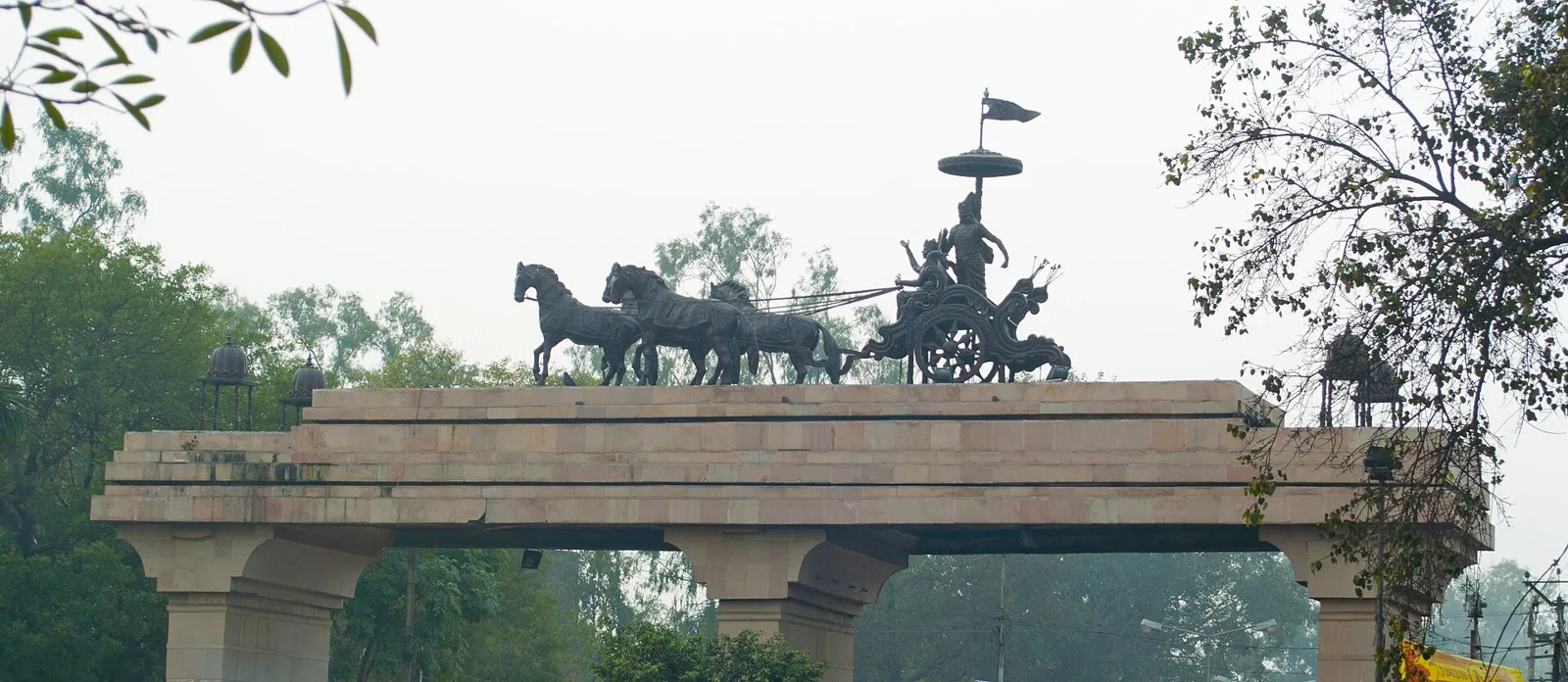
Jind

Jind is among the largest and oldest cities in Haryana’s Jind district and serves as its administrative centre. Visitors go to Rani Talab, while Pandu Pindara and Ramrai draw devotees for Amavasya bathing.

Jyotisar

59 km away · Kurukshetra district

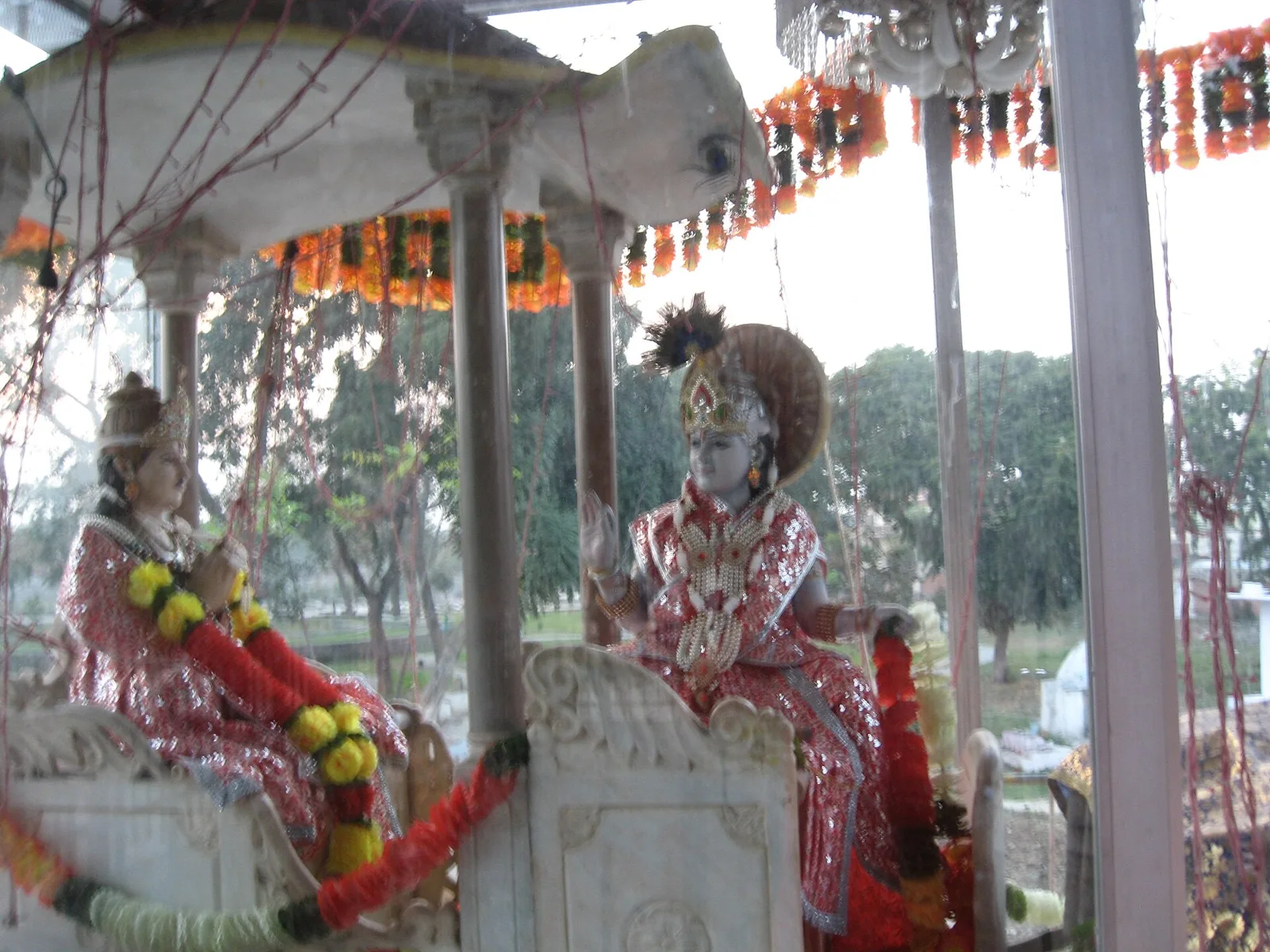
Jyotisar

Jyotisar is a Hindu pilgrimage destination in Kurukshetra, Haryana, linked to Krishna’s teaching of the Bhagavad Gita to Arjuna. People visit to honour this sacred tradition.

Brahma Sarovar

64 km away · Kurukshetra district

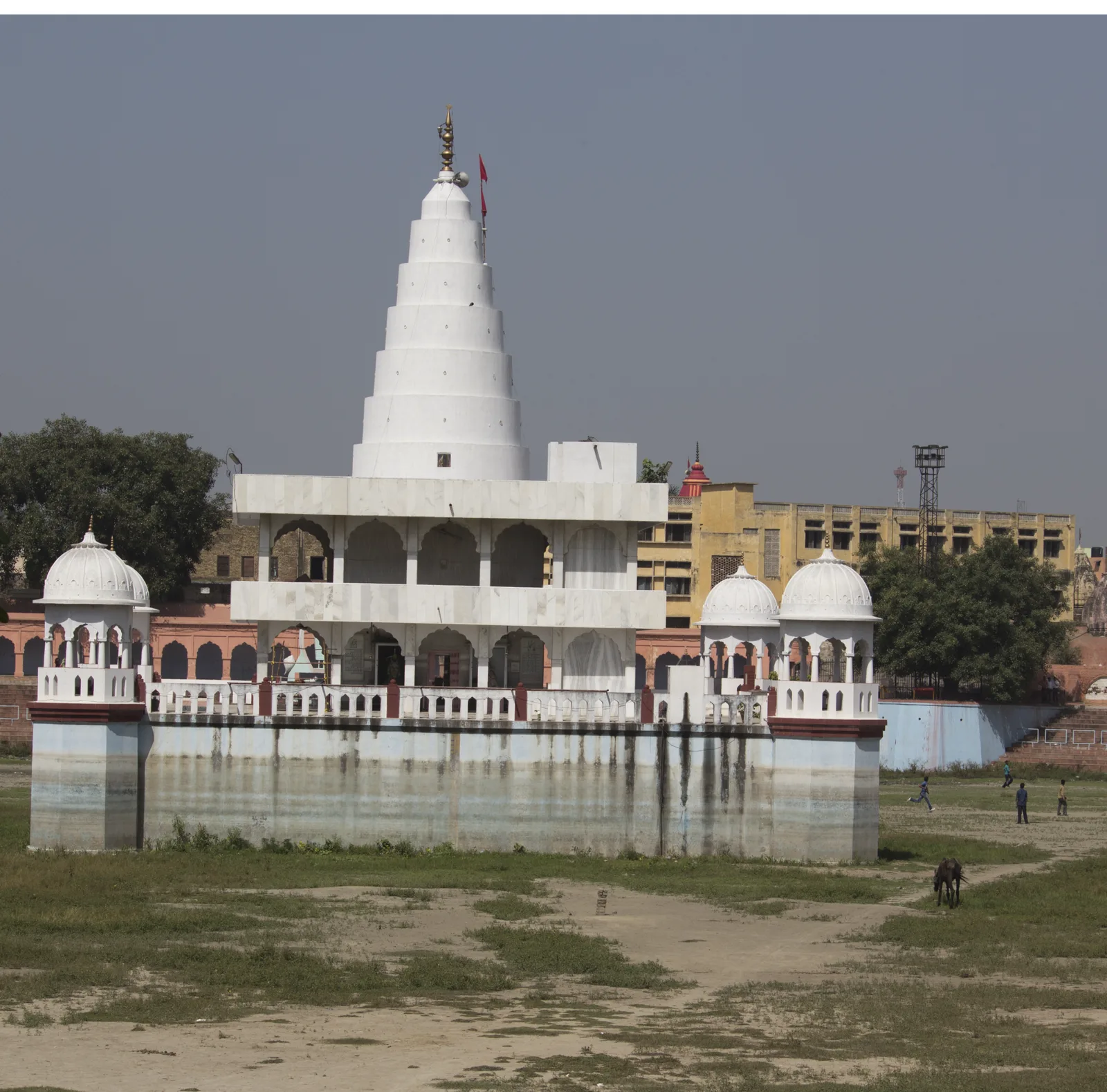
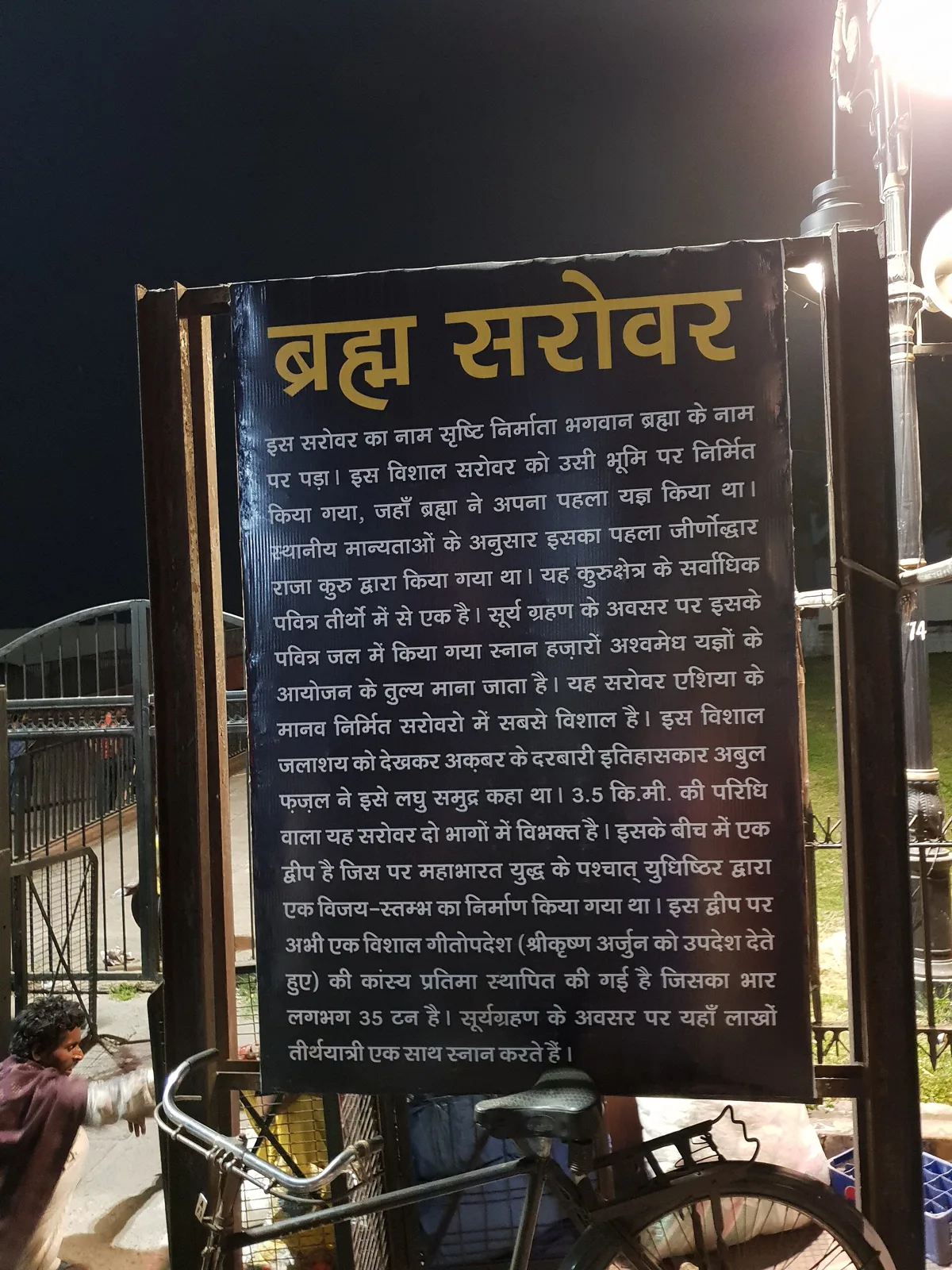
Brahma Sarovar

Brahma Sarovar is a natural sacred tank in Haryana’s Kurukshetra district, associated with Brahma. People visit to bathe as an act of inner and outer purification, and Hindu genealogy registers are kept at the site.

Kurukshetra

65 km away · Kurukshetra district

Kurukshetra

Kurukshetra is a historic region and city in Haryana, associated with the Bhagavad Gita and the name Dharmakshetra. People visit for its religious and historical significance.

Sheikh Chilli's Tomb

65 km away · Kurukshetra district

Sheikh Chilli's Tomb

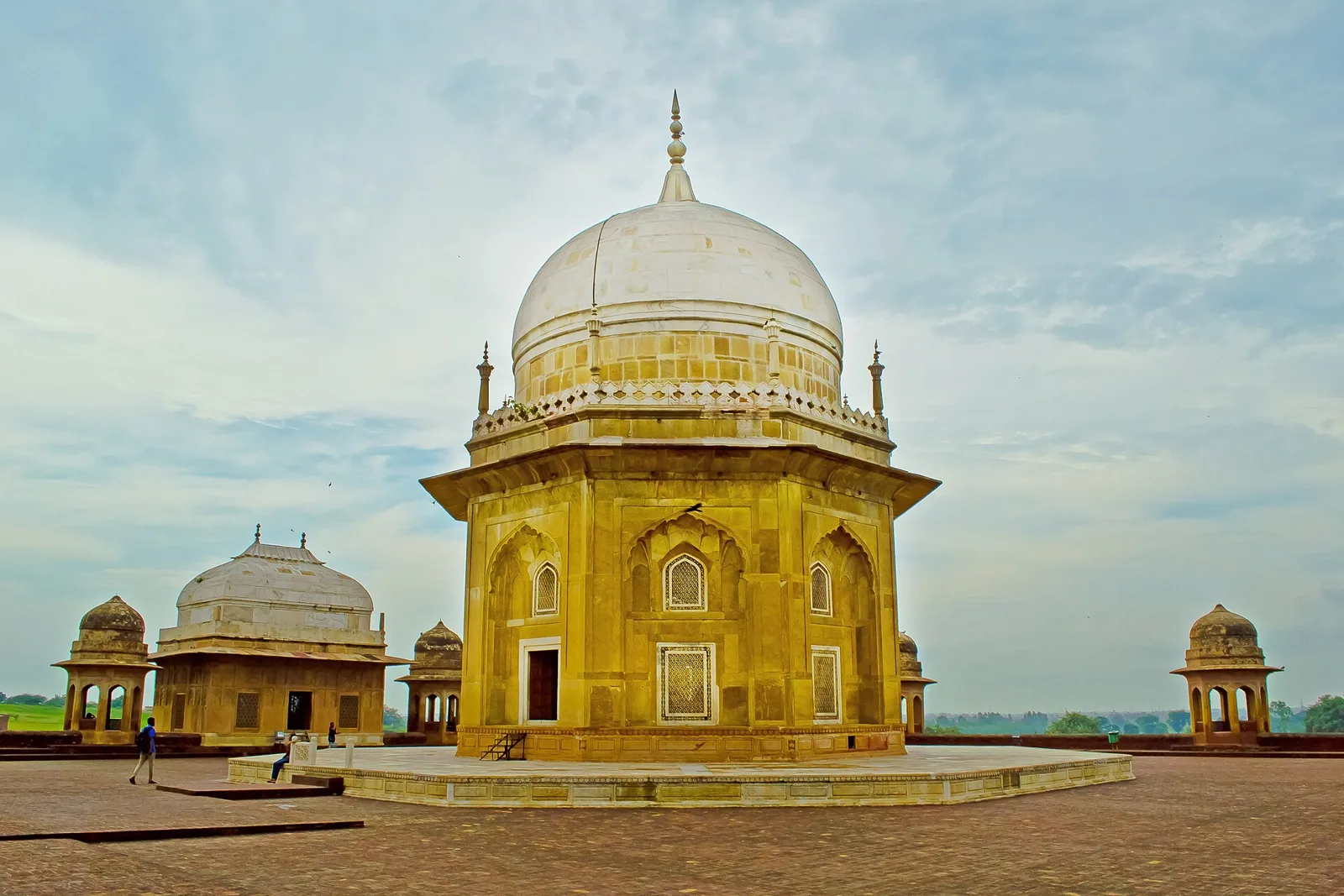
Sheikh Chilli's Tomb is an ensemble of buildings in Thanesar, Haryana. Visitors come to see its two tombs, madrasa, Mughal gardens and later features.

Karnal

71 km away · Karnal district

Karnal

Karnal is a city in Haryana and the centre of its district. Its traditional link with Karna and its history, including the 1739 Battle of Karnal, give it cultural and historical interest.

Agroha

72 km away · Hisar district

Agroha

Agroha is a town in Haryana’s Hisar district, between Hisar and Fatehabad along NH 09. Visitors may be interested in archaeological finds uncovered at the Agroha Mound.

Panipat

76 km away · Panipat district

Panipat

Panipat is an industrial city in Haryana, noted for its textile trade and pivotal battlefield history. Visitors come to explore its association with three clashes that reshaped power in India.

Map

Kalayat on the map

  1. 1Jind
  2. 2Jyotisar
  3. 3Brahma Sarovar
  4. 4Kurukshetra
  5. 5Sheikh Chilli's Tomb
  6. 6Karnal
  7. 7Agroha
  8. 8Panipat

Haryana

Other cities to explore