Ghumoopedia — Explore, Discover, Experience
Sign in
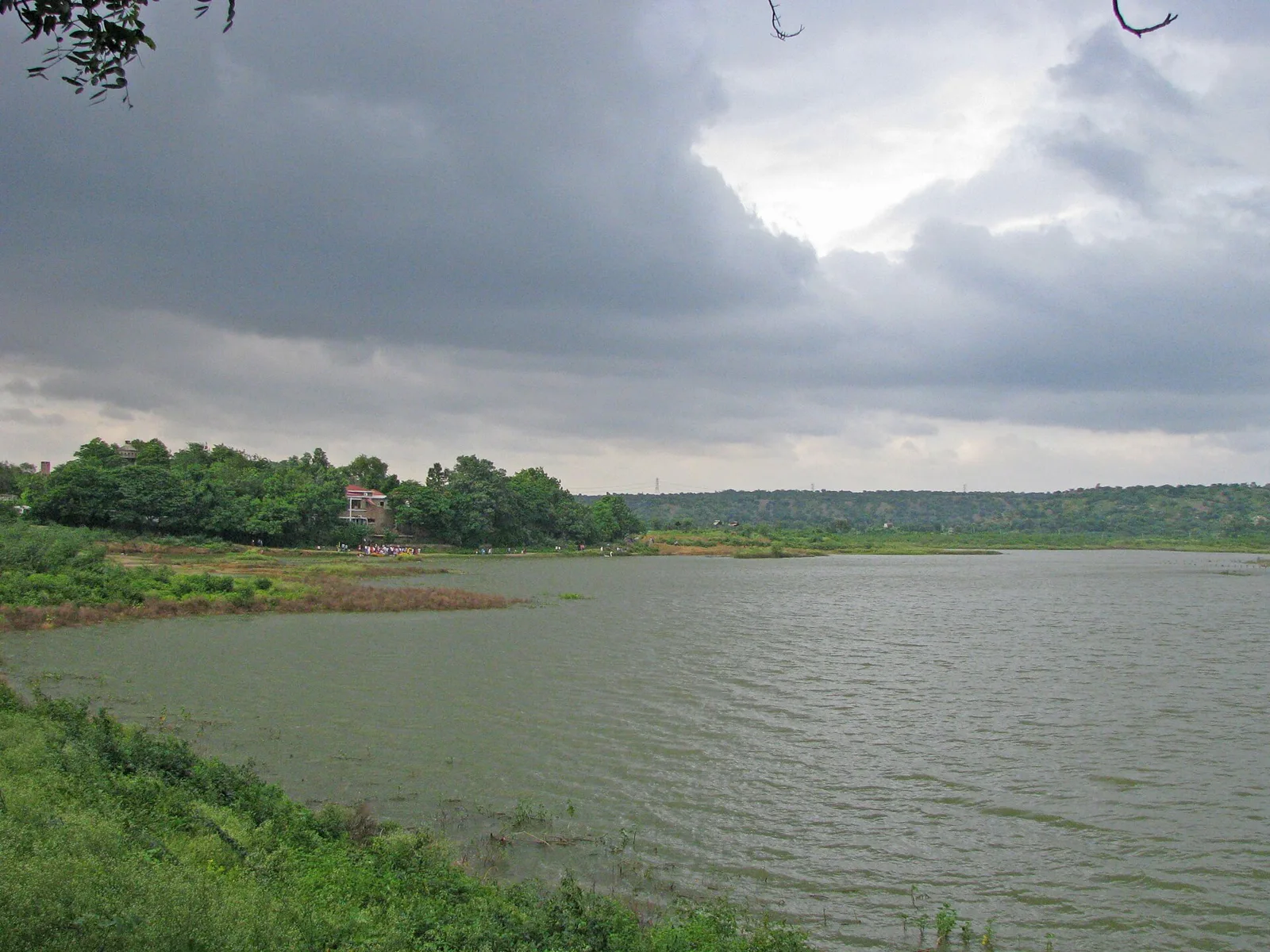
Damdama Lake, near Taoru

City guide · Haryana

Taoru

Taoru, also known as Tauru, is a town in Haryana’s Nuh district, close to Nuh city and within reach of the Gurugram region. Its location on the Taoru–Sohna road, National Highway 919, makes it a local centre for movement between the Mewat area and the wider Delhi–Jaipur corridor.

Famous for

  • Taoru Tomb Complex
  • Tughlaq-Lodi-Mughal tombs
  • Fort of Taoru
  • Historic regional architecture

Why Taoru matters

Taoru, also known as Tauru, is a town in Haryana’s Nuh district, close to Nuh city and within reach of the Gurugram region. Its location on the Taoru–Sohna road, National Highway 919, makes it a local centre for movement between the Mewat area and the wider Delhi–Jaipur corridor. The town’s strongest visitor draw is its historic architecture rather than a large tourism or shopping scene.

The walled Taoru Tomb Complex brings together seven tombs associated with Tughlaq, Lodhi and Mughal architectural traditions, an unusual concentration of styles for the Delhi-NCR region. The Fort of Taoru, also known as the fort of Raja Nahar Singh, is another landmark, though it is currently used as a police station and should not be assumed to be open for visits. Taoru is also a practical stop for travellers exploring Nuh district and nearby heritage sites. A state restoration plan announced in 2025 includes the tomb complex, reflecting growing official interest in conserving the town’s built heritage.
Famous for: crafts, trade & products

Taoru is best known for its historic sites, especially the multi-period tomb complex, rather than for a widely recognised textile, handicraft or GI-tagged product. No particular local craft or manufactured good is firmly established as a signature Taoru product. Visitors looking for a sense of everyday commerce can explore the town’s local bazaar, where shops and vendors serve residents with routine household goods, clothing and food items.

The surrounding Nuh district has a largely rural character, and agricultural produce and everyday trade are part of the wider local economy. These are regional activities, not a distinct Taoru-branded market or visitor attraction. For a broader choice of specialist shopping, travellers generally look towards larger nearby urban centres such as Gurugram. Taoru’s most distinctive heritage asset is the tomb complex: seven monuments stand within a walled precinct, and two have undergone restoration. Its combination of Tughlaq, Lodhi and Mughal forms gives the site particular architectural interest. Visitors should check locally about access and conservation work, as the precinct is a protected heritage destination rather than a conventional retail site.

History

Taoru’s history is reflected most clearly in its surviving tombs. The walled Taoru Tomb Complex contains seven monuments associated with Tughlaq, Lodhi and Mughal periods, showing how different architectural traditions came together in the region over successive eras. Historical accounts connect some of the tombs with Baloch communities and the former rulers of Ferozepur Jhirka. The precise circumstances of their construction are not fully established, so these connections are best treated as historical interpretations rather than settled fact.

The area was described in the nineteenth century as “Lesser Balochistan,” a name linked to accounts of Baloch settlement. Ferozepur Jhirka’s former princely state was abolished by the British after the 1857 Rebellion. Taoru’s fort, known as the Fort of Raja Nahar Singh, adds another layer to the town’s heritage; it now serves as a police station. In modern times, Taoru has developed as a local town connected by road to Nuh, Sohna and the Gurugram region. A Haryana restoration plan announced in 2025 includes the tomb complex.

Food, festivals & culture

Daily life in Taoru reflects the wider culture of Nuh district and southern Haryana. Hindi and Haryanvi are widely used, with Urdu also heard in the region. Meals are generally based on familiar north Indian and Haryanvi staples: roti, seasonal vegetables, pulses, curd and lassi. Bajra roti is common in the broader region, particularly in cooler months. Tea and locally available sweets are part of everyday hospitality, though Taoru is not especially known for a signature dish or confection.

Holi and Diwali are observed in spring and autumn, while Teej is associated with the monsoon season. Eid is also celebrated by Muslim residents in the district. Family gatherings, community visits and local religious observances are more central to the town’s cultural calendar than large visitor-oriented festivals. The area’s worship places include neighbourhood temples and mosques, alongside local shrines. Regional folk traditions, including Haryanvi songs and dance at social celebrations, form part of the cultural setting; performances are generally occasion-based rather than staged as regular tourist events.

Visiting the city

The cooler months, roughly October to March, are generally the most comfortable for exploring Taoru’s heritage sites; summer afternoons can be very hot, and monsoon showers may affect road travel. Indira Gandhi International Airport in Delhi is the nearest major airport. Taoru has no major railway station of its own; Rewari Junction and Gurugram railway station are possible rail connections, so check onward road arrangements before travelling.

The town is reached mainly by road, including National Highway 919, which connects towards Sohna and the Delhi–Jaipur highway. Taxis and local vehicles can help with short journeys, while a private car is convenient for visiting sites spread across the district. Focus on the town centre and bazaar for everyday activity, then visit the Taoru Tomb Complex. The fort is in use as a police station, so access may be restricted. Confirm local access conditions before setting out.

Trips from the city

Nearest places to visit from Taoru

Our closest destination guides, by straight-line distance.

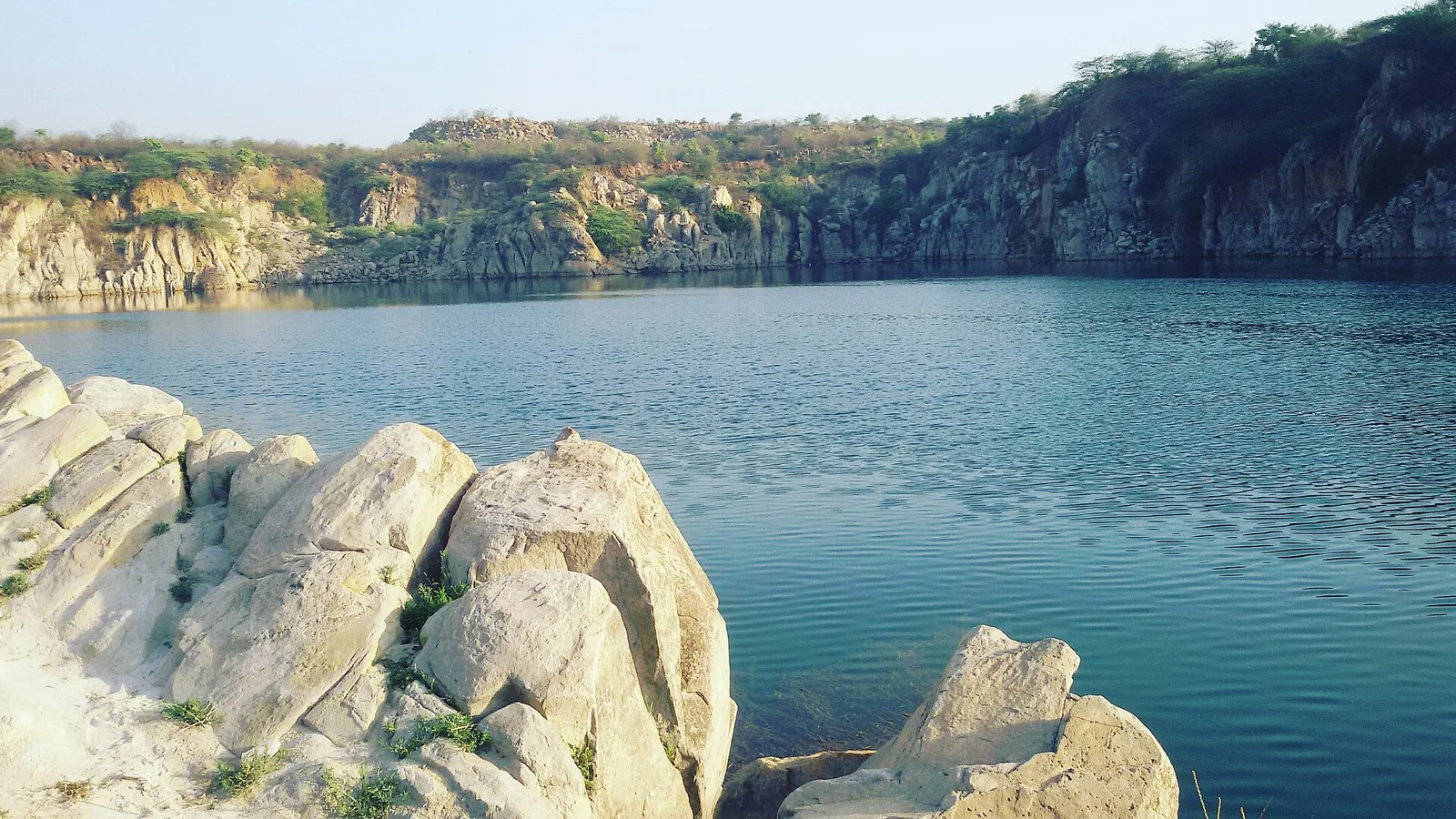
Damdama Lake

20 km away · Gurugram district

Damdama Lake

Damdama Lake is a rain-fed reservoir near Sohna in Haryana’s Gurugram district. Visitors come for its Aravalli setting and access to nearby natural areas and historical sites.

Gurgaon

28 km away · Gurugram district

Gurgaon

Gurgaon, officially named Gurugram, is a satellite city of Delhi and administrative headquarters of Gurgaon district, located in the northern Indian state of Haryana.

Sultanpur National Park

28 km away · Gurugram district

Sultanpur National Park

In Gurugram district, Haryana, Sultanpur National Park covers about 1.43 square kilometres. Visitors come to experience a national park in the state.

31 km away · Gurugram district

Sheetla Mata Mandir Gurgaon

In Gurugram, Haryana, Sheetla Mata Mandir is a Hindu shrine honouring the goddess Sheetla, associated with Guru Dronacharya. Devotees visit in large numbers during Navaratri and other festivals.

Rewari

33 km away · Rewari district

Rewari

Rewari is a municipal town in Haryana and the headquarters of Rewari district. People travelling for district administration may come here, and the city lies within the Ahirwal region.

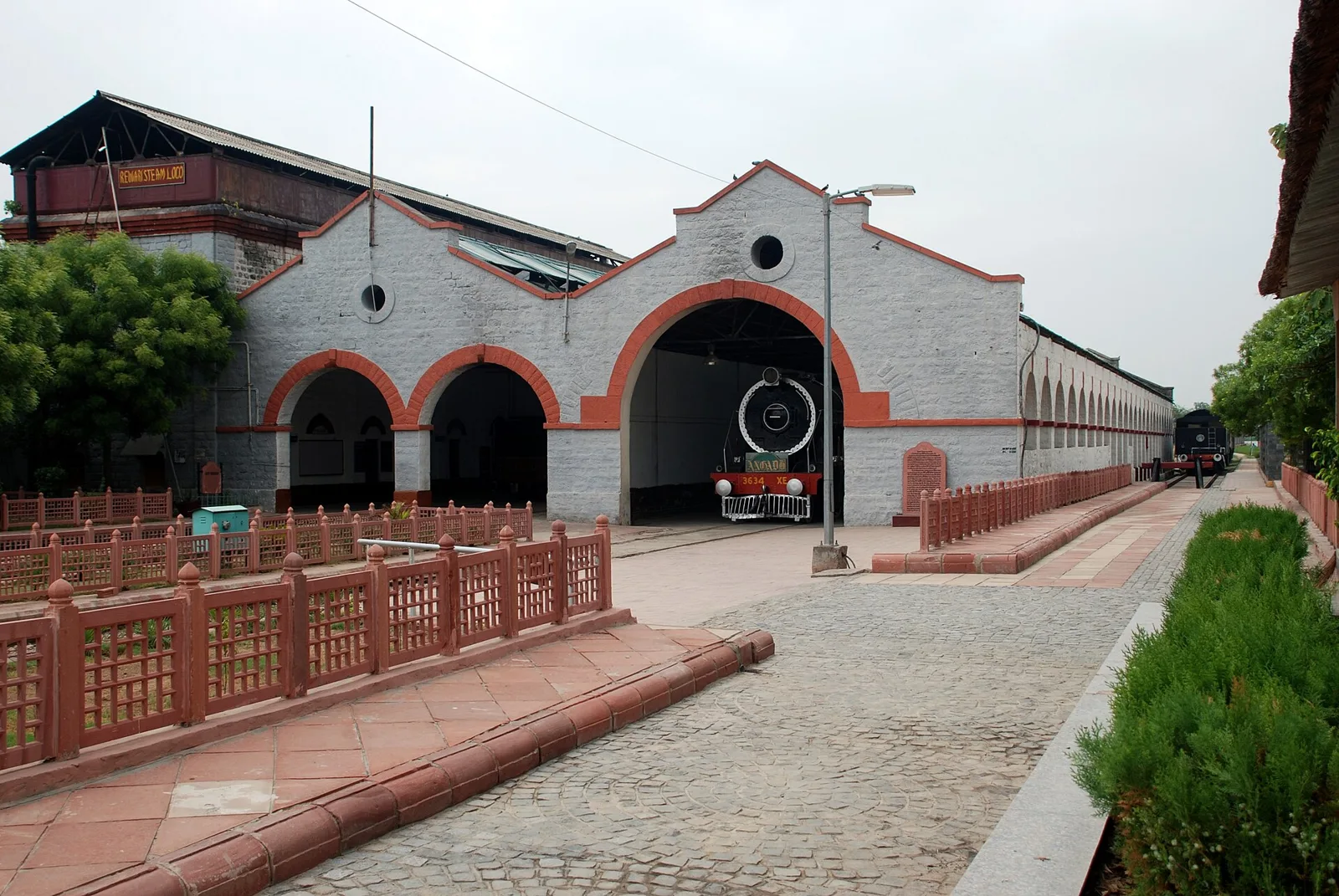
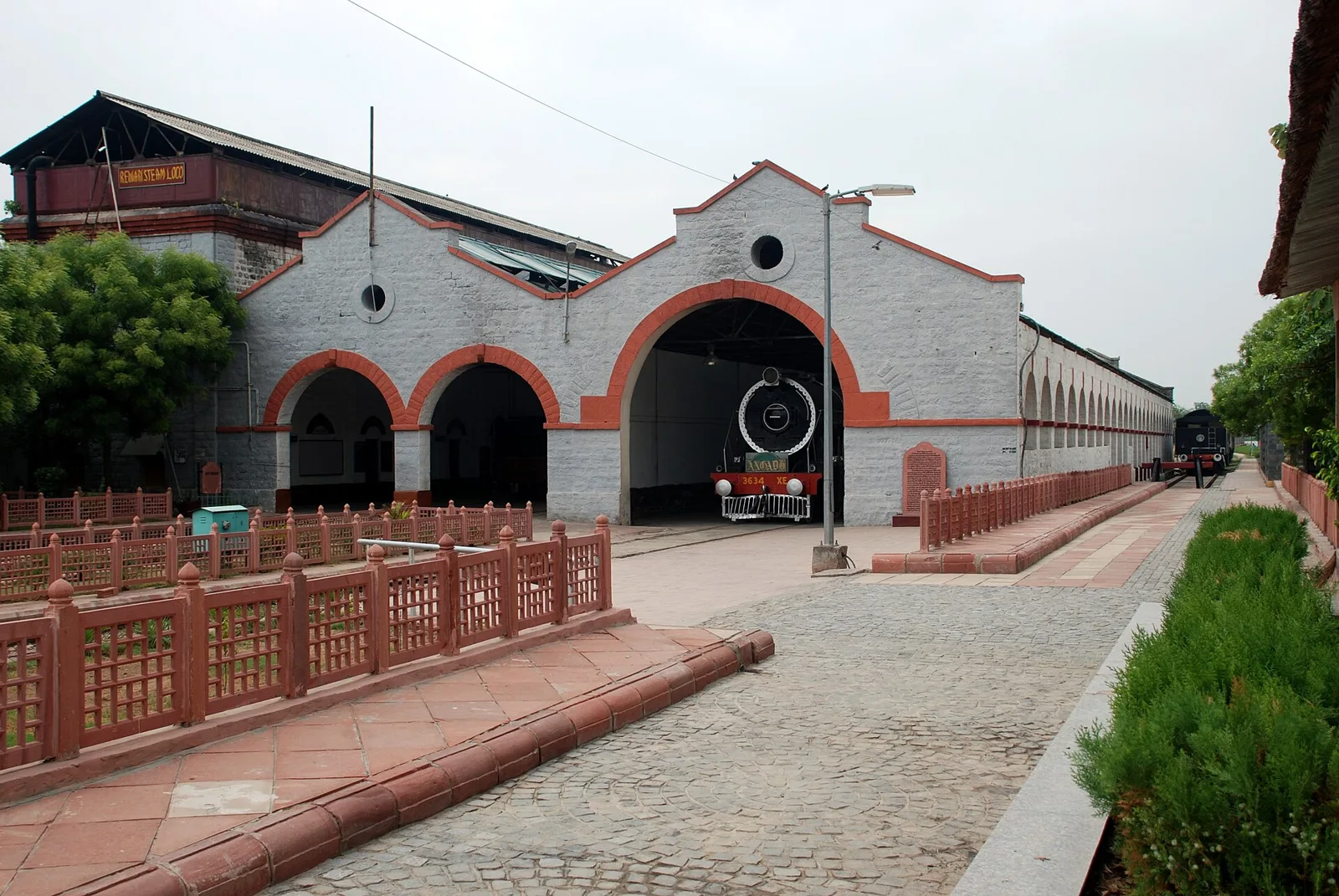
Rewari Railway Heritage Museum

33 km away · Rewari district

Rewari Railway Heritage Museum

The Rewari Railway Heritage Museum is a railway museum in Rewari, Haryana, where visitors can see surviving steam locomotives, including the working Fairy Queen, built in 1855.

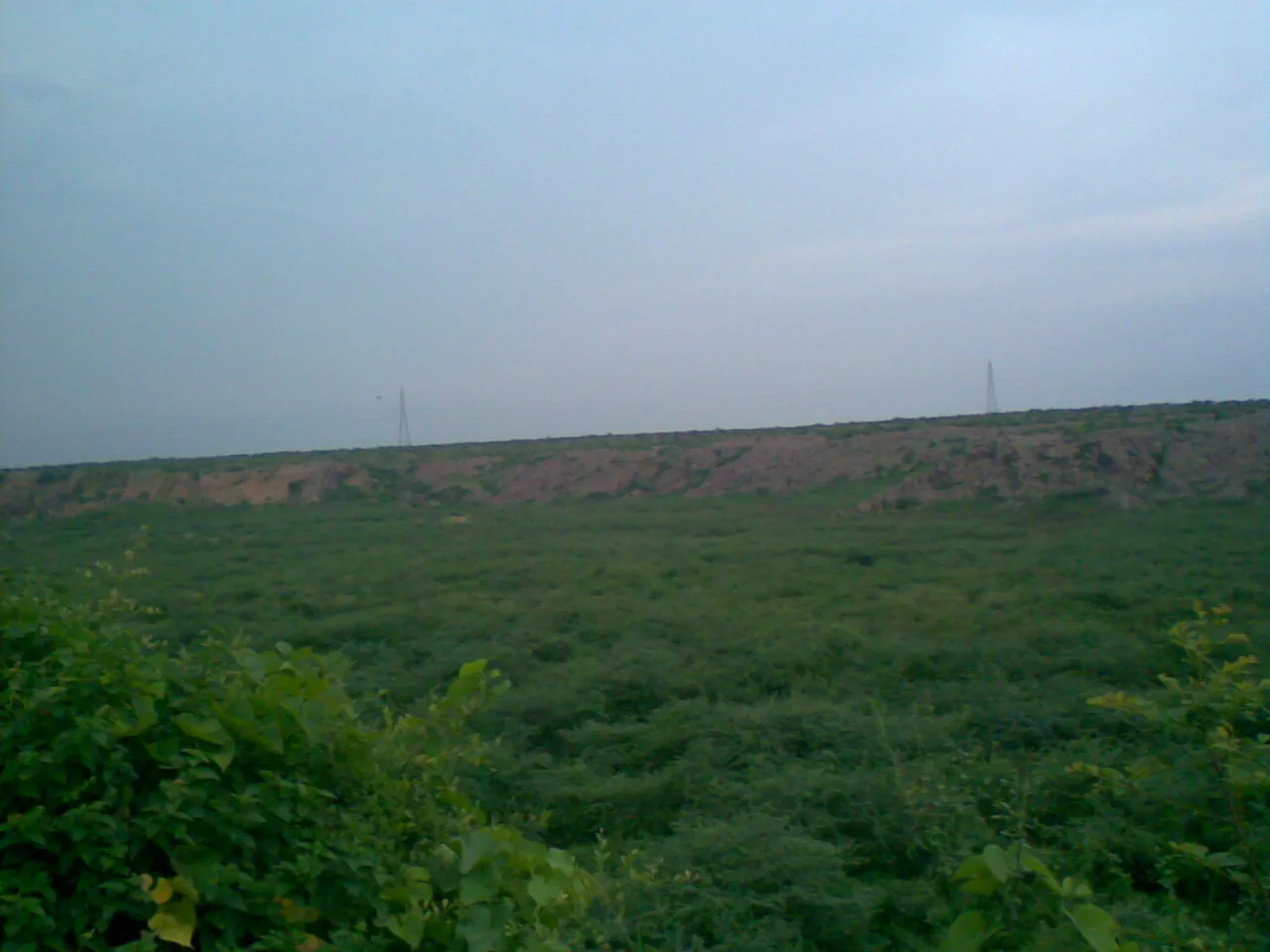
Badkhal Lake

39 km away · Faridabad district

Badkhal Lake

Badkhal Lake is a former lake near Faridabad in Haryana. Visitors come for its Aravalli setting, nearby heritage sites and the spring flower show.

Faridabad

42 km away · Faridabad district

Faridabad

Faridabad is Haryana’s most populous city within Delhi NCR, with industrial activity and an expanding urban area that brings together commercial, educational and residential facilities.

Map

Taoru on the map

  1. 1Damdama Lake
  2. 2Gurgaon
  3. 3Sultanpur National Park
  4. 4Sheetla Mata Mandir Gurgaon
  5. 5Rewari
  6. 6Rewari Railway Heritage Museum
  7. 7Badkhal Lake
  8. 8Faridabad

Haryana

Other cities to explore