Ghumoopedia — Explore, Discover, Experience
Sign in
Jyotisar, near Kaithal

City guide · Haryana

Kaithal

Kaithal is a district headquarters in north-western Haryana, near the Punjab border and within reach of Kurukshetra, Jind and Karnal. Its location makes it a regional centre for administration, trade and services, while its older sites give visitors reasons to pause beyond the main roads.

Famous for

  • Anjani Tila
  • Razia Sultan’s tomb
  • Sufi shrines
  • Bhai-era fort
  • 48 Kos Parikrama

Why Kaithal matters

Kaithal is a district headquarters in north-western Haryana, near the Punjab border and within reach of Kurukshetra, Jind and Karnal. Its location makes it a regional centre for administration, trade and services, while its older sites give visitors reasons to pause beyond the main roads. The city is traditionally associated with Kapisthala, a name linked to Hanuman, and its temples form part of the wider 48 Kos Parikrama pilgrimage landscape around Kurukshetra.

Kaithal’s attractions span several periods: Anjani Tila and other temples reflect its religious traditions; the tomb associated with Razia Sultan recalls the Delhi Sultanate; and Sufi tombs and the remains of the fort speak to later chapters of its history. These places are best approached as a compact heritage trail rather than as a large, highly developed tourist circuit. The city is also a practical base for exploring nearby towns and countryside. Local markets and everyday Punjabi-Haryanvi life add a contemporary dimension to a visit.
Famous for: crafts, trade & products

Kaithal is better known as a regional market and service centre than as a destination for a signature textile, handicraft or GI-tagged product. Trade reflects the surrounding agricultural belt: shops and markets serve residents, farmers and visitors with everyday goods and farm-related supplies. The city does not have a widely established, visitor-facing craft quarter or a nationally recognised speciality product to seek out, so shoppers should treat its bazaars as local shopping streets rather than as a curated souvenir scene.

For a sense of everyday commerce, explore the central market and older bazaar areas, where small retailers sell clothing, household goods, utensils, snacks and devotional items. Grain and agricultural trading are part of the wider regional economy, though availability and activity vary by season. Visitors looking for locally made keepsakes can ask shopkeepers about regional goods, but should not assume that an item is unique to Kaithal. Temples and pilgrimage stops may have basic devotional offerings nearby; the city’s principal draw remains its religious and historical sites rather than a particular craft or product.

History

Kaithal’s traditional name, Kapisthala, is associated with Hanuman, and local belief connects the area with the Mahabharata and the Pandava ruler Yudhishthira. The Vamana Purana refers to the Vridhakedara shrine, and the city’s temples became part of the 48 Kos Parikrama pilgrimage landscape. Historical accounts also place Kaithal within the orbit of the Delhi Sultanate: Razia Sultan and Malik Altunia are said to have reached the town after leaving Delhi in 1240. Sufi tombs in the city preserve memories of its medieval religious life.

Timur’s forces passed through Kaithal in 1398. Under the Mughals, the town was fortified and developed as an agricultural centre. In 1767, Sikh chief Bhai Desu Singh established the Kaithal State; the ruling family’s power ended in 1843. The town later came under British administration and became a municipality in 1867. Kaithal was part of Karnal and then Kurukshetra district before becoming the headquarters of its own district on 1 November 1989.

Food, festivals & culture

Kaithal shares the food traditions of Haryana and neighbouring Punjab. Everyday meals commonly draw on roti, seasonal vegetables, lentils, dairy and pickles; familiar regional dishes include bajra roti, sarson ka saag, kadhi and lassi. Sweets such as churma, jalebi and ladoo are enjoyed at home and during celebrations, though menus vary from household to household. Local eateries and sweet shops are the easiest places to sample these familiar flavours.

Hindi and Haryanvi are widely used, with Punjabi also heard in this border region. Festivals bring together family gatherings, worship and seasonal customs: Holi comes in spring, Teej during the monsoon, and Diwali in autumn; Baisakhi and Gurpurab are also observed by many. Haryana folk music, including ragini traditions, and seasonal dances are part of the region’s cultural life. Kaithal’s religious landscape includes Hanuman-linked temples, other Hindu shrines, Sufi tombs and Muslim places of worship, as well as Sikh gurdwaras. Visitors should dress respectfully and check local arrangements before entering religious sites.

Visiting the city

October to March is generally the most comfortable period for exploring Kaithal; summer can be very hot, while monsoon weather may bring rain. The nearest major airport with regular commercial connections is Chandigarh International Airport; travellers may also consider Delhi, depending on their route. Kaithal Railway Station serves the city, and road links connect it with nearby Haryana towns and Punjab.

Auto-rickshaws and local taxis are useful for moving between the station, markets and heritage sites; confirm the route before setting off. The old-city and central bazaar area is a good place to experience daily life and find food, while the fort area, Anjani Tila and the tombs can be explored as a heritage-focused outing. Distances between stops and local access arrangements can vary, so allow time and ask locally about the best approach to individual sites.

Trips from the city

Nearest places to visit from Kaithal

Our closest destination guides, by straight-line distance.

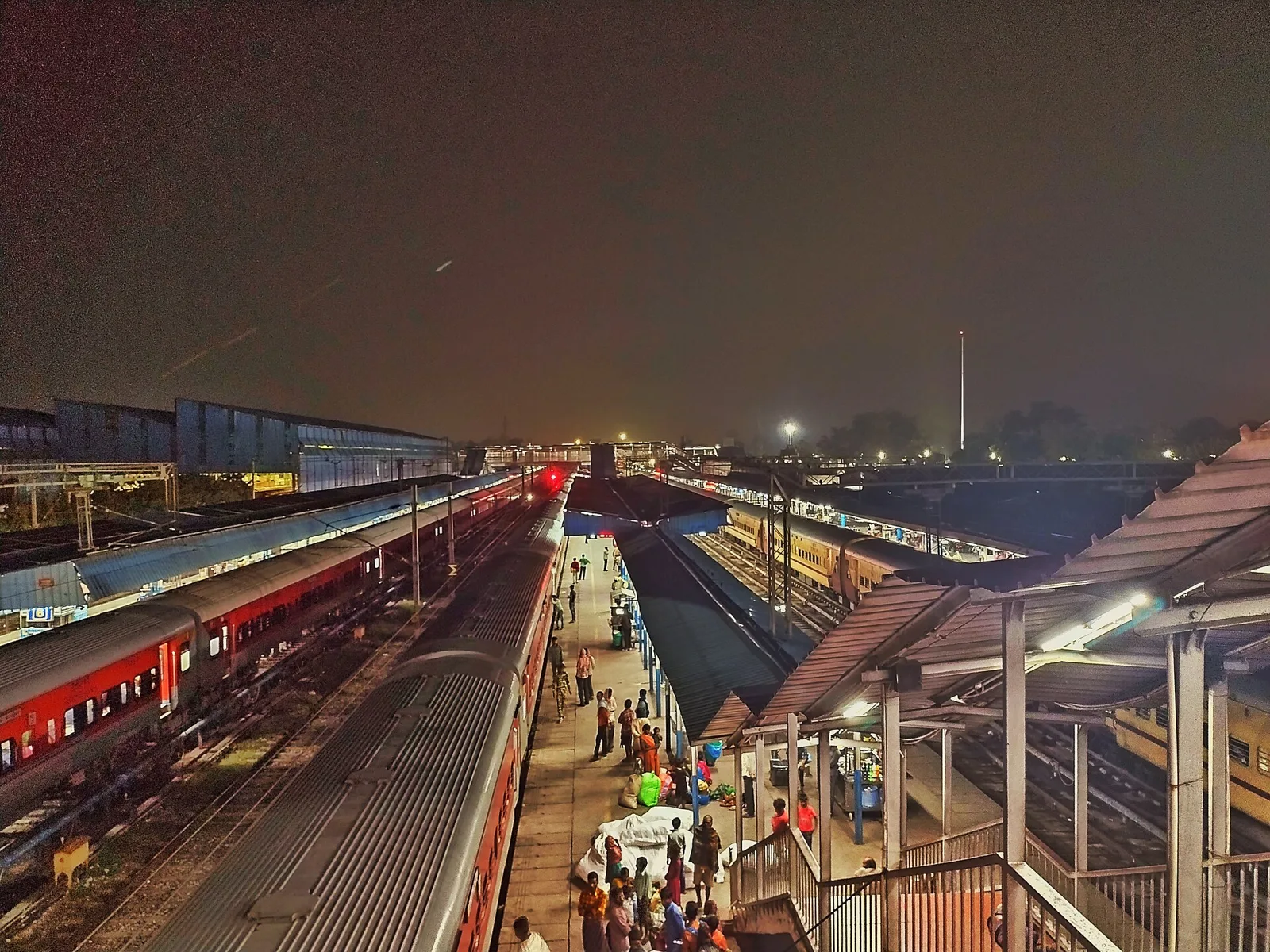
Jyotisar

40 km away · Kurukshetra district

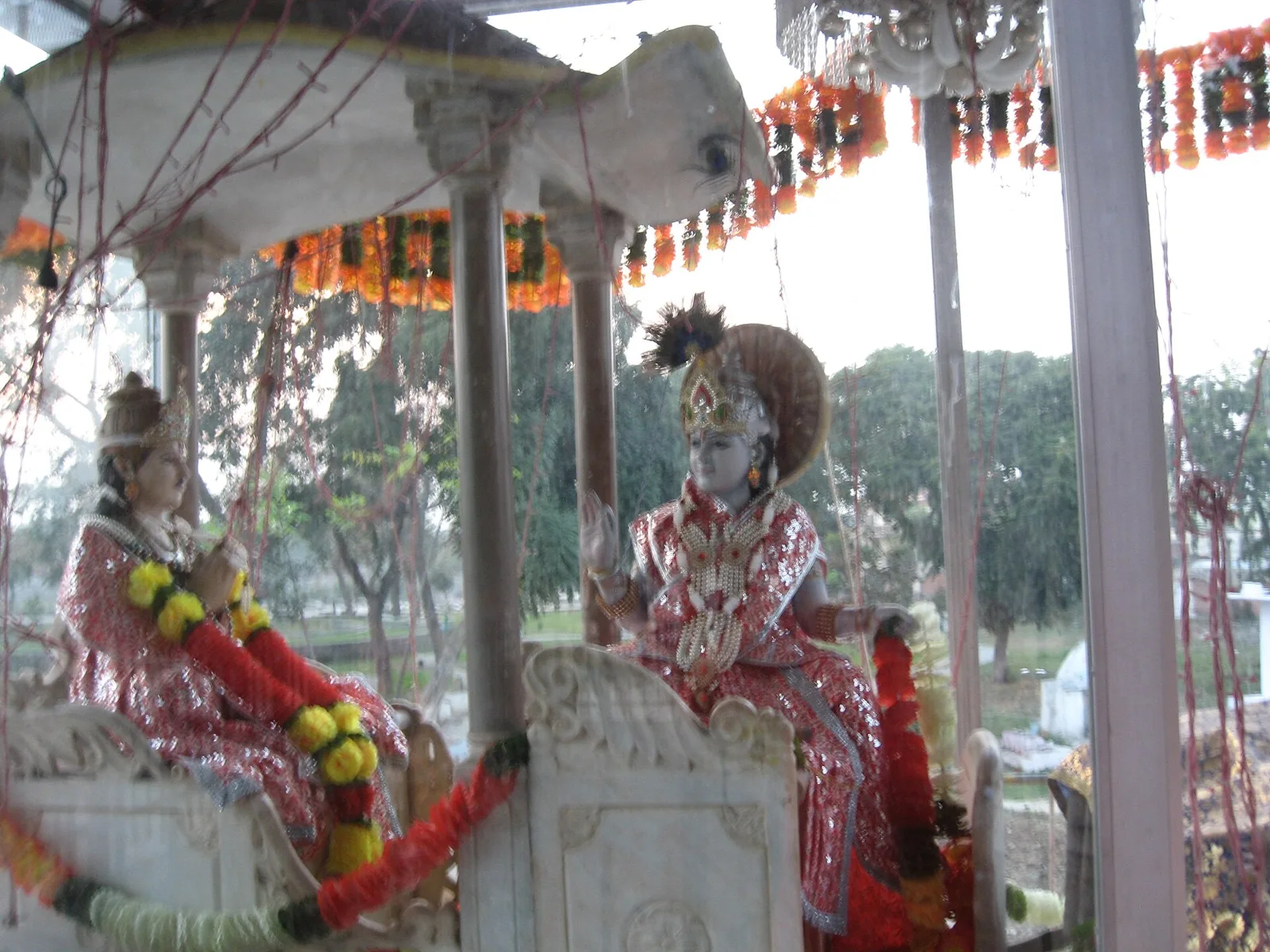
Jyotisar

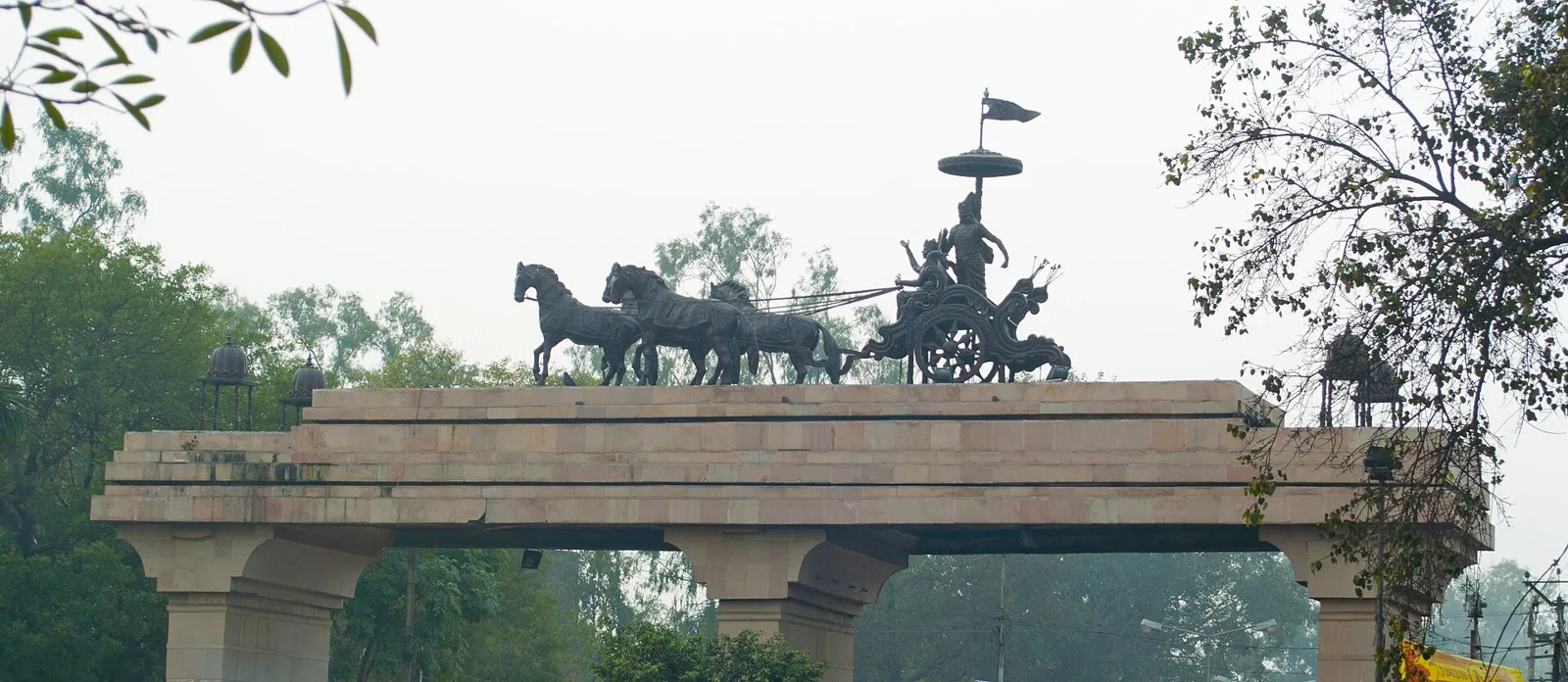
Jyotisar is a Hindu pilgrimage destination in Kurukshetra, Haryana, linked to Krishna’s teaching of the Bhagavad Gita to Arjuna. People visit to honour this sacred tradition.

Brahma Sarovar

45 km away · Kurukshetra district

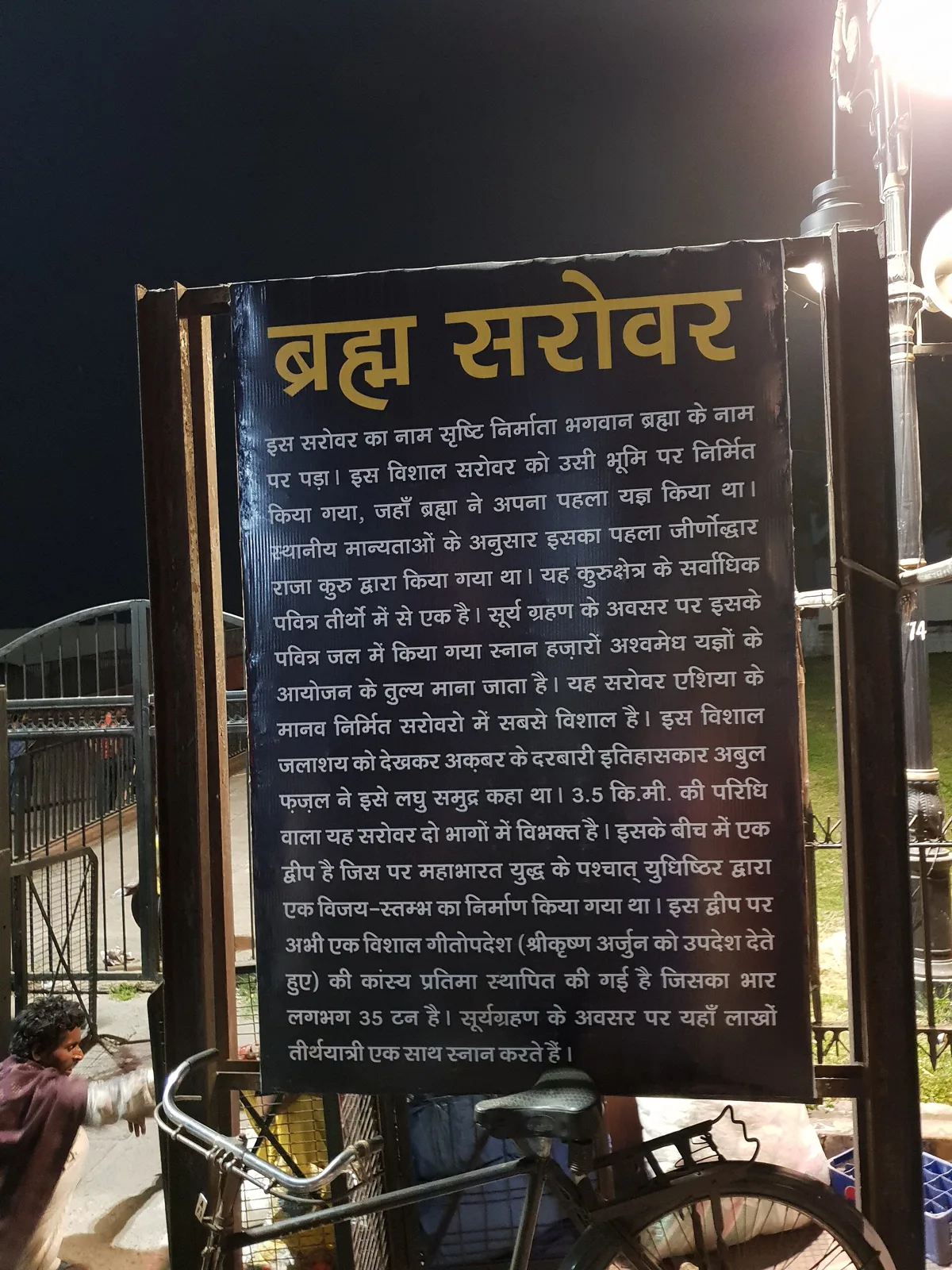
Brahma Sarovar

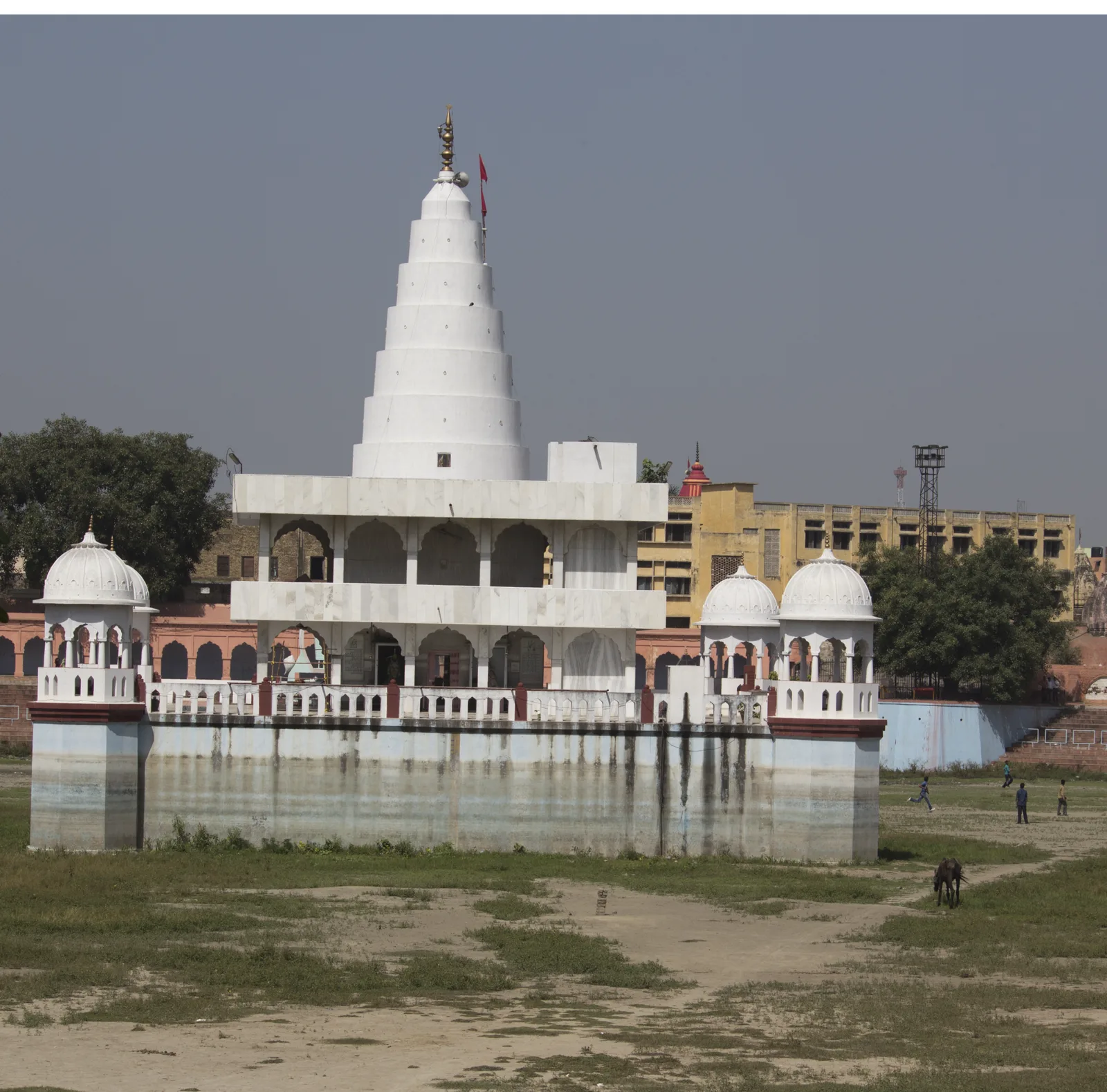
Brahma Sarovar is a natural sacred tank in Haryana’s Kurukshetra district, associated with Brahma. People visit to bathe as an act of inner and outer purification, and Hindu genealogy registers are kept at the site.

Kurukshetra

46 km away · Kurukshetra district

Kurukshetra

Kurukshetra is a historic region and city in Haryana, associated with the Bhagavad Gita and the name Dharmakshetra. People visit for its religious and historical significance.

Sheikh Chilli's Tomb

46 km away · Kurukshetra district

Sheikh Chilli's Tomb

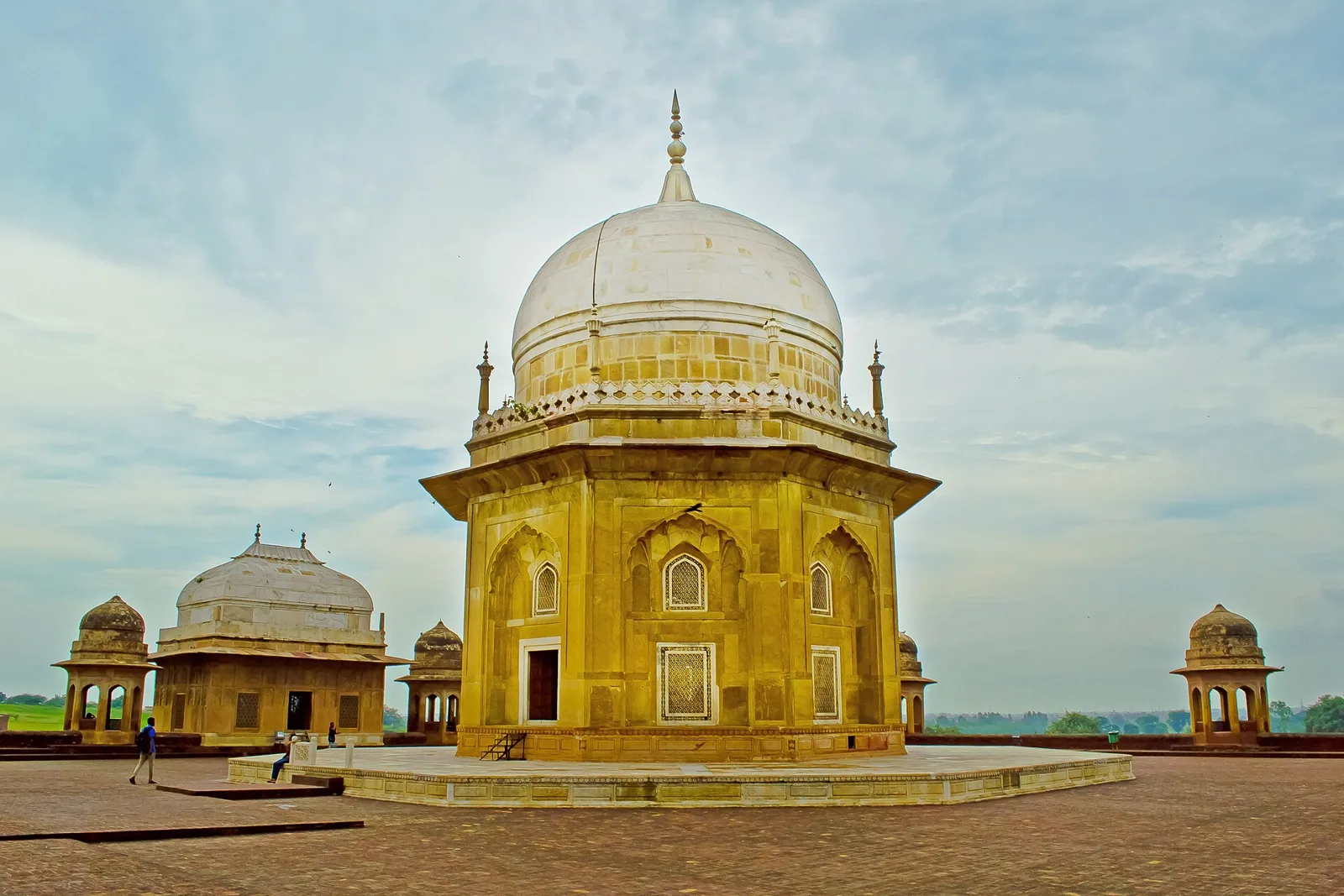
Sheikh Chilli's Tomb is an ensemble of buildings in Thanesar, Haryana. Visitors come to see its two tombs, madrasa, Mughal gardens and later features.

Jind

55 km away · Jind district

Jind

Jind is among the largest and oldest cities in Haryana’s Jind district and serves as its administrative centre. Visitors go to Rani Talab, while Pandu Pindara and Ramrai draw devotees for Amavasya bathing.

Karnal

58 km away · Karnal district

Karnal

Karnal is a city in Haryana and the centre of its district. Its traditional link with Karna and its history, including the 1739 Battle of Karnal, give it cultural and historical interest.

Panipat

72 km away · Panipat district

Panipat

Panipat is an industrial city in Haryana, noted for its textile trade and pivotal battlefield history. Visitors come to explore its association with three clashes that reshaped power in India.

Ambala

74 km away · Ambala district

Ambala

Ambala is a city in Haryana near the Punjab border and Chandigarh. Travellers use the district as a regional passage point for tourism and encounter its paired city and cantonment.

Map

Kaithal on the map

  1. 1Jyotisar
  2. 2Brahma Sarovar
  3. 3Kurukshetra
  4. 4Sheikh Chilli's Tomb
  5. 5Jind
  6. 6Karnal
  7. 7Panipat
  8. 8Ambala

Haryana

Other cities to explore