Ghumoopedia — Explore, Discover, Experience
Sign in
Karnal, near Tirawari

City guide · Haryana

Tirawari

Taraori is a small town in Karnal district, best known for its connection with aromatic basmati rice and the historic battles of Tarain. Set in Haryana’s fertile plains, it serves nearby farming communities and is part of a region where paddy cultivation, rice milling and agricultural trade are important to daily life.

Famous for

  • Taraori basmati rice
  • Rice mills and trade
  • Historic Tarain battlefields
  • Haryana agricultural culture

Why Tirawari matters

Taraori is a small town in Karnal district, best known for its connection with aromatic basmati rice and the historic battles of Tarain. Set in Haryana’s fertile plains, it serves nearby farming communities and is part of a region where paddy cultivation, rice milling and agricultural trade are important to daily life. Its location along the Delhi–Ambala road and rail corridor also links it with Karnal and other towns in northern Haryana.

For visitors, Taraori offers a quieter stop rather than a large collection of conventional attractions. Its name is closely associated with the battles fought in the surrounding Tarain area in the twelfth century, while local rice businesses reflect the town’s present-day identity. Travellers can explore the market and grain-trading activity, sample regional food and use Taraori as a base for visiting Karnal and other nearby places. The contrast between a working agricultural town and a landscape tied to major medieval events is what gives Taraori its distinctive place in the region.
Famous for: crafts, trade & products

Taraori is particularly associated with basmati rice, including the traditionally grown Taraori type valued for its fragrance and long grains. Paddy from the surrounding agricultural belt supports local rice mills, processing businesses and wholesale trade. The town’s grain market and rice dealers are the most practical places to see this trade at work; packaged rice is also sold through local shops. Basmati is the area’s standout product, rather than a broad range of locally distinctive handicrafts or textiles.

Rice processing and agricultural commerce shape much of Taraori’s business life. Visitors looking to buy rice can ask at established mills or retailers in town about varieties, origin and packaging; availability varies by season and seller. The wider Karnal region also has a strong agricultural research and trading presence, but Taraori’s own reputation rests chiefly on its rice-growing and milling connections. There is no need to expect a dedicated craft quarter or a major shopping district: the everyday bazaar and grain-trading areas offer the clearest view of local commerce.

History

Taraori’s historical significance is linked to Tarain, the name commonly used for the battlefield area nearby. Two major battles were fought there between Prithviraj Chauhan and Muhammad of Ghor: the first in 1191, when Chauhan’s forces prevailed, and the second in 1192, which ended in a Ghurid victory. The outcome of the later battle helped reshape political power in northern India. The precise extent of the historic battlefield is associated with the surrounding region, rather than a single visitor site within the town.

In later centuries, Taraori developed as a settlement in the fertile agricultural belt around Karnal. Under British rule, the area formed part of the Punjab administration; it became part of Haryana when the state was created in 1966. Improved road and rail connections, farming and the growth of rice milling and trade helped shape the modern town. Today its identity combines the memory of Tarain with the practical role of an agricultural market and processing centre.

Food, festivals & culture

Everyday life in Taraori reflects the agrarian culture of Haryana and the neighbouring Punjab region. Hindi and Haryanvi are widely used, with Punjabi also heard. Meals commonly draw on North Indian staples such as roti, dal, seasonal vegetables, curd and lassi; rice is naturally prominent in a town associated with basmati. Sweets such as jalebi and local milk-based treats are familiar across the region, though menus and specialities differ between shops and households.

Holi in spring and Diwali in autumn are widely observed, alongside festivals such as Teej during the monsoon season, Janmashtami and Baisakhi. Eid is also marked by Muslim residents. Family gatherings, worship and community events are central to celebrations. Haryanvi folk traditions include ragini singing and energetic dances such as dhamal, heard especially at festive or social occasions. Temples, mosques and gurdwaras serve local worshippers; visitors should dress respectfully and follow customary practices when entering religious spaces.

Visiting the city

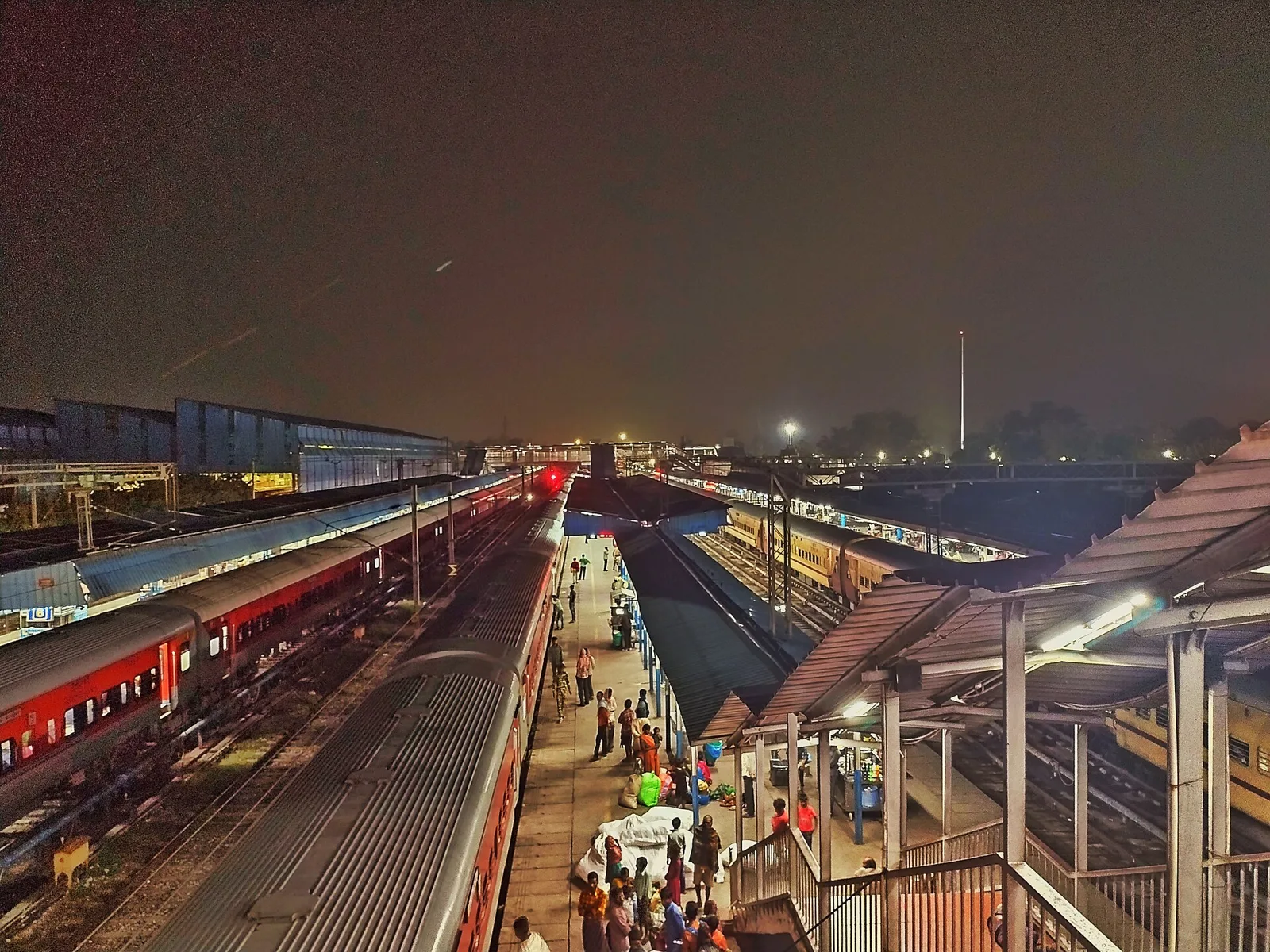
October to March is generally the most comfortable time to visit, with cooler weather for exploring the town and nearby countryside. Summers can be very hot, while the monsoon brings rain and humid conditions. Chandigarh International Airport is the nearest major airport for scheduled flights; Delhi’s Indira Gandhi International Airport is another practical option. Taraori railway station serves the town, while Karnal railway station is a larger nearby rail hub.

Auto-rickshaws and local taxis are useful for short journeys, and road links connect Taraori with Karnal and the wider region. Explore the town bazaar and grain-market area to get a sense of local life and rice trade. The nearby Tarain battlefield landscape is the main historical point of interest; Karnal makes a convenient base for additional dining, accommodation and regional sightseeing. Check local transport arrangements before setting out to less-developed historical areas.

Trips from the city

Nearest places to visit from Tirawari

Our closest destination guides, by straight-line distance.

Karnal

14 km away · Karnal district

Karnal

Karnal is a city in Haryana and the centre of its district. Its traditional link with Karna and its history, including the 1739 Battle of Karnal, give it cultural and historical interest.

Brahma Sarovar

20 km away · Kurukshetra district

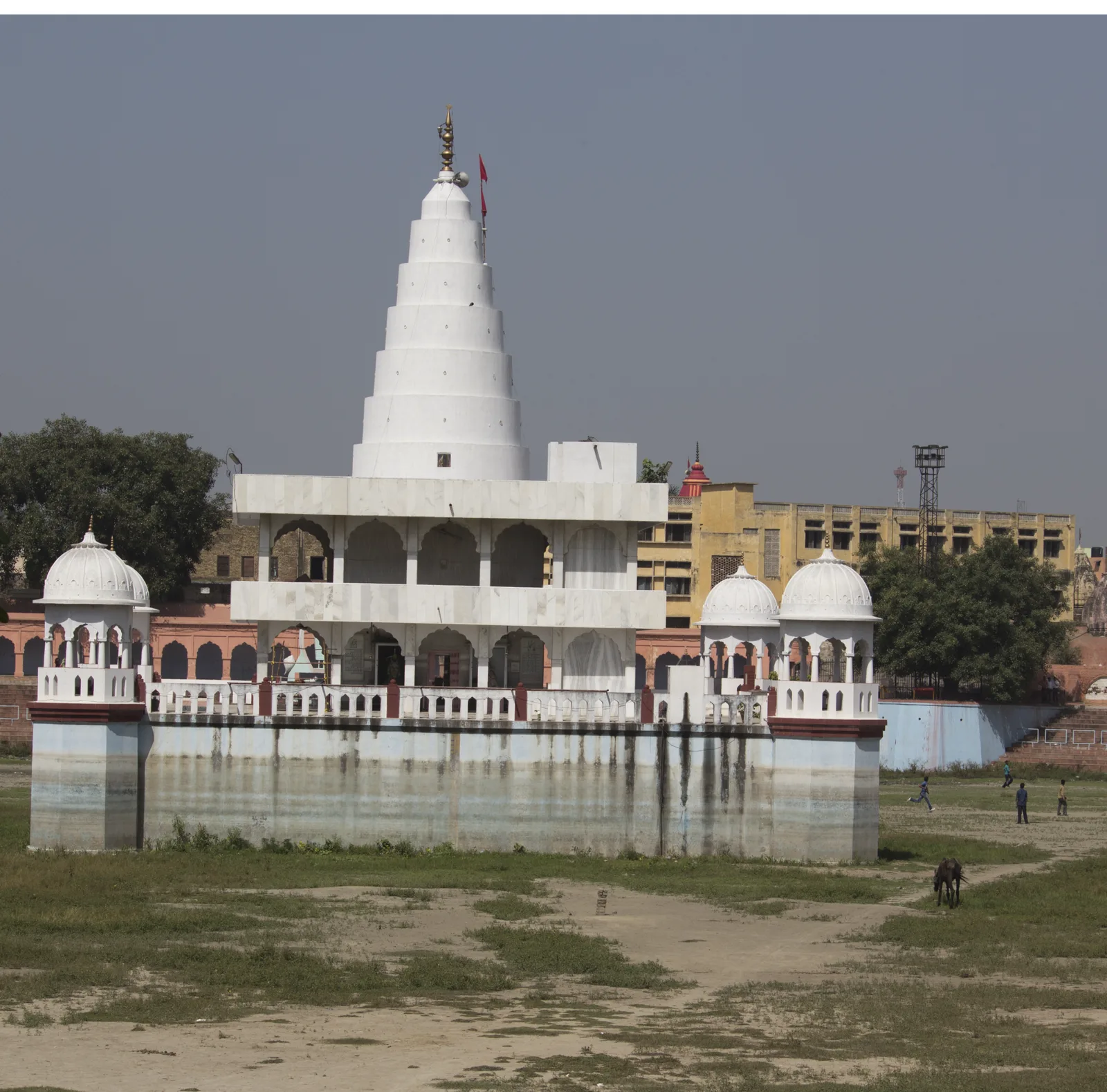
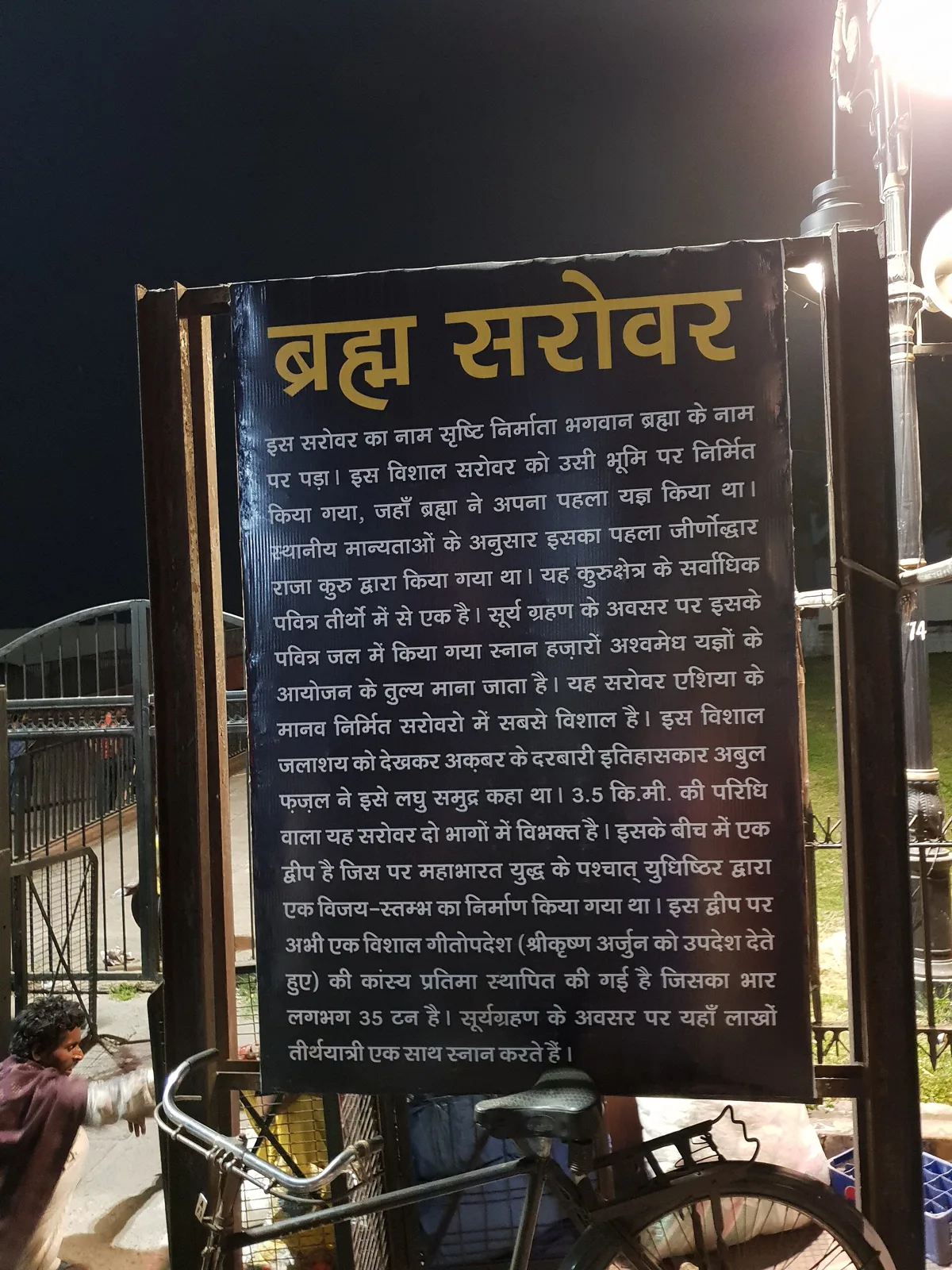
Brahma Sarovar

Brahma Sarovar is a natural sacred tank in Haryana’s Kurukshetra district, associated with Brahma. People visit to bathe as an act of inner and outer purification, and Hindu genealogy registers are kept at the site.

Kurukshetra

20 km away · Kurukshetra district

Kurukshetra

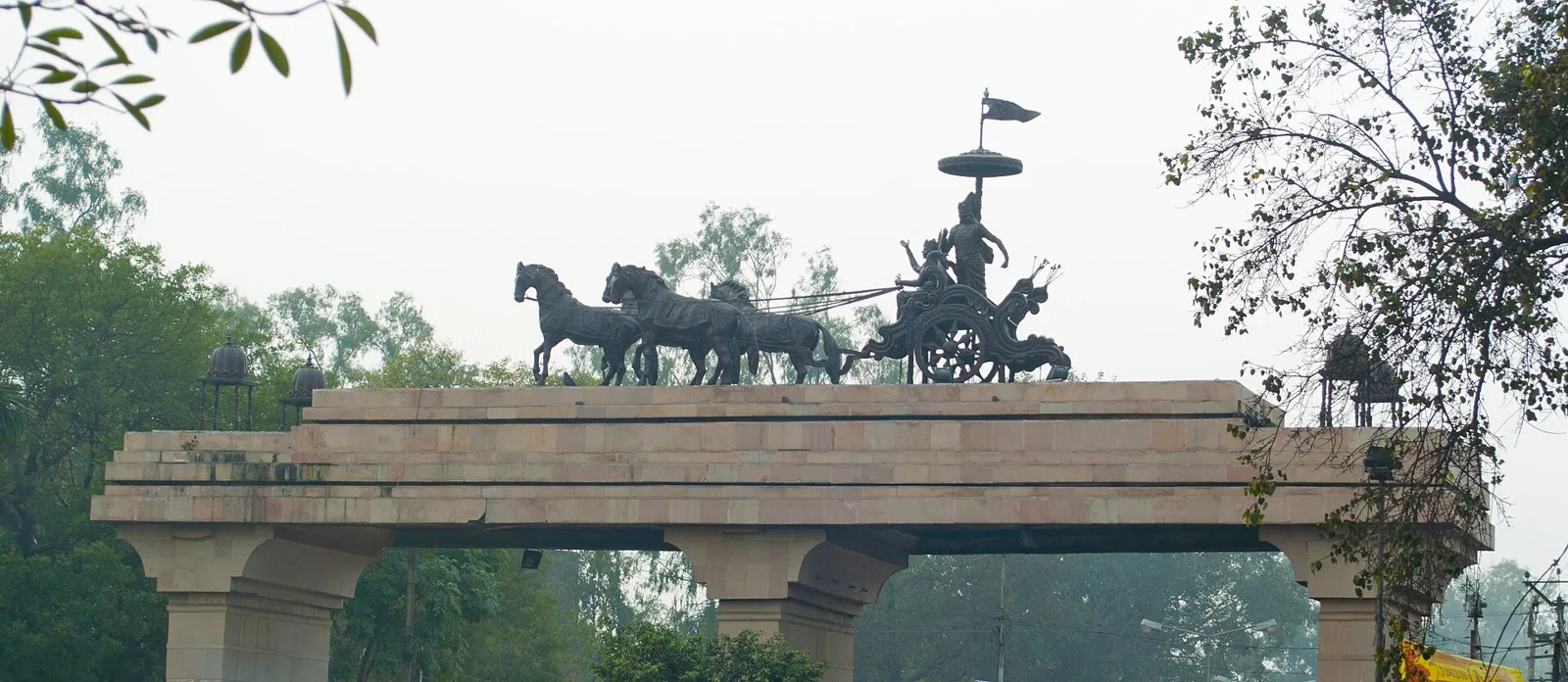
Kurukshetra is a historic region and city in Haryana, associated with the Bhagavad Gita and the name Dharmakshetra. People visit for its religious and historical significance.

Sheikh Chilli's Tomb

22 km away · Kurukshetra district

Sheikh Chilli's Tomb

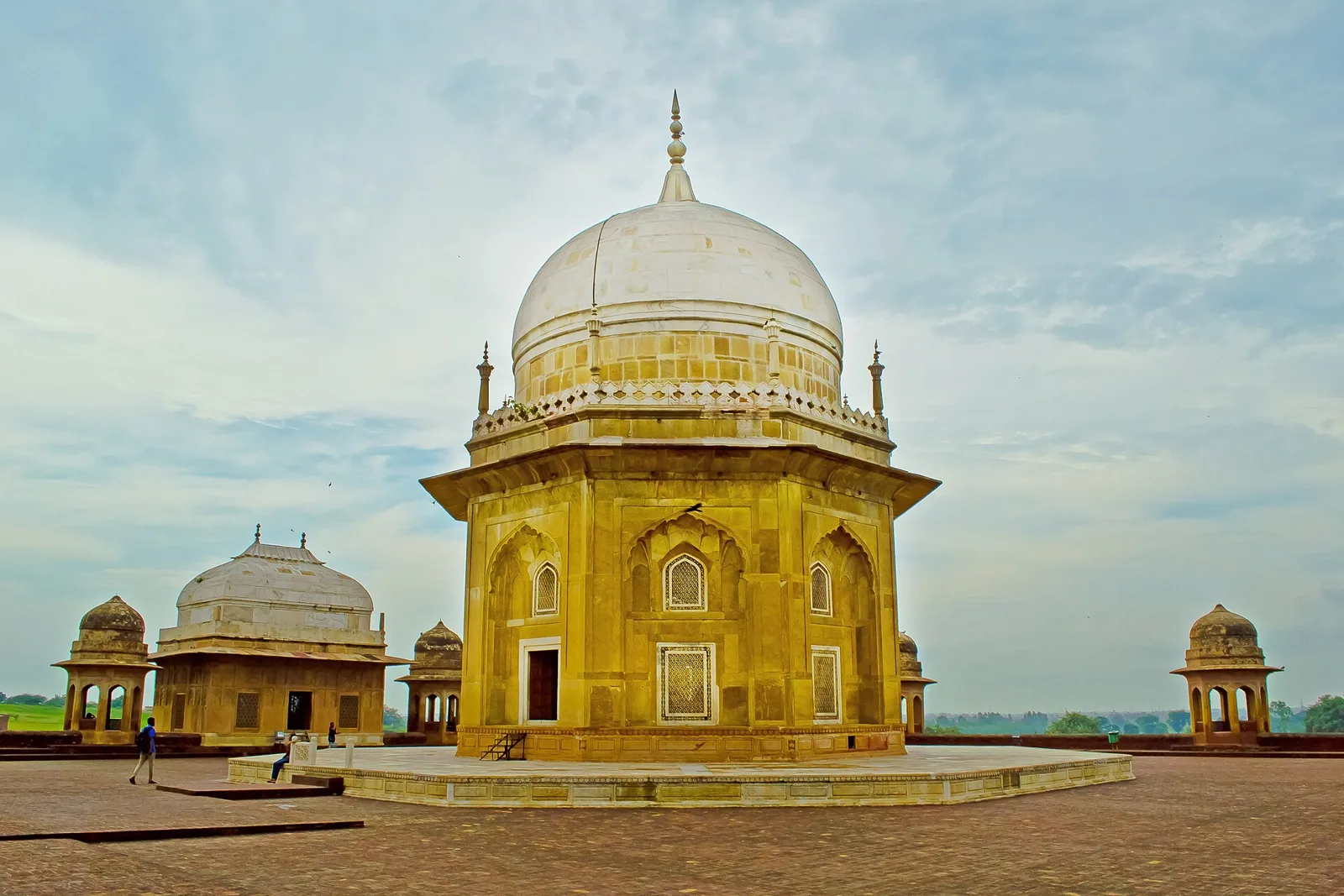
Sheikh Chilli's Tomb is an ensemble of buildings in Thanesar, Haryana. Visitors come to see its two tombs, madrasa, Mughal gardens and later features.

Jyotisar

23 km away · Kurukshetra district

Jyotisar

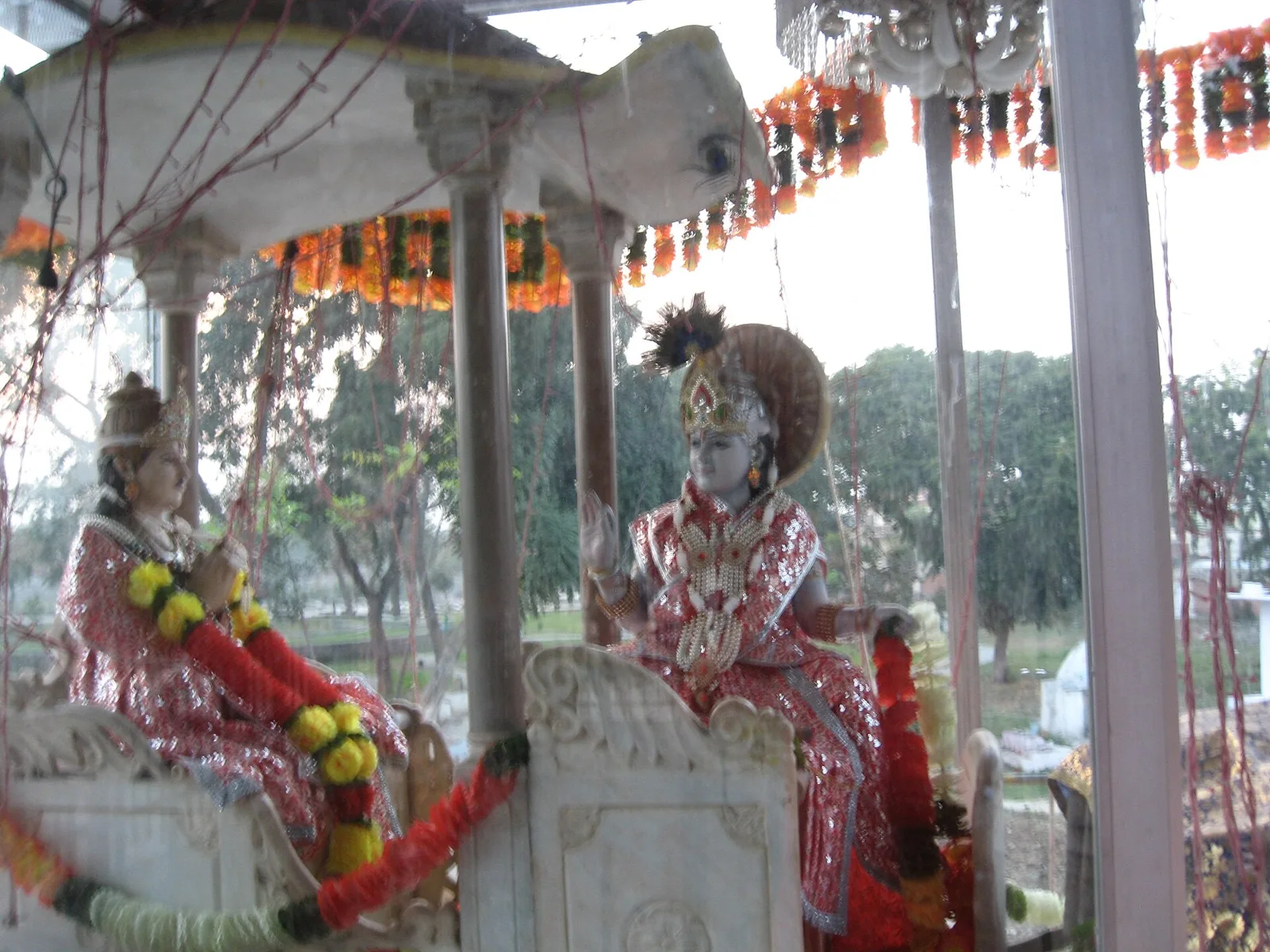
Jyotisar is a Hindu pilgrimage destination in Kurukshetra, Haryana, linked to Krishna’s teaching of the Bhagavad Gita to Arjuna. People visit to honour this sacred tradition.

Panipat

46 km away · Panipat district

Panipat

Panipat is an industrial city in Haryana, noted for its textile trade and pivotal battlefield history. Visitors come to explore its association with three clashes that reshaped power in India.

Ambala

66 km away · Ambala district

Ambala

Ambala is a city in Haryana near the Punjab border and Chandigarh. Travellers use the district as a regional passage point for tourism and encounter its paired city and cantonment.

Jind

80 km away · Jind district

Jind

Jind is among the largest and oldest cities in Haryana’s Jind district and serves as its administrative centre. Visitors go to Rani Talab, while Pandu Pindara and Ramrai draw devotees for Amavasya bathing.

Map

Tirawari on the map

  1. 1Karnal
  2. 2Brahma Sarovar
  3. 3Kurukshetra
  4. 4Sheikh Chilli's Tomb
  5. 5Jyotisar
  6. 6Panipat
  7. 7Ambala
  8. 8Jind

Haryana

Other cities to explore