Ghumoopedia — Explore, Discover, Experience
Sign in
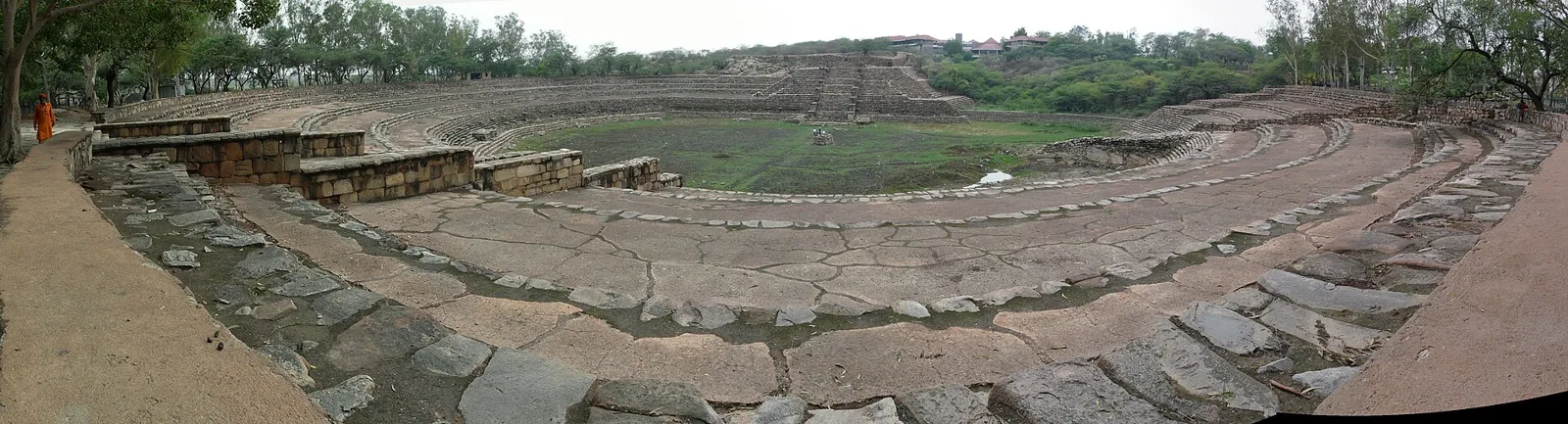
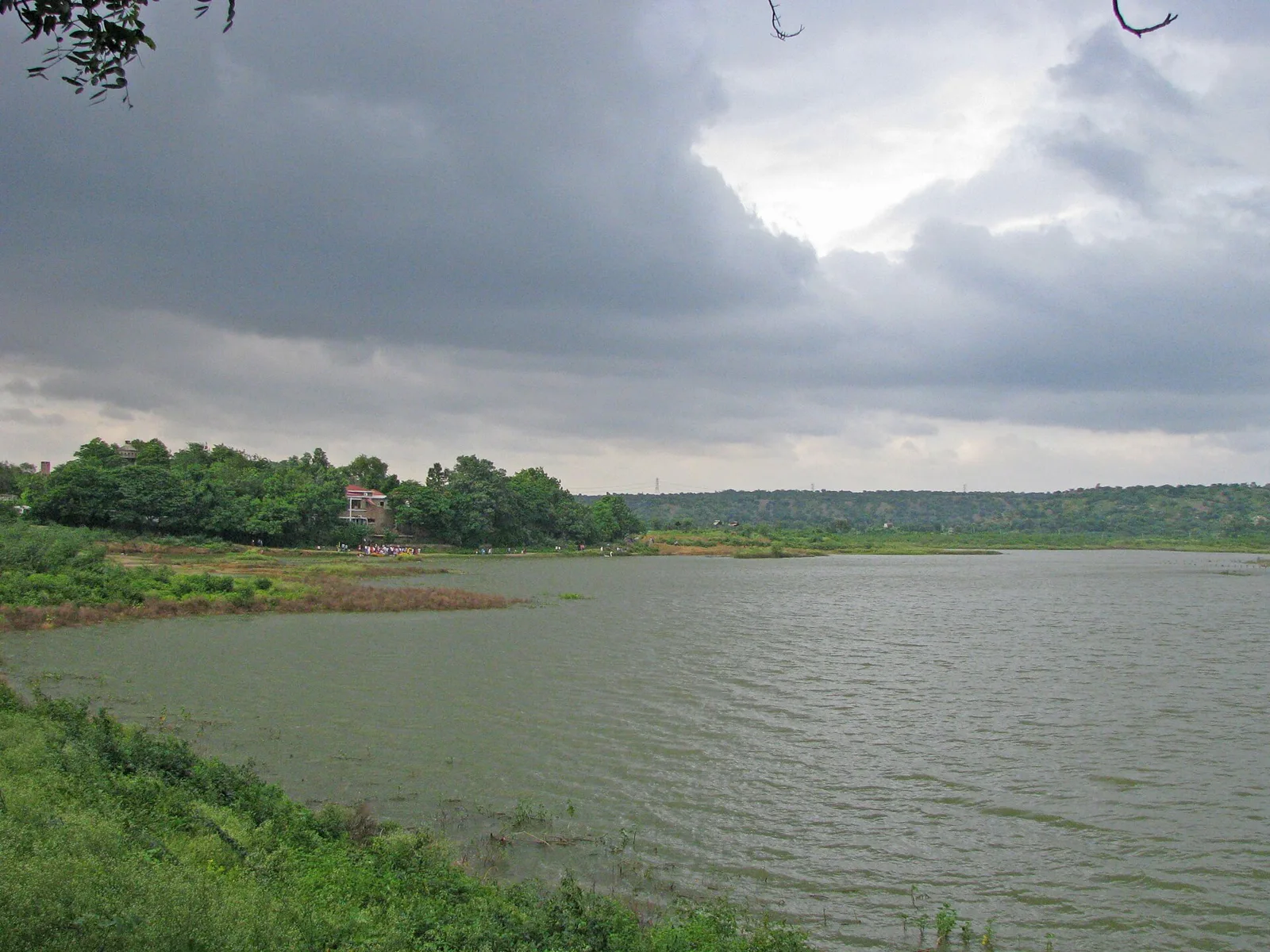
Damdama Lake, near Hattin

City guide · Haryana

Hattin

Hattin, also commonly spelled Hathin, is a small town in Palwal district in southern Haryana. Its importance is chiefly regional: it serves as an administrative and trading centre for nearby villages, with local shops and services supporting the surrounding agricultural area.

Famous for

  • Agricultural market town
  • Mewati-Haryanvi traditions
  • Regional village markets
  • Bajra-based Haryanvi food

Why Hattin matters

Hattin, also commonly spelled Hathin, is a small town in Palwal district in southern Haryana. Its importance is chiefly regional: it serves as an administrative and trading centre for nearby villages, with local shops and services supporting the surrounding agricultural area. It is a place to experience everyday life in rural Haryana rather than a destination built around major monuments or a large tourist industry.

Visitors may find the town useful as a stop while travelling through the Palwal and Mewat region. Its character reflects the mix of Haryanvi and Mewati influences found across this part of the state, evident in speech, food and community life. Local markets are oriented toward residents and nearby farmers, not specialist shopping. Hattin is not widely associated with a nationally recognised craft, textile or landmark, so travellers seeking major attractions may want to include other stops in the region. Its appeal is quieter: a glimpse of local commerce, village connections and the rhythms of a small Haryana town.
Famous for: crafts, trade & products

Hattin is best understood as a local service and market town rather than a centre for a signature textile, handicraft or manufactured product. Shops in and around the central bazaar mainly cater to residents and villages nearby, selling everyday goods, household supplies, clothing and farm-related necessities. Agricultural produce from the surrounding area is part of the local economy, though the town is not especially known for a single crop or a large specialist wholesale market.

There is no widely recognised Hattin-specific GI-tagged product or craft tradition to seek out. Visitors looking for a broader choice of shops and services can explore markets in Palwal, the district’s main urban centre. For a sense of local trade, the town’s central shopping streets are the most practical place to browse; purchases are generally everyday provisions rather than tourist souvenirs. Regional foods and seasonal produce may be available through local vendors, but selection varies. Hattin’s commercial importance lies in serving its rural hinterland, not in exporting a celebrated brand or craft.

History

Hattin’s history is closely tied to the wider Mewat and southern Haryana region, a crossroads of agrarian communities and changing political powers. Over the centuries, this broader area came under the influence of the Delhi Sultanate and later the Mughal Empire, followed by British colonial administration. Hattin itself is not commonly associated with a single, well-documented founding event or a major surviving royal monument, so its story is best understood through regional and village history.

Under colonial rule, administration and land revenue systems shaped local life, while agriculture remained central to the economy. After Independence, the area became part of Punjab and then Haryana when the state was formed in 1966. Hattin developed as a local administrative and trading centre serving nearby settlements. Palwal district was created in 2008, giving the town a place within the district’s contemporary civic structure. Roads, public services and local commerce continue to connect Hattin with Palwal and other towns in the region.

Food, festivals & culture

Food and social life in Hattin reflect the wider traditions of southern Haryana and Mewat. Meals commonly draw on wheat and millet, with dishes such as bajra roti, seasonal greens, lentils, curd and buttermilk. Churma and kheer are familiar festive or celebratory sweets in the region. Everyday menus vary by household and season, and local eateries are more likely to serve filling regional meals than specialised restaurant cuisine.

Haryanvi, Hindi and Mewati are heard in daily life, with language use varying among families and communities. Holi in spring, Teej during the monsoon season, and Diwali in autumn are widely observed; Eid is also celebrated by Muslim communities. Weddings and family gatherings bring folk songs and locally familiar music into community life. Rather than a major performance venue, Hattin’s cultural life is centred on neighbourhood gatherings and places of worship, including local temples and mosques. Visitors should be considerate of worshippers and local customs when visiting these spaces.

Visiting the city

The cooler months, roughly October to March, are generally the most comfortable time to visit; summers can be very hot, and the monsoon brings rain and humidity. Indira Gandhi International Airport in Delhi is the nearest major airport. Hodal railway station is a nearby rail option, while Palwal railway station is another useful railhead with connections on the main Delhi–Mathura route. Check current routes before setting out, as onward travel may require a road connection.

Local buses, shared vehicles and taxis can help with travel between towns, while auto-rickshaws or local transport may be available for short journeys. Hattin is compact, and the central market is a practical place to begin exploring. Visitors can also take in the everyday streets and nearby countryside, keeping in mind that this is a working town rather than a destination with a developed sightseeing circuit.

Trips from the city

Nearest places to visit from Hattin

Our closest destination guides, by straight-line distance.

Damdama Lake

31 km away · Gurugram district

Damdama Lake

Damdama Lake is a rain-fed reservoir near Sohna in Haryana’s Gurugram district. Visitors come for its Aravalli setting and access to nearby natural areas and historical sites.

Badkhal Lake

42 km away · Faridabad district

Badkhal Lake

Badkhal Lake is a former lake near Faridabad in Haryana. Visitors come for its Aravalli setting, nearby heritage sites and the spring flower show.

Faridabad

43 km away · Faridabad district

Faridabad

Faridabad is Haryana’s most populous city within Delhi NCR, with industrial activity and an expanding urban area that brings together commercial, educational and residential facilities.

Surajkund

49 km away · Faridabad district

Surajkund

Surajkund is a 10th-century reservoir in Faridabad, Haryana, associated with the Tomara dynasty and sun worship. Visitors also come for its annual craft fair and the area’s archaeological and natural features.

Gurgaon

50 km away · Gurugram district

Gurgaon

Gurgaon, officially named Gurugram, is a satellite city of Delhi and administrative headquarters of Gurgaon district, located in the northern Indian state of Haryana.

53 km away · Gurugram district

Sheetla Mata Mandir Gurgaon

In Gurugram, Haryana, Sheetla Mata Mandir is a Hindu shrine honouring the goddess Sheetla, associated with Guru Dronacharya. Devotees visit in large numbers during Navaratri and other festivals.

Sultanpur National Park

58 km away · Gurugram district

Sultanpur National Park

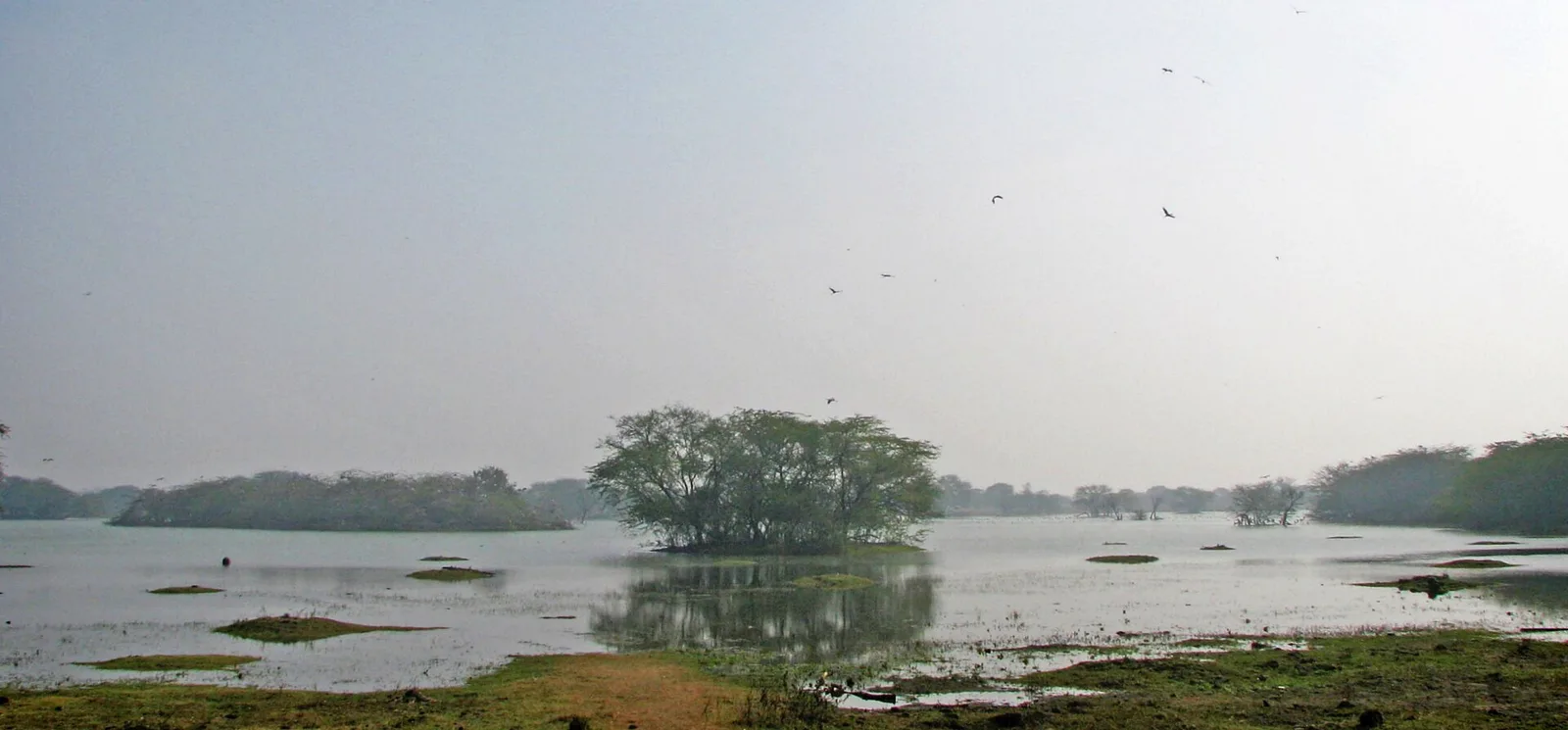
In Gurugram district, Haryana, Sultanpur National Park covers about 1.43 square kilometres. Visitors come to experience a national park in the state.

Rewari

63 km away · Rewari district

Rewari

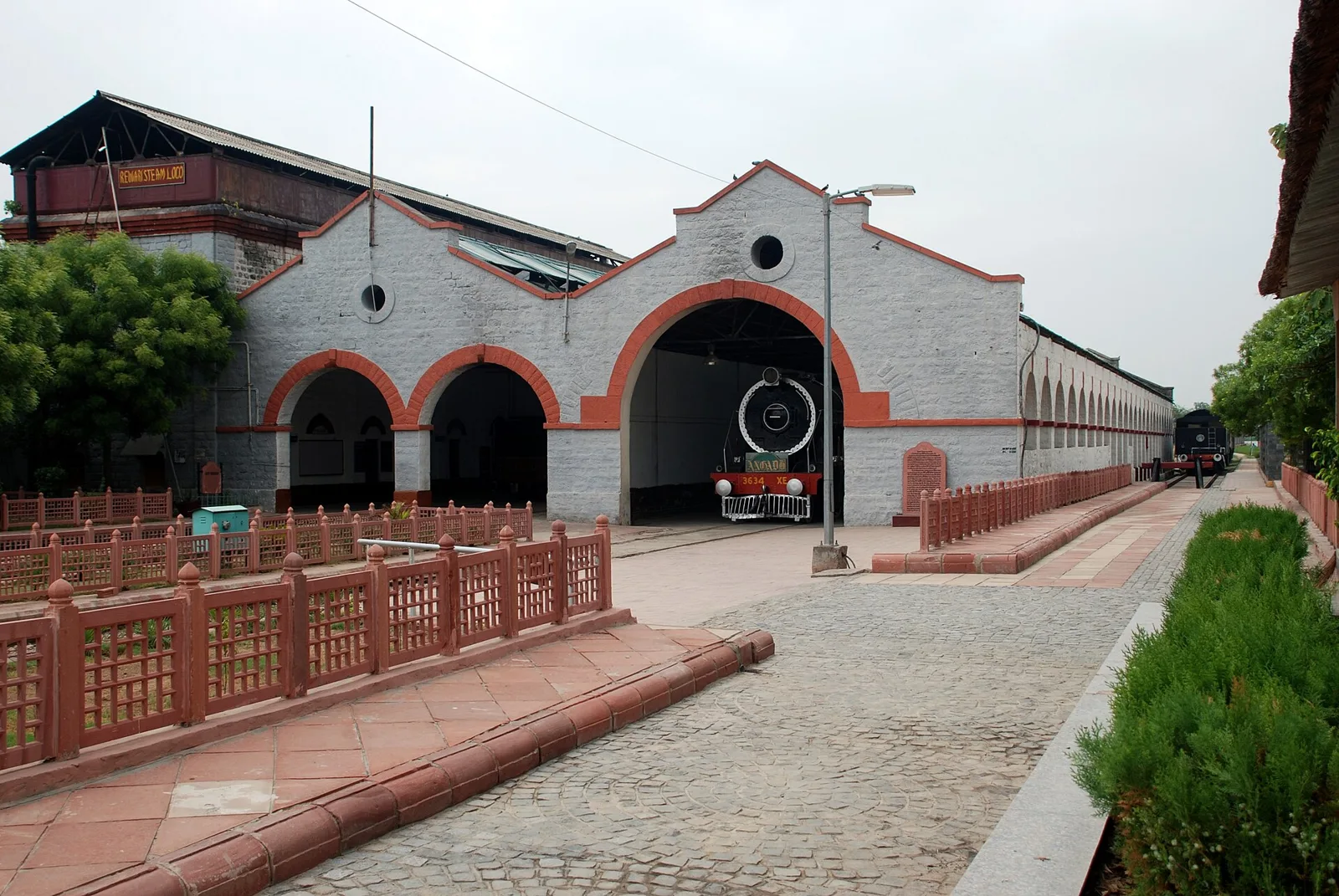
Rewari is a municipal town in Haryana and the headquarters of Rewari district. People travelling for district administration may come here, and the city lies within the Ahirwal region.

Map

Hattin on the map

  1. 1Damdama Lake
  2. 2Badkhal Lake
  3. 3Faridabad
  4. 4Surajkund
  5. 5Gurgaon
  6. 6Sheetla Mata Mandir Gurgaon
  7. 7Sultanpur National Park
  8. 8Rewari

Haryana

Other cities to explore