Ghumoopedia — Explore, Discover, Experience
Sign in
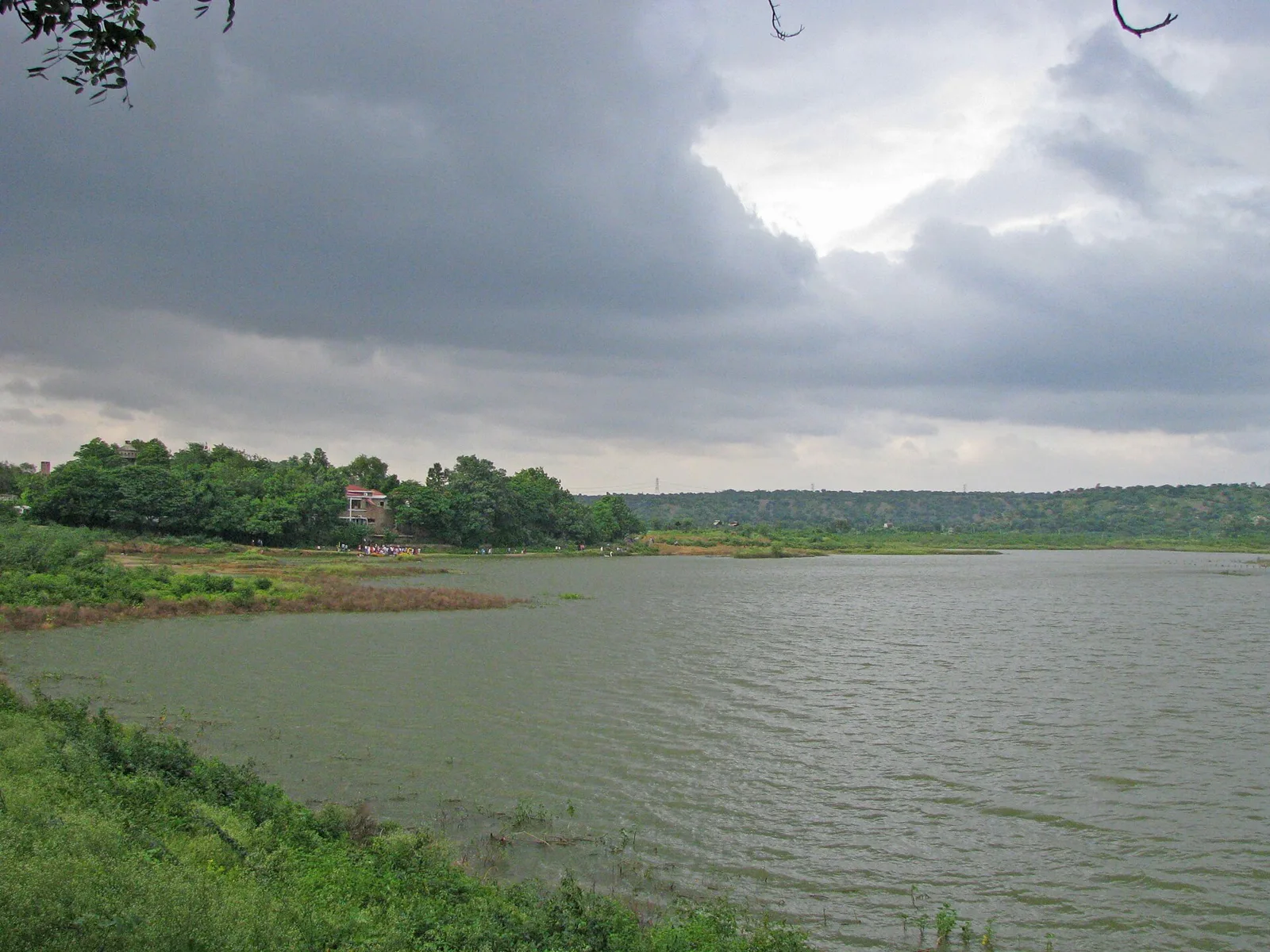
Damdama Lake, near Palwal

City guide · Haryana

Palwal

Palwal is a city in southern Haryana and the administrative headquarters of Palwal district. Its position within the National Capital Region connects it with Delhi and Faridabad, while its setting in the Braj cultural region gives it links to traditions shared across parts of Haryana and Uttar Pradesh.

Famous for

  • Cotton trade
  • Gandhi Seva Ashram Museum
  • Matia Fort ruins
  • Braj-region traditions
  • Baldev Chhat Ka Mela

Why Palwal matters

Palwal is a city in southern Haryana and the administrative headquarters of Palwal district. Its position within the National Capital Region connects it with Delhi and Faridabad, while its setting in the Braj cultural region gives it links to traditions shared across parts of Haryana and Uttar Pradesh. Cotton trading has long been part of the town’s commercial identity, and Palwal also serves as a centre for nearby settlements and rural markets.

Visitors come for a more local, low-key experience than the major urban centres nearby. The Gandhi Seva Ashram Museum recalls Mahatma Gandhi’s arrest at Palwal railway station in 1919, while the remains of Matia Fort point to an older chapter in the town’s history. A regional excursion can include Banchari village, known for its Dauji temple and association with the annual Baldev Chhat Ka Mela. Palwal’s appeal lies in this mix of transport links, everyday market life, historical memory and Braj-Haryana traditions.
Famous for: crafts, trade & products

Palwal is best known commercially as a centre for cotton trading in its surrounding area. The town’s shops and markets serve local residents and nearby villages, with everyday goods and agricultural commerce more prominent than a nationally recognised craft or luxury-shopping scene. Visitors interested in the local economy can explore the central market areas and observe the town’s ordinary retail and trading activity; specific cotton products or specialist textile workshops are not a defining visitor attraction.

Palwal is not particularly known for a signature saree, handicraft or GI-tagged product. Its more distinctive institutions and heritage sites are the Gandhi Seva Ashram Museum, near the railway station, and the remains of Matia Fort. For a religious and cultural excursion, Banchari village, about 25 kilometres away on the Grand Trunk Road, is associated with the Dauji temple and Baldev Chhat Ka Mela. These places offer a better sense of the area’s history and traditions than a search for a specialised shopping district.

History

Local tradition connects Palwal’s name with Palwasura, an asura said to have been slain by Balarama, Krishna’s brother. The town is also identified in local accounts with Apelava, a place mentioned in the Mahabharata, and the legend is commemorated through the annual Baldev Chhat Ka Mela. These are traditional associations rather than a fully established account of the town’s beginnings.

Matia Fort, also called Palwal Fort, is associated with the period of Sher Shah Suri. It now stands in ruins, and excavations have revealed evidence of a substantial palace beneath it. In the colonial period, Palwal railway station became part of the town’s national history: Mahatma Gandhi was arrested there in 1919 while travelling towards Punjab in opposition to the Rowlatt Act. A Gandhi exhibition was established at Gandhi Seva Ashram in 1962 and later developed into a museum. Palwal became part of Faridabad district in 1979 and was made the headquarters of the newly formed Palwal district in 2008.

Food, festivals & culture

Palwal’s food reflects the home cooking of southern Haryana and the neighbouring Braj region. Meals commonly draw on wheat and millet breads, seasonal vegetables, pulses, curd and lassi; sweets such as jalebi and kheer are familiar at celebrations and local gatherings. Rather than a single celebrated dish, the area’s food culture is rooted in everyday North Indian cooking and seasonal produce.

Holi and Diwali are widely observed, while Teej brings seasonal celebration in the monsoon period. The Baldev Chhat Ka Mela, linked to the local Balarama legend, is a notable regional gathering; its associated Dauji temple is in Banchari village. Hindi is widely used, alongside Haryanvi and speech influenced by the Braj region. Folk performance traditions of the wider area include ragini singing and saang theatre. Places of worship and community gatherings form an important part of local life, with the Dauji temple a meaningful nearby destination for visitors interested in regional belief and tradition.

Visiting the city

October to March is generally the most comfortable period to visit, with cooler weather for exploring the town and nearby sites. Palwal railway station is the main rail gateway and lies close to the Gandhi Seva Ashram Museum. The nearest major airport for most visitors is Indira Gandhi International Airport in Delhi; onward travel can be arranged by road or rail.

Auto-rickshaws and local taxis are useful for getting around town, while buses and hired vehicles can serve longer trips. Explore the central market and older town for everyday commerce, and visit the railway-station area for the Gandhi museum. Matia Fort’s remains offer a historical stop. Banchari village, around 25 kilometres away on the Grand Trunk Road, makes a worthwhile excursion for the Dauji temple and local traditions. Check locally before travelling to smaller sites, as visitor facilities may be limited.

Trips from the city

Nearest places to visit from Palwal

Our closest destination guides, by straight-line distance.

Damdama Lake

26 km away · Gurugram district

Damdama Lake

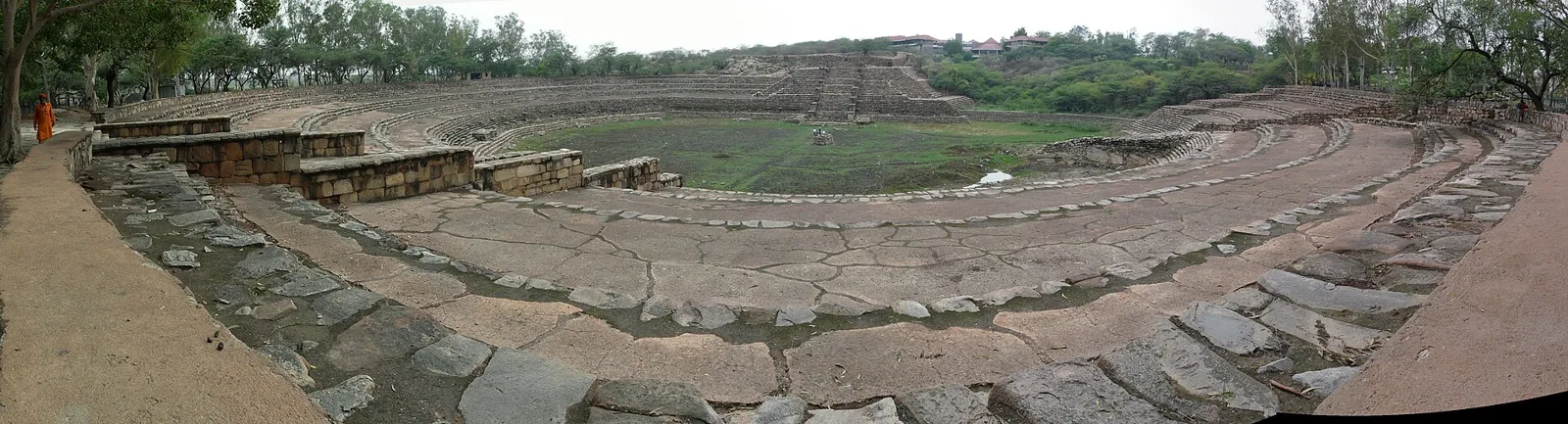
Damdama Lake is a rain-fed reservoir near Sohna in Haryana’s Gurugram district. Visitors come for its Aravalli setting and access to nearby natural areas and historical sites.

Badkhal Lake

30 km away · Faridabad district

Badkhal Lake

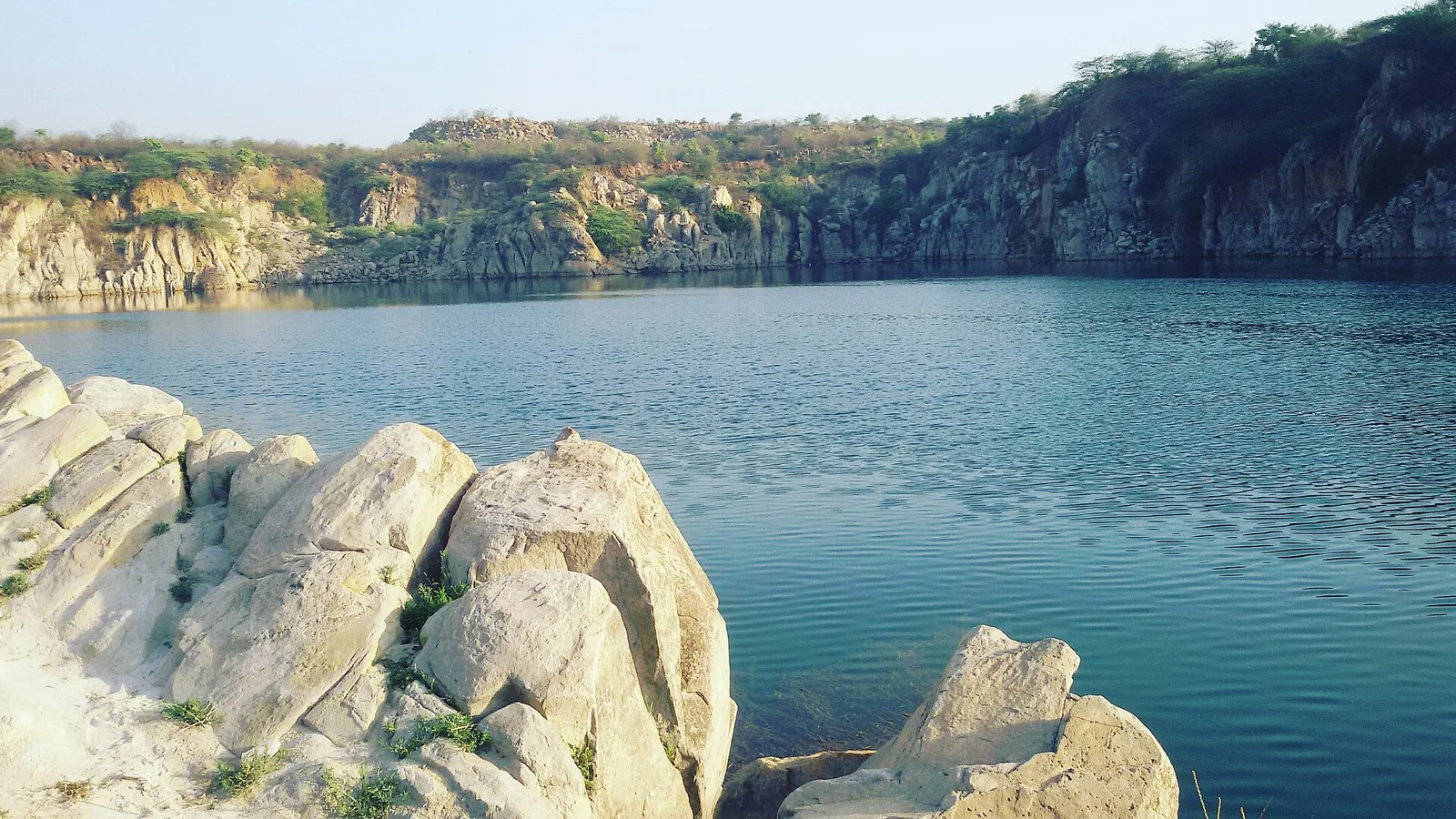
Badkhal Lake is a former lake near Faridabad in Haryana. Visitors come for its Aravalli setting, nearby heritage sites and the spring flower show.

Faridabad

31 km away · Faridabad district

Faridabad

Faridabad is Haryana’s most populous city within Delhi NCR, with industrial activity and an expanding urban area that brings together commercial, educational and residential facilities.

Surajkund

38 km away · Faridabad district

Surajkund

Surajkund is a 10th-century reservoir in Faridabad, Haryana, associated with the Tomara dynasty and sun worship. Visitors also come for its annual craft fair and the area’s archaeological and natural features.

Gurgaon

45 km away · Gurugram district

Gurgaon

Gurgaon, officially named Gurugram, is a satellite city of Delhi and administrative headquarters of Gurgaon district, located in the northern Indian state of Haryana.

47 km away · Gurugram district

Sheetla Mata Mandir Gurgaon

In Gurugram, Haryana, Sheetla Mata Mandir is a Hindu shrine honouring the goddess Sheetla, associated with Guru Dronacharya. Devotees visit in large numbers during Navaratri and other festivals.

Sultanpur National Park

55 km away · Gurugram district

Sultanpur National Park

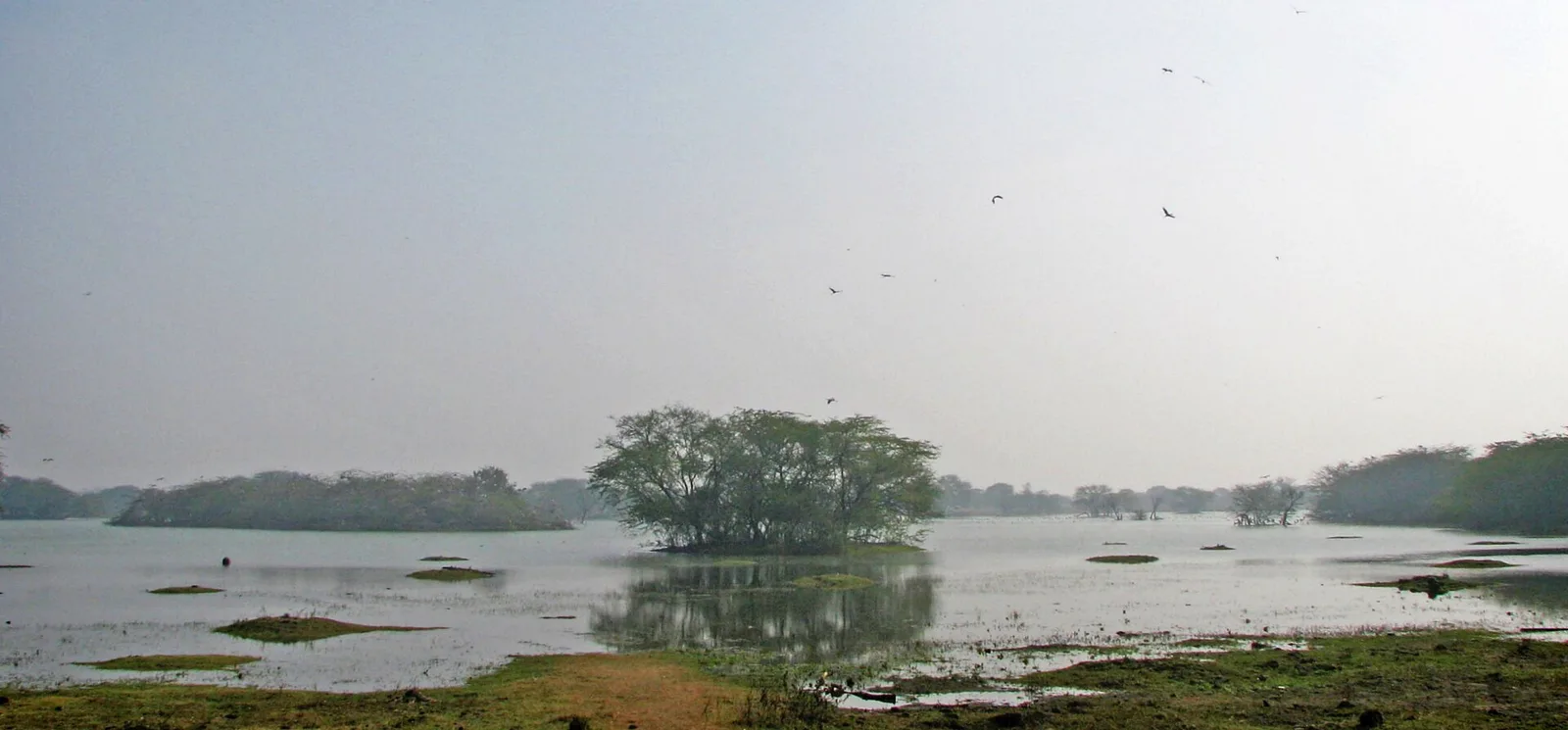
In Gurugram district, Haryana, Sultanpur National Park covers about 1.43 square kilometres. Visitors come to experience a national park in the state.

Rewari

69 km away · Rewari district

Rewari

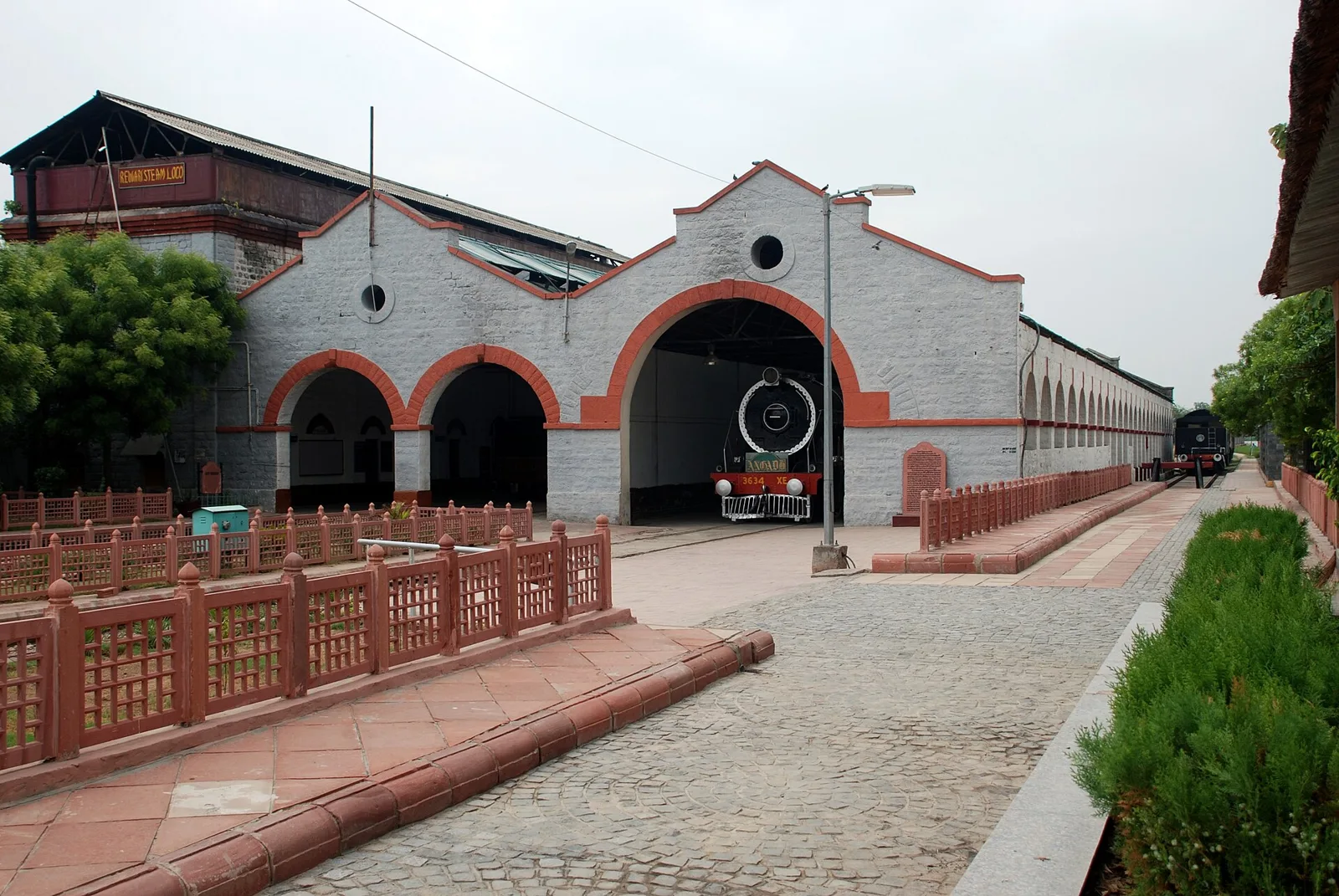
Rewari is a municipal town in Haryana and the headquarters of Rewari district. People travelling for district administration may come here, and the city lies within the Ahirwal region.

Map

Palwal on the map

  1. 1Damdama Lake
  2. 2Badkhal Lake
  3. 3Faridabad
  4. 4Surajkund
  5. 5Gurgaon
  6. 6Sheetla Mata Mandir Gurgaon
  7. 7Sultanpur National Park
  8. 8Rewari

Haryana

Other cities to explore