Ghumoopedia — Explore, Discover, Experience
Sign in
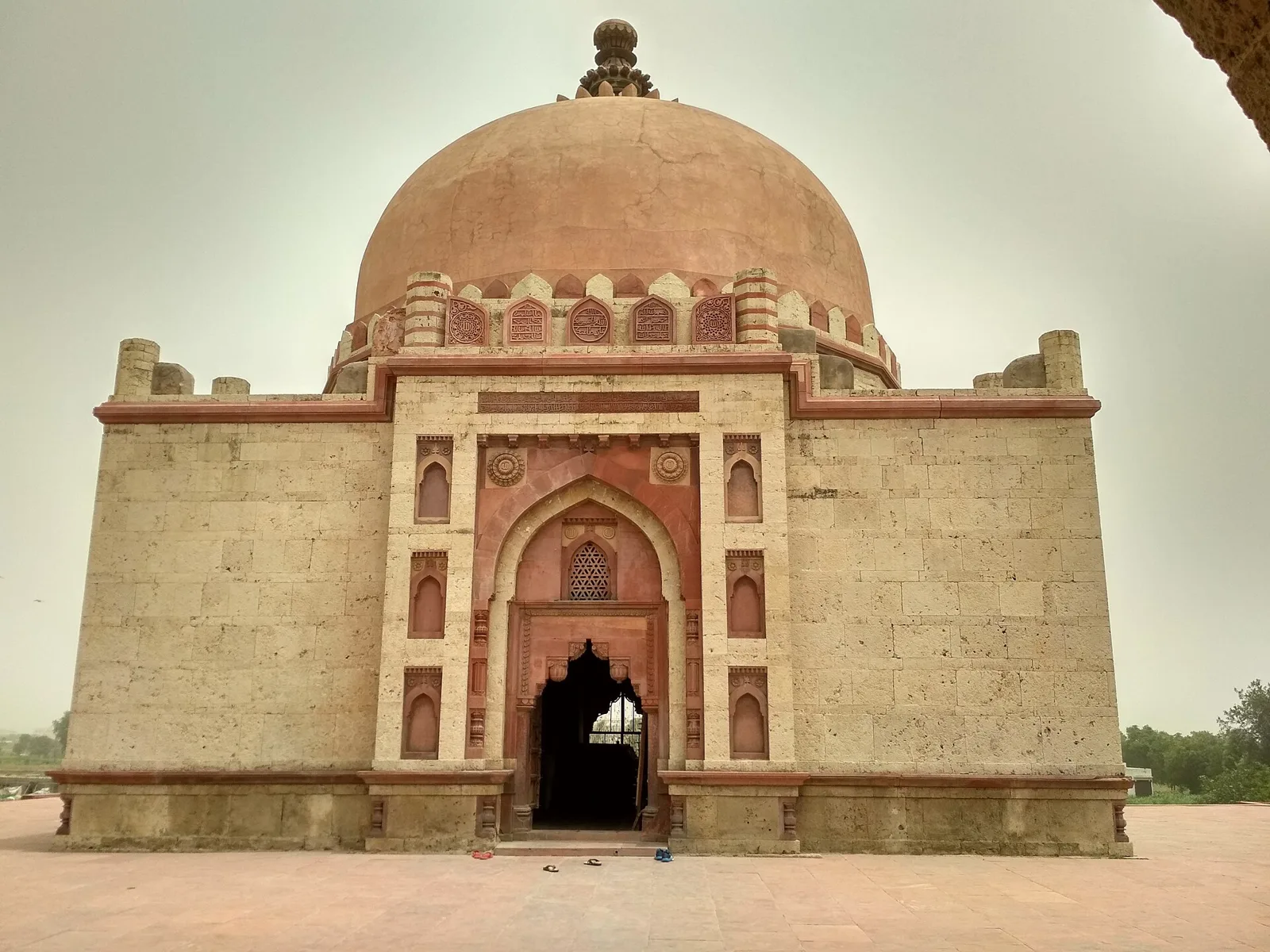
Panipat, near Safidon

City guide · Haryana

Safidon

Safidon is a town and tehsil headquarters in Jind district, Haryana, serving the agricultural settlements between Jind and Panipat. About 35–40 km from Jind, it is a practical regional centre for local administration, transport and everyday trade.

Famous for

  • Hansi branch canal
  • Historic Sarp Daman name
  • Agricultural hinterland
  • Pre-Harappan sites nearby
  • Safidon railway junction

Why Safidon matters

Safidon is a town and tehsil headquarters in Jind district, Haryana, serving the agricultural settlements between Jind and Panipat. About 35–40 km from Jind, it is a practical regional centre for local administration, transport and everyday trade. Its position on the Hansi branch of the Western Yamuna Canal reflects the importance of irrigation to the surrounding farmland, where wheat, paddy, sugarcane, millets, pulses, vegetables and fruit are grown.

The town’s appeal is chiefly historical and regional rather than that of a large destination resort. Safidon is associated with the older name Sarp Daman and with a long history of settlement and changing political rule. Archaeological finds from nearby villages point to early agricultural communities, while the canal and historic settlement form part of the area’s story. Visitors also use Safidon as a base for travel around Jind district. Road and rail links connect it with Jind, Panipat and other towns in Haryana and neighbouring states.
Famous for: crafts, trade & products

Safidon is not widely identified with a particular handloom, textile, handicraft or GI-tagged product. Its best-established economic connection is with the fertile agricultural region around it. Crops include wheat, paddy, sugarcane, millets and pulses, alongside vegetables and fruit. These products support local buying and selling, though Safidon is not especially known as a specialist shopping destination for visitors.

For everyday provisions and locally produced goods, look to the town’s general market and shops around the central town area; availability varies with season and harvest. There is no well-documented, dedicated craft quarter or signature product market to seek out. The surrounding countryside is also notable for irrigation and farming, with the Hansi branch of the Western Yamuna Canal passing by the town. Nearby villages, including Hatt and Anta, are associated with archaeological remains and the area’s agricultural history, rather than a particular contemporary craft tradition. Visitors looking for regional products can ask local shopkeepers about seasonal produce, but should not expect a formal artisan market or a specific Safidon-made souvenir.

History

The Safidon area has evidence of early agricultural settlement: Pre-Harappan Chalcolithic pottery has been found at several nearby places, including Hatt, Anta and Morkhi. In the fourteenth century, Firuz Shah Tughlaq developed irrigation in the region with a canal from the Yamuna and made Safidon a separate administrative unit. The town was also known for a time as Tughluqpur. During Timur’s 1398 campaign, the fort at Safidon was burned.

In 1763, Sikh leader Gajpat Singh occupied Safidon and surrounding territory after the campaign against Sirhind. During the colonial period, the area formed part of the Jind princely state. Following the 1947 partition, it was within the reorganised state of Punjab. In 1966, Jind district became part of Haryana; Safidon was established as a separate tehsil in 1967, with further village transfers in 1973. Canal irrigation, roads, rail and planned urban development have shaped its more recent growth.

Food, festivals & culture

Safidon shares the everyday food traditions of Haryana. Common regional favourites include roti with seasonal vegetables or saag, bajra dishes, curd and lassi; sweets such as kheer and local milk-based preparations are enjoyed at homes and celebrations. These are regional customs rather than dishes exclusive to Safidon. The town’s markets and eateries serve routine North Indian meals, with offerings changing by season.

Hindi and Haryanvi are widely used in daily life, and Punjabi is also heard in the wider region. Family and community celebrations follow the Hindu calendar: Holi and Diwali are observed in spring and autumn, while Teej is associated with the monsoon season; Lohri and Baisakhi mark winter and spring harvest traditions for many families. Folk songs, devotional music and Haryanvi dance forms such as ghoomar are part of the broader cultural landscape, especially at social gatherings. Temples and gurdwaras serve local worshippers, though Safidon is not especially known for a single major pilgrimage site.

Visiting the city

October to March is generally the most comfortable period to visit, with cooler conditions than the hot summer months. Safidon is served by Safidon Junction, with rail connections toward towns including Jind and Panipat. The nearest major airport for most visitors is Indira Gandhi International Airport in Delhi; onward travel is by road or rail. Haryana Roadways buses and other road services connect Safidon with Jind, Panipat and regional destinations.

Auto-rickshaws and local vehicles are useful for getting around town; confirm local arrangements on arrival. Begin around the central market and town centre for everyday activity, then explore the canal-side area where access is public and suitable. Safidon’s surroundings are largely agricultural, so nearby villages such as Hatt or Anta may interest visitors curious about local history and archaeology. Check locally before travelling to village sites, as facilities and access can be limited.

Trips from the city

Nearest places to visit from Safidon

Our closest destination guides, by straight-line distance.

Panipat

29 km away · Panipat district

Panipat

Panipat is an industrial city in Haryana, noted for its textile trade and pivotal battlefield history. Visitors come to explore its association with three clashes that reshaped power in India.

Jind

36 km away · Jind district

Jind

Jind is among the largest and oldest cities in Haryana’s Jind district and serves as its administrative centre. Visitors go to Rani Talab, while Pandu Pindara and Ramrai draw devotees for Amavasya bathing.

Karnal

44 km away · Karnal district

Karnal

Karnal is a city in Haryana and the centre of its district. Its traditional link with Karna and its history, including the 1739 Battle of Karnal, give it cultural and historical interest.

Khwaja Khizr Tomb

56 km away · Sonipat district

Khwaja Khizr Tomb

This historic tomb in Sonipat commemorates the Muslim saint Khwaja Khizr. Visitors come to see its Lodi-era structure and learn about its links to Ibrahim Lodi’s court.

Sonipat

57 km away · Sonipat district

Sonipat

Sonipat is a planned industrial city and district headquarters in Haryana’s National Capital Region. Its proximity to Delhi and connections by rail and road make it a useful point of access for travel around the region.

Rohtak

58 km away · Rohtak district

Rohtak

Rohtak is a Haryana city and the seat of its district administration. People may travel there for district-level matters, while its position in the National Capital Region also connects it with the wider area.

Tilyar Lake

59 km away · Rohtak district

Tilyar Lake

In Rohtak district, Haryana, Tilyar Lake is a leisure destination drawing visitors for its lake setting, fishing facilities and adjoining Rohtak Zoo.

Jyotisar

63 km away · Kurukshetra district

Jyotisar

Jyotisar is a Hindu pilgrimage destination in Kurukshetra, Haryana, linked to Krishna’s teaching of the Bhagavad Gita to Arjuna. People visit to honour this sacred tradition.

Map

Safidon on the map

  1. 1Panipat
  2. 2Jind
  3. 3Karnal
  4. 4Khwaja Khizr Tomb
  5. 5Sonipat
  6. 6Rohtak
  7. 7Tilyar Lake
  8. 8Jyotisar

Haryana

Other cities to explore