Ghumoopedia — Explore, Discover, Experience
Sign in
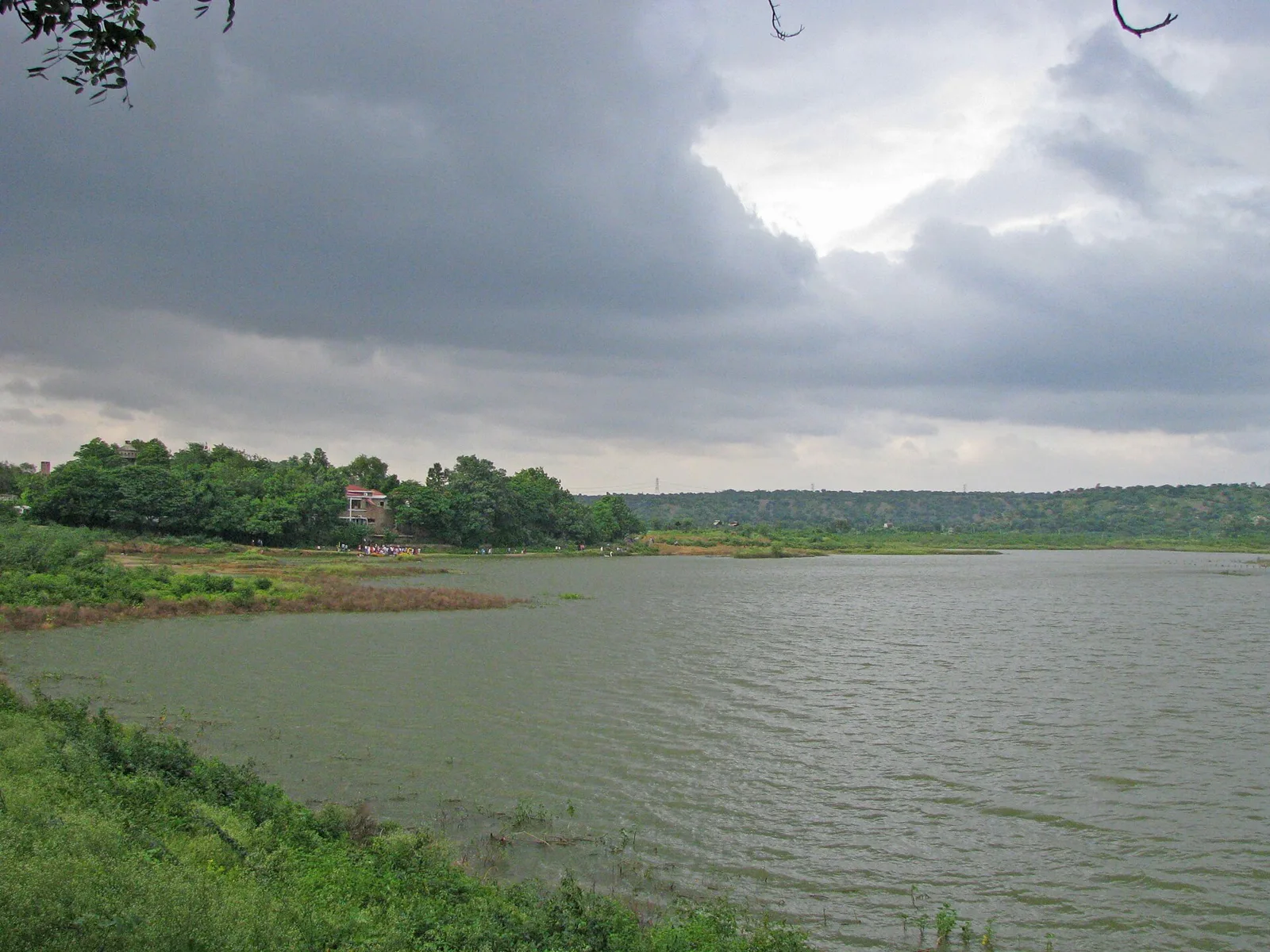
Damdama Lake, near Nuh

City guide · Haryana

Nuh

Nuh is the administrative headquarters of Nuh district in southwestern Haryana and part of the National Capital Region. Set along the Gurgaon–Sohna–Alwar highway, it connects the Mewat region with Gurugram and other parts of Haryana and Rajasthan.

Famous for

  • Historic Mewat heritage
  • Kotla Fort
  • Mughal-era salt trade
  • Sheikh Musa’s tomb
  • Nuh district headquarters
Plan a tripHotels near Nuh

Why Nuh matters

Nuh is the administrative headquarters of Nuh district in southwestern Haryana and part of the National Capital Region. Set along the Gurgaon–Sohna–Alwar highway, it connects the Mewat region with Gurugram and other parts of Haryana and Rajasthan. Its present-day importance is chiefly regional: government offices, local commerce and services make it a centre for nearby towns and villages.

Visitors come for Nuh’s layered Mewati history and its heritage sites. Kotla Fort, associated with the medieval ruler Nahar Khan, recalls the region’s past, while the tomb of Sheikh Musa is known for its unusual, slightly swaying minarets. The surrounding landscape and nearby historic settlements offer a quieter contrast to the larger NCR cities. Nuh is also remembered for its former salt-making economy, which linked local villages with trading routes across the region. It is best approached as a small, working district town and a base for exploring Mewat, rather than as a large urban sightseeing destination.
Famous for: crafts, trade & products

Nuh’s best-documented historic trade was in salt and iron. During the Mughal period, salt was made using well water in villages around the Kotla pargana and carried by travelling traders to nearby towns and the Ganga–Yamuna Doab. This is a significant part of the town’s commercial history, but salt-making is not a defining modern shopping draw. The city is not widely associated with a particular GI-tagged product, major textile tradition or signature handicraft.

Today, Nuh’s markets mainly serve local residents and surrounding villages, with everyday provisions, clothing, household goods and agricultural needs. The central bazaar and roads around the town centre are the most practical places to browse and shop; visitors should not expect a dedicated craft district or specialist souvenir market. Local food products and seasonal produce can be found through ordinary shops and vendors, though availability varies. For visitors interested in the city’s identity, its historic trading story and the heritage around Kotla are more distinctive than any single product to take home.

History

Nuh lies within Mewat, a historic region shaped by communities, rulers and routes linking present-day Haryana and Rajasthan. In the medieval period, Delhi Sultan Firuz Shah Tughlaq appointed Sonpar Pal, who converted to Islam and became known as Raja Nahar Khan, to rule Mewat. Nahar Khan is associated with Kotla, where he built a fort. The Khanzada leadership and wider changes in land use accompanied the growth of settled agriculture and new market settlements, including Nuh as a qasbah.

Under Mughal rule, Nuh became known for producing salt and iron. Its salt trade involved villages around Kotla and itinerant merchants. During British rule the region was first connected with Bharatpur State; after the 1857 uprising it came under Gurgaon district in Punjab Province. Partition brought violence and displacement to Mewat, followed by efforts to resettle communities. In modern Haryana, Nuh developed as the district headquarters and the principal administrative and service centre for the surrounding area.

Food, festivals & culture

Nuh’s food reflects the wider Mewati and Haryanvi region: home-style meals often feature bajra roti, pulses, seasonal vegetables, curd and buttermilk. Sweets such as kheer and locally prepared festive treats may appear at family gatherings, though menus vary between homes and eateries. The town’s everyday food scene is modest, with local shops and restaurants serving residents as well as travellers.

Hindi is widely used, alongside Mewati and Haryanvi; Urdu is also heard in the region. Eid is an important time for Muslim families, while Holi, Diwali and Teej are observed by Hindu communities, with celebrations shaped by household and neighbourhood traditions. Mewati folk expression draws on regional songs, oral storytelling and community performance; styles and occasions differ across villages. The town has mosques and temples that serve local worshippers, and the historic tomb of Sheikh Musa is a notable religious and architectural landmark. Mewat’s past includes traditions of shared participation in some seasonal festivities, though practices vary today.

Visiting the city

The cooler months, roughly October to March, are generally the most comfortable for exploring; summers can be very hot. Nuh has no major airport of its own: Indira Gandhi International Airport in Delhi is the nearest main airport. The town is not served by a railway station; Palwal and Gurugram are among the rail stations travellers may consider, depending on their route, with the onward journey made by road.

Nuh lies on NH 248, and buses, taxis and shared vehicles connect it with nearby towns. A car or hired taxi is useful for visiting sites beyond the centre. Explore the central market and the historic area around Kotla, including Kotla Fort; Sheikh Musa’s tomb is another notable stop in the wider Nuh area. Confirm local access before travelling to individual heritage sites.

Trips from the city

Nearest places to visit from Nuh

Our closest destination guides, by straight-line distance.

Damdama Lake

26 km away · Gurugram district

Damdama Lake

Damdama Lake is a rain-fed reservoir near Sohna in Haryana’s Gurugram district. Visitors come for its Aravalli setting and access to nearby natural areas and historical sites.

Rewari

38 km away · Rewari district

Rewari

Rewari is a municipal town in Haryana and the headquarters of Rewari district. People travelling for district administration may come here, and the city lies within the Ahirwal region.

Gurgaon

39 km away · Gurugram district

Gurgaon

Gurgaon, officially named Gurugram, is a satellite city of Delhi and administrative headquarters of Gurgaon district, located in the northern Indian state of Haryana.

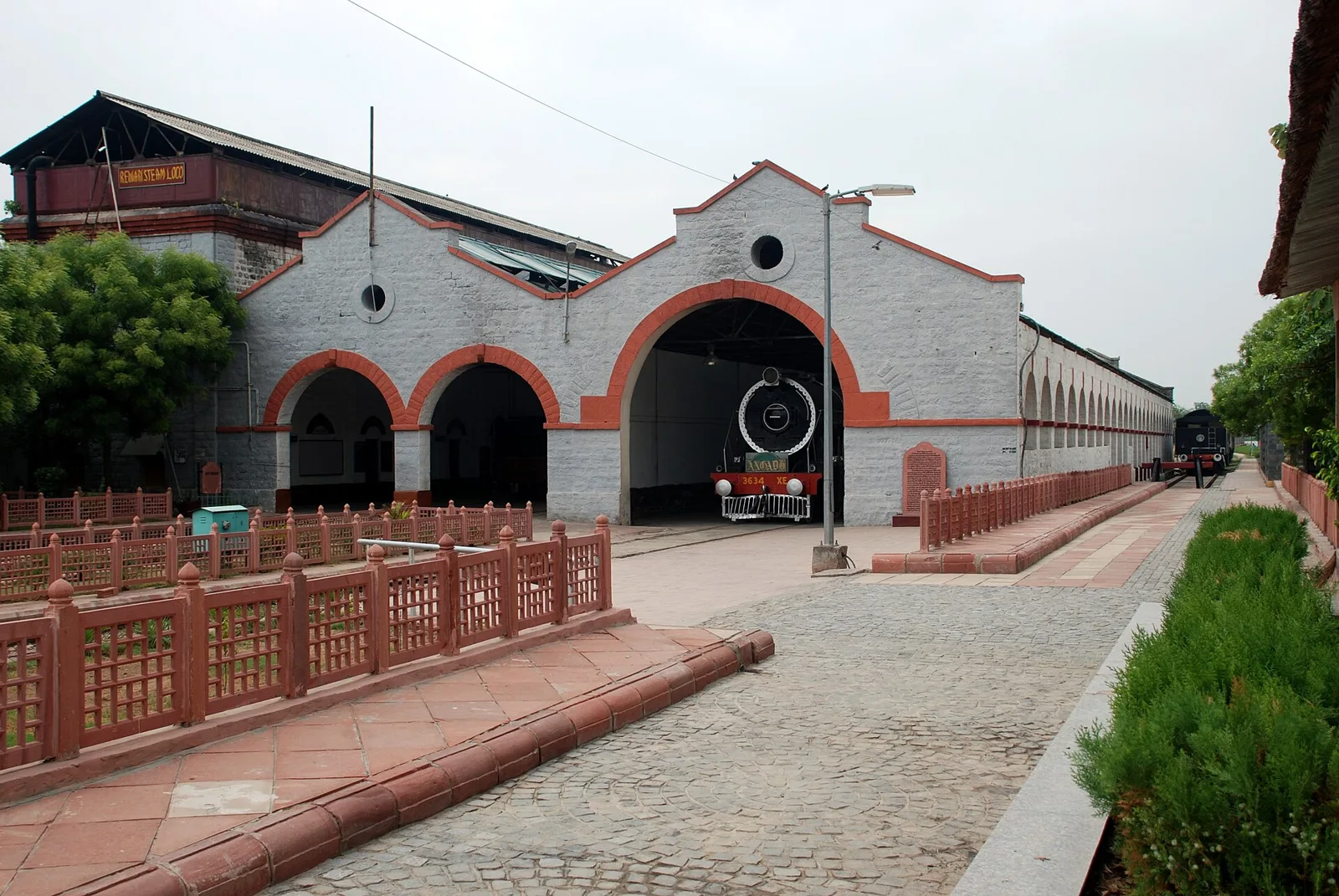
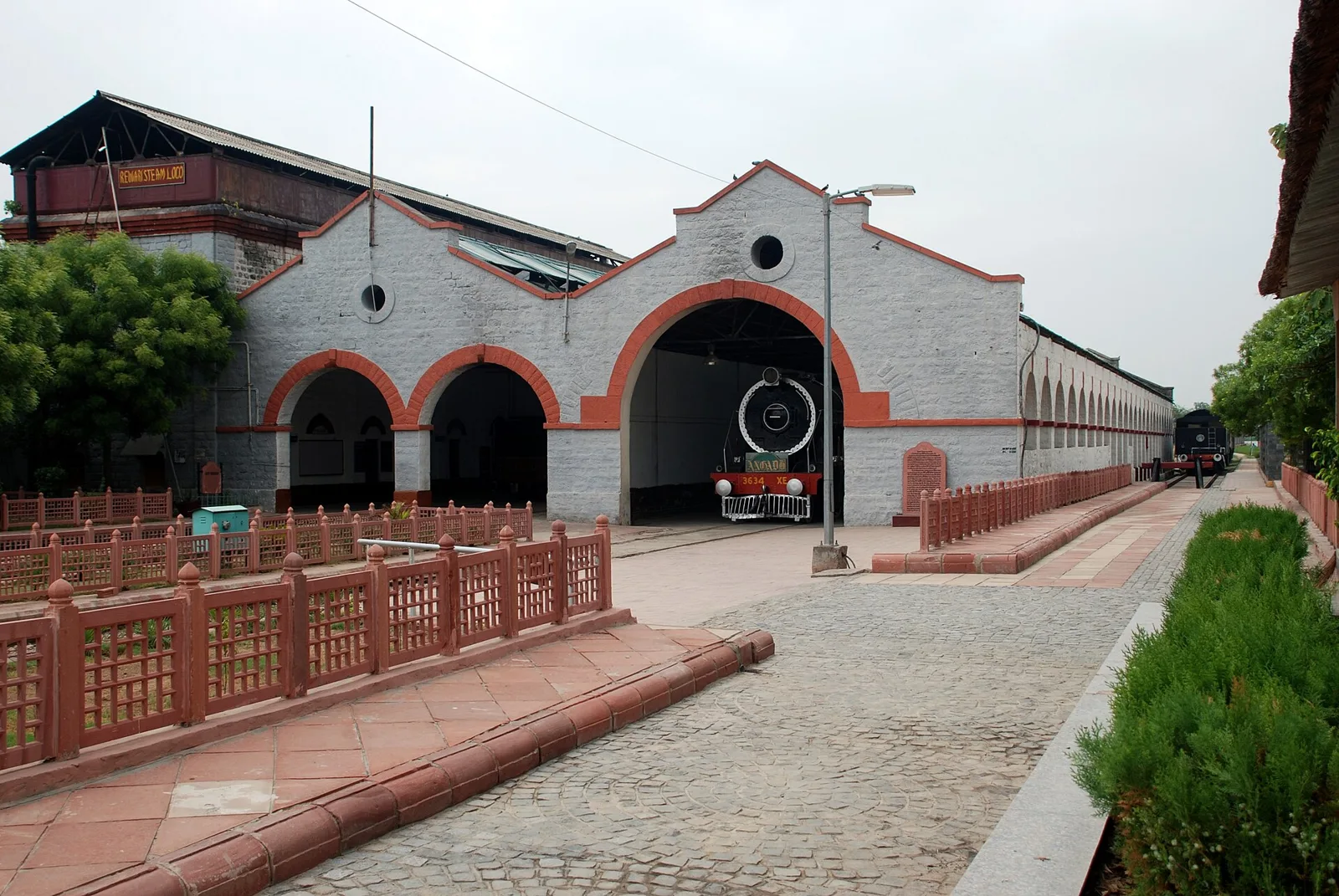
Rewari Railway Heritage Museum

40 km away · Rewari district

Rewari Railway Heritage Museum

The Rewari Railway Heritage Museum is a railway museum in Rewari, Haryana, where visitors can see surviving steam locomotives, including the working Fairy Queen, built in 1855.

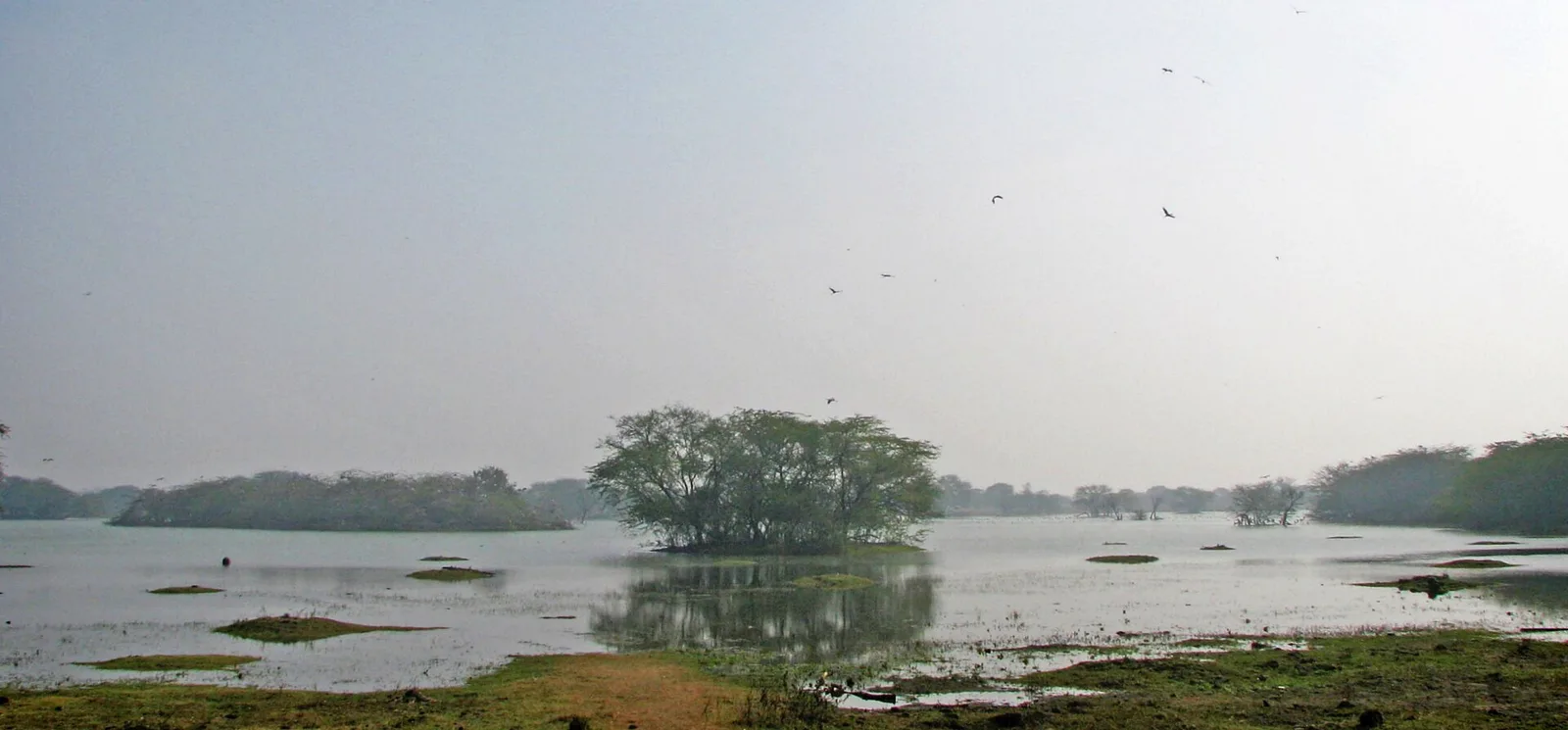
Sultanpur National Park

41 km away · Gurugram district

Sultanpur National Park

In Gurugram district, Haryana, Sultanpur National Park covers about 1.43 square kilometres. Visitors come to experience a national park in the state.

42 km away · Gurugram district

Sheetla Mata Mandir Gurgaon

In Gurugram, Haryana, Sheetla Mata Mandir is a Hindu shrine honouring the goddess Sheetla, associated with Guru Dronacharya. Devotees visit in large numbers during Navaratri and other festivals.

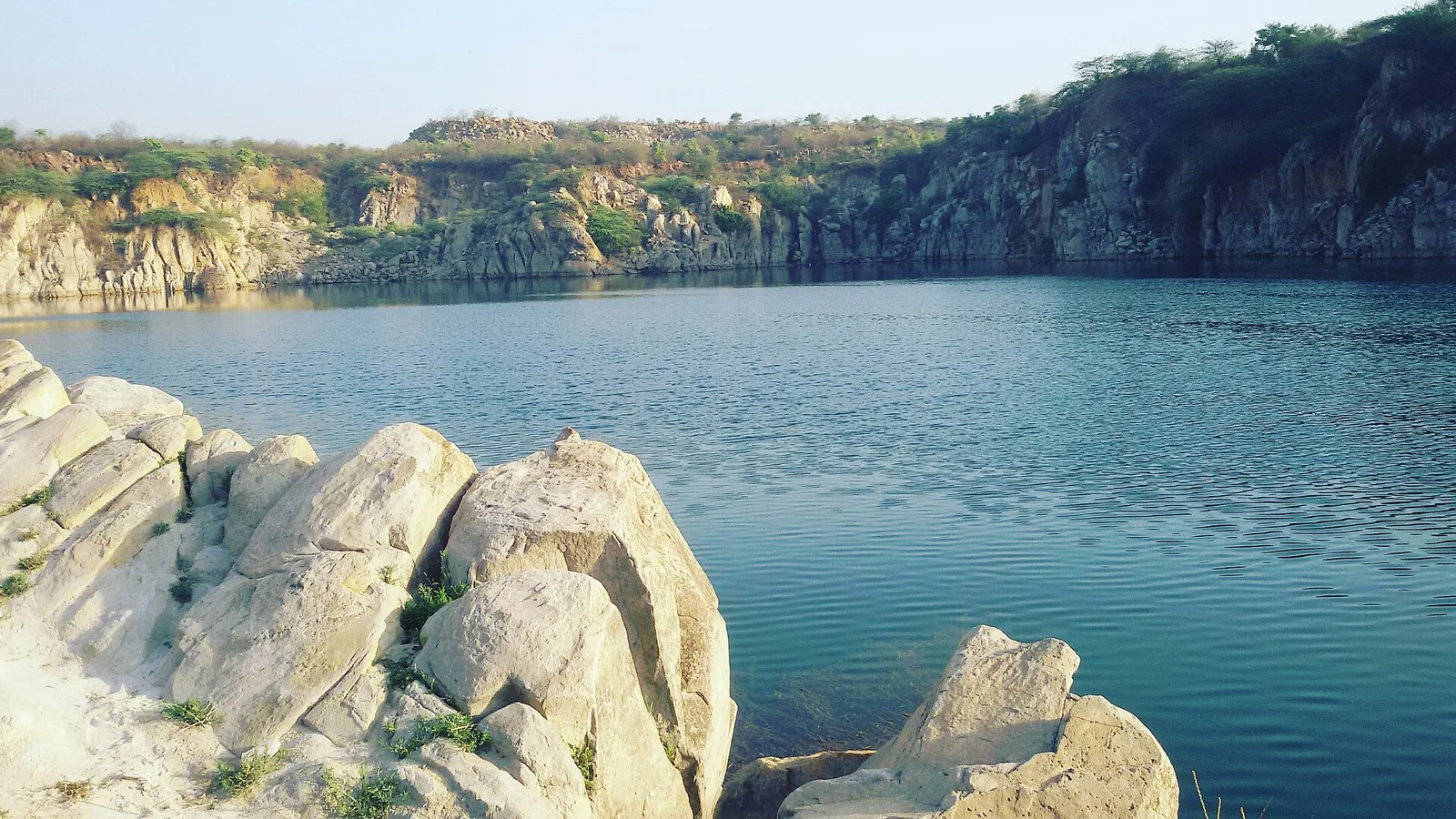
Badkhal Lake

44 km away · Faridabad district

Badkhal Lake

Badkhal Lake is a former lake near Faridabad in Haryana. Visitors come for its Aravalli setting, nearby heritage sites and the spring flower show.

Faridabad

46 km away · Faridabad district

Faridabad

Faridabad is Haryana’s most populous city within Delhi NCR, with industrial activity and an expanding urban area that brings together commercial, educational and residential facilities.

Map

Nuh on the map

  1. 1Damdama Lake
  2. 2Rewari
  3. 3Gurgaon
  4. 4Rewari Railway Heritage Museum
  5. 5Sultanpur National Park
  6. 6Sheetla Mata Mandir Gurgaon
  7. 7Badkhal Lake
  8. 8Faridabad

Haryana

Other cities to explore