Ghumoopedia — Explore, Discover, Experience
Sign in
Jyotisar, near Pundri

City guide · Haryana

Pundri

Pundri is a municipal town and tehsil headquarters in Kaithal district, in northern Haryana. Its importance today is chiefly regional: it serves nearby villages with local administration, everyday trade and services, and is also the centre of the Pundri assembly constituency.

Famous for

  • Pundri firni
  • Teej-season sweet trade
  • Pundarik sage tradition
  • Historic water flour mill
  • Fatehpur-Pundri name

Why Pundri matters

Pundri is a municipal town and tehsil headquarters in Kaithal district, in northern Haryana. Its importance today is chiefly regional: it serves nearby villages with local administration, everyday trade and services, and is also the centre of the Pundri assembly constituency. The adjoining village of Fatehpur is reflected in the familiar name Fatehpur-Pundri.

The town’s best-known food is firni, a rich rice-based sweet particularly associated with the Teej season. In August, seasonal demand is reported to rise sharply, making sweet shops and local markets a focus for visitors from the surrounding area. Pundri also has an unusual piece of working heritage: a water-powered flour mill built in 1890, near the town. A local religious tradition connects Pundri and Pundrak with the revered sage Pundarik, giving the place a cultural identity alongside its practical role as a market town. Visitors are most likely to come for local food, regional errands and a glimpse of this mill and the town’s surroundings, rather than for a large concentration of formal tourist attractions.
Famous for: crafts, trade & products

Pundri is best known for its firni, a sweet made with rice and milk. It is especially sought after around Teej, when seasonal demand brings the town’s sweet shops into focus. Visitors can look for it at established mithai shops in the town centre and local market streets; availability and recipes may vary by shop. The surrounding area is also a source of everyday agricultural trade, and Pundri’s shops serve residents of nearby villages.

The town is not especially identified with a particular textile, handicraft tradition or GI-tagged product. Its most distinctive heritage attraction is a water flour mill built in 1890, located near Pundri. It offers a glimpse of an older way of processing grain and is notable as a surviving example of water-powered milling. Ask locally for directions before setting out, as it is not a large, formally developed visitor site. For a short visit, combine the mill with a walk through the central market and a stop at a local sweet shop. Pundri’s character lies more in its regional commerce, food and living traditions than in specialist craft shopping.

History

The name Pundri is associated in local religious tradition with Pundrak and the sage Pundarik, a revered figure in Hindu belief. This connection forms part of the town’s cultural identity, though it should be understood as a traditional account rather than a detailed record of its earliest settlement. Fatehpur, the adjoining village, is the source of the combined name Fatehpur-Pundri, also used for the town.

Pundri developed as a service and market centre for the surrounding countryside and became the seat of a tehsil. Its civic role continued as it was constituted as a municipal committee in Kaithal district and as the centre of a Haryana Vidhan Sabha constituency. A surviving landmark from its more recent past is a water-powered flour mill built in 1890, a reminder of local grain processing and older technology. The available local history does not establish a detailed sequence of rulers or specific colonial-era events, so the town’s documented story is best traced through its regional administrative role, market life and heritage structures.

Food, festivals & culture

Food is one of Pundri’s most distinctive cultural markers. Firni, a creamy rice-based sweet, is especially associated with Teej and becomes a seasonal speciality in August. Local sweet shops are the best places to look for it, while everyday meals reflect the wider food culture of Haryana and north India. Hindi and Haryanvi are commonly heard in town and the surrounding villages.

Teej is an important monsoon-season celebration, while Holi, Diwali, Janmashtami and Navratri are observed as part of the broader Hindu festival calendar. Folk music and performance traditions such as ragini and Saang are part of Haryana’s wider cultural life and may be encountered at local or seasonal gatherings. Pundri’s association with the sage Pundarik gives it a religious dimension, and residents worship at local Hindu places of worship; visitors should ask locally about accessible temples and customary etiquette. Festival activity is community-centred, so dates and events can vary from year to year.

Visiting the city

The cooler months, broadly October to March, are generally the most comfortable for exploring Pundri. Summers can be very hot, while the monsoon brings rain and humidity; August is a good time to seek out seasonal firni, though conditions may be wet. Pundri does not have a major airport. Chandigarh International Airport is a practical regional option, with the onward journey made by road. Kaithal Railway Station is the main nearby rail station commonly used for the area; continue to Pundri by road. Check current connections before travelling.

Auto-rickshaws and local vehicles are useful for getting around town, while taxis or buses can connect with nearby settlements. Explore the central market for food and everyday commerce, then ask locally about the old water flour mill near Pundri. Fatehpur, adjoining the town, is another area to include in a short local outing.

Trips from the city

Nearest places to visit from Pundri

Our closest destination guides, by straight-line distance.

Jyotisar

30 km away · Kurukshetra district

Jyotisar

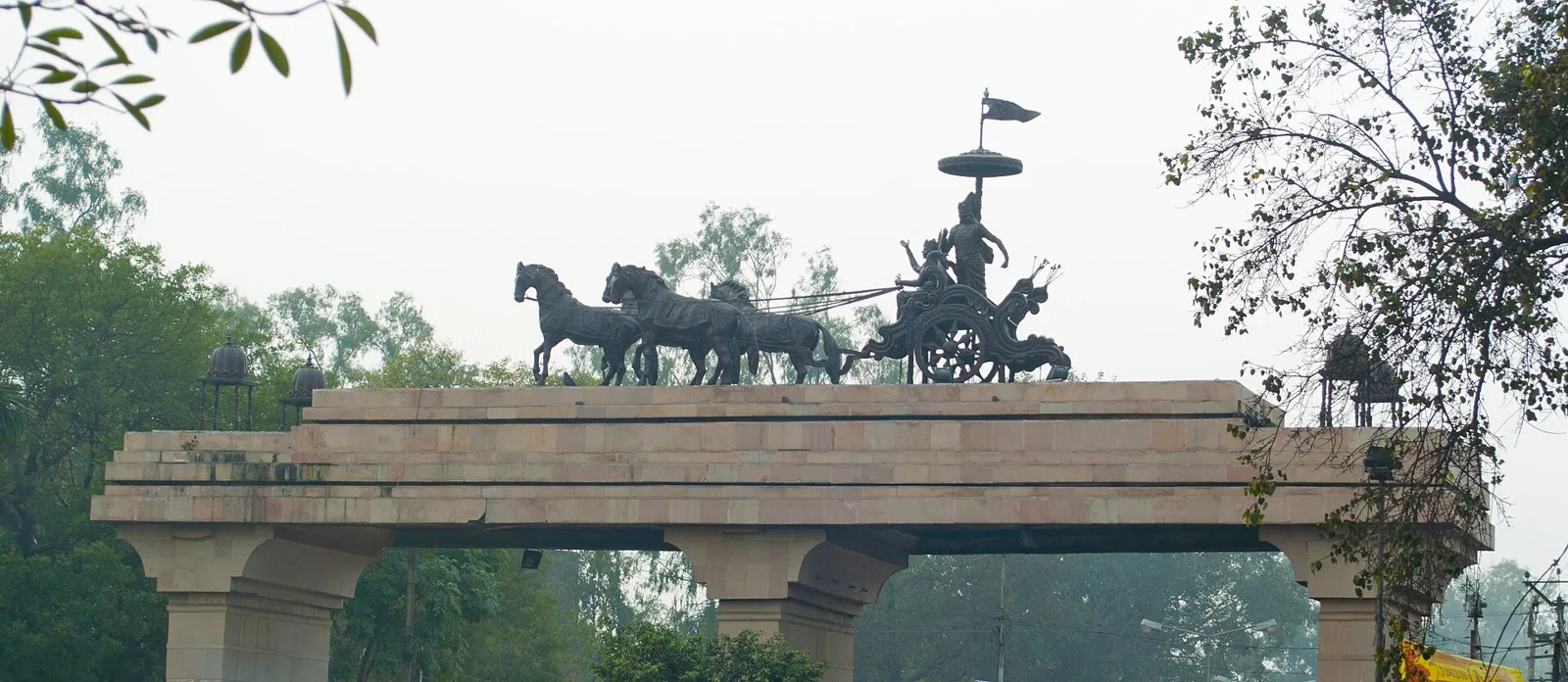
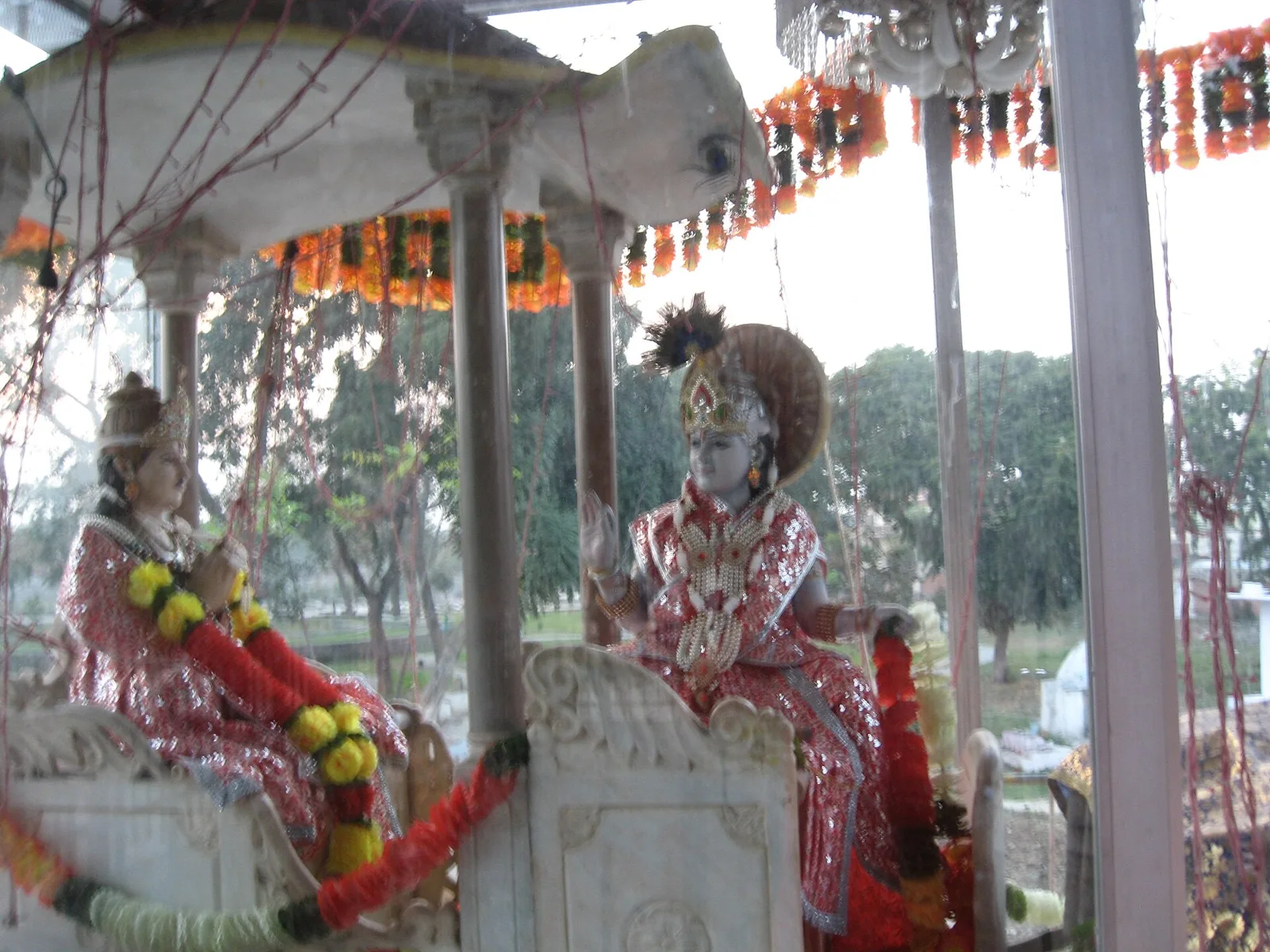
Jyotisar is a Hindu pilgrimage destination in Kurukshetra, Haryana, linked to Krishna’s teaching of the Bhagavad Gita to Arjuna. People visit to honour this sacred tradition.

Brahma Sarovar

34 km away · Kurukshetra district

Brahma Sarovar

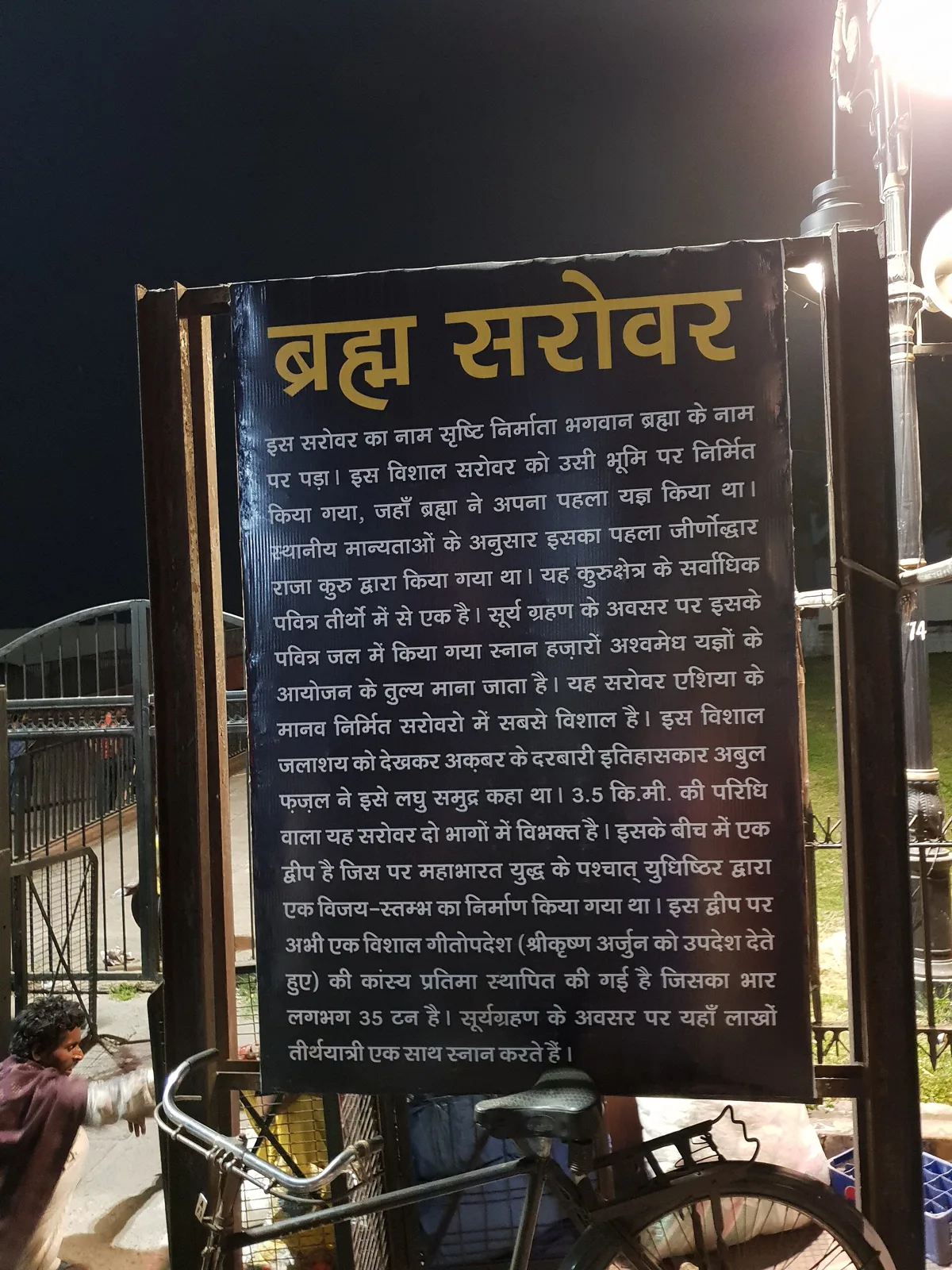
Brahma Sarovar is a natural sacred tank in Haryana’s Kurukshetra district, associated with Brahma. People visit to bathe as an act of inner and outer purification, and Hindu genealogy registers are kept at the site.

Kurukshetra

35 km away · Kurukshetra district

Kurukshetra

Kurukshetra is a historic region and city in Haryana, associated with the Bhagavad Gita and the name Dharmakshetra. People visit for its religious and historical significance.

Sheikh Chilli's Tomb

35 km away · Kurukshetra district

Sheikh Chilli's Tomb

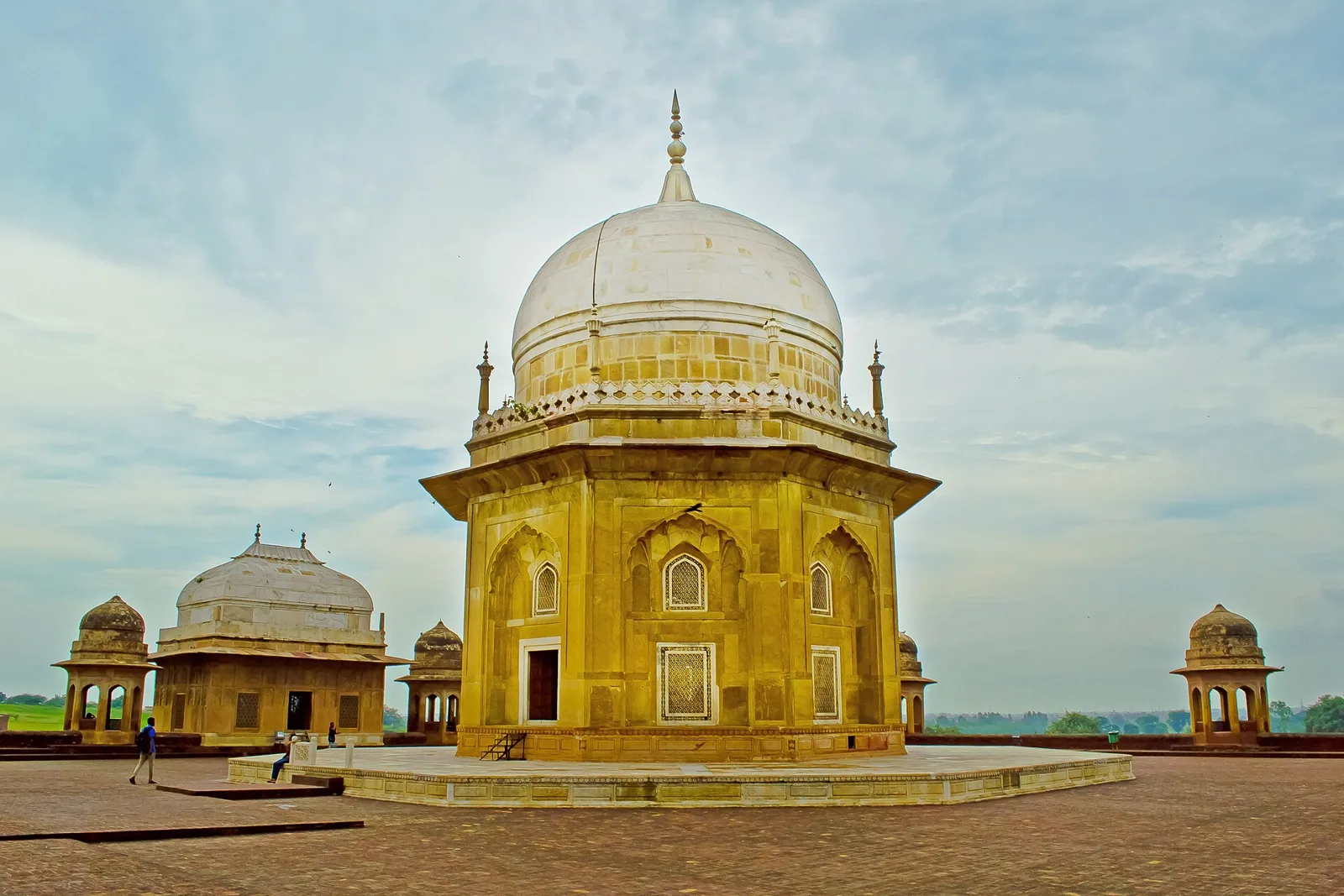
Sheikh Chilli's Tomb is an ensemble of buildings in Thanesar, Haryana. Visitors come to see its two tombs, madrasa, Mughal gardens and later features.

Karnal

42 km away · Karnal district

Karnal

Karnal is a city in Haryana and the centre of its district. Its traditional link with Karna and its history, including the 1739 Battle of Karnal, give it cultural and historical interest.

Jind

55 km away · Jind district

Jind

Jind is among the largest and oldest cities in Haryana’s Jind district and serves as its administrative centre. Visitors go to Rani Talab, while Pandu Pindara and Ramrai draw devotees for Amavasya bathing.

Panipat

57 km away · Panipat district

Panipat

Panipat is an industrial city in Haryana, noted for its textile trade and pivotal battlefield history. Visitors come to explore its association with three clashes that reshaped power in India.

Ambala

72 km away · Ambala district

Ambala

Ambala is a city in Haryana near the Punjab border and Chandigarh. Travellers use the district as a regional passage point for tourism and encounter its paired city and cantonment.

Map

Pundri on the map

  1. 1Jyotisar
  2. 2Brahma Sarovar
  3. 3Kurukshetra
  4. 4Sheikh Chilli's Tomb
  5. 5Karnal
  6. 6Jind
  7. 7Panipat
  8. 8Ambala

Haryana

Other cities to explore