Ghumoopedia — Explore, Discover, Experience
Sign in
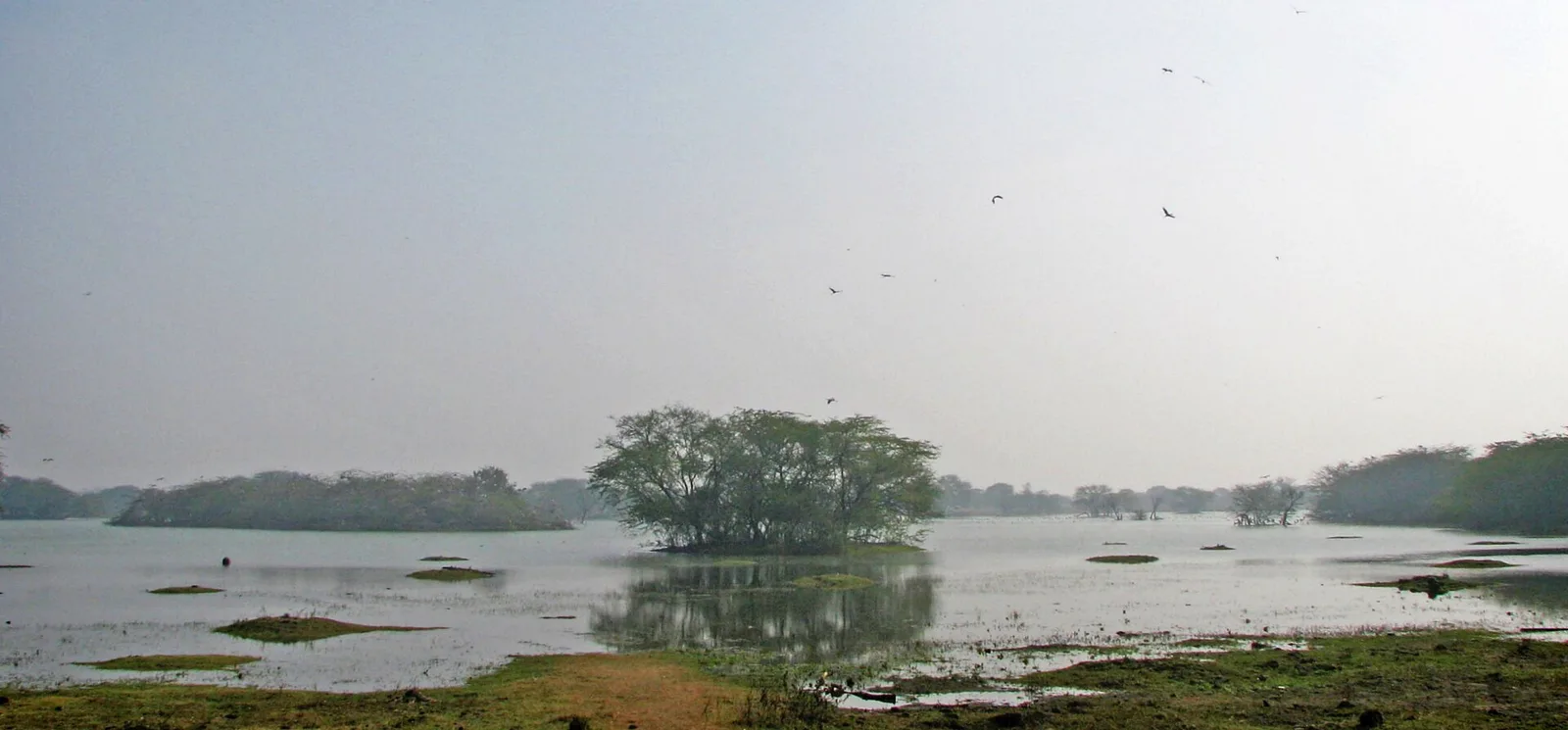
Sultanpur National Park, near Jhajjar

City guide · Haryana

Jhajjar

Jhajjar is a district headquarters in Haryana, about 55 km west of Delhi and within the National Capital Region. Its position on road routes linking Rewari, Rohtak, Gurgaon and Delhi makes it a regional centre for administration, trade and travel.

Famous for

  • Historic Jhajjar estate
  • 1857 rebellion history
  • Beri's Bhimeshwari temple
  • Bhindawas wetland nearby
  • Regional farm markets

Why Jhajjar matters

Jhajjar is a district headquarters in Haryana, about 55 km west of Delhi and within the National Capital Region. Its position on road routes linking Rewari, Rohtak, Gurgaon and Delhi makes it a regional centre for administration, trade and travel. The town is also a practical stop for exploring the surrounding countryside rather than a large, purpose-built sightseeing destination.

Jhajjar’s appeal lies in its layered history and its connections to places across the district. The old town and its markets offer a sense of everyday life in this part of Haryana, while nearby destinations include the Bhimeshwari Devi temple at Beri and Bhindawas Wildlife Sanctuary, known for its wetland and birdlife. The town is associated with shifting Mughal, Jat, Maratha and princely-era rule, as well as the 1857 rebellion. Visitors interested in regional history, rural landscapes and local religious traditions can use Jhajjar as a base for short excursions. Its proximity to Delhi also makes it accessible for a brief visit, though visitors should plan around the attractions beyond the town centre.
Famous for: crafts, trade & products

Jhajjar is not especially associated with a signature textile, handicraft or GI-tagged product. Its commercial life is more closely tied to serving the town and surrounding agricultural communities. Local markets and trading areas handle everyday goods and farm produce; wheat, mustard and bajra are among the crops grown in the wider region. For a feel of local commerce, browse the central bazaar and market streets, where shops mainly cater to residents rather than offering a dedicated tourist craft district.

The town’s role as a district centre also supports services, retail and small-scale business. Visitors looking for locally made souvenirs may find general household goods and seasonal products, but should not expect a recognised speciality craft market. Agricultural produce is best sought through local traders and markets, with availability varying by season. Larger industrial and commercial activity is spread across the wider district, so it is better not to treat it as a single Jhajjar-town attraction. For distinctive cultural or nature-related experiences, the nearby Beri temple and Bhindawas wetland are stronger draws than shopping for a city-specific product.

History

Jhajjar has a long history as a regional settlement and administrative centre. It appears in the Ain-i-Akbari as a pargana within the Delhi sarkar. Local accounts associate its founding with the Jat leader Chaudhary Chajju Singh; the settlement was later destroyed during Muhammad Ghori’s campaigns and subsequently re-established.

In the eighteenth century, the area passed through several hands. Jat ruler Suraj Mal of Bharatpur took control in 1762, and Jhajjar was later assigned to Walter Reinhardt. Maratha authority followed, and in 1794 the military adventurer George Thomas received jagirs including Jhajjar and Beri. He built a fort known as Georgegah, also called Jahazgarh locally. After the Second Anglo-Maratha War, the British granted the region to Najabat Khan. His successor, Nawab Abdur Rahman Khan, was executed after participating in the 1857 rebellion, and the estate was confiscated. Jhajjar municipality was established in 1867. In modern times, the town has developed as a district headquarters and a road-linked centre within the NCR.

Food, festivals & culture

Food in Jhajjar reflects the wider Haryanvi kitchen: bajra roti, seasonal greens such as sarson ka saag, kadhi, lassi and churma are familiar choices. Sweets such as ghevar are commonly associated with festive occasions across the region, though menus vary from one household and shop to another. The central market is a convenient place to find everyday snacks and local meals.

Hindi and Haryanvi are widely spoken, and Haryanvi folk traditions include ragini singing and forms of folk performance such as saang. Holi and Diwali are observed in their usual spring and autumn seasons; Teej is celebrated during the monsoon, while Navratri and other Hindu observances bring visits to local temples. The district’s best-known pilgrimage draw is the Bhimeshwari Devi temple at Beri, outside the town centre. Jhajjar itself has temples, mosques and gurdwaras serving local communities. Visitors should be mindful of worshippers and customary dress and conduct when entering religious places.

Visiting the city

October to March is generally the most comfortable season to visit, with cooler weather for exploring the town and nearby countryside. Summers can be very hot, while monsoon brings rain and greener landscapes. The nearest major airport is Indira Gandhi International Airport in Delhi. Jhajjar Railway Station serves the town; Rohtak is another useful rail hub for wider connections.

Buses and road transport connect Jhajjar with nearby towns and Delhi. Within town, visitors can use local buses, auto-rickshaws or hired vehicles. Explore the central bazaar and older town streets for everyday local life, then consider a trip to Beri’s Bhimeshwari Devi temple or Bhindawas Wildlife Sanctuary in the wider district. These excursions are easier to arrange by road, and visitors should check local conditions before setting out to the wetland.

Trips from the city

Nearest places to visit from Jhajjar

Our closest destination guides, by straight-line distance.

Sultanpur National Park

28 km away · Gurugram district

Sultanpur National Park

In Gurugram district, Haryana, Sultanpur National Park covers about 1.43 square kilometres. Visitors come to experience a national park in the state.

Tilyar Lake

30 km away · Rohtak district

Tilyar Lake

In Rohtak district, Haryana, Tilyar Lake is a leisure destination drawing visitors for its lake setting, fishing facilities and adjoining Rohtak Zoo.

Rohtak

33 km away · Rohtak district

Rohtak

Rohtak is a Haryana city and the seat of its district administration. People may travel there for district-level matters, while its position in the National Capital Region also connects it with the wider area.

39 km away · Gurugram district

Sheetla Mata Mandir Gurgaon

In Gurugram, Haryana, Sheetla Mata Mandir is a Hindu shrine honouring the goddess Sheetla, associated with Guru Dronacharya. Devotees visit in large numbers during Navaratri and other festivals.

Gurgaon

40 km away · Gurugram district

Gurgaon

Gurgaon, officially named Gurugram, is a satellite city of Delhi and administrative headquarters of Gurgaon district, located in the northern Indian state of Haryana.

Rewari Railway Heritage Museum

44 km away · Rewari district

Rewari Railway Heritage Museum

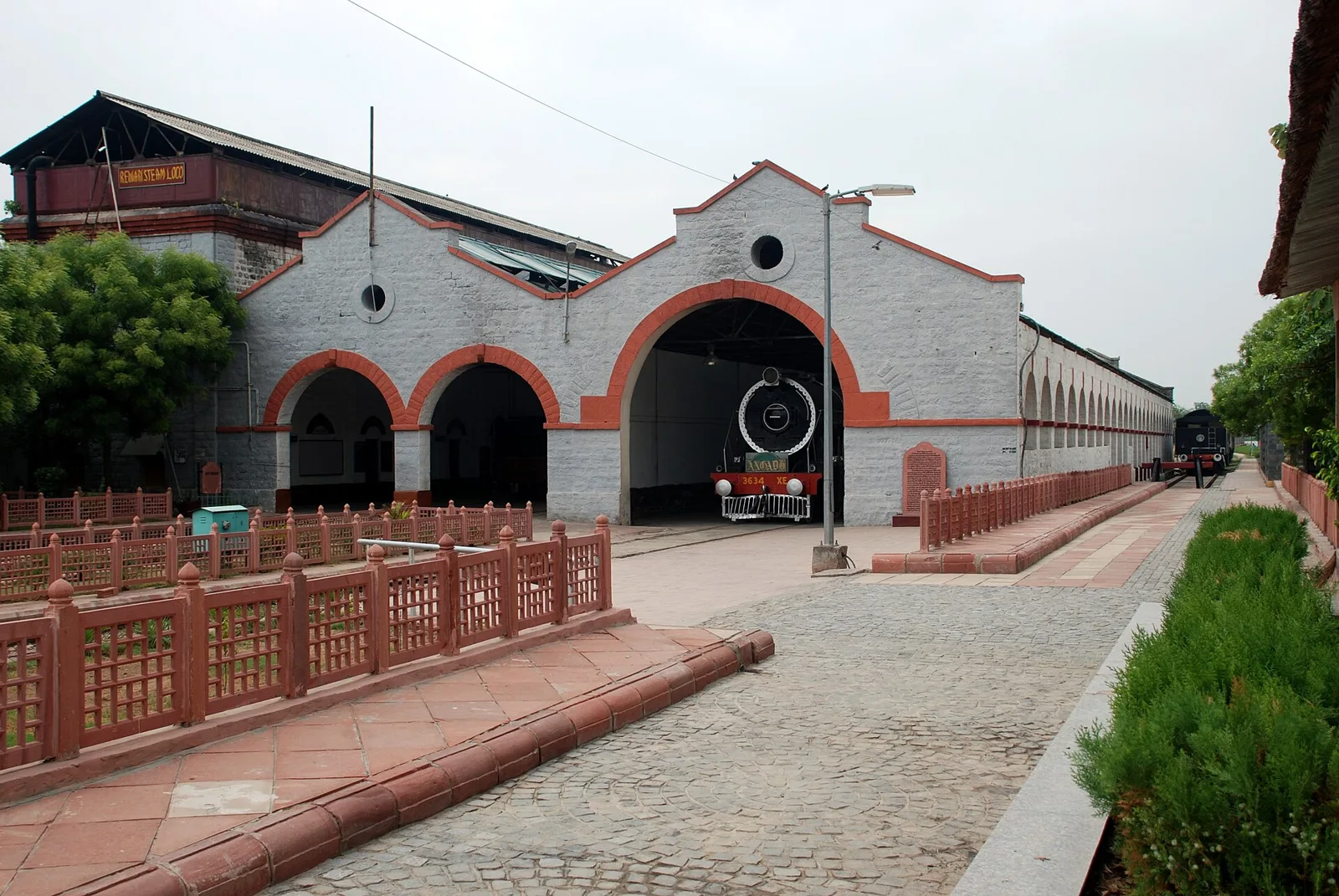
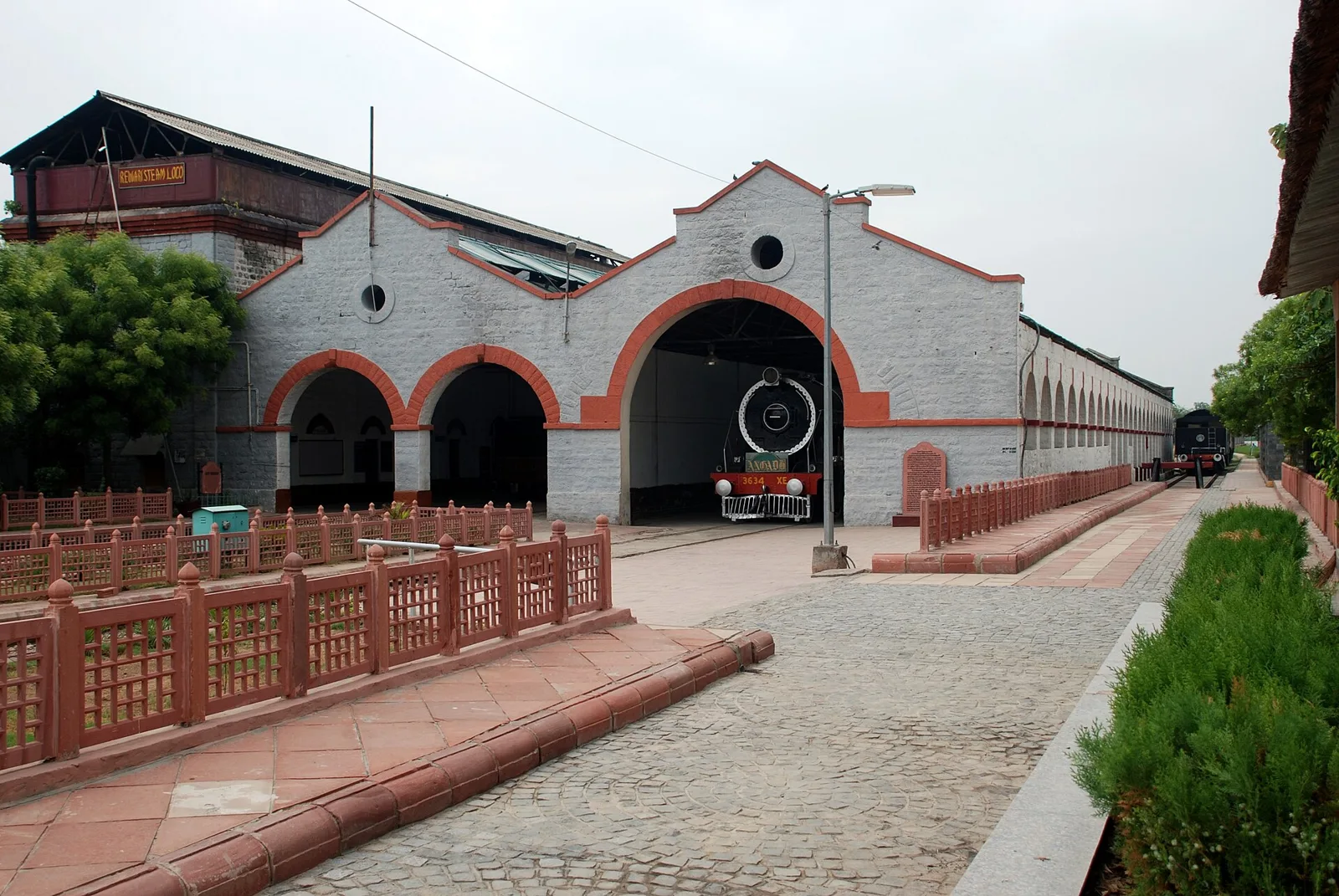
The Rewari Railway Heritage Museum is a railway museum in Rewari, Haryana, where visitors can see surviving steam locomotives, including the working Fairy Queen, built in 1855.

Rewari

48 km away · Rewari district

Rewari

Rewari is a municipal town in Haryana and the headquarters of Rewari district. People travelling for district administration may come here, and the city lies within the Ahirwal region.

Sonipat

56 km away · Sonipat district

Sonipat

Sonipat is a planned industrial city and district headquarters in Haryana’s National Capital Region. Its proximity to Delhi and connections by rail and road make it a useful point of access for travel around the region.

Map

Jhajjar on the map

  1. 1Sultanpur National Park
  2. 2Tilyar Lake
  3. 3Rohtak
  4. 4Sheetla Mata Mandir Gurgaon
  5. 5Gurgaon
  6. 6Rewari Railway Heritage Museum
  7. 7Rewari
  8. 8Sonipat

Haryana

Other cities to explore