Ghumoopedia — Explore, Discover, Experience
Sign in
Tosham, near Loharu

City guide · Haryana

Loharu

Loharu is a sub-divisional centre in Bhiwani district, serving a broad rural region of Haryana. Its administrative role, railway junction and road links make it a practical hub for nearby villages, while agriculture and trade remain central to local life.

Famous for

  • Loharu Fort
  • Historic Anaaj Mandi
  • Bi-annual camel fair
  • Agricultural trade
  • Loharu Junction

Why Loharu matters

Loharu is a sub-divisional centre in Bhiwani district, serving a broad rural region of Haryana. Its administrative role, railway junction and road links make it a practical hub for nearby villages, while agriculture and trade remain central to local life. The town’s grain market, or Anaaj Mandi, is one of its most distinctive landmarks: its shops and merchant premises are arranged around a large open courtyard, reflecting its historic role in regional commerce.

Visitors are drawn chiefly to Loharu Fort, a reminder of the town’s princely past, and to the colourful camel fair held twice a year, usually in January and July. The fair brings camels and visitors from Haryana and Rajasthan. The old market and fort offer a sense of Loharu’s trading and architectural history, while the surrounding countryside gives the town a quieter, rural character. Loharu is also a useful base for journeys toward Bhiwani, Pilani and towns in northern Rajasthan.
Famous for: crafts, trade & products

Loharu is best known commercially for its Anaaj Mandi, built in 1937 under Sir Aminuddin Ahmed Khan. Its unusual plan places residential and commercial premises around a spacious central area; the original layout comprised 104 shops arranged as 52 pairs. The market once drew grain and other goods from the surrounding region and remains a landmark of the town’s trading history. Agriculture and local commerce continue to shape Loharu’s economy, although the town is not especially known for a particular textile, handicraft or GI-tagged product.

For everyday shopping, explore the central market and the shops around the mandi, where local traders serve residents and nearby villages. The town is also an education centre, with Government P.G. College, Women’s Government P.G. College and Rani Jhansi Laxmi Bai Government Polytechnic among its institutions. Keystone Group of Institutions is a short distance from the railway station, while BITS Pilani is in nearby Pilani. Visitors looking for specialist crafts or a wider range of regional products may find more choice in larger towns nearby.

History

Loharu’s name is associated with the Lohars, or blacksmiths, once employed in coin-minting for the Jaipur state. The town developed as a Shekhawati thikana, traditionally traced to 1588, when Thakur Narhar Das established it as a small settlement with a mud fort. Its history includes conflicts over land revenue and territorial claims. In 1870, Loharu was granted to Kunwar Arjun Singh, and the town’s fort and settlement began to take on more substantial construction under the ruling family.

During the British period, Loharu was the seat of the princely state of the same name. Its fort grew into a complex blending Mughal, Rajput and later European architectural influences. The state acceded to India in 1948. The fort was sold to the Haryana government in 1971; much of the complex later fell into disrepair, though parts of its south wing survive. In modern Haryana, Loharu has developed as a sub-divisional administrative centre and a regional hub for farming, trade, education and rail travel.

Food, festivals & culture

Loharu’s everyday culture reflects its position in southern Haryana, close to Rajasthan. Hindi and Haryanvi are widely used, alongside regional speech shaped by movement and trade across the state border. Meals draw on familiar Haryanvi and Rajasthani traditions: bajra roti, seasonal vegetables, dairy foods and sweets such as churma are part of the broader regional repertoire, though menus vary between homes and eateries. The central market is a good place to experience daily town life and find simple local food.

The bi-annual camel fair, generally held in January and July, is Loharu’s most distinctive public event. Camels arrive from Rajasthan and other parts of Haryana, making the fair a lively meeting place for traders and visitors. Hindu festivals are observed through the year, while Eid is also celebrated by local Muslim communities. Folk songs and ragini traditions are part of the wider Haryanvi cultural landscape. Local temples and mosques serve residents; the town’s historic Hindu tombs also recall its princely-era past.

Visiting the city

The cooler months, roughly October to March, are generally the most comfortable for exploring Loharu; January also coincides with one of its camel fairs. Summers can be very hot. Loharu Junction is the town’s main railway station, connecting broad-gauge routes toward Rewari, Sadulpur, Sikar and Jaipur. Hisar Airport is the nearest airport listed in the region; for a broader choice of scheduled flights, travellers can use Indira Gandhi International Airport in Delhi.

Auto-rickshaws and local taxis are practical for getting around town, while buses and road transport connect Loharu with nearby settlements. Focus a short visit on Loharu Fort and the historic Anaaj Mandi, then explore the central market and older streets around it. The town also lies on road routes toward Bhiwani, Charkhi Dadri and Pilani, making it a convenient stop on a wider regional journey.

Trips from the city

Nearest places to visit from Loharu

Our closest destination guides, by straight-line distance.

Tosham

51 km away · Bhiwani district

Tosham

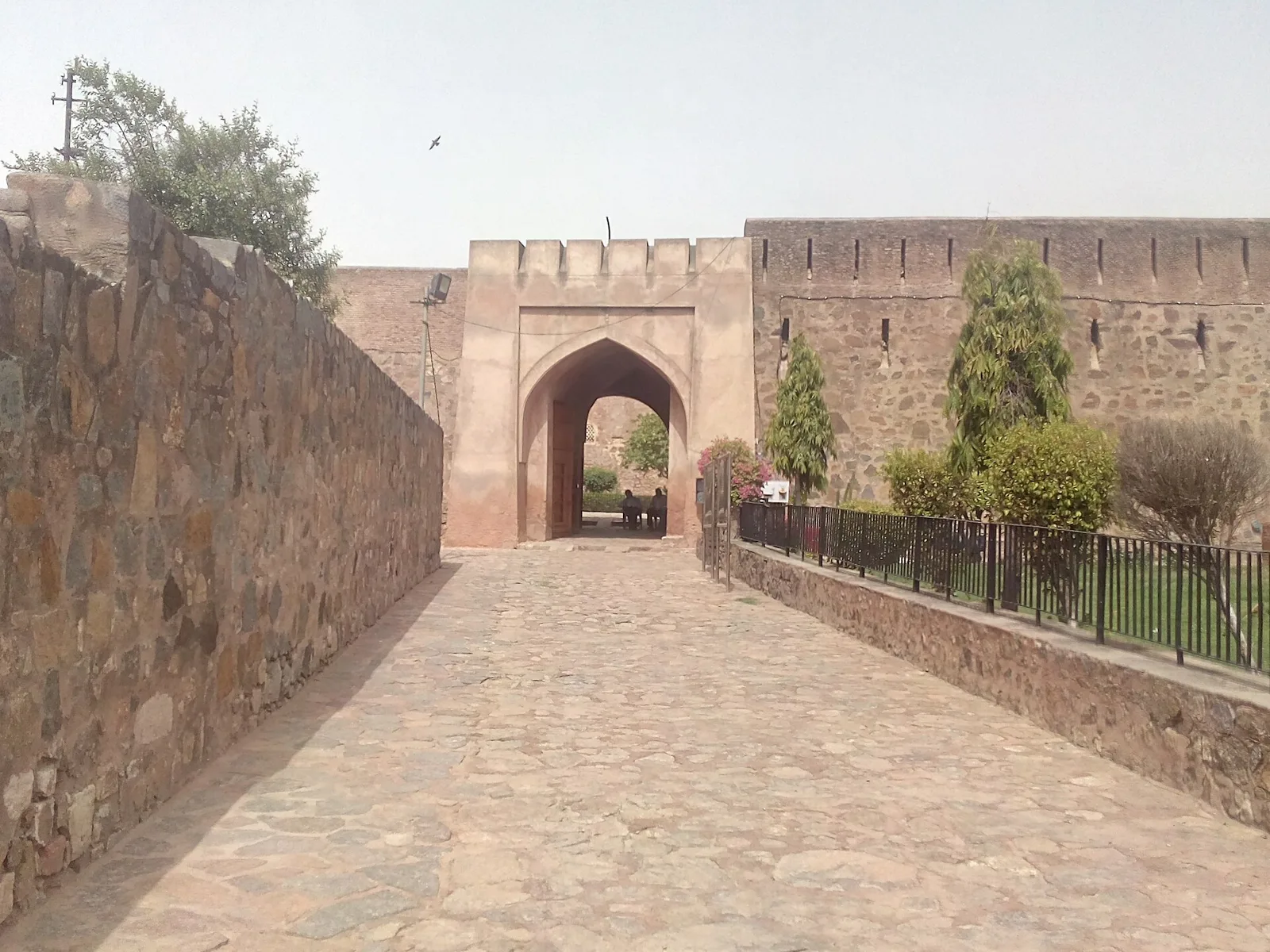
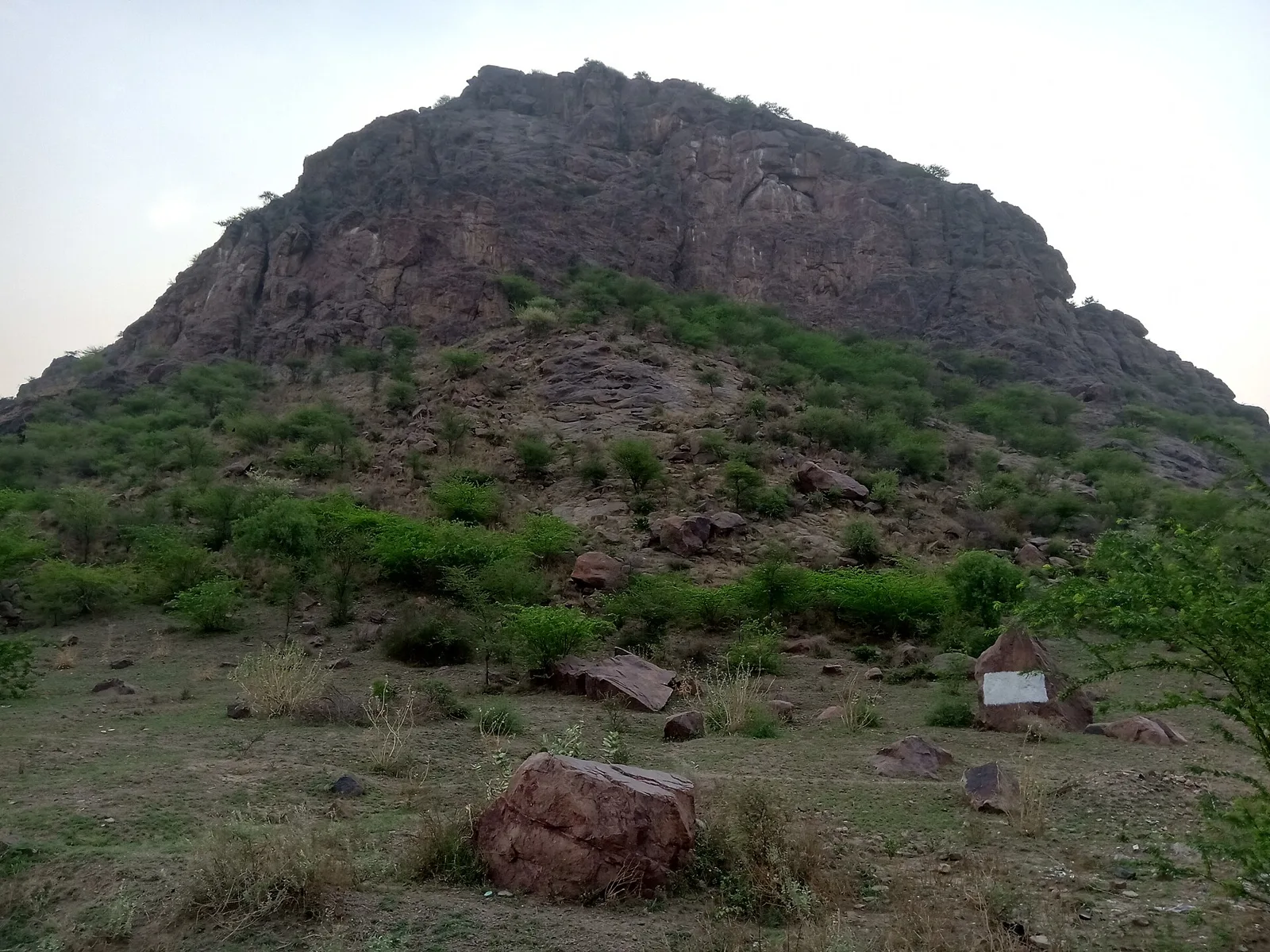
Tosham is a town and Gram Panchayat in Bhiwani district, Haryana, set by the Tosham hills in the Aravalli foothills; visitors may come for its hill-side setting.

Narnaul

52 km away · Mahendragarh district

Narnaul

Narnaul is a Haryana city and municipal council, and the headquarters of Mahendragarh district; its district-administration role is a reason to visit.

Hisar

81 km away · Hisar district

Hisar

Hisar is Haryana’s district administrative centre, where visitors encounter a history shaped by successive rulers, from the Mauryans to the British.

Firoz Shah palace complex

82 km away · Hisar district

Firoz Shah palace complex

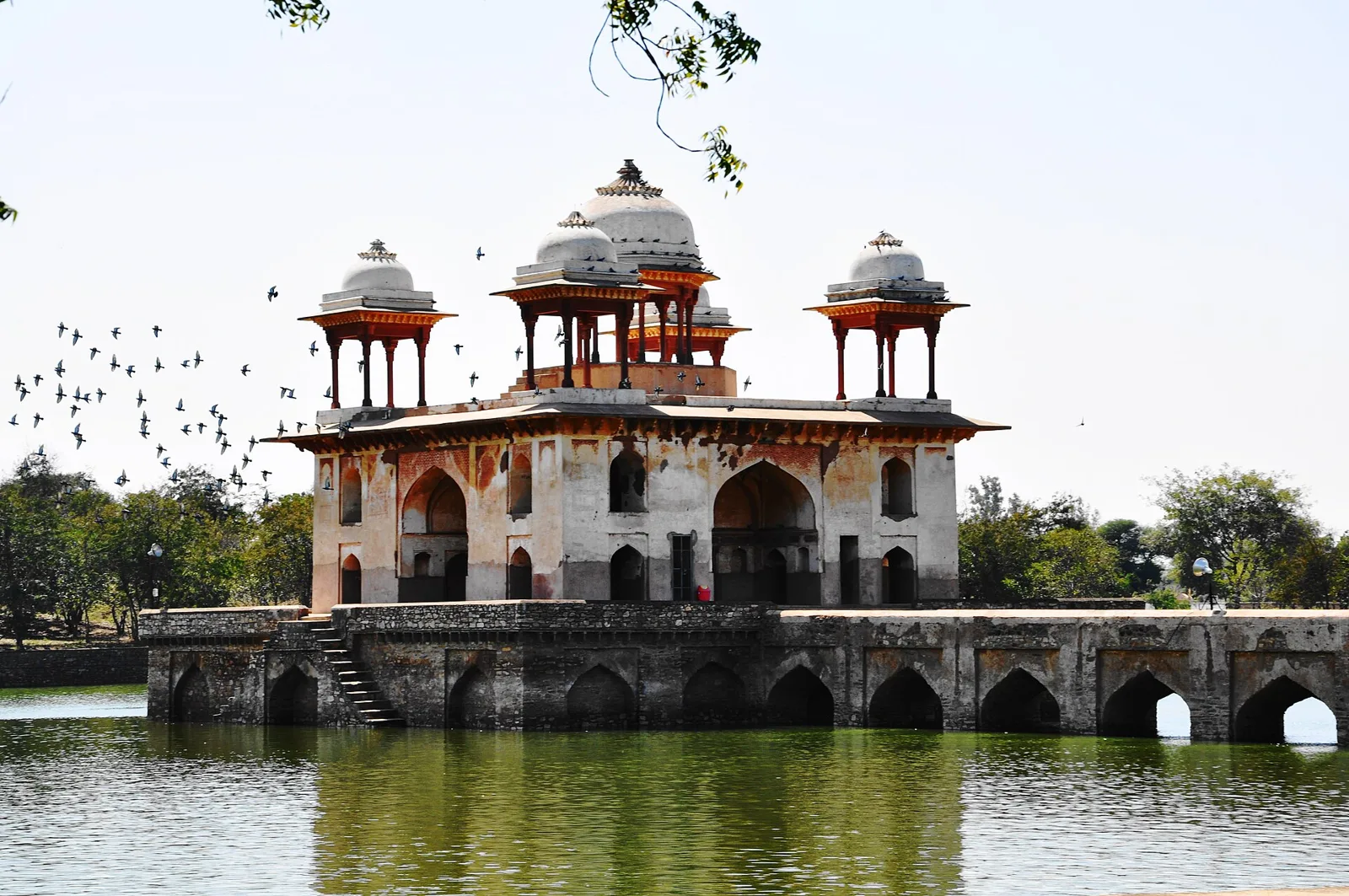
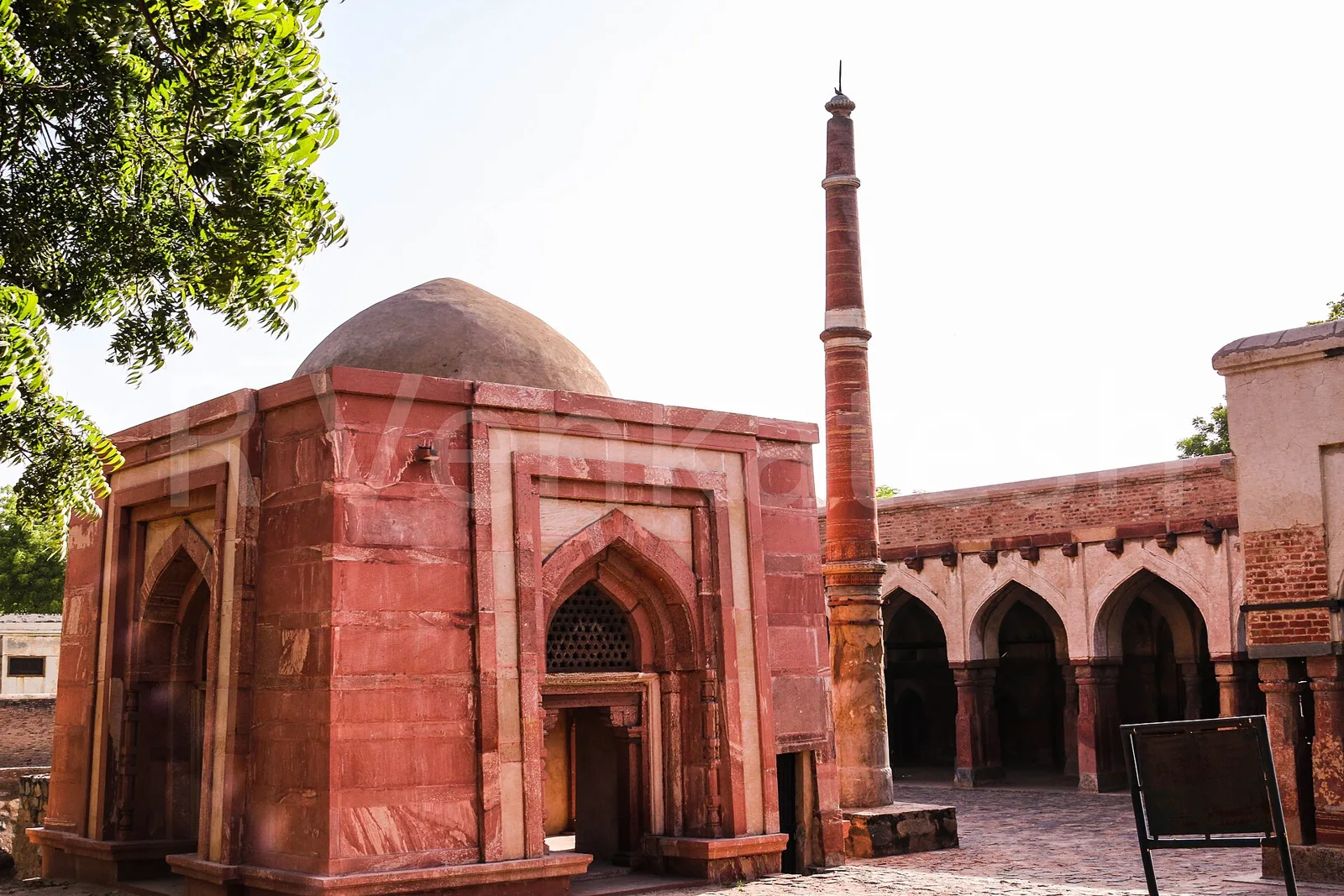
The Firoz Shah palace complex is a medieval fortified site in Hisar, Haryana, associated with Sultan Firoz Shah Tughlaq. Visitors come to explore its palace remains, religious buildings and evidence of the older settlement beneath it.

Rewari Railway Heritage Museum

82 km away · Rewari district

Rewari Railway Heritage Museum

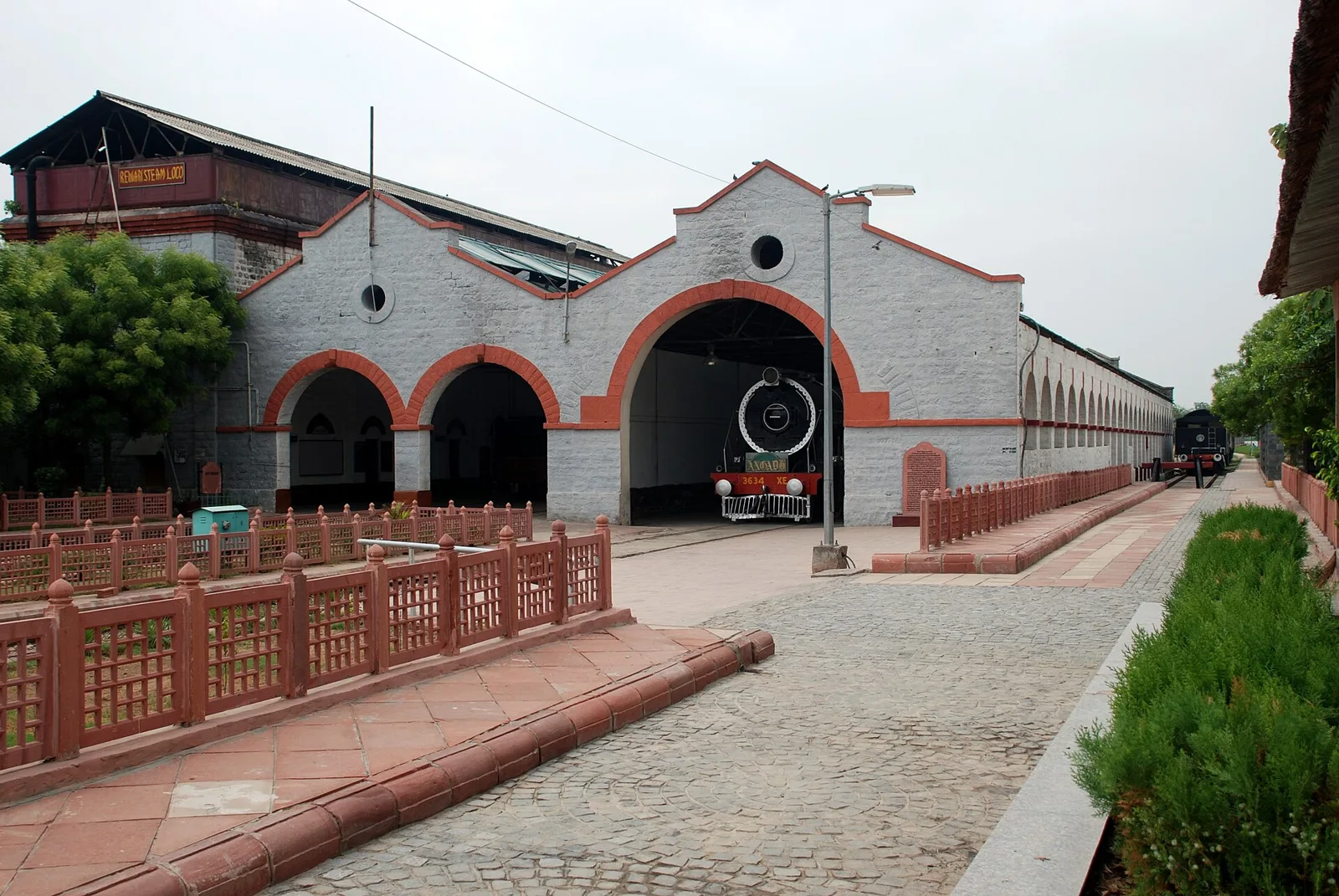
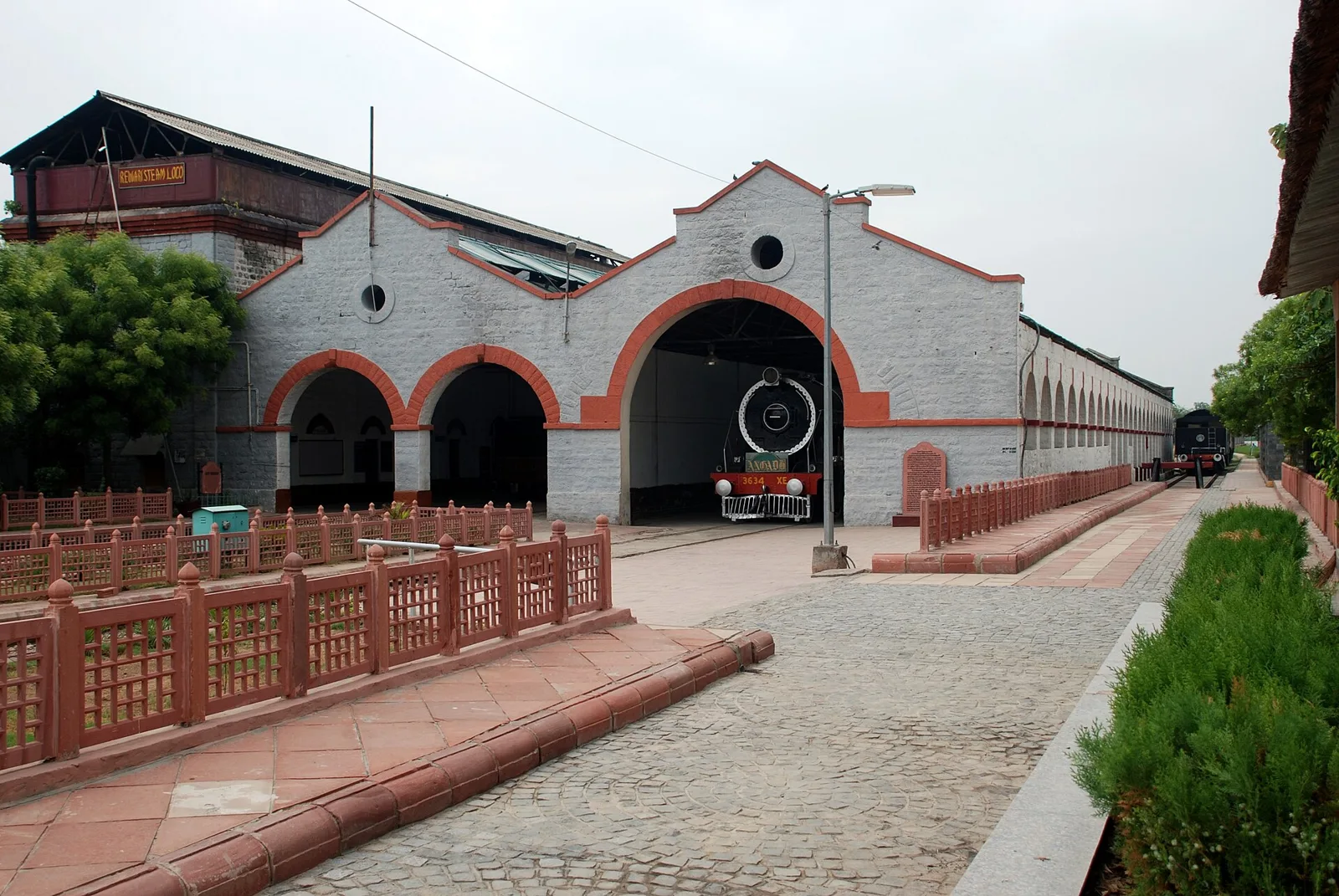
The Rewari Railway Heritage Museum is a railway museum in Rewari, Haryana, where visitors can see surviving steam locomotives, including the working Fairy Queen, built in 1855.

Rewari

84 km away · Rewari district

Rewari

Rewari is a municipal town in Haryana and the headquarters of Rewari district. People travelling for district administration may come here, and the city lies within the Ahirwal region.

Rohtak

91 km away · Rohtak district

Rohtak

Rohtak is a Haryana city and the seat of its district administration. People may travel there for district-level matters, while its position in the National Capital Region also connects it with the wider area.

Tilyar Lake

95 km away · Rohtak district

Tilyar Lake

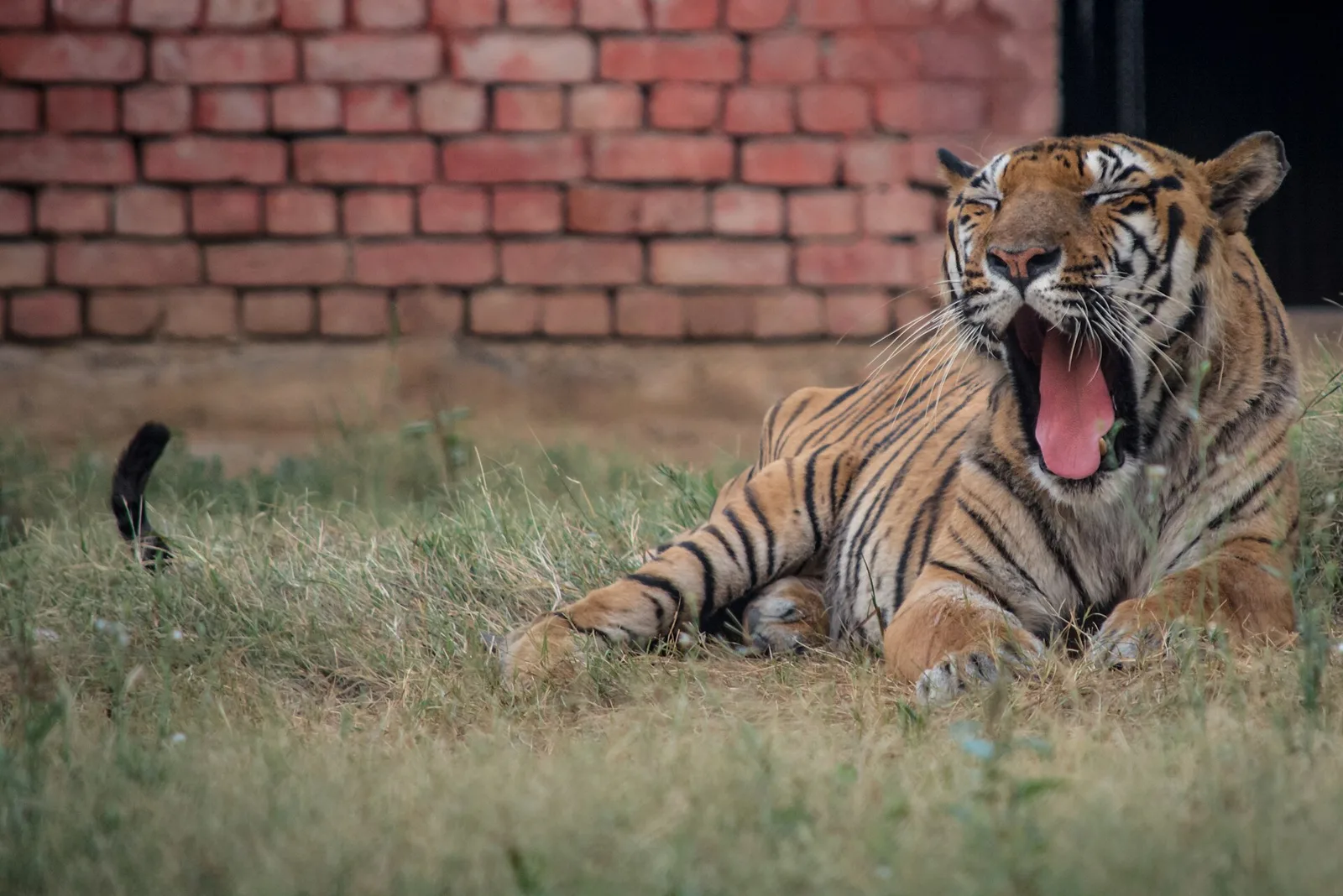
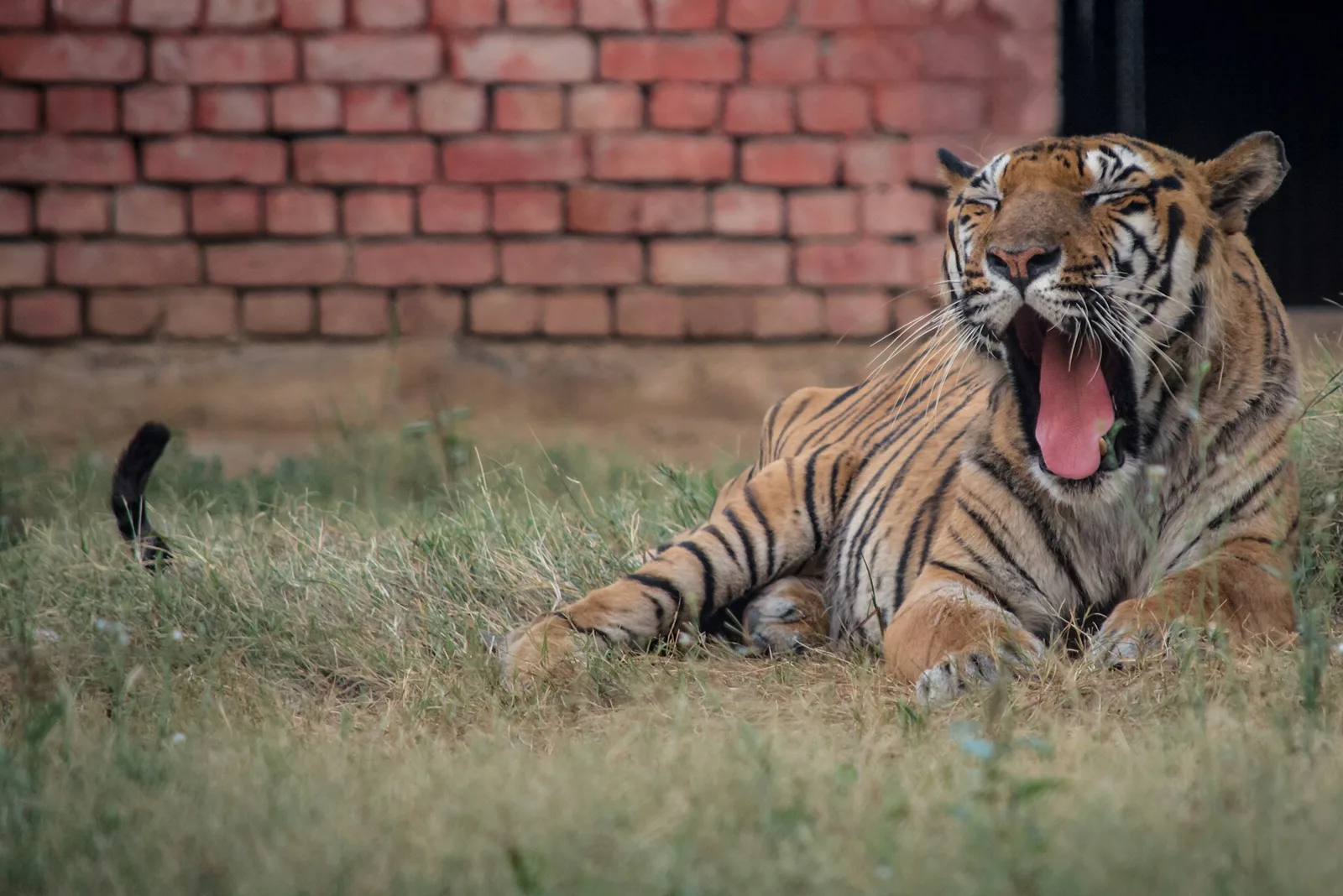
In Rohtak district, Haryana, Tilyar Lake is a leisure destination drawing visitors for its lake setting, fishing facilities and adjoining Rohtak Zoo.

Map

Loharu on the map

  1. 1Tosham
  2. 2Narnaul
  3. 3Hisar
  4. 4Firoz Shah palace complex
  5. 5Rewari Railway Heritage Museum
  6. 6Rewari
  7. 7Rohtak
  8. 8Tilyar Lake

Haryana

Other cities to explore