Ghumoopedia — Explore, Discover, Experience
Sign in
Morni, near Naraingarh

City guide · Haryana

Naraingarh

Naraingarh is a municipal town and assembly constituency in Ambala district, set in northern Haryana close to the Himachal Pradesh border and the lower Sivalik foothills. Its position between the plains and the hills makes it a useful local centre for nearby villages and a convenient stop for travellers heading towards the foothills.

Famous for

  • Kulsan fort heritage
  • Sivalik foothill gateway
  • Sirmur-era history
  • Haryana–Himachal border setting

Why Naraingarh matters

Naraingarh is a municipal town and assembly constituency in Ambala district, set in northern Haryana close to the Himachal Pradesh border and the lower Sivalik foothills. Its position between the plains and the hills makes it a useful local centre for nearby villages and a convenient stop for travellers heading towards the foothills. Ambala is about 39 kilometres away, while Chandigarh is roughly 52 kilometres to the north-east.

The town’s historical landmark is the site of a fort built at Kulsan by Raja Lakshmi Narain of Sirmur. The old fort has been absorbed into the built-up town, with government offices now occupying the area, so Naraingarh’s appeal is less about a preserved monument and more about its layered local history and setting. Visitors can explore the town centre, see the fort’s location, and use Naraingarh as a base for drives through the surrounding countryside. It is also a practical place to experience everyday life in this part of Haryana, where the agricultural plains meet routes leading towards Himachal Pradesh.
Famous for: crafts, trade & products

Naraingarh is not widely identified with a particular textile, saree, handicraft or GI-tagged product. Its role is primarily that of a local service and trading centre for the town and surrounding rural communities, rather than a specialist destination for craft shopping. Visitors looking for a sense of local commerce can browse the central market streets, where everyday shops serve residents with groceries, clothing, household goods and seasonal produce.

The surrounding countryside is part of the fertile northern Haryana plain, and local trade reflects the needs of nearby villages and agriculture. For a wider selection of branded goods, specialist textiles or handicrafts, travellers are more likely to find options in larger regional centres such as Ambala or Chandigarh. There is no single signature product or dedicated craft bazaar that defines a visit to Naraingarh, so it is best approached as a place to see the region’s ordinary market life rather than as a shopping destination. Ask locally about seasonal produce and locally made foods, as availability can change through the year.

History

Naraingarh takes its name from Narayana and garh, a word for a fort. During the period when Mughal authority was weakening, Raja Lakshmi Narain of the princely state of Sirmur built a fort at Kulsan and named it Naraingarh. The fort’s location was incorporated into the expanding town; the site is now occupied in part by the tehsil offices and a police station, rather than standing as an intact fort complex.

In the colonial era, Naraingarh formed part of the wider Ambala administrative region. Its growth has since reflected its position as a local centre for settlements along the Haryana–Himachal boundary and the roads connecting the plains with the foothills. In modern Haryana it serves as a municipal committee town and gives its name to an assembly constituency. Its administrative and market functions, along with its proximity to Ambala and Chandigarh, continue to shape its role in the district.

Food, festivals & culture

Everyday food in Naraingarh draws on the shared Haryanvi and Punjabi traditions of the region. Meals commonly feature roti, seasonal vegetables, lentils, curd and lassi; bajra roti and saag are familiar regional choices, while sweets such as jalebi and kheer may appear at celebrations. Menus and seasonal ingredients vary between households and local eateries, so visitors will find a mix of home-style cooking and straightforward North Indian dishes.

Hindi and Haryanvi are widely used, with Punjabi also heard in the area. Hindu festivals such as Holi in spring, Teej during the monsoon season, Dussehra in autumn and Diwali in autumn bring family gatherings and local observances; Baisakhi is also celebrated in the wider region. Religious life is reflected in neighbourhood temples and gurdwaras, where visitors should observe local customs and dress respectfully. Folk songs and the broader Haryanvi traditions of seasonal singing and dance form part of the area’s cultural backdrop, especially at community and family celebrations.

Visiting the city

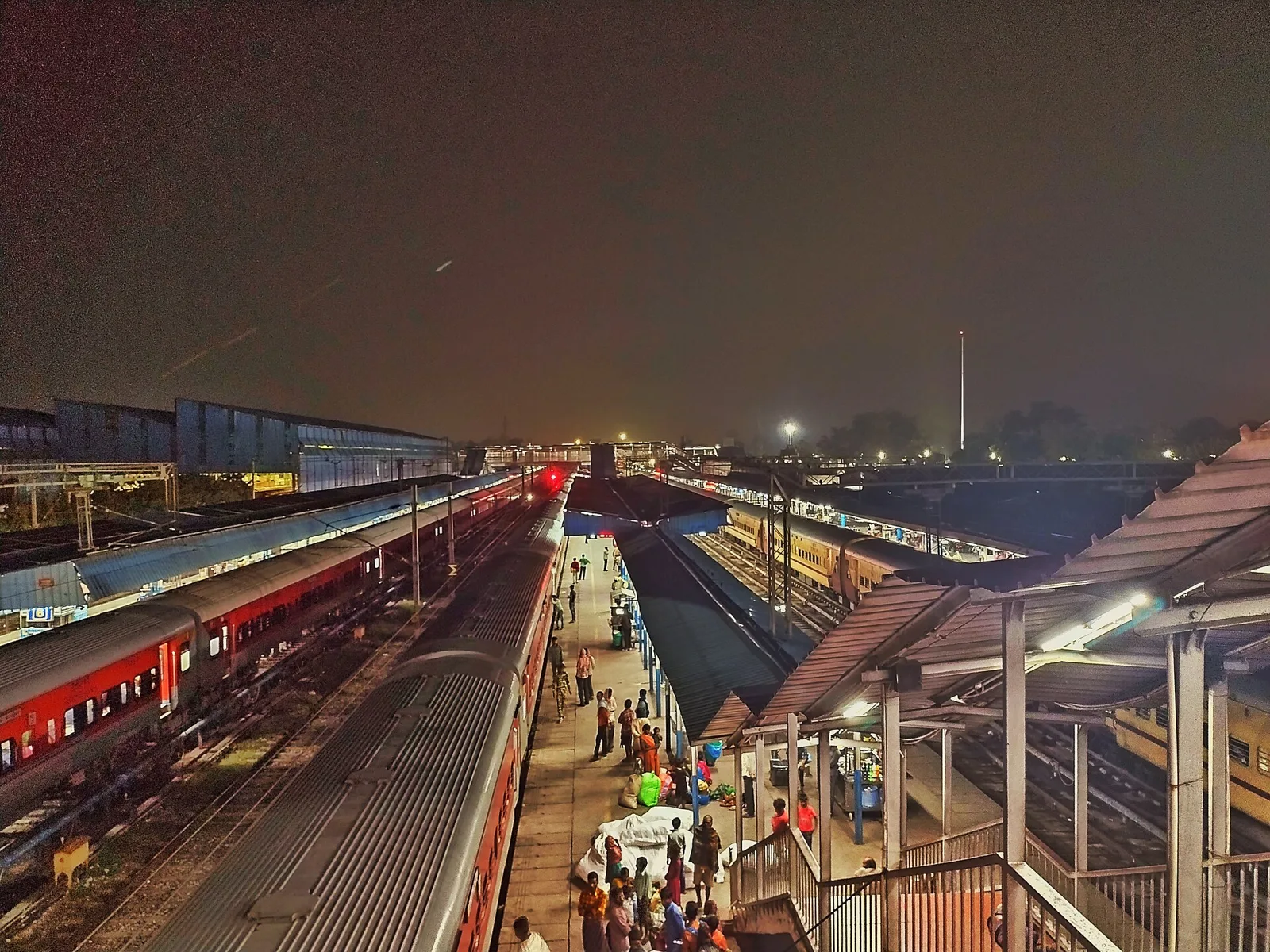
Spring, from late February into early April, and autumn, from late September to mid-November, are generally the most comfortable periods to visit. Summer can be very hot, while the monsoon brings spells of heavy rain; winter days are often mild but can turn chilly. Chandigarh International Airport is the most practical airport for many visitors. Ambala Cantt Junction is the main railway hub commonly used to reach the area; Naraingarh itself is not served by a major rail station.

Buses and road transport connect the town with Ambala and nearby settlements, while local taxis and auto-rickshaws are useful for getting around. Begin in the central market area, then visit the Kulsan site associated with the old fort, noting that it is now built over by administrative premises. The town’s northern and north-eastern outskirts lead towards the Sivalik foothills and offer a change from the surrounding plains; check local conditions before setting out in heavy rain. Nearby Ambala and Chandigarh make convenient additions to a regional trip.

Trips from the city

Nearest places to visit from Naraingarh

Our closest destination guides, by straight-line distance.

Morni

25 km away · Panchkula district

Morni

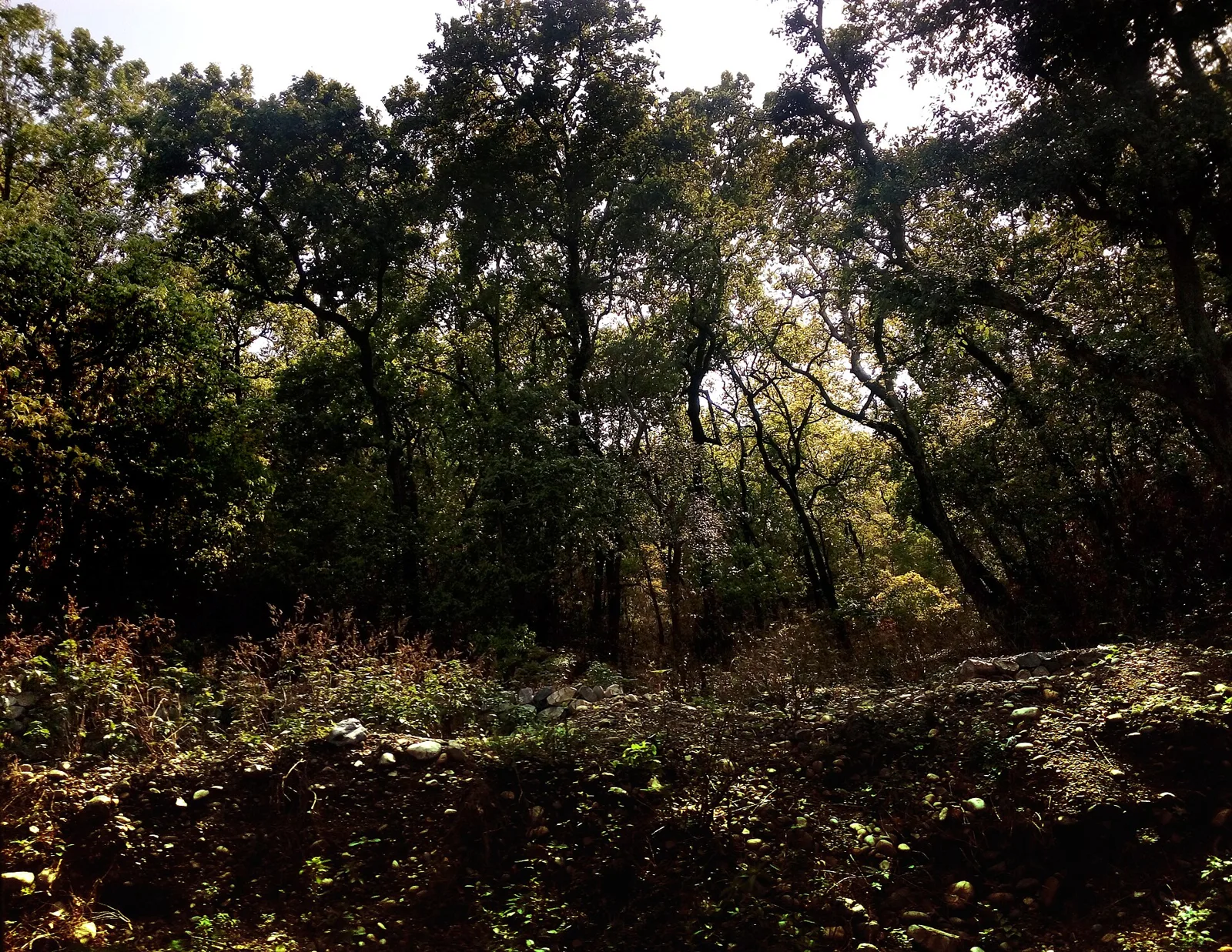
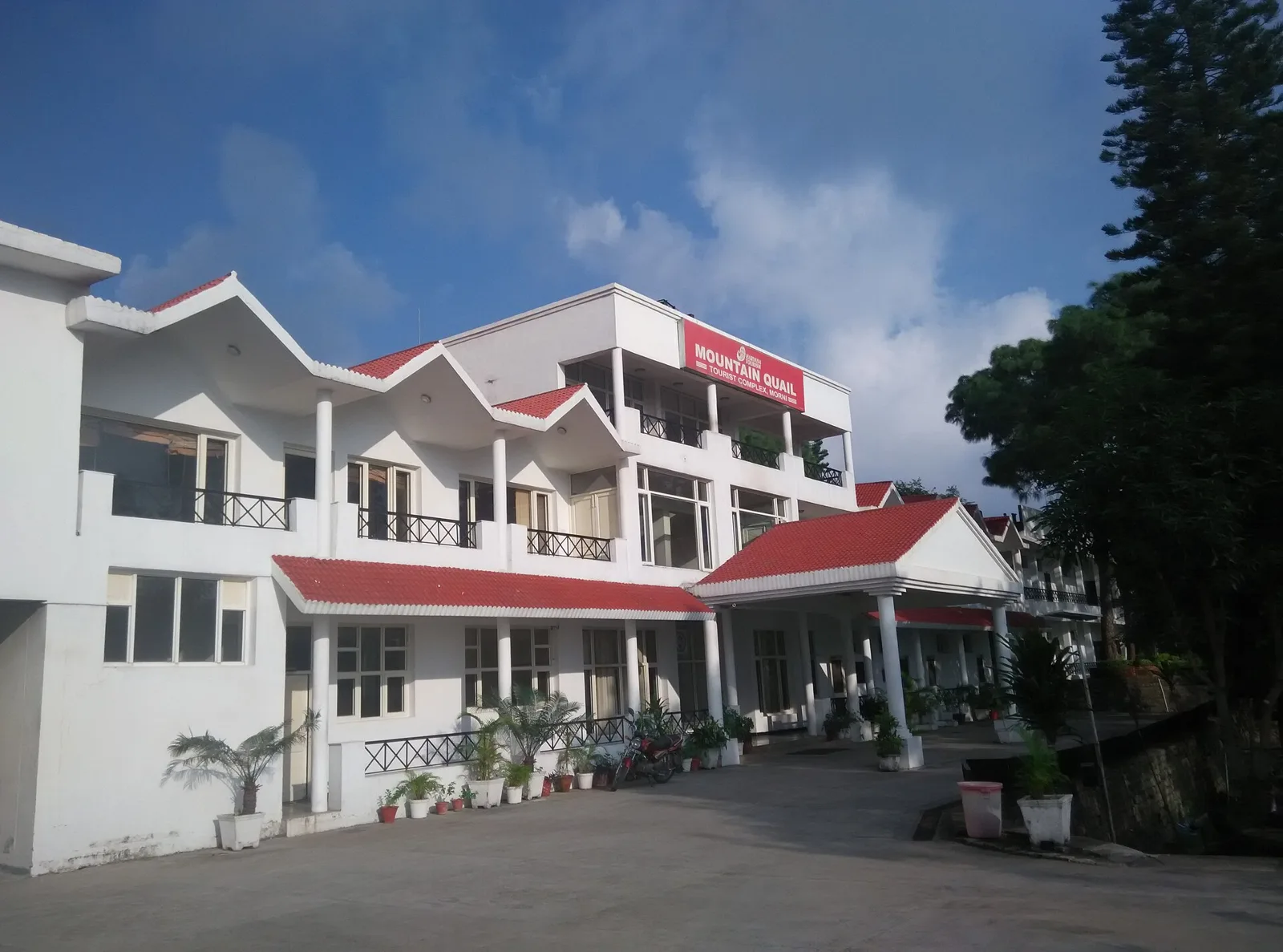
Morni is a village and tourist destination in Haryana’s Morni Hills; visitors come for views of the distant Himalayas, its flora and its lakes.

Ambala

35 km away · Ambala district

Ambala

Ambala is a city in Haryana near the Punjab border and Chandigarh. Travellers use the district as a regional passage point for tourism and encounter its paired city and cantonment.

Bhima Devi Temple Site Museum

41 km away · Panchkula district

Bhima Devi Temple Site Museum

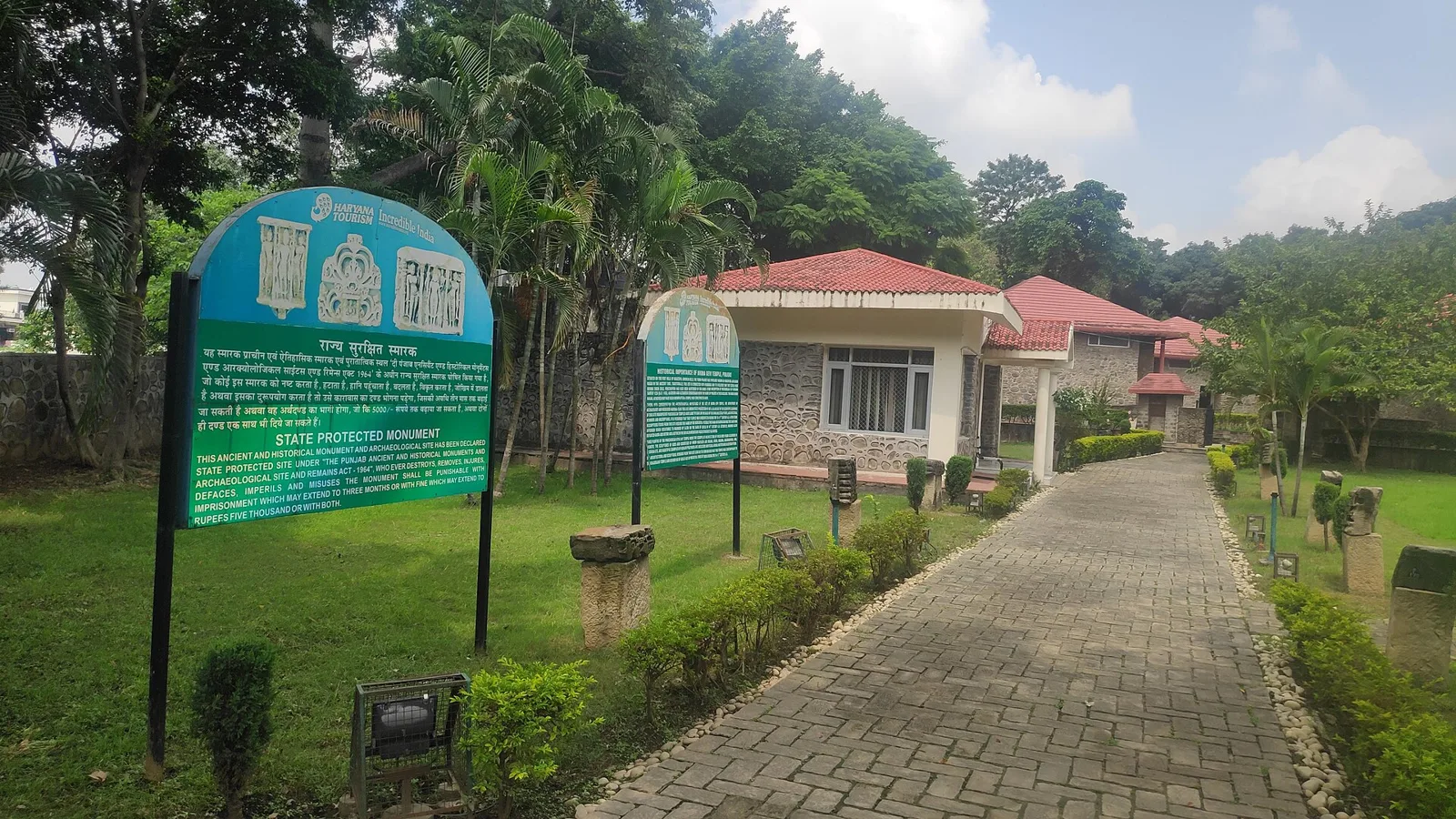
Bhima Devi Temple Site Museum preserves the remains of an ancient Hindu temple beside Pinjore Gardens. Visitors come to see its sculptures, including erotic carvings, and archaeological finds.

Kalesar National Park

41 km away · Yamunanagar district

Kalesar National Park

Kalesar National Park is a protected forest in Haryana’s Shivalik foothills, visited for its wildlife, birdwatching and jeep safaris through a sal-dominated landscape.

Yadavindra Gardens

41 km away · Panchkula district

Yadavindra Gardens

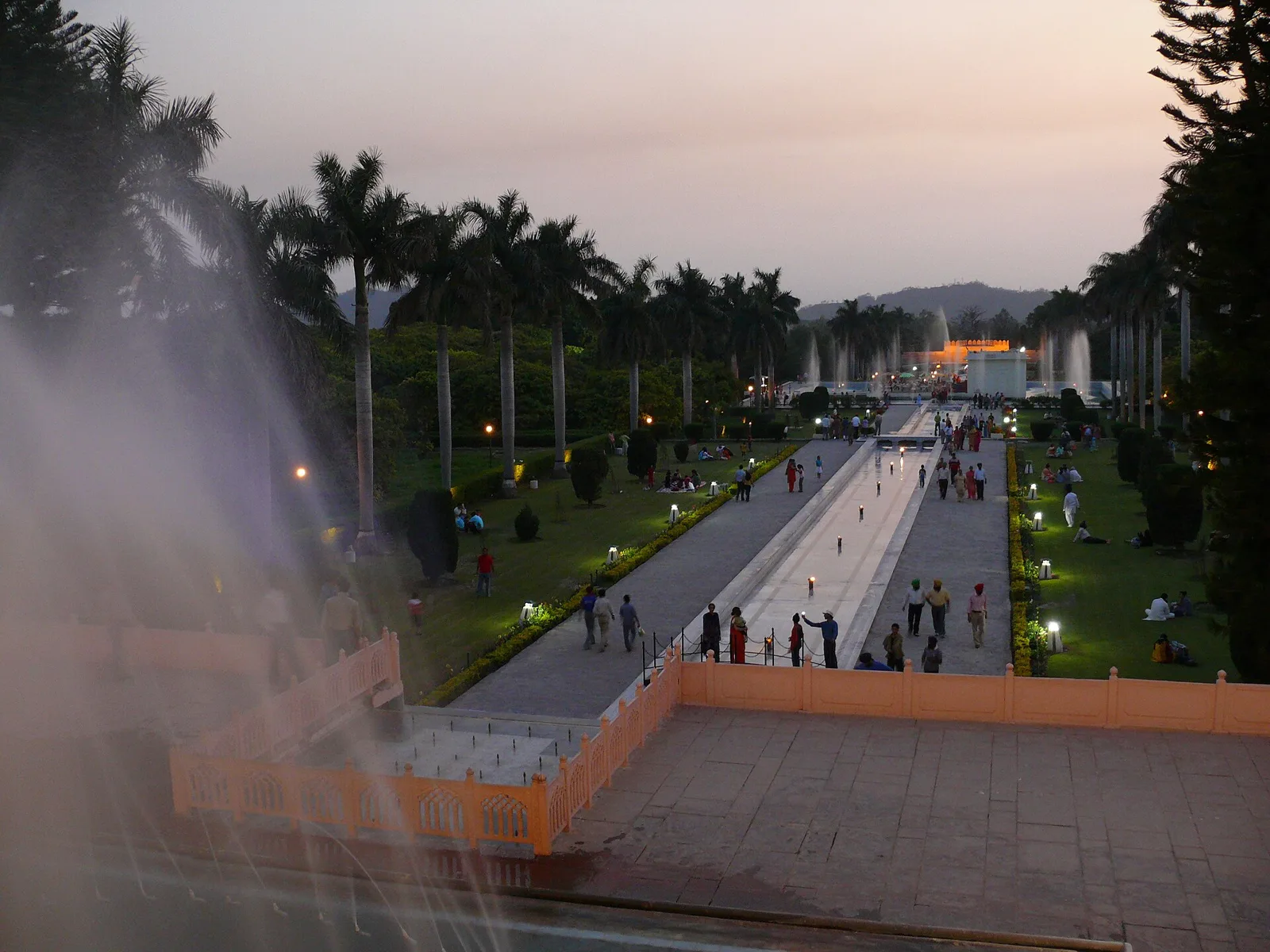
Yadavindra Gardens, or Pinjore Gardens, is a historic seventeenth-century garden in Haryana. Visitors come to see its Mughal-style design, later renovated by Sikh rulers of the Patiala dynasty.

Hathni Kund Barrage

47 km away · Yamunanagar district

Hathni Kund Barrage

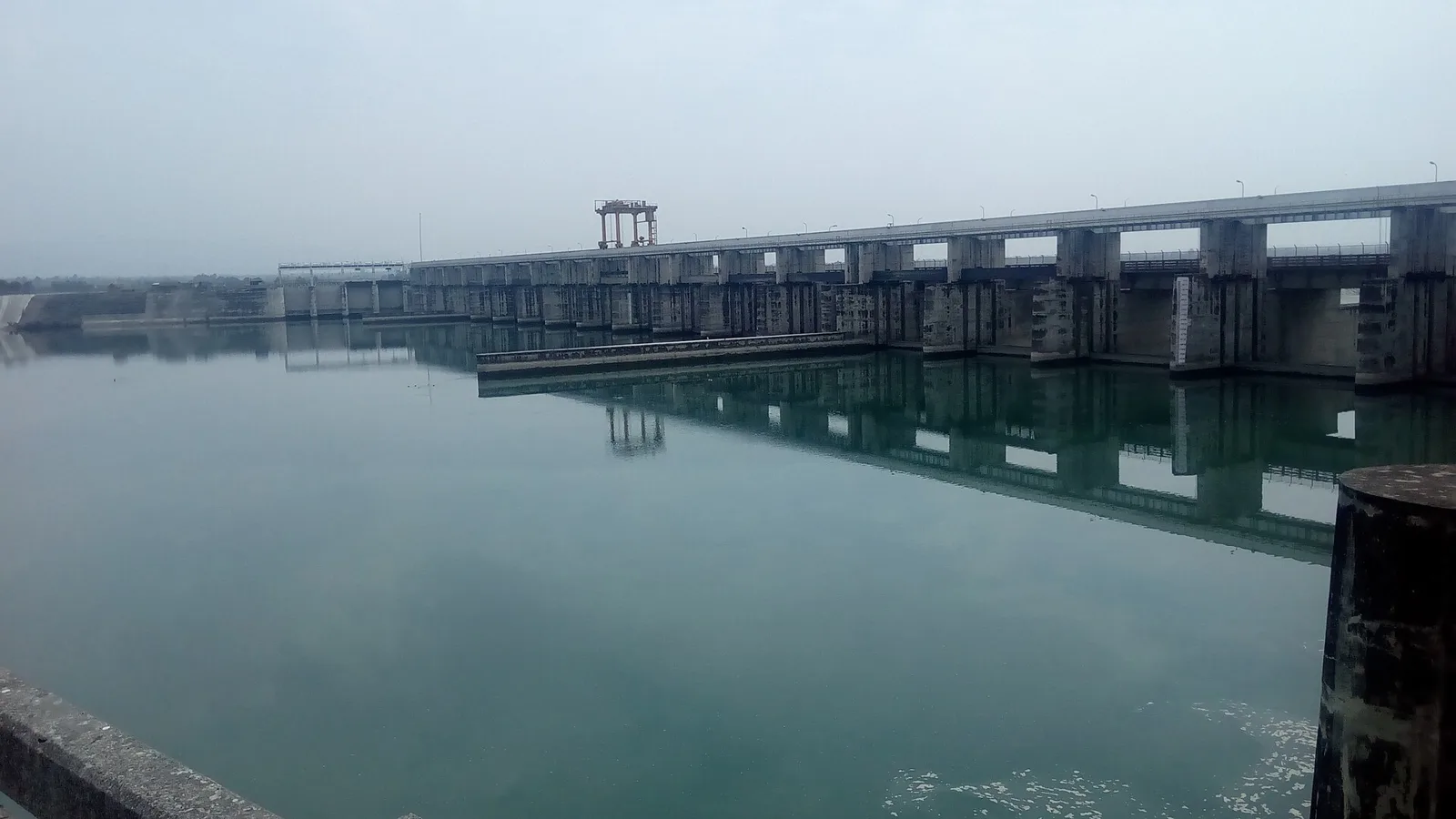
Hathni Kund Barrage is a concrete irrigation structure on the Yamuna in Haryana. Visitors can see the barrage and its reservoir wetland, which supports 31 species of waterbird.

Kurukshetra

63 km away · Kurukshetra district

Kurukshetra

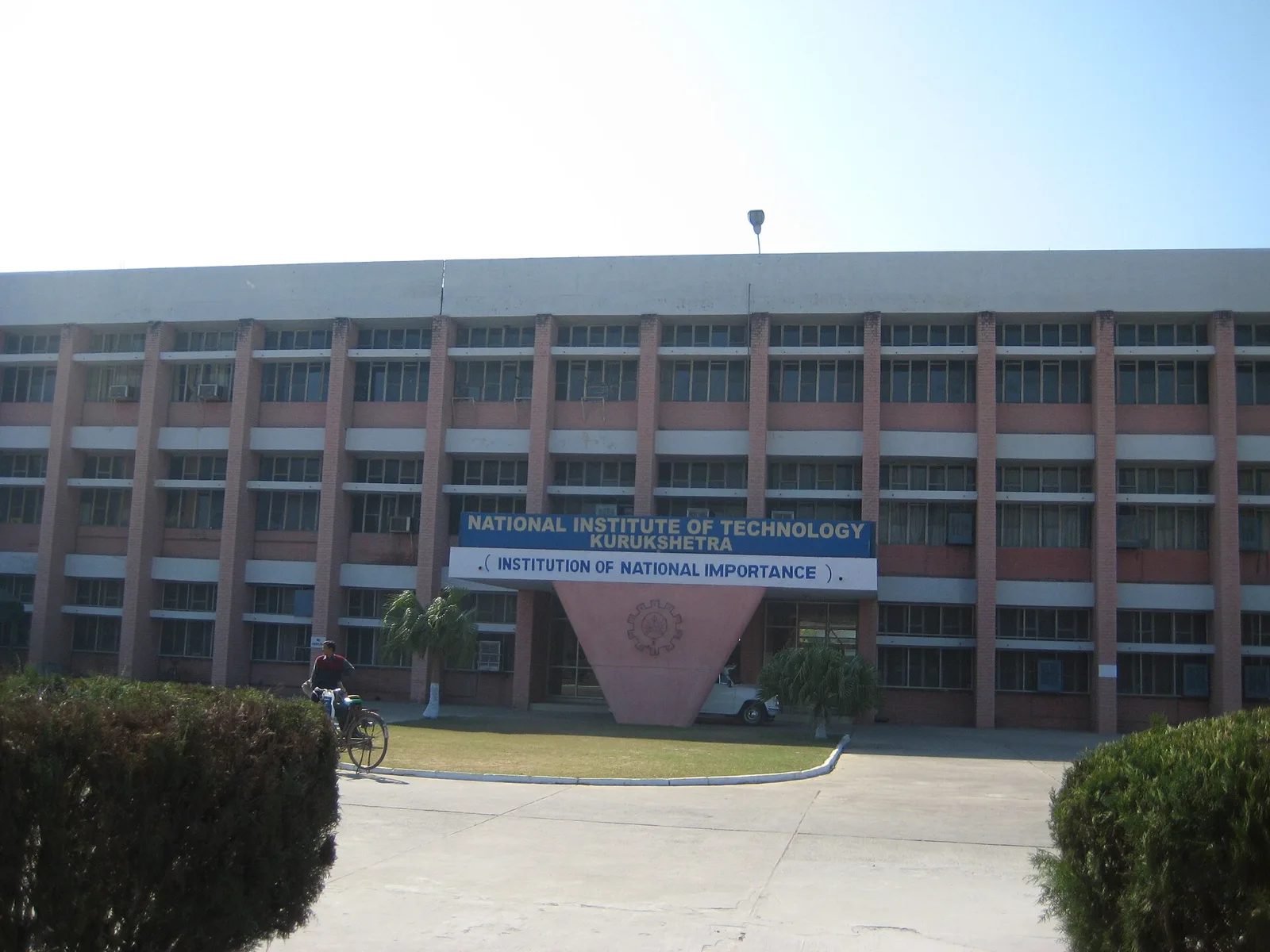
Kurukshetra is a historic region and city in Haryana, associated with the Bhagavad Gita and the name Dharmakshetra. People visit for its religious and historical significance.

Sheikh Chilli's Tomb

63 km away · Kurukshetra district

Sheikh Chilli's Tomb

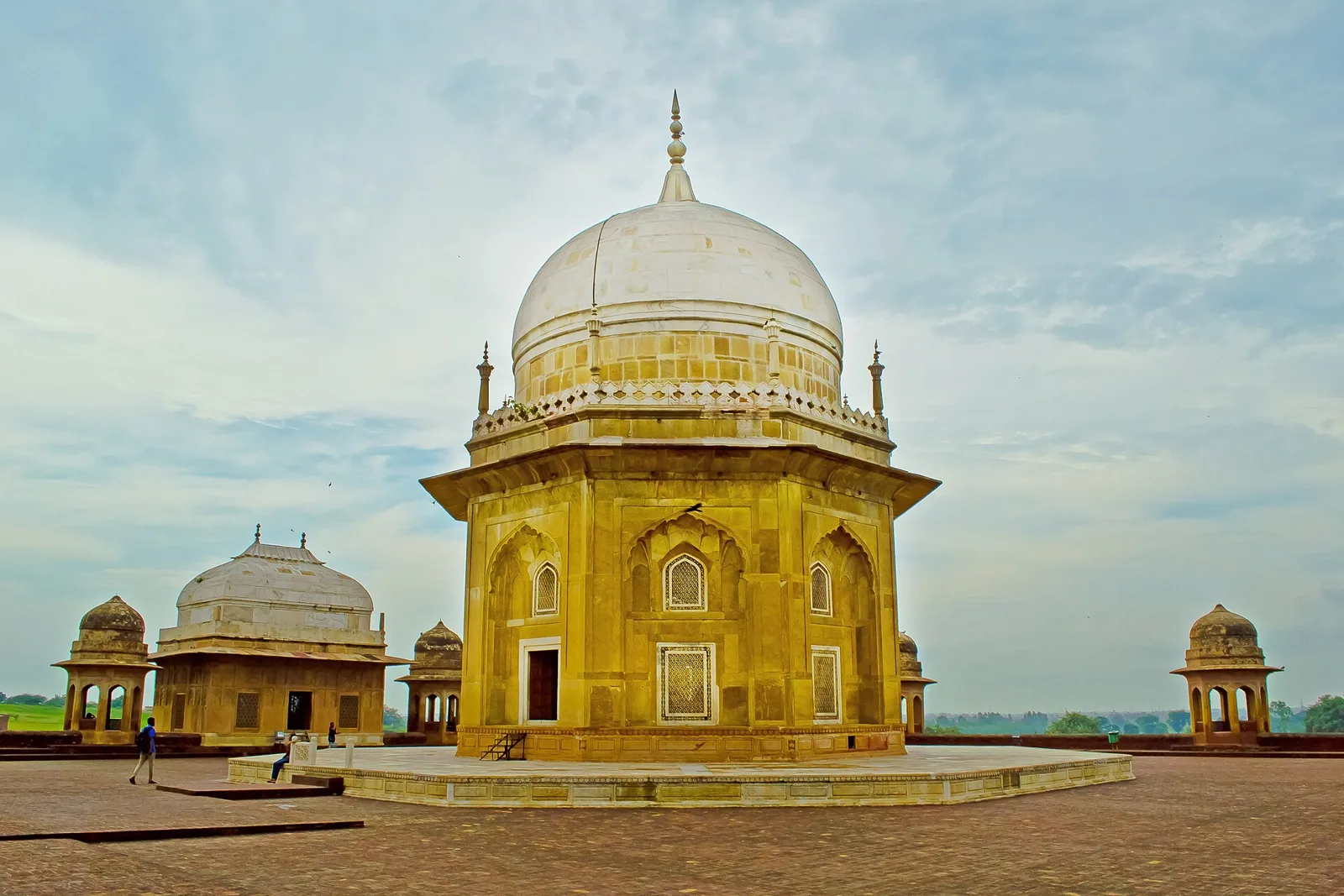
Sheikh Chilli's Tomb is an ensemble of buildings in Thanesar, Haryana. Visitors come to see its two tombs, madrasa, Mughal gardens and later features.

Map

Naraingarh on the map

  1. 1Morni
  2. 2Ambala
  3. 3Bhima Devi Temple Site Museum
  4. 4Kalesar National Park
  5. 5Yadavindra Gardens
  6. 6Hathni Kund Barrage
  7. 7Kurukshetra
  8. 8Sheikh Chilli's Tomb

Haryana

Other cities to explore