
Mindrolling Monastery
Mindrolling Monastery is a Buddhist monastery in Uttarakhand’s Dehradun district. Visitors come to see the monastery and its Buddhist identity.
Key facts · verified by Ghumoopedia editors
- Type of place
- Temple / pilgrimage site
- Best time to visit
- March to June and September to November; December to February for snow in the hills; July to September only for the Valley of Flowers
- Verified
- 21 Nov 2026
Within Dehradun district in Uttarakhand, Mindrolling Monastery is identified as a Buddhist monastery. Its name, religious identity and district location provide the basic description of the place. Visitors may come to see Mindrolling Monastery as a Buddhist site. The details given here are limited to its identity and location, without further information about its buildings, activities or facilities. For those placing it within the state, the monastery is in Dehradun district. Its description is that of a Buddhist institution in Uttarakhand, rather than a place with other stated features or attributes. Uttarakhand, the Devbhumi or land of the gods, spans the Garhwal and Kumaon Himalaya: the Char Dham shrines and Panch Prayag confluences, Haridwar and Rishikesh on the Ganga, colonial hill stations such as Mussoorie, Nainital and Ranikhet, Corbett and Rajaji tiger reserves, the alpine Valley of Flowers, and Garhwali, Kumaoni, Jaunsari and Bhotiya communities with their folk songs, temple fairs and Aipan art. The plains around Haridwar and Udham Singh Nagar are hot from April to June; hill towns stay mild in summer and cold in winter, with snow above about 2,000 m from December to February. The monsoon (July to September) brings heavy rain, landslides and frequent road closures. High shrines such as Kedarnath and Badrinath open only from about late April or May until around Diwali. The usual best time to visit is March to June and September to November; December to February for snow in the hills; July to September only for the Valley of Flowers. For official information, see Uttarakhand Tourism at https://uttarakhandtourism.gov.in.
Why it matters
Mindrolling Monastery is listed in Ghumoopedia’s Uttarakhand index as a Buddhist monastery in Dehradun district. It serves as a place of Buddhist worship, study and community life, and is associated in public descriptions with the Nyingma tradition of Tibetan Buddhism. Its presence reflects the history of Tibetan Buddhist communities in India and adds a living religious site to Dehradun’s varied cultural landscape. The monastery may be of interest to pilgrims, students of Buddhism and visitors seeking a quiet place for respectful reflection. Confirm current public access and site information with the monastery or Uttarakhand Tourism before setting out.
Mindrolling’s institutional history is commonly traced to a monastery founded in Tibet in the late seventeenth century by the Tibetan Buddhist teacher Terdak Lingpa, also known as Rigzin Terdak Lingpa. The name and teachings are associated with the Nyingma school. Following the upheavals that led many Tibetans to leave Tibet, a community of teachers and practitioners established a new Mindrolling centre in India. Public accounts commonly identify Khochhen Rinpoche as a key figure in this re-establishment in Dehradun during the twentieth century. The Indian monastery has since developed as a centre for religious practice and learning, serving both monastic residents and lay visitors. The original Tibetan institution and the Dehradun site are connected by lineage and community, but they are not the same physical monastery. Visitors seeking a fuller institutional history should consult the monastery’s own publications or ask its administration.
Origin stories & folklore
In Tibetan Buddhist tradition, monasteries are often understood as places where teachings are preserved and practised, and where the accumulated prayers of teachers and communities give the site spiritual meaning. Mindrolling’s name is linked to its Tibetan institutional lineage; accounts of that lineage belong to religious history and belief rather than to a locally verified Dehradun legend. Visitors may hear devotional explanations from practitioners or guides, but these should be understood as expressions of faith unless supported by a reliable historical source. Ask respectfully before treating a sacred narrative as material for photography or public discussion.
Architecture & design
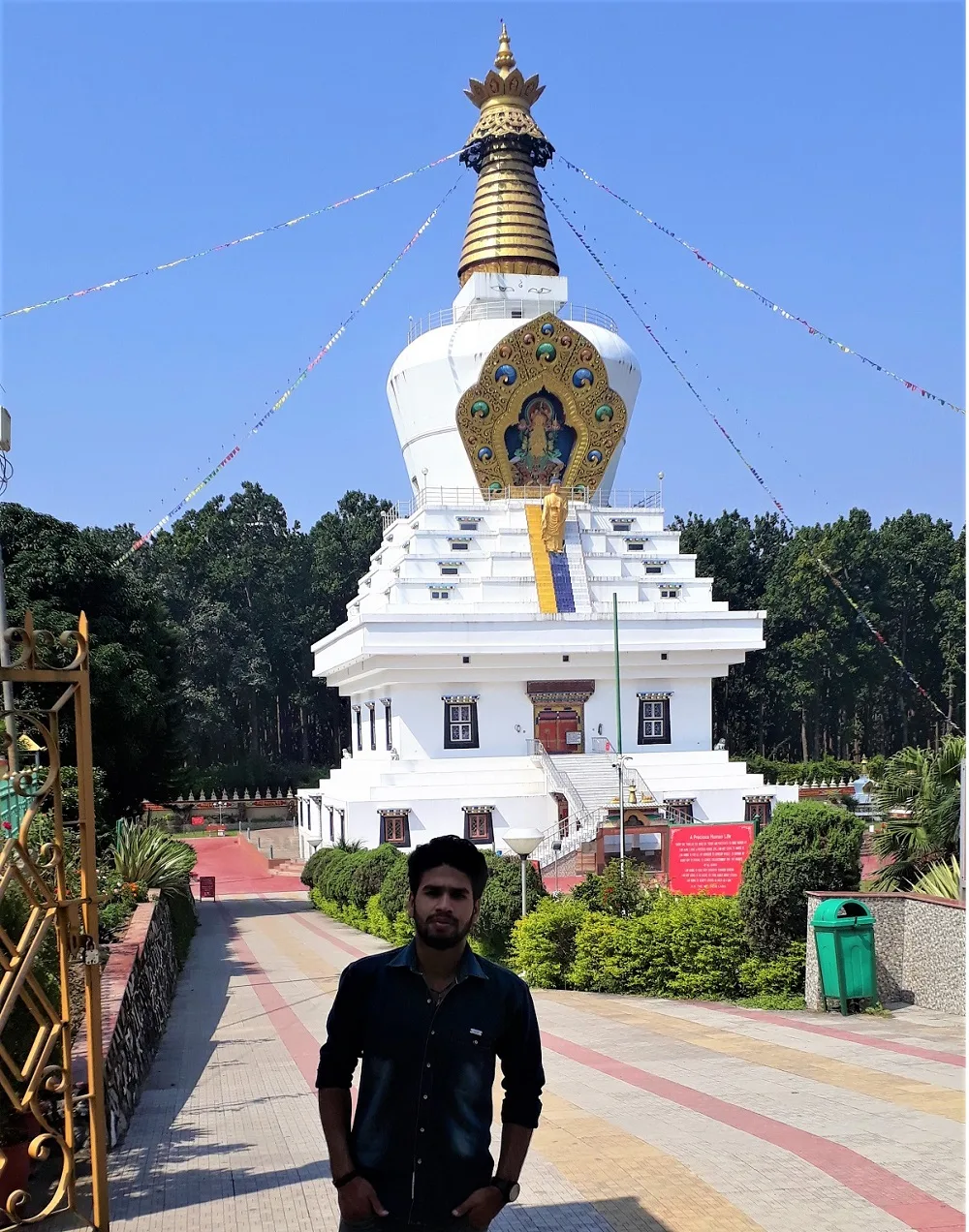
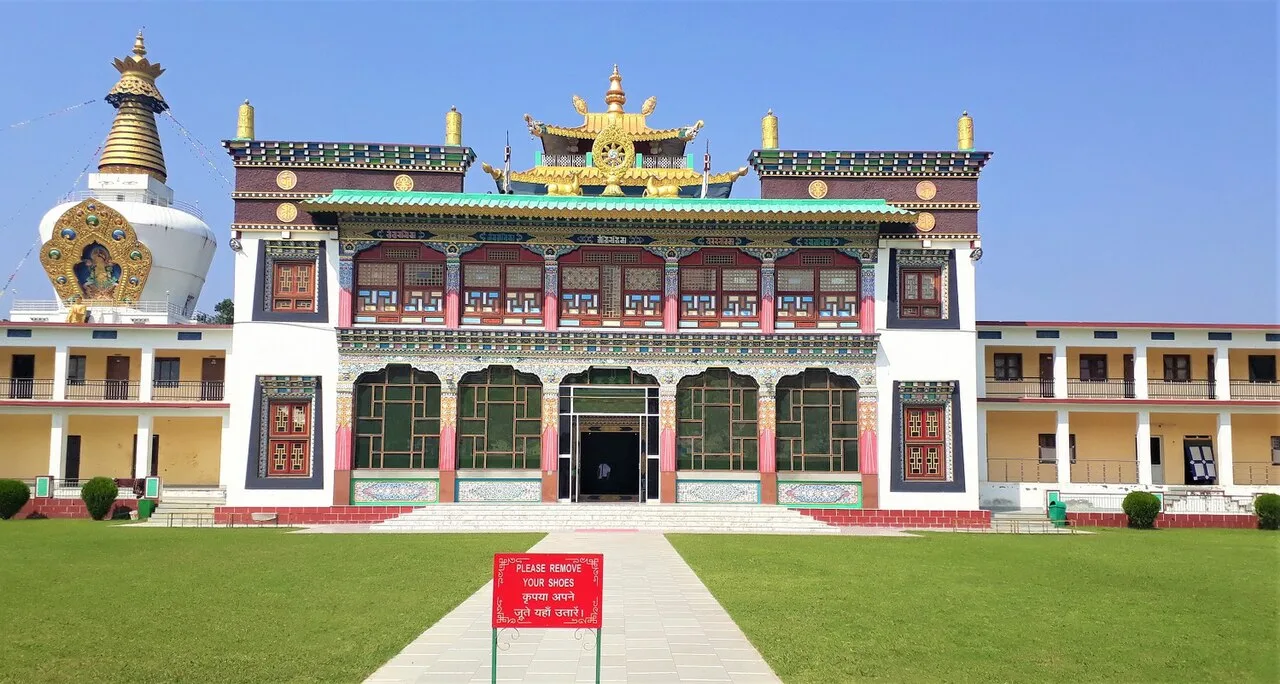
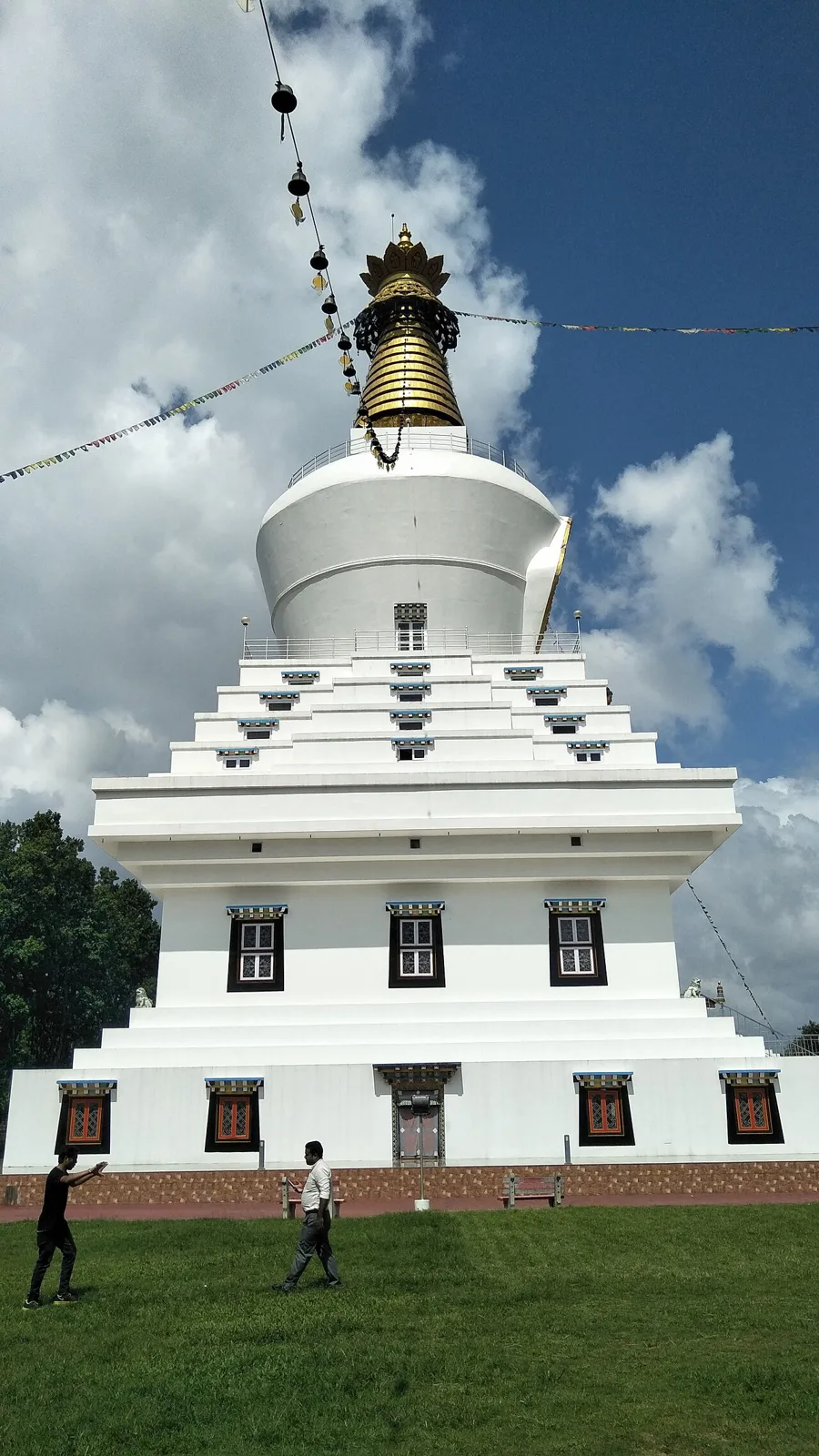
The monastery is a Tibetan Buddhist religious complex rather than a single shrine. Public descriptions identify a prominent stupa within the grounds, alongside spaces used for prayer and monastic activity. Stupas and chortens are traditionally designed as sacred monuments associated with the Buddha’s teachings; circumambulation is performed clockwise. Prayer wheels, where present, are also used devotionally and should be handled gently. Do not assume every building or courtyard is open to visitors: some areas may be reserved for residents, ceremonies or study. Take time to observe the arrangement from public paths and follow signs or instructions from monastery staff rather than entering restricted spaces.
Important objects & sculptures
Visitors may encounter devotional features such as stupas, chortens and prayer wheels; the site guide recommends observing these respectfully and walking clockwise around them. Displays and access can change, and some objects may be in areas not open to the public. Avoid touching statues, offerings, prayer texts or ritual implements unless explicitly invited to do so. If you would like to understand an image or object, ask a monastery representative when appropriate, and accept that some explanations or spaces may not be available during a visit.
Religious significance
Mindrolling is a Buddhist monastery in Dehradun district, associated in public descriptions with Tibetan Buddhist practice and the Nyingma lineage. For monks and lay practitioners, a monastery can be a place for prayer, study, ritual observance and the preservation of teachings. Visitors may find daily prayers or other religious activities taking place, but public participation and access are not guaranteed. Observe quietly from permitted areas and avoid interrupting ceremonies. The site guide advises walking clockwise around stupas, prayer wheels and chortens, removing shoes and hats before entering prayer halls, and not pointing one’s feet toward an altar. These gestures are signs of respect; when uncertain, follow local guidance rather than assuming that a visitor custom is universal.
Visit Mindrolling Monastery with time to observe daily prayers and rituals respectfully. Walk clockwise around stupas, prayer wheels and chortens, remove shoes and hats before entering prayer halls, never point your feet at the altar, and ask before photographing monks or the interior; morning and evening prayers are the most atmospheric time to visit. Beware of unofficial 'guides' or agents offering quick darshan for a fee. A comfortable itinerary is one main visit in the morning, a local meal at midday and a short nearby stop before an afternoon return. In the mountains, mornings are clearest; clouds often roll in by noon, so start early for Himalayan views. Use the district list on this site to find other places in Dehradun, but check the route and its condition before combining stops. If a festival is on — such as the Kumbh and Ardh Kumbh at Haridwar, the Kanwar Yatra in July, Ganga Dussehra, the Nanda Devi Raj Jat, Phool Dei and Harela, or the Uttarayani fair at Bageshwar — roads and stays can be busy, and the experience can be unforgettable. Leave no litter: the Himalayan valleys have little waste collection, so carry a refillable bottle and bring your rubbish back down.
Suggested itineraries
Half day: Allow about 2–3 hours for arrival, a quiet visit to publicly accessible grounds, observing prayers if they are underway, and time for a local meal or refreshment nearby. Full day: Set aside about 5–7 hours for the monastery visit, a midday meal, and one Dehradun-area stop such as the Forest Research Institute or Tapkeshwar Mahadev Temple; check routes and access before combining them. Gentler option: Arrange a taxi drop-off and pick-up, keep the visit to the nearest accessible public areas, take seated rest breaks, and skip additional stops if the approach or grounds feel tiring.
The monastery’s living culture is shaped by Tibetan Buddhist religious practice and the community of monastics, students and lay visitors connected with it. Tibetan is important in the tradition, while visitors may also encounter Hindi or English in practical interactions, though this cannot be assumed. Dress modestly and keep voices low around prayer spaces. Ask before approaching monks for conversation or taking their portraits. The monastery should be treated as an active religious community, not simply as a sightseeing venue.
Festivals & events
Losar, the Tibetan New Year, and other Tibetan Buddhist observances such as Saga Dawa may be marked by Buddhist communities, but this guide has not verified which events are open to visitors or held at Mindrolling in a particular year. Dates follow religious calendars and vary. Buddha Purnima is observed widely by Buddhists in India, though local arrangements should be checked rather than assumed. Special prayer days or ceremonies can bring additional visitors and may change access to parts of the complex. Ask the monastery or a reliable local contact about public observances before planning a visit, and allow extra flexibility if an event is taking place.
Local food in Uttarakhand includes kafuli (spinach curry), phaanu and chainsoo (lentil dishes), aloo ke gutke, bhatt ki churkani, mandua (finger-millet) rotis, jhangora kheer, singori and bal mithai from Almora, with rhododendron (buransh) squash in spring. Ask what is fresh that day; many small eateries cook a limited daily menu. Hill food is simple and warming, with plenty of vegetarian options; in pilgrim towns many eateries serve only vegetarian food without onion or garlic, and alcohol and meat are banned in places such as Haridwar, Rishikesh and the Char Dham towns. Remote sites may have no restaurant at all. Carry water and snacks, eat a proper breakfast before long drives, and ask your accommodation for a packed lunch if you are heading out early. If prasad is offered, accept it according to local custom. Choose busy, clean places, drink sealed or filtered water, and carry your packaging back with you.
Shopping & local experiences
In Dehradun, visitors can look for locally made crafts, everyday market goods and regional food, while Tibetan Buddhist books or devotional items should be purchased only from an authorised or clearly identified seller. Ask before buying objects presented as sacred, antique or monastery-associated. A meal in the city can be an opportunity to try local Uttarakhand dishes, but specific restaurants and menus should be checked on arrival. Avoid single-use packaging where possible and carry any rubbish until it can be disposed of responsibly.
March to June and September to November; December to February for snow in the hills; July to September only for the Valley of Flowers
These figures are calculated from map coordinates — actual road distance is longer, and mountain roads mean even short distances can take hours. Haridwar, Rishikesh (Yog Nagari Rishikesh) and Dehradun stations and Dehradun's Jolly Grant Airport are the gateways to Garhwal; Kathgodam station and Pantnagar Airport serve Kumaon; Ramnagar station serves Corbett. Beyond these, travel is by road. From Haridwar, Rishikesh, Dehradun or Kathgodam, take a Uttarakhand Roadways (UTC) or GMOU bus, a shared jeep or a reserved taxi; in the hills, shared jeeps leave early from town taxi stands and fill up fast, while a reserved taxi gives flexibility for temples and viewpoints. Mountain roads close at night in many areas, so plan to arrive before dark. When comparing train, bus and flight, count the complete door-to-door time: a flight saves the most time only if the onward road transfer is short, while an overnight train can save a hotel night. For the Garhwal hills, an overnight train to Haridwar, Rishikesh or Dehradun (or a flight to Jolly Grant Airport, Dehradun) is the usual start; for Kumaon, trains run to Kathgodam and flights to Pantnagar. The road journey into the mountains takes most of a day, so do not plan sightseeing on arrival. Book your return before you leave, because seats fill quickly on weekends, festivals and holidays. Current train numbers, timings, return services and fares are not listed here; check IRCTC and NTES for trains and the airline's own schedule for flights. No permit is needed for most of Uttarakhand, but Char Dham pilgrims (Yamunotri, Gangotri, Kedarnath and Badrinath) and Hemkund Sahib pilgrims must register online with Uttarakhand Tourism before travelling, and areas near the Tibet border such as Adi Kailash, Om Parvat, Niti and Nelong valleys need an Inner Line Permit.
Getting around
The monastery is listed in Dehradun district, but this guide has not verified its exact map location or the best approach road. On arrival in Dehradun, local buses, auto-rickshaws and taxis are common ways to travel around the city; a reserved taxi can be useful if you need a direct return or are combining several stops. Confirm the destination and route with your driver or host before leaving, and check where vehicles may drop off or park. If the final approach involves walking, ask locally about the surface and distance. Do not rely on an unverified route description or assume that public transport stops at the monastery entrance.
Hours, tickets & permissions
Entry rules may vary according to religious activity, maintenance or the areas open to the public. Do not assume that all prayer halls or grounds are accessible at all times. Ask whether tickets, permits, identification or camera permissions are required before arrival, and confirm current hours and fees with the monastery’s managing authority or Uttarakhand Tourism. Avoid relying on unofficial agents who offer quick darshan or special access for a fee.
Facilities
Toilets, drinking water, seating, food outlets, parking and visitor information may be available on site or nearby, but check locally rather than relying on them. Carry water and any personal medication, especially if you are combining the visit with other stops. Do not assume that there is an official guide service or an ATM within the grounds. If you need assistance, ask monastery staff or your host about visitor facilities before travelling. Keep any food and drink away from prayer spaces unless local rules allow them.
Accessibility
Religious complexes can include uneven paving, steps, thresholds or long outdoor approaches; do not assume wheelchair ramps, lifts or accessible toilets are available. Contact the monastery or a local host in advance if you use a wheelchair, stroller or walking aid, or if steps are difficult. Ask about vehicle drop-off, resting places and which areas are open before setting out. Older visitors may find a short, unhurried visit more comfortable than combining the monastery with several other stops. Shade and seating should be checked locally.
No permit is needed for most of Uttarakhand, but Char Dham pilgrims (Yamunotri, Gangotri, Kedarnath and Badrinath) and Hemkund Sahib pilgrims must register online with Uttarakhand Tourism before travelling, and areas near the Tibet border such as Adi Kailash, Om Parvat, Niti and Nelong valleys need an Inner Line Permit. Carry a photo ID at all times and save the emergency number 112 and your accommodation's contact offline. Mountain roads are narrow and prone to landslides, especially from July to September; travel in daylight, use experienced local drivers, check the state disaster authority's road updates and keep a spare day in your plan for closures. Char Dham pilgrims must register online with Uttarakhand Tourism before travelling. Watch your belongings in crowds and on public transport, and follow posted instructions.
Visitor rules
Dress modestly and behave quietly in this active religious setting. The site guide advises removing shoes and hats before entering prayer halls and never pointing your feet toward an altar. Walk clockwise around stupas, prayer wheels and chortens, and do not touch religious objects unless invited. Respect signs, barriers and areas reserved for residents or worship. Ask before photographing monks, ceremonies or interior spaces; photography may be restricted. Avoid littering and follow local instructions about plastic and food. Do not pay unofficial guides or agents promising quick darshan or special access; verify any formal requirements with the managing authority.
Photography
Ask permission before photographing monks, worshippers or ritual activity, and do not photograph interiors unless staff allow it. Early or later daylight can be gentle for exterior views, but access and light conditions vary. Choose public viewpoints and avoid obstructing people who are praying. Drone use should not be assumed to be permitted: check applicable rules and obtain any required permissions before bringing or flying one. If photography is not welcome, put the camera away without argument and experience the visit quietly.
Choose a stay by the full journey to Mindrolling Monastery, not just the district name. GMVN (Garhwal Mandal Vikas Nigam) and KMVN (Kumaon Mandal Vikas Nigam) run tourist rest houses across the hills, alongside homestays registered under the state's homestay scheme and small hotels; in pilgrim towns, dharamshalas and temple committee guesthouses are common. In summer, check air-conditioning; in the monsoon, check that the property is accessible if roads flood. Book in advance for weekends, festivals and the peak season (March to June and September to November; December to February for snow in the hills; July to September only for the Valley of Flowers). Confirm the exact location, meals included, check-in time and cancellation terms in writing. Avoid sending money to unverified contacts or touts at stations. Carry some cash, as card and digital payments can be unreliable in remote areas.
Other Dehradun-area places that may be considered for a separate or combined outing include the Forest Research Institute, Tapkeshwar Mahadev Temple, Robber’s Cave (Guchhupani) and Sahastradhara. These are established attractions in the district, but this guide has not verified their proximity to the monastery or the best route between them. Check current road conditions, opening arrangements and travel time locally before combining stops. Dehradun city also offers markets and places to eat. Avoid planning a tightly packed day until the monastery’s exact approach and public access have been confirmed.
For couples, Mindrolling Monastery rewards a slow pace: arrive early for soft light and fewer crowds, share a local meal and keep the evening free. Sunrise over the Himalaya from a ridge-top homestay, a forest walk or an evening by a quiet lake makes the trip memorable. Public displays of affection can be frowned upon in conservative communities and at religious sites, so be discreet. Keep a buffer in your itinerary, because weather and road conditions can delay plans.
Q: How much time should I allow for a visit? A: Allow a few hours for a quiet visit, including time to observe respectfully. Q: When is the best season to visit? A: March to June and September to November are generally useful periods for travel in Uttarakhand. Check local weather and road conditions before going. Q: Is there an entry fee or do I need permission? A: Confirm public access and any requirements with the monastery or Uttarakhand Tourism. Q: Is the monastery suitable for children and elderly visitors? A: Keep children supervised and ask about steps, walking surfaces and seating in advance. Q: Where can I stay nearby? A: Dehradun has accommodation options, but this guide has not verified stays near the monastery. Check the location and transport arrangements with your host before booking.
Be the first to share photos, stories, advice or a helpful contact for Mindrolling Monastery.
Loading…