
Ghumoopedia — Explore, Discover, Experience
Sign in
Kausani, near Kausani

City guide · Uttarakhand

Kausani

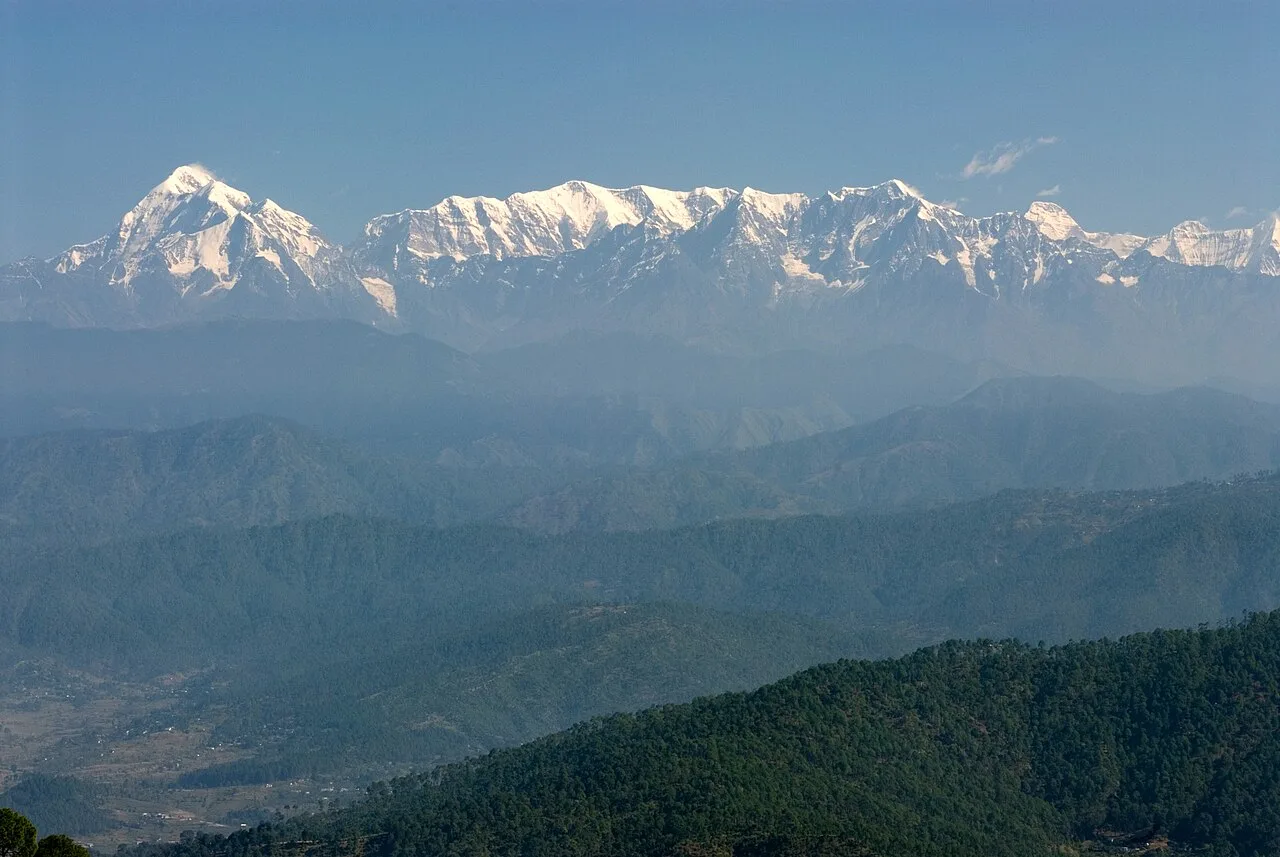
Kausani is a hill station and village in Uttarakhand’s Bageshwar district, drawing visitors for its Himalayan scenery and wide views of Trisul, Nanda Devi and Panchchuli.

Famous for

  • Himalayan mountain views
  • Kausani tea
  • Gandhi’s Anashakti Ashram
  • Kumaoni woollens
In the city
2
District
Bageshwar

Why Kausani matters

Kausani is a small hill settlement in Bageshwar district, set on a pine-covered ridge in the Kumaon region of Uttarakhand. It is best known for broad Himalayan views: on clear days, peaks including Trishul, Nanda Devi and Panchachuli can be seen from the area. Mahatma Gandhi, who stayed here in 1929, compared its landscape to Switzerland, a description that helped make Kausani familiar to travellers across India.

Today, Kausani is a quiet base for mountain scenery, short walks and a slower-paced Kumaon visit. Its position between the Someshwar and Garur valleys also makes it a useful stop on road journeys linking Almora, Bageshwar and nearby hill communities. Visitors come for sunrise and sunset views, the Anashakti Ashram, nearby tea gardens and access to local temples and villages. Unlike a large commercial hill town, Kausani’s appeal lies in its setting and relatively unhurried atmosphere. It is also a place to encounter Kumaoni food, language and everyday life, while supporting locally made goods and small-scale tea production.
Famous for: crafts, trade & products

Kausani is associated with locally grown tea, cultivated in gardens around the settlement and sold through local outlets. Visitors can look for packaged Kausani tea in shops in the town and near the tea-growing areas. Production is modest compared with the major tea regions of India, and the town is not a large manufacturing or wholesale centre. Local shops may also carry Kumaoni woollen shawls, caps and sweaters, along with small handmade souvenirs.

The wider Kumaon region is known for woven woollens, bamboo and ringal craft, and foods made from local grains and pulses; availability in Kausani varies, so these are best understood as regional traditions rather than a guaranteed town speciality. Local produce such as honey, herbs and pulses may appear in small shops or seasonal stalls. Kausani is not especially known for a major textile market, large handicraft bazaar or a prominent GI-tagged product, and visitors should check product labels rather than assume an item was made locally. The Anashakti Ashram and Lakshmi Ashram are notable institutions, while the tea gardens and their retail outlets offer a more direct link to the area’s best-known local product.

History

Kausani developed as a small settlement in the Kumaon hills, on a ridge above routes connecting the Someshwar and Garur valleys. The surrounding region was shaped by the history of Kumaon, including the Chand rulers, whose kingdom had its historic centre at Almora. Under British rule, Kausani formed part of the Almora district; its cool climate and mountain outlook later drew visitors seeking a hill retreat.

Mahatma Gandhi stayed in Kausani in 1929. His time at what is now known as the Anashakti Ashram, and his writing there on the Bhagavad Gita’s philosophy of action without attachment, gave the settlement national significance. After Indian independence, Kausani remained in Almora district until Bageshwar district was formed in 1997. Uttarakhand became a separate state in 2000. In recent decades, road access and small-scale tourism have brought more visitors, while Kausani has retained its character as a quiet village and viewpoint rather than a major urban centre.

Food, festivals & culture

Kumaoni is widely spoken in the area, alongside Hindi. Everyday food reflects the mountain region’s grains, lentils and seasonal produce. Meals may include madua (finger millet) roti, bhatt ki churkani made with black soybeans, aloo ke gutke and chainsoo. Bal mithai and singori, sweets associated with the wider Kumaon region, are sometimes available in local shops, though visitors may find more choice in larger nearby towns.

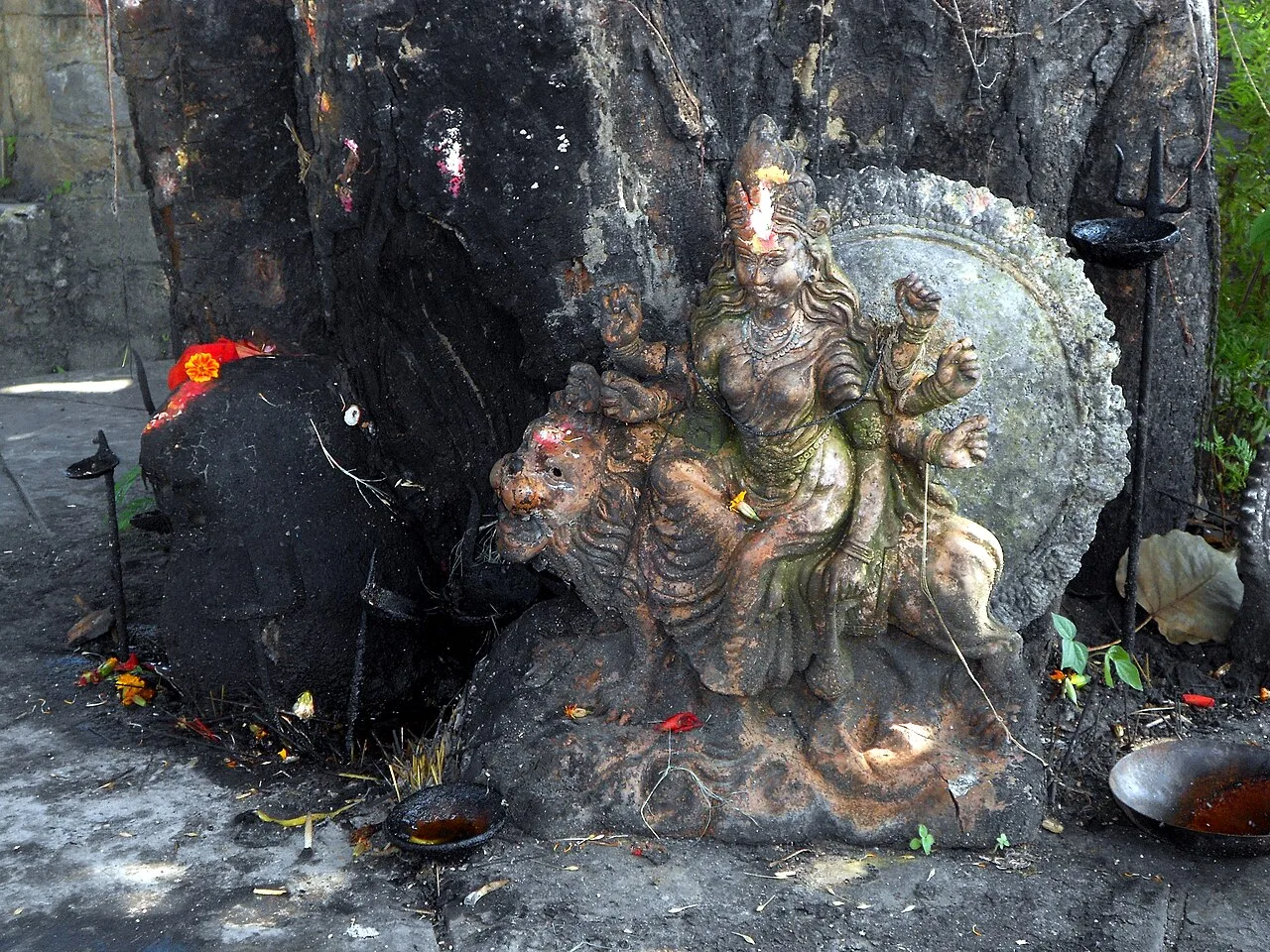
Harela, a monsoon-season festival in July, marks renewal and the agricultural cycle. Uttarayani is observed around mid-January, while autumn brings fairs and worship connected with local deities, including Nanda Devi traditions in the wider region. Kumaoni Holi is known for its devotional singing, including seated Baithaki Holi and the more mobile Khari Holi. Folk songs and dances accompany community celebrations. Hindu temples and village shrines are part of local religious life; the temples at Baijnath and the shrine of Kot Bhramari are among the notable places to visit in the surrounding area. The Anashakti Ashram also gives Kausani a distinctive place in modern spiritual and national history.

Visiting the city

The most comfortable seasons are spring and early summer, from about April to June, and autumn, especially September to November, when skies are often clearer. Monsoon travel can bring rain and cloud, while winter is cold and may require warm clothing. The nearest airport is Pantnagar Airport; the main railway gateway is Kathgodam railway station. From either, the onward journey is by road, with local taxis and buses serving routes through Kumaon.

Kausani is compact, and many visitors explore its central ridge, viewpoints, tea-growing area and Gandhi’s Anashakti Ashram on foot or by local vehicle. The Lakshmi Ashram and nearby villages offer a quieter look at local life. Baijnath, Garur and Someshwar make worthwhile excursions, though road conditions and travel times can vary. Plan for changing mountain weather and limited services after dark.

Attractions

Places to visit in Kausani

Sights within about 12 km of each other, even when they fall in different districts.

Map

Kausani on the map

  1. 1Kausani
  2. 2Baijnath Temple

Uttarakhand

Other cities to explore