Ghumoopedia — Explore, Discover, Experience
Sign in
Dehradun, near Dehradun

City guide · Uttarakhand

Dehradun

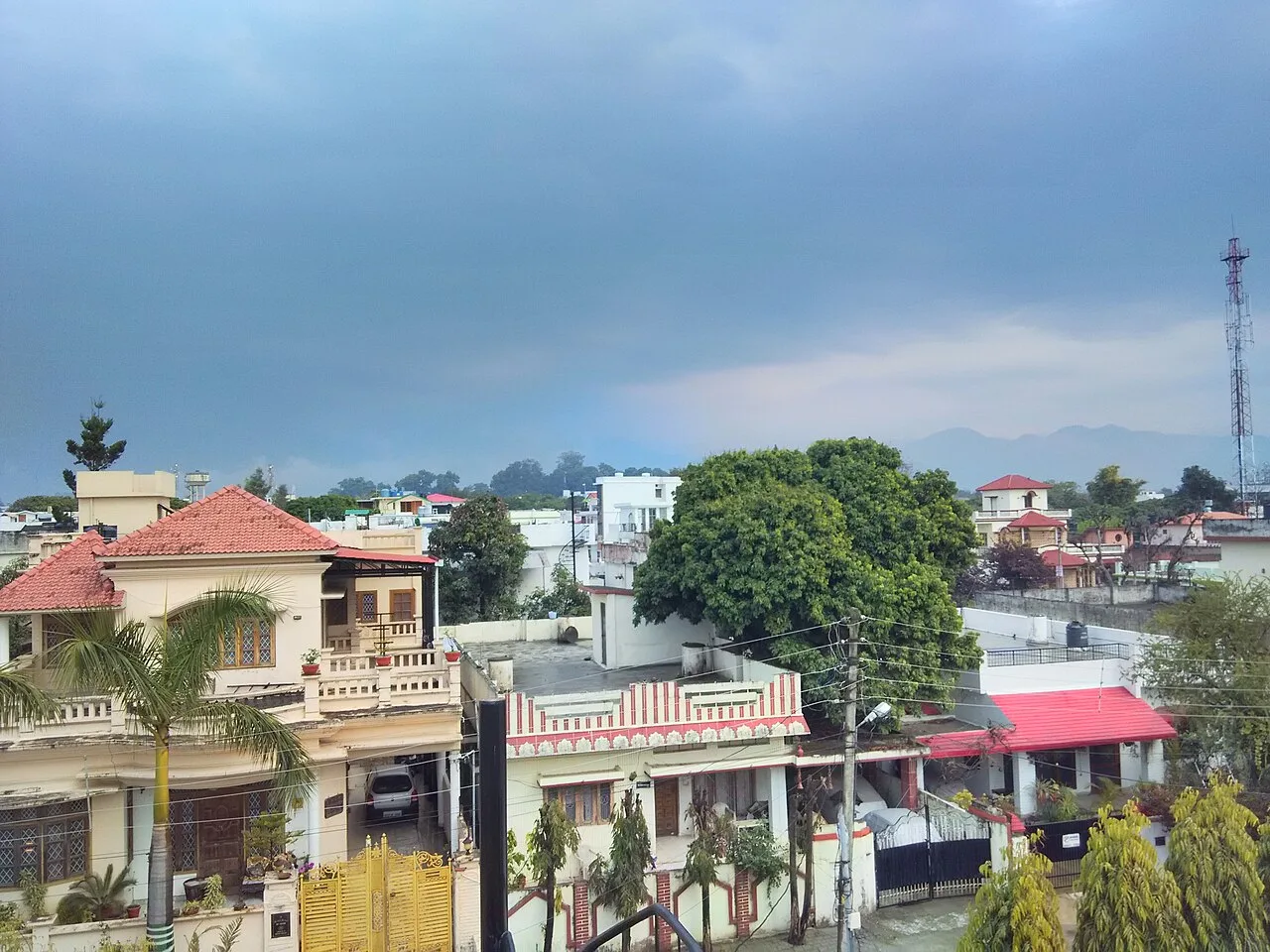
Dehradun, also called Dehra Doon, is Uttarakhand’s winter capital and its largest city by population. Its Doon Valley setting and concentration of educational, research and military institutions are among its principal points of interest.

Famous for

  • Doon Valley basmati
  • Dehradun litchis
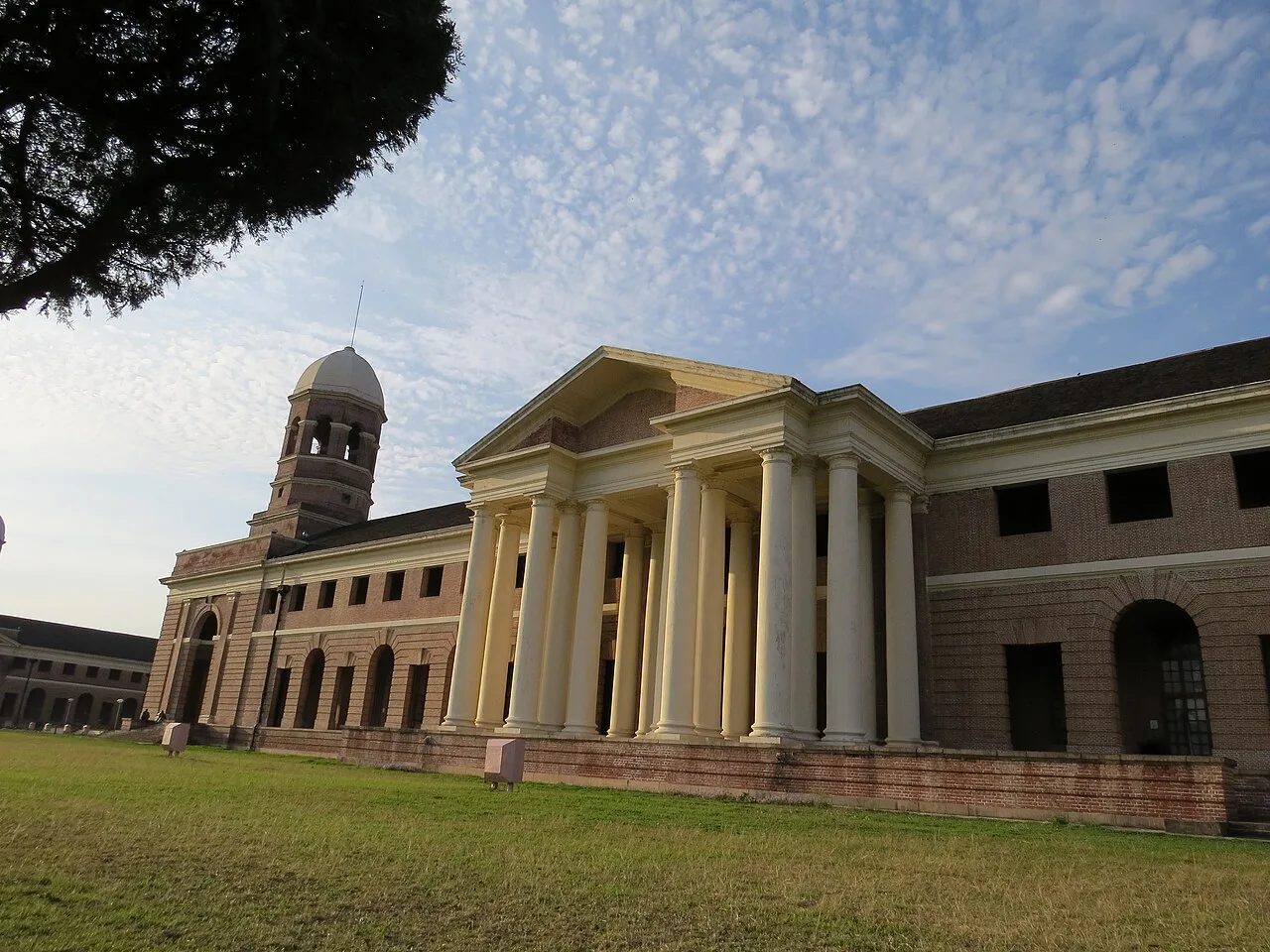
  • Forest Research Institute
  • Indian Military Academy
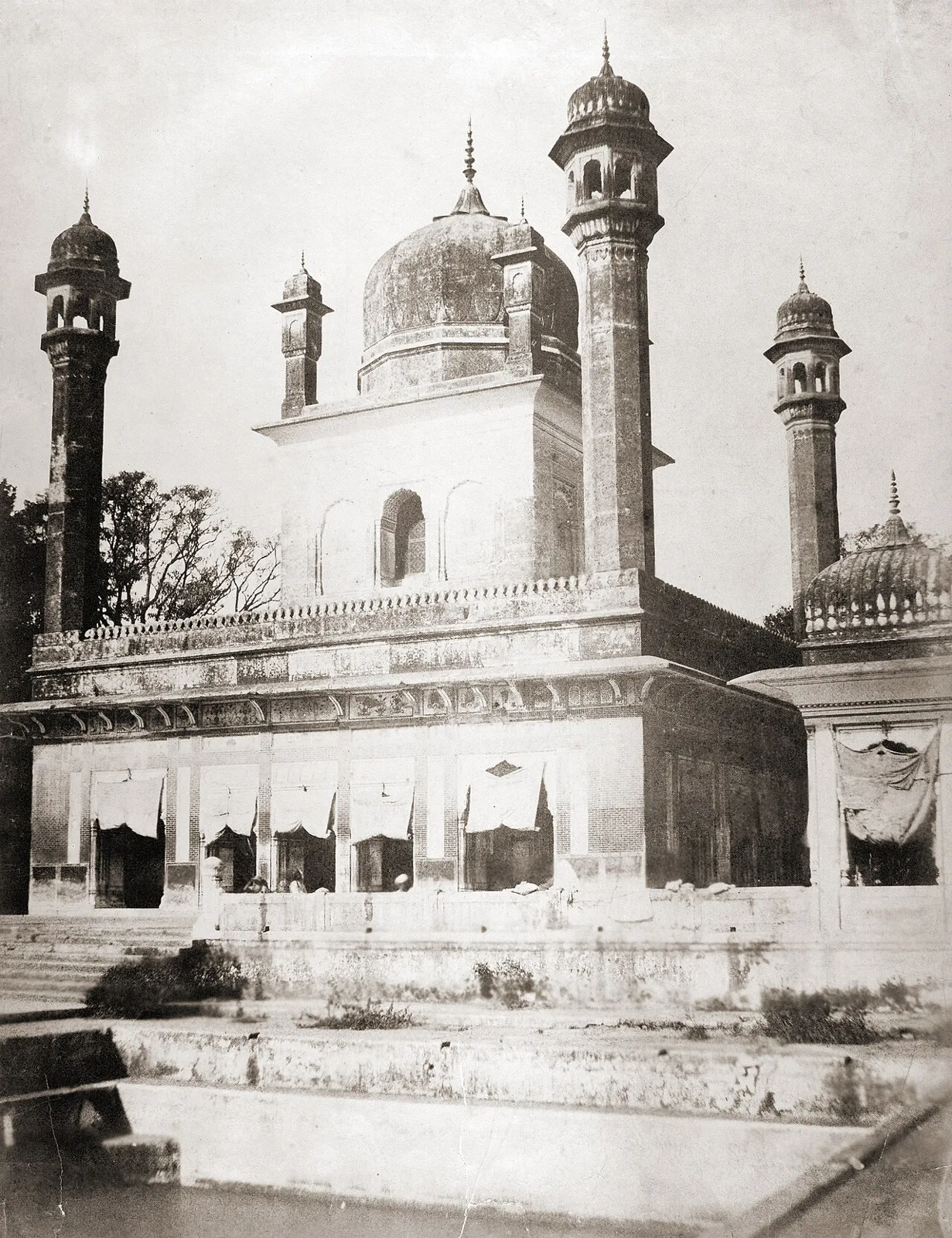
  • Guru Ram Rai Darbar Sahib
  • Robber’s Cave
In the city
8
District
Dehradun

Why Dehradun matters

Dehradun is Uttarakhand’s winter capital and a key administrative, educational and research centre in northern India. Set in the Doon Valley between the Shivalik hills and the outer Himalayas, it serves as a gateway to the hill stations and pilgrimage centres of the region. Gairsain is the state’s summer capital, while many government offices and institutions remain based in Dehradun.

The city draws visitors for its leafy avenues, historic places of worship and nearby natural attractions, including Robber’s Cave and Sahastradhara. Its best-known institutions range from the Forest Research Institute and Indian Military Academy to the Survey of India and Wadia Institute of Himalayan Geology. These give the city a distinctive mix of civic life, research and military heritage. Dehradun is also associated with basmati rice and litchis grown in the wider valley, as well as a lively food scene shaped by Uttarakhandi, Punjabi and Tibetan influences. With road, rail and air links, it is a convenient base for exploring Mussoorie, Rishikesh and other destinations in the Himalayan foothills.
Famous for: crafts, trade & products

Dehradun is associated with Doon Valley basmati rice and litchis from the surrounding area. These are agricultural products rather than souvenirs: rice is sold through grocery shops and food markets, while litchis are most visible in season at fruit sellers. The city does not have a major, distinctive saree or textile-making tradition. Visitors looking for regional clothing, woollens and handicrafts can browse the Tibetan Market and the shops around Paltan Bazaar; the selection is varied, and many goods come from elsewhere in Uttarakhand or India.

Paltan Bazaar is a useful place for everyday shopping, local snacks and general merchandise, while Indira Market has clothing and household goods. Dehradun’s bakeries are a familiar part of its food trade, with breads, cakes and rusks sold across the city. The city’s institutional identity is equally prominent: the Forest Research Institute, Survey of India, Indian Institute of Remote Sensing and Wadia Institute of Himalayan Geology are among its notable organisations. Defence education is represented by the Indian Military Academy and Rashtriya Indian Military College. These institutions are important employers and landmarks, though access to their campuses may be restricted or require prior arrangements.

History

The modern city grew around the settlement associated with Ram Rai, eldest son of Sikh Guru Har Rai. In the seventeenth century, Ram Rai established a camp and shrine in the valley; the name Dehradun is commonly understood as joining “dera,” or camp, with “dun,” meaning valley. Guru Ram Rai Darbar Sahib remains a major historic landmark. Older traditions also connect the wider region with stories from the epics, though these are part of religious and local belief.

Dehradun came under Gorkha rule in the early nineteenth century. After the Anglo-Nepal War of 1814–16, it passed into British-administered territory. Under British rule, the town developed as an administrative and military centre, while nearby Mussoorie and Landour grew as hill stations. Educational, mapping, forestry and research institutions strengthened its role over time. After Indian independence, Dehradun continued as a major centre in the region. When Uttarakhand was formed in 2000, it became the state’s interim capital and remains its winter capital; Gairsain was designated the summer capital in 2020.

Food, festivals & culture

Dehradun’s food reflects both Garhwali traditions and the city’s diverse population. Regional dishes found in homes and restaurants include kafuli, a leafy-green preparation, chainsoo made with roasted black gram, aloo ke gutke and jhangora kheer. The city is also known for bakery goods and seasonal Doon litchis. Tibetan-style momos and Punjabi food are easy to find, especially around busy market areas.

Hindi is widely spoken, alongside Garhwali, English and Punjabi. Folk music and dance from Uttarakhand, including forms such as jagar and chholiya, are heard at cultural gatherings, while contemporary and devotional music are part of everyday city life. The annual Jhanda Mela at Guru Ram Rai Darbar Sahib brings devotees and visitors together in the spring. Harela, usually observed in July, celebrates greenery and renewal; Diwali, Holi, Eid and Gurpurab are also marked by the city’s communities. Places of worship include the Darbar Sahib, Tapkeshwar Mahadev Temple, churches, mosques and Mindrolling Monastery, reflecting Dehradun’s varied religious life.

Visiting the city

For comfortable sightseeing, consider March to June or September to November. The monsoon, usually from June into September, brings heavy rain, while winters are cool and can be misty. Jolly Grant Airport is the nearest airport serving the city, and Dehradun Railway Station is its main rail station. Road connections link Dehradun with nearby towns and destinations across Uttarakhand.

Within the city, taxis, auto-rickshaws, shared Vikrams and local buses are useful for getting around; walking works well in central market districts. Explore Paltan Bazaar and the Clock Tower area for shops and street life, and visit Guru Ram Rai Darbar Sahib for its historic setting. Robber’s Cave, Sahastradhara and Tapkeshwar are popular outings. The Forest Research Institute’s grand campus is another notable stop; check access arrangements before visiting. Dehradun also makes a practical base for trips to Mussoorie and Rishikesh.

Attractions

Places to visit in Dehradun

Sights within about 12 km of each other, even when they fall in different districts.

Dehradun

Dehradun district

Dehradun

Dehradun, also called Dehra Doon, is Uttarakhand’s winter capital and its largest city by population. Its Doon Valley setting and concentration of educational, research and military institutions are among its principal points of interest.

Doon Valley

Dehradun district

Doon Valley

The Doon Valley is a broad, extended valley between two Himalayan hill ranges, spanning Uttarakhand and Himachal Pradesh. Visitors encounter it as the setting for Dehradun.

Forest Research Institute

Dehradun district

Forest Research Institute

The Forest Research Institute in Dehradun is a forestry research and training institution. Its role in preparing forest-service personnel and its association with a national training academy make it a notable place of interest.

Landour

Dehradun district

Landour

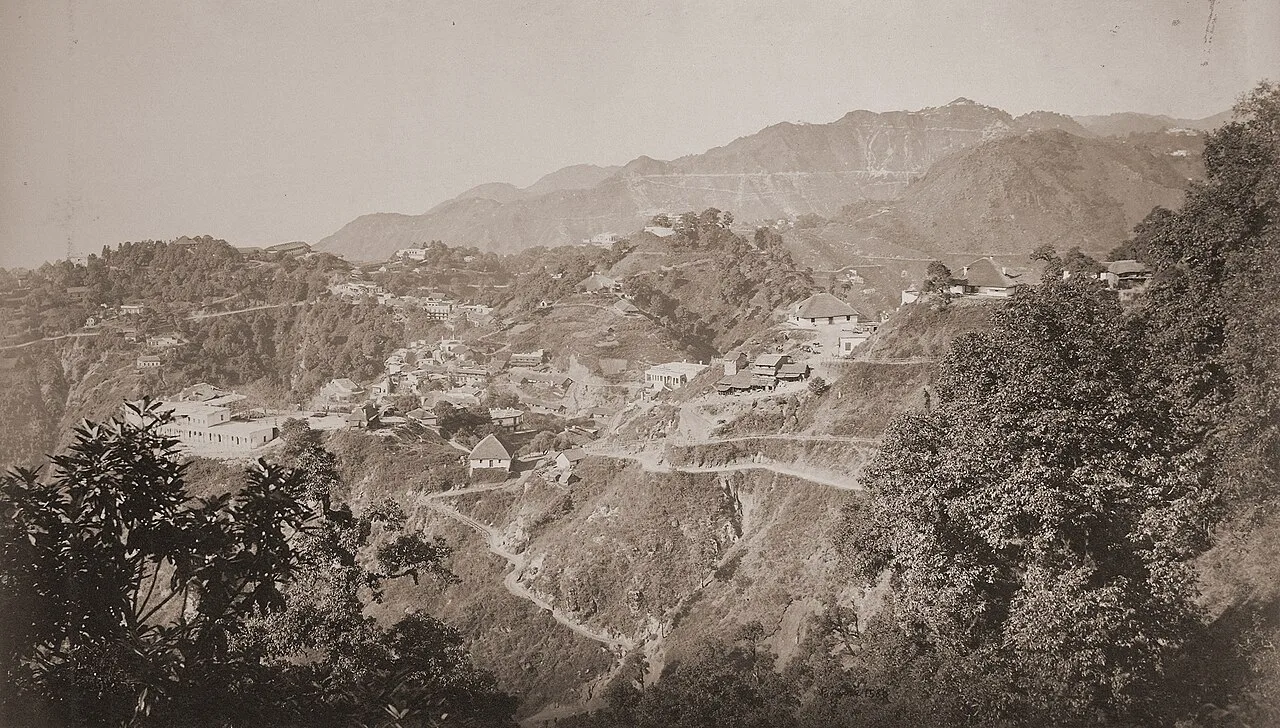
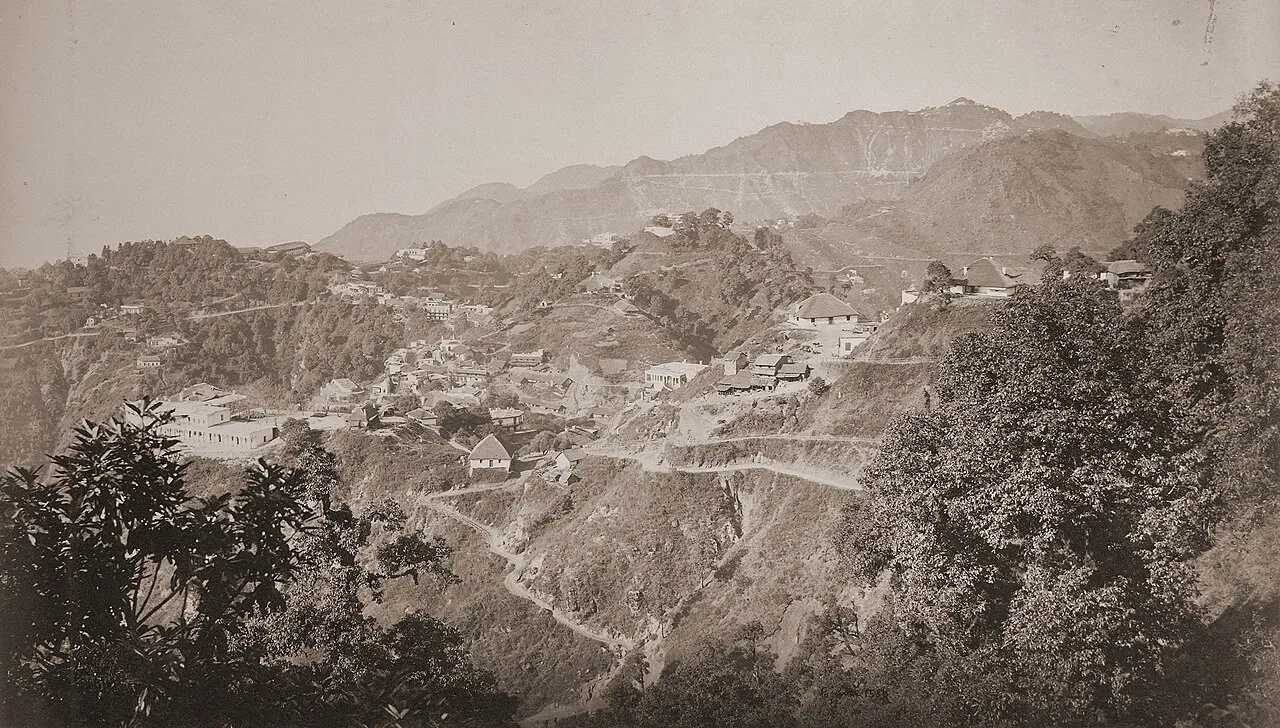
Landour, beside Mussoorie in Uttarakhand, forms part of a hill station associated with the British Raj. Visitors are interested in the history and shared identity of the two settlements.

Mussoorie

Dehradun district

Mussoorie

A Uttarakhand hill town with municipal-board status, Mussoorie attracts visitors with its Himalayan setting, snow ranges to the north-east and the Doon Valley and Sivalik Hills to the south.

Robber's Cave (Guchhupani)

Dehradun district

Robber's Cave (Guchhupani)

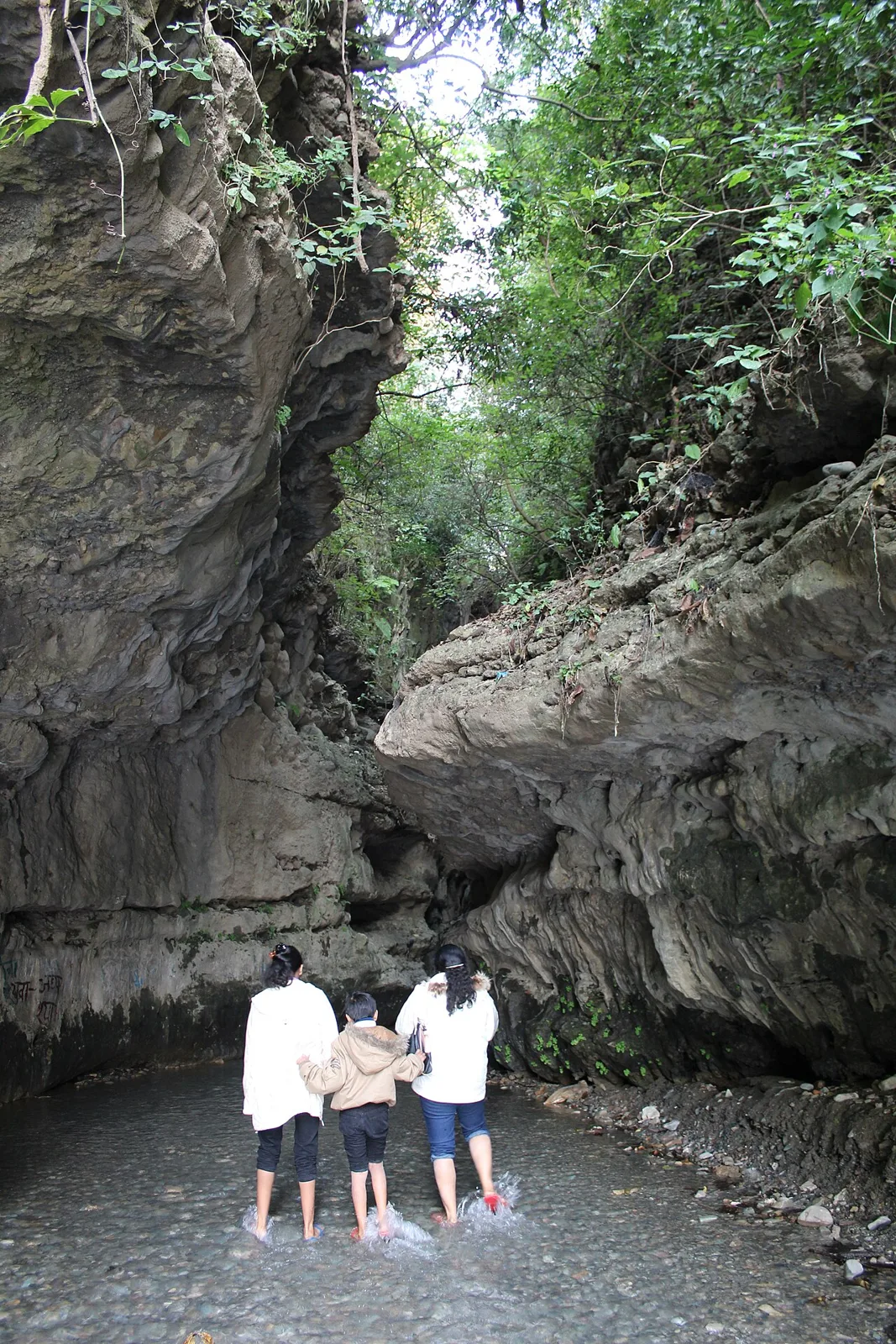
Guchhupani is a natural river cave near Dehradun, known for its stream running through a narrow limestone gorge and a waterfall; visitors also come to see its two sections.

Sahastradhara

Dehradun district

Sahastradhara

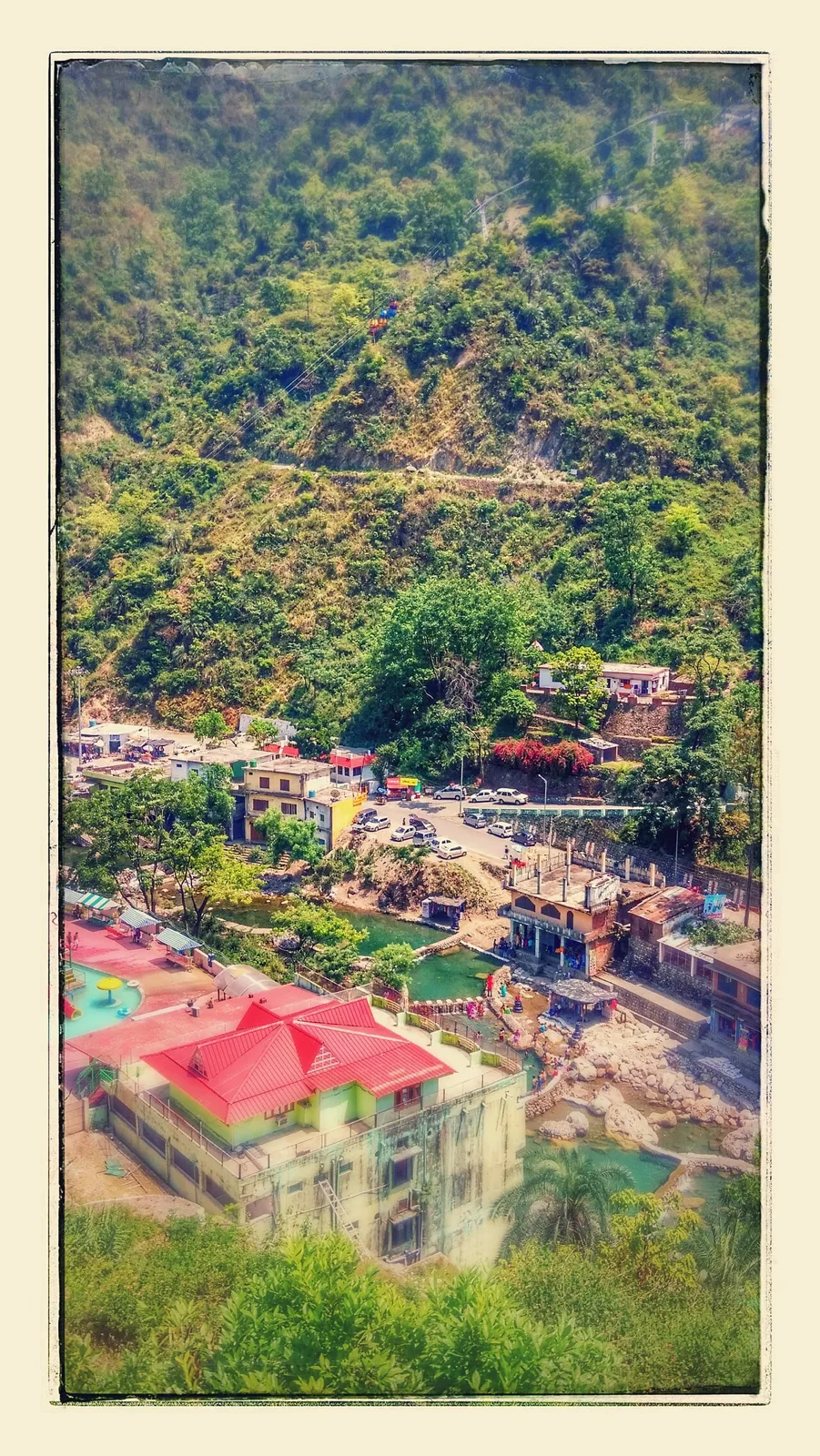
Sahastradhara is a waterfall in Dehradun district, Uttarakhand. Visitors come to see the waterfall and learn where it is located.

Tapkeshwar Temple

Dehradun district

Tapkeshwar Temple

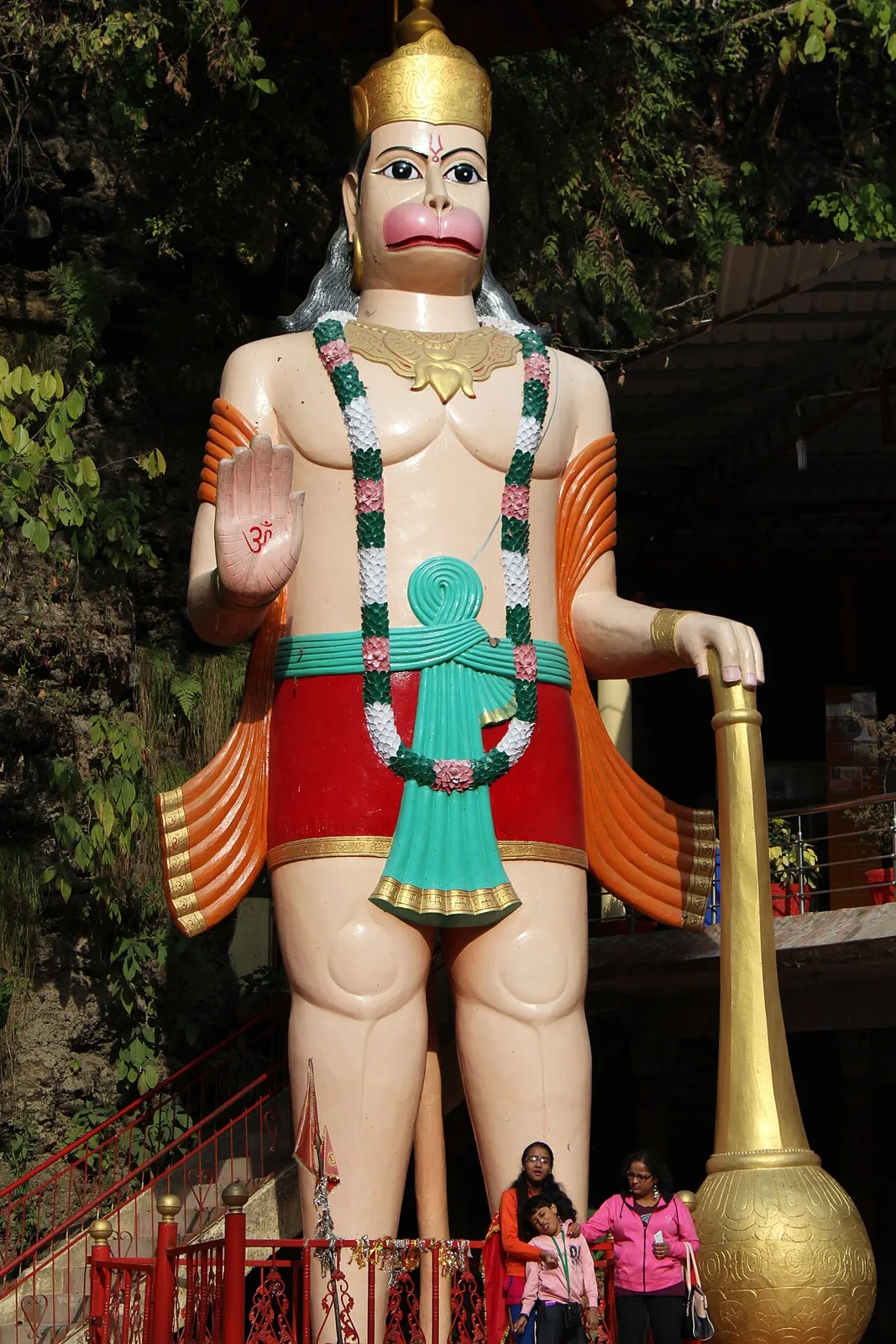
Tapkeshwar Temple is a Shiva shrine in Dehradun, visited for its principal shivalinga, set inside a natural cave beside the Tons River.

Map

Dehradun on the map

  1. 1Dehradun
  2. 2Doon Valley
  3. 3Forest Research Institute
  4. 4Landour
  5. 5Mussoorie
  6. 6Robber's Cave (Guchhupani)
  7. 7Sahastradhara
  8. 8Tapkeshwar Temple

Uttarakhand

Other cities to explore