
Ghumoopedia — Explore, Discover, Experience
Sign in
Haldwani, near Haldwani

City guide · Uttarakhand

Haldwani

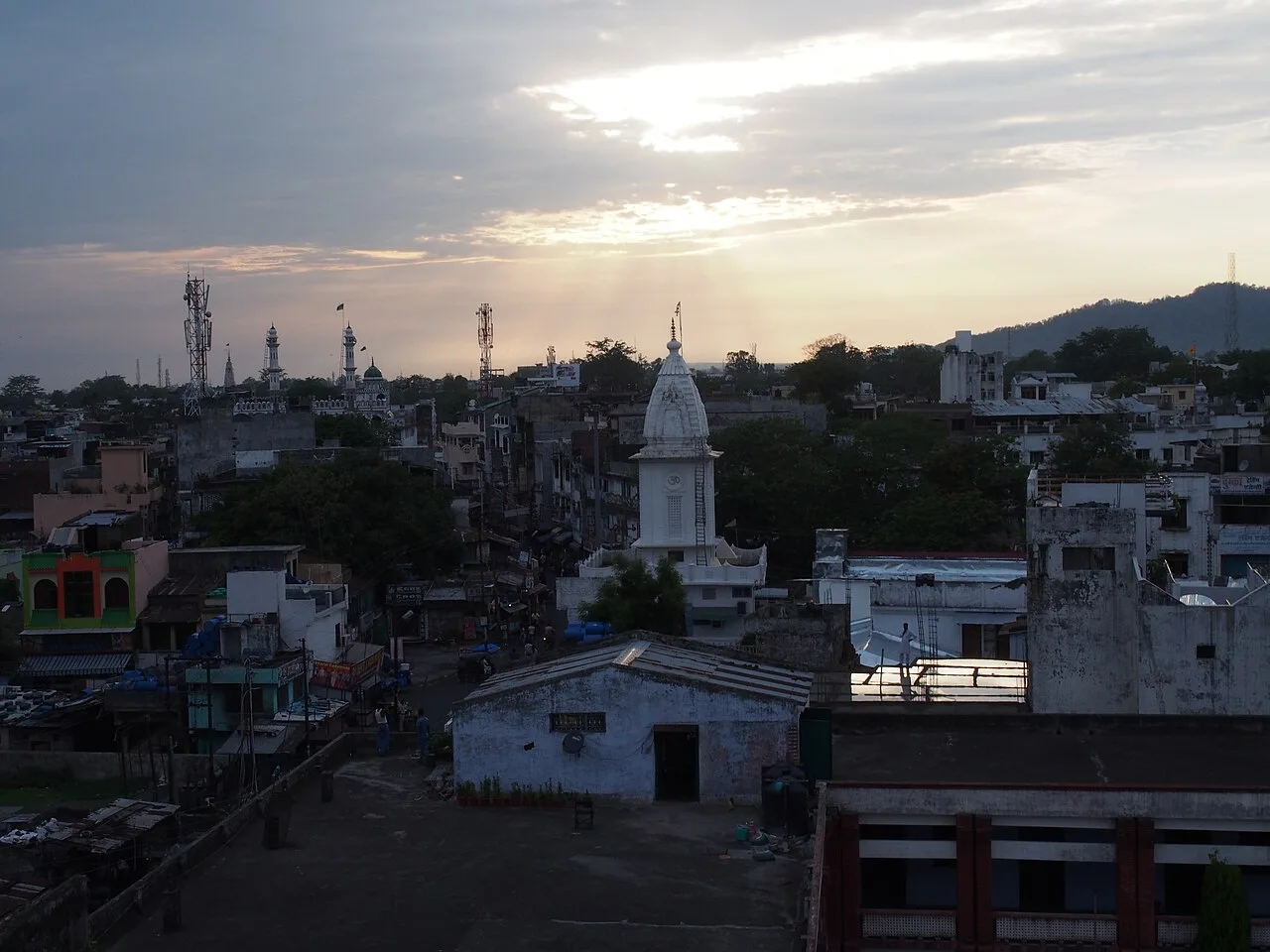
Haldwani, in Uttarakhand’s Nainital district, is Kumaon’s largest city and the state’s third most populous. Visitors come for its commercial centre and as a gateway to the Kumaon hills.

Famous for

  • Gateway to Kumaon
  • Kathgodam railway terminus
  • Gaula River
  • Kumaoni regional markets
  • Gaulapar sports venues
In the city
1
District
Nainital

Why Haldwani matters

Haldwani is a major commercial centre in Uttarakhand’s Kumaon region, set where the Himalayan foothills meet the plains. Its position makes it an important point of exchange between hill communities and the towns of the Indo-Gangetic Plain. Kathgodam, at the northern edge of the city, is a key rail gateway for journeys into Kumaon, including onward travel towards Nainital and other hill destinations.

Visitors come for practical connections as well as a taste of everyday life in the foothills: busy markets, neighbourhood eateries and views towards the hills on clear days. The Gaula River runs along the city’s eastern side, while Gaulapar has emerged as a venue for major sports events, including the 2025 National Games. Haldwani is not primarily a sightseeing town; its importance lies in its role as a regional hub for trade, transport, services and access to the Kumaon hills. It is a useful base for travellers who want to stock up, arrange onward transport or experience a lively foothill city before heading into the mountains.

Famous for: crafts, trade & products

Haldwani is best known as a trading and service hub rather than as the source of a signature textile, craft or GI-tagged product. Its markets serve residents from the city and surrounding Kumaon, with shops selling clothing, household goods, food supplies and everyday travel necessities. The central bazaar and commercial streets are practical places to browse local shops and sample regional snacks; produce and seasonal goods reflect the links between the hills and the plains.

Look for Kumaoni ingredients and foods such as mandua (finger millet), bhatt (black soybean) and locally prepared pickles, though availability varies by shop and season. Sweets associated with Kumaon, including bal mithai, are also sold in the city; bal mithai is especially associated with Almora, rather than being unique to Haldwani. Kathgodam’s transport area and the city’s main market districts offer convenient shopping for travellers. Haldwani also has a growing role in education, healthcare and sport, with Gaulapar’s facilities hosting large events. Visitors seeking specialist handloom or craft workshops may find a wider selection in hill towns across Kumaon.

History

The settlement grew in the Bhabar foothills, where routes from the Kumaon hills met the plains. Its name is linked to the Haldu tree, once common in the area. In 1834, British commissioner George William Traill developed the settlement as a seasonal trading mart for people travelling down from the hills. Older villages and communities already occupied the surrounding region.

Road and rail links strengthened Haldwani’s role as a trading post. A road connection towards Nainital was established in the 1880s, and the railway reached Kathgodam in 1884, making the foothill town an important junction between the plains and the hills. Haldwani became a municipality in 1897 and later developed as an administrative and commercial centre. It was part of Uttar Pradesh after Indian independence and became part of Uttarakhand when the state was formed in 2000. Continuing growth has expanded the city’s role in transport, commerce and public services, while Gaulapar has added major sports facilities.

Food, festivals & culture

Haldwani’s food reflects both Kumaoni traditions and the varied tastes of a busy foothill market. Common regional dishes include bhatt ki churkani, aloo ke gutke and preparations made with mandua flour. Local eateries also serve familiar North Indian meals and snacks. Bal mithai, a Kumaoni sweet associated particularly with Almora, can be found in sweet shops, alongside other regional and everyday favourites.

Hindi is widely used, while Kumaoni is spoken by many residents and connects the city to the wider cultural life of the region. Kumaoni Holi, including devotional baithki and more lively khari singing traditions, is an important winter-to-spring cultural season. Diwali is celebrated in autumn, and Navratri and other Hindu festivals bring activity to neighbourhood temples and homes. The city’s places of worship serve diverse communities; temples and local shrines are part of everyday neighbourhood life. Folk songs, seasonal gatherings and family celebrations keep hill traditions present in a rapidly growing urban setting.

Visiting the city

October to March is generally comfortable for exploring Haldwani and making onward trips into the hills. Summer can be hot, while monsoon rain may affect road journeys. Pantnagar Airport is the nearest airport; Kathgodam railway station is the main rail gateway for Kumaon, and Haldwani also has a railway station. Check current connections before travel.

Auto-rickshaws, taxis and local buses are useful for getting around, with private taxis commonly used for onward hill journeys. Explore the central bazaar for shopping and food, and Kathgodam for its rail-terminal atmosphere and access towards the mountains. Gaulapar is worth considering when sports events or facilities are open to visitors. Haldwani works well as a practical stop or base, though many scenic hill attractions lie beyond the city.

Attractions

Places to visit in Haldwani

Sights within about 12 km of each other, even when they fall in different districts.

Map

Haldwani on the map

  1. 1Haldwani

Uttarakhand

Other cities to explore