Ghumoopedia — Explore, Discover, Experience
Sign in
Bhimtal, near Nainital

City guide · Uttarakhand

Nainital

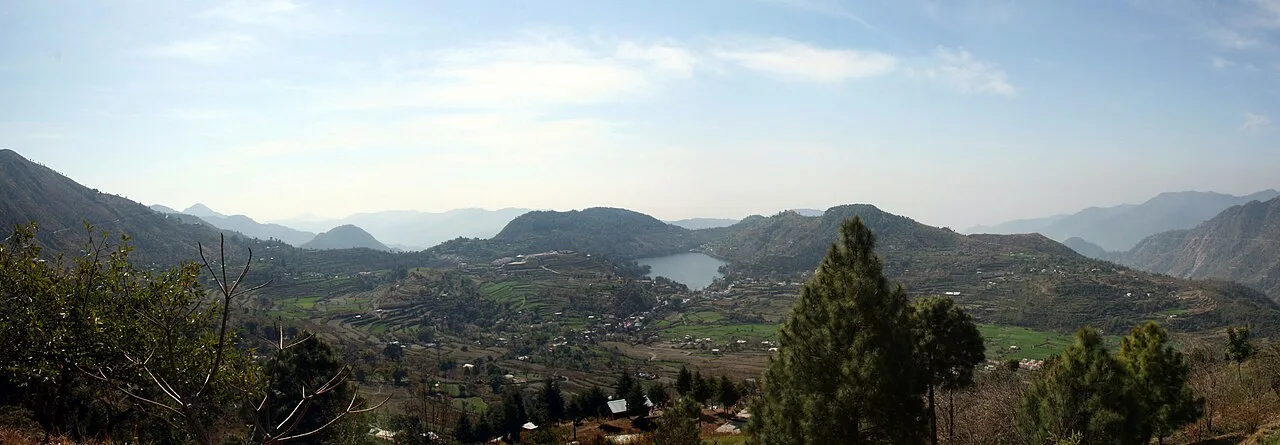
Bhimtal is a town and tehsil headquarters in Uttarakhand, where visitors come to see the large freshwater lake and its island aquarium, reached by passenger ferry.

Famous for

  • Naini Lake
  • Naina Devi Temple
  • Kumaon hill scenery
  • Handmade candles
  • Uttarakhand High Court
In the city
5
District
Nainital

Why Nainital matters

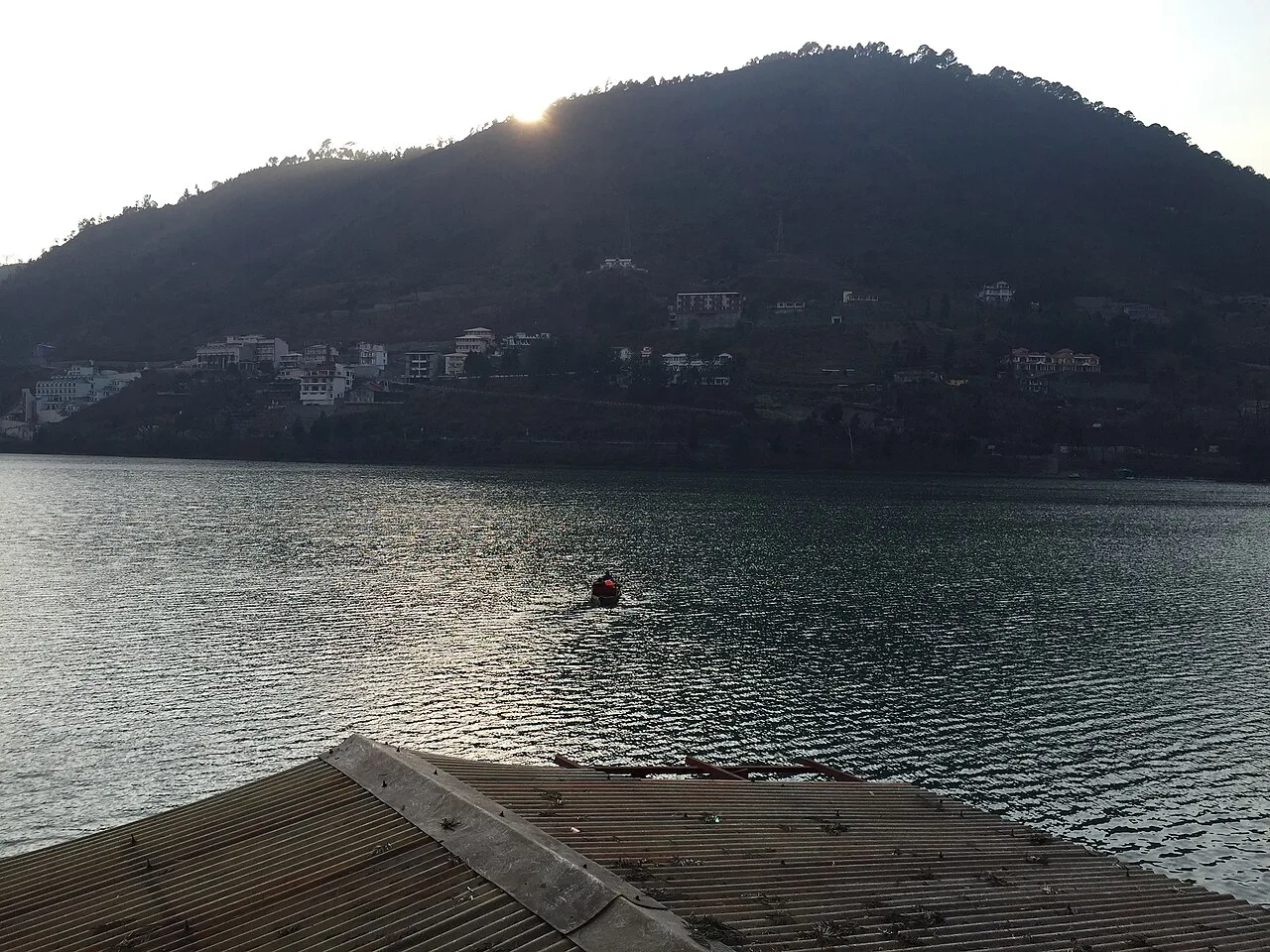
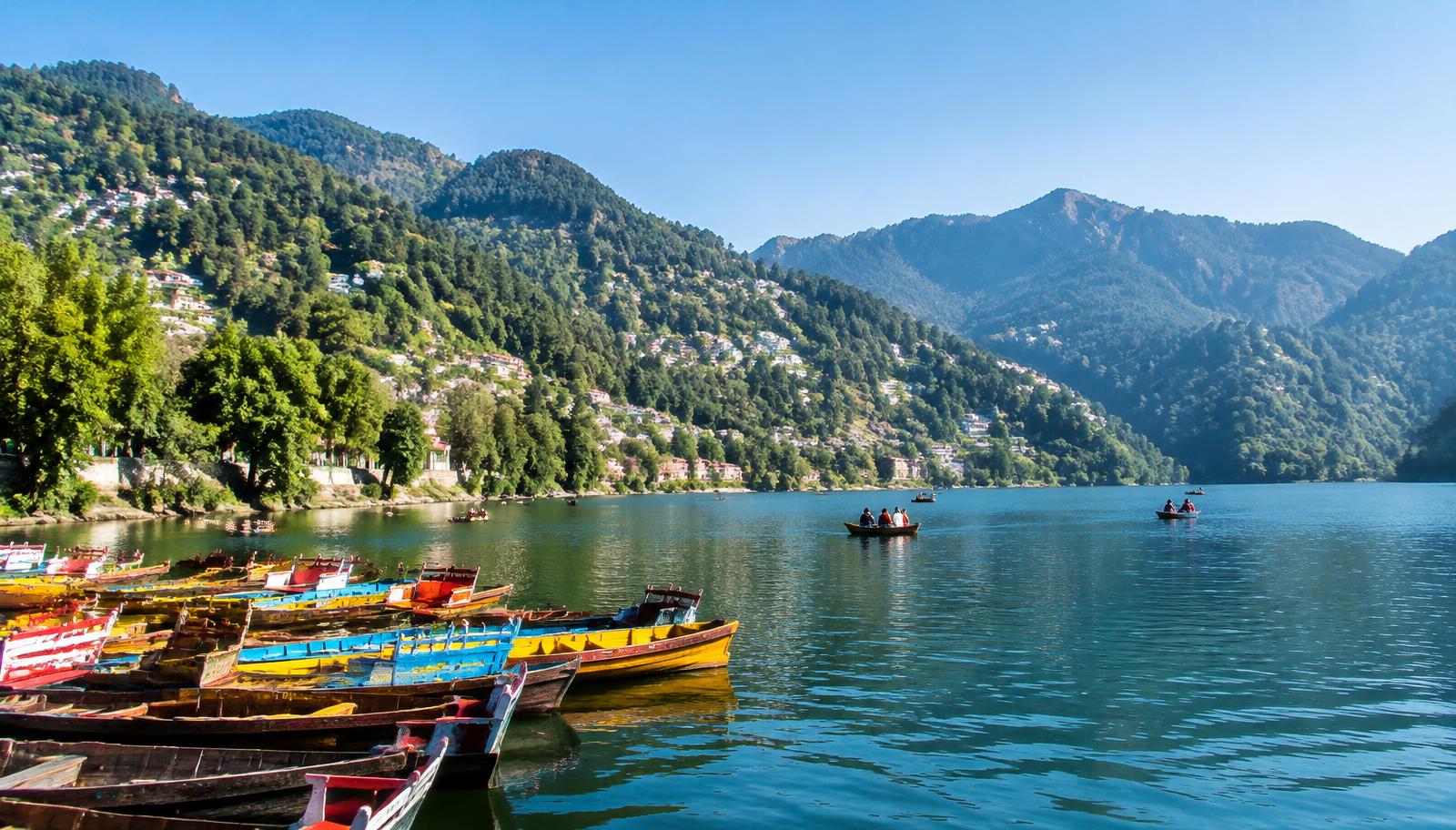
Nainital is a major hill town in the Kumaon region of Uttarakhand, set around an eye-shaped lake and ringed by forested mountain slopes. The lake, boating, viewpoints and cool-weather walks draw visitors throughout the year, while the surrounding hills offer routes for day hikes and broad views towards the Himalaya on clear days. Naina Devi Temple, on the lakeshore, is an important place of worship as well as a landmark associated with the town’s name and traditions.

Nainital also has a significant administrative role: it is the headquarters of Nainital district and the seat of the Uttarakhand High Court. Raj Bhavan, the governor’s residence, reflects its former role as a colonial summer retreat and later as the summer capital of the United Provinces. The town’s appeal lies in this mix of lakefront leisure, Kumaoni setting, religious heritage and public institutions. It is a useful base for exploring nearby lakes and hill settlements, though busy holiday periods can bring crowded roads and promenades.
Famous for: crafts, trade & products

Nainital is better known for tourism and public institutions than for large-scale manufacturing or a distinctive textile industry. It is not a major saree-weaving centre, and no single city-origin GI-tagged product defines its trade. Visitors will find handmade candles, woollens, wooden souvenirs and other small crafts in shops around Mall Road, Bara Bazaar and the Tibetan Market. These are mostly visitor-oriented goods, so locally made items and products brought in from elsewhere may be sold side by side.

Food shops and markets also stock Kumaoni and wider Uttarakhand specialties, including fruit preserves, local pulses and millets, and sweets such as bal mithai and singori, which are associated with the wider Kumaon region rather than being unique to Nainital. Ask sellers about a product’s place of origin if that matters to you. The High Court and district offices are among the town’s most notable institutions; Raj Bhavan is another prominent landmark. For regional crafts and produce, Nainital’s markets are convenient places to browse, but nearby Kumaoni towns may offer a more direct connection to particular makers and traditions.

History

The area around Nainital was part of Kumaon, where the Chand dynasty gradually extended its authority over local territories. British control of the Kumaon hills followed the Anglo-Nepalese War of 1814–16. The modern hill station began to take shape in 1841, when P. Barron built an early European residence beside the lake. British officials and families soon used the settlement as a cool-season retreat from the plains, and it later served as the summer capital of the United Provinces.

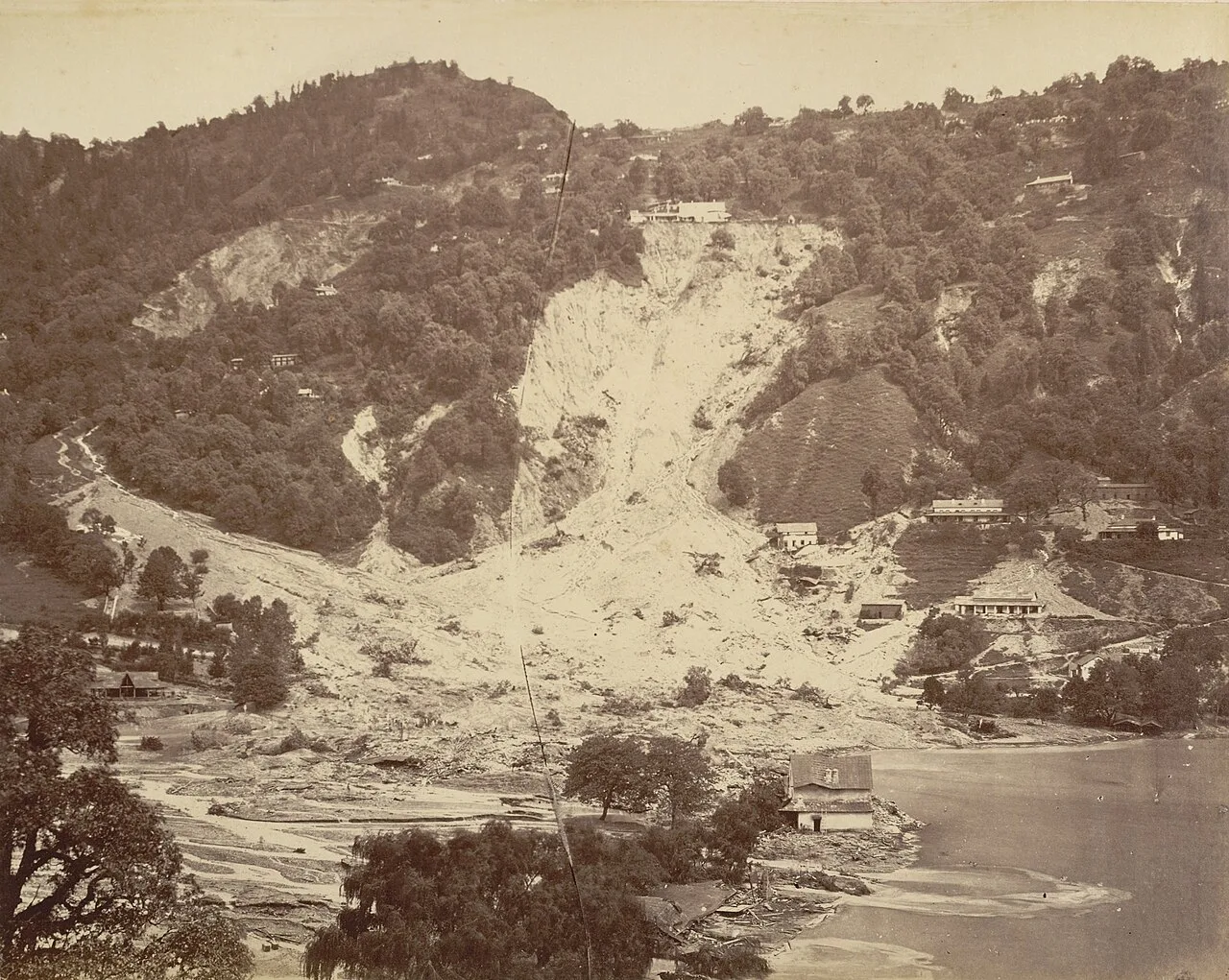
The town’s growth was marked by the destructive landslide of 1880, which followed exceptionally heavy rain and killed 151 people. The Naina Devi Temple and other buildings were lost; a new temple was later built, and the affected lakeside ground became a recreation area known as the Flats. Drainage works and stricter building controls followed. In modern Uttarakhand, Nainital has developed as a tourism centre and district headquarters, while the High Court gives it an important judicial role.

Food, festivals & culture

Kumaoni traditions shape Nainital’s food and seasonal life. Meals may include aloo ke gutke, bhatt ki churkani, local raita and madua (finger-millet) dishes. Bal mithai and singori, sweets associated with the wider Kumaon region, are commonly found in local shops. Hindi and Kumaoni are widely heard; English is also used in tourism and public life. Folk traditions include the energetic Chholiya dance and community forms such as Jhora and Chanchari, accompanied by regional music.

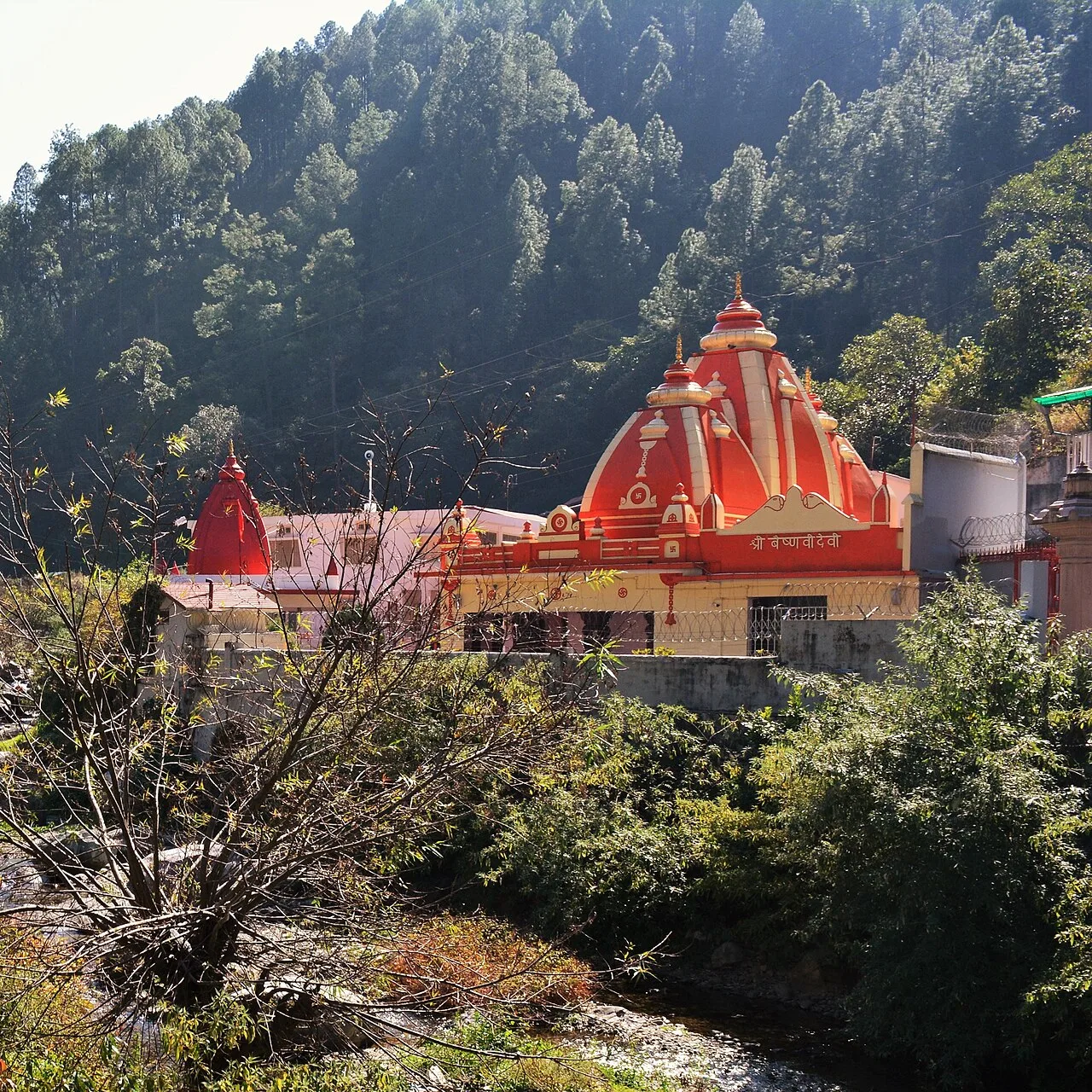
Naina Devi Temple on the north shore of the lake is the town’s best-known place of worship. The Nanda Devi fair, usually held in late summer or early autumn, brings religious observances and community activity to the town. Harela, celebrated in the monsoon season, marks the rains and agricultural renewal; Phool Dei welcomes spring in Kumaon, while Uttarayani is observed in midwinter. These traditions sit alongside the town’s varied visitor culture, especially around the lakefront and market streets.

Visiting the city

March to June is popular for mild weather and lakeside outings; September to November often brings clearer skies after the monsoon. Winters are cold, and heavy monsoon rain can disrupt hill roads, so check local conditions before travelling. The nearest airport is Pantnagar Airport, while Kathgodam railway station is the main railhead for Nainital; onward travel is by road.

Within town, many central sights are reachable on foot, though steep slopes and busy roads can make walking tiring. Taxis and local vehicles serve the wider area. Explore Mall Road and the lakefront, the Flats and Naina Devi Temple, and the busier Mallital and Tallital neighbourhoods. Viewpoints and trails on the surrounding hills offer a quieter change of pace; allow extra time for road travel during holidays.

Attractions

Places to visit in Nainital

Sights within about 12 km of each other, even when they fall in different districts.

Map

Nainital on the map

  1. 1Bhimtal
  2. 2Kainchi Dham
  3. 3Nainital
  4. 4Nainital Lake
  5. 5Naukuchiatal

Uttarakhand

Other cities to explore