Why Rishikesh matters
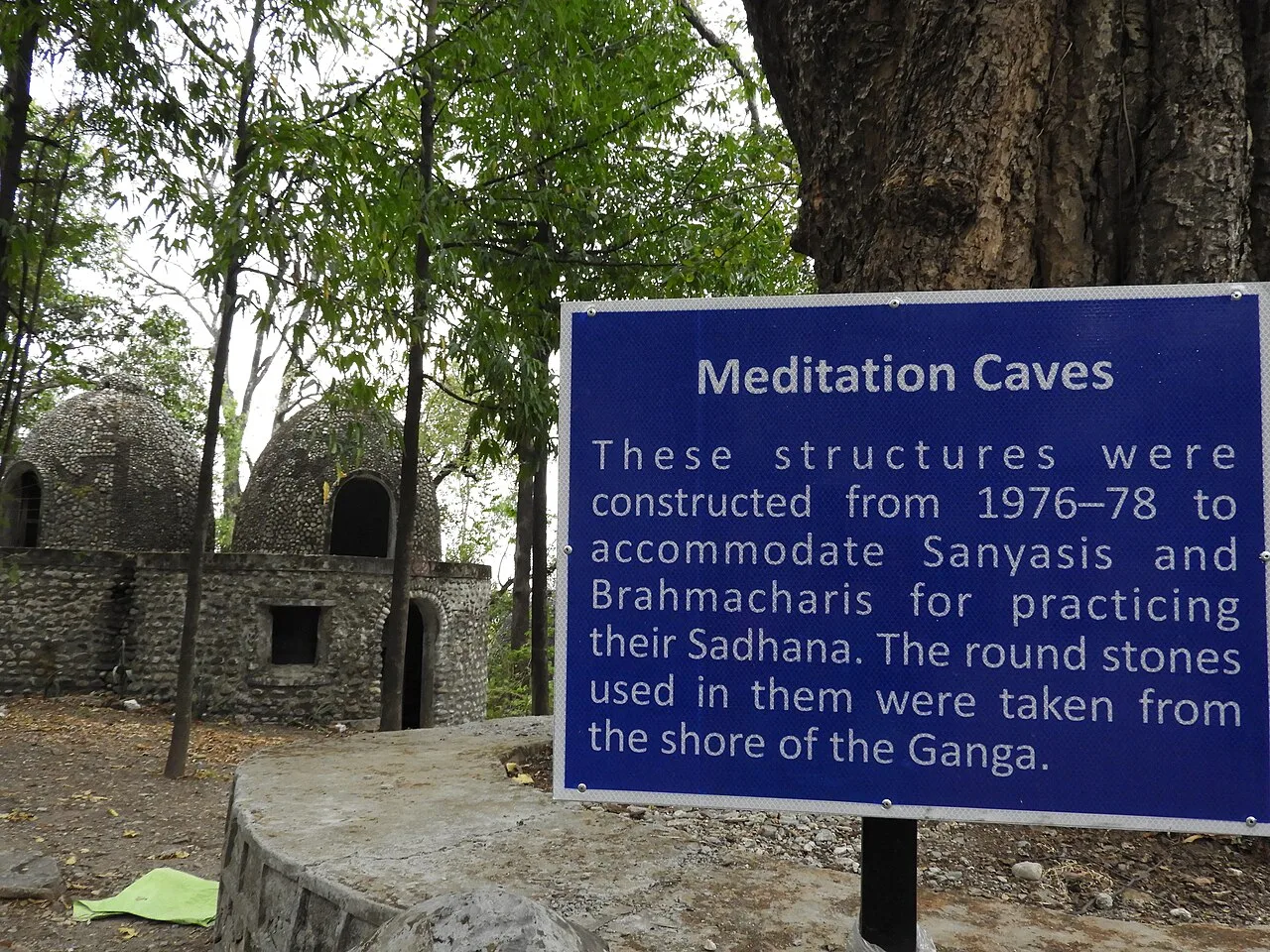
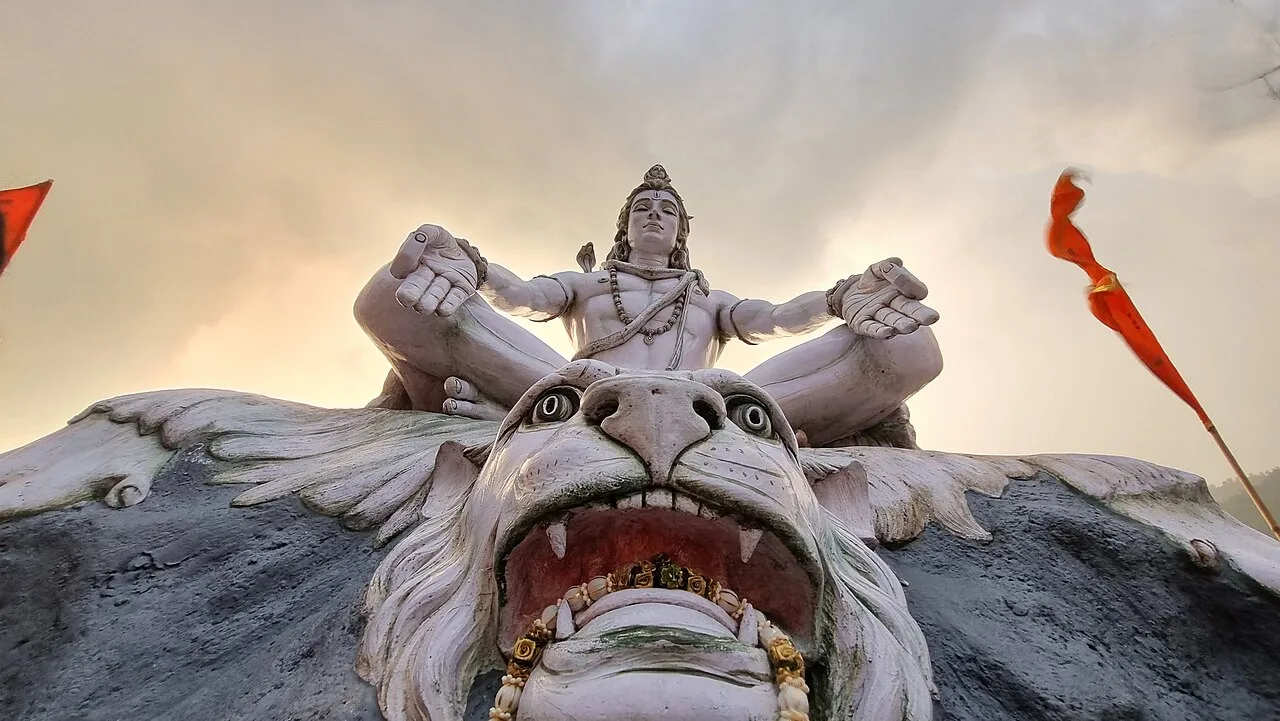
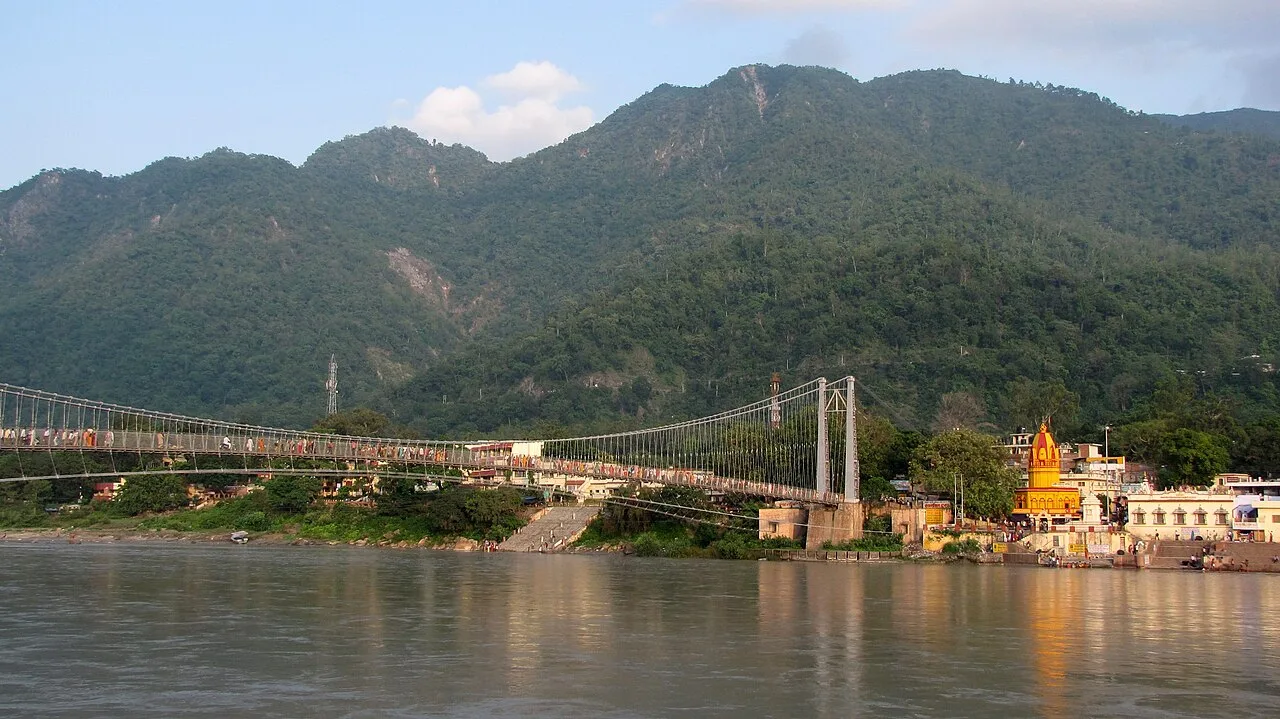
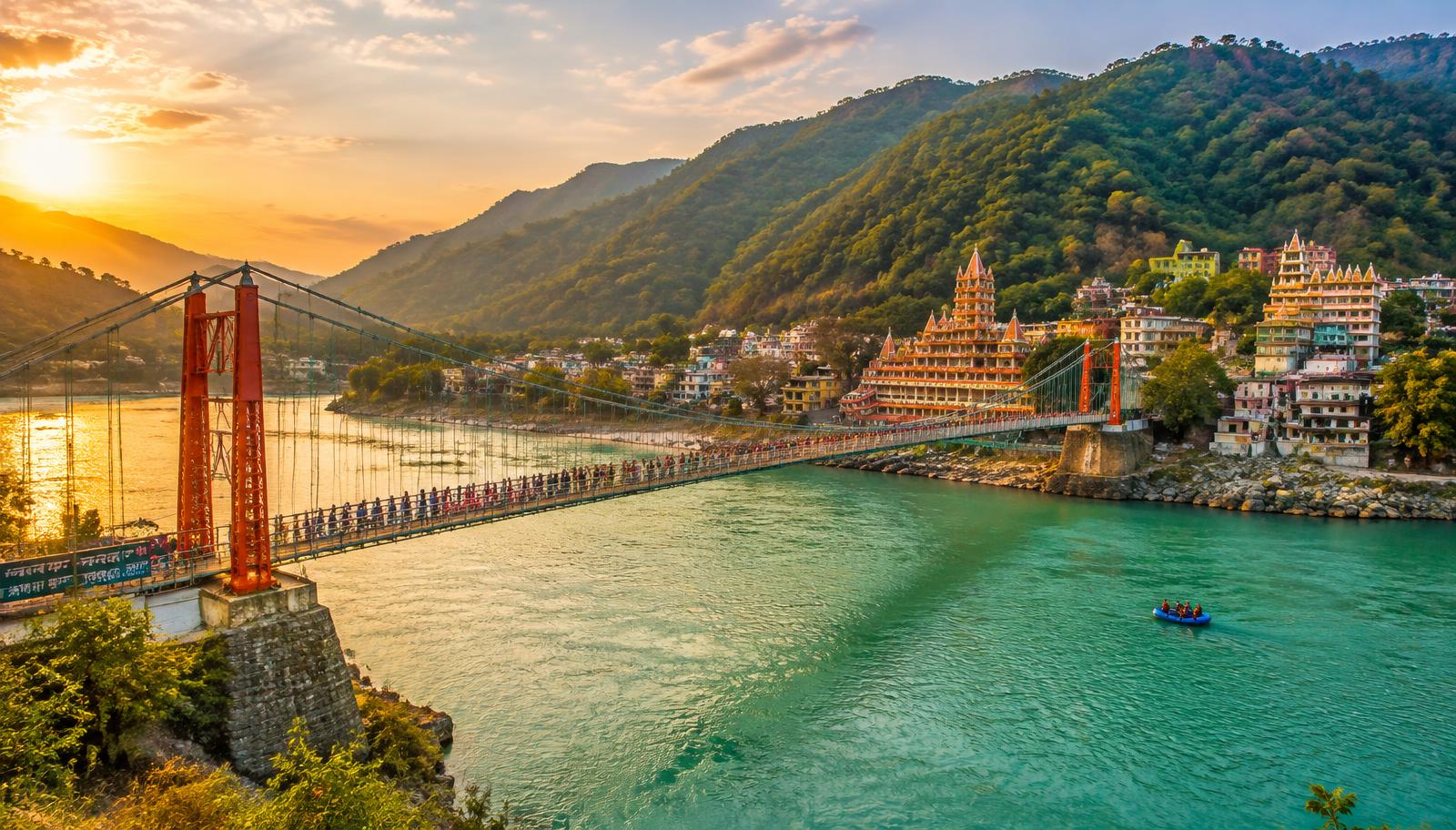
Rishikesh sits beside the Ganges in Uttarakhand’s Dehradun district, where the river leaves its Himalayan valleys on the way to the plains. Often called the Gateway to the Garhwal Himalayas, it is an important base for journeys towards the Char Dham shrines—Badrinath, Kedarnath, Gangotri and Yamunotri—and for trekking destinations in the region. Pilgrims come for its riverside temples and sacred bathing places; visitors also seek out ashrams, yoga schools and meditation retreats.
The city’s spiritual reputation is matched by outdoor tourism. Rafting and other river activities take place in the surrounding area, while bridges, ghats and riverside neighbourhoods draw visitors for walks and views. Rishikesh is widely associated with yoga, a profile reinforced by the International Yoga Festival held annually in early March. Its food and public life reflect a strong vegetarian tradition, and the town is known for restrictions on meat and alcohol. Together, pilgrimage, wellness and access to the mountains give Rishikesh a distinctive role in Uttarakhand’s visitor economy.