
Ghumoopedia — Explore, Discover, Experience
Sign in
Kedarnath, near Kedarnath

City guide · Uttarakhand

Kedarnath

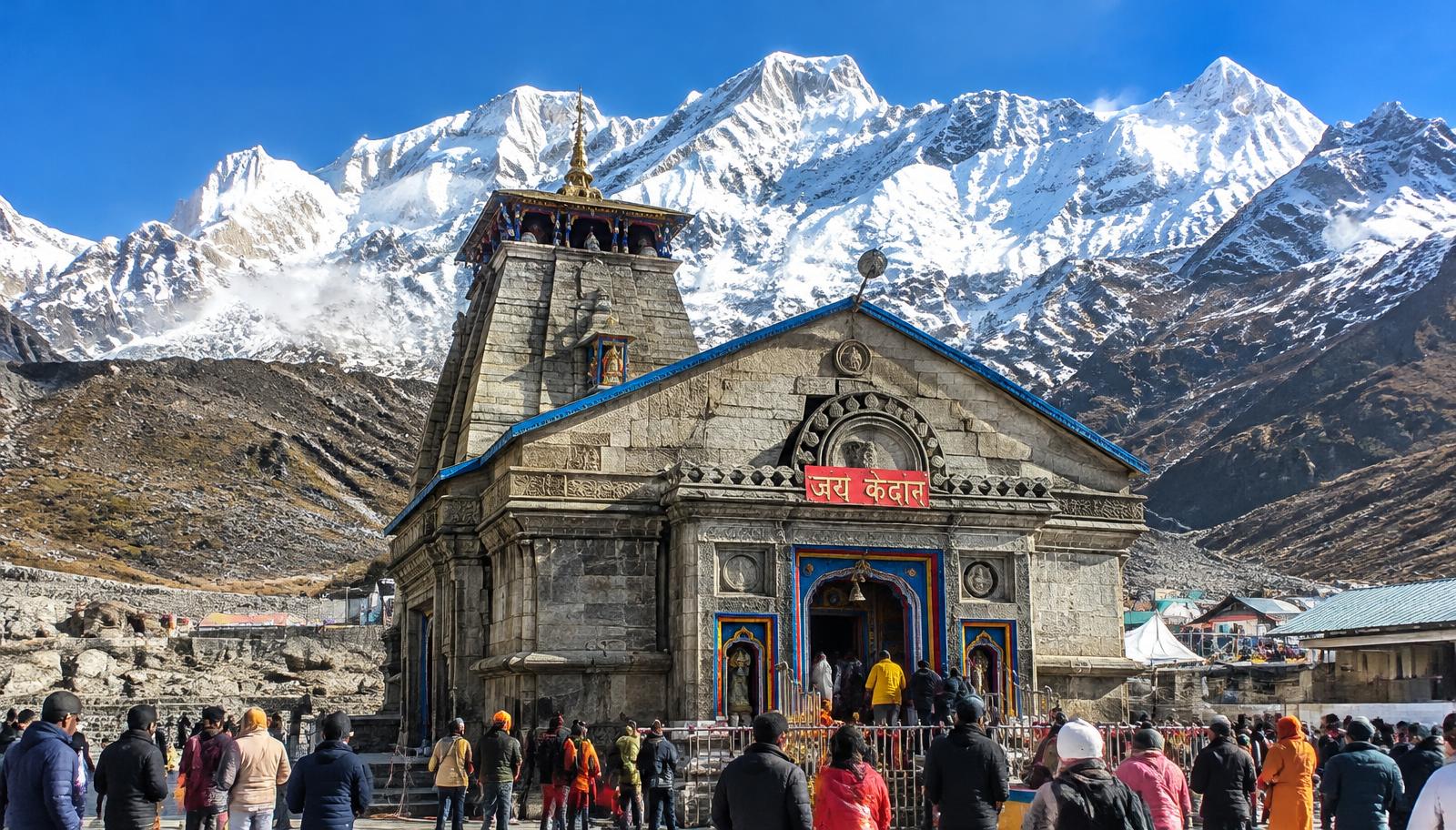
Kedarnath is a high-altitude pilgrimage town in Rudraprayag district, Uttarakhand, set at about 3,583 metres in the Himalayas. Its best-known landmark is the Kedarnath Temple, a major shrine to Shiva and one of the four destinations on the state’s Chota Char Dham pilgrimage circuit.

Famous for

  • Kedarnath Temple
  • Shiva pilgrimage
  • Chota Char Dham
  • Mandakini River
  • High Himalayan scenery
In the city
1
Nearby
2
Districts
Rudraprayag, Uttarkashi

Why Kedarnath matters

Kedarnath is a high-altitude pilgrimage town in Rudraprayag district, Uttarakhand, set at about 3,583 metres in the Himalayas. Its best-known landmark is the Kedarnath Temple, a major shrine to Shiva and one of the four destinations on the state’s Chota Char Dham pilgrimage circuit. For many visitors, reaching the temple is both a religious journey and a demanding mountain trek.

The town lies near the source of the Mandakini River and is surrounded by snow-covered peaks, including Kedarnath Mountain. The nearest roadhead is Gaurikund, from which pilgrims continue on foot or by authorised local transport. Kedarnath’s importance is strongly seasonal: visitors, temple workers and many service providers arrive during the pilgrimage months, while heavy winter snow leads to the temple’s closure and the relocation of its ceremonial image to Ukhimath. The settlement is also remembered for the devastating 2013 floods; subsequent rebuilding has focused on improving protection and access while preserving the shrine’s central role.
Famous for: crafts, trade & products

Kedarnath is not a major textile, craft or manufacturing centre, and no particular GI-tagged product is identified with the town. Its local trade chiefly serves pilgrims and seasonal residents. Near the temple and along the approach, small shops sell practical items such as rainwear, warm clothing, walking sticks and basic provisions, alongside devotional goods including incense, prayer beads, pictures and offerings. The selection varies with the season and supply conditions in this remote mountain location.

Visitors can find flowers and other worship offerings around the temple, while simple food stalls and eateries cater to travellers during the open season. These are visitor services rather than a distinctive local food or craft market. Kedarnath’s wider economy is closely tied to pilgrimage: accommodation, porter services and other travel support are important seasonal activities. For locally made crafts or a broader choice of regional goods, travellers may have more options in larger towns elsewhere in the Garhwal region. In Kedarnath itself, it is sensible to treat shops as a source of essentials and religious keepsakes rather than expect a specialised shopping district.

History

Kedarnath’s history is closely bound to worship of Shiva and the temple that draws pilgrims to this remote valley. Local tradition credits the Pandava brothers of the Mahabharata with the shrine’s origins, though the epic does not name Kedarnath. The Skanda Purana contains an early reference to Kedara, linking the place with Shiva and the sacred waters of the Ganga. Medieval religious writing also records Kedarnath as an established pilgrimage destination. Tradition associates the temple’s rebuilding with the philosopher Adi Shankaracharya, whose memorial is also found in the area.

Rather than growing as a royal or commercial capital, the settlement developed to support pilgrims and temple activity. Its small, seasonal community has long depended on services connected with the shrine. In June 2013, extreme rain and flooding devastated much of the town and surrounding area, although the temple itself survived. Reconstruction since then has included work to improve riverbank protection, access and visitor facilities. Winter snowfall continues to shape the annual rhythm of the settlement, with the temple closing and its ceremonial image taken to Ukhimath.

Food, festivals & culture

Kedarnath’s culture centres on Shiva worship and the annual pilgrimage season. The temple’s opening and closing ceremonies follow the Hindu calendar, and the opening season usually falls in spring, with the shrine closing as winter approaches. Maha Shivaratri and the month of Shravan are important occasions in the wider Shiva tradition, though conditions and observances in this high mountain town depend on the temple season. Prayer, ritual offerings and devotional singing are prominent around the shrine.

Garhwali is spoken across the surrounding region, while Hindi is widely used with pilgrims and visitors. Kedarnath’s food options are generally simple and largely vegetarian, reflecting the pilgrimage setting and seasonal supply. Travellers may find basic meals, tea and familiar North Indian dishes; regional Garhwali staples such as mandua (finger millet) and jhangora (barnyard millet) are more characteristic of the wider region than of a specialised town cuisine. The Kedarnath Temple is the principal place of worship. Nearby Bhairavnath Temple is another significant shrine, set above the main settlement.

Visiting the city

The usual visiting season is from spring through autumn, when the temple is open and the route is accessible; weather can change quickly, so check current local guidance before travelling. The nearest roadhead is Gaurikund, about 16 kilometres from Kedarnath. From there, visitors make the mountain journey on foot or use authorised local services where available. Kedarnath has no local rail or air connection. Jolly Grant Airport near Dehradun is the nearest airport, while Rishikesh is the nearest main railway station; onward travel is by road to the trekking route.

Explore the temple precinct, the Mandakini riverbank and Bhairavnath Temple above town. These are the main areas of interest rather than conventional neighbourhoods. Allow time for the altitude and strenuous approach, and follow local advisories about weather, trail conditions and permits.

Attractions

Places to visit in Kedarnath

Sights within about 12 km of each other, even when they fall in different districts.

Short trips

Around Kedarnath

Within about 40 km — easy half-day or day trips from the city.

Map

Kedarnath on the map

  1. 1Kedarnath
  2. 2Gangotri Glacier
  3. 3Triyuginarayan Temple

Uttarakhand

Other cities to explore