
Kedarnath
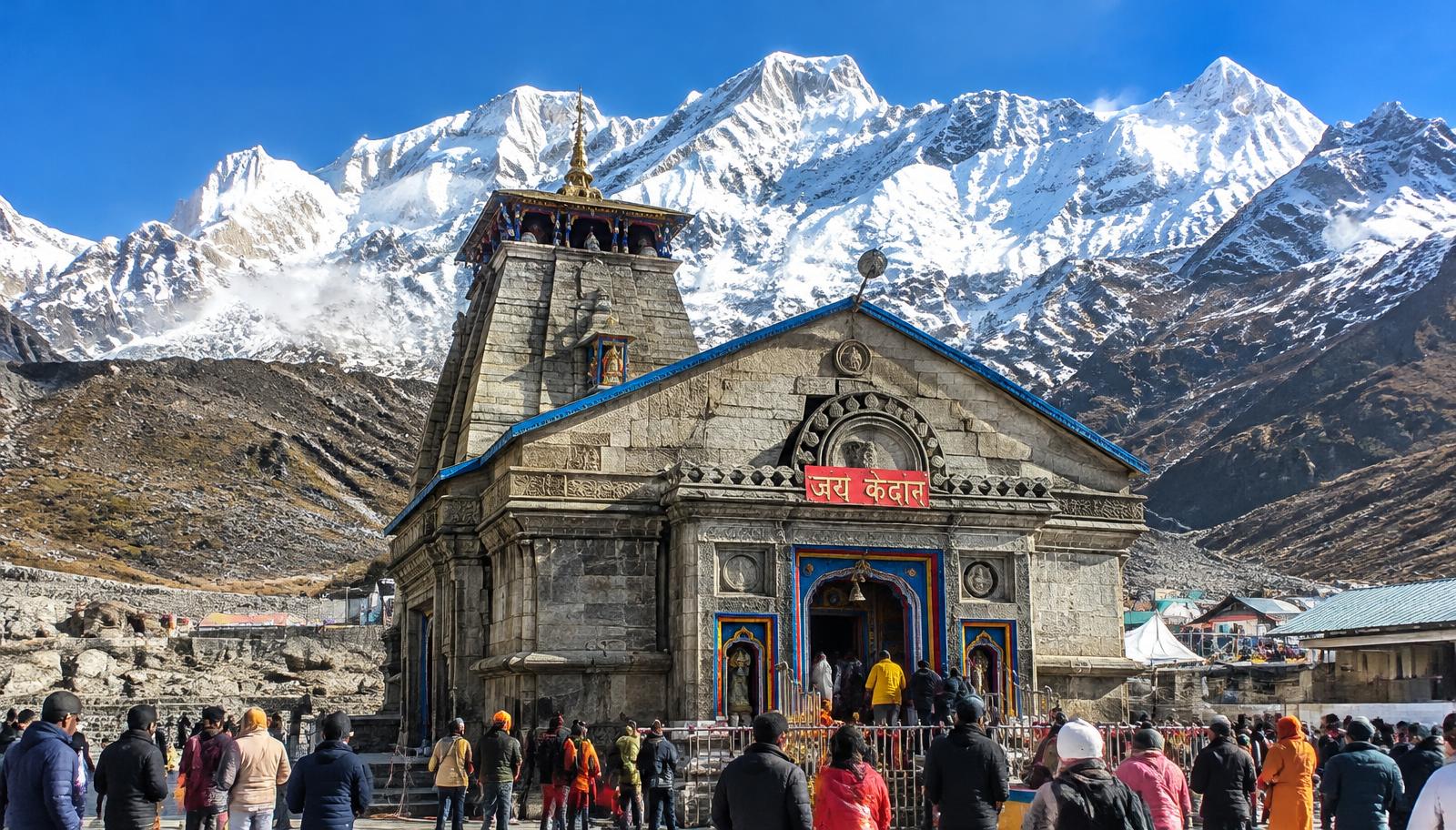
Kedarnath is a high-altitude Shiva shrine in Uttarakhand, counted among the twelve Jyotirlingas. Pilgrims visit as part of the Char Dham journey, travelling 16 km from Gaurikund beneath snowy peaks.
Key facts · verified by Ghumoopedia editors
- Type of place
- Temple / pilgrimage site
- Best time to visit
- May–June and September–October (temple closed in winter)
- Altitude
- 3,583 m
- Verified
- 21 Nov 2026
Plan a trip from Kedarnath — a day-by-day route through places nearby.
At roughly 3,583 metres, the temple is located in Uttarakhand’s Rudraprayag district. The site sits amid sharply rising Himalayan slopes, close to the Mandakini River’s headwaters. The stone shrine is dedicated to Shiva and serves as a significant stop on the Uttarakhand Char Dham pilgrimage. Snow-covered peaks form part of its mountain setting. The approach from Gaurikund is a demanding 16 km trek. Its high elevation and strenuous route make the visit a substantial pilgrimage, not an easy sightseeing outing. The temple generally welcomes pilgrims from around April or May until October or November, with opening and closing dates announced annually. During winter, worship associated with Kedarnath continues at Ukhimath; the Kedarnath shrine itself closes. May–June and September–October are popular periods, although weather, crowds and snowfall vary considerably. Monsoon travel brings additional landslide, flooding and disruption risks. Most visitors approach via Gaurikund and the approximately 16 km trek; diversions and the exact endpoint can make the actual walk longer, so confirm current distances locally. Allow several days from Rishikesh or Haridwar, including a weather buffer. Expect basic facilities, cold nights, queues and intermittent connectivity. A slower itinerary usually provides a safer, more meaningful visit than a tightly scheduled dash.
Why it matters
Kedarnath is one of the twelve Jyotirlingas of Shiva in Hindu tradition and a major destination on Uttarakhand’s Char Dham pilgrimage circuit. Its high Himalayan setting in Rudraprayag district, near the Mandakini River’s headwaters, gives it importance to local communities as well as pilgrims from across India. The temple is administered by the Shri Badrinath-Kedarnath Temple Committee. Its seasonal opening and closing shape pilgrimage travel and worship in the surrounding region; during winter, worship associated with Kedarnath continues at Ukhimath. The shrine is not a UNESCO World Heritage site, and visitors should not assume that it has a particular official heritage designation without checking current records.
The origins of Kedarnath Temple are not securely established by surviving inscriptions or records. Local religious tradition connects the shrine with the Pandavas and with Adi Shankaracharya, but these accounts are not a precise construction history. The present stone temple is generally considered an old Himalayan shrine, though its exact building date and the identity of its builders remain uncertain. Pilgrimage to Kedarnath has continued across generations, shaped by seasonal access, changing routes and the practical demands of reaching a high-altitude site. The temple’s continued use has involved care and repair over time; detailed claims about particular restorations should be checked against temple or archaeological records. In 2013, severe flooding and landslides devastated parts of the Kedarnath region and damaged infrastructure around the shrine. The temple itself remained standing, while surrounding access, facilities and settlements required extensive recovery work. Conditions and facilities have since changed, so historical descriptions may not match what visitors encounter today.
Origin stories & folklore
According to local tradition, the Pandavas sought Shiva’s forgiveness after the Kurukshetra war. Shiva is said to have avoided them by taking the form of a bull; when the Pandavas recognised him, he disappeared into the earth. The hump is believed to have appeared at Kedarnath, while other parts of the bull’s body are associated with shrines elsewhere in the Garhwal region. This story links Kedarnath with the Panch Kedar pilgrimage. Another tradition associates the shrine with Adi Shankaracharya, who is believed to have renewed worship here. These accounts are important to devotees, but should be understood as religious traditions rather than independently verified historical events.
Architecture & design
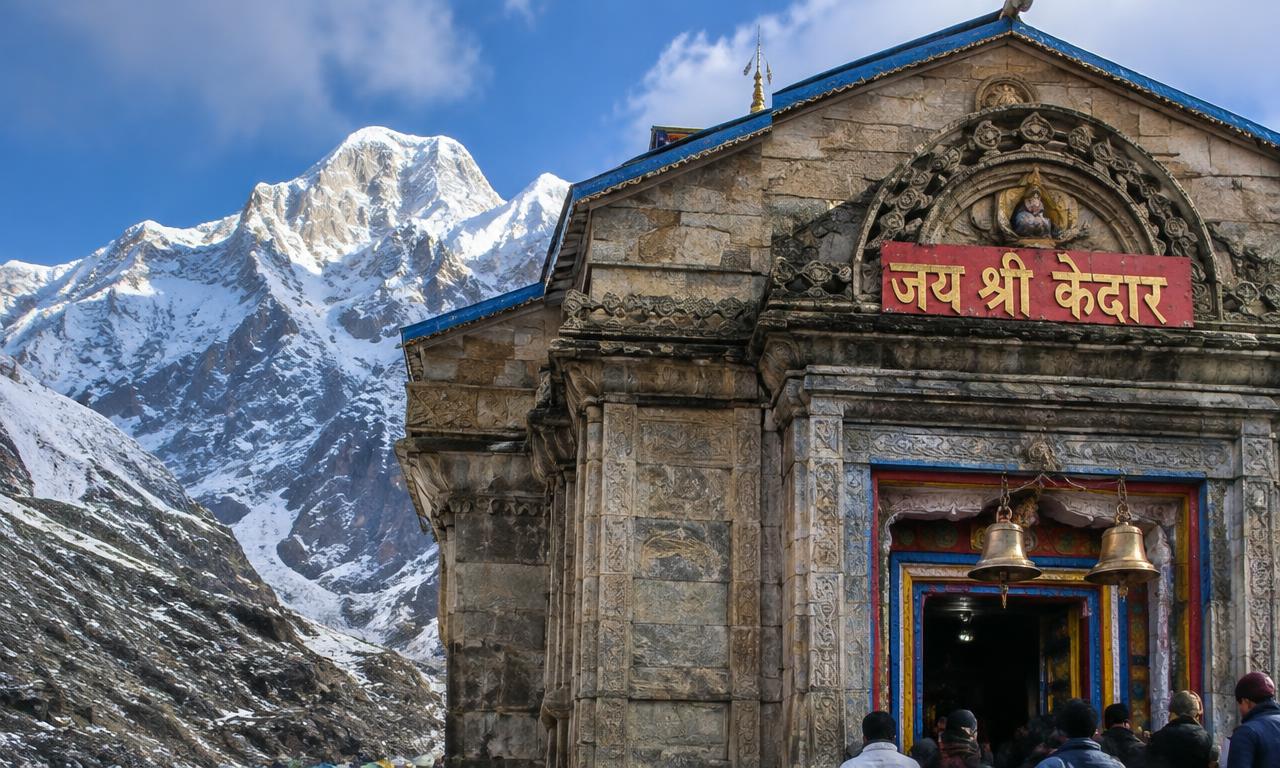
The temple is a compact stone shrine set against a steep mountain landscape. Its substantial, carefully fitted stone blocks give the building a robust appearance suited to a remote, cold environment, though the structure remains exposed to harsh weather. The main complex includes an entrance and pillared hall leading to the inner sanctum, with a rising stone tower above the shrine. A figure of Nandi, Shiva’s bull, is positioned outside. The layout is relatively simple compared with many large temple complexes: the sanctum is the focus, and space around the building is limited by the terrain and seasonal conditions. Visitors can observe carved details and the contrast between the solid masonry and the surrounding peaks from permitted areas. The setting is part of the experience, but the temple’s construction should not be treated as proof of any single legendary date or builder.
Important objects & sculptures
The principal object of worship is a naturally shaped, irregular stone lingam, traditionally understood by devotees as representing Shiva. Its form is associated in local belief with the hump of the bull in the Pandava legend. A stone Nandi figure outside the temple faces the shrine, as is customary in many Shiva temples. Visitors may also notice carved stone details around the entrance and exterior, though the building’s severe setting and weathering make some features difficult to distinguish. The inner sanctum is a place of worship, not a museum display; access and viewing conditions depend on current temple rules. The Adi Shankaracharya memorial behind the temple is another point of religious and historical interest when accessible.
Religious significance
Kedarnath is dedicated to Shiva and is revered as one of the twelve Jyotirlingas. For many pilgrims, darshan is the central purpose of the demanding journey from Gaurikund, and the shrine is also an important stop on the Uttarakhand Char Dham circuit. Worship and ritual arrangements are managed locally and may vary during the short open season. Pilgrims commonly offer prayers and seek blessings; special pujas may have separate procedures. Devotees also understand the site through traditions linking Shiva, the Pandavas and Adi Shankaracharya. During winter, when the Kedarnath shrine is closed, worship associated with the deity continues at Ukhimath. Visitors should follow the guidance of temple staff and avoid treating active rituals as performances.
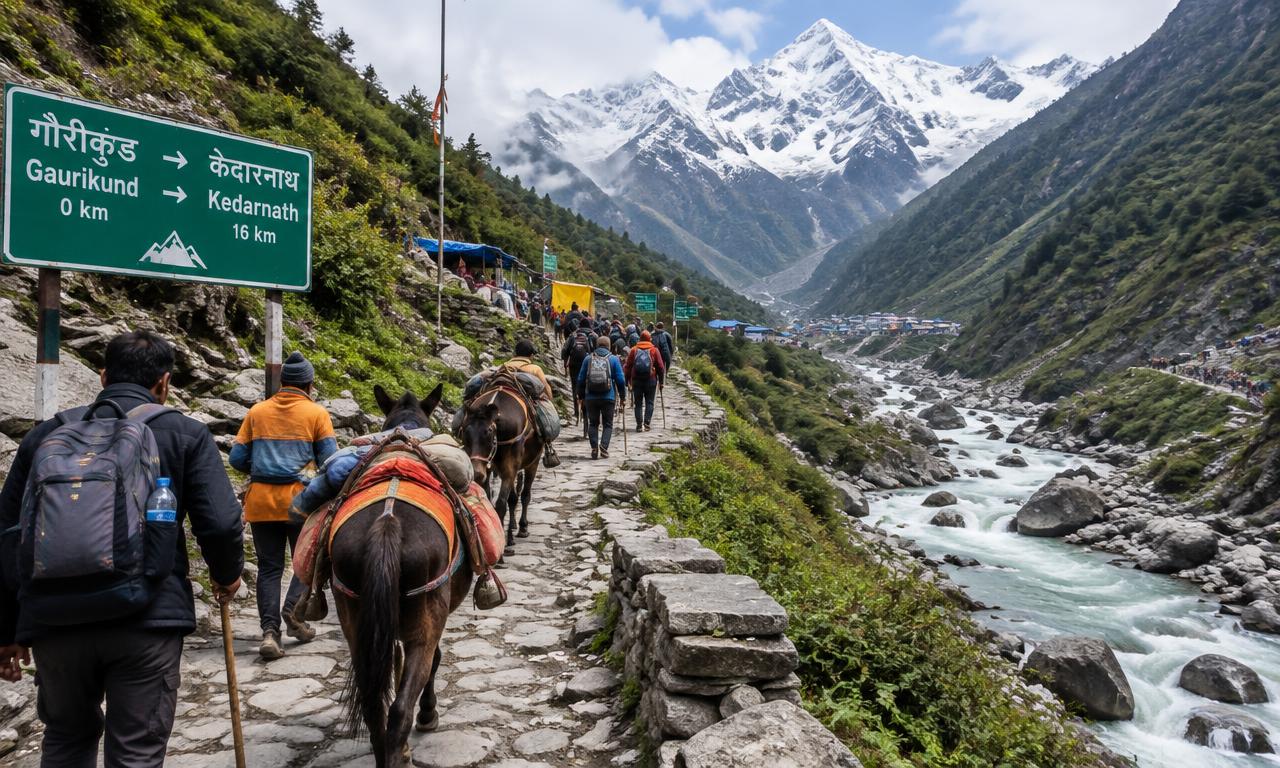
Make temple darshan your central activity, allowing generous time for security checks and queues. Ask locally about current opening hours, ritual schedules and any booking requirements for special pujas. Carry minimal belongings, follow photography restrictions and avoid offers promising unofficial priority access. Spend unhurried time observing the temple exterior and surrounding peaks from safe, permitted public areas. Early morning can offer clearer views, but warmth, visibility and official access should determine your plans rather than photography ambitions. Visit the Adi Shankaracharya memorial behind the temple when accessible. Fit, acclimatised visitors can consider the uphill walk to Bhairavnath Temple, checking the path, weather and daylight first. Treat the pilgrimage trail itself as part of the experience: pause at designated rest points, notice the changing landscape and let animal caravans pass safely. Avoid river edges and unstable slopes. Longer excursions towards Vasuki Tal require additional acclimatisation, current route advice and an experienced local guide; they are not casual add-ons after the ascent.
Suggested itineraries
Half day: Allow time to acclimatise, walk slowly to the temple, join the darshan queue and visit the Adi Shankaracharya memorial if accessible (about 3–5 hours, depending on conditions). Full day: Rest and acclimatise; visit the temple for darshan; take a meal and rest; explore permitted public areas around the shrine; consider Bhairavnath Temple only if fit, acclimatised and conditions allow (spread across the day). Gentler option: Stay near the temple, minimise walking beyond the darshan route, use available assistance where appropriate and plan frequent rests; ask locally about current path conditions.
Kedarnath’s seasonal community includes pilgrims, priests, local residents, porters, animal handlers and workers who support the route and shrine. Garhwali is widely spoken in the region, alongside Hindi and other languages brought by visitors from across India. Devotional songs, chants and prayers are part of the pilgrimage atmosphere, especially around temple visits and seasonal ceremonies. Customs include removing footwear before entering designated temple areas, queuing patiently and respecting ritual spaces. Clothing is practical for cold, changeable mountain weather; modest dress is appropriate at the shrine. The population and services around Kedarnath change considerably with the pilgrimage season, so the place should be understood as both a living religious site and a remote mountain settlement.
Festivals & events
The annual opening and closing of Kedarnath Temple are major seasonal events, accompanied by religious ceremonies and increased pilgrim movement. Opening is generally in spring, while closure takes place in autumn; dates are announced each year. Maha Shivaratri is observed in the region, with winter worship associated with Kedarnath taking place at Ukhimath while the high shrine is closed. The Badri-Kedar festival is held in the wider pilgrimage region, usually during the warmer season. These occasions can bring crowds, queues and pressure on accommodation and transport. Festival schedules change, so check current announcements from the temple committee or local authorities before planning travel.
Expect simple vegetarian meals: dal, rice, roti, sabzi, khichdi, porridge and tea at dhabas, lodges and seasonal stalls. Availability becomes less predictable during bad weather or supply disruptions. Eat freshly cooked, hot food and choose busy, reasonably clean establishments. Carry energy snacks, oral rehydration salts and a reusable bottle; use reliably treated or sealed drinking water. Do not assume stream water is safe. Small, regular meals often feel better during the climb than a heavy breakfast. Ask prices before ordering, particularly near the temple, where transport costs increase expenses.
Shopping & local experiences
Shopping options at Kedarnath are limited and seasonal. Small stalls may sell basic pilgrimage supplies, devotional items, prayer beads, woollen clothing, caps and snacks; availability and quality vary. More choice is usually found in gateway towns such as Guptkashi or Rudraprayag. Visitors may look for regional products or packaged Garhwali foods, checking labels and carrying provisions responsibly. Buy only what can be carried safely on the mountain route, avoid single-use plastic where possible and do not collect stones, plants or other natural material from the landscape.
Best time to visit
May–June and September–October (temple closed in winter)
Climate through the year
Bars show rainfall; numbers show average temperature (°C).
The main gateways are Haridwar and Rishikesh railway stations, and Dehradun’s Jolly Grant Airport. Continue by road through Devprayag, Rudraprayag and Guptkashi towards Sonprayag. Mountain-road journeys can take most of a day or longer; avoid tight onward connections. Private vehicles generally stop at Sonprayag, with regulated local transport towards Gaurikund, subject to current traffic arrangements. From Gaurikund, walk to Kedarnath; allow roughly 6–10 hours uphill depending on fitness, crowds and conditions, sometimes longer. Registered pony, mule and porter-assisted services may be available: confirm authorised rates, operator identification and terms. Helicopters operate from designated valley helipads when permitted and weather allows. Verify current operators and book only through officially announced channels. Complete required Uttarakhand pilgrimage registration and check route advisories before departure.
| Option | Fastest | Cheapest from | Time saved |
|---|---|---|---|
| Train | 4h 30m | ₹900 | 5h 30m |
| Bus | 10h | ₹450 | — |
Main leg only; check notes for last-mile road time. Time saved is compared with the slowest option.
Best train: 12017 Dehradun Shatabdi Express — quickest at 4h 30m, departs 06:45.
Confirm onward and return timings on IRCTC / NTES, the state bus operator or your airline before travel. A dash means current timings or fares have not been verified.
Getting around
There is no road access to the temple itself. Vehicles generally reach Sonprayag, from where regulated local transport may operate towards Gaurikund, subject to current traffic arrangements. From Gaurikund, visitors continue on foot; authorised pony, mule and porter-assisted services may be available, with conditions and availability changing by season. At Kedarnath, movement is mainly by walking on uneven paths around the settlement and temple. Shared vehicles and taxis serve gateway towns such as Guptkashi and Sonprayag, while parking and traffic controls may be restricted during busy periods. Check locally before relying on any service.
Hours, tickets & permissions
Kedarnath is a seasonal temple, and opening arrangements, daily access, ritual schedules and crowd controls can change. Pilgrim registration or other entry requirements may apply under current state rules. General darshan, special pujas and access to particular areas may follow different procedures. Do not assume that a ticket, camera permission or a particular form of identification is always required—or never required. Confirm current hours, fees and entry rules with the Shri Badrinath-Kedarnath Temple Committee or the relevant local authority before travelling.
Facilities
Facilities are basic and seasonal. The settlement usually has simple food stalls or eateries, drinking-water options and public toilets, but availability, cleanliness and operating conditions vary. Accommodation is limited and can fill during busy periods. Medical support may be available, though visitors should not rely on it as a substitute for personal medication or travel insurance. There are no dependable full-service banking facilities at the shrine; ATMs are more likely in larger gateway towns, so check locally and plan ahead. Parking is at road-access points rather than at the temple. Ask local authorities about guides, assistance and current services.
Accessibility
Reaching Kedarnath involves a long, steep high-altitude walk from Gaurikund, commonly described as about 16 km, though diversions or endpoint changes can make the actual distance longer. The route and paths around the temple are uneven, exposed and affected by weather; shade is limited in places. The altitude can make exertion difficult even for fit visitors. This is not a straightforward wheelchair or stroller destination, and there should be no assumption of ramps or lifts. Older visitors and anyone with mobility, heart or breathing concerns should seek medical advice, allow extra time and consider whether the journey is suitable. Assistance services may be available but need local verification.
Altitude sickness can affect healthy travellers. Headache with nausea, dizziness or unusual fatigue warrants stopping the ascent; worsening symptoms, breathlessness at rest, confusion or difficulty walking require urgent medical help and descent. Do not rely on portable oxygen as permission to continue. Build in acclimatisation time and seek medical advice for existing conditions. Carry waterproof layers, warm clothing, grippy footwear, a torch, essential medicines and offline documents. Start early, follow checkpoints and never bypass closures. Check weather and disaster-management advisories daily. Avoid monsoon shortcuts, riverbanks and walking after dark; keep cash and emergency contacts accessible.
Visitor rules
Follow instructions from temple staff, police and route officials, and use designated paths and queues. Remove footwear where required and dress respectfully for an active place of worship. Keep belongings minimal and observe any restrictions on bags or entry. Photography may be limited, especially inside the temple or during rituals; obey posted notices and staff directions. Do not enter restricted areas, block worshippers or approach unstable slopes and river edges. Reduce plastic use, carry rubbish back to appropriate collection points and do not litter. Confirm current registration and safety requirements before setting out.
Photography
The mountain setting can be especially clear in the morning, but weather and visibility change quickly; take photographs only from safe, permitted public areas. Photography inside the temple or during worship may be restricted, so check posted rules and ask staff rather than assuming it is allowed. Be considerate of worshippers and avoid intrusive close-ups of people or rituals. Do not use a drone without confirming current aviation, security and local permissions; restrictions may apply. Keep clear of queues, animal caravans and narrow paths while taking pictures.
Guptkashi, Phata, Sitapur and Sonprayag offer different combinations of hotels, guesthouses and onward transport access. Near Kedarnath, accommodation includes basic lodges, dormitories and seasonal camps; inventory and operating arrangements change. Check current GMVN options through official channels and verify private bookings directly. Reserve early for peak dates, confirming the precise location, bedding, toilet arrangements, hot-water availability and cancellation policy. Temple-area rooms can be cold, crowded and costly. Keep an extra night available lower down if weather interrupts the ascent, descent or helicopter service.
Gaurikund is the main trailhead and has its own pilgrimage associations. Guptkashi, on the approach route, is known for the Vishwanath Temple and is a practical overnight stop for some travellers. Ukhimath is significant as the winter seat for worship associated with Kedarnath and is also a regional pilgrimage centre. Sonprayag is an important road-access point for the route. Triyuginarayan, in the wider region, is a temple destination associated with a local tradition of Shiva and Parvati’s marriage. These places require additional road travel and, in some cases, walking; check route conditions and allow suitable time rather than adding them to a rushed itinerary.
Places in Kedarnath
Plan around the slower partner’s pace and agree that either person can turn back without pressure. Book accommodation with confirmed bedding and bathroom arrangements rather than assuming private rooms will be available near the shrine. Keep one flexible day for weather or fatigue. Carry snacks and share packing responsibilities, but retain separate essentials and identification. Choose safe viewpoints for photographs, respect worshippers’ privacy and avoid stepping beyond barriers for dramatic mountain shots.
Q: How much time should I allow for Kedarnath? A: Allow several days for the journey from Rishikesh or Haridwar, including the road approach, the trek, acclimatisation and a weather buffer. The shrine visit itself can take several hours. Q: When is the best season to visit? A: The temple generally opens from around April or May until October or November. May–June and September–October are popular, but conditions vary and monsoon travel carries added disruption risks. Q: Is entry free, and do I need to register? A: Entry and registration requirements can change. Check current rules, any applicable fees and darshan arrangements with the temple committee or local authorities before travel. Q: Can children or elderly visitors make the journey? A: The high-altitude trek is strenuous and weather-exposed. Suitability depends on health and fitness; seek medical advice and arrange extra time and assistance where appropriate. Q: Where can I stay nearby? A: Seasonal accommodation is available around Kedarnath, with more options in places such as Guptkashi and other towns on the approach route. Book or verify availability ahead, especially in busy periods.
Be the first to share photos, stories, advice or a helpful contact for Kedarnath.
Loading…