
Vasuki Tal
Vasuki Tal is a glacial lake near Kedarnath in Uttarakhand’s Rudraprayag district, at around 4,135 metres. Prepared, acclimatised trekkers visit for its remote mountain scenery and reflective waters.
Key facts · verified by Ghumoopedia editors
- Type of place
- Natural attraction
- Best time to visit
- June, September–early October
- Altitude
- 4,135 m
- Verified
- 21 Nov 2026
Plan a trip from Vasuki Tal — a day-by-day route through places nearby.
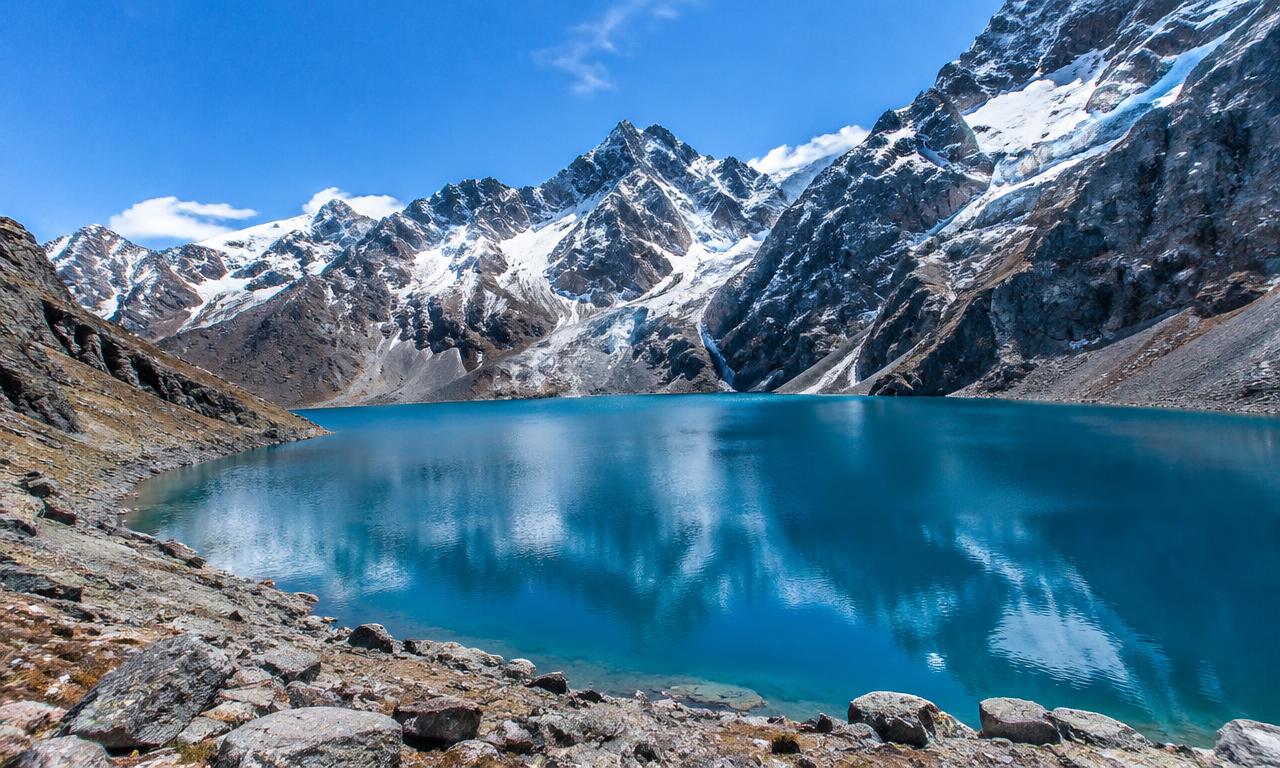
Rocky slopes and Himalayan peaks surround Vasuki Tal, where the water reflects the landscape in changing patterns. Alpine vegetation grows in this remote mountain setting, which has few developed visitor facilities. Compared with the Kedarnath pilgrimage, visiting the lake calls for greater physical effort; fitness and acclimatisation are important. Hindu tradition connects Vasuki Tal with Lord Vishnu, giving the landscape a religious association. The usual approach is a steep trek from Kedarnath, commonly described as roughly 8 kilometres each way. Actual distance, difficulty and walking time depend on the route, snow cover and trail condition. This is not a casual extension to a temple visit: altitude, exposed terrain and rapidly changing weather require deliberate preparation. Late spring and the post-monsoon period can offer trekking opportunities, but neither guarantees an open or snow-free trail. May–June may retain snow; September–October can bring cold mornings and early snowfall. Monsoon rain increases landslide and visibility risks. Confirm access with experienced local guides and authorities before committing, and keep spare days for acclimatisation and weather delays.
Why it matters
Vasuki Tal is a glacial lake in the high mountains above Kedarnath, in Rudraprayag district. At approximately 4,135 metres, it is valued for its remote setting, mountain views and demanding approach rather than visitor infrastructure. For the region, it forms part of the wider Kedarnath landscape, where Himalayan scenery and pilgrimage traditions meet. Hindu tradition associates the lake with Lord Vishnu, giving it spiritual significance for some visitors. Its trek is a separate, strenuous undertaking from the Kedarnath pilgrimage and is best considered by fit, acclimatised trekkers with local guidance. It is a natural attraction, not a known UNESCO World Heritage Site or ASI-protected monument.
Vasuki Tal is a glacial lake formed by natural processes; it is not known as a built site with a documented founding date, builder or programme of restoration. Written historical accounts of the lake itself are limited, so claims about its early use should be treated cautiously. Its name and spiritual associations are preserved in Hindu tradition, including stories connecting the lake with Lord Vishnu and the serpent Vasuki. The surrounding Kedarnath area has long been shaped by pilgrimage to Kedarnath Temple, while the lake’s steep, high-altitude approach has kept visits more demanding and less routine than visits to the shrine. In recent decades, trekking information and local guiding have made the route more familiar to adventurous visitors, but access still depends on weather, snow, trail condition and local decisions. The trek should not be understood as a developed tourist trail with assured services. There is no widely documented restoration history or established visitor infrastructure at the lake. For current route conditions and any permissions, rely on local authorities and experienced guides rather than older accounts or online itineraries.
Origin stories & folklore
According to local Hindu tradition, Vasuki Tal has a connection with Lord Vishnu, and some tellings say that he bathed in the lake. The name also recalls Vasuki, the serpent king known from Hindu mythology and associated with Shiva. Stories and details can vary between tellers; they are beliefs and oral traditions, not verified accounts of the lake’s geological origin. For some pilgrims and trekkers, these associations add a devotional dimension to the mountain setting. Visitors should approach the lake respectfully, avoid entering its water, and follow any guidance from local people or authorities about conduct at the site.
- Trek from Kedarnath through changing mountain terrain towards the lake. Treat the ascent as the main activity, not merely transport to a viewpoint. Walk slowly, take short breaks and agree on a turnaround time with your guide. - Spend a quiet period beside the lake, observing reflections and surrounding ridges when conditions permit. Clear mornings often offer better photographic opportunities, but weather matters more than any fixed schedule. - Look for seasonal alpine flowers and birds without leaving the established route. Do not pick plants, feed wildlife or approach animals for photographs. - Combine the excursion with time at Kedarnath Temple on a separate, less strenuous day. Check current temple opening hours and queue arrangements locally. - Photograph the landscape from stable ground rather than scrambling onto wet boulders or snow edges. Avoid swimming or entering the lake: cold water, uncertain footing and its sacred significance make this inappropriate. - Carry all litter back, including tissues, food scraps and packaging.
Suggested itineraries
Half day: From Kedarnath, visit the temple area and nearby viewpoints at an unhurried pace (about 2–4 hours), allowing time for rest and acclimatisation; do not attempt Vasuki Tal as a casual half-day outing. Full day: Only for fit, acclimatised trekkers after a current local trail assessment: set out from Kedarnath with an experienced guide, trek to Vasuki Tal, pause briefly if conditions are safe, and return by the same route (often a full day, roughly 8–12 hours depending on conditions and pace). Gentler option: Spend a short, flexible period around Kedarnath’s accessible temple surroundings, with frequent rests and help from a companion if needed.
The living culture visitors encounter is chiefly that of the wider Garhwal region and the Kedarnath pilgrimage route. Garhwali is widely spoken locally, alongside Hindi, and visitors may hear other languages from pilgrims and trekkers arriving from across India. At Kedarnath, worship, offerings and seasonal temple ceremonies shape the atmosphere; the lake itself has no regular public performance programme. Regional folk music and dance are part of community life, though they are not guaranteed at the trek or shrine. Practical customs include dressing for cold, changing weather, respecting worshippers and local guidance, and carrying waste back down the mountain.
Local communities
People connected with the route include Garhwali residents of the wider Rudraprayag region, temple workers, porters, guides, transport operators and seasonal food or lodging providers. Many livelihoods around Kedarnath depend on pilgrimage and trekking, with work varying according to the season, weather and access conditions. Local guides can offer essential knowledge of trail conditions and altitude, but a guide’s presence does not remove the risks of the route. Visitors should agree plans clearly, treat workers respectfully, follow local advice and avoid photographing people without permission.
Festivals & events
The most visible religious occasions nearby are the seasonal opening and closing ceremonies of Kedarnath Temple, generally held in spring and autumn. They can bring increased pilgrim numbers and pressure on accommodation and transport around Kedarnath and the approach route. Maha Shivaratri is observed in the wider Hindu calendar, though the high shrine’s seasonal access affects how celebrations take place locally. Village fairs and regional events vary from year to year and are not regular events at Vasuki Tal. Check locally for current observances, and do not assume the high-altitude trek is open during a festival.
Eat adequately at Kedarnath before departure; simple vegetarian meals such as dal, rice, roti and khichdi are commonly available during the pilgrimage season. Do not rely on finding food stalls along the Vasuki Tal route or at the lake. Carry a packed lunch, easy-to-eat snacks and sufficient drinking water, with quantities agreed with your guide. A flask of warm liquid is useful in cold weather. Treat natural water before drinking. Confirm meal availability, early breakfast arrangements and prices with your accommodation the previous evening.
Shopping & local experiences
There is no established shopping area at Vasuki Tal. Seasonal stalls and small shops around Kedarnath or the approach route may offer basic snacks, devotional items, woollen clothing and trekking necessities, but stock is not guaranteed. Guptkashi and other larger towns along the route are more practical places to look for supplies and locally made goods. Regional food may include simple Garhwali dishes where available. Buy only what you need, avoid disposable packaging where possible, and carry every wrapper and container back down.
Vasuki Tal is a high-altitude glacial lake set among rocky slopes and Himalayan ridges. Its water and reflections change with light, cloud and weather, while snow may persist around the route into the warmer season. The landscape becomes increasingly alpine above Kedarnath, with seasonal grasses, hardy plants and flowers in suitable conditions. Trekkers may encounter mountain birds or other wildlife, but sightings are never assured. The terrain is exposed, and conditions can change quickly; rain, snow, cold and poor visibility affect both safety and the landscape. Stay on the established route, do not pick plants or feed wildlife, and carry all litter back.
June, September–early October
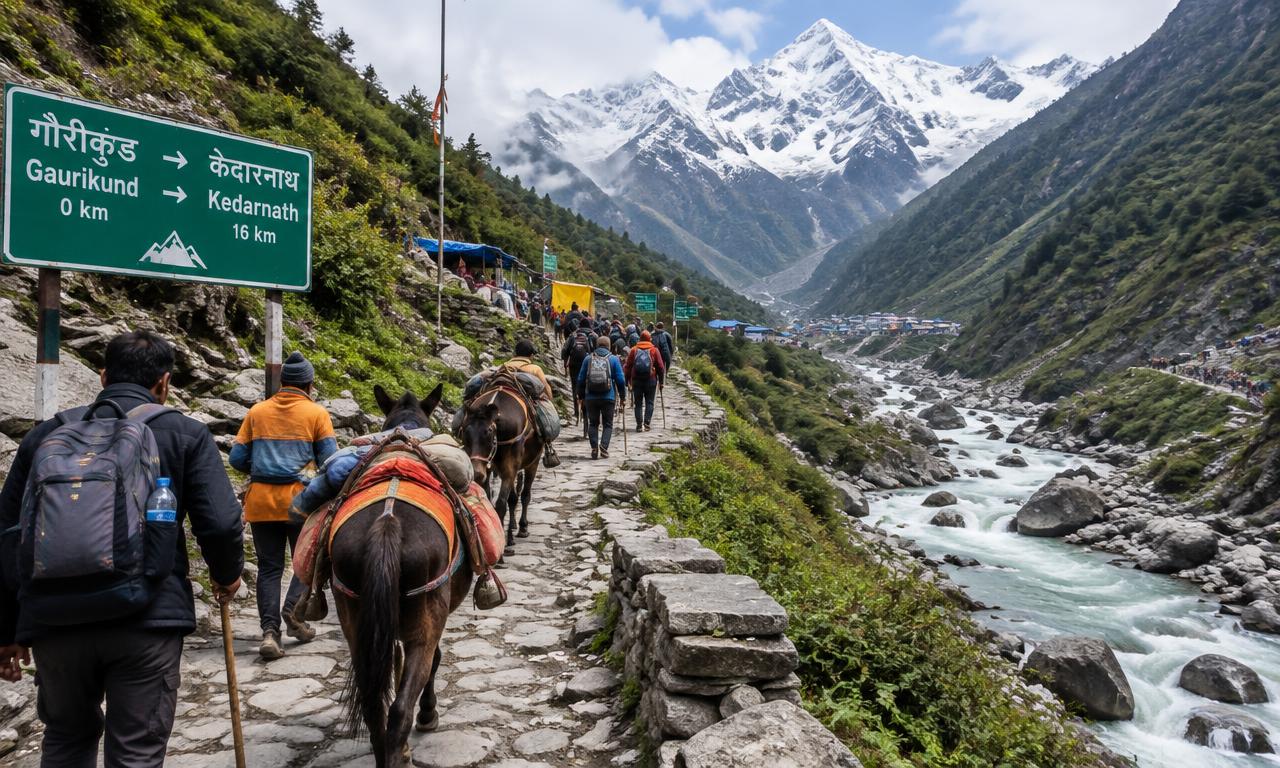
Reach Rishikesh or Haridwar by rail, or fly to Dehradun’s Jolly Grant Airport, then continue by road towards Sonprayag via Rudraprayag and Guptkashi. Allow a full road-travel day from the plains, potentially longer during congestion or disruptions. From Sonprayag, use the locally authorised transport arrangement to Gaurikund; vehicle restrictions and shuttle operations can change. The onward Kedarnath walking route is approximately 16–18 kilometres, depending on the current alignment. Verify distance, registration requirements and permitted travel hours locally. Acclimatise at Kedarnath before attempting Vasuki Tal. Arrange an experienced local guide, obtain a current trail assessment and plan a demanding return trek. Helicopter services to Kedarnath are weather-dependent and do not provide acclimatisation; verify authorised booking channels, fares and operating conditions.
Getting around
Motor vehicles do not reach Vasuki Tal; the final approach is on foot from Kedarnath. In the wider approach, travellers commonly use road transport to Sonprayag, then the locally authorised transport arrangement to Gaurikund; services and restrictions can change. The Kedarnath route continues by walking, with porter or other assistance subject to local availability and rules. In Kedarnath, expect to get around on foot over uneven paths. Parking is associated with road-access points rather than the lake. Confirm current transport arrangements locally and allow for disruption from weather or congestion.
Hours, tickets & permissions
There is no dependable fixed visiting schedule for the lake: access depends on trail conditions, weather, seasonal snow and local safety decisions. Check with local authorities and an experienced guide before setting out, including whether registration or any other permission is currently required. Do not assume that a temple entry arrangement covers the trek. Confirm current rules, any applicable fees and Kedarnath Temple arrangements with the relevant managing authority. The lake is remote, and visitors should plan to return before conditions or visibility deteriorate.
Facilities
Facilities are concentrated at Kedarnath and along the pilgrimage approach, not beside Vasuki Tal. Kedarnath usually has seasonal food and lodging options, basic toilets and local guides or porters, but availability can be limited or affected by weather. Do not count on reliable drinking-water supplies on the trek; carry suitable water and treatment. There are no dependable shops, toilets, medical facilities or accommodation at the lake. ATMs and other services are not assured at the trailhead or in Kedarnath. Check locally, carry essentials and take all rubbish back.
Accessibility
The route to Vasuki Tal is steep, high-altitude and exposed, with uneven ground and possible snow; the commonly described trek is roughly 8 kilometres each way from Kedarnath. It is unsuitable for wheelchairs and strollers and is not a reasonable option for visitors with limited mobility or those unacclimatised to altitude. Shade is limited, and cold, wind or poor visibility can make walking harder. Older visitors should assess fitness and medical needs carefully and should not feel obliged to attempt the lake. Kedarnath’s own paths can also be uneven and crowded; ask locally about current conditions and assistance.
Allow acclimatisation time and never ascend with altitude symptoms. Headache with nausea, dizziness or unusual exhaustion warrants stopping; worsening symptoms require descent. Confusion, unsteady walking or breathlessness at rest are emergencies. Carry waterproof layers, insulation, gloves, sun protection, sturdy footwear, a headlamp, first aid and personal medicines. Avoid snow crossings without appropriate expertise and equipment. Mobile coverage is unreliable, and rescue may be delayed by weather. Share your route and return deadline. Check forecasts, trail status and emergency arrangements locally; turn back early rather than chasing the destination.
Photography
Clear mornings can provide attractive reflections and views, but cloud, wind and weather change quickly, so no particular light is guaranteed. Photograph from stable ground and avoid wet boulders, snow edges or unsafe scrambles. Follow any current restrictions on cameras at religious sites and ask permission before photographing people. Keep a respectful distance from worship and ceremonies. Drone use may be restricted by aviation rules, local orders or protected-area requirements; check before bringing or flying one, and do not disturb wildlife or other visitors.
Kedarnath is the practical base for the lake trek, with seasonal guesthouses, lodges and basic pilgrim accommodation. Heating, hot water, electricity and private bathrooms are not guaranteed; ask specifically before booking. Reserve ahead during busy pilgrimage periods and verify current rates and cancellation terms. Guptkashi, Phata and Sonprayag offer alternatives for staging the journey, but sleeping lower does not replace acclimatisation before the lake ascent. Do not expect serviced accommodation at Vasuki Tal. Any camping requires checking local permissions, environmental restrictions, equipment needs and guide arrangements.
Kedarnath Temple is the main nearby pilgrimage site, with Bhairavnath Temple above the settlement. Gandhi Sarovar, also known as Chorabari Tal, is another high-altitude destination in the Kedarnath area, but it involves its own walk and should not be treated as an easy add-on. Gaurikund and Sonprayag are important approach points. Guptkashi is a regional town with religious sites and services, while Triyuginarayan is known for its temple and traditional association with the wedding of Shiva and Parvati. Check road, trail and seasonal access before combining these places.
Choose this trek together only if both partners are comfortable with steep, prolonged walking at altitude. Plan around the slower person’s pace and agree beforehand that either partner can request a turnaround without pressure. Book accommodation with clearly confirmed bedding and bathroom arrangements, since comfort varies considerably. For a memorable shared experience, prioritise unhurried views and photographs over reaching the lake at any cost. Keep a buffer day rather than linking the trek directly to onward transport.
Q: How much time should I allow for Vasuki Tal? A: Treat it as a demanding full-day return trek from Kedarnath, with the actual duration depending on fitness, acclimatisation, trail and weather. Q: When is the best season to visit? A: Late spring and the post-monsoon period may offer opportunities, but snow, rain or early snowfall can affect access. Confirm conditions locally. Q: Is there an entry ticket or permit? A: Requirements can change. Check current permissions, registration rules and any fees with local authorities before setting out. Q: Can children or elderly visitors do the trek? A: It is a strenuous high-altitude route and is not suitable for everyone. Children and older visitors need careful, individual assessment; the Kedarnath surroundings are a gentler alternative. Q: Where can I stay nearby? A: Seasonal accommodation is usually available around Kedarnath and along the pilgrimage route, with more options in towns such as Guptkashi. Confirm availability locally.
Be the first to share photos, stories, advice or a helpful contact for Vasuki Tal.
Loading…