
Nainital
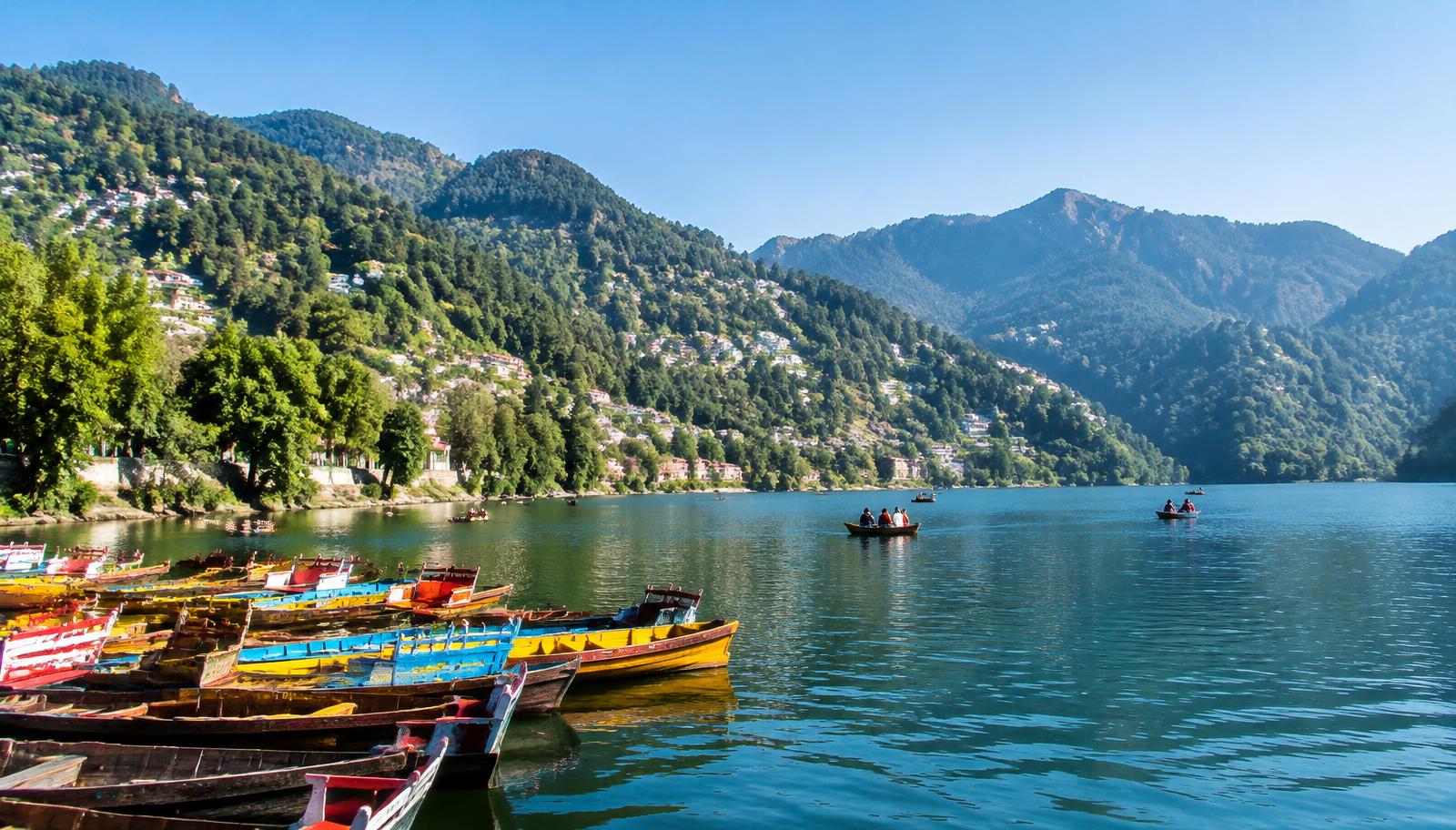
Nainital is a Kumaon hill town in Uttarakhand, centred on Naini Lake. Visitors come for boating and the lakeside, walks along Mall Road, and outings to Snow View and Tiffin Top.
Key facts · verified by Ghumoopedia editors
- Type of place
- Natural attraction
- Best time to visit
- March–June, September–November
- Altitude
- 2,084 m
- Verified
- 21 Nov 2026
Plan a trip from Nainital — a day-by-day route through places nearby.
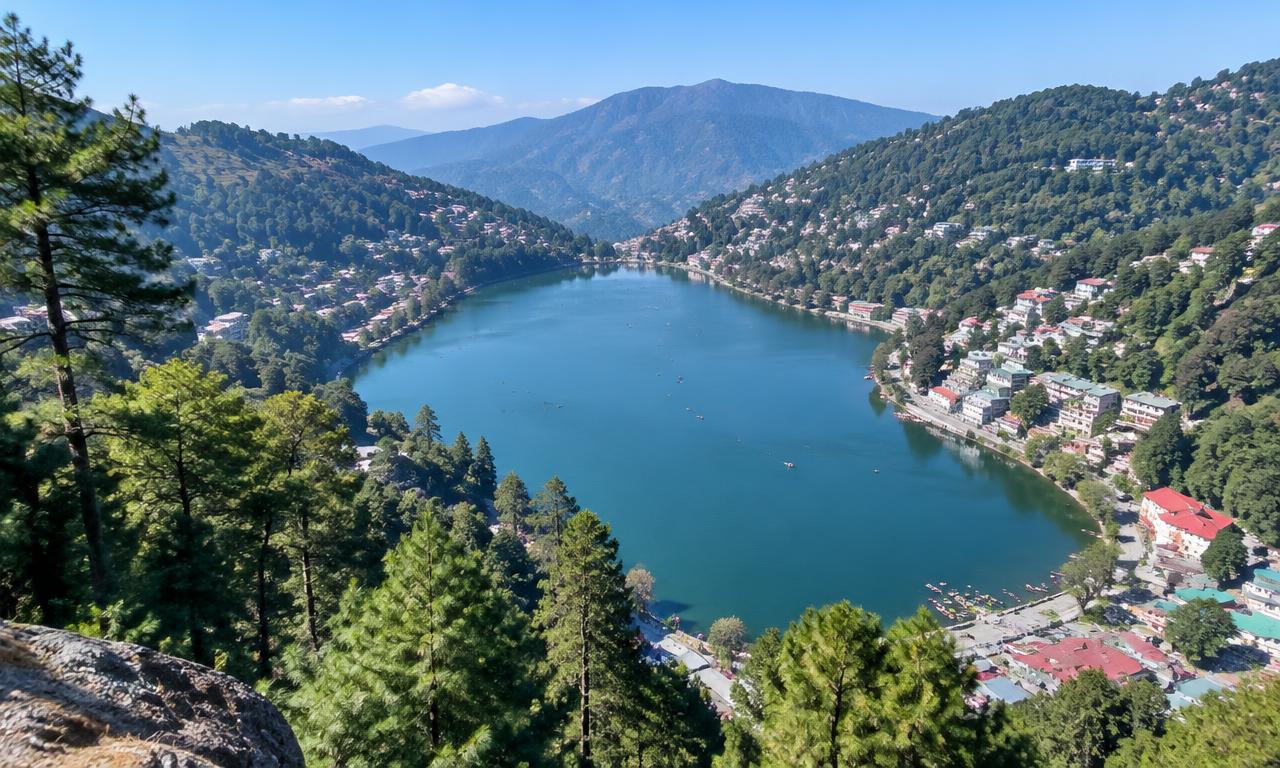
At about 2,000 metres in Uttarakhand’s Kumaon region, Nainital is arranged around Naini Lake. Wooded hillsides rise behind the water, with buildings and a busy shore forming the town’s setting. At the lake’s northern tip, Mallital brings together Naina Devi Temple and a market. Tallital lies at the southern end and is a usual arrival point. Mall Road follows the eastern bank, linking these two parts of town. Across the lake, Thandi Sadak offers a quieter route for walking. Boating on Naini Lake, visits to Snow View and Tiffin Top, and time by the water are among the reasons people explore Nainital. Allow two or three nights for lake walks, a boat ride, viewpoints and an unhurried outing. Add another day for nearby lakes such as Bhimtal, Sattal or Naukuchiatal rather than squeezing everything into one taxi circuit. Distances look short on maps, but hills, traffic and steep hotel approaches can make movement slow. March–June generally brings pleasant sightseeing weather and substantial crowds. September–November often offers clearer skies, though mountain views are never guaranteed. Monsoon rain can disrupt roads and trails; winter brings cold evenings and occasional snow, not dependable snowfall. Weekends and holidays are particularly busy. Carry layers, comfortable shoes and rain protection in any season.
Why it matters
Nainital is a prominent hill town in the Kumaon region of Uttarakhand, known for Naini Lake and its surrounding slopes. The lake, waterfront and nearby viewpoints make it an important regional destination for recreation and tourism. Nainital is also the headquarters of Nainital district and a base for exploring other Kumaon lakes and hill towns. Naina Devi Temple, at the northern end of the lake, gives the town religious significance for many Hindu visitors. Local tradition identifies the site with a Shakti Peeth, though this is a religious belief rather than a historical designation. No UNESCO or national protected-monument status is asserted here for the lake or town; check with relevant authorities for current conservation rules.
The area around Naini Lake was part of the Kumaon region, with local communities living and travelling through its hills before it became a British hill station. The town’s founding as a colonial resort is commonly dated to 1841, when British trader P. Barron is credited with bringing the lake to wider British attention. During the nineteenth century, the British developed Nainital as a summer retreat and administrative centre, adding residences, churches, schools and public buildings on the steep slopes. Naina Devi Temple and the lakeside settlement grew alongside this development, serving local worshippers as well as visitors. A major landslide in 1880 caused extensive destruction around the town, including the temple then standing beside the lake. The settlement and temple were subsequently rebuilt. Nainital continued as a hill station through the colonial period and, after Indian independence, developed as a district headquarters, educational centre and tourism destination. Growth in buildings, road traffic and visitor numbers has increased pressure on the lake and its catchment. Conservation and civic management remain important parts of the town’s contemporary history.
Origin stories & folklore
According to local Hindu tradition, Naini Lake is associated with the story of Sati, whose body was carried by Shiva after her death. In one widely told version, her eyes fell at this place, giving the lake and town their name: “Naini” is linked with the Hindi word for eye. Naina Devi Temple is consequently revered by many worshippers as a Shakti Peeth. Accounts of the story vary across regions and religious traditions; it is a sacred belief, not a verifiable account of the lake’s geological formation. Visitors can observe worship respectfully and should follow notices and guidance at the temple.
- Take a licensed boat ride on Naini Lake. Confirm the fare, duration and whether charges are per boat or person; wear a properly fitted life jacket and follow weather-related suspensions. - Walk the Mall Road and Thandi Sadak, allowing time to sit by the water. Visit Naina Devi Temple respectfully and browse the nearby Tibetan Market for snacks and souvenirs. - Ride the ropeway towards Snow View if operating. Check current hours, queues and weather locally; clear Himalayan views are not assured. - Consider Tiffin Top or Naina Peak for a more active outing. Ask locally whether routes are open and suitable, start early, carry water and use a reputable guide if unfamiliar with hill trails. - Visit the high-altitude zoo if interested in wildlife, but expect uphill walking and verify its weekly closure and transport arrangements. - Choose one nearby lake for a relaxed excursion: Bhimtal for its lakeside setting, Sattal for birding and wooded surroundings, or Naukuchiatal for quieter lake views.
Suggested itineraries
Half day: Walk Mall Road and Thandi Sadak (1–2 hours); visit Naina Devi Temple and the nearby market (about 1 hour); take a boat ride if operating (about 1 hour). Full day: Begin with the lakefront and temple (2–3 hours); ride the ropeway to Snow View if operating and conditions allow (2–3 hours); have lunch and browse the markets (1–2 hours); finish with a relaxed lakeside walk (about 1 hour). Gentler option: Choose a short, level section of Mall Road, pause at lakeside seating, and use a taxi for steeper approaches; confirm vehicle access locally.
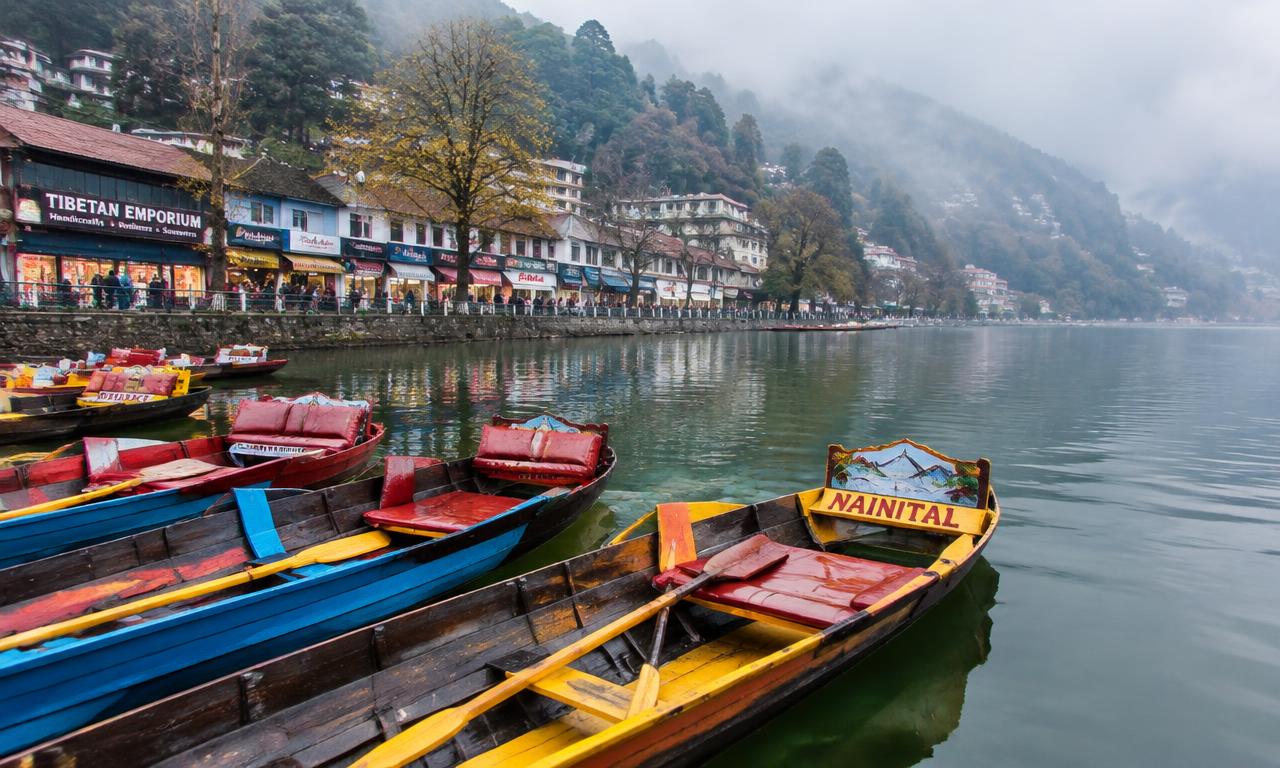
Nainital’s everyday culture reflects its Kumaoni setting as well as its long history as a visitor town. Kumaoni and Hindi are heard locally, alongside other languages used by residents and travellers. Regional folk music and dance traditions, including forms performed at community celebrations, are part of the wider cultural life of Kumaon. Around the lake, temple visits, market browsing and evening walks are familiar routines, while shops and eateries also cater to visitors from across India. Customs vary between families and communities; modest, considerate behaviour at places of worship and asking before photographing people help make visits respectful.
Local communities
Kumaoni residents have longstanding connections with the town and surrounding hills. Nainital’s livelihoods include public services, education, shops, transport, accommodation, food businesses and tourism-related work. Boat operators, guides, drivers and hotel staff help visitors navigate the lake and steep terrain. Local growers, makers and market traders also supply food and goods to residents and visitors. The town’s seasonal visitor economy can bring busy periods and fluctuating work, while traffic and environmental pressures affect daily life. Treat workers and residents as hosts and community members, rather than as attractions, and ask permission before taking close-up photographs.
Festivals & events
Nanda Devi celebrations, commonly held around September, are among Nainital’s best-known local religious and cultural events. The programme can include worship, community gatherings and market activity; arrangements vary from year to year. Kumaoni festivals such as Harela in the monsoon season and Uttarayani in January are observed in the wider region, while Holi is also celebrated locally. Festival periods may bring processions, road congestion and heavier demand for accommodation, so allow extra time and check local notices before travelling. Dates follow local calendars and can change annually.
Look for Kumaoni dishes such as bhatt ki churkani, made with black soybeans, aloo ke gutke, and seasonal greens. Regional thalis are worth seeking out, but availability varies; ask restaurants what is freshly prepared. Try bal mithai or singori from a busy sweet shop, checking freshness and storage needs before carrying them home. Momos, thukpa and simple North Indian meals are easy to find around the central market. Choose busy kitchens, drink sealed or properly filtered water, and request mild spice if needed. Check menu prices before ordering lakeside.
Shopping & local experiences
The market near Mallital and the Tibetan Market are convenient places to browse snacks, clothing, souvenirs and locally sold goods. Look for Kumaoni foods and sweets such as bal mithai and singori, as well as candles, woollens and small craft items. Products and their origins vary, so ask sellers about materials and where an item was made. Markets can be crowded on weekends and holidays. Buying from established local shops and carrying reusable bags are practical ways to shop thoughtfully.
Naini Lake lies in a steep basin, surrounded by wooded hills and the built-up slopes of town. It is the central water body and a focus for boating and lakeside walks. The surrounding Kumaon landscape includes forests with oak and pine, with other broadleaf trees and seasonal flowering plants at different elevations. The hills and nearby wooded areas provide habitat for birds, and visitors may notice waterbirds around the lake or woodland species on quieter trails; sightings are never guaranteed. Bhimtal, Sattal and Naukuchiatal add further lake and forest landscapes to the district. Rain, runoff, traffic and dense development make care for the lake’s catchment especially important.
Best time to visit
March–June, September–November
Climate through the year
Bars show rainfall; numbers show average temperature (°C).
Kathgodam is the usual rail gateway, approximately 35 kilometres from Nainital by road. From the station, take a pre-arranged taxi or check locally for shared transport and onward bus connections. Allow around 1.5–2 hours uphill in ordinary conditions, with extra time during holiday traffic or bad weather. Pantnagar is the nearest airport, roughly 65–75 kilometres away by road; flight availability can be limited, so verify schedules before booking. Delhi offers more flight options but requires a much longer onward journey. Buses connect Nainital with regional towns, while some services terminate at Haldwani. Confirm the actual drop-off point. If driving, ask your hotel about parking, vehicle restrictions and luggage transfers: peak-season controls can change. Prefer daylight arrivals and avoid tight onward train connections.
| Option | Fastest | Cheapest from | Time saved |
|---|---|---|---|
| Train | 5h 20m | ₹300 | 2h 40m |
| Bus | 8h | ₹900 | — |
| Flight | 1h | ₹3,500 | 7h |
Main leg only; check notes for last-mile road time. Time saved is compared with the slowest option.
Best train: 12040 Kathgodam Shatabdi Express — quickest at 5h 20m, departs 06:20.
Confirm onward and return timings on IRCTC / NTES, the state bus operator or your airline before travel. A dash means current timings or fares have not been verified.
Getting around
Nainital is compact around the lake, and many central visits can be made on foot, though slopes and stairs make short distances tiring. Local taxis and auto-rickshaws serve parts of town and nearby attractions; cycle rickshaws may be available along the flatter lakeside stretch. Boats are a way to experience the lake, not a substitute for road transport. Local buses connect some surrounding settlements, but routes and drop-off points should be checked locally. Parking is limited in busy areas, and traffic controls can vary by season. Ask your accommodation about vehicle access and luggage arrangements.
Hours, tickets & permissions
Naini Lake’s public waterfront and the town’s streets are not governed by one shared entry arrangement. Boating, the ropeway, the zoo and religious or visitor sites may each have separate operating rules, ticketing and seasonal closures. Camera use, footwear or other conduct may also be regulated at particular sites, especially places of worship. There is no general permit requirement for an ordinary town visit, but rules can change. Confirm current hours, fees, access conditions and any ID or camera requirements with the relevant managing authority before setting out.
Facilities
The central lakefront and market areas usually have food outlets, shops and public or commercial toilets, though facilities and cleanliness vary. Drinking water is available from shops and eateries; carrying a refillable bottle is practical. ATMs and pharmacies can usually be found in town, but do not rely on every service being open when needed. Designated parking is available in parts of the town, with restrictions and congestion during busy periods. Guides and taxis may be arranged locally or through accommodation. Check locally for accessible toilets, current boat services and facilities at individual viewpoints.
Accessibility
Nainital’s steep hills, uneven paths, steps and crowded waterfront can make getting around demanding. Mall Road is comparatively level in sections, but routes to viewpoints, hillside hotels and some attractions involve sustained uphill walking or stairs. Shade and places to rest are available in parts of town, but are not continuous. Wheelchair and stroller access is limited and should not be assumed, particularly away from the lakefront. Older visitors or anyone with reduced mobility may find a taxi-assisted plan and shorter outings more manageable. Confirm vehicle access and walking conditions with each site or accommodation.
Check weather forecasts and local road advisories, especially during monsoon rain or winter cold. Avoid isolated trails after dark, unstable slopes and unnecessary driving during heavy rain. Do not enter the lake for swimming; use authorised boating services and life jackets. Hill walks can be strenuous despite short distances. Pace yourself, hydrate and carry regular medicines. Keep valuables secure in crowded markets, agree taxi charges beforehand and retain your accommodation address offline. Mobile reception can vary on excursions. India’s emergency number is 112; ask your hotel about the nearest functioning medical facility and transport options.
Photography
Early morning and late afternoon often give softer light on the lake and surrounding slopes; changing cloud can obscure distant mountain views. The Mall Road, Thandi Sadak and accessible viewpoints offer varied perspectives, subject to crowds and local access rules. Photography is generally suitable in public areas, but follow signs at temples, managed attractions and boating facilities. Ask permission before photographing people, and avoid disrupting worship. Drone use may be restricted by aviation rules or local authorities; check current requirements and do not fly near crowds, wildlife or sensitive sites.
Stay near the Mall Road for convenient lake access, restaurants and evening walks, accepting more noise and congestion. Mallital suits travellers wanting markets and attractions nearby; Tallital can simplify arrivals, depending on your transport. Ayarpatta and other hillside areas offer quieter surroundings but often involve steep lanes or taxi dependence. Before booking, confirm the exact approach, stairs, lift access, heating charges, hot-water availability and parking arrangements. A ‘lake view’ may be partial or distant. Compare recent reviews and final prices, including taxes, and book early for summer weekends and holidays.
Bhimtal, Sattal and Naukuchiatal are nearby lake destinations that can each suit a separate, unhurried outing. Bhimtal is known for its broad lakeside setting, while Sattal’s wooded surroundings appeal to visitors interested in quiet walks and birding. Naukuchiatal offers another lake landscape and a less town-centred feel. Pangot and the Kilbury area are options for forest scenery and birdwatching; wildlife sightings are not assured. Road travel can take longer than map distances suggest, especially in holiday traffic or poor weather, so choose one destination rather than trying to combine several in a rushed circuit.
Places in Nainital
Choose a two- or three-night stay rather than rushing through viewpoints. An early lake walk, a boat ride and a relaxed dinner make a manageable day, with a nearby-lake excursion on another. For quiet accommodation, check road access carefully: secluded hillside properties may require taxis after dinner. Confirm whether room photos show the actual view category booked. Carry a warm layer for evenings and avoid expecting privacy on the crowded waterfront during peak weekends.
Q: How much time should I allow for Nainital? A: Two or three nights allow time for the lake, a viewpoint and a relaxed walk. Add a day if visiting a nearby lake. Q: When is a good season to visit? A: March to June is generally pleasant but busy; September to November often brings clearer skies. Monsoon travel can be disrupted, and winter is cold. Q: Is there an entry ticket for Nainital or Naini Lake? A: There is no single town-wide entry arrangement. Boating and individual attractions may have separate tickets and rules; check with their managing authorities. Q: Is Nainital suitable for children and older visitors? A: It can be, but steep slopes, steps and crowds require care. Choose shorter walks, take breaks and check access before visiting viewpoints. Q: Where should I stay nearby? A: Staying near Mallital or Tallital gives access to central areas; quieter hillside stays may involve steep approaches. Confirm parking, vehicle access and luggage arrangements with your accommodation.
Be the first to share photos, stories, advice or a helpful contact for Nainital.
Loading…