
Roorkee
Roorkee is a city and municipal corporation in Uttarakhand’s Haridwar district, known for the Ganges Canal, the Indian Institute of Technology Roorkee and its historic military cantonment.
Key facts · verified by Ghumoopedia editors
- Type of place
- Destination
- Best time to visit
- March to June and September to November; December to February for snow in the hills; July to September only for the Valley of Flowers
- Nearest railway station
- Roorkee · about 1 km (straight line)
- Verified
- 21 Nov 2026
Plan a trip from Roorkee — a day-by-day route through places nearby.
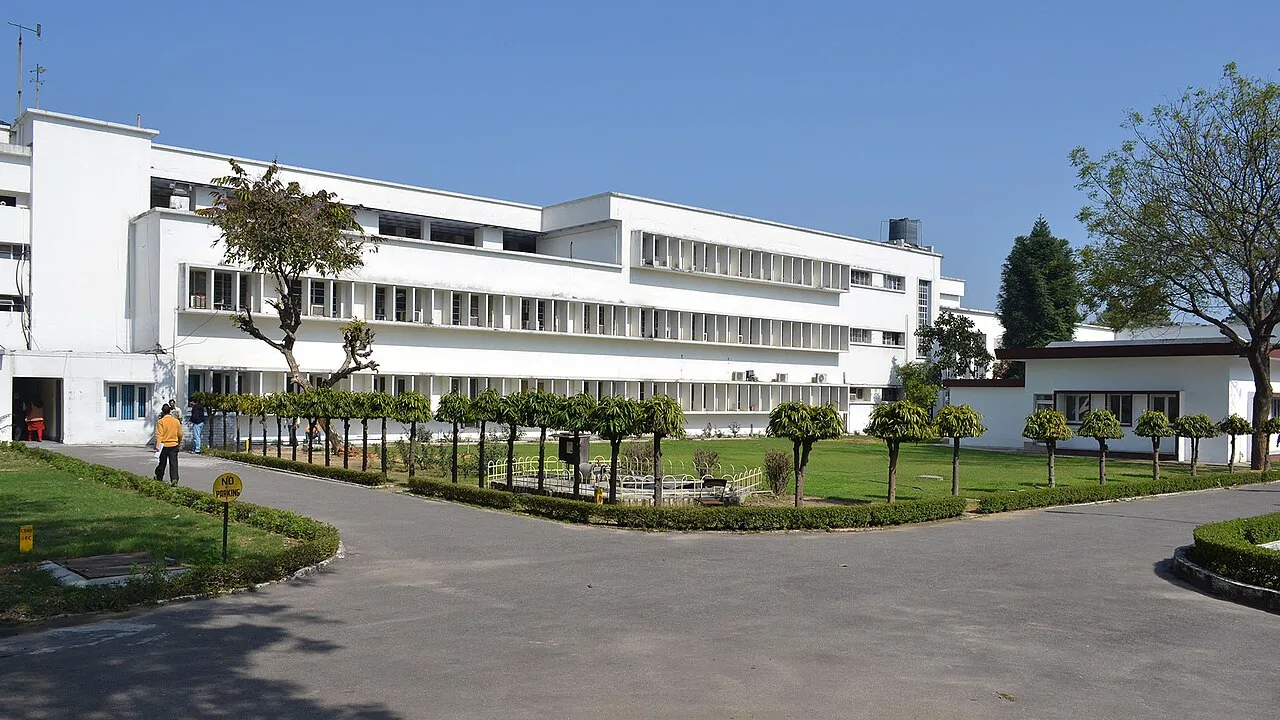
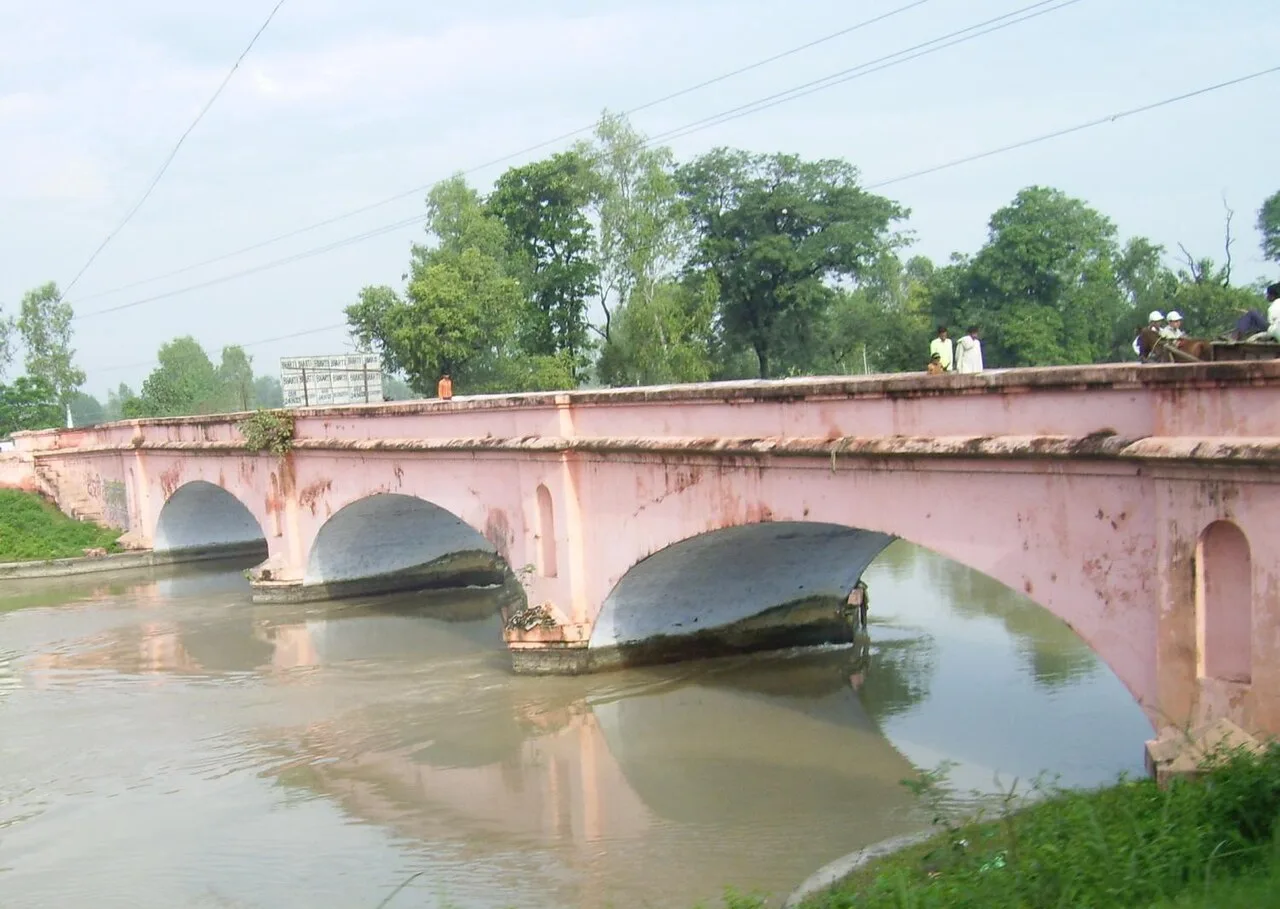
Once spelt Rurki in English, Roorkee is a city and municipal corporation in Haridwar district, Uttarakhand. It stands 31 km from Haridwar, the district headquarters, on flat land beneath the Sivalik Hills of the Himalayas. The Ganges Canal runs north to south through the city centre and is a prominent feature of Roorkee, which developed along its banks. Roorkee is home to the Indian Institute of Technology Roorkee, previously named Thomson College of Civil Engineering and Asia’s second engineering college. The city also has Roorkee Cantonment, among India’s oldest military establishments. The Bengal Engineer Group has been headquartered there since 1853. Uttarakhand, the Devbhumi or land of the gods, spans the Garhwal and Kumaon Himalaya: the Char Dham shrines and Panch Prayag confluences, Haridwar and Rishikesh on the Ganga, colonial hill stations such as Mussoorie, Nainital and Ranikhet, Corbett and Rajaji tiger reserves, the alpine Valley of Flowers, and Garhwali, Kumaoni, Jaunsari and Bhotiya communities with their folk songs, temple fairs and Aipan art. The plains around Haridwar and Udham Singh Nagar are hot from April to June; hill towns stay mild in summer and cold in winter, with snow above about 2,000 m from December to February. The monsoon (July to September) brings heavy rain, landslides and frequent road closures. High shrines such as Kedarnath and Badrinath open only from about late April or May until around Diwali. The usual best time to visit is March to June and September to November; December to February for snow in the hills; July to September only for the Valley of Flowers. Timings, fees and access arrangements must be confirmed locally. For official information, see Uttarakhand Tourism at https://uttarakhandtourism.gov.in.
Why it matters
Roorkee is an important regional city in Haridwar district, Uttarakhand, shaped by the Ganges Canal and its engineering heritage. The canal runs through the city and connects Roorkee with the history of large-scale irrigation in northern India. The city is home to the Indian Institute of Technology Roorkee, which began as a civil engineering college and remains a major centre for technical education and research. Roorkee is also associated with the Roorkee Cantonment and the Bengal Engineer Group, whose headquarters have been here since 1853, according to the existing guide. These institutions give the city a distinctive educational and military character. No UNESCO or ASI-protected status is asserted here for Roorkee as a destination.
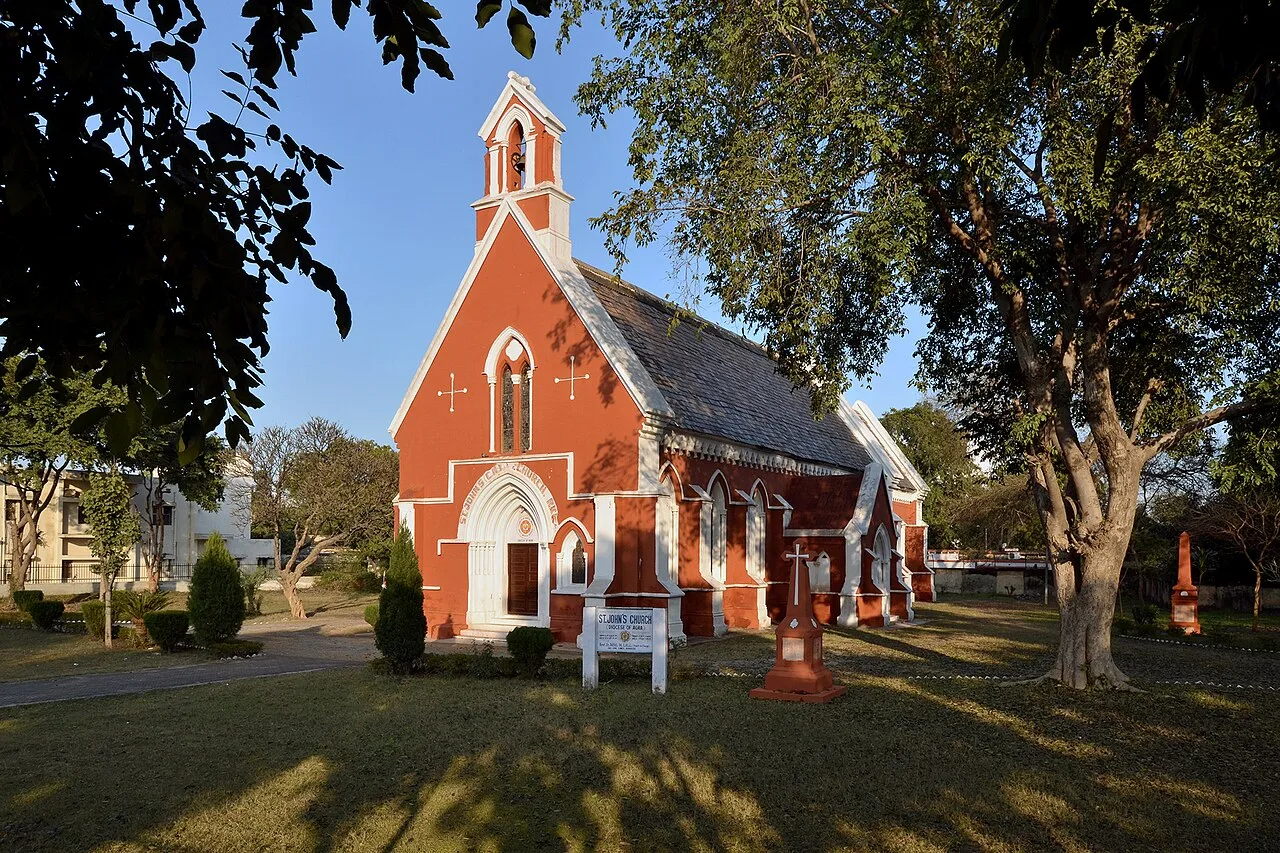
Roorkee, also formerly written as Rurki, grew from a settlement in the region that is now Haridwar district. Its development changed significantly with the Upper Ganges Canal, planned and built under British rule under the direction of engineer Proby Cautley. Opened in 1854, the canal brought irrigation infrastructure to the surrounding plains and made Roorkee an important centre for canal engineering and administration. The College of Civil Engineering was established in Roorkee in 1847 to train engineers for public works; it later became known as Thomason College of Civil Engineering. The institution developed through later changes in status and is now IIT Roorkee. The city also became associated with the Roorkee Cantonment and the Bengal Engineer Group, whose headquarters have been based here since 1853. Together, the canal, engineering institution and military establishment helped shape Roorkee’s growth and identity. The canal remains a prominent feature of the city, while the institute and cantonment continue to influence its civic life. Access to institutional or military premises may be restricted, so visitors should check arrangements rather than assume they can enter.
Use Roorkee as a base to understand local life: walk through the market, look for local crafts such as Dehradun basmati rice, rudraksha beads and brassware in Haridwar, Garhwali woollens and local pulses, honey and rhododendron squash and ask your host about nearby viewpoints and short excursions. Always ask before photographing people, homes or ceremonies. A comfortable itinerary is one main visit in the morning, a local meal at midday and a short nearby stop before an afternoon return. In the hot months, plan outdoor sightseeing for early morning and late afternoon; the Ganga aarti at dusk is the highlight of a day in Haridwar or Rishikesh. Use the district list on this site to find other places in Haridwar, but check the route and its condition before combining stops. If a festival is on — such as the Kumbh and Ardh Kumbh at Haridwar, the Kanwar Yatra in July, Ganga Dussehra, the Nanda Devi Raj Jat, Phool Dei and Harela, or the Uttarayani fair at Bageshwar — roads and stays can be busy, and the experience can be unforgettable. Leave no litter: many sites are protected by the communities around them.
Suggested itineraries
Half day: Market walk (about 1–2 hours), then a visit to an accessible public stretch of the Ganges Canal (about 1 hour); view IIT Roorkee from areas open to visitors, if access is permitted. Full day: Morning canal-side visit and market walk (about 2–3 hours), local lunch, then an afternoon visit to Piran Kaliyar Sharif or another nearby stop (allow several hours including travel); return to Roorkee. Gentler option: Choose one central market or canal-side stop, use an auto or taxi between points, and plan frequent rests in shaded or indoor places.
Roorkee’s culture reflects its position in the plains of Uttarakhand and its links with Haridwar, nearby towns and the wider state. Hindi is widely used; Urdu and regional languages may also be heard in the city and its communities. Everyday life centres on markets, educational institutions, neighbourhood places of worship and family gatherings. Hindu festivals such as Holi and Diwali are observed, alongside Eid and other occasions celebrated by local communities. Garhwali and Kumaoni music, food and customs are part of the wider regional culture, though Roorkee is a mixed urban centre rather than a single folk-culture destination. Ask permission before photographing people, homes or religious observances.
Festivals & events
Holi and Diwali bring neighbourhood celebrations and busy shopping areas; Eid is observed by Muslim communities in the city. Around Haridwar, Ganga Dussehra and the Kumbh or Ardh Kumbh draw pilgrims, while the Kanwar Yatra, usually during the monsoon season, brings large numbers of devotees onto regional roads. These events are associated chiefly with Haridwar and the wider district, not exclusively with Roorkee. Traffic, road access and accommodation can become crowded during major pilgrimage periods. Check local advisories before travelling, and be considerate around ceremonies and places of worship.
Local food in Uttarakhand includes kafuli (spinach curry), phaanu and chainsoo (lentil dishes), aloo ke gutke, bhatt ki churkani, mandua (finger-millet) rotis, jhangora kheer, singori and bal mithai from Almora, with rhododendron (buransh) squash in spring. Ask what is fresh that day; many small eateries cook a limited daily menu. Haridwar is strictly vegetarian and alcohol-free; its old bazaars are famous for kachori, aloo puri and lassi, while Dehradun has bakeries, momos and Tibetan food around the Clock Tower and Rajpur Road. Remote sites may have no restaurant at all. Carry water and snacks, eat a proper breakfast before long drives, and ask your accommodation for a packed lunch if you are heading out early. Try a home-cooked or local thali meal when you can — it is often the best food on the route. Choose busy, clean places, drink sealed or filtered water, and carry your packaging back with you.
Shopping & local experiences
Roorkee’s markets are practical places to browse for everyday goods, snacks, sweets and locally sold food products. Look for regional pulses, honey or seasonal produce where available, and ask sellers about their origin rather than assuming an item is made locally. The wider Haridwar area is known for religious-market goods such as rudraksha beads and brassware, but these may be sourced from elsewhere. Garhwali woollens and other Uttarakhand products can be easier to find in regional markets than in Roorkee itself. Choose reusable bags and ask before photographing stalls or vendors.
March to June and September to November; December to February for snow in the hills; July to September only for the Valley of Flowers
The nearest principal railway station by straight-line distance is Roorkee, roughly 1 km away. The nearest operating airport by straight-line distance is Jolly Grant Airport, Dehradun, roughly 45 km away. These figures are calculated from map coordinates — actual road distance is longer. Haridwar, Rishikesh (Yog Nagari Rishikesh) and Dehradun stations and Dehradun's Jolly Grant Airport are the gateways to Garhwal; Kathgodam station and Pantnagar Airport serve Kumaon; Ramnagar station serves Corbett. Beyond these, travel is by road. Within Haridwar and Dehradun, e-rickshaws, autos, city buses and app cabs cover short hops; allow extra time during the Kanwar Yatra, Kumbh and holiday weekends, when traffic is heavily restricted. When comparing train, bus and flight, count the complete door-to-door time: a flight saves the most time only if the onward road transfer is short, while an overnight train can save a hotel night. Haridwar and Dehradun are well linked by overnight trains, Shatabdi and Vande Bharat services from Delhi, and Dehradun's Jolly Grant Airport has direct flights from several metros; a fast train is often quicker door to door than flying. Book your return before you leave, because seats fill quickly on weekends, festivals and holidays. Current train numbers, timings, return services and fares are not listed here; check IRCTC and NTES for trains and the airline's own schedule for flights. No permit is needed for most of Uttarakhand, but Char Dham pilgrims (Yamunotri, Gangotri, Kedarnath and Badrinath) and Hemkund Sahib pilgrims must register online with Uttarakhand Tourism before travelling, and areas near the Tibet border such as Adi Kailash, Om Parvat, Niti and Nelong valleys need an Inner Line Permit.
Confirm onward and return timings on IRCTC / NTES, the state bus operator or your airline before travel. A dash means current timings or fares have not been verified.
Getting around
Roorkee railway station is close to the city centre, and autos and e-rickshaws are commonly used for local trips. Taxis and local buses can help with journeys to nearby towns and attractions; confirm the route and drop-off point before travelling. Walking works for short trips in central areas, but traffic, uneven pavements and exposed canal-side paths can make some routes less comfortable. Ask locally about safe public access along the canal. If driving, check parking availability near your destination and allow extra time during pilgrimage periods and busy weekends.
Hours, tickets & permissions
Roorkee is a city rather than a single ticketed attraction, so entry rules depend on where you plan to go. Public roads and market areas can generally be visited without a site ticket, but IIT Roorkee grounds, military premises and other managed facilities may restrict entry or require prior permission and identification. Religious sites may have their own visitor and photography rules. Confirm current hours, fees and access arrangements with the relevant managing authority before setting out; do not assume campus or cantonment access is open to visitors.
Facilities
Roorkee has ordinary city facilities, including shops, eateries, accommodation, banks and ATMs; availability varies by neighbourhood. Toilets and drinking water are more likely to be found in restaurants, larger institutions or managed visitor facilities than along canal paths, so check locally and carry water. Food options range from everyday North Indian meals to snacks and sweets. Parking may be available near some destinations, but can be limited in busy market areas. Guided visits are not guaranteed, particularly at the institute or cantonment; arrange access through the relevant authority where needed.
Accessibility
Roorkee lies on generally flat terrain, which can make short city journeys easier than routes in hill towns. However, pavements may be uneven or interrupted, and market streets can be crowded. Canal banks and waterside paths vary in surface and may have unguarded edges, steps or other obstacles; inspect the route before walking. Do not assume that public buildings or institutional grounds have ramps, lifts or accessible toilets. Wheelchair and stroller access will depend on the specific destination and entrance. Older visitors may find autos useful for reducing walking, and should allow time for rests, shade and road crossings.
No permit is needed for most of Uttarakhand, but Char Dham pilgrims (Yamunotri, Gangotri, Kedarnath and Badrinath) and Hemkund Sahib pilgrims must register online with Uttarakhand Tourism before travelling, and areas near the Tibet border such as Adi Kailash, Om Parvat, Niti and Nelong valleys need an Inner Line Permit. Carry a photo ID at all times and save the emergency number 112 and your accommodation's contact offline. Summer heat is the main weather risk — carry water, wear a hat and avoid the midday sun; in the monsoon, allow extra time when roads flood. Watch your belongings in crowds and on public transport, and follow posted instructions.
Photography
Soft morning or late-afternoon light can work well for city streets and publicly accessible views of the Ganges Canal. Photograph only from safe, permitted public areas and avoid standing close to the water’s edge. Rules can differ on IIT Roorkee grounds, at the cantonment and at religious sites; ask before taking photographs there. Drone use may be restricted, especially near military or institutional premises, so check current regulations and permissions first. Always seek consent before photographing people, homes, worshippers or ceremonies, and follow any instructions from site staff.
Choose a stay by the full journey to Roorkee, not just the district name. Haridwar has ashrams, dharamshalas and hotels near Har Ki Pauri; Dehradun has stays in every range along Rajpur Road and near the railway station. In summer, check air-conditioning; in the monsoon, check that the property is accessible if roads flood. Book in advance for weekends, festivals and the peak season (March to June and September to November; December to February for snow in the hills; July to September only for the Valley of Flowers). Confirm the exact location, meals included, check-in time and cancellation terms in writing. Avoid sending money to unverified contacts or touts at stations. Carry some cash, as card and digital payments can be unreliable in remote areas.
Haridwar, the district headquarters, is a major pilgrimage centre with Har Ki Pauri and the Ganga ghats. Piran Kaliyar Sharif, a significant Sufi shrine near Roorkee, is another regional visit; be mindful of worshippers and follow local customs. The Ganges Canal and the historic Solani Aqueduct are associated with the area’s canal-engineering story, though access should be checked locally. IIT Roorkee is a landmark of the city, but campus entry may be controlled. These stops have different access rules, so check routes and permissions before combining them in one day.
For couples, Roorkee rewards a slow pace: arrive early for soft light and fewer crowds, share a local meal and keep the evening free. The evening Ganga aarti at Har Ki Pauri, a walk among the Sal trees at the Forest Research Institute or a drive up to Mussoorie for sunset makes the trip memorable. Public displays of affection can be frowned upon in conservative communities and at religious sites, so be discreet. Keep a buffer in your itinerary, because weather and road conditions can delay plans.
Q: How much time should I allow for Roorkee? A: A half day can cover a market visit and a public canal-side walk; allow a full day if you want to add a nearby shrine or other stop. Q: When is a good season to visit? A: March to June and September to November are generally comfortable for travel in the region; summer afternoons can be hot and monsoon rain may affect roads. Q: Is there an entry fee to visit Roorkee? A: The city itself has no single entry gate, but individual institutions or managed sites may have rules, fees or permission requirements. Check with each authority. Q: Is Roorkee suitable for children and older visitors? A: It can be, especially with short outings and local transport, but watch children near canal edges and check walking surfaces and facilities in advance. Q: Where can I stay nearby? A: Roorkee has city accommodation, while Haridwar offers a wider range of stays. Book ahead during major pilgrimage periods and check the location against your travel plans.
Be the first to share photos, stories, advice or a helpful contact for Roorkee.
Loading…