
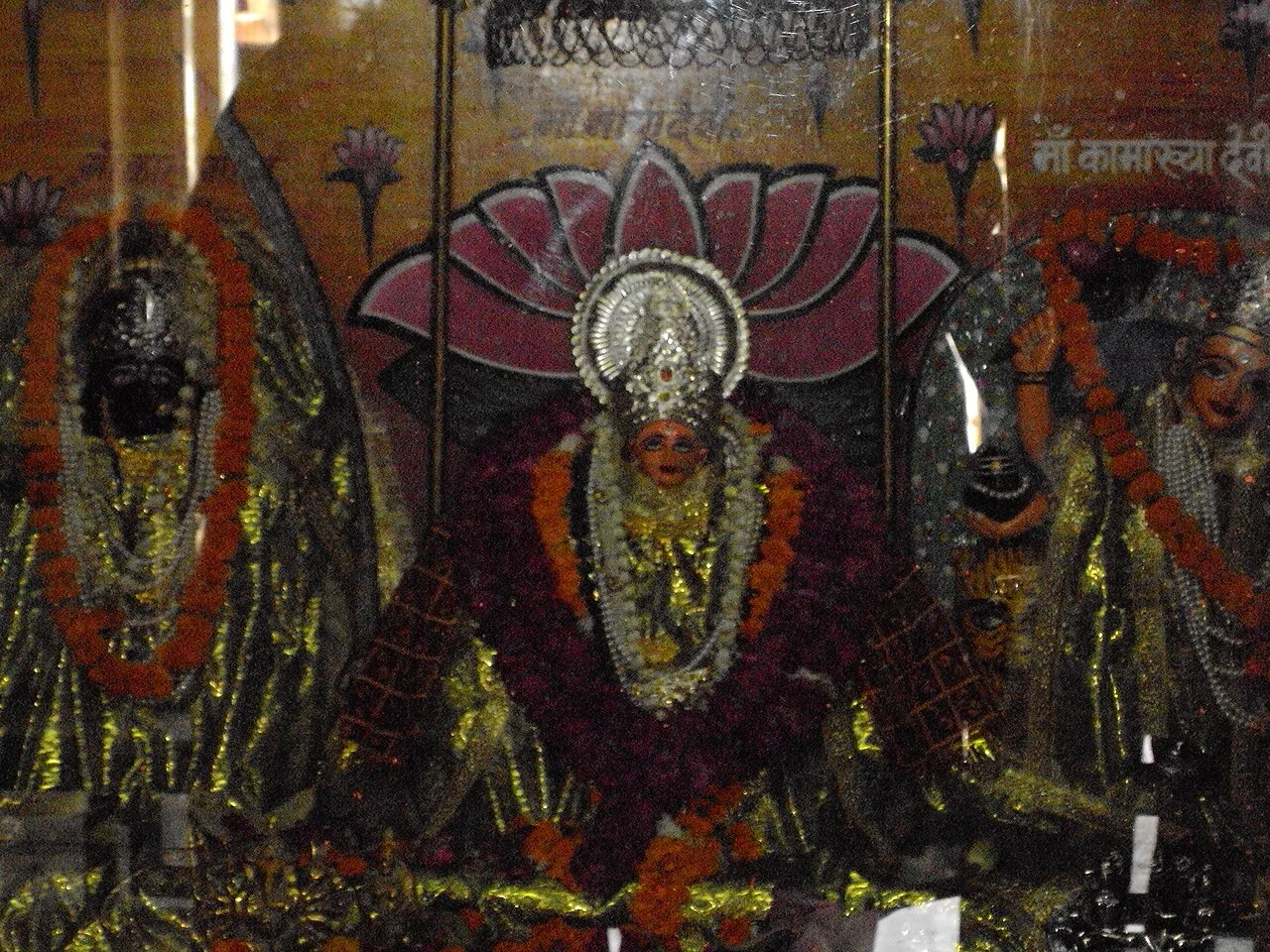
Maya Devi Temple
Maya Devi Temple is a shrine to Maya in Haridwar, Uttarakhand. Visitors come to worship at a site regarded as a Shakta pitha and one of the city’s three siddha pithas.
Key facts · verified by Ghumoopedia editors
- Type of place
- Temple / pilgrimage site
- Best time to visit
- March to June and September to November; December to February for snow in the hills; July to September only for the Valley of Flowers
- Nearest railway station
- Haridwar Junction · about 0 km (straight line)
- Verified
- 21 Nov 2026
Plan a trip from Maya Devi Temple — a day-by-day route through places nearby.
Maya Devi Temple stands in Haridwar district, Uttarakhand, and honours the goddess Maya. Religious tradition says Sati’s heart and navel came to rest at the place occupied by the shrine; this association leads some to identify it as a Shakta pitha. At the temple, Maya is depicted with three heads and four arms. She is considered an incarnation of Shakti and serves as Haridwar’s presiding deity. The city was formerly known as Mayapuri, a name reflecting reverence for her. The shrine is also a siddha pitha, meaning a place of worship where devotees believe wishes can be fulfilled. It is among Haridwar’s three such pithas; the others are Chandi Devi Temple and Mansa Devi Temple. Uttarakhand, the Devbhumi or land of the gods, spans the Garhwal and Kumaon Himalaya: the Char Dham shrines and Panch Prayag confluences, Haridwar and Rishikesh on the Ganga, colonial hill stations such as Mussoorie, Nainital and Ranikhet, Corbett and Rajaji tiger reserves, the alpine Valley of Flowers, and Garhwali, Kumaoni, Jaunsari and Bhotiya communities with their folk songs, temple fairs and Aipan art. The plains around Haridwar and Udham Singh Nagar are hot from April to June; hill towns stay mild in summer and cold in winter, with snow above about 2,000 m from December to February. The monsoon (July to September) brings heavy rain, landslides and frequent road closures. High shrines such as Kedarnath and Badrinath open only from about late April or May until around Diwali. The usual best time to visit is March to June and September to November; December to February for snow in the hills; July to September only for the Valley of Flowers. Timings, fees and access arrangements must be confirmed locally. For official information, see Uttarakhand Tourism at https://uttarakhandtourism.gov.in.
Why it matters
Maya Devi Temple is an important Shakta shrine in Haridwar, Uttarakhand, dedicated to the goddess Maya. The temple is closely associated with the city’s sacred identity: Haridwar was formerly known as Mayapuri, a name traditionally linked to the goddess. Hindu tradition identifies the site as a Shakti pitha, where parts of Sati’s body are believed to have fallen. It is also regarded as one of Haridwar’s three siddha pithas, alongside Mansa Devi and Chandi Devi temples. These associations make it a place of pilgrimage for devotees as well as a point of interest for visitors exploring Haridwar’s religious history. No UNESCO or Archaeological Survey of India designation is asserted here; confirm any current protection status with the relevant authority.
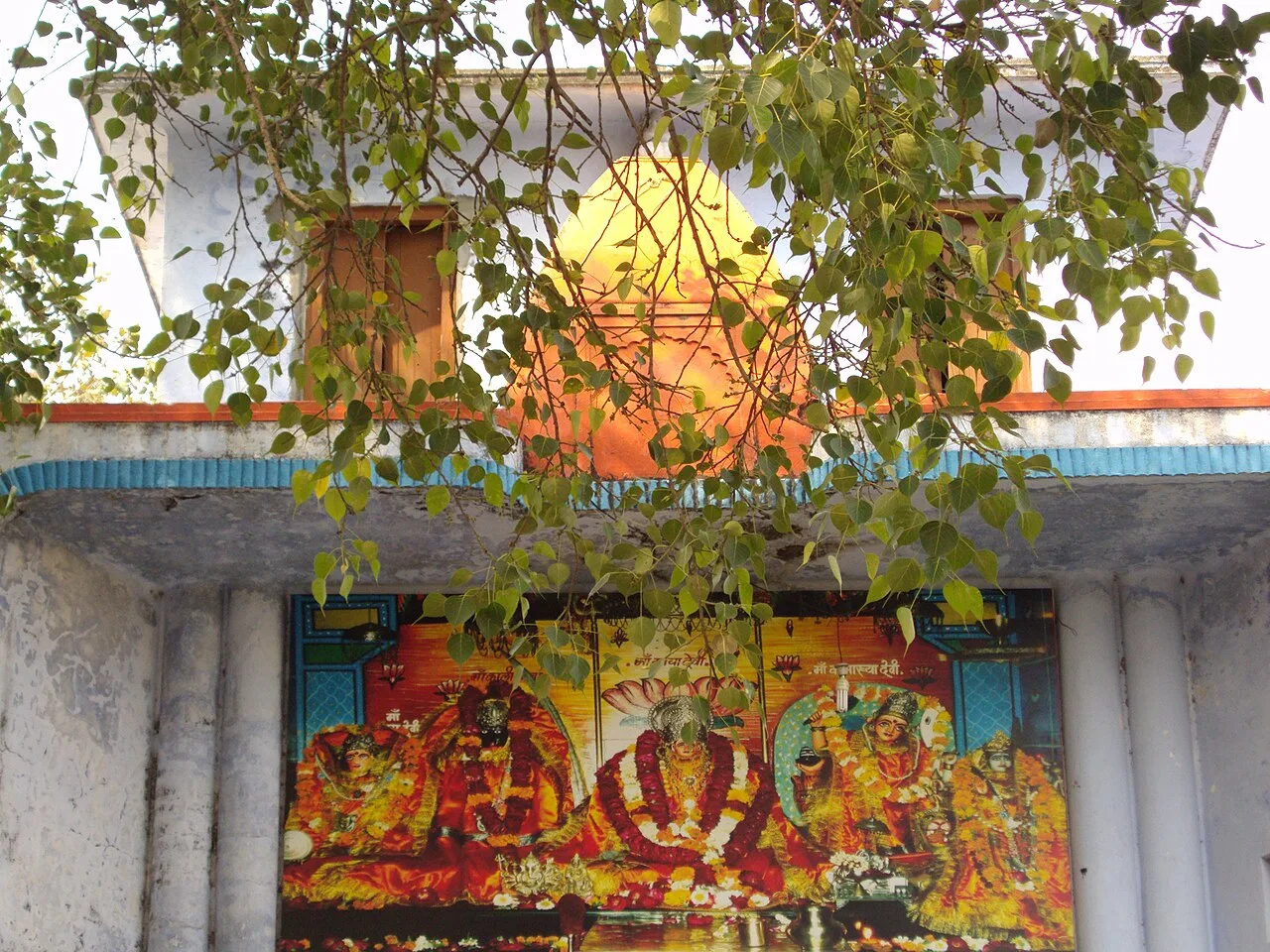
The temple’s beginnings are not documented in a securely established building record. It is widely described as an old shrine, and some accounts traditionally date it to the medieval period, but visitors should treat specific construction dates cautiously unless confirmed by a reliable local or heritage authority. The site’s religious importance is more firmly grounded in continuing Hindu tradition: Maya is regarded as the presiding goddess of Haridwar, and the city’s earlier name, Mayapuri, is associated with her worship. Over time, the temple became one of the three siddha pithas of Haridwar, alongside the shrines of Mansa Devi and Chandi Devi. Its history has therefore been shaped by pilgrimage, daily worship and the growth of Haridwar as a sacred centre on the Ganga. The temple remains an active place of worship rather than solely a historic monument.
Origin stories & folklore
According to local Hindu tradition, the heart and navel of the goddess Sati fell at the place where Maya Devi Temple now stands. This belief connects the shrine with the wider Shakti pitha tradition, in which sacred sites are associated with parts of Sati’s body. The temple’s goddess, Maya, is understood by devotees as a form or incarnation of Shakti, the divine feminine power. Haridwar’s former name, Mayapuri, is also traditionally explained through reverence for Maya. The shrine is additionally called a siddha pitha, a place where worshippers believe prayers and heartfelt wishes may be fulfilled. These are religious beliefs and local traditions, not claims that can be verified as historical events.
Architecture & design
Maya Devi Temple is a functioning Hindu shrine whose design serves worship and pilgrimage rather than monumental display. The visitor’s experience is centred on the principal deity and the inner worship space, with the temple precinct accommodating devotional visits and ritual activity. It is commonly described as an old temple, but a detailed, securely documented architectural chronology or named building style is not established in the main public account. Visitors can observe how the shrine’s compact sacred spaces guide movement from the entrance towards the deity, while priests and worshippers use the interior for darshan and offerings. Look for the temple’s images and shrine decorations, but remember that access to inner areas may be limited by ritual practice or crowd management. Do not assume that every surface, feature or material is original: active temples can undergo upkeep and change, and reliable public information on specific construction materials or engineering works is limited.
Important objects & sculptures
The principal focus is the image of Maya Devi, traditionally represented as a three-headed, four-armed goddess and understood as a form of Shakti. Accounts of the shrine also identify images of the goddesses Kali and Kamakhya. These sacred images are objects of worship, not museum exhibits, and their visibility may depend on ritual arrangements and the flow of visitors. Notice the offerings, flower garlands and devotional decorations around the shrine, which change with worship and festival observances. Visitors should not assume that inscriptions, a particular collection of antiquities or unrestricted access to the images are present. Follow the temple’s instructions about approaching, viewing or photographing sacred objects.
Religious significance
Maya Devi is worshipped as the presiding goddess of Haridwar and as an expression of Shakti, the divine feminine power. The temple’s association with the story of Sati gives it significance within Shakta pilgrimage traditions, while its standing as a siddha pitha draws worshippers who pray for blessings and the fulfilment of wishes. Visitors may encounter daily prayers, offerings and darshan, with practice shaped by the temple’s ritual schedule and crowd conditions. The shrine is one of three especially recognised pithas in Haridwar; the others are Mansa Devi Temple and Chandi Devi Temple. Customs and devotional meanings belong to worshippers and should be approached respectfully, whether or not a visitor shares the faith.
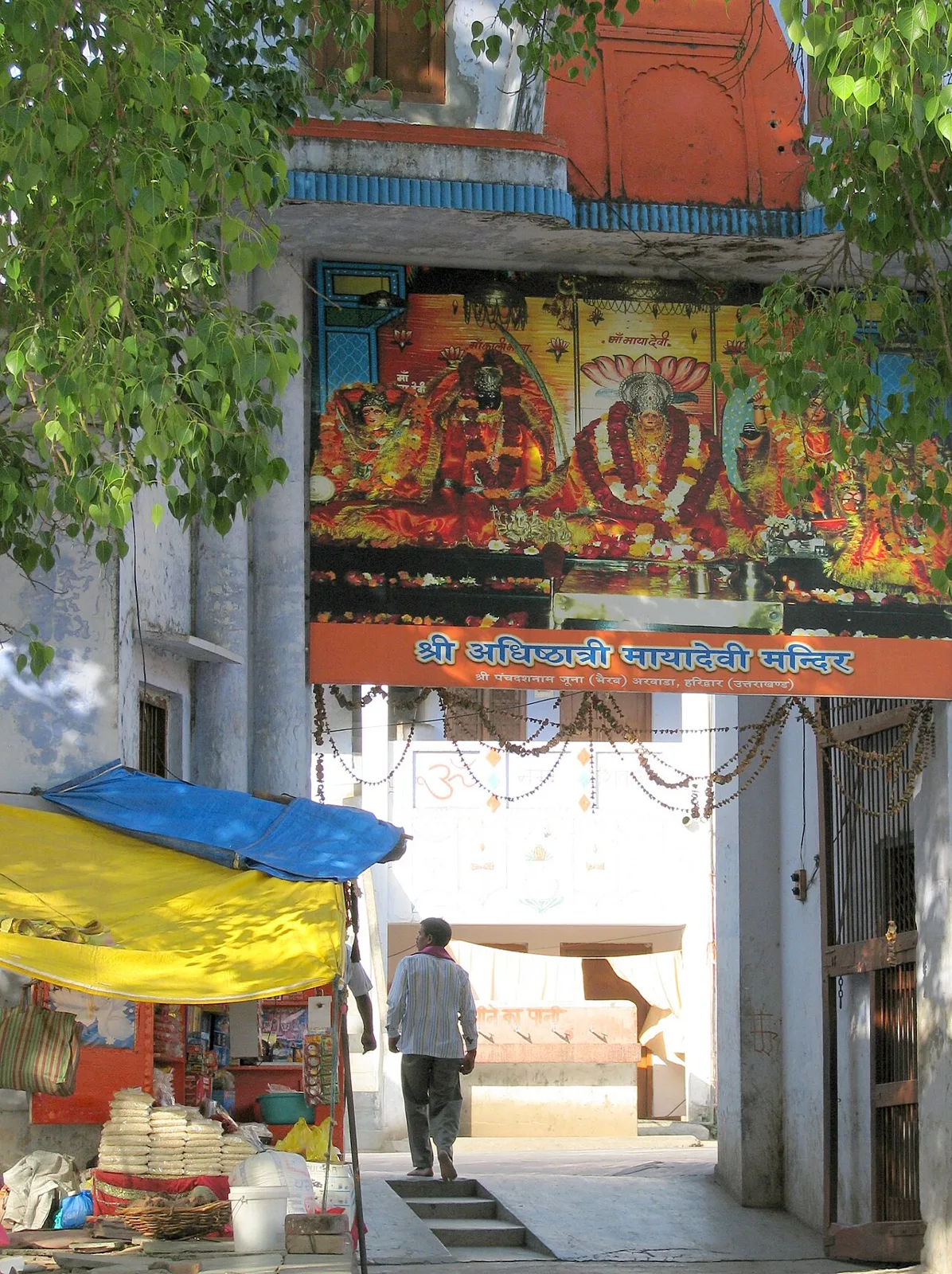
Visit Maya Devi Temple with time to observe daily prayers and rituals respectfully. Follow the posted rules on footwear, photography, phones and dress — large temples have separate darshan queues and paid special-entry tickets, and some prohibit phones and leather items inside. Beware of unofficial 'guides' or agents offering quick darshan for a fee. A comfortable itinerary is one main visit in the morning, a local meal at midday and a short nearby stop before an afternoon return. In the hot months, plan outdoor sightseeing for early morning and late afternoon; the Ganga aarti at dusk is the highlight of a day in Haridwar or Rishikesh. Use the district list on this site to find other places in Haridwar, but check the route and its condition before combining stops. If a festival is on — such as the Kumbh and Ardh Kumbh at Haridwar, the Kanwar Yatra in July, Ganga Dussehra, the Nanda Devi Raj Jat, Phool Dei and Harela, or the Uttarayani fair at Bageshwar — roads and stays can be busy, and the experience can be unforgettable. Leave no litter: many sites are protected by the communities around them.
Suggested itineraries
Half day: Visit Maya Devi Temple (about 1–2 hours), take a short break for a local meal, then visit Har Ki Pauri and the Ganga riverfront (about 1–2 hours). Full day: Begin at Maya Devi Temple, visit Mansa Devi Temple or Chandi Devi Temple, pause for lunch, explore Har Ki Pauri and nearby markets, then attend the Ganga aarti at dusk; allow extra time for queues and travel. Gentler option: Visit Maya Devi Temple at a quieter part of the day, rest nearby, and choose one accessible central stop rather than combining several temple visits.
The temple is part of Haridwar’s living pilgrimage culture, where worship, bathing and visits to nearby shrines form part of daily religious life. Hindi is widely used in the town, alongside other languages spoken by pilgrims and residents from across India. Devotees commonly visit with family, make offerings and observe local customs such as removing footwear before entering worship areas. During busy religious periods, devotional singing and chants may be heard, though arrangements vary. The temple is a sacred place, not a performance venue; visitors should avoid treating prayers or worshippers as spectacle. Haridwar’s broader cultural life also includes Ganga-side rituals, religious markets and gatherings shaped by pilgrims and local communities.
Festivals & events
Navratri, observed in spring and autumn, is especially relevant to a goddess shrine and may bring increased worship and visitor numbers. Haridwar’s major citywide occasions include Ganga Dussehra and the Kumbh and Ardh Kumbh gatherings, whose timing follows the religious calendar rather than a fixed annual date. The Kanwar Yatra, usually associated with the monsoon season, can bring large numbers of pilgrims and substantial traffic restrictions. These events affect the wider city, even when a particular ceremony is not held inside the temple. Expect queues and busy streets during major observances; check local arrangements before travelling.
Local food in Uttarakhand includes kafuli (spinach curry), phaanu and chainsoo (lentil dishes), aloo ke gutke, bhatt ki churkani, mandua (finger-millet) rotis, jhangora kheer, singori and bal mithai from Almora, with rhododendron (buransh) squash in spring. Ask what is fresh that day; many small eateries cook a limited daily menu. Haridwar is strictly vegetarian and alcohol-free; its old bazaars are famous for kachori, aloo puri and lassi, while Dehradun has bakeries, momos and Tibetan food around the Clock Tower and Rajpur Road. Remote sites may have no restaurant at all. Carry water and snacks, eat a proper breakfast before long drives, and ask your accommodation for a packed lunch if you are heading out early. If prasad is offered, accept it according to local custom. Choose busy, clean places, drink sealed or filtered water, and carry your packaging back with you.
Shopping & local experiences
Markets in central Haridwar offer devotional items such as flowers, prayer beads, small images, incense and other offerings; availability and quality vary. Moti Bazaar and Bara Bazaar are established areas to explore for religious goods, souvenirs and everyday shopping. Look for locally made or regionally sourced items, and ask about materials and origin if that matters to you. Street food and simple vegetarian meals are part of the town experience; choose busy, clean-looking vendors and observe local customs. Keep purchases modest and avoid buying wildlife products or items of doubtful origin.
March to June and September to November; December to February for snow in the hills; July to September only for the Valley of Flowers
The nearest principal railway station by straight-line distance is Haridwar Junction, roughly 0 km away. The nearest operating airport by straight-line distance is Jolly Grant Airport, Dehradun, roughly 27 km away. These figures are calculated from map coordinates — actual road distance is longer. Haridwar, Rishikesh (Yog Nagari Rishikesh) and Dehradun stations and Dehradun's Jolly Grant Airport are the gateways to Garhwal; Kathgodam station and Pantnagar Airport serve Kumaon; Ramnagar station serves Corbett. Beyond these, travel is by road. Within Haridwar and Dehradun, e-rickshaws, autos, city buses and app cabs cover short hops; allow extra time during the Kanwar Yatra, Kumbh and holiday weekends, when traffic is heavily restricted. When comparing train, bus and flight, count the complete door-to-door time: a flight saves the most time only if the onward road transfer is short, while an overnight train can save a hotel night. Haridwar and Dehradun are well linked by overnight trains, Shatabdi and Vande Bharat services from Delhi, and Dehradun's Jolly Grant Airport has direct flights from several metros; a fast train is often quicker door to door than flying. Book your return before you leave, because seats fill quickly on weekends, festivals and holidays. Current train numbers, timings, return services and fares are not listed here; check IRCTC and NTES for trains and the airline's own schedule for flights. No permit is needed for most of Uttarakhand, but Char Dham pilgrims (Yamunotri, Gangotri, Kedarnath and Badrinath) and Hemkund Sahib pilgrims must register online with Uttarakhand Tourism before travelling, and areas near the Tibet border such as Adi Kailash, Om Parvat, Niti and Nelong valleys need an Inner Line Permit.
Confirm onward and return timings on IRCTC / NTES, the state bus operator or your airline before travel. A dash means current timings or fares have not been verified.
Getting around
Haridwar Junction is the principal rail gateway for the town, and the temple is within the urban area. Depending on where you arrive or stay, reach it on foot, by auto-rickshaw, e-rickshaw or taxi; local buses serve parts of Haridwar but may not be the simplest option for the final approach. Streets near religious sites can be congested, and vehicles may be restricted during festivals or pilgrimage surges. Ask locally about suitable drop-off points and parking, as spaces and access can vary. Walking is practical for nearby central attractions, but account for crowds, uneven pavements and heat.
Hours, tickets & permissions
Entry arrangements can change with worship, festivals, security needs and crowd management. Darshan may follow a queue, and access to particular areas can be restricted during rituals. Do not assume that general entry, special-entry arrangements, photography permissions or any applicable fees remain constant. Ask the temple’s managing authority or check current notices locally before setting out, and confirm current opening and closing hours and any fees directly with that authority. During major religious gatherings, allow for additional waiting and follow staff directions.
Facilities
Facilities within the temple precinct may be limited and can vary with crowd conditions. Footwear arrangements are usually available near the entrance, but confirm how belongings are managed before leaving valuables. Public toilets, drinking water, simple food and shops can generally be found in the wider Haridwar area; check locally for the nearest suitable options. Parking may be difficult near busy religious sites, particularly during festivals. ATMs and a wider range of food and services are available in town. Do not assume that official guides, lockers, seating or dedicated assistance are provided inside the temple.
Accessibility
The temple is in a busy urban setting, where the approach may involve crowded streets, uneven surfaces and short stretches on foot. Conditions inside can be tight when queues are long, and there may be steps or level changes; confirm current access arrangements locally rather than assuming a step-free route. Wheelchair and stroller access may therefore be difficult, especially during peak periods. Older visitors or anyone with limited stamina may prefer to visit when crowds are lighter, travel with a companion and take breaks nearby. Shade and seating can be limited around the approach, so plan for heat and carry water where permitted.
No permit is needed for most of Uttarakhand, but Char Dham pilgrims (Yamunotri, Gangotri, Kedarnath and Badrinath) and Hemkund Sahib pilgrims must register online with Uttarakhand Tourism before travelling, and areas near the Tibet border such as Adi Kailash, Om Parvat, Niti and Nelong valleys need an Inner Line Permit. Carry a photo ID at all times and save the emergency number 112 and your accommodation's contact offline. Summer heat is the main weather risk — carry water, wear a hat and avoid the midday sun; in the monsoon, allow extra time when roads flood. Watch your belongings in crowds and on public transport, and follow posted instructions.
Visitor rules
Remove footwear where instructed and follow signs or staff directions about entry, queues and restricted areas. Wear respectful clothing suitable for a place of worship; specific dress rules should be checked locally. Keep voices low, do not interrupt prayers, and ask before approaching priests or worshippers. Avoid littering and use bins where provided; single-use plastic may be restricted in parts of Haridwar. Do not touch sacred images, offerings or ritual objects unless invited. Follow posted rules on phones, bags and belongings, as security arrangements can change during crowded periods.
Photography
Photography rules may differ between the outer precinct and worship spaces, and photography of the deity or during rituals may be restricted. Check posted notices and ask temple staff before taking pictures; if uncertain, keep your phone or camera away. Early or quieter daylight can make the approach and surrounding streets easier to photograph, but the temple is an active place of worship rather than a staged viewpoint. Do not photograph worshippers, priests or children without consent. Drone use near religious sites and crowded areas may be restricted by local or aviation rules; do not fly one without checking applicable permissions.
Choose a stay by the full journey to Maya Devi Temple, not just the district name. Haridwar has ashrams, dharamshalas and hotels near Har Ki Pauri; Dehradun has stays in every range along Rajpur Road and near the railway station. In summer, check air-conditioning; in the monsoon, check that the property is accessible if roads flood. Book in advance for weekends, festivals and the peak season (March to June and September to November; December to February for snow in the hills; July to September only for the Valley of Flowers). Confirm the exact location, meals included, check-in time and cancellation terms in writing. Avoid sending money to unverified contacts or touts at stations. Carry some cash, as card and digital payments can be unreliable in remote areas.
Har Ki Pauri, a major Ganga riverfront and pilgrimage landmark, is a natural nearby stop. Mansa Devi Temple and Chandi Devi Temple are the other two pithas commonly associated with Haridwar and can be considered on a longer visit, subject to queues and access conditions. Bharat Mata Mandir is another established attraction in Haridwar. Rishikesh, farther along the Ganga, offers riverfront and ashram visits and is often paired with Haridwar by travellers. Check routes and current traffic before combining sites; festival processions and pilgrimage crowds can change journey times and access.
For couples, Maya Devi Temple rewards a slow pace: arrive early for soft light and fewer crowds, share a local meal and keep the evening free. The evening Ganga aarti at Har Ki Pauri, a walk among the Sal trees at the Forest Research Institute or a drive up to Mussoorie for sunset makes the trip memorable. Public displays of affection can be frowned upon in conservative communities and at religious sites, so be discreet. Keep a buffer in your itinerary, because weather and road conditions can delay plans.
Q: How much time should I allow for Maya Devi Temple? A: Allow around one to two hours for a visit, with extra time during festivals or crowded periods. Q: When is a good season to visit? A: March to June and September to November are generally suitable for Haridwar; summer afternoons can be hot, and festival periods are busier. Q: Is entry free, and do I need to arrange anything in advance? A: Entry and any special arrangements can change. Check current rules and any applicable fees with the temple authority before visiting. Q: Can children and elderly visitors visit? A: Yes, but crowds, walking and possible steps may be tiring. Visit at a quieter time, stay together and check access conditions locally. Q: Where can I stay nearby? A: Haridwar has a range of accommodation in town, including options around central areas and transport links. Choose based on mobility needs and confirm location and availability before travel.
Be the first to share photos, stories, advice or a helpful contact for Maya Devi Temple.
Loading…