
Mansa Devi Temple
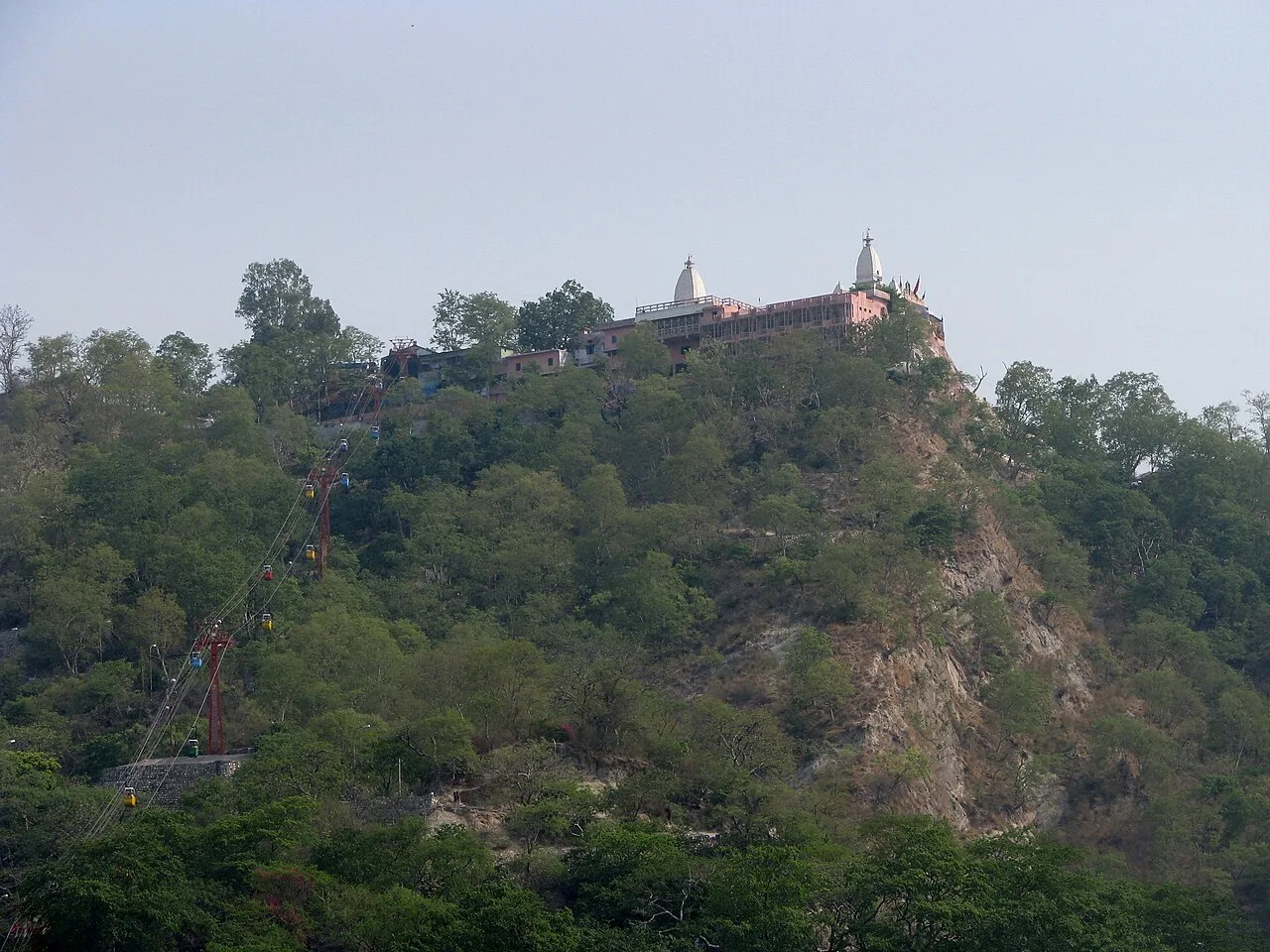
Mansa Devi Temple is a shrine to the goddess Mansa Devi on Bilwa Parvat in Haridwar. Pilgrims visit to worship her, seek the fulfilment of wishes and take part in temple customs.
Key facts · verified by Ghumoopedia editors
- Type of place
- Temple / pilgrimage site
- Best time to visit
- March to June and September to November; December to February for snow in the hills; July to September only for the Valley of Flowers
- Nearest railway station
- Haridwar Junction · about 1 km (straight line)
- Verified
- 21 Nov 2026
Plan a trip from Mansa Devi Temple — a day-by-day route through places nearby.
Mansa Devi Temple stands in Haridwar district, Uttarakhand, and is devoted to the goddess Mansa Devi. Its site is on Bilwa Parvat, within the Sivalik Hills, the southernmost range of the Himalayas. Also known as Bilwa Tirth, it is among Haridwar’s Panch Tirth, or five pilgrimage places. This designation places the temple among five recognised sacred destinations in the city. It is regarded as the abode of Mansa Devi, a manifestation of Shakti. Accounts say she arose from Shiva’s mind; she is also described as the sister of the serpent Nāga Vasuki and, in another belief, as Shiva’s daughter in human form. The name Mansa is associated with the meaning wish, and devotees believe that sincere prayers to the goddess may be answered. A traditional story describes Mansa as an ordinary girl who was unaware of her true identity, having been kept in ignorance by her guardians. She sought to meet Shiva and undertook Sadhana for many years. At last, she met him and learned her origins. The story relates that this discovery brought her powers to become a goddess working for the welfare of the world. This account connects her spiritual discipline with the revelation of her identity and her divine role. People who pray for a wish to come true tie threads to branches of a tree at the temple. After they believe their wish has been fulfilled, they return to remove the thread. Worshippers may also offer coconuts, fruit, garlands and incense. Mansa Devi is considered one of Haridwar’s Siddh Peeth, shrines believed to fulfil devotees’ desires. The other two in the city are Chandi Devi Temple and Maya Devi Temple. The inner shrine contains two images: one depicts the goddess with eight arms, while the other has three heads and five arms. Uttarakhand, the Devbhumi or land of the gods, spans the Garhwal and Kumaon Himalaya: the Char Dham shrines and Panch Prayag confluences, Haridwar and Rishikesh on the Ganga, colonial hill stations such as Mussoorie, Nainital and Ranikhet, Corbett and Rajaji tiger reserves, the alpine Valley of Flowers, and Garhwali, Kumaoni, Jaunsari and Bhotiya communities with their folk songs, temple fairs and Aipan art. The plains around Haridwar and Udham Singh Nagar are hot from April to June; hill towns stay mild in summer and cold in winter, with snow above about 2,000 m from December to February. The monsoon (July to September) brings heavy rain, landslides and frequent road closures. High shrines such as Kedarnath and Badrinath open only from about late April or May until around Diwali. The usual best time to visit is March to June and September to November; December to February for snow in the hills; July to September only for the Valley of Flowers. Timings, fees and access arrangements must be confirmed locally. For official information, see Uttarakhand Tourism at https://uttarakhandtourism.gov.in.
Why it matters
Mansa Devi Temple is an important Hindu pilgrimage site in Haridwar, a sacred city on the Ganga in Uttarakhand. Dedicated to Mansa Devi, it stands on Bilwa Parvat in the Sivalik Hills and is counted among Haridwar’s Panch Tirth, or five pilgrimage sites. It is also regarded as a Siddh Peeth, a place where devotees traditionally seek the fulfilment of sincere wishes. The temple is one of three Siddh Peeths associated with Haridwar, alongside Chandi Devi Temple and Maya Devi Temple. Its importance is principally religious and regional, drawing worshippers from across Uttarakhand and other parts of India. No UNESCO or Archaeological Survey of India recognition is asserted here; visitors seeking formal heritage status should consult the relevant authorities.
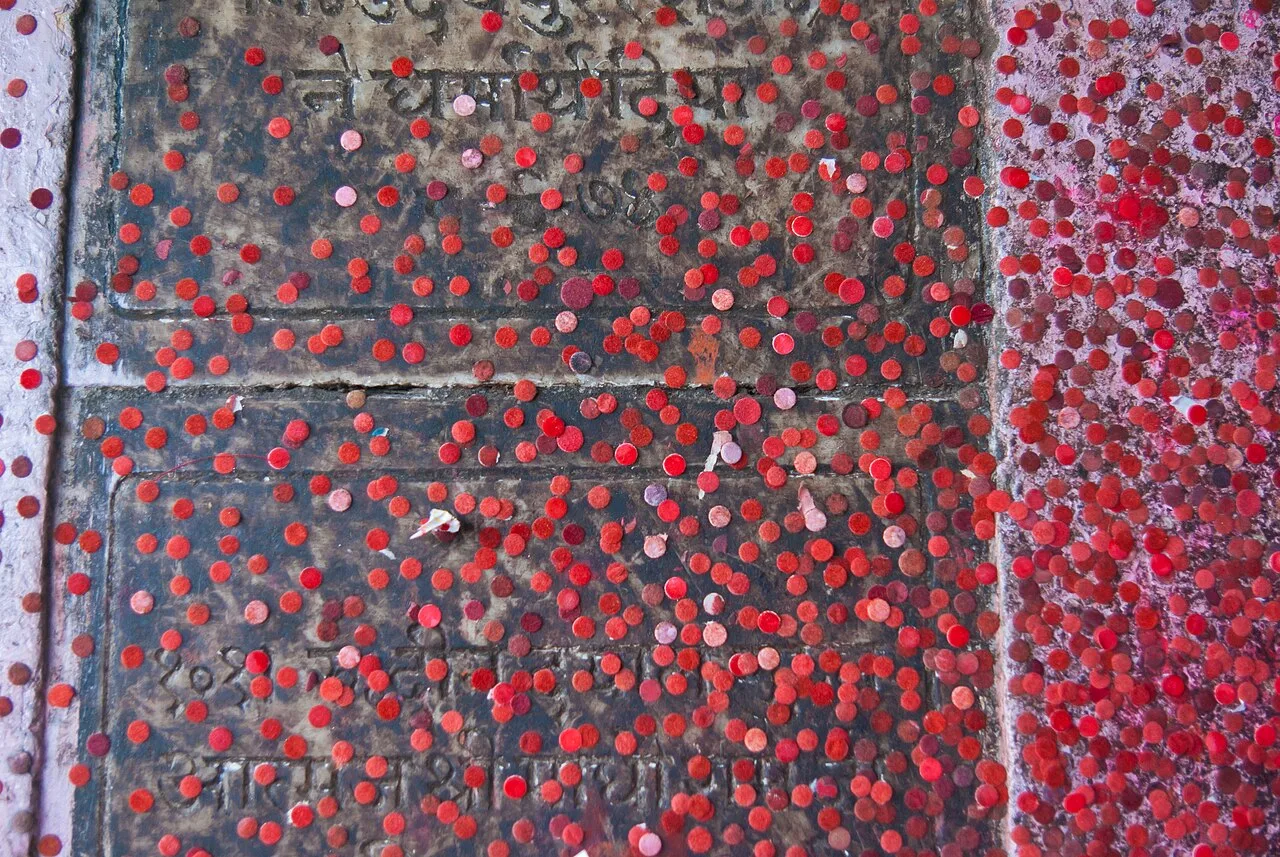
It is traditionally identified as the abode of Mansa Devi on Bilwa Parvat, and the hill is also known in pilgrimage accounts as Bilwa Tirth. Its place within the Panch Tirth and its standing as a Siddh Peeth reflect the importance of the shrine in Haridwar’s sacred geography. The temple has continued to serve as a destination for worshippers who come to pray, make offerings and seek blessings. The practice of tying a thread to a tree as a vow, and returning to untie it after a wish is fulfilled, is part of its living devotional tradition. Access to the hill has changed with the development of visitor infrastructure, including a ropeway service when operating, as well as the traditional uphill approach. The present temple is best understood as a living place of worship rather than a monument with a fully documented construction history.
Origin stories & folklore
According to local tradition, Mansa Devi is a form of Shakti who emerged from the mind of Lord Shiva. Beliefs about her family vary: she is described as the sister of the nāga, or serpent, Vasuki, and also as Shiva’s daughter in a human incarnation. A folk story tells of Mansa as a girl who did not know her full identity. She undertook years of spiritual practice in order to meet Shiva and ask about her origins. After learning the truth, she is said to have gained divine powers and become a goddess who brings welfare. Her name is associated with wishes, and devotees believe sincere prayers may be answered. These accounts are religious traditions, not claims of documented history.
Architecture & design
The shrine occupies a hilltop setting on Bilwa Parvat in the Sivalik Hills, so its approach and setting are central to the visitor experience. The temple is a functioning place of worship rather than a site primarily visited for a large historic architectural complex. The inner shrine contains two representations of the goddess: one with eight arms and another with three heads and five arms. These forms give the sanctum its principal visual focus. The complex serves pilgrims arriving on foot or, when available, by ropeway; the hill approach involves movement between visitor facilities and the worship area. The exact construction materials, architectural school and dates of individual building phases are not reliably documented here, so visitors should not assume a particular historic style from appearance alone. During busy periods, movement is managed around the shrine and darshan queues. Observe posted directions, which may change with crowd conditions, and avoid entering areas marked for priests or temple staff.
Important objects & sculptures
The most important objects for visitors to observe are the two forms of Mansa Devi in the inner shrine. One is described as having eight arms; the other has three heads and five arms. These images are the focus of worship, so viewing conditions can depend on the darshan queue and ritual activity. Devotees commonly offer coconuts, fruit, garlands and incense. A tree in the temple precinct is associated with the practice of tying vow-threads and returning to untie them when a wish is fulfilled. Treat offerings and threads as part of an active religious practice rather than display items. No particular inscription, museum collection or historic sculpture programme is identified here as a confirmed feature.
Religious significance
Mansa Devi is worshipped as a form of Shakti and as a goddess associated with wishes and welfare. Her shrine is considered a Siddh Peeth, where devotees traditionally come to pray for blessings and the fulfilment of sincere hopes. Worshippers offer items such as coconuts, fruit, garlands and incense, and the temple’s vow-thread custom gives many visits a personal meaning: devotees tie a thread to a tree and may return to untie it after a wish is fulfilled. The inner shrine has two forms of the goddess. Daily prayers and other rituals take place, though their arrangements may vary. Visitors who are not participating in worship can observe quietly, follow temple instructions and give worshippers space during darshan.
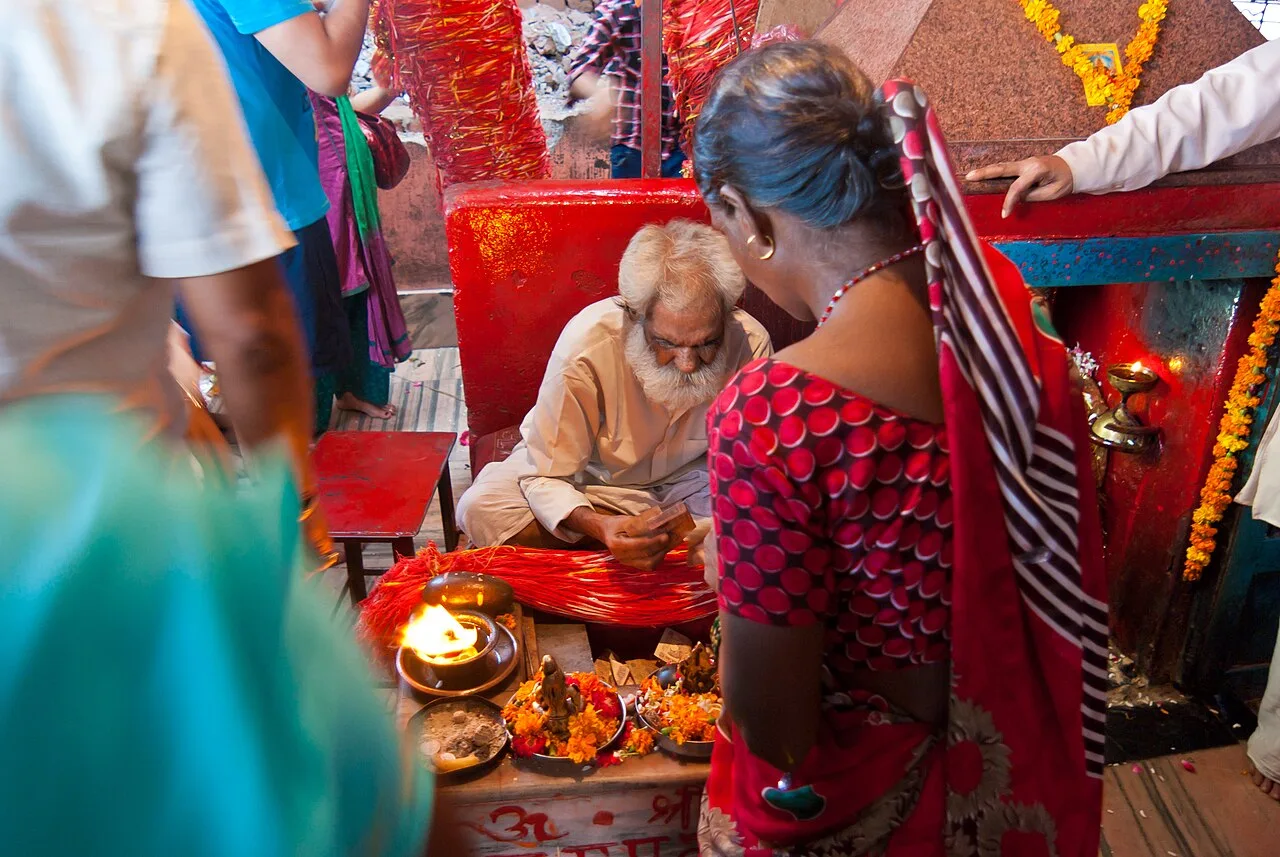
Visit Mansa Devi Temple with time to observe daily prayers and rituals respectfully. Follow the posted rules on footwear, photography, phones and dress — large temples have separate darshan queues and paid special-entry tickets, and some prohibit phones and leather items inside. Beware of unofficial 'guides' or agents offering quick darshan for a fee. A comfortable itinerary is one main visit in the morning, a local meal at midday and a short nearby stop before an afternoon return. In the hot months, plan outdoor sightseeing for early morning and late afternoon; the Ganga aarti at dusk is the highlight of a day in Haridwar or Rishikesh. Use the district list on this site to find other places in Haridwar, but check the route and its condition before combining stops. If a festival is on — such as the Kumbh and Ardh Kumbh at Haridwar, the Kanwar Yatra in July, Ganga Dussehra, the Nanda Devi Raj Jat, Phool Dei and Harela, or the Uttarayani fair at Bageshwar — roads and stays can be busy, and the experience can be unforgettable. Leave no litter: many sites are protected by the communities around them.
Suggested itineraries
Half day: Allow around 2–3 hours for the temple visit, including the uphill approach or ropeway, darshan and a quiet pause; then spend 1–2 hours at Har Ki Pauri. Full day: Allow around 2–3 hours for Mansa Devi Temple; have a local midday meal; spend 1–2 hours at Maya Devi Temple or another nearby stop; finish with the Ganga aarti at Har Ki Pauri, checking local arrangements. Gentler option: Use the ropeway if operating, take breaks and keep the visit to the shrine and one nearby riverside stop; confirm access and assistance locally.
The temple is part of Haridwar’s living pilgrimage culture, where worship, family visits and ritual offerings are woven into everyday travel. Hindi is widely used in the city; visitors may also hear other Indian languages among pilgrims from across the country. Customs at the shrine include offering flowers or fruit, joining the darshan queue and tying a thread as a vow. Dress is generally modest, and footwear is removed where directed. The wider city is known for devotional singing and gatherings by the Ganga, though particular performances should not be assumed at the temple itself. Respectful observation is especially important during prayers, when the shrine is an active place of worship rather than a performance space.
Festivals & events
Navratri, observed in spring and autumn, is an important time for worship of the goddess and can bring heavier crowds to Mansa Devi Temple. Other Hindu observances and pilgrimage seasons also affect visitor numbers. Haridwar’s larger calendar includes events such as the Kanwar Yatra in July and the major Kumbh and Ardh Kumbh gatherings, whose timing follows the religious calendar rather than a fixed annual date. These are city-wide events, not all temple-specific festivals. During major gatherings, queues, road access and accommodation can become busier; check local arrangements before travelling and allow extra time.
Local food in Uttarakhand includes kafuli (spinach curry), phaanu and chainsoo (lentil dishes), aloo ke gutke, bhatt ki churkani, mandua (finger-millet) rotis, jhangora kheer, singori and bal mithai from Almora, with rhododendron (buransh) squash in spring. Ask what is fresh that day; many small eateries cook a limited daily menu. Haridwar is strictly vegetarian and alcohol-free; its old bazaars are famous for kachori, aloo puri and lassi, while Dehradun has bakeries, momos and Tibetan food around the Clock Tower and Rajpur Road. Remote sites may have no restaurant at all. Carry water and snacks, eat a proper breakfast before long drives, and ask your accommodation for a packed lunch if you are heading out early. If prasad is offered, accept it according to local custom. Choose busy, clean places, drink sealed or filtered water, and carry your packaging back with you.
Shopping & local experiences
Near the temple and in Haridwar’s markets, visitors can look for पूजा offerings such as flowers, incense and coconuts, along with devotional images and other religious keepsakes. Stalls may also sell sweets and simple snacks. In the city, browse for locally available religious goods and souvenirs, checking quality and provenance before buying items marketed as special or rare. Haridwar’s food options include familiar North Indian vegetarian meals and sweets; choose a clean, busy establishment and carry reusable bags where practical. Bargaining and stall availability vary by location and season.
March to June and September to November; December to February for snow in the hills; July to September only for the Valley of Flowers
The nearest principal railway station by straight-line distance is Haridwar Junction, roughly 1 km away. The nearest operating airport by straight-line distance is Jolly Grant Airport, Dehradun, roughly 26 km away. These figures are calculated from map coordinates — actual road distance is longer. Haridwar, Rishikesh (Yog Nagari Rishikesh) and Dehradun stations and Dehradun's Jolly Grant Airport are the gateways to Garhwal; Kathgodam station and Pantnagar Airport serve Kumaon; Ramnagar station serves Corbett. Beyond these, travel is by road. Within Haridwar and Dehradun, e-rickshaws, autos, city buses and app cabs cover short hops; allow extra time during the Kanwar Yatra, Kumbh and holiday weekends, when traffic is heavily restricted. When comparing train, bus and flight, count the complete door-to-door time: a flight saves the most time only if the onward road transfer is short, while an overnight train can save a hotel night. Haridwar and Dehradun are well linked by overnight trains, Shatabdi and Vande Bharat services from Delhi, and Dehradun's Jolly Grant Airport has direct flights from several metros; a fast train is often quicker door to door than flying. Book your return before you leave, because seats fill quickly on weekends, festivals and holidays. Current train numbers, timings, return services and fares are not listed here; check IRCTC and NTES for trains and the airline's own schedule for flights. No permit is needed for most of Uttarakhand, but Char Dham pilgrims (Yamunotri, Gangotri, Kedarnath and Badrinath) and Hemkund Sahib pilgrims must register online with Uttarakhand Tourism before travelling, and areas near the Tibet border such as Adi Kailash, Om Parvat, Niti and Nelong valleys need an Inner Line Permit.
Confirm onward and return timings on IRCTC / NTES, the state bus operator or your airline before travel. A dash means current timings or fares have not been verified.
Getting around
Haridwar Junction and the city’s bus and taxi connections provide onward access to the temple area. Autos, e-rickshaws, taxis and local buses can help with short journeys around Haridwar, though access and traffic controls may change during major pilgrimage events. From the lower approach, visitors can walk uphill or use the ropeway if it is operating; check its current status locally. Parking availability near the approach may be limited or affected by crowd management. Allow extra time on festival days and be prepared for some walking between drop-off points, queues and the shrine.
Hours, tickets & permissions
Entry arrangements, darshan access and any ropeway service can change with season, maintenance, religious observances and crowd management. Temple entry rules may differ from the separate ticketing arrangements for transport to the hill. Photography, bags and other items may be subject to restrictions at the shrine. No opening times or fees are stated here. Confirm current hours, access arrangements and any charges with the temple or ropeway managing authority before setting out, and follow notices displayed at the entrance.
Facilities
Facilities at the temple and its approach can vary with crowd levels and operating arrangements. There may be places to obtain offerings and refreshments near the access area, while toilets and drinking water should be checked locally rather than assumed to be available throughout the hill visit. Haridwar has a wider choice of food, accommodation, ATMs and transport services. Parking, seating and assistance may be limited or busy during pilgrimage periods. Official guidance is preferable to unsolicited offers from people promising faster entry or special access.
Accessibility
The temple is on a hill, and reaching the shrine can involve an uphill route, steps, uneven surfaces and walking through queues. The ropeway, when operating, may reduce the amount of climbing but does not guarantee step-free access at every point. Wheelchair and stroller suitability is therefore limited and should be checked with the temple or ropeway authority before travel. Elderly visitors and anyone with reduced stamina may wish to avoid peak crowds, take breaks and travel with a companion. Shade and seating can be variable, so carry water and allow extra time, especially in hot weather.
No permit is needed for most of Uttarakhand, but Char Dham pilgrims (Yamunotri, Gangotri, Kedarnath and Badrinath) and Hemkund Sahib pilgrims must register online with Uttarakhand Tourism before travelling, and areas near the Tibet border such as Adi Kailash, Om Parvat, Niti and Nelong valleys need an Inner Line Permit. Carry a photo ID at all times and save the emergency number 112 and your accommodation's contact offline. Summer heat is the main weather risk — carry water, wear a hat and avoid the midday sun; in the monsoon, allow extra time when roads flood. Watch your belongings in crowds and on public transport, and follow posted instructions.
Visitor rules
Follow notices from temple staff and any instructions for queues, darshan and restricted areas. Remove footwear where directed and wear modest clothing appropriate to a place of worship. Do not touch or disturb worship objects, offerings or vow-threads, and keep voices low during prayers. Photography, phones, bags and other belongings may be restricted in parts of the complex; check signs rather than assuming they are permitted. Use bins where available and avoid leaving plastic or other litter. Do not enter spaces reserved for priests or staff, and decline unofficial offers of special access.
Photography
Views from the hill may offer a broad perspective over Haridwar, but visibility depends on weather and haze. Early or late daylight can be gentler for outdoor photographs; avoid delaying worshippers or blocking paths to get a picture. Photography inside the shrine may be restricted, so follow posted signs and staff directions. Ask permission before photographing individuals, especially during prayer. Drone use should not be assumed to be allowed: check current local regulations and restrictions around the temple and city before bringing or flying one.
Choose a stay by the full journey to Mansa Devi Temple, not just the district name. Haridwar has ashrams, dharamshalas and hotels near Har Ki Pauri; Dehradun has stays in every range along Rajpur Road and near the railway station. In summer, check air-conditioning; in the monsoon, check that the property is accessible if roads flood. Book in advance for weekends, festivals and the peak season (March to June and September to November; December to February for snow in the hills; July to September only for the Valley of Flowers). Confirm the exact location, meals included, check-in time and cancellation terms in writing. Avoid sending money to unverified contacts or touts at stations. Carry some cash, as card and digital payments can be unreliable in remote areas.
Har Ki Pauri, the well-known Ganga ghat in Haridwar, is a natural nearby stop, especially for visitors interested in the evening aarti. Maya Devi Temple is another of the city’s important pilgrimage sites. Chandi Devi Temple, also associated with Haridwar’s hill-shrine circuit, can be combined with Mansa Devi if time, access and crowd conditions permit. The wider Haridwar area includes riverfront ghats and other temples; choose stops according to current traffic and opening arrangements. Check local routes before planning several hill or city visits in one day.
For couples, Mansa Devi Temple rewards a slow pace: arrive early for soft light and fewer crowds, share a local meal and keep the evening free. The evening Ganga aarti at Har Ki Pauri, a walk among the Sal trees at the Forest Research Institute or a drive up to Mussoorie for sunset makes the trip memorable. Public displays of affection can be frowned upon in conservative communities and at religious sites, so be discreet. Keep a buffer in your itinerary, because weather and road conditions can delay plans.
Q: How much time should I allow for a visit? A: Allow a few hours for the approach, darshan and time at the shrine; add more during busy pilgrimage periods. Q: When is a good season to visit? A: Cooler months are generally more comfortable. Summer can be hot, while monsoon rain may affect travel; festival periods are often crowded. Q: Is there an entry fee? A: Check current entry and darshan arrangements with the temple authority. Ropeway travel, if operating, may have separate ticketing. Q: Can children or elderly visitors go up? A: Yes, but the hill approach can involve walking and steps. Check ropeway operation and access needs locally, and allow time for rests. Q: Where can I stay nearby? A: Haridwar has a range of accommodation. Choose a location based on current transport access and book ahead during major pilgrimage events.
Be the first to share photos, stories, advice or a helpful contact for Mansa Devi Temple.
Loading…