
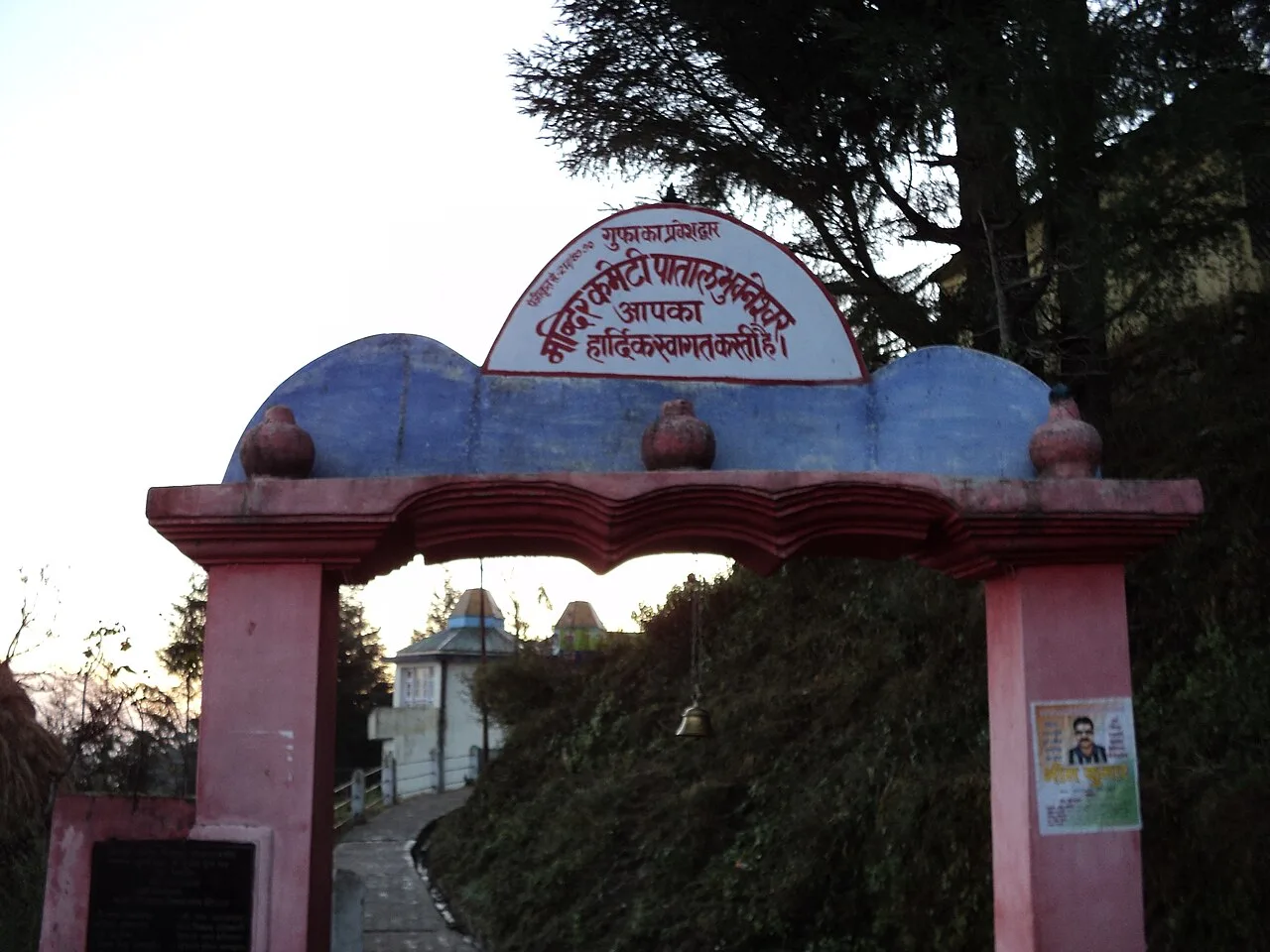
Patal Bhuvaneshwar
Patal Bhuvaneshwar is a limestone cave shrine in Uttarakhand’s Pithoragarh district, visited for its mineral formations and traditional links with Lord Shiva and numerous deities.
Key facts · verified by Ghumoopedia editors
- Type of place
- Heritage monument
- Best time to visit
- March to June and September to November; December to February for snow in the hills; July to September only for the Valley of Flowers
- Verified
- 21 Nov 2026
Set in Bhubneshwar village, the shrine lies 14 km from Gangolihat, within Pithoragarh district of Uttarakhand. Local tradition links the cavern to Lord Shiva and thirty-three koti demigods. The underground route extends for 160 m and descends 90 feet below its entrance. A narrow, tunnel-like passage gives access to several chambers. Rather than a single hollow, the site comprises connected caves nested inside one another, formed through the action of water. Limestone deposits have produced stalactites and stalagmites in varied hues, shapes and sizes. Electric lights illuminate the interior. The formations, together with the cave’s religious associations, draw visitors interested in its geological features and Hindu tradition. Uttarakhand, the Devbhumi or land of the gods, spans the Garhwal and Kumaon Himalaya: the Char Dham shrines and Panch Prayag confluences, Haridwar and Rishikesh on the Ganga, colonial hill stations such as Mussoorie, Nainital and Ranikhet, Corbett and Rajaji tiger reserves, the alpine Valley of Flowers, and Garhwali, Kumaoni, Jaunsari and Bhotiya communities with their folk songs, temple fairs and Aipan art. The plains around Haridwar and Udham Singh Nagar are hot from April to June; hill towns stay mild in summer and cold in winter, with snow above about 2,000 m from December to February. The monsoon (July to September) brings heavy rain, landslides and frequent road closures. High shrines such as Kedarnath and Badrinath open only from about late April or May until around Diwali. The usual best time to visit is March to June and September to November; December to February for snow in the hills; July to September only for the Valley of Flowers. Timings, fees and access arrangements must be confirmed locally. For official information, see Uttarakhand Tourism at https://uttarakhandtourism.gov.in.
Why it matters
Patal Bhuvaneshwar is a Hindu pilgrimage cave in Bhubneshwar village, in Pithoragarh district, Kumaon, Uttarakhand. Its importance comes from the combination of worship and natural limestone formations: the cave is venerated as a shrine of Lord Shiva, while naturally formed shapes inside are interpreted in local religious tradition. The site also draws visitors interested in the geology of caves and the religious landscape of Kumaon. Published accounts describe it as a cave temple about 14 km from Gangolihat.
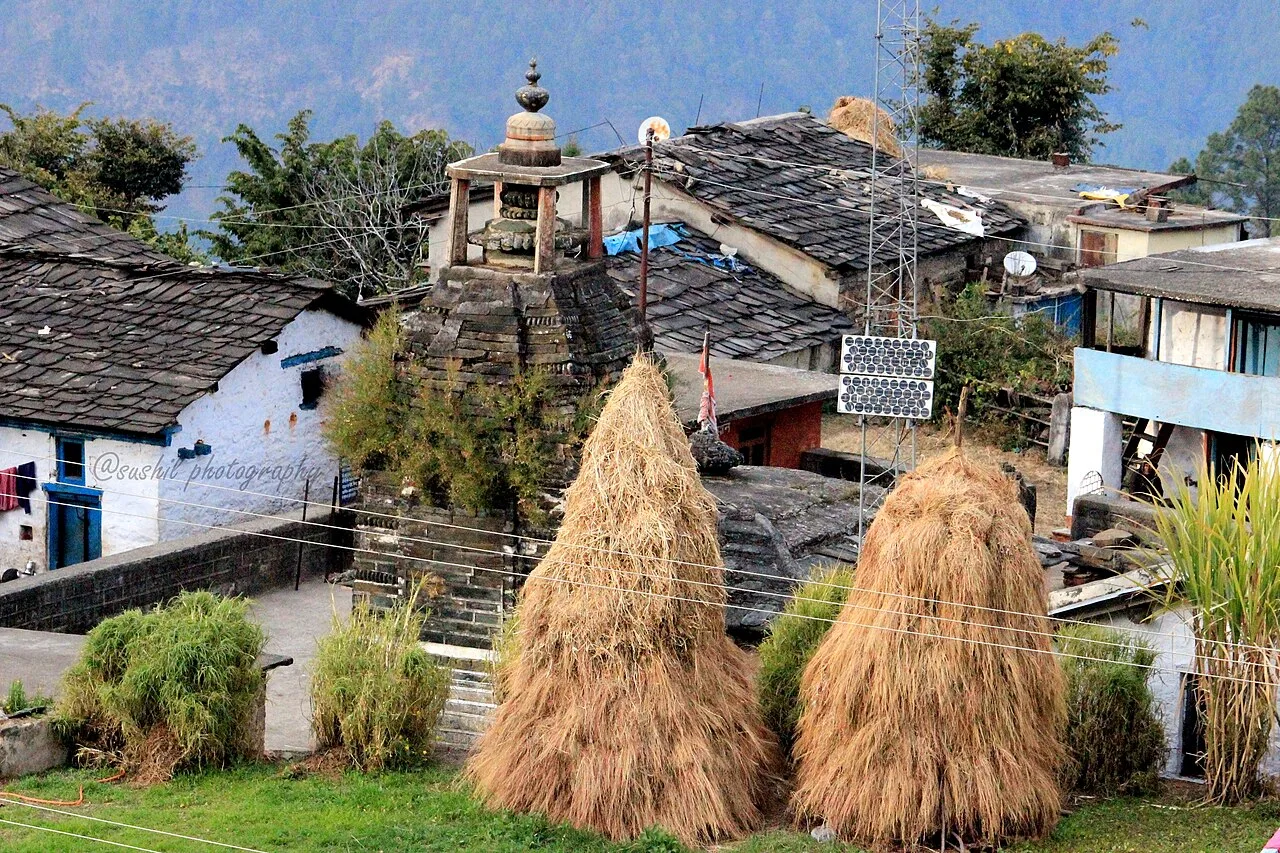
The cave’s origin as a natural feature lies in the gradual action of water on limestone, which formed its passages and mineral deposits over a long period. It was not constructed like a conventional temple, and a documented date for its formation as a place of worship, named builders or a programme of construction is not established in the available account. The site is traditionally associated with Hindu worship of Lord Shiva and is described as a pilgrimage shrine in the Kumaon region. Local religious belief also connects the cave with a much wider sacred world of deities and mythic events. These associations are part of the site’s living tradition rather than a securely dated building history. The cave is described as approximately 160 metres long and 90 feet deep from its entrance, with interconnected chambers. Electrical illumination has been installed to help visitors navigate the interior; this is a modern visitor provision, not an original feature. No specific restoration campaign or dated archaeological intervention is confirmed here. For current conservation or management details, consult local authorities or the site’s managing body.
Origin stories & folklore
According to local tradition, Patal Bhuvaneshwar is a sacred abode of Lord Shiva and thirty-three koti demigods. The phrase is understood within Hindu belief as referring to a vast company of divine beings. Stalactites, stalagmites and other mineral shapes in the cave are sometimes identified by worshippers or guides with deities and episodes from Hindu stories. Such interpretations are matters of faith and may differ between tellers; the shapes themselves are natural limestone formations. The name evokes a hidden or subterranean sacred realm, and the cave’s sequence of passages contributes to its association with the underworld in religious imagination. Visitors should treat these accounts as local belief and folklore, not as verified historical events.
Architecture & design
Patal Bhuvaneshwar is a natural limestone cave rather than a built temple. Water moving through the rock has shaped a narrow, tunnel-like entrance and a succession of chambers and passages, giving the cave its characteristic arrangement of caves within caves. Published accounts describe the cave as about 160 metres long and 90 feet deep from the entrance. Mineral deposits have formed stalactites hanging from the ceiling and stalagmites rising from the floor, in varied forms and hues. Some are regarded by worshippers as sacred images, though they are geological formations rather than carved sculpture. The route is confined in places and visitors move through the cave interior on a marked or locally directed path. Electrical lighting illuminates the cave for visits. The combination of natural rock, restricted passages and devotional interpretation defines its architectural character; there is no conventional façade, courtyard or constructed roof to assess as at a freestanding temple.
Important objects & sculptures
The cave’s principal features are its natural limestone formations rather than a museum collection of movable objects. Look for stalactites descending from the ceiling, stalagmites rising from the floor and mineral shapes that worshippers or guides may identify with Hindu deities. These identifications reflect devotional interpretation; the formations are made by mineral deposits and should not be touched or damaged. The cave is venerated as a shrine of Lord Shiva, but the available guide does not provide a verified inventory of installed idols, inscriptions, historic carvings or ritual objects. Ask a local guide about the significance of features along the permitted route, and follow instructions on where visitors may pause or offer prayers.
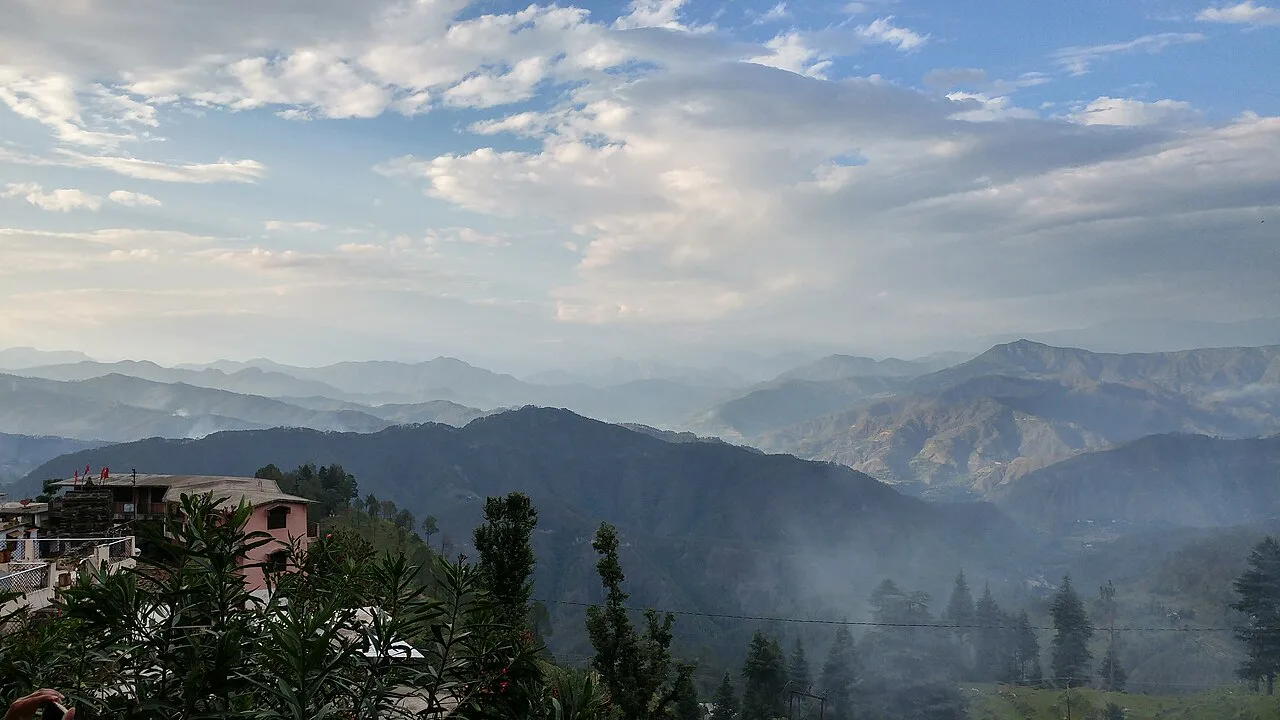
Spend unhurried time at Patal Bhuvaneshwar: walk the marked paths, use official viewpoints and ask locally whether a guide, entry ticket or forest permission is needed. Weather can change quickly, so carry a rain layer even on a clear morning. A comfortable itinerary is one main visit in the morning, a local meal at midday and a short nearby stop before an afternoon return. In the mountains, mornings are clearest; clouds often roll in by noon, so start early for Himalayan views. Use the district list on this site to find other places in Pithoragarh, but check the route and its condition before combining stops. If a festival is on — such as the Kumbh and Ardh Kumbh at Haridwar, the Kanwar Yatra in July, Ganga Dussehra, the Nanda Devi Raj Jat, Phool Dei and Harela, or the Uttarayani fair at Bageshwar — roads and stays can be busy, and the experience can be unforgettable. Leave no litter: the Himalayan valleys have little waste collection, so carry a refillable bottle and bring your rubbish back down.
Suggested itineraries
Half day: Travel from Gangolihat to Bhubneshwar village; allow time for the cave visit and a quiet rest or meal nearby; return to Gangolihat. Full day: Start early from Gangolihat; visit Patal Bhuvaneshwar; pause for a local meal; continue to Hat Kalika Temple in Gangolihat if access and road conditions allow; return before late afternoon. Gentler option: Visit the cave entrance area and nearby village at an unhurried pace, and skip the underground route if the descent, confined passages or steps feel uncomfortable.
The shrine belongs to the Kumaon cultural region, where Kumaoni and Hindi are commonly used, alongside other languages spoken in Uttarakhand. Hindu pilgrimage and worship of Shiva shape the cave’s devotional life; visitors may encounter prayer, offerings or locally narrated stories, depending on the day and season. The cave’s formations are often explained through religious interpretation as well as geology. Broader Kumaoni traditions include folk songs, seasonal customs, temple gatherings and distinctive Aipan ritual art, though these should not be assumed to be performed at the cave during every visit. Dress modestly in the shrine area, speak respectfully and ask before photographing worshippers or ritual activity. Local customs and access arrangements can vary, so follow guidance from the site staff or community.
Festivals & events
Shivratri and the Navratri periods are important occasions for Shiva and Hindu worship in the wider region, and may bring more pilgrims to temples around Pithoragarh district. Local observances and visitor numbers at Patal Bhuvaneshwar can vary; confirm whether any special programme is planned before travelling. Festival days can mean busier roads, greater demand for local transport and accommodation, and more activity around shrines. Be considerate of worshippers and follow any temporary access instructions.
Local food in Uttarakhand includes kafuli (spinach curry), phaanu and chainsoo (lentil dishes), aloo ke gutke, bhatt ki churkani, mandua (finger-millet) rotis, jhangora kheer, singori and bal mithai from Almora, with rhododendron (buransh) squash in spring. Ask what is fresh that day; many small eateries cook a limited daily menu. Hill food is simple and warming, with plenty of vegetarian options; in pilgrim towns many eateries serve only vegetarian food without onion or garlic, and alcohol and meat are banned in places such as Haridwar, Rishikesh and the Char Dham towns. Remote sites may have no restaurant at all. Carry water and snacks, eat a proper breakfast before long drives, and ask your accommodation for a packed lunch if you are heading out early. Try a home-cooked or local thali meal when you can — it is often the best food on the route. Choose busy, clean places, drink sealed or filtered water, and carry your packaging back with you.
Shopping & local experiences
There is no confirmed specialist shopping area at the cave. Look for locally made Kumaoni goods, small devotional items or regional snacks in Gangolihat or other nearby towns, and ask sellers about the origin of crafts before buying. Aipan designs are a well-known Kumaoni art tradition, though availability varies and should not be assumed at the site. Local meals and tea can be part of the visit; choices may be limited near the cave, so check locally or eat in a larger town. Avoid buying, collecting or removing any natural cave material, and carry reusable water containers where practical.
March to June and September to November; December to February for snow in the hills; July to September only for the Valley of Flowers
These figures are calculated from map coordinates — actual road distance is longer, and mountain roads mean even short distances can take hours. Haridwar, Rishikesh (Yog Nagari Rishikesh) and Dehradun stations and Dehradun's Jolly Grant Airport are the gateways to Garhwal; Kathgodam station and Pantnagar Airport serve Kumaon; Ramnagar station serves Corbett. Beyond these, travel is by road. From Haridwar, Rishikesh, Dehradun or Kathgodam, take a Uttarakhand Roadways (UTC) or GMOU bus, a shared jeep or a reserved taxi; in the hills, shared jeeps leave early from town taxi stands and fill up fast, while a reserved taxi gives flexibility for temples and viewpoints. Mountain roads close at night in many areas, so plan to arrive before dark. When comparing train, bus and flight, count the complete door-to-door time: a flight saves the most time only if the onward road transfer is short, while an overnight train can save a hotel night. For the Garhwal hills, an overnight train to Haridwar, Rishikesh or Dehradun (or a flight to Jolly Grant Airport, Dehradun) is the usual start; for Kumaon, trains run to Kathgodam and flights to Pantnagar. The road journey into the mountains takes most of a day, so do not plan sightseeing on arrival. Book your return before you leave, because seats fill quickly on weekends, festivals and holidays. Current train numbers, timings, return services and fares are not listed here; check IRCTC and NTES for trains and the airline's own schedule for flights. No permit is needed for most of Uttarakhand, but Char Dham pilgrims (Yamunotri, Gangotri, Kedarnath and Badrinath) and Hemkund Sahib pilgrims must register online with Uttarakhand Tourism before travelling, and areas near the Tibet border such as Adi Kailash, Om Parvat, Niti and Nelong valleys need an Inner Line Permit.
Getting around
Road travel is the practical way to reach Bhubneshwar village and the cave. Gangolihat is the nearest named town; local buses, shared jeeps and reserved taxis may serve routes in the area, but availability varies. Ask locally about the final road approach, drop-off point and return transport before leaving Gangolihat. A reserved taxi can be useful if combining the cave with nearby stops. Walk from the vehicle drop-off to the entrance as directed, and allow time for the cave route on foot. Confirm road conditions, parking arrangements and transport options locally, particularly during the monsoon or busy pilgrimage periods.
Hours, tickets & permissions
Ask whether photography, footwear, offerings or group visits are subject to restrictions, and whether any identity document is needed. The cave is electrically illuminated, but access and lighting may depend on local operating conditions. Confirm current opening hours, fees and entry rules with the managing authority or locally before setting out. Do not enter restricted passages or continue if staff advise against it.
Facilities
The cave is electrically illuminated. Basic visitor facilities may be available at or near the entrance, but toilets, drinking water, food stalls, parking and guide services should be checked locally rather than assumed. Carry water and any personal essentials from Gangolihat, especially if travelling outside busy periods. ATMs and a wider choice of food or supplies are more likely in larger nearby towns than at the cave itself. Ask about waste disposal and take rubbish away if bins are not available. Facility availability can change with season, weather and local management.
Accessibility
The cave is not an easy-access attraction for everyone. The entrance and interior include narrow, confined passages, and the visit involves walking over uneven natural surfaces; the descent may be steep, so check current conditions with local staff before entering. Damp rock and low or irregular sections can make footing difficult. The route is not suitable for wheelchairs or strollers, and there is no verified information here about ramps or lifts. Older visitors or anyone with limited mobility, balance concerns, claustrophobia or respiratory difficulties should consider visiting only the entrance area instead. Take guidance from staff, do not rush, and turn back if the route feels unsafe.
No permit is needed for most of Uttarakhand, but Char Dham pilgrims (Yamunotri, Gangotri, Kedarnath and Badrinath) and Hemkund Sahib pilgrims must register online with Uttarakhand Tourism before travelling, and areas near the Tibet border such as Adi Kailash, Om Parvat, Niti and Nelong valleys need an Inner Line Permit. Carry a photo ID at all times and save the emergency number 112 and your accommodation's contact offline. Mountain roads are narrow and prone to landslides, especially from July to September; travel in daylight, use experienced local drivers, check the state disaster authority's road updates and keep a spare day in your plan for closures. Char Dham pilgrims must register online with Uttarakhand Tourism before travelling. Stay on marked paths, keep away from cliff edges and fast water, and never approach wild animals.
Photography
The cave’s formations are best viewed at a calm pace, with attention to the illuminated interior rather than expectations of natural daylight underground. Photography rules may vary, so ask staff before taking pictures and check whether flash or camera equipment is restricted. Avoid touching formations or blocking narrow passages while composing a shot. Outside, morning often offers clearer conditions in the hills, though weather changes quickly. Do not use a drone without confirming applicable permissions and local restrictions. Ask before photographing worshippers, guides or ritual activity, and keep the shrine atmosphere respectful.
Choose a stay by the full journey to Patal Bhuvaneshwar, not just the district name. GMVN (Garhwal Mandal Vikas Nigam) and KMVN (Kumaon Mandal Vikas Nigam) run tourist rest houses across the hills, alongside homestays registered under the state's homestay scheme and small hotels; in pilgrim towns, dharamshalas and temple committee guesthouses are common. In summer, check air-conditioning; in the monsoon, check that the property is accessible if roads flood. Book in advance for weekends, festivals and the peak season (March to June and September to November; December to February for snow in the hills; July to September only for the Valley of Flowers). Confirm the exact location, meals included, check-in time and cancellation terms in writing. Avoid sending money to unverified contacts or touts at stations. Carry some cash, as card and digital payments can be unreliable in remote areas.
Gangolihat is the nearest named town and can be combined with a visit to Hat Kalika Temple, a prominent local shrine. Chaukori is known as a Kumaon hill destination with Himalayan views, while Berinag is another nearby town that travellers may consider if road conditions and available time permit. Pithoragarh town offers a wider range of services and is a useful base for exploring the district. These places require road travel and should not be treated as quick walking-distance stops from the cave. Check route conditions and travel times locally, especially during the monsoon, when landslides or road closures can affect plans.
For couples, Patal Bhuvaneshwar rewards a slow pace: arrive early for soft light and fewer crowds, share a local meal and keep the evening free. Sunrise over the Himalaya from a ridge-top homestay, a forest walk or an evening by a quiet lake makes the trip memorable. Public displays of affection can be frowned upon in conservative communities and at religious sites, so be discreet. Keep a buffer in your itinerary, because weather and road conditions can delay plans.
Q: How much time should I allow for a visit? A: Allow a half day from Gangolihat for travel and the cave visit; add time for nearby stops or changing road conditions. Q: When is the best season to visit? A: March to June and September to November are generally useful periods for travel in Uttarakhand, but check local weather and road conditions. Monsoon rain can disrupt mountain travel. Q: Is there an entry ticket or guide requirement? A: Rules may change. Confirm current entry, ticket and guide arrangements with the managing authority or locally before travelling. Q: Can children or older visitors enter the cave? A: The route is narrow and uneven, with a potentially steep descent. Suitability depends on individual mobility and comfort; ask staff and do not enter if the route feels unsafe. Q: Where can I stay nearby? A: Gangolihat is a practical nearby town to ask about accommodation. Availability and facilities vary, so confirm lodging locally or plan from a larger town such as Pithoragarh.
Be the first to share photos, stories, advice or a helpful contact for Patal Bhuvaneshwar.
Loading…