
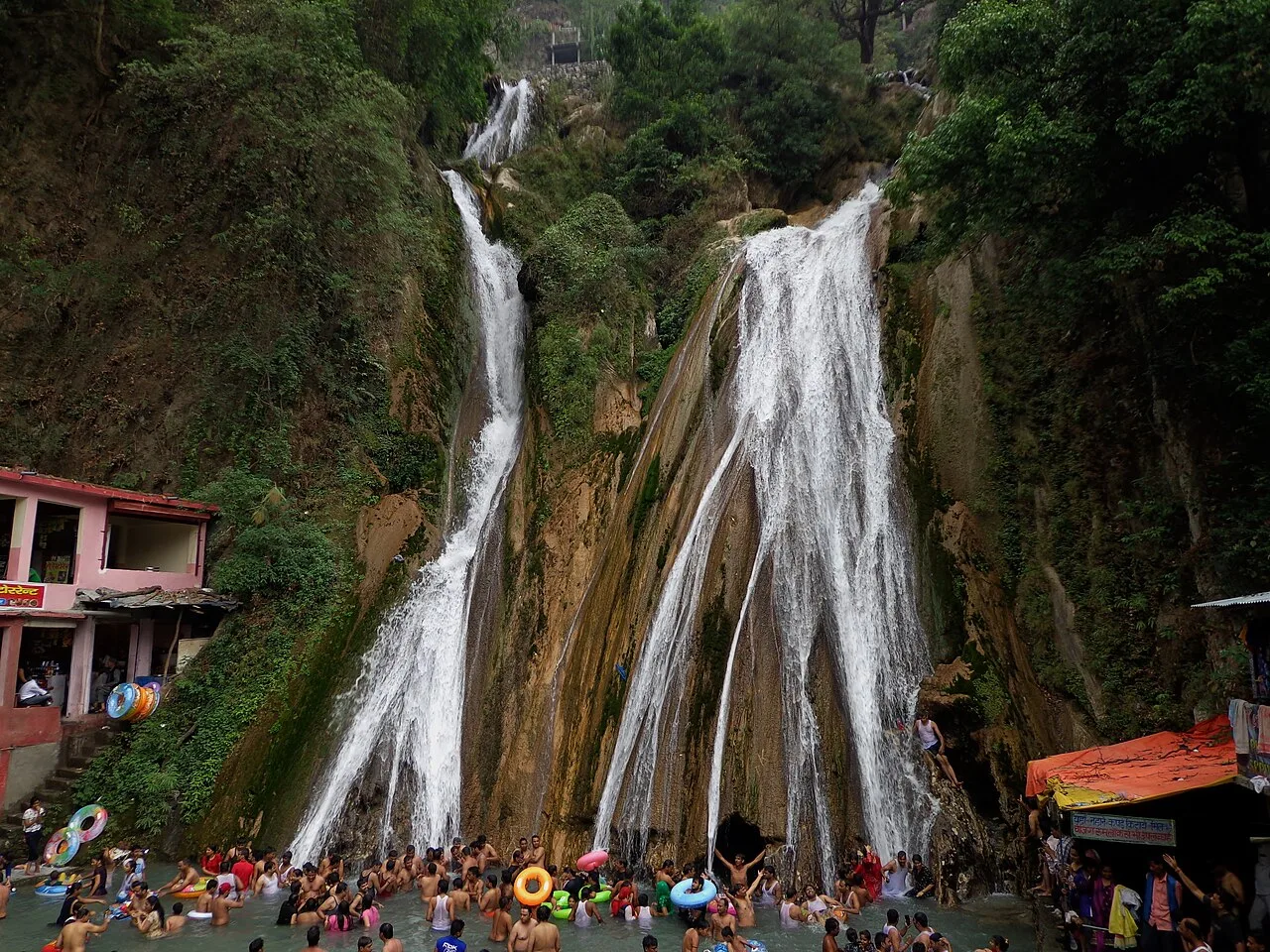
Kempty Falls
Kempty Falls is a waterfall in Uttarakhand’s Tehri Garhwal district, drawing visitors to its cascades and mountain setting near Mussoorie.
Key facts · verified by Ghumoopedia editors
- Type of place
- Natural attraction
- Best time to visit
- March to June and September to November; December to February for snow in the hills; July to September only for the Valley of Flowers
- Nearest railway station
- Dehradun · about 19 km (straight line)
- Verified
- 21 Nov 2026
Plan a trip from Kempty Falls — a day-by-day route through places nearby.
Kempty Falls lies in Ram Gaon, south of Kempty, in Uttarakhand’s Tehri Garhwal district. It is 13 kilometres from Mussoorie on Chakrata Road and 45 kilometres from Dehradun. The falls stand about 1,364 metres above sea level. High mountain ranges surround the site, with the surrounding terrain at an altitude of 4,500 feet. The estimated visitor count is more than 10 lakh (one million). Around 1835, British officer John Mekinan developed the falls as a prominent destination in Garhwal. The name Kempty is thought to come from camp-tea. A stream that flows year-round begins southwest of Banglow ki kandi village and runs northwest. It descends from 4,500 feet, divides into five cascades, then falls a further 40 feet. Medical centres are located in Kempty, Mussoorie and Dehradun. Dehradun has the nearest railway station; the closest airport is Jolly Grant Airport, also in Dehradun. Uttarakhand, the Devbhumi or land of the gods, spans the Garhwal and Kumaon Himalaya: the Char Dham shrines and Panch Prayag confluences, Haridwar and Rishikesh on the Ganga, colonial hill stations such as Mussoorie, Nainital and Ranikhet, Corbett and Rajaji tiger reserves, the alpine Valley of Flowers, and Garhwali, Kumaoni, Jaunsari and Bhotiya communities with their folk songs, temple fairs and Aipan art. The plains around Haridwar and Udham Singh Nagar are hot from April to June; hill towns stay mild in summer and cold in winter, with snow above about 2,000 m from December to February. The monsoon (July to September) brings heavy rain, landslides and frequent road closures. High shrines such as Kedarnath and Badrinath open only from about late April or May until around Diwali. The usual best time to visit is March to June and September to November; December to February for snow in the hills; July to September only for the Valley of Flowers. Timings, fees and access arrangements must be confirmed locally. For official information, see Uttarakhand Tourism at https://uttarakhandtourism.gov.in.
Why it matters
Kempty Falls is a well-known natural attraction in Ram Gaon, south of Kempty, in Tehri Garhwal district. Its cascades and accessible setting on the Mussoorie–Chakrata road have made it a popular excursion for visitors staying in Mussoorie and travelling through the Garhwal hills. The falls also provide a local source of tourism-related work, including transport, food and visitor services. The watercourse descends from the surrounding mountain slopes and divides into several cascades, giving the site its distinctive character. It is a regional tourism landmark rather than a major pilgrimage centre. No UNESCO or Archaeological Survey of India protected-site designation is established for Kempty Falls; visitors should check current district or tourism information for any local management or conservation rules.
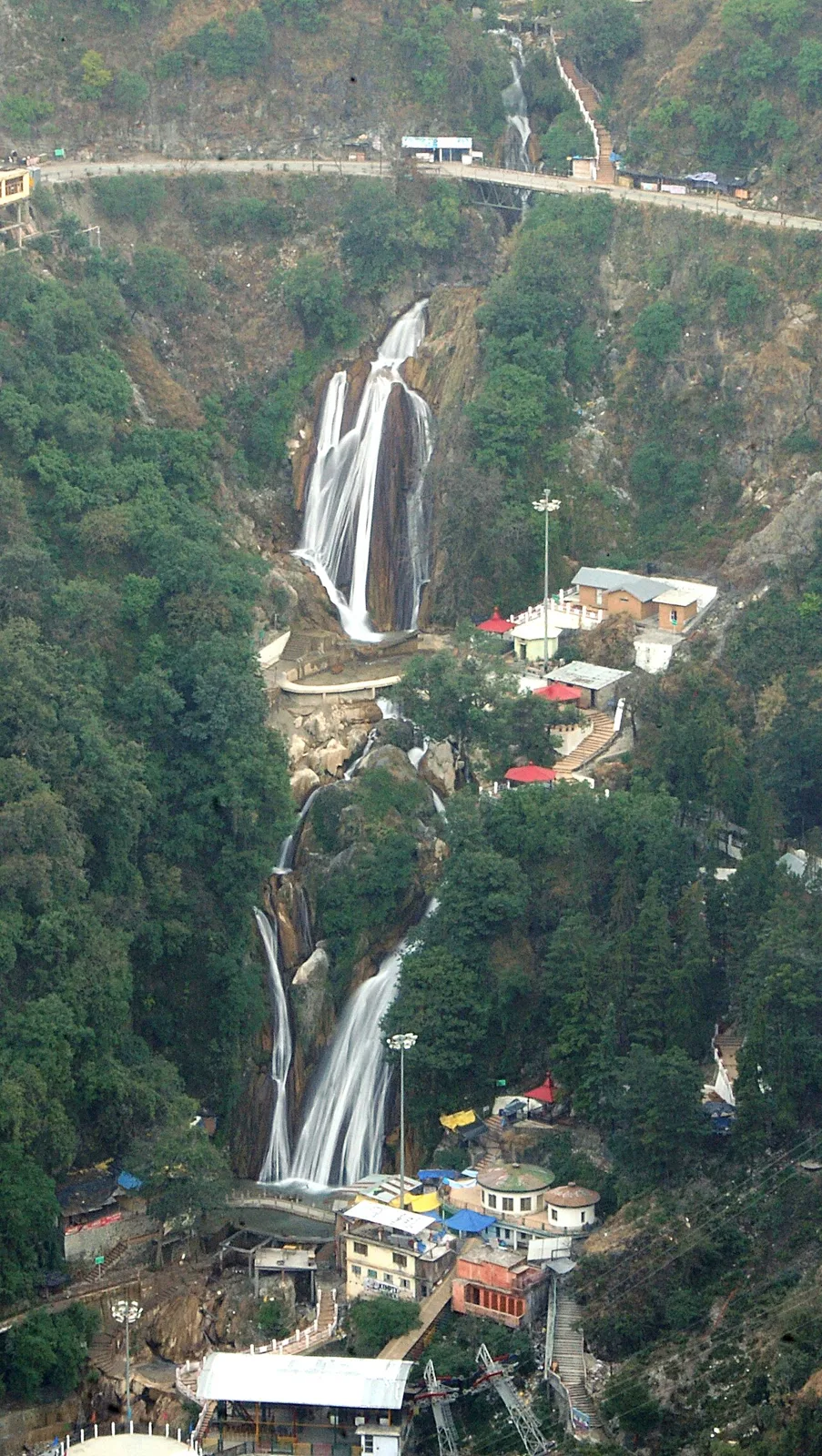
The waterfall itself is a natural feature formed by a stream flowing down the mountain slopes near Kempty. The account commonly given for its development as a visitor destination dates to around 1835, when British officer John Mekinan is said to have promoted the site. This refers to its development for visitors, not to the creation of the falls. In the colonial period, Mussoorie became a hill station, and excursions to nearby landscapes such as Kempty formed part of the wider growth of tourism in the area. The name is often explained as a possible rendering of “camp-tea,” associated with gatherings or tea breaks, though this derivation should be treated as probable rather than certain. The stream is described as flowing through the year from the southwest of Banglow ki Kandi village before dropping and dividing into cascades. As road access and domestic tourism expanded, the falls became a regular stop for Mussoorie-area visitors. Visitor facilities and access arrangements may have changed over time, but a detailed, reliably documented restoration history is not readily available. Check locally for the present condition of paths and facilities.
Origin stories & folklore
No widely documented local legend about the origin of Kempty Falls can be confirmed, so visitors should be cautious of stories presented as established history. The name is commonly linked, tentatively, to the English phrase “camp-tea,” and accounts associate it with people gathering for tea in the area; this is an explanation of the name rather than a verified folklore tradition. The waterfall’s setting among steep hills and flowing water may invite personal or spiritual interpretations, as natural places often do, but these should not be attributed to local communities without evidence. Visitors can ask residents about stories they are comfortable sharing and should respect that oral traditions may differ from one family or locality to another.
Spend unhurried time at Kempty Falls: walk the marked paths, use official viewpoints and ask locally whether a guide, entry ticket or forest permission is needed. Enjoy the water from safe, marked points; rocks near falls and dams are slippery and currents are dangerous, especially in the monsoon. A comfortable itinerary is one main visit in the morning, a local meal at midday and a short nearby stop before an afternoon return. In the mountains, mornings are clearest; clouds often roll in by noon, so start early for Himalayan views. Use the district list on this site to find other places in Tehri Garhwal, but check the route and its condition before combining stops. If a festival is on — such as the Kumbh and Ardh Kumbh at Haridwar, the Kanwar Yatra in July, Ganga Dussehra, the Nanda Devi Raj Jat, Phool Dei and Harela, or the Uttarayani fair at Bageshwar — roads and stays can be busy, and the experience can be unforgettable. Leave no litter: the Himalayan valleys have little waste collection, so carry a refillable bottle and bring your rubbish back down.
Suggested itineraries
Half day: Travel from Mussoorie to Kempty Falls; allow time for the walk, viewpoints and a relaxed visit; have a local snack or meal; return by road. Full day: Visit Kempty Falls in the morning; pause for a local meal; continue to Mussoorie for a town walk or a stop in Landour; return before evening, checking road and weather conditions. Gentler option: Stay near the main access area, choose only the easiest available viewpoint, take frequent rests and skip steep or slippery approaches to the water.
Kempty Falls is primarily a visitor destination, not a place known for a regular cultural performance or annual ritual. The surrounding Garhwal region has living traditions of folk song, dance, seasonal observances and village fairs. Garhwali and Hindi are commonly heard in the wider area, alongside other languages spoken across Uttarakhand. Mussoorie’s visitor economy brings together local residents and travellers, so food, conversation and small businesses are part of the everyday experience. Regional dress and music are more likely to be encountered at community events than as staged attractions at the falls. Visitors should ask before photographing people, performers or any religious observance, and should avoid treating everyday cultural practices as a spectacle.
Local communities
The falls lie in a Garhwal setting connected with nearby village residents and the wider Mussoorie area. Local people may work in transport, food service, accommodation, guiding, retail and other visitor-related businesses; farming and other livelihoods also remain part of life in the region. Garhwali identity and language are important across the district, while the surrounding hill towns also include people who have moved there for work and trade. Tourism can provide income but also brings traffic, waste and pressure on paths and water. Visitors can support local livelihoods by using local services respectfully, following safety guidance and carrying rubbish back out.
Festivals & events
There is no major annual festival known to be held specifically at Kempty Falls. In the broader Garhwal region, seasonal occasions such as Phool Dei in spring and Harela in summer are observed in communities, while temple fairs and local melas take place at different times and locations. Haridwar and Rishikesh host major religious gatherings that can affect travel across the wider region, though they are not at the falls. Festival periods and school holidays may bring heavier visitor traffic to Mussoorie and the Kempty road. Ask locally about any event affecting access, and avoid assuming that a regional festival is being celebrated at the waterfall itself.
Local food in Uttarakhand includes kafuli (spinach curry), phaanu and chainsoo (lentil dishes), aloo ke gutke, bhatt ki churkani, mandua (finger-millet) rotis, jhangora kheer, singori and bal mithai from Almora, with rhododendron (buransh) squash in spring. Ask what is fresh that day; many small eateries cook a limited daily menu. Hill food is simple and warming, with plenty of vegetarian options; in pilgrim towns many eateries serve only vegetarian food without onion or garlic, and alcohol and meat are banned in places such as Haridwar, Rishikesh and the Char Dham towns. Remote sites may have no restaurant at all. Carry water and snacks, eat a proper breakfast before long drives, and ask your accommodation for a packed lunch if you are heading out early. Try a home-cooked or local thali meal when you can — it is often the best food on the route. Choose busy, clean places, drink sealed or filtered water, and carry your packaging back with you.
Shopping & local experiences
Small shops near the falls may carry snacks, drinks and basic souvenirs, but the selection can be seasonal and geared to day visitors. For a broader choice, browse Mussoorie’s markets for locally made items, woollens, small handicrafts and packaged regional foods; ask sellers about the origin of products rather than assuming they are locally produced. Visitors can also look for Garhwali dishes at local eateries, with menus varying by establishment. Avoid buying wildlife products or items made from protected plants. Carry reusable bags and water bottles, and take packaging back if waste bins are unavailable.
Kempty Falls is set among high mountain slopes in the Garhwal hills, at an elevation reported at about 1,364 metres. A stream descends from the southwest of Banglow ki Kandi and drops over the rocky terrain, dividing into several cascades. The surrounding slopes support a mix of wooded and open mountain vegetation, with conditions changing by elevation and season. The sound and spray of the falls are most noticeable near the water, while paths and rocks can become slick. The wider area is home to Himalayan foothill birdlife and other wildlife, but sightings are never guaranteed, especially around busy visitor areas. Monsoon rain can raise water levels and increase landslide and slippery-rock risks; keep to safe routes and do not enter fast-flowing water.
March to June and September to November; December to February for snow in the hills; July to September only for the Valley of Flowers
The nearest principal railway station by straight-line distance is Dehradun, roughly 19 km away. The nearest operating airport by straight-line distance is Jolly Grant Airport, Dehradun, roughly 36 km away. These figures are calculated from map coordinates — actual road distance is longer, and mountain roads mean even short distances can take hours. Haridwar, Rishikesh (Yog Nagari Rishikesh) and Dehradun stations and Dehradun's Jolly Grant Airport are the gateways to Garhwal; Kathgodam station and Pantnagar Airport serve Kumaon; Ramnagar station serves Corbett. Beyond these, travel is by road. From Haridwar, Rishikesh, Dehradun or Kathgodam, take a Uttarakhand Roadways (UTC) or GMOU bus, a shared jeep or a reserved taxi; in the hills, shared jeeps leave early from town taxi stands and fill up fast, while a reserved taxi gives flexibility for temples and viewpoints. Mountain roads close at night in many areas, so plan to arrive before dark. When comparing train, bus and flight, count the complete door-to-door time: a flight saves the most time only if the onward road transfer is short, while an overnight train can save a hotel night. For the Garhwal hills, an overnight train to Haridwar, Rishikesh or Dehradun (or a flight to Jolly Grant Airport, Dehradun) is the usual start; for Kumaon, trains run to Kathgodam and flights to Pantnagar. The road journey into the mountains takes most of a day, so do not plan sightseeing on arrival. Book your return before you leave, because seats fill quickly on weekends, festivals and holidays. Current train numbers, timings, return services and fares are not listed here; check IRCTC and NTES for trains and the airline's own schedule for flights. No permit is needed for most of Uttarakhand, but Char Dham pilgrims (Yamunotri, Gangotri, Kedarnath and Badrinath) and Hemkund Sahib pilgrims must register online with Uttarakhand Tourism before travelling, and areas near the Tibet border such as Adi Kailash, Om Parvat, Niti and Nelong valleys need an Inner Line Permit.
Confirm onward and return timings on IRCTC / NTES, the state bus operator or your airline before travel. A dash means current timings or fares have not been verified.
Getting around
Kempty Falls is reached by road from the Mussoorie area, with taxis and shared vehicles commonly used for local travel. Buses or shared jeeps may serve routes in the wider area, but availability and stopping points should be checked locally. Vehicles generally leave visitors near the access area; reaching viewpoints and the water may require walking on uneven paths or steps. Parking availability can vary and may be limited during busy periods, so confirm the arrangement before travelling. Autos are not a dependable option for every hill route. Use a local driver familiar with current road conditions, particularly during rain or fog.
Hours, tickets & permissions
Entry arrangements can change with local management, weather and maintenance. A ticket, permission, or separate charge for certain services may apply, but visitors should not rely on old reports or informal claims. Confirm current opening arrangements, entry fees and any camera or parking rules with the site manager or local authorities before setting out. Ask whether swimming is permitted and which areas are officially open; do not assume that every pool, path or viewpoint is safe. Follow posted notices and staff instructions, and check for temporary closures after heavy rain.
Facilities
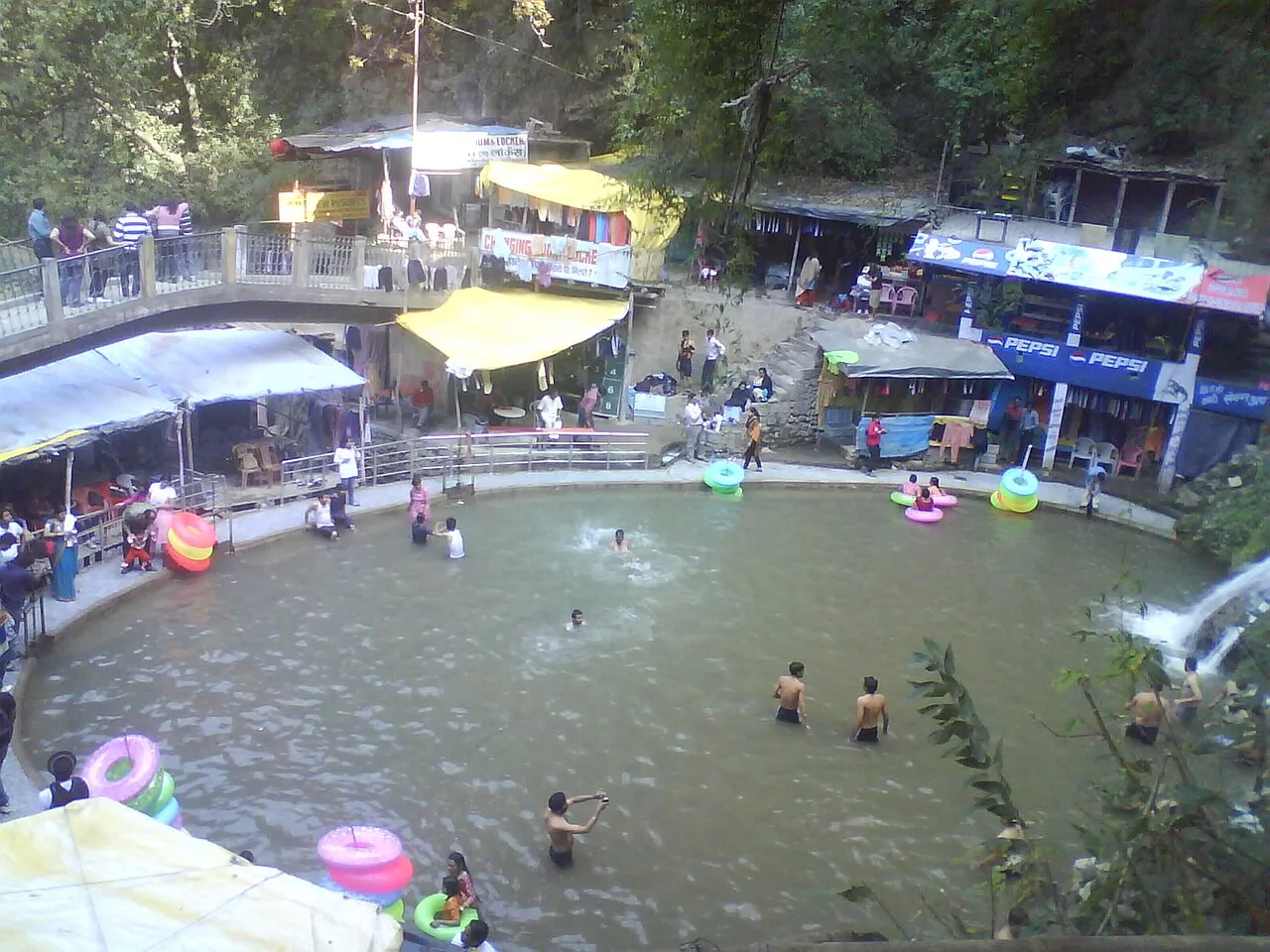
Food stalls and small eateries are usually available around the visitor area, though choice and opening arrangements can vary by season. Toilets and parking may be available nearby; check their condition and location on arrival. Carry drinking water, as refill points may not be dependable, and take litter away with you. Shops may sell snacks and basic visitor items. Guides are not guaranteed, and visitors should clarify any guide or entry arrangements with the local manager. ATMs are more reliably found in larger towns such as Mussoorie or Dehradun than at the falls, so plan ahead.
Accessibility
The approach from the road to the falls involves walking, and some routes may include steps, slopes, uneven ground or wet rocks. The final access to water-level viewpoints can be tiring and slippery, especially after rain; the exact condition may change. Shade is uneven, so sun protection and rest breaks are useful. The area should not be assumed to be wheelchair- or stroller-accessible, and there may be no step-free route to the cascades. Older visitors and anyone with balance, heart or mobility concerns may prefer to remain near the easiest viewpoint and avoid descending toward the water. Check current path conditions locally before starting.
No permit is needed for most of Uttarakhand, but Char Dham pilgrims (Yamunotri, Gangotri, Kedarnath and Badrinath) and Hemkund Sahib pilgrims must register online with Uttarakhand Tourism before travelling, and areas near the Tibet border such as Adi Kailash, Om Parvat, Niti and Nelong valleys need an Inner Line Permit. Carry a photo ID at all times and save the emergency number 112 and your accommodation's contact offline. Mountain roads are narrow and prone to landslides, especially from July to September; travel in daylight, use experienced local drivers, check the state disaster authority's road updates and keep a spare day in your plan for closures. Char Dham pilgrims must register online with Uttarakhand Tourism before travelling. Waterfalls, lakes and dams are dangerous in the monsoon: keep behind barriers, never swim in unmarked spots and leave the area if the water rises suddenly.
Photography
Morning visits can offer softer light and a quieter setting, while mist, cloud and spray may affect visibility at other times. Use designated paths and viewpoints rather than climbing rocks for a photograph; wet surfaces near the cascades are hazardous. Personal photography is commonly part of a visit, but check local notices for any restrictions or separate rules. Drone use may require permissions and can be restricted; confirm with the relevant authority before flying. Ask permission before photographing residents, workers or children, and be especially considerate around any religious observance. Keep equipment secure from spray and do not block paths.
Choose a stay by the full journey to Kempty Falls, not just the district name. GMVN (Garhwal Mandal Vikas Nigam) and KMVN (Kumaon Mandal Vikas Nigam) run tourist rest houses across the hills, alongside homestays registered under the state's homestay scheme and small hotels; in pilgrim towns, dharamshalas and temple committee guesthouses are common. In summer, check air-conditioning; in the monsoon, check that the property is accessible if roads flood. Book in advance for weekends, festivals and the peak season (March to June and September to November; December to February for snow in the hills; July to September only for the Valley of Flowers). Confirm the exact location, meals included, check-in time and cancellation terms in writing. Avoid sending money to unverified contacts or touts at stations. Carry some cash, as card and digital payments can be unreliable in remote areas.
Mussoorie is the closest major town for accommodation, restaurants and a range of hill-station walks; Landour is a quieter nearby area with its own townscape and viewpoints. Dhanaulti and Surkanda Devi Temple offer separate hill outings, but road conditions and travel time should be checked before combining them with the falls. Dehradun has museums, markets and transport connections for visitors continuing to the plains. Tehri Lake is another regional destination, though it is a separate road journey rather than a quick stop from Kempty. Choose one or two stops according to the day’s route, weather and available transport.
For couples, Kempty Falls rewards a slow pace: arrive early for soft light and fewer crowds, share a local meal and keep the evening free. Sunrise over the Himalaya from a ridge-top homestay, a forest walk or an evening by a quiet lake makes the trip memorable. Public displays of affection can be frowned upon in conservative communities and at religious sites, so be discreet. Keep a buffer in your itinerary, because weather and road conditions can delay plans.
Q: How much time should I allow for Kempty Falls? A: A few hours is often enough for the approach, viewpoints and a relaxed visit, though crowds and path conditions can affect the time needed. Q: When is a good season to visit? A: Spring, summer and autumn are generally more comfortable for a hill outing. Monsoon rain can make roads and rocks hazardous, so check conditions before travelling. Q: Is there an entry fee or permit? A: Rules and fees can change. Confirm current entry, camera and access requirements with the local managing authority before your visit. Q: Is the waterfall suitable for children and elderly visitors? A: Families can visit, but water currents, slippery rocks, slopes and steps require care. Less mobile visitors should stay with the easiest safe viewpoints and follow local advice. Q: Where can I stay nearby? A: Mussoorie has the widest range of accommodation in the area. Check availability and road access locally, especially during holidays and poor weather.
Be the first to share photos, stories, advice or a helpful contact for Kempty Falls.
Loading…