
District · Uttar Pradesh
Kanpur Nagar
Kanpur Nagar is a major urban and industrial centre in central Uttar Pradesh, on the Ganga plain and within reach of the state capital, Lucknow.
Kanpur Nagar lies on the Ganga plain in central Uttar Pradesh, combining a large industrial city with riverbank settlements and agricultural countryside. Kanpur’s modern identity grew through commerce, textile mills and leather industries, while its history is closely tied to the uprising of 1857 and British colonial rule. All Souls Memorial Church is among the city’s reminders of that period. JK Temple represents another strand of its religious landscape. North of the city, Bithoor offers a quieter setting along the Ganga, with ghats and strong Hindu pilgrimage associations. Together, these places reveal a district shaped by industry, worship, river traditions and a complex historical inheritance.
Kanpur Nagar is a major urban and industrial centre in central Uttar Pradesh, on the Ganga plain and within reach of the state capital, Lucknow. It is best known for its history of textile and leather industries, its connection with the uprising of 1857, and a varied religious landscape. In the city, All Souls Memorial Church recalls the colonial period, while JK Temple represents a more recent strand of Hindu worship. North of the urban centre, Bithoor offers a quieter river setting with ghats and pilgrimage associations. The district suits travellers interested in history, city life and Ganga traditions rather than a remote wilderness experience.
The Kanpur region has been part of the changing political landscape of the central Ganga plain. It came under successive north Indian powers, including the Delhi Sultanate and Mughal Empire, before the area around Kanpur was associated with the Nawabs of Awadh. In 1801, Awadh ceded territory to the East India Company, and Kanpur developed as a British military station and commercial centre. During the uprising of 1857, Cawnpore, as the British called it, became a major site of conflict; the events and subsequent colonial response left a lasting mark on the city. All Souls Memorial Church is among the surviving reminders of that period. Under British rule, Kanpur expanded as a centre for mills, trade and manufacturing, including leather production. After independence, the city remained an important industrial and administrative centre in Uttar Pradesh. The present Kanpur Nagar district reflects later administrative divisions of the older Kanpur area, with surrounding rural territory separated into a distinct district. Its history therefore combines regional power shifts, colonial urban growth and the continuing influence of industry.
3 destination guides · 2 on the map
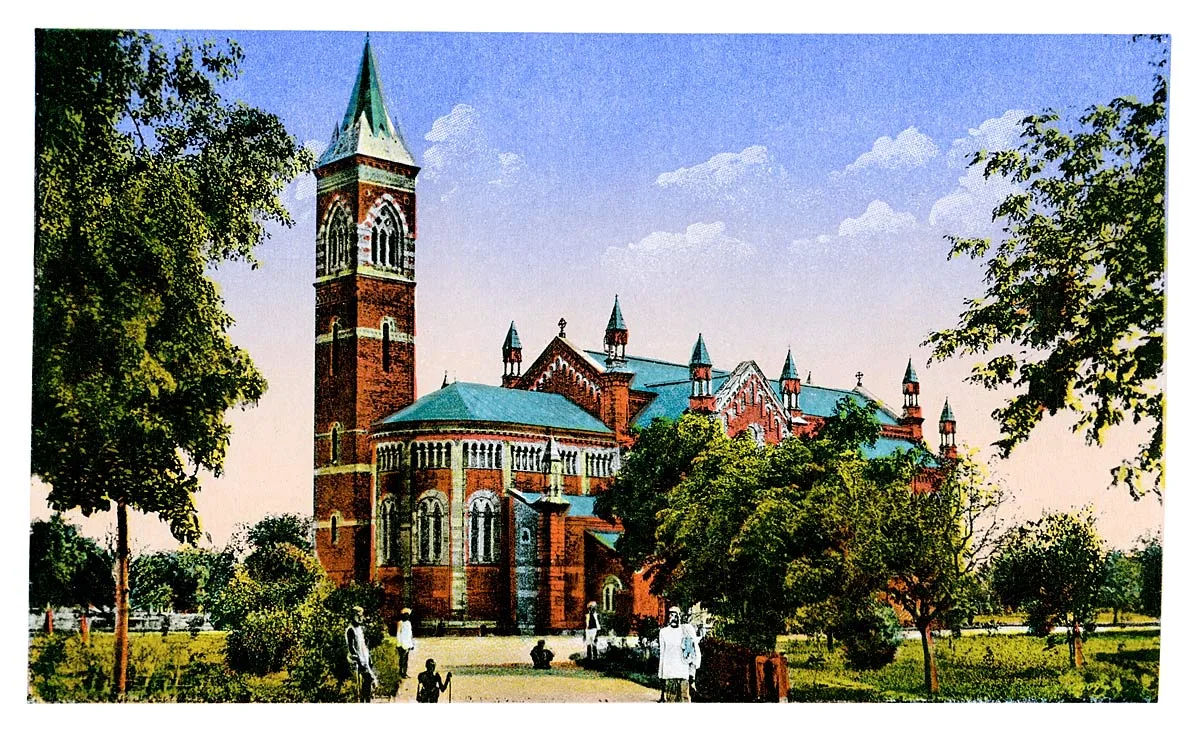
All Souls Memorial Church
All Souls Memorial Church is a church in Uttar Pradesh’s Kanpur Nagar district; visitors come to see the church and its place in the district.
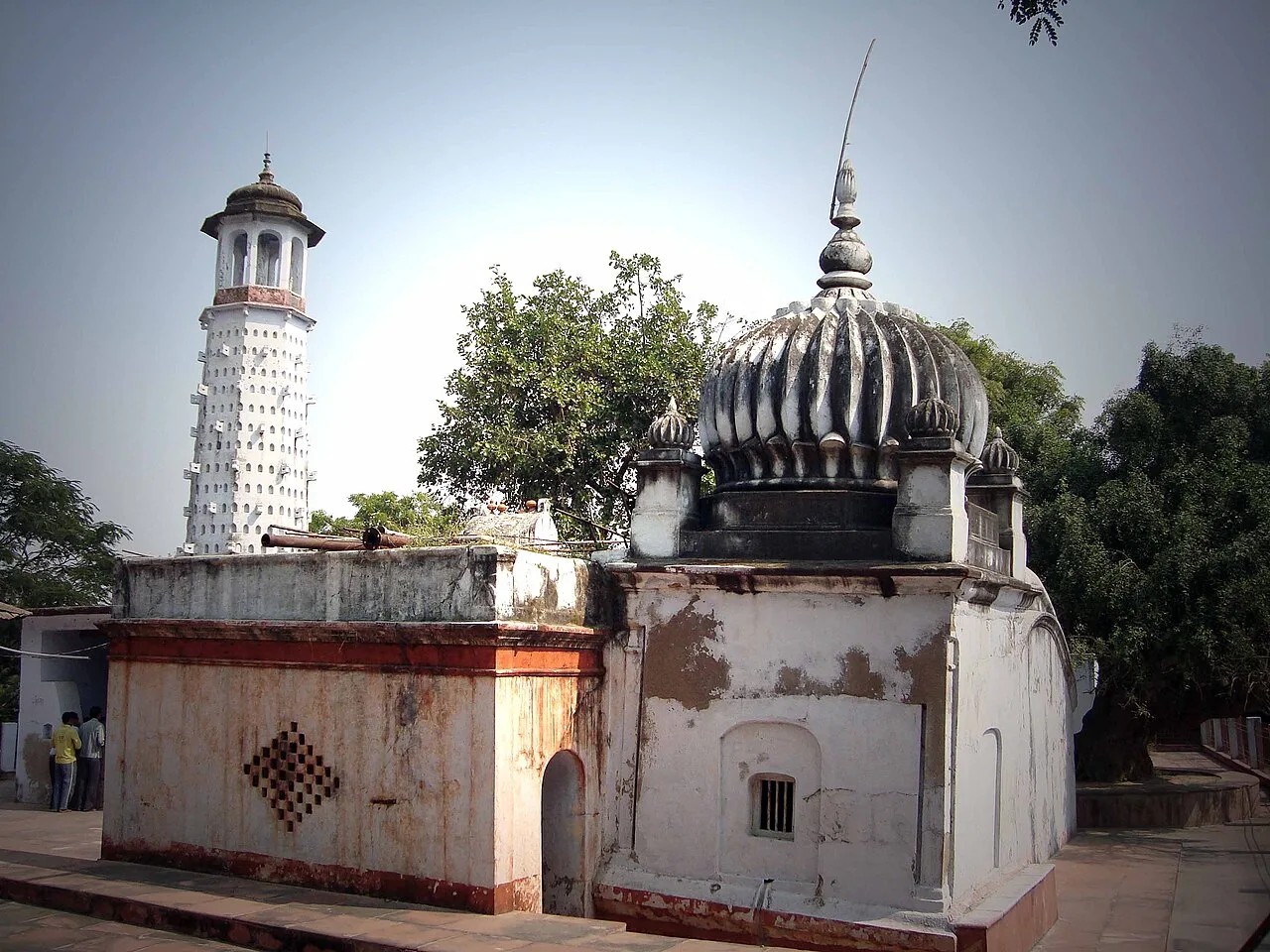
Bithoor Ghats
Bithoor Ghats are part of Bithoor, a town in Uttar Pradesh beside the Ganges. People visit for its importance as a Hindu pilgrimage centre and its connection with Nana Sahib and the 1857 uprising.
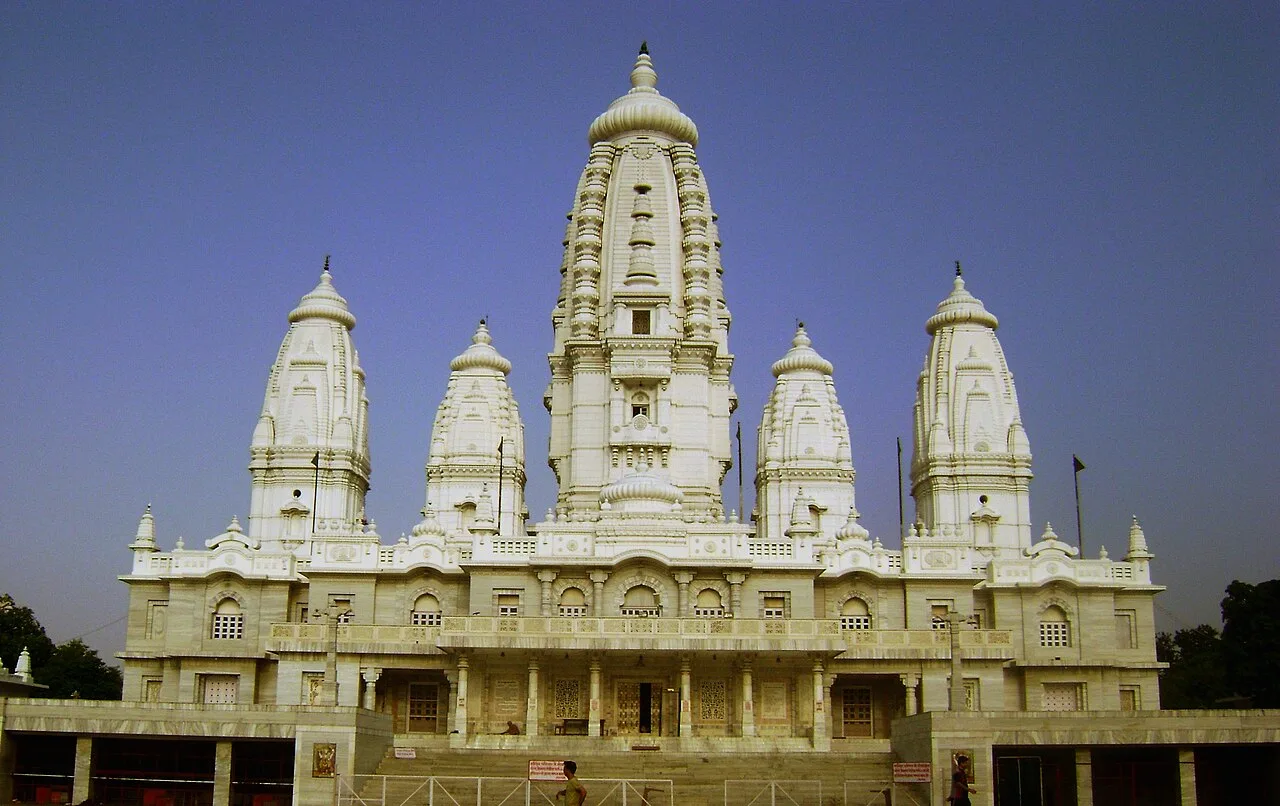
JK Temple
Known also as the Juggilal Kamlapat Temple and Radhakrishna Temple, this Hindu place of worship in Kanpur draws visitors for its combination of traditional and modern architectural features.
Kanpur’s everyday food reflects the wider culinary traditions of Uttar Pradesh, with kachori-sabzi, samosas, jalebi and varied chaat familiar choices at snack shops and sweet stalls. Peda, rabri and lassi also belong to the broader regional repertoire rather than being exclusive district specialities. For a wider Awadhi influence, look for kebabs and biryani, while recognising their especially strong association with Lucknow. Vegetarian meals are a practical choice around pilgrimage areas such as Bithoor. Ask small eateries what has been freshly prepared, and favour busy stalls where snacks are cooked in front of you.
Kanpur is strongly associated with leather manufacturing, including footwear, saddlery and other leather goods. This is both an industrial and a skilled-work tradition; factory-made products should not automatically be described as handmade crafts. The city also has a longstanding textile-manufacturing history, although that does not make every fabric sold here a local handloom product. Uttar Pradesh’s better-known regional traditions, such as Lucknow chikankari and Varanasi silk weaving, belong to other centres. When shopping, ask where an item was made and whether it is handmade, handwoven or machine-produced.
Hindu festivals such as Diwali, Holi and Navratri are widely observed in Kanpur, alongside the celebrations of Muslim and other communities. At Bithoor, religious activity and gatherings are especially associated with the Ganga, including seasonal observances around Ganga Dussehra and Kartik Purnima. These occasions can bring larger crowds to the ghats and busy parts of the city, while demand for accommodation may rise around major festival periods. Dates vary according to the religious calendar, so travellers should check locally before planning a visit.
Elsewhere in Uttar Pradesh
The district lies on the level, fertile Ganga plain, with the Ganga forming an important feature around Bithoor and the wider region. The Pandu is another local river. There are no major hills or extensive wilderness areas in the district; the landscape is a mix of dense urban development, riverbanks and agricultural countryside. Roads and city traffic shape most journeys. At Bithoor, river levels, weather and the condition of ghat steps can affect access and the experience of the waterfront, especially during and after the monsoon.
Kanpur Nagar has hot summers, a monsoon season and cooler winters. Summer days can be intense, so plan outdoor visits for the cooler parts of the day and carry sun protection and water. Monsoon weather brings humidity and rain; wet roads and riverfront steps may make some outings less comfortable. Winter is generally the most pleasant season for sightseeing. October to March is usually the best period to visit, though evenings can feel chilly in winter. Pack light, breathable clothing for warm weather, a light layer for winter evenings, comfortable walking shoes and rain protection if travelling during the monsoon.
Kanpur Central is the principal railway gateway for the district, while Kanpur (Chakeri) Airport serves the city; confirm available flights before planning around it. Lucknow’s Chaudhary Charan Singh International Airport is another option for travellers comparing connections. Major roads connect Kanpur with Lucknow, Prayagraj and Delhi, with state-run and private buses providing intercity links. Within the city, taxis, auto-rickshaws and e-rickshaws help with local journeys. Bithoor is reached by road from Kanpur; arrange the return journey in advance if visiting its ghats. Check current services locally.
Kanpur city is served by local buses, auto-rickshaws, e-rickshaws and taxis, though traffic can make road journeys slow. Taxis or an arranged vehicle are practical for combining the city sights with Bithoor, which is reached by road north of the urban centre. Local public transport options and frequency can vary, so check routes on arrival. Shared vehicles may serve some roads, but should not be relied on for a fixed itinerary. Boats may operate at the Ganga ghats in some conditions; ask locally about availability and river safety rather than assuming a service is running.
2 days: Day 1: JK Temple, All Souls Memorial Church; sleep in Kanpur. Day 2: Bithoor Ghats; sleep in Kanpur. 3 days: Day 1: All Souls Memorial Church; sleep in Kanpur. Day 2: JK Temple; sleep in Kanpur. Day 3: Bithoor Ghats; sleep in Kanpur.
Kanpur is the most practical base for both the city sights and a road visit to Bithoor. Accommodation in the city includes hotels and guesthouses across a range of styles. Bithoor has fewer choices, so visitors wanting to stay near the ghats should confirm availability in advance; simple guesthouses or dharamshalas may be options, but facilities can vary. Homestays and government accommodation should not be assumed to be available without checking directly. For most short circuits, staying in Kanpur avoids changing lodging.
City traffic can be heavy, and road conditions and journey times vary, particularly in wet weather. Carry drinking water and use reliably treated or sealed water; heat can make outdoor visits tiring. Ghat steps may be slippery, and river currents can be strong, so avoid entering the Ganga unless local authorities indicate it is safe. Keep belongings secure in crowded areas and avoid feeding monkeys or other animals near religious sites. Mobile connectivity is generally more dependable in the city than at quieter riverfront spots. No special permit is ordinarily needed for the listed sights, but confirm any temporary restrictions with local authorities.
- Unnaoabout 37 km
- Lucknowabout 74 km
- Raebareliabout 126 km
- Etawahabout 130 km
- Kaushambiabout 173 km
- Prayagrajabout 197 km
- Orchha · Madhya Pradeshabout 211 km
Straight-line distance between the centres of each district's destinations; road distance is longer.
Q: How many days should I spend in Kanpur Nagar? A: Two days can cover the three listed destinations at a measured pace; three days allows more time at each. Q: When is the best time to visit? A: October to March is usually most comfortable for sightseeing, while summer can be very hot and the monsoon wet. Q: Where is the best base for these destinations? A: Kanpur is the most practical base, with more accommodation and road connections than Bithoor. Q: How do I get to Kanpur Nagar? A: Kanpur Central is the main rail gateway, and Kanpur (Chakeri) Airport serves the city; check current flights. Lucknow airport is another option. Q: Is the district suitable for families or elderly travellers? A: Yes, though traffic, walking surfaces and ghat steps may require care. Choose accessible transport and avoid slippery or crowded riverfront areas.
This page draws on our 3 destination guides for Kanpur Nagar and is updated as our team checks it.
Be the first to share photos, stories, advice or a helpful contact for Kanpur Nagar.
Loading…