
District · Uttar Pradesh
Lalitpur
Lalitpur offers a way to explore the rocky countryside and historic heritage of Bundelkhand, in southern Uttar Pradesh near the Madhya Pradesh border.
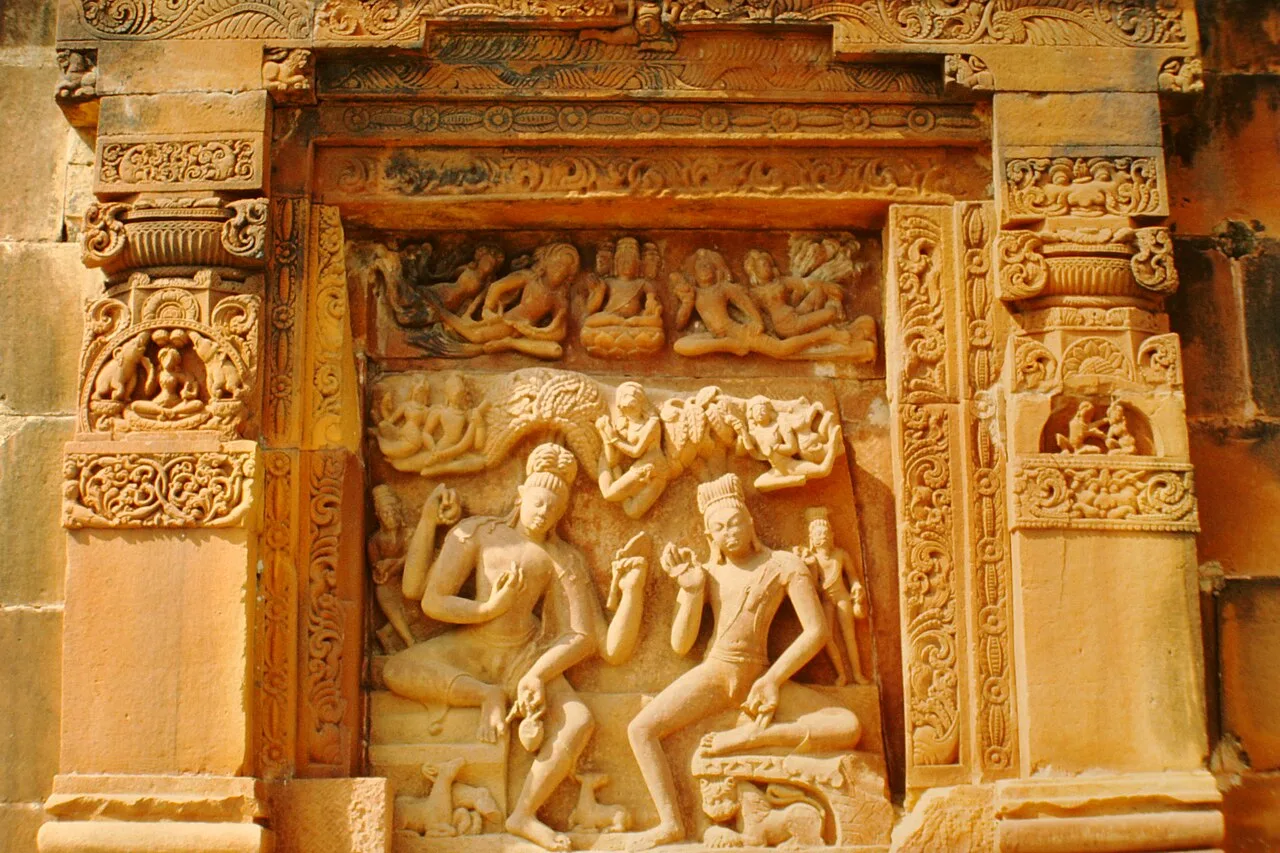
Lalitpur district lies in the Bundelkhand region of southern Uttar Pradesh, close to the Madhya Pradesh border. Its landscape includes rocky uplands, scrub and agricultural plains, with the Betwa and other rivers, reservoirs and seasonal streams shaping the countryside. The district is known for its historical sites as well as its rural character. At Deogarh, the early sixth-century Dashavatara Temple is an important example of Gupta-period architecture, set above the Betwa valley among a wider group of historic monuments. Lalitpur town serves as the district centre, while smaller settlements and farming communities reflect Bundelkhand’s enduring connection to land and water.
Lalitpur offers a way to explore the rocky countryside and historic heritage of Bundelkhand, in southern Uttar Pradesh near the Madhya Pradesh border. The district is best known to heritage travellers for Deogarh, where the early sixth-century Dashavatara Temple stands above the Betwa valley among a wider group of historic monuments. Lalitpur town is a practical district centre, while the surrounding settlements and farmland give the journey a distinctly rural character. Rivers, reservoirs and seasonal streams are part of the region’s story, making this a destination for travellers interested in history, landscape and quieter road journeys rather than a dense circuit of urban attractions.
Lalitpur’s history reflects the changing powers of Bundelkhand, a region shaped by local kingdoms and connections between the Gangetic plain and central India. Deogarh’s Dashavatara Temple, dating to the early sixth century, is an important surviving example of Gupta-period Hindu architecture. The wider site contains monuments from later periods, including Jain remains, indicating a long history of religious activity. Chandela and Bundela influence formed part of the region’s medieval history, though control varied across the area and over time. In the nineteenth century, Bundelkhand underwent political changes as princely territories and British-administered districts took shape. After independence, the area was part of Uttar Pradesh’s Jhansi district; Lalitpur was made a separate district in 1974. Its location beside Madhya Pradesh has continued to connect it with neighbouring parts of central India, while farming and water management have remained important to life in the district.
Food in Lalitpur is best understood within the wider Bundelkhand and Uttar Pradesh tradition. Everyday meals commonly centre on wheat or millets, lentils, seasonal vegetables and simple breads; recipes and ingredients vary between households and seasons. Across Uttar Pradesh, travellers may also encounter regional favourites such as kachori-sabzi, jalebi, kebabs and sweets, though these are not specific to Lalitpur. Small eateries often offer a limited menu based on what is fresh that day. At street stalls, choose busy places where food is cooked in front of you, and ask locally about seasonal specialities.
Lalitpur is better known for its archaeological heritage than for a widely documented, district-specific craft tradition. Deogarh’s carved temple architecture and sculptural panels are notable examples of historic stone artistry, rather than evidence of a large contemporary craft industry. In the wider Bundelkhand region, pottery, basketry, and practical textile and woodwork traditions may be found, but their availability varies by locality. Visitors interested in local making can ask in Lalitpur town or nearby villages about working artisans and small markets, rather than assuming that a particular craft is unique to the district.
Holi, Diwali, Dussehra and Makar Sankranti are observed in Lalitpur as in much of Bundelkhand and Uttar Pradesh, with family gatherings, worship and local events. Their seasons range from late winter and spring to autumn and midwinter. Temple occasions and local fairs may also take place, but their scale and timing can vary between communities and from year to year. Travel and accommodation can be busier around major festival periods, particularly in Lalitpur town and at popular religious sites. Visitors planning a trip during a festival should check locally whether events are taking place and arrange their stay ahead.
Elsewhere in Uttar Pradesh
Lalitpur lies on the Bundelkhand plateau, where rocky uplands, low hills, scrub and cultivated plains form a varied but often dry-looking landscape. The Betwa and other rivers, along with reservoirs and seasonal streams, shape the countryside and support farming and local water use. Deogarh’s monuments occupy a setting above the Betwa valley. Roads between settlements cross open rural stretches, and journeys can take longer where surfaces are uneven or services are sparse. In the monsoon, seasonal watercourses and wet road sections may affect access; in drier months, exposed routes can feel hot and dusty.
The district has hot summers, a monsoon season and generally cooler winters. Summer heat can make midday sightseeing and long road journeys tiring. Monsoon weather brings rain and greener scenery, but showers can affect rural roads and travel plans. Winter, broadly from November into February, is usually the most comfortable season for exploring outdoors. October to March is a useful general window for visiting, while checking forecasts before travel is advisable in every season. Pack sun protection and light clothing for warm days; in winter, bring a warm layer for mornings and evenings. During the rains, carry rain protection and allow flexibility in travel plans.
Lalitpur Junction is the district’s principal railway station, with Jhansi an important rail hub for onward connections. Khajuraho Airport in Madhya Pradesh is a nearby airport option, though services and onward transport may be limited; travellers can also consider larger airports in the region. Lalitpur is linked by road with Jhansi and towns in Madhya Pradesh, and buses and private vehicles are commonly used for intercity journeys. Within the district, local buses, shared vehicles, auto-rickshaws and hired cars can help reach towns and sites such as Deogarh; arrange onward transport in advance where services are sparse. Check current services locally before travelling.
Lalitpur town is the main local base and road point for reaching settlements and sights in the district. Local buses, shared vehicles and auto-rickshaws serve some routes, but service frequency and availability can be limited outside town. Deogarh is best approached by road; visitors may need to arrange a hired car or confirm onward transport in Lalitpur before setting out. Road conditions can vary, especially on rural stretches and during the monsoon. Do not assume there is a regular public transport or boat service to every site or reservoir. Check current local options before travelling and allow time for the return journey.
2 days: Lalitpur → Dashavatara Temple; sleep in Lalitpur on night 1, then return to Lalitpur for night 2. 3 days: Lalitpur → Dashavatara Temple; sleep in Lalitpur on nights 1 and 2, with a flexible day for rest or local exploration; sleep in Lalitpur on night 3.
Lalitpur town is the most practical base for a short visit to Dashavatara Temple, with a broader choice of ordinary hotels and access to local road transport. For a visit focused on Deogarh, staying in Lalitpur and arranging the onward journey in advance is generally the straightforward option; do not assume there is a wide range of accommodation close to the monuments. Homestays, government lodges or dharamshalas may be available in the area, but provision can be limited and should be confirmed locally before travel.
Carry drinking water and sun protection, especially during hot weather, and avoid setting out on long rural drives without confirming transport and return arrangements. Paths and ground around historic monuments may be uneven; take care near slopes and exposed edges. Rural roads can be narrow or affected by rain, so travel cautiously and allow extra time. Mobile connectivity may be patchy away from town. Wildlife can occur in less settled areas, so keep a respectful distance and do not enter scrub or forest areas without local guidance. No special permit is generally associated with a temple visit, but confirm any access restrictions or official notices locally before travelling.
- Chanderi · Madhya Pradeshabout 24 km
- Tikamgarh · Madhya Pradeshabout 59 km
- Sagar · Madhya Pradeshabout 84 km
- Orchha · Madhya Pradeshabout 100 km
- Niwari · Madhya Pradeshabout 100 km
- Jhansiabout 109 km
- Shivpuri · Madhya Pradeshabout 116 km
- Vidisha · Madhya Pradeshabout 119 km
Straight-line distance between the centres of each district's destinations; road distance is longer.
Q: How many days should I spend in Lalitpur district? A: Two days can allow a visit to Dashavatara Temple from Lalitpur; add a day if you prefer a slower pace or more time in the district. Q: When is the best time to visit? A: October to March is generally the most comfortable period for outdoor sightseeing. Q: What is the best base for visiting Deogarh? A: Lalitpur town is the practical base, with local transport options and accommodation. Q: How do I get to Lalitpur? A: Lalitpur Junction serves the district, and road connections link the town with Jhansi and places in Madhya Pradesh. Check current services before travelling. Q: Is Lalitpur suitable for families or elderly travellers? A: Yes, with planning. Arrange road transport in advance, allow time for rest, and consider that uneven paths and limited services near rural sites may be challenging.
This page draws on our 1 destination guides for Lalitpur and is updated as our team checks it.
Be the first to share photos, stories, advice or a helpful contact for Lalitpur.
Loading…