
District · Madhya Pradesh
Shivpuri
Shivpuri offers a mix of forest, royal heritage and small-town life in northwestern Madhya Pradesh.
Shivpuri district lies in northwestern Madhya Pradesh, where dry deciduous woodland, rocky uplands, lakes and cultivated countryside shape the landscape. Madhav National Park is its best-known natural attraction, offering a forested setting close to Shivpuri town. The district’s historical character is closely connected with the Scindia rulers of Gwalior, who developed Shivpuri as a summer retreat. Their elegant cenotaphs, known as chhatris, remain an important expression of that royal association. Shivpuri also holds a place in the history of the 1857 uprising through Tatya Tope, who was executed here in 1859. Today, the district combines a working small-town atmosphere with royal heritage and opportunities for nature-focused travel.
Shivpuri offers a mix of forest, royal heritage and small-town life in northwestern Madhya Pradesh. It is best known for Madhav National Park, whose woodland and lakes make a nature visit possible close to Shivpuri town. The town’s elegant Scindia-era chhatris recall its role as a summer retreat for the rulers of Gwalior. Shivpuri is also associated with the 1857 uprising: Tatya Tope was executed here in 1859. Travellers can use the town as a base for a measured visit to the park and its historic setting.
Shivpuri’s history is closely linked to the Gwalior princely state and its ruling Scindia family. The area came under Scindia influence as their state expanded in central India, and Shivpuri developed as a retreat from the heat and bustle of Gwalior. The royal chhatris in the town commemorate members of the family and remain among its most distinctive historic structures. During the uprising of 1857, the revolutionary leader Tatya Tope was captured and executed at Shivpuri in 1859, giving the town a place in the history of resistance to British rule. Under colonial paramountcy, Gwalior remained a princely state rather than a directly administered British province. After Indian independence, the state became part of Madhya Bharat, and following the reorganisation of states in 1956 it was incorporated into Madhya Pradesh. Shivpuri subsequently functioned as a district within the new state. Its modern identity combines this administrative role with its Scindia-era heritage and the conservation landscape of Madhav National Park.
Food in Shivpuri draws on the everyday cooking traditions of northern Madhya Pradesh and the wider Gwalior region. Poha and jalebi are familiar breakfast choices, while meals commonly centre on roti, dal and seasonal vegetables. Dal bafla is a well-known Madhya Pradesh dish worth asking for, though it should not be assumed to appear on every local menu. Gajak, associated especially with the Gwalior–Chambal region, is a popular winter sweet made with sesame or peanuts and jaggery or sugar. Small eateries may prepare only a limited daily selection, so ask what has been freshly cooked.
Shivpuri’s carved Scindia cenotaphs offer a useful introduction to the region’s architectural craftsmanship, particularly decorative stonework. For textiles, nearby Chanderi in neighbouring Ashoknagar district is the better-established weaving centre, rather than Shivpuri itself. Chanderi saris and fabrics are known for their light texture, cotton-and-silk combinations and ornamental borders, often incorporating zari. These belong to the wider regional craft landscape and should not be described as uniquely Shivpuri products. When buying textiles, ask about the weaving location, fibre composition and whether the fabric is handwoven.
Holi, Diwali, Navratri and Dussehra are observed in Shivpuri and surrounding communities, generally in their usual spring and autumn seasons. Mahashivratri is also marked by devotees in the region. These festivals bring local gatherings, religious activity and busier markets; accommodation can be more in demand around major celebrations, particularly in town. Some nearby communities hold local fairs or temple events, but their schedules vary. Travellers planning a visit during a festival period should check local announcements and reserve a room ahead where possible.
Elsewhere in Madhya Pradesh
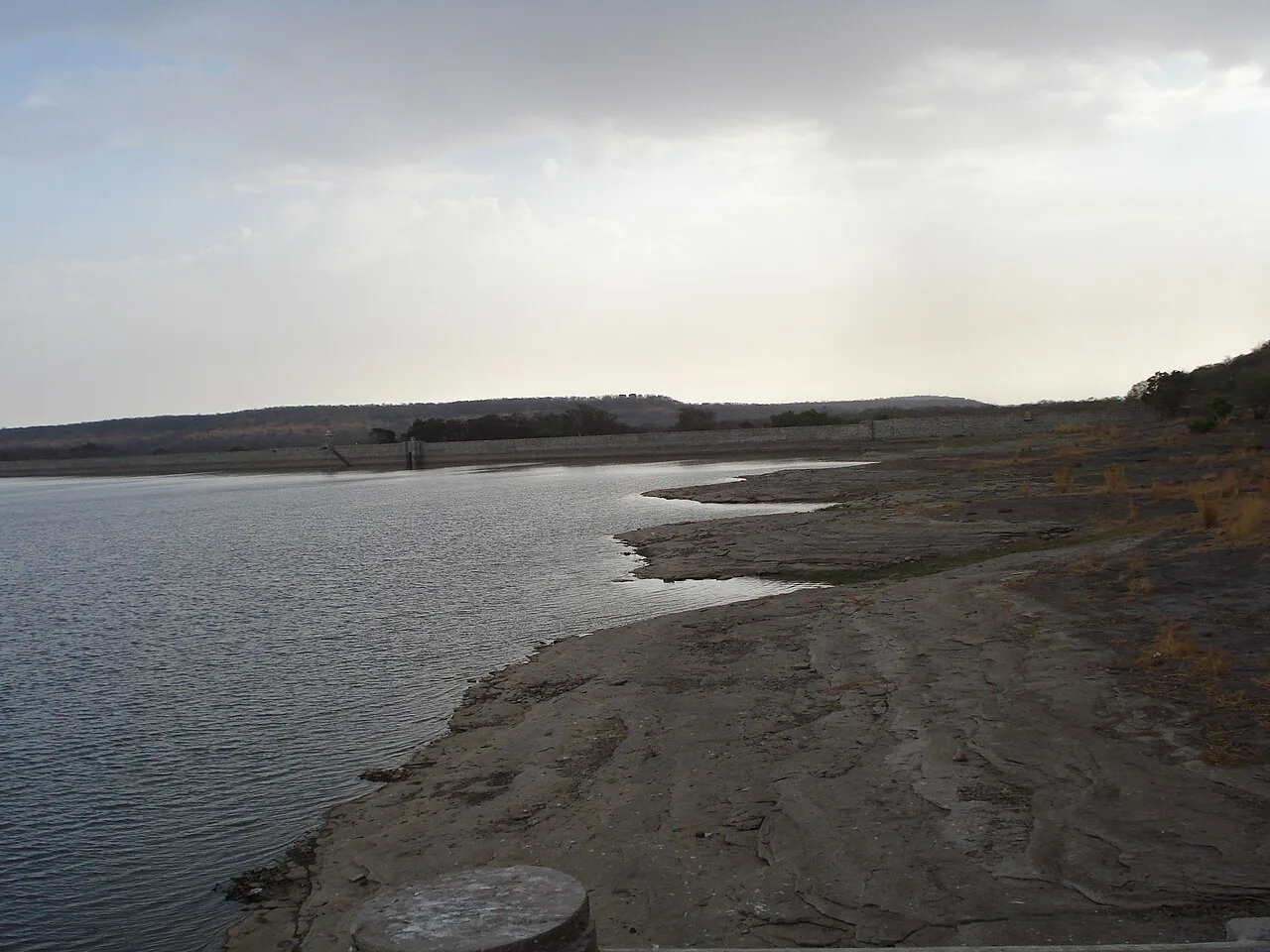
Shivpuri lies amid the rocky uplands and cultivated country of northwestern Madhya Pradesh. Dry deciduous woodland covers parts of the district, with Madhav National Park protecting forest and lake habitats near the town. The wider region is shaped by seasonal streams and river systems, including the Sindh basin, while the park’s lakes add open water to an otherwise largely land-based landscape. Roads connect town settlements across this terrain, but travel beyond the main routes may be slower, especially during the monsoon. Forest visits are best planned with locally arranged transport and park guidance.
Summer is generally hot and dry, so outdoor visits are most comfortable early or late in the day. The monsoon brings rain, greener vegetation and changes to road and trail conditions; some park activities may be affected, so check current access locally. Winter is usually the most pleasant season for exploring the town and visiting Madhav National Park. The cooler months, broadly from October to March, are often the best period to plan a trip. Pack light, breathable clothing, sun protection and a refillable water bottle; in winter, bring a warm layer for mornings and evenings. During the rains, carry suitable rain protection and footwear.
Gwalior’s Rajmata Vijaya Raje Scindia Airport is the nearest practical airport gateway; onward travel to Shivpuri is by road. Shivpuri railway station serves the town on the Gwalior–Guna route, while Gwalior is another useful rail gateway. Although the park guide identifies Datia as a nearby principal station by straight-line distance, that does not necessarily make it the most convenient arrival point. Road links connect Shivpuri with Gwalior, Guna and Jhansi. Buses serve intercity journeys, while auto-rickshaws and hired cars are useful locally. Arrange park transport and entry separately, and check current services locally.
Shivpuri town is the main base for moving around the district. Road links connect it with Gwalior, Guna and Jhansi, and intercity buses serve journeys on these routes. Within town, auto-rickshaws are useful for short trips, while hired cars offer more flexibility for reaching attractions outside the centre. Shared vehicles may operate on some local routes, but availability can vary. Arrange transport to Madhav National Park in advance and confirm the park’s current entry and vehicle arrangements separately. Do not assume that public transport will take you to the park gate or between its visitor areas.
2 days: Madhav National Park; sleep in Shivpuri town for the night. 3 days: Madhav National Park on days 1 and 2; sleep in Shivpuri town on both nights.
Shivpuri town is the practical base for visits to Madhav National Park and the district’s historic setting. It offers the broadest choice of ordinary hotels and guest accommodation, with simpler options such as dharamshalas also found in town. For a short park-focused visit, staying in town keeps road transfers straightforward; confirm whether any accommodation closer to the park is operating before relying on it. Homestays and government lodges may be available in the wider area, but choice can be limited and should be checked directly.
Carry water and sun protection, especially in hot weather, and use suitable footwear on uneven or rocky ground. During the monsoon, allow for slower road travel and check conditions before setting out. In Madhav National Park, keep a safe distance from wildlife, follow staff instructions and remain within permitted visitor areas. Confirm current entry, vehicle and any other park requirements through official channels before travelling. Mobile connectivity can be inconsistent away from town, so arrange transport and check-in plans in advance. Use caution on rural roads, particularly after dark, and seek locally appropriate medical advice if you have health concerns.
- Datiaabout 66 km
- Jhansi · Uttar Pradeshabout 76 km
- Orchhaabout 84 km
- Niwariabout 84 km
- Gwaliorabout 88 km
- Chanderiabout 92 km
- Morenaabout 112 km
- Lalitpur · Uttar Pradeshabout 116 km
Straight-line distance between the centres of each district's destinations; road distance is longer.
All districts of Madhya Pradesh
Q: How many days should I spend in Shivpuri? A: Two days suit a focused visit to Madhav National Park and Shivpuri town; three days allow a more relaxed pace. Q: When is the best time to visit? A: October to March is generally the most comfortable season. Monsoon conditions can affect access and travel. Q: Where is the best base? A: Shivpuri town is the most practical base for the park and local transport. Q: How do I get to Shivpuri? A: Gwalior is a useful air and rail gateway, with onward road travel; Shivpuri also has a railway station and road connections. Q: Is Shivpuri suitable for families or elderly travellers? A: Yes, with planning. Choose manageable outings, arrange reliable transport and account for uneven ground, heat and the park’s visitor rules.
This page draws on our 1 destination guides for Shivpuri and is updated as our team checks it.
Be the first to share photos, stories, advice or a helpful contact for Shivpuri.
Loading…