
District · Madhya Pradesh
Jabalpur
Jabalpur is an important urban centre in eastern Madhya Pradesh and a practical gateway to the Narmada valley.
Jabalpur district brings together an urban centre, rocky hills and the Narmada River's striking scenery. At Bhedaghat, the river passes between the Marble Rocks, while nearby Dhuandhar Falls provides a contrasting spectacle of falling water and spray. These river landscapes are central to the district's visitor appeal, but its character also rests on the history of the Gond rulers and the memory of Rani Durgavati. Madan Mahal's historic fort and the Rani Durgavati Museum offer starting points for exploring that past. Balancing Rock adds another distinctive geological sight. Jabalpur city makes a practical base for combining cultural visits with excursions to Bhedaghat and the surrounding landscape.
Jabalpur is an important urban centre in eastern Madhya Pradesh and a practical gateway to the Narmada valley. Travellers come for the river gorge at Bhedaghat, where the Marble Rocks rise beside the water, and for Dhuandhar Falls, whose spray creates a very different riverside scene. The district also offers a way to explore the history of the Gond rulers and Rani Durgavati through Madan Mahal and the Rani Durgavati Museum. Balancing Rock adds a geological stop near the city. Jabalpur works well as a base for combining these cultural and natural sights.
The Jabalpur region has a long history as part of central India’s Narmada valley. Tripuri, near present-day Jabalpur, was an important centre of the Kalachuris, whose rule in the region is associated particularly with the medieval period. Later, the Gond kingdom of Garha-Katanga grew into a significant power. Rani Durgavati governed the kingdom in the sixteenth century and died in 1564 while resisting Mughal forces. Her memory remains closely linked to the region. Madan Mahal is associated with the Gond period, though accounts of its construction and use vary. The area later came under Maratha influence and then British rule. Under the British, Jabalpur—then commonly rendered as Jubbulpore—developed as an administrative and military centre in the Central Provinces. After Indian independence, it became part of Madhya Pradesh. The present district’s administration and boundaries have changed over time; visitors interested in local history can explore these layers at the Rani Durgavati Museum and historic sites around the city.
6 destination guides · 4 on the map
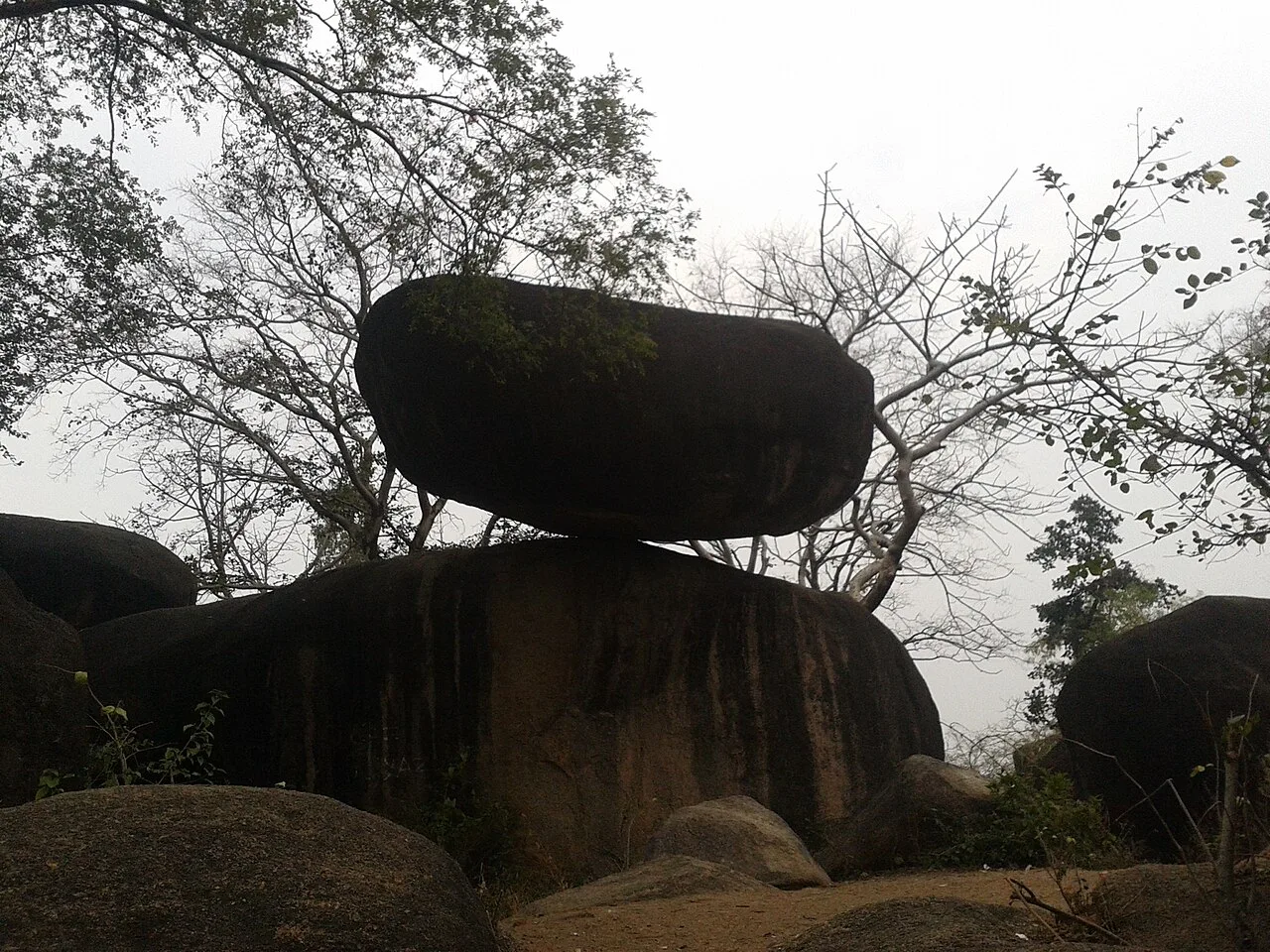
Balancing Rock
Balancing Rock is recognised as a heritage place in Jabalpur district, Madhya Pradesh. Visitors come to see a site associated with the district’s heritage.
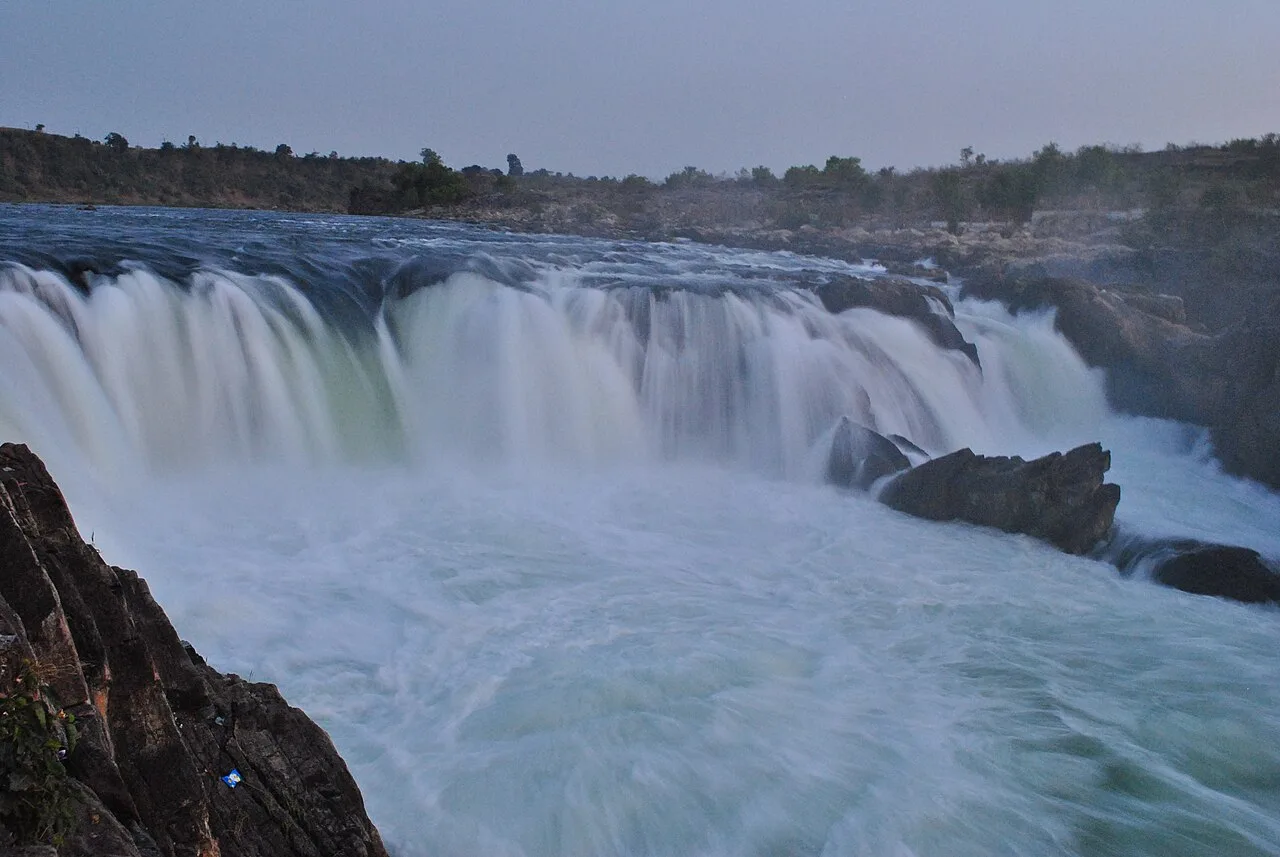
Bhedaghat
Bhedaghat, a nagar panchayat in Jabalpur district, Madhya Pradesh, draws visitors to the Narmada’s marble gorge and the misty cascade at Dhuandhar Falls.
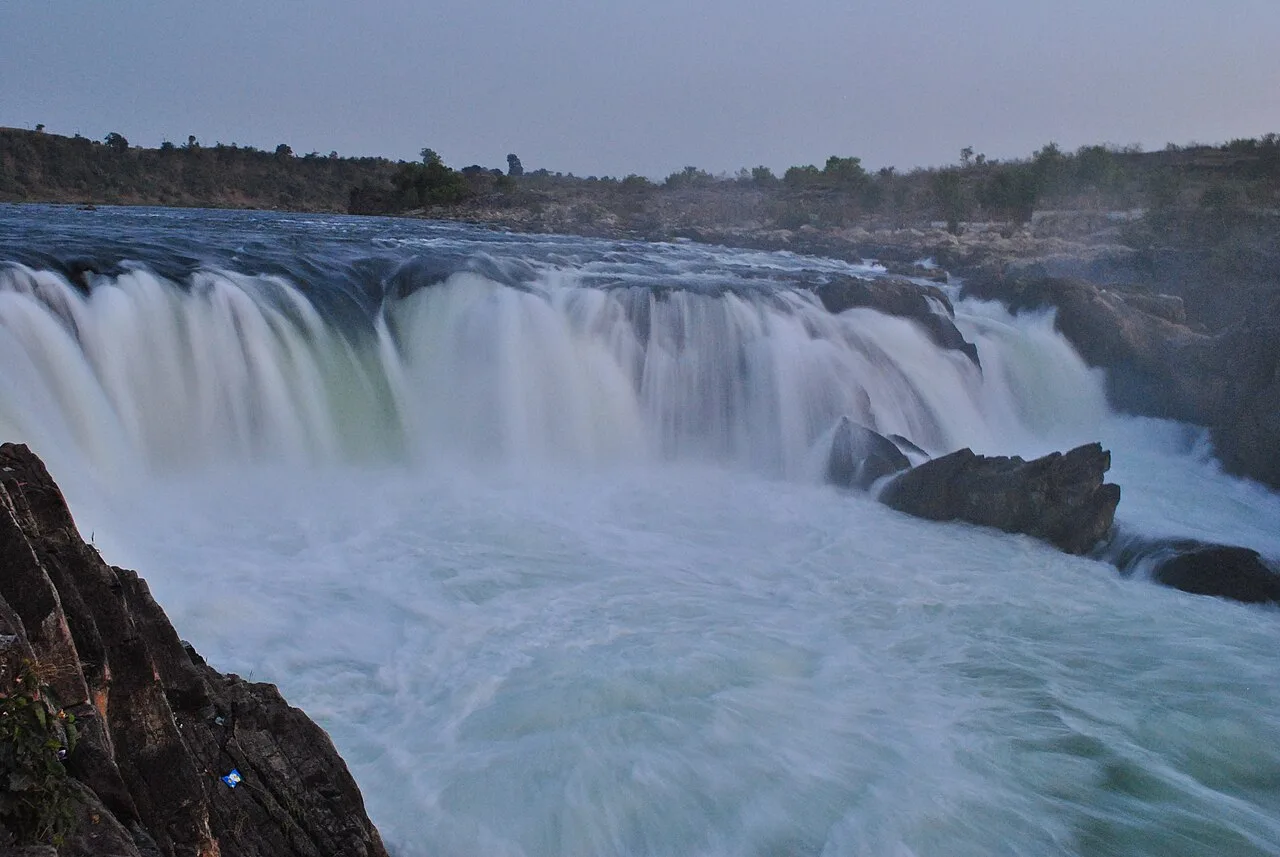
Dhuandhar Falls
Dhuandhar Falls is a waterfall located in Jabalpur district, Madhya Pradesh. Visitors come to see the falls, a natural feature of the district.
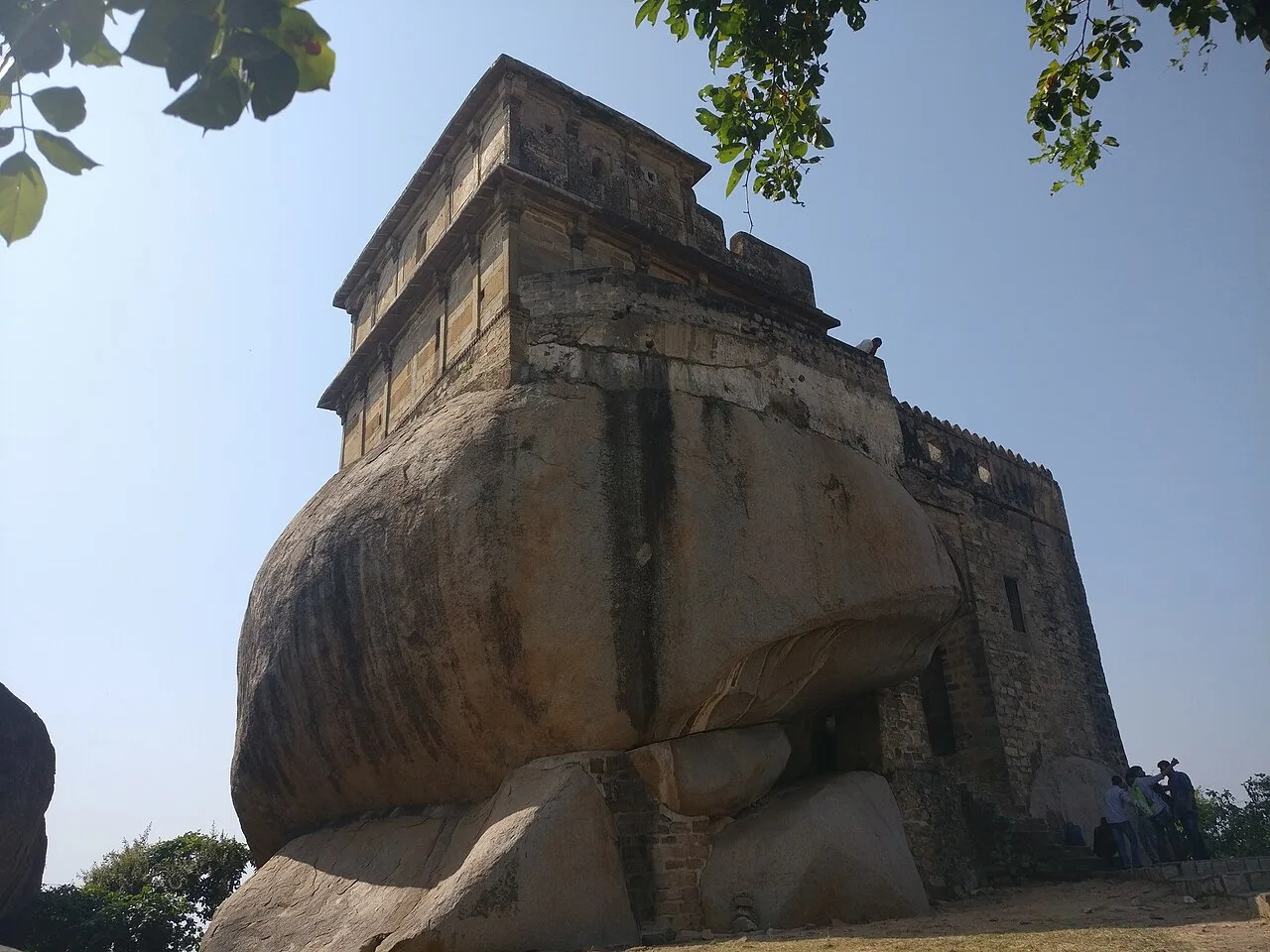
Madan Mahal
Madan Mahal is a suburb in Jabalpur district, Madhya Pradesh, best known for the historic Durgavati fort. Visitors come to see the hilltop fort associated with Raja Madan Singh.
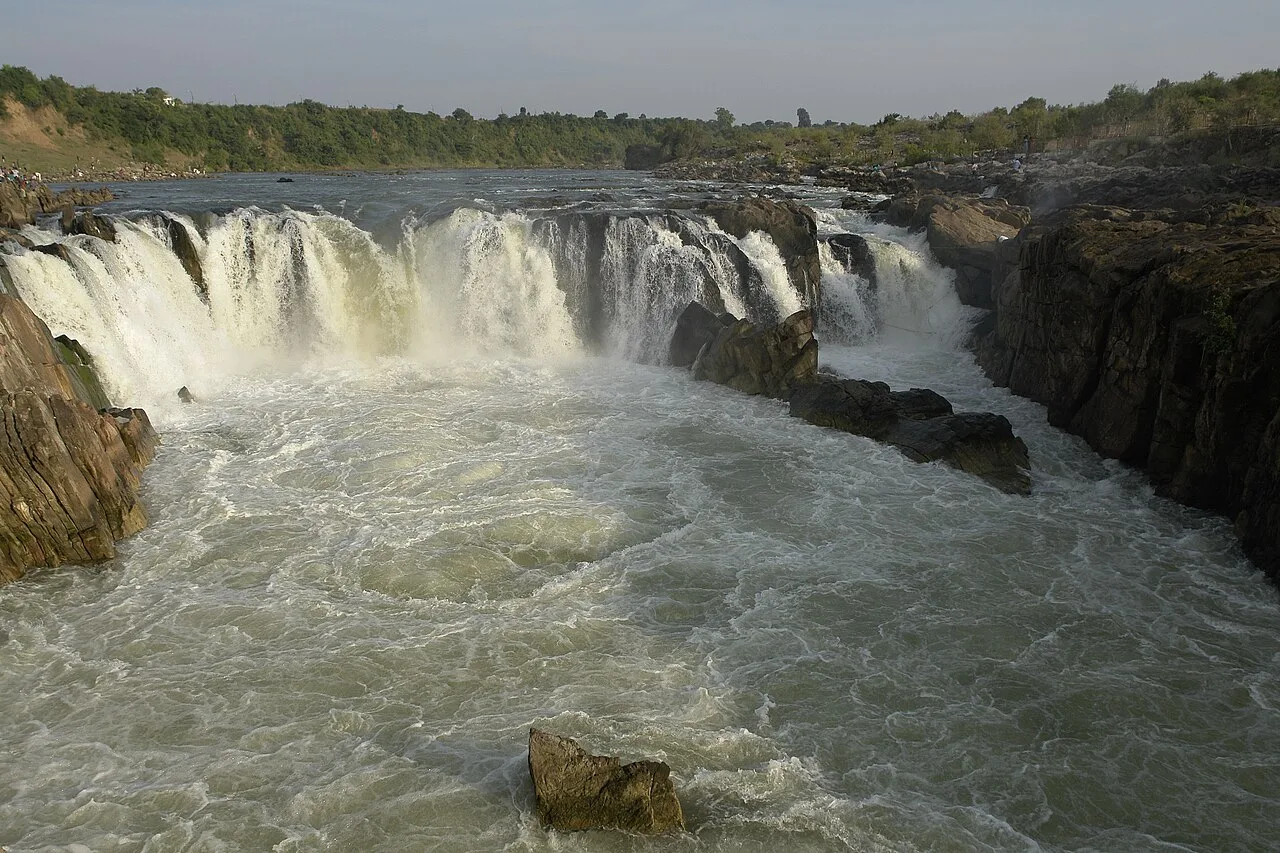
Marble Rocks
Marble Rocks is a gorge carved into marble by the Narmada at Bhedaghat, near Jabalpur in Madhya Pradesh. Visitors come to see the river-shaped landscape and locally made marble figures.
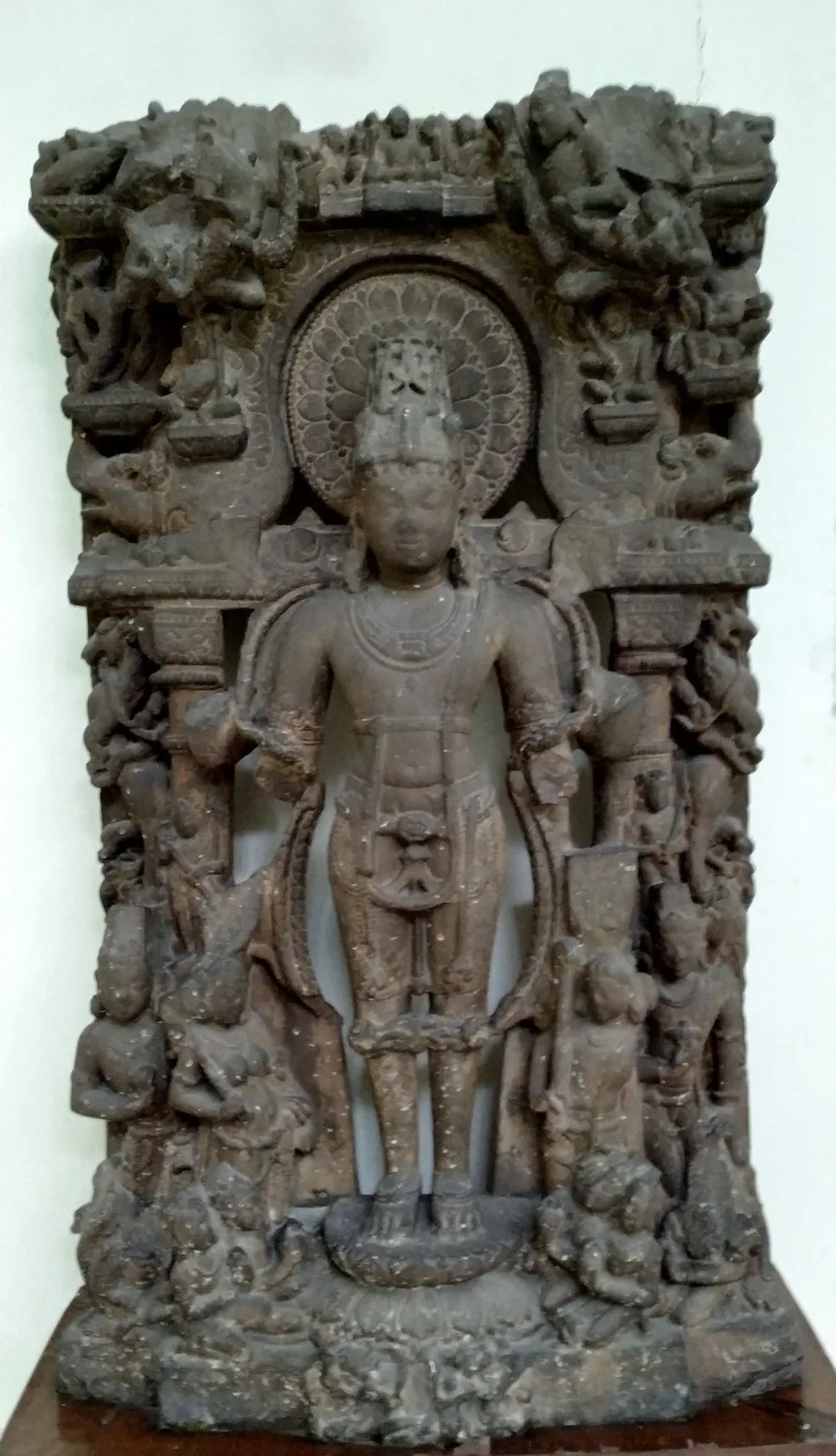
Rani Durgavati Museum
Rani Durgavati Museum is a museum or cultural centre in Jabalpur district, Madhya Pradesh. Visitors may go there as a place identified with the district’s cultural life.
Food in Jabalpur draws on the wider traditions of Madhya Pradesh rather than a single district-specific cuisine. Poha with jalebi is a familiar breakfast choice, pairing lightly seasoned flattened rice with a sweet accompaniment. Dal bafla, served with dal and ghee, is a substantial regional meal worth asking about. Bhutte ka kees, made from grated corn, is another Madhya Pradesh speciality, particularly associated with the state's western region rather than Jabalpur alone. Vegetarian meals are widely available, alongside non-vegetarian options in the city. At smaller eateries, ask what has been freshly prepared that day.
Bhedaghat is associated with marble carving and the sale of carved stone objects, a craft connection that complements its celebrated river scenery. Visitors can look for small sculptures, religious figures and decorative pieces in local shops, while asking where and how an item was made. Not every souvenir on sale necessarily comes from a local workshop. Madhya Pradesh also has important handloom traditions, including Chanderi and Maheshwari weaving, but these belong to other parts of the state rather than being Jabalpur-specific crafts.
Narmada Jayanti, generally observed in January or February, is marked in parts of the Narmada region with river-focused worship and gatherings. Makar Sankranti, usually in January, and Navratri and Dussehra, generally in autumn, are also celebrated locally. Diwali brings family and community observances across the district. The scale of festivities varies by neighbourhood and year, and celebrations near riverfronts or central public spaces can make those areas busier. Demand for rooms may rise around major festival periods, so visitors should check local conditions and arrange accommodation ahead when travelling then.
Elsewhere in Madhya Pradesh
The district lies in the central Indian uplands, with the Narmada valley, rocky outcrops, low hills and areas of woodland shaping its scenery. At Bhedaghat, the river cuts through the Marble Rocks; nearby, Dhuandhar Falls marks a dramatic change in the river’s course. Around Jabalpur, Balancing Rock and Madan Mahal’s hilltop setting offer smaller-scale encounters with the terrain. The city is the main transport hub, while river and rocky landscapes lie beyond the urban centre. Sightseeing therefore involves road journeys between stops, and river access can depend on water levels and conditions.
Jabalpur has hot summers, a monsoon season and generally milder, drier winters. Summer days can make outdoor sightseeing tiring, so plan walks for cooler parts of the day and carry sun protection and water. Monsoon rains refresh the landscape and can make Dhuandhar Falls especially striking, but wet paths, changing river conditions and road delays may affect outings. October to March is usually the most comfortable period for combining city visits with time outdoors. Pack light clothing for warm days, a layer for cooler winter evenings, and rain protection if travelling during the monsoon or its transition.
Jabalpur Junction is the principal rail gateway, and Jabalpur Airport, also known as Dumna Airport, serves the city by air. Road connections link Jabalpur with other Madhya Pradesh centres and neighbouring states; intercity buses and hired vehicles provide onward travel options. Within the city, auto-rickshaws and taxis are practical for reaching the museum and Madan Mahal area. Bhedaghat, Marble Rocks and Dhuandhar Falls can be grouped into a separate outing, with a taxi offering flexibility between stops. Allow for road travel rather than relying on straight-line map distances, and check current services locally.
Jabalpur city is the main hub for local buses, auto-rickshaws and taxis, which can connect visitors with the museum and Madan Mahal area. Bhedaghat, Marble Rocks and Dhuandhar Falls are commonly combined in a road outing from the city; a hired taxi offers flexibility between these stops. Buses and shared vehicles may serve routes towards nearby towns, but local availability and convenience vary. Boats at the Marble Rocks are subject to river conditions and local operation, so check on arrival rather than relying on them as transport. Allow for road travel and confirm current services locally.
2 days: Rani Durgavati Museum → Madan Mahal → Balancing Rock → Bhedaghat → Marble Rocks → Dhuandhar Falls. Sleep in Jabalpur on night 1. 3 days: Rani Durgavati Museum → Madan Mahal → Balancing Rock → Bhedaghat → Marble Rocks → Dhuandhar Falls. Sleep in Jabalpur on nights 1 and 2. 4 days: Rani Durgavati Museum → Madan Mahal → Balancing Rock → Bhedaghat → Marble Rocks → Dhuandhar Falls. Sleep in Jabalpur on nights 1 and 2, and Bhedaghat on night 3.
Jabalpur is the most practical base for the museum, Madan Mahal and day trips to the river sights. It offers a broad choice of hotels, along with guesthouses and dharamshalas. Bhedaghat can suit visitors who want to stay near the Marble Rocks and Dhuandhar Falls, though accommodation choices are more limited than in the city; check what is currently available. Homestays and smaller lodgings may be found in the wider area, but availability can vary by season. For a short visit or easier onward connections, staying in Jabalpur is usually the simplest option.
Take care on wet or uneven rocks and riverbanks, and keep behind barriers at the falls. Follow local instructions around boats and changing river conditions; do not enter the water unless access is expressly permitted. Summer heat calls for shade, drinking water and sun protection, while monsoon rain can make paths slippery and roads slower. Keep an eye on belongings in busy areas and use established transport for inter-site journeys. Mobile connectivity may be less reliable away from the city. No special permit is generally associated with these listed sights, but confirm any current access restrictions with official local sources.
- Damohabout 95 km
- Kanhaabout 132 km
- Bandhavgarhabout 137 km
- Hoshangabadabout 161 km
- Sagarabout 163 km
- Chhindwaraabout 169 km
- Satnaabout 170 km
- Kabirdham · Chhattisgarhabout 178 km
Straight-line distance between the centres of each district's destinations; road distance is longer.
All districts of Madhya Pradesh
Q: How many days should I spend in Jabalpur district? A: Two days can cover the main city and Bhedaghat sights; three days allow a more relaxed pace. Q: When is the best time to visit? A: October to March is generally comfortable for sightseeing. Monsoon brings rain and changing river conditions. Q: Where is the best base? A: Jabalpur is the most convenient base for city attractions and excursions to Bhedaghat. Q: How do I get to the district? A: Jabalpur Junction is the main rail gateway, and Jabalpur Airport serves the city. Road links connect it with other centres. Q: Is the district suitable for families or elderly travellers? A: Yes, with planning. Choose suitable transport, allow time between stops, and take extra care on uneven or slippery terrain.
This page draws on our 6 destination guides for Jabalpur and is updated as our team checks it.
Be the first to share photos, stories, advice or a helpful contact for Jabalpur.
Loading…