
District · Madhya Pradesh
Orchha
Orchha is a historic town in Niwari district, in the Bundelkhand region of northern Madhya Pradesh; it is not a separate administrative district.
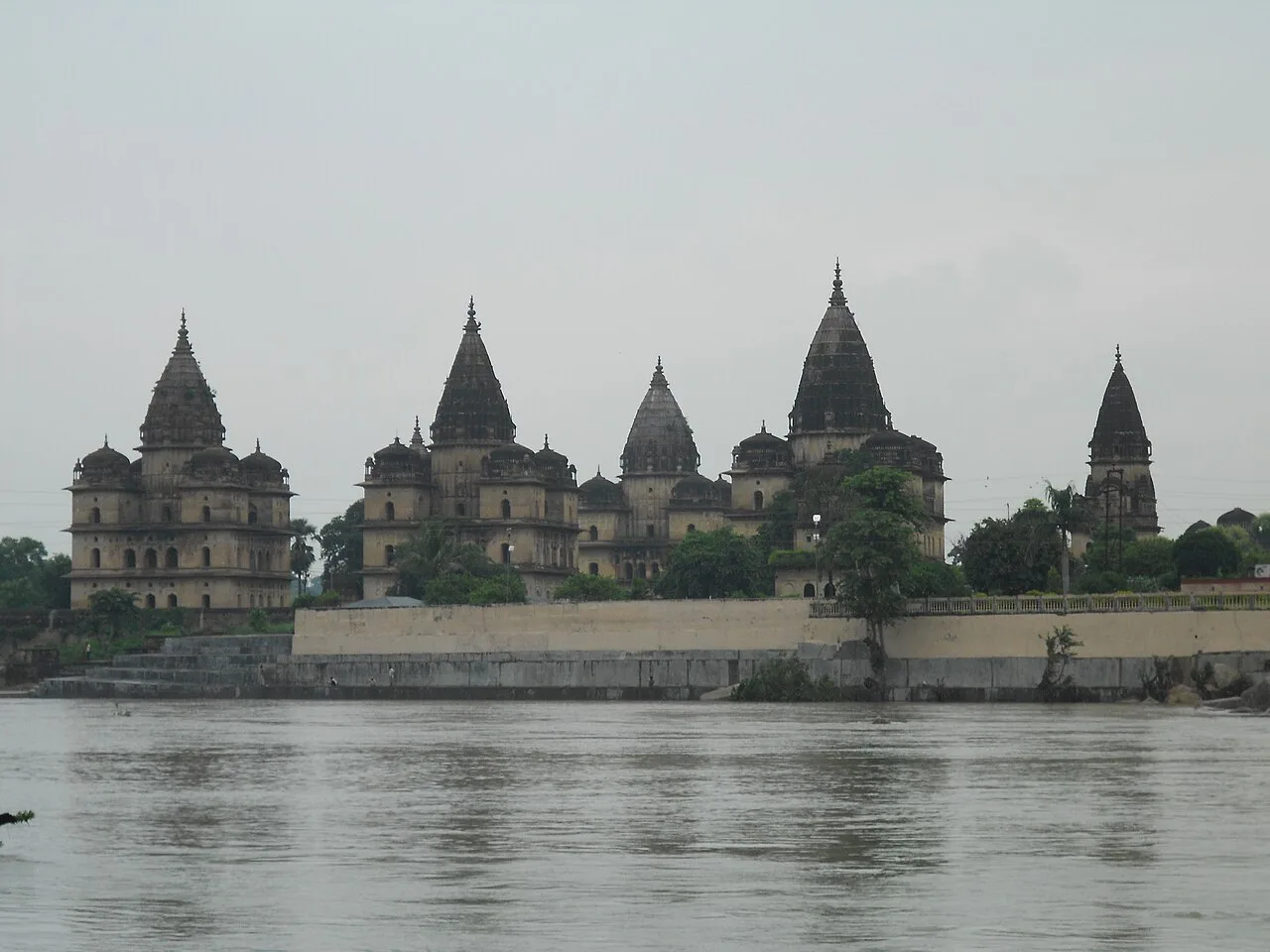
Orchha lies in the Bundelkhand region of north-central Madhya Pradesh, beside the Betwa River and its rocky, wooded banks. The landscape combines river islands, low rocky outcrops and dry woodland, with open countryside beyond the town. Founded as a Bundela stronghold in the sixteenth century, Orchha became a royal capital whose palaces, temples and riverside chhatris still shape its character. The fort complex includes the Jahangir Mahal and other historic buildings, while Ram Raja Temple remains an important place of worship. Today, Orchha is a small heritage town where active religious life sits alongside monumental architecture and a quieter riverside setting. It is now part of Niwari district.
Orchha is a historic town in Niwari district, in the Bundelkhand region of northern Madhya Pradesh; it is not a separate administrative district. Travellers come for its concentration of Bundela-era palaces, temples and riverside monuments, with the Orchha Fort complex at the centre of the visit. Ram Raja Temple and Chaturbhuj Temple add religious and architectural interest, while the Betwa River gives the town a distinctive setting. Orchha works well as a compact heritage stop or as a slower stay combining monument visits with time by the river. This page covers the Orchha visitor area and the listed destinations.
Orchha’s history is closely tied to the Bundela Rajput rulers of Bundelkhand. The town was established in the 16th century by Bundela chief Rudra Pratap, who made it the seat of a kingdom. His successors developed the palace and temple complex beside the Betwa. In the early 17th century, ruler Bir Singh Deo built prominent structures including Jahangir Mahal, associated with the Mughal emperor Jahangir’s visit. Bundela rulers at times allied with and at times opposed Mughal power, as regional politics shifted. Orchha later came under British paramountcy as a princely state; after independence, the princely state acceded to India in 1948. The town’s monuments reflect these changing political and religious histories. Administratively, Orchha is now in Niwari district, not a district of its own. Niwari district was formed in 2018 from Tikamgarh district, within the wider Bundelkhand region.
5 destination guides · 4 on the map
Betwa River, Orchha
The Betwa is a Yamuna tributary that flows past Orchha, linking the town with a river course through Madhya Pradesh and Uttar Pradesh. Visitors encounter it as part of Orchha’s setting.
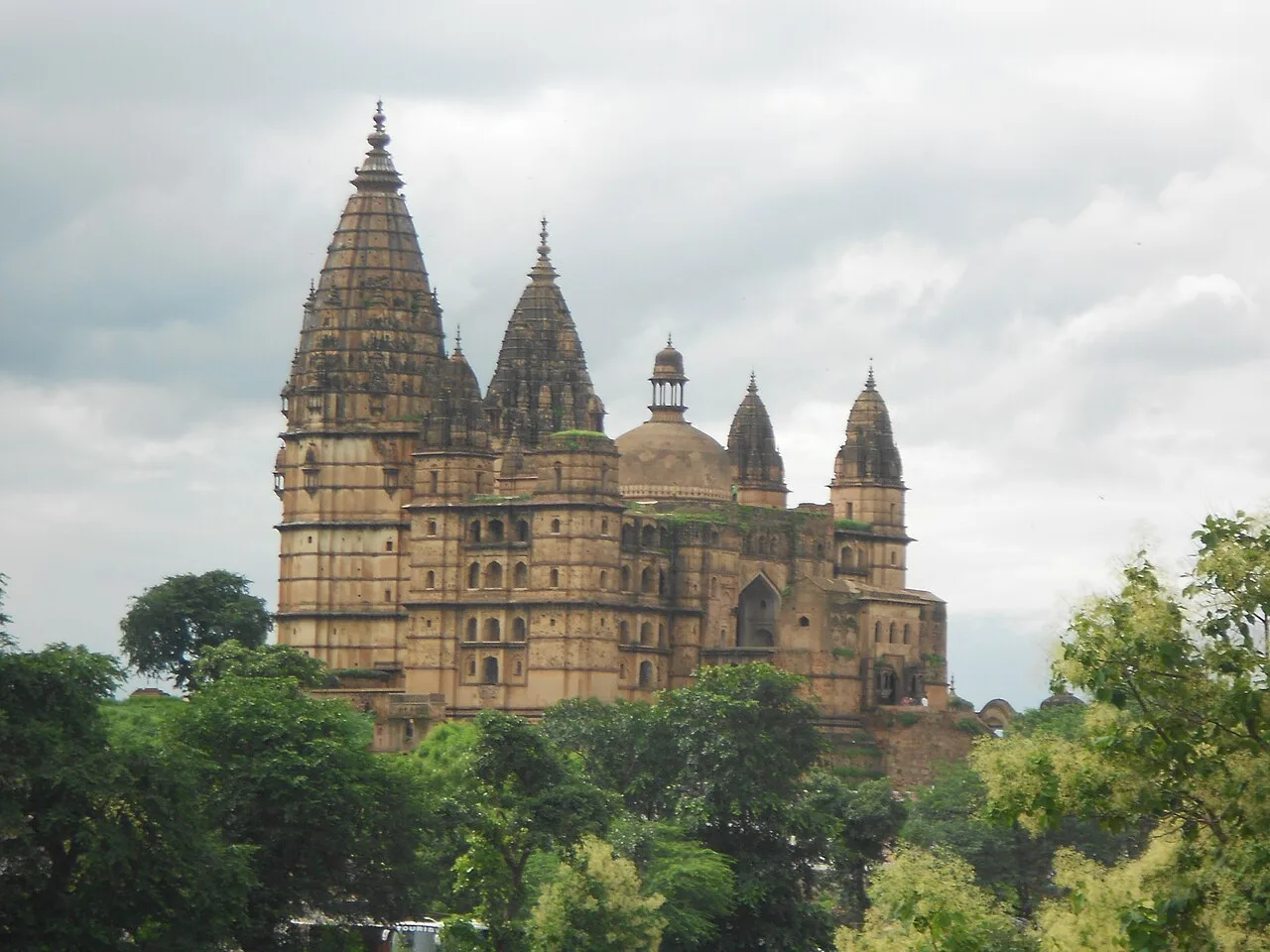
Chaturbhuj Temple
In Orchha district, Madhya Pradesh, Chaturbhuj Temple is a religious site. Visitors come to recognise its role as a temple and sacred place.
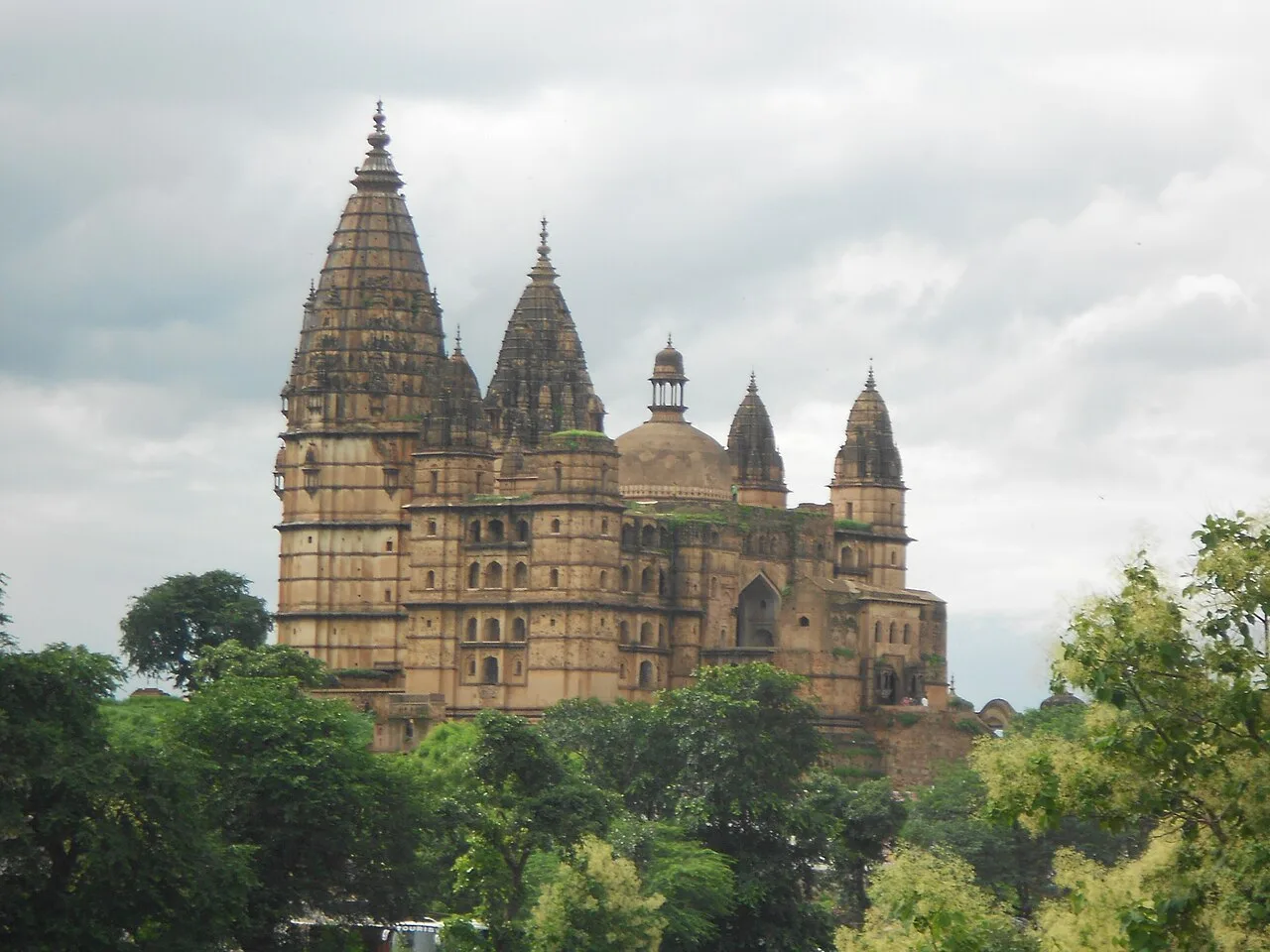
Orchha
Orchha is a town in Madhya Pradesh beside the Betwa River, founded as the centre of a Bundela princely state. Its history and former royal role are reasons to visit.
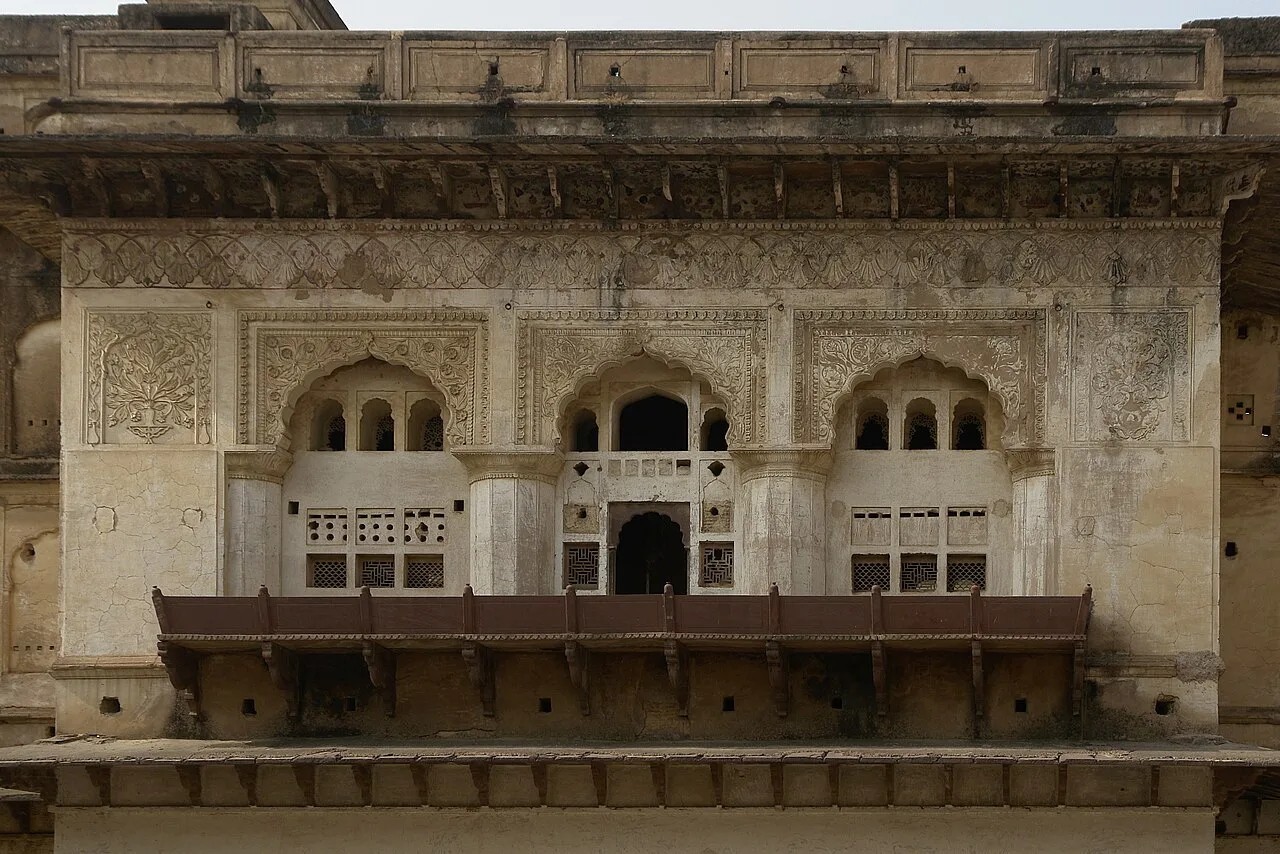
Orchha Fort
Orchha Fort is a historic complex in Orchha, Madhya Pradesh, built by Bundela rulers. Visitors come to explore its palaces, temple, courtyard and distinctive architectural features.
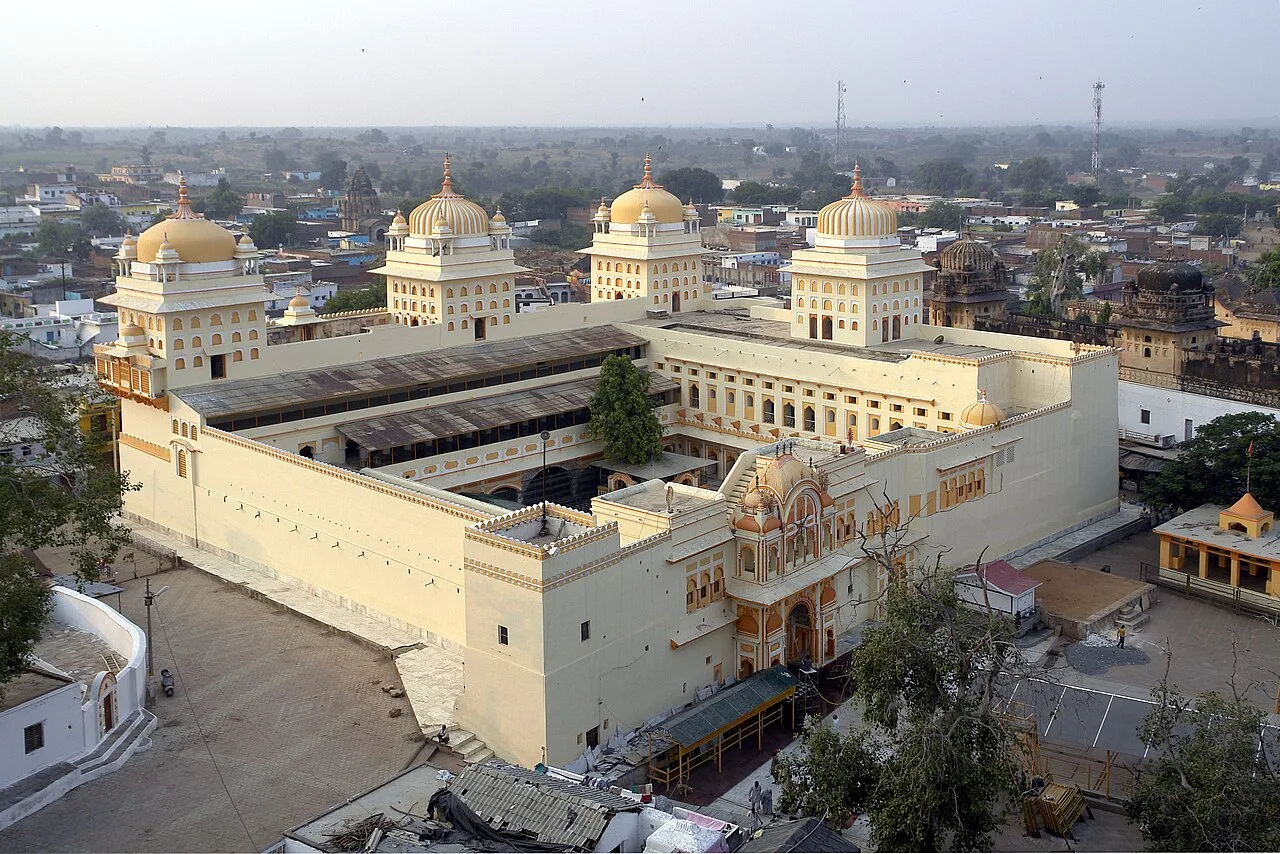
Ram Raja Temple
Located in Orchha, in Madhya Pradesh’s Niwari district, Ram Raja Temple is a Hindu shrine where Rama is honoured as a king. Visitors come to worship and see its palace setting and distinctive rituals.
Orchha’s food reflects Bundelkhand and the wider Madhya Pradesh region. Simple meals may feature wheat or millet breads, lentils, seasonal vegetables and locally prepared chutneys. Across Madhya Pradesh, poha with jalebi is a familiar breakfast, while dal bafla is a well-known hearty meal; availability varies from place to place. Small eateries may cook a limited menu each day, so ask what is fresh. Vegetarian food is widely available, and some restaurants also serve non-vegetarian dishes. Sweets such as gajak and mawa-based treats are found in the region, though offerings depend on the season and the individual shop.
Orchha’s most visible artistic traditions are part of its historic buildings: carved stone details, painted ornament and murals in palaces and temples. These works offer a sense of Bundela-era design, but they should not be taken as evidence of a large contemporary craft industry in town. Bundelkhand has varied folk-art and handmade traditions, which differ across communities and localities. Visitors may find textiles, small decorative objects or souvenirs in shops, but the place of production can vary; ask sellers about an item’s origin rather than assuming it is locally made.
Ram Navami, Dussehra, Diwali and Holi are observed in Orchha and the surrounding Bundelkhand region. Ram Navami is especially relevant to visitors interested in Ram Raja Temple, while Dussehra and Diwali bring local religious observances and seasonal activity. The timing follows the Hindu calendar, so the season can vary from year to year. Festival days and holiday periods may mean more visitors at temples and busier roads; accommodation can be harder to find, so it is sensible to plan ahead during these periods.
Elsewhere in Madhya Pradesh
Orchha lies in the Bundelkhand plateau region, where mostly open, gently undulating terrain meets rocky riverbanks and dry woodland. The Betwa River runs beside the town and shapes the setting of its monuments and ghats. Vegetation is generally more prominent during and just after the monsoon, while exposed ground and stone surfaces can be hot in summer. The main sights are clustered around Orchha, but river edges and uneven paths can make walking slower. Visitors should take care on rocks, steps and riverbanks, particularly after rain or when water levels are high.
Orchha has hot summers, a monsoon season and cooler, generally more comfortable winters. Summer heat can make midday monument visits tiring, so plan outdoor walking for the cooler parts of the day and carry water and sun protection. Monsoon brings greener surroundings but can also mean slippery paths, muddy ground and changing river conditions. Winter is usually the most comfortable season for exploring the palaces and temples; the period from roughly October to March is commonly preferred. Pack light clothing for warm days, a warmer layer for winter evenings, comfortable walking shoes and rain protection if travelling during the monsoon.
Orchha is reached most easily by road from Jhansi, in neighbouring Uttar Pradesh, with connections also available from towns such as Tikamgarh and Niwari. Orchha railway station is nearby, while Jhansi Junction is a larger rail hub with broader connections. Gwalior Airport is a practical airport gateway; onward travel requires a road transfer. Buses, taxis and private vehicles serve the region, though services and connections can vary. Within Orchha, many central sights are walkable; autos and cycle rickshaws can help with local trips. Check current services locally before setting out.
Orchha’s principal monuments are close enough to explore on foot, though the fort complex and river setting involve steps and uneven surfaces. Auto-rickshaws and local taxis can help with transfers within town or to nearby places. Road links connect Orchha with Niwari and other towns in the region; local buses and shared vehicles may serve some routes, but availability can vary. Many visitors reach the area through Jhansi and continue by road. Boat trips on the Betwa may be available when conditions and local operations permit; confirm locally and follow safety guidance rather than assuming service is running.
2 days: Orchha → Orchha Fort → Chaturbhuj Temple → Ram Raja Temple → Betwa River, Orchha; sleep in Orchha on night 1. 3 days: Orchha → Orchha Fort → Chaturbhuj Temple → Ram Raja Temple → Betwa River, Orchha; sleep in Orchha on nights 1 and 2. 4 days: Orchha → Orchha Fort → Chaturbhuj Temple → Ram Raja Temple → Betwa River, Orchha; sleep in Orchha on nights 1, 2 and 3.
Orchha is the most practical base for visiting the listed sights, with accommodation ranging from small hotels and guesthouses to homestays and dharamshalas. Staying in town makes it easier to visit the temples and fort on foot and to spend time by the Betwa. Niwari or nearby larger towns may offer another base for travellers with onward road plans, but they are less convenient for a short, monument-focused visit. Availability can tighten during festivals, weekends and holiday periods, so reserve ahead when travelling then.
The main visitor areas are generally straightforward to explore, but palace steps, old masonry, uneven paths and river rocks require care, especially in wet weather. Summer heat calls for shade, water and sun protection; during the monsoon, check river conditions and avoid unsafe banks or swimming. Use drinking water from reliable sources and take usual precautions with food. Roads in the region can vary in condition, and night travel may be less comfortable; allow flexibility for journeys. Mobile connectivity can vary around river and rural areas. No special visitor permit is generally required for the listed town sights; check official local guidance if plans include any separately regulated area.
- Niwariabout 0 km
- Jhansi · Uttar Pradeshabout 14 km
- Datiaabout 40 km
- Tikamgarhabout 75 km
- Shivpuriabout 84 km
- Chanderiabout 87 km
- Lalitpur · Uttar Pradeshabout 100 km
- Gwaliorabout 108 km
Straight-line distance between the centres of each district's destinations; road distance is longer.
All districts of Madhya Pradesh
Q: How many days should I spend in Orchha? A: Two days suit a focused visit to the main monuments; three days allow a more relaxed pace and time by the Betwa. Q: When is the best time to visit? A: The cooler months, roughly October to March, are usually most comfortable for sightseeing. Q: Where is the best base? A: Stay in Orchha for convenient access to the fort, temples and river. Q: How do I get to Orchha? A: Many visitors travel by rail to Jhansi and continue by road; road connections also serve Orchha from nearby towns. Q: Is Orchha suitable for families or elderly travellers? A: Yes, though some monuments have steps and uneven surfaces. Plan a slower route and check accessibility needs in advance.
This page draws on our 5 destination guides for Orchha and is updated as our team checks it.
Be the first to share photos, stories, advice or a helpful contact for Orchha.
Loading…