
District · Madhya Pradesh
Anuppur
Anuppur lies in eastern Madhya Pradesh, in the forested highland region near the Chhattisgarh border.
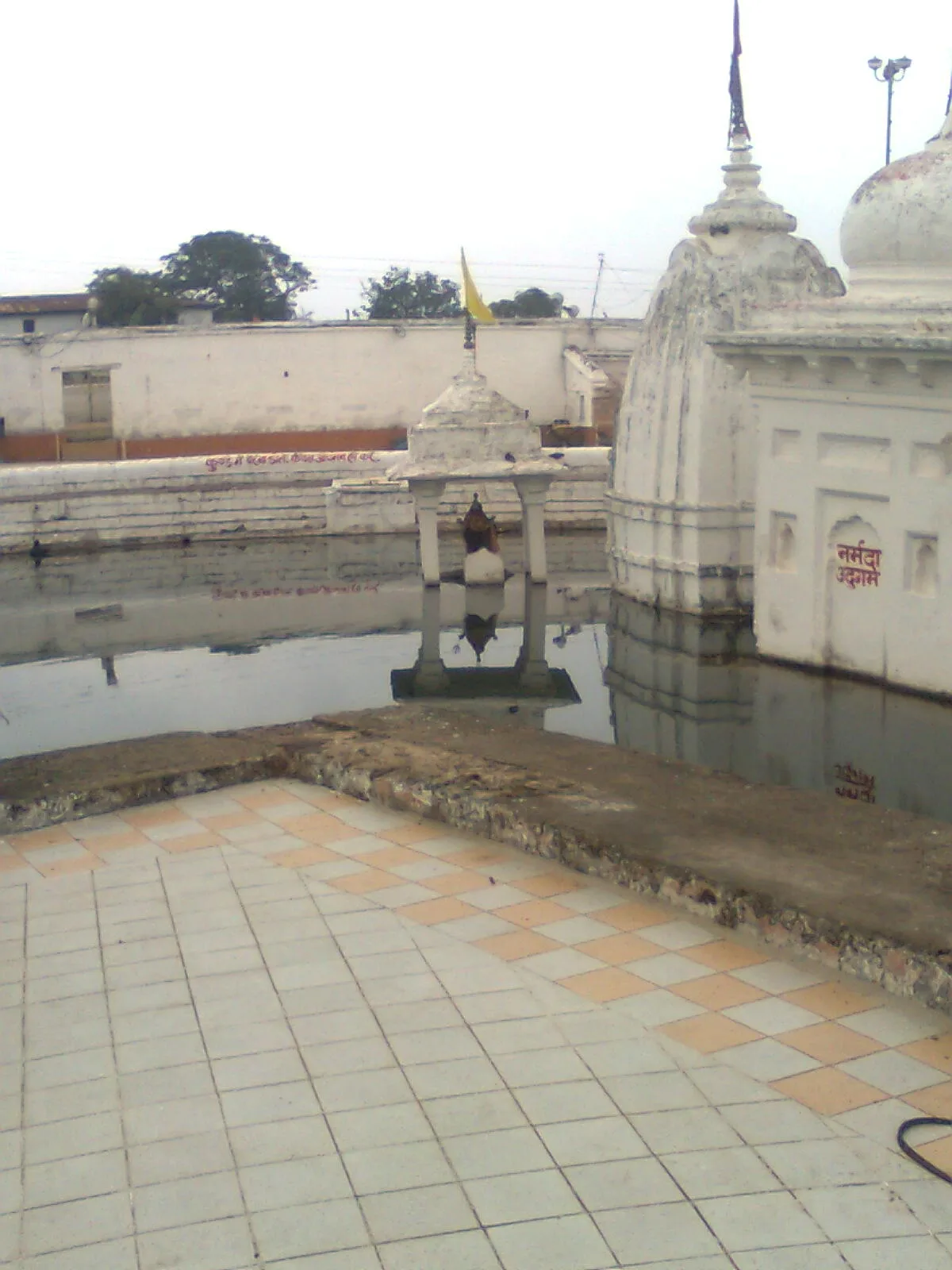
Anuppur lies in eastern Madhya Pradesh, where the forested Maikal hills meet a landscape of plateaus, valleys and river headwaters. The district is best known for Amarkantak, the hill town and pilgrimage centre where the Narmada rises at the Narmada Udgam Temple; the Son also begins in the surrounding uplands. Forests and rural settlements give the area a quieter character than the state’s larger cities, and Adivasi communities, including Gond and Baiga people, are part of its cultural life. Anuppur district was created from Shahdol district in 2003. Visitors often combine the sacred sites around Amarkantak with walks through the highland scenery and nearby forest country.
Anuppur lies in eastern Madhya Pradesh, in the forested highland region near the Chhattisgarh border. It is best known to travellers for Amarkantak, where the Narmada rises and the Narmada Udgam Temple marks an important pilgrimage place. The district’s setting in the Maikal hills also makes it a point of interest for visitors drawn to river origins, sacred landscapes and quieter central Indian uplands. Anuppur can be approached as a focused pilgrimage visit or as part of a wider journey through eastern Madhya Pradesh.
Anuppur’s history is closely linked to the wider Baghelkhand region and the forested uplands around Amarkantak. The area’s sacred associations are especially tied to the Narmada, whose source has drawn pilgrims over many generations. In medieval times, parts of the broader eastern central Indian region experienced the influence of Kalachuri rulers based at Tripuri, though political control varied across the region. Later, the area formed part of the territories associated with the princely state of Rewa. After Indian independence, Rewa became part of Vindhya Pradesh, which was incorporated into Madhya Pradesh when the state was reorganised in 1956. Anuppur was formerly within Shahdol district; it became a separate district on 15 August 2003. Its present identity therefore reflects both older regional ties and modern administrative changes.
Food in Anuppur reflects the wider eastern Madhya Pradesh region, with everyday meals built around rice or wheat, lentils, vegetables and seasonal ingredients. Simple local eateries may serve familiar central Indian staples such as poha for breakfast, while dal bafla and dal baati are regional dishes rather than specialties unique to this district. In rural and forest areas, Adivasi food traditions draw on locally available produce; what is served varies by community and season. Ask what has been cooked fresh that day, since smaller places may offer a limited menu. Vegetarian meals are generally easy to find in towns and pilgrimage centres.
Anuppur does not have a widely documented signature craft or handloom that can be confidently identified as district-specific. Across the broader tribal belt of eastern Madhya Pradesh, practical craft traditions include bamboo and cane work, baskets and household objects, with styles and availability varying between communities and villages. Gond and Baiga cultural traditions are also associated with the region, but visitors should not assume that paintings or particular craft forms are made locally without checking their source. When buying, ask artisans or sellers where an item was made and whether it is locally produced.
Amarkantak’s religious calendar includes observances connected with the Narmada and Shiva. Narmada Jayanti, usually celebrated in winter, draws pilgrims to the river’s source and temple area; Mahashivratri is also observed by devotees in the region. Makar Sankranti and other Hindu festival periods can bring additional visitors. Celebrations are strongest around Amarkantak rather than uniformly across the district. Crowds can increase around major observances and holiday periods, making simple accommodation busier; visitors planning a festival-season stay should arrange lodging ahead where possible.
Elsewhere in Madhya Pradesh
The district lies in the Maikal hill country, with forested uplands, ridges and valleys shaping travel between settlements. Amarkantak is a notable highland setting and the source region of the Narmada; the Son also rises in the wider Amarkantak area. Streams and wooded slopes make the scenery particularly green during and after the monsoon. Roads can be winding, and journeys between towns and hill settlements may take longer than a map suggests. The landscape favours a slower visit centred on Amarkantak rather than trying to cover many places in one day.
Summer is generally warm, while the monsoon brings heavier showers, greener hills and the possibility of slippery roads or slower travel. Winter is usually the most comfortable season for sightseeing and pilgrimage, though evenings and early mornings in the uplands can feel cold. October to March is generally a good window to visit, with winter festival periods bringing more pilgrims. Pack light clothing for daytime, a warm layer for evenings in the hills, comfortable walking shoes and rain protection during the monsoon. Check local conditions before setting out in wet weather.
Anuppur Junction is a rail gateway for the district; Pendra Road station in Chhattisgarh is also used for access to Amarkantak. Anuppur town and Amarkantak are separate destinations, so check which station best suits your itinerary. Bilaspur Airport in Chhattisgarh is a regional option for Amarkantak, though flight availability may be limited; Jabalpur offers another air gateway. Roads connect the area with Shahdol and Bilaspur, and buses and private vehicles serve major towns and pilgrimage routes. Taxis or shared vehicles can help with the final leg, while local transport may be limited outside town centres. Check current services locally.
Anuppur town is a rail and road access point, while Amarkantak is reached by road from the district’s towns and from neighbouring parts of Madhya Pradesh and Chhattisgarh. Buses connect larger settlements, but services to smaller places may be less frequent. Shared jeeps and autos can help with local connections where available; a hired taxi offers more flexibility for a visit focused on Amarkantak. Confirm return transport locally, especially outside the main towns.
2 days: Visit Narmada Udgam Temple at an unhurried pace; sleep in Amarkantak on the first night. 3 days: Visit Narmada Udgam Temple, allowing time for a relaxed pilgrimage visit; sleep in Amarkantak on the first and second nights.
Amarkantak is the most practical base for a visit centred on Narmada Udgam Temple, with accommodation suited to pilgrims and general travellers. Options in the area may include modest hotels, guesthouses, dharamshalas and occasional homestays; availability and standards vary, so check current arrangements before travelling. Anuppur town is a useful alternative for visitors arriving by rail or using it as a transport stop, but it is less convenient for a temple-focused stay. Book ahead around major religious observances and holiday periods.
Forested surroundings are wildlife habitat; keep a respectful distance from animals and avoid walking alone in wooded areas at night. Use safe drinking water and carry basic medicines, as services may be limited outside larger settlements. Mobile connectivity can vary in upland and forested areas. For any visit involving a protected forest area, confirm current access rules and permit requirements with official local authorities; do not assume entry is unrestricted.
All districts of Madhya Pradesh
Q: How many days should I spend in Anuppur? A: Two days can suit a focused visit to Amarkantak and Narmada Udgam Temple; allow longer if you want a slower pace or onward regional travel. Q: When is the best time to visit? A: October to March is generally comfortable, though major winter observances can bring more pilgrims. Q: What is the best base for visiting Narmada Udgam Temple? A: Amarkantak is the most convenient base for a temple-focused visit; Anuppur town can work as a transport stop. Q: How do I get to the district? A: Anuppur is connected by rail and road. From there, continue by road toward Amarkantak using available buses, shared vehicles or a taxi. Q: Is Anuppur suitable for families or elderly travellers? A: Yes, with planning.
This page draws on our 1 destination guides for Anuppur and is updated as our team checks it.
Be the first to share photos, stories, advice or a helpful contact for Anuppur.
Loading…