
District · Madhya Pradesh
Betul
Betul offers a quieter way to experience the Satpura uplands of southern Madhya Pradesh, where forested slopes, farms and small market towns shape the journey.
Betul district lies in southern Madhya Pradesh, amid the Satpura hills and wooded uplands that form part of central India’s highland landscape. Forests, farms and small settlements shape much of the countryside, while Betul town serves as the district’s administrative centre. Multai, in the district, is traditionally regarded as the source of the Tapti River, which flows westward across the Deccan before reaching the Arabian Sea. Gond and Korku communities are part of the district’s social and cultural fabric, alongside other rural communities. Betul’s character is quieter and more dispersed than that of Madhya Pradesh’s major urban centres, with local life closely connected to agriculture, forest landscapes and regional market towns.
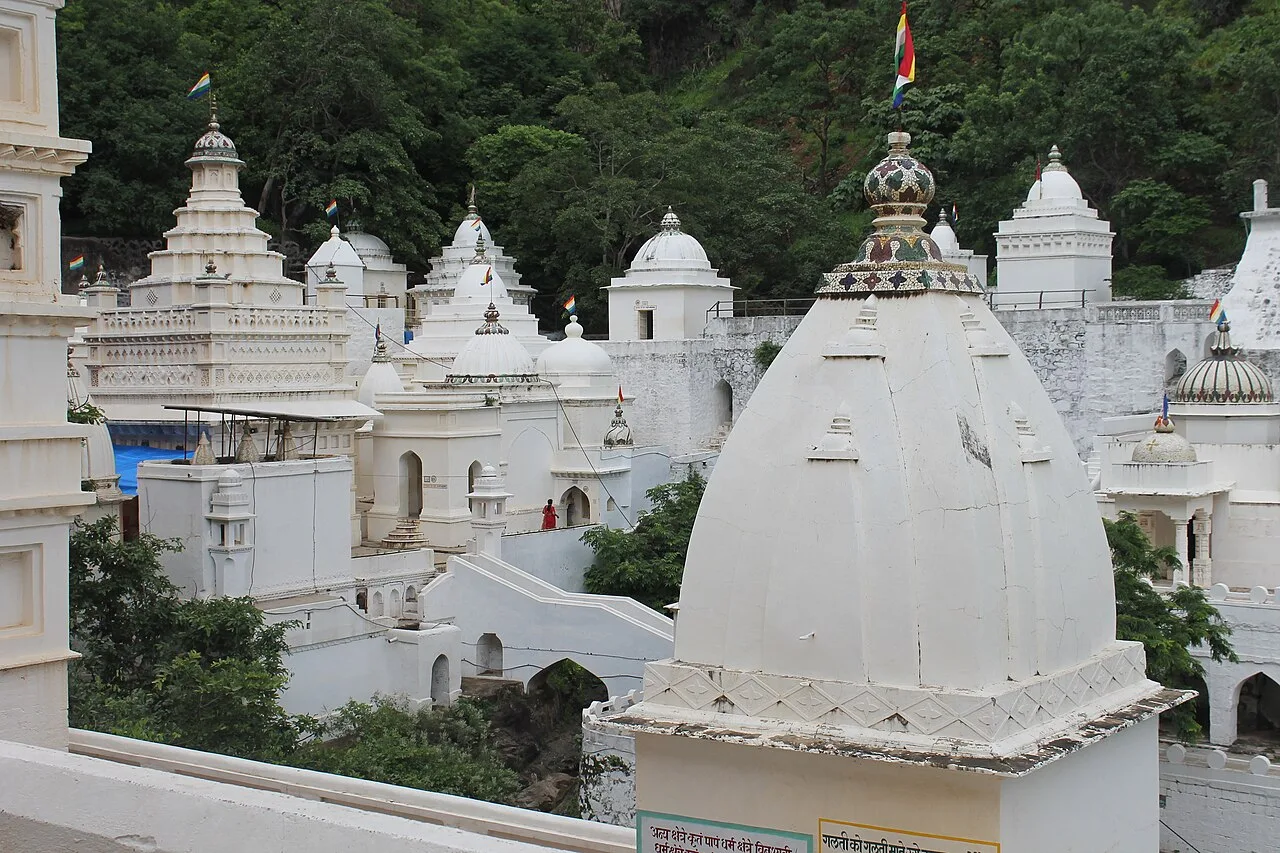
Betul offers a quieter way to experience the Satpura uplands of southern Madhya Pradesh, where forested slopes, farms and small market towns shape the journey. It is best known for its rural and tribal landscapes, the Tapti River’s traditional source at Multai, and Muktagiri, an important Jain pilgrimage centre on the Madhya Pradesh–Maharashtra border. Gond and Korku communities are part of the district’s cultural life. Betul town is a practical administrative and transport hub, while visits beyond it reward travellers who plan road connections in advance. The district suits visitors interested in pilgrimage, regional landscapes and a slower-paced view of central India.
The Betul region has long been part of the forested Satpura uplands, where communities including Gonds and Korkus lived in settlements linked by local trade and agriculture. In the wider region, Gond powers held sway at different times, followed by Maratha influence, including that of the Bhonsles of Nagpur. British control expanded across central India after the Anglo-Maratha conflicts of the early nineteenth century. Betul became part of the Central Provinces during the colonial period, and the district’s administration developed around Betul town and surrounding settlements. Forests and agricultural land remained central to local livelihoods under colonial rule as well as after independence. Following the reorganisation of Indian states in 1956, Betul became part of Madhya Pradesh. Its present identity reflects both this administrative history and the older connections among upland villages, market towns and neighbouring regions of Maharashtra.
Betul’s food reflects both central Indian home cooking and the traditions of its forest and farming communities. Meals may include maize or other grains, pulses, seasonal vegetables and locally gathered ingredients; dishes and availability vary between households and seasons. Across Madhya Pradesh, poha is a familiar breakfast, while dal bafla and bhutte ka kees are regional favourites. In Betul, these broader state dishes sit alongside everyday local cooking rather than defining a single district cuisine. Small eateries may prepare a limited daily menu, so ask what is fresh. Visitors seeking meat-free meals will generally find familiar vegetarian options in town.
Betul is not widely associated with one signature craft or a major named handloom tradition. In the wider central Indian region, practical bamboo and woodwork, including baskets and household objects, are made in some communities, though availability and makers vary locally. Gond painting is an important art tradition in Madhya Pradesh, but it is especially associated with other parts of the state and should not be assumed to be a Betul speciality. Local markets may offer handmade goods alongside everyday products; ask sellers about the maker and place of origin if you are looking for work produced in the district.
Festival observances vary between towns and villages. Holi and Diwali are widely marked, while harvest-related and community celebrations follow local agricultural seasons among Gond, Korku and other rural communities. At Muktagiri, Jain observances such as Mahavir Jayanti and Paryushan are important to pilgrims; attendance can rise around major religious occasions. Multai also draws visitors for religious observances connected with the Tapti River, particularly during the cooler season. Local events can make accommodation and transport busier than usual, so check with hosts or pilgrimage authorities before travelling. Large visitor surges are generally concentrated around particular observances rather than spread across the district.
Elsewhere in Madhya Pradesh
Betul lies across the Satpura uplands, with wooded hills, ridges, valleys, farmland and scattered settlements. The Tapti is traditionally said to rise at Multai and flows west from the district. Forested terrain and winding rural roads can make journeys slower than distances on a map suggest, especially when travelling beyond the main towns. Muktagiri sits in a hilly setting on the state border, so visitors should be prepared for uneven ground and steps. The countryside changes with the seasons: monsoon brings greener slopes and can affect road conditions, while winter generally offers clearer, more comfortable travel.
Summer is generally hot, especially in the afternoons, so plan outdoor activity for cooler parts of the day and carry sun protection and water. The monsoon, usually from around June into September, brings rain and greener landscapes; wet weather can make rural roads and walking surfaces slippery. Winter is milder and is often the most comfortable season for sightseeing and pilgrimage. October to March is a practical window for most visits, with the cooler months especially suitable for walking around Muktagiri. Pack light, breathable clothing for warm weather, a warm layer for winter mornings and evenings, sturdy footwear, and rain protection during the monsoon.
Betul railway station serves the district town on the rail corridor linking central India with the south; check which services stop there for your journey. Nagpur’s Dr. Babasaheb Ambedkar International Airport is a nearby air gateway, while Bhopal is another option. National Highway 47 connects Betul with Bhopal to the north and Nagpur to the south, with road journeys continuing to towns and rural areas on local highways. Buses and taxis are useful for intercity travel; autos and local taxis can help within towns. For forest and outlying destinations, arrange onward transport in advance. Check current services locally before travelling.
Betul town is the main local transport hub, with road links to district towns including Multai and to smaller settlements. Buses and shared vehicles may serve some routes, but services to rural destinations can be limited or irregular; check locally and allow extra time. Autos and local taxis are useful within towns, while a pre-arranged taxi or private vehicle is more practical for Muktagiri and other outlying places. The approach to pilgrimage and hill sites may involve walking on uneven paths or steps. Confirm your return transport before setting out, particularly outside the main towns.
2 days: Muktagiri; sleep in Betul town on both nights, arranging road transport to the pilgrimage centre. 3 days: Muktagiri at a relaxed pace; sleep in Betul town each night, allowing an extra day for travel or rest.
Betul town has the broadest choice of hotels and basic guest accommodation, making it a practical base when using the district’s main road and rail links. Multai can be convenient for visitors focused on the Tapti’s traditional source, though the range of stays may be more limited. For Muktagiri, ask the pilgrimage management whether dharamshala accommodation is available and confirm arrangements before travelling. Simple lodgings and community-run stays may be found in smaller places, but options are not uniform; plan onward transport and overnight stops together.
Rural roads can be narrow or uneven, and monsoon rain may reduce visibility or make surfaces slippery; avoid rushing and confirm road conditions locally. At Muktagiri, wear secure footwear and take care on steps and sloping paths, especially in wet weather. Carry drinking water and use sealed or reliably treated water; medical facilities and mobile connectivity may be limited outside towns. Forested areas are wildlife habitat, so keep a respectful distance from animals and follow local guidance rather than walking off established routes. Ask local authorities before entering any restricted forest area, and check transport back to town before departure.
- Amravati · Maharashtraabout 16 km
- Chhindwaraabout 131 km
- Wardha · Maharashtraabout 132 km
- Burhanpurabout 135 km
- Narmadapuramabout 137 km
- Hoshangabadabout 148 km
- Khandwaabout 155 km
- Omkareshwarabout 177 km
Straight-line distance between the centres of each district's destinations; road distance is longer.
All districts of Madhya Pradesh
Q: How many days should I spend in Betul district? A: Two or three days can suit a visit centred on Muktagiri; allow more time if you are travelling between scattered rural places. Q: When is the best time to visit? A: October to March is generally the most comfortable period, while monsoon travel can be affected by rain. Q: What is the best base for a district visit? A: Betul town is the main transport and accommodation hub; check pilgrimage accommodation directly if staying near Muktagiri. Q: How do I get to Betul? A: Betul is served by rail and National Highway 47; Nagpur and Bhopal are possible airport gateways, with onward road or rail travel to the district. Q: Is Betul suitable for families or elderly travellers? A: Yes, with advance transport planning; Muktagiri’s steps and uneven paths may be challenging for visitors with limited mobility.
This page draws on our 1 destination guides for Betul and is updated as our team checks it.
Be the first to share photos, stories, advice or a helpful contact for Betul.
Loading…