
District · Madhya Pradesh
Bandhavgarh
Bandhavgarh is a forest and heritage destination in Umaria district, in eastern Madhya Pradesh and the wider Baghelkhand region.
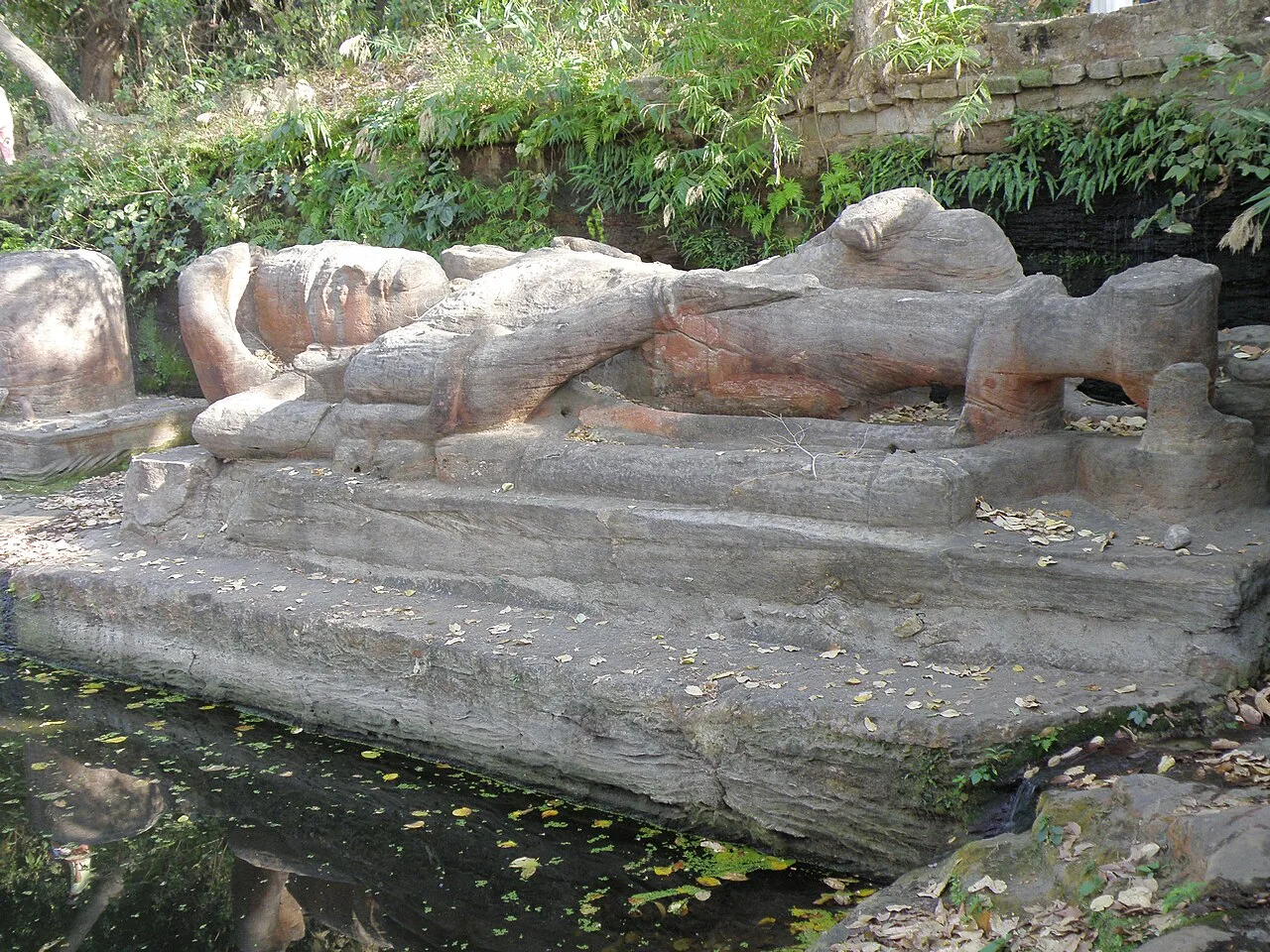
Bandhavgarh is a forest and heritage destination in Madhya Pradesh’s Umaria district, rather than a separate administrative district. Its landscape combines wooded hills, rocky escarpments, grasslands and seasonal watercourses, with sal forest forming an important part of the scenery. Bandhavgarh National Park is best known for its tigers, though deer, langurs and varied birdlife also shape the wildlife experience. Above the forest stands Bandhavgarh Fort, associated with the area’s long history and the former rulers of Rewa. Ancient sculptures and other remains add a cultural dimension to the landscape. Travel here centres on forest excursions and quiet lodge stays; access to protected areas and historic sites depends on forest regulations.
Bandhavgarh is a forest and heritage destination in Umaria district, in eastern Madhya Pradesh and the wider Baghelkhand region. Travellers come chiefly for Bandhavgarh National Park, known for its tiger habitat and a mix of forest, grassland and rocky terrain. The wooded hills also hold Bandhavgarh Fort, ancient sculptures and other remains that connect the landscape with the region’s past and the former rulers of Rewa. Safaris and lodge stays are central to a visit, but the experience is not limited to wildlife: the fort and surrounding scenery offer a cultural and historical counterpoint. Access to forest areas and heritage sites is regulated, so plans should be checked before travel.
Bandhavgarh lies in the historic Baghelkhand region, whose political history is closely associated with the Baghela rulers and the princely state of Rewa. The hill fort and sculptures in the area point to a long history of settlement and religious activity, although the fort’s earliest phases and the dating of individual remains are not always firmly established. Bandhavgarh became associated with Rewa’s rulers; historical accounts connect the fort with the dynasty before its political centre shifted to Rewa. Under British rule, Rewa was a princely state under British paramountcy rather than a directly administered British district. After independence, the state became part of Vindhya Pradesh, which was incorporated into Madhya Pradesh in 1956. The modern Umaria district, of which Bandhavgarh is part, was created from Shahdol district in 1998. Bandhavgarh National Park was established in 1968, and the area later became part of a tiger reserve under Project Tiger. Today, wildlife protection and forest regulations shape access to much of the landscape.
2 destination guides
Bandhavgarh Fort
Bandhavgarh Fort is a historic stronghold in Umaria district, Madhya Pradesh, within Bandhavgarh National Park, drawing interest for its landscape and long political history.
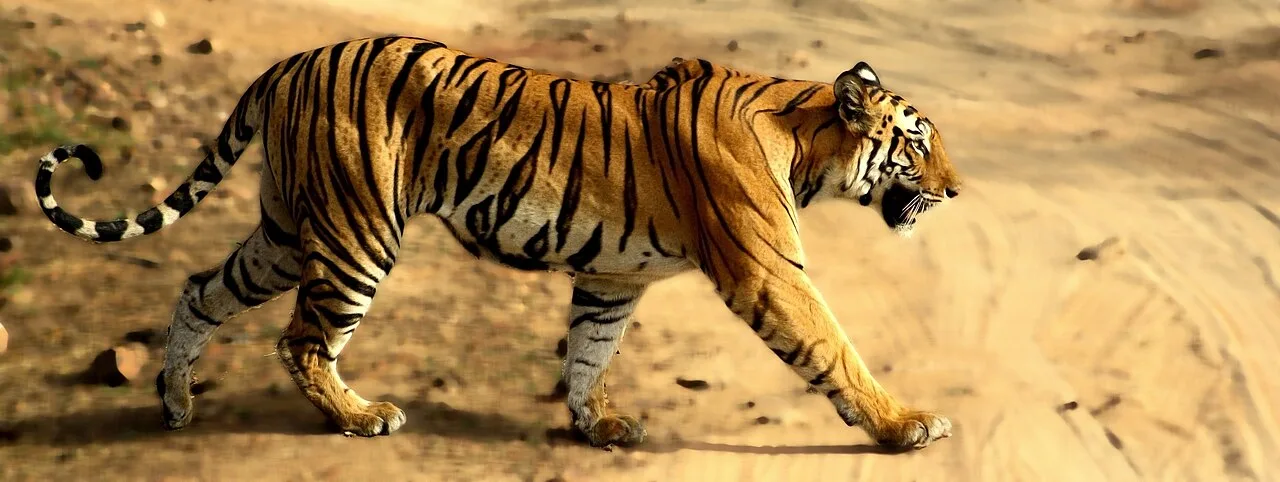
Bandhavgarh National Park
Bandhavgarh National Park, in Umaria district, Madhya Pradesh, is a protected area with extensive forests and diverse wildlife. Visitors are drawn especially by its tigers and other animals.
Food around Bandhavgarh is usually encountered in lodge kitchens and small eateries, where simple meals of dal, rice, roti and seasonal vegetables are common. Poha with jalebi is a familiar breakfast across Madhya Pradesh, while dal bafla, bhutte ka kees and sweets such as mawa-bati belong to the state’s wider food repertoire rather than being Bandhavgarh specialities. Forest communities in the wider region also have food traditions linked to seasonal produce and mahua. Availability varies considerably, so ask what is freshly prepared rather than expecting every regional dish on the menu. Vegetarian meals are generally easy to arrange.
Bandhavgarh is better known for wildlife and heritage than for a distinct, widely documented craft industry. For regional context, Madhya Pradesh has strong traditions of Gond painting, bamboo work and other forest-linked crafts. Gond art often draws on animals, trees and stories, but should not automatically be described as locally made in Bandhavgarh. Lodge shops and souvenir outlets may stock paintings, textiles or handmade objects from elsewhere in the state. Ask about the maker and place of production, and favour clearly attributed work purchased directly from artisans where possible.
Holi, Diwali, Navratri and Dussehra are observed in Umaria and the surrounding region, alongside village and community celebrations whose customs vary locally. Seasonal and harvest-related gatherings may also be part of rural life. These are regional celebrations rather than festivals unique to Bandhavgarh’s park area. They can bring extra activity to towns and villages, while the busiest accommodation periods are generally linked more to safari demand and holiday travel than to a single local festival. If travelling during major public holidays, book a stay and transfers ahead and check for local road or service disruptions.
Elsewhere in Madhya Pradesh
The landscape is an inland mosaic of wooded hills, rocky escarpments, open grasslands and seasonal streams, with sal forest an important feature. Bandhavgarh Fort rises above the surrounding forest, while watercourses and clearings shape wildlife habitat and the routes used on excursions. There is no coast or large navigable river at the centre of the visitor experience. Roads connect the settlements and safari approaches, but forest tracks can be uneven and travel between gates may take longer than a map suggests. The terrain makes sturdy footwear and a flexible itinerary useful.
Summer, from roughly March into June, can be hot, especially on open roads and during daytime travel. The monsoon months bring rain, greener vegetation and possible disruption to rural roads and forest access. Winter, broadly from November to February, is cooler, particularly in the early morning and evening. The drier months from about October to April are generally the most comfortable for combining safaris with heritage visits; winter is pleasant for many travellers, while late dry-season visits can offer clearer views through thinner vegetation but stronger heat. Pack layered clothing for early starts, sun protection, comfortable closed shoes and, in the rainy season, a light waterproof layer.
Bandhavgarh is reached by road through Umaria and the surrounding regional towns. Umaria is a useful railway access point, while Katni Junction and Shahdol offer other rail approaches depending on your route and accommodation. Rewa Airport is nearby in geographical terms, but flight availability and onward road transfers need checking; Jabalpur is another established air gateway to consider. Arrange a taxi or lodge transfer for the final journey, particularly when arriving with luggage. Confirm your accommodation’s location and assigned safari gate before booking transport, since gates are spread out and forest excursions require authorised arrangements. Check current services locally.
Umaria and nearby regional towns are linked by road, with local buses serving some routes and settlements. Services may not suit safari schedules or journeys between dispersed gates, so taxis or a lodge-arranged transfer are often more practical for visitors. Autos are useful for short trips in towns but should not be relied on for remote forest approaches. There is no ordinary public transport for moving around inside the protected area: safaris use authorised vehicles and arrangements. Confirm your accommodation’s location and assigned gate before setting out, and allow extra time for rural roads.
The Tala area is a practical base for many visitors, while other stays are spread around the park’s safari gates; choose according to your assigned entry point. Umaria can suit travellers who prefer a town base or need to connect by rail, though it is less convenient for repeated early forest excursions. Accommodation ranges from lodges and resorts to simpler guesthouses and local homestays. Government accommodation may be available in the wider area, but availability and access should be confirmed directly. Dharamshalas are more commonly found in towns than near safari gates.
Follow the instructions of authorised guides and forest staff: wildlife must be viewed from permitted vehicles, and visitors should not approach or feed animals. Forest tracks may be rough, while monsoon rain can affect road conditions; allow extra travel time and carry water for road journeys. Use safe drinking water and take sun and insect protection appropriate to the season. Mobile connectivity can be patchy outside settlements. Safari entry requires authorised arrangements and permits, and access to the fort or other forest sites may also be restricted. Confirm current permits, rules and access with official forest authorities or your accommodation before travel.
- Satnaabout 76 km
- Sidhiabout 88 km
- Rewaabout 107 km
- Damohabout 134 km
- Jabalpurabout 137 km
- Amarkantakabout 137 km
- Chitrakootabout 147 km
- Koriya · Chhattisgarhabout 150 km
Straight-line distance between the centres of each district's destinations; road distance is longer.
All districts of Madhya Pradesh
Q: How many days should I spend in Bandhavgarh? A: Two or three days gives time for forest excursions and, if access allows, a visit to Bandhavgarh Fort. Q: When is the best time to visit? A: The drier months from about October to April are generally suitable; winter is cooler, while late dry-season days can be hot. Q: Where is the best base? A: The Tala area is convenient for many visitors, but stay near the safari gate assigned to your booking. Umaria is another option for a town or rail connection. Q: How do I get to Bandhavgarh? A: Travel by road from Umaria or another regional town. Umaria is a useful rail access point; Jabalpur and Rewa are possible air gateways, subject to available services and onward transfers. Q: Is Bandhavgarh suitable for families or elderly travellers? A: It can suit families and older visitors who are comfortable with road journeys and early starts. Check vehicle access, walking requirements, accommodation facilities and site restrictions in advance.
This page draws on our 2 destination guides for Bandhavgarh and is updated as our team checks it.
Be the first to share photos, stories, advice or a helpful contact for Bandhavgarh.
Loading…