
District · Madhya Pradesh
Ujjain
Ujjain is a major pilgrimage and cultural centre of the Malwa region in western Madhya Pradesh.
Ujjain district lies on the Malwa plateau in western Madhya Pradesh, where cultivated plains surround an urban centre shaped by pilgrimage and trade. The Shipra River is central to Ujjain city's sacred geography, with riverside places such as Ram Ghat forming part of its religious landscape. Known in antiquity as Ujjayini, the city was an important centre of the Avanti region and has longstanding associations with Sanskrit learning and astronomy. Mahakaleshwar, one of Shiva's twelve Jyotirlingas, remains its best-known shrine, while Kal Bhairav Temple is another important pilgrimage destination. Beyond the temple precincts, the district's character reflects the agricultural rhythms, markets and food traditions of Malwa.
Ujjain is a major pilgrimage and cultural centre of the Malwa region in western Madhya Pradesh. Travellers come for Mahakaleshwar Jyotirlinga, one of the twelve Jyotirlingas, and for the sacred riverfront at Ram Ghat on the Shipra. Kal Bhairav Temple adds another important stop in the city’s religious landscape. Known in antiquity as Ujjayini, the city also has longstanding associations with Sanskrit learning, astronomy and the history of Avanti. Beyond its temples, Ujjain offers a view of Malwa’s markets, cultivated countryside and food traditions. It is a useful base for exploring the district’s pilgrimage heritage and regional culture.
Ujjain, known in ancient sources as Ujjayini, was a prominent city of Avanti, one of the important states of early historic India. Its position on regional trade routes helped it develop as a centre of commerce, religion and learning. Ujjain is associated with the Mauryan period; historical tradition connects Ashoka with its administration before his rule at Pataliputra. The city later flourished under successive powers, including the Guptas, and became known for scholarship in Sanskrit and astronomy. It was part of the changing political landscape of Malwa under medieval Rajput and Sultanate powers, and later came under Mughal influence. Maratha expansion in the eighteenth century brought Ujjain into the orbit of the Scindias, who patronised temples and public works. During the colonial era, the city was within the princely state of Gwalior, which was under British paramountcy rather than direct British provincial rule. After independence, Ujjain became part of the reorganised central Indian states and then Madhya Pradesh. The present district took shape through post-independence administrative arrangements and later state reorganisation.
3 destination guides · 2 on the map
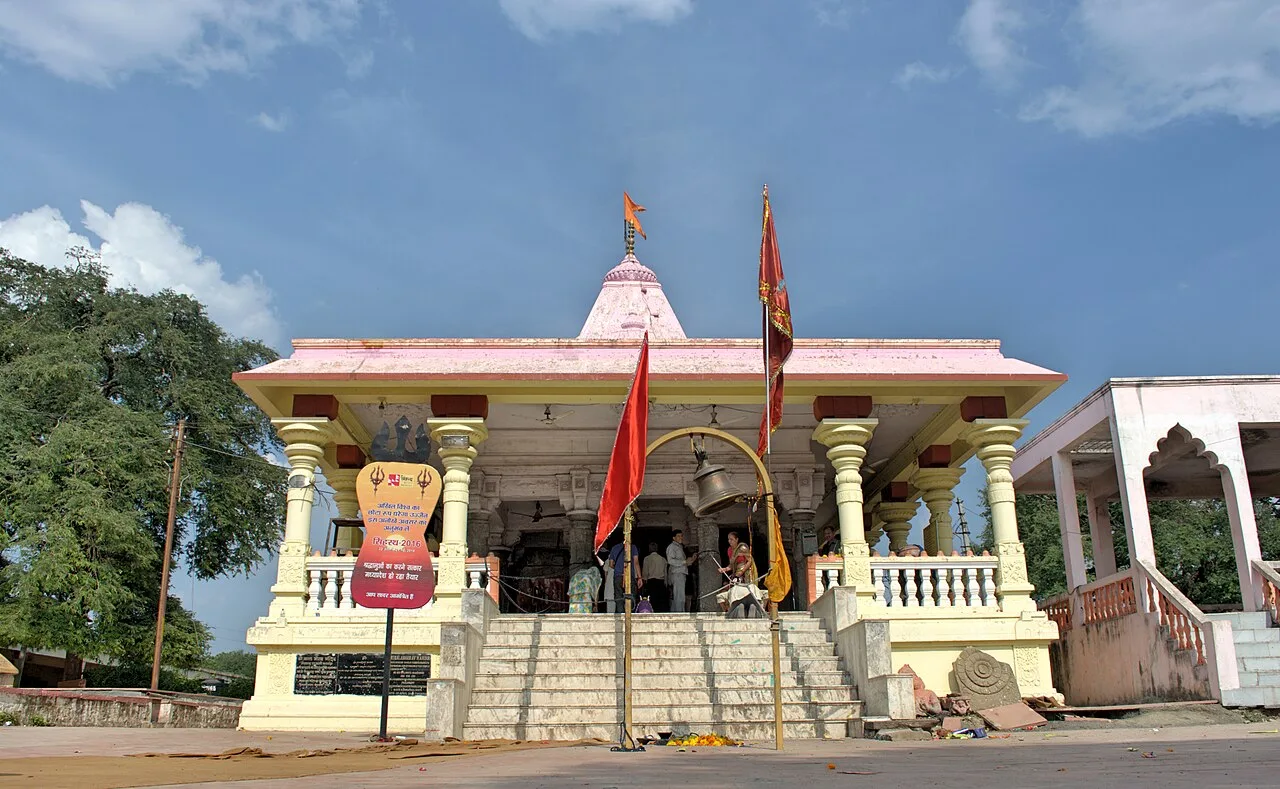
Kal Bhairav Temple
A Hindu shrine in Ujjain, Madhya Pradesh, Kal Bhairav Temple honours the city’s guardian deity. Worshippers visit its setting by the Shipra River, and liquor is among the offerings made there.
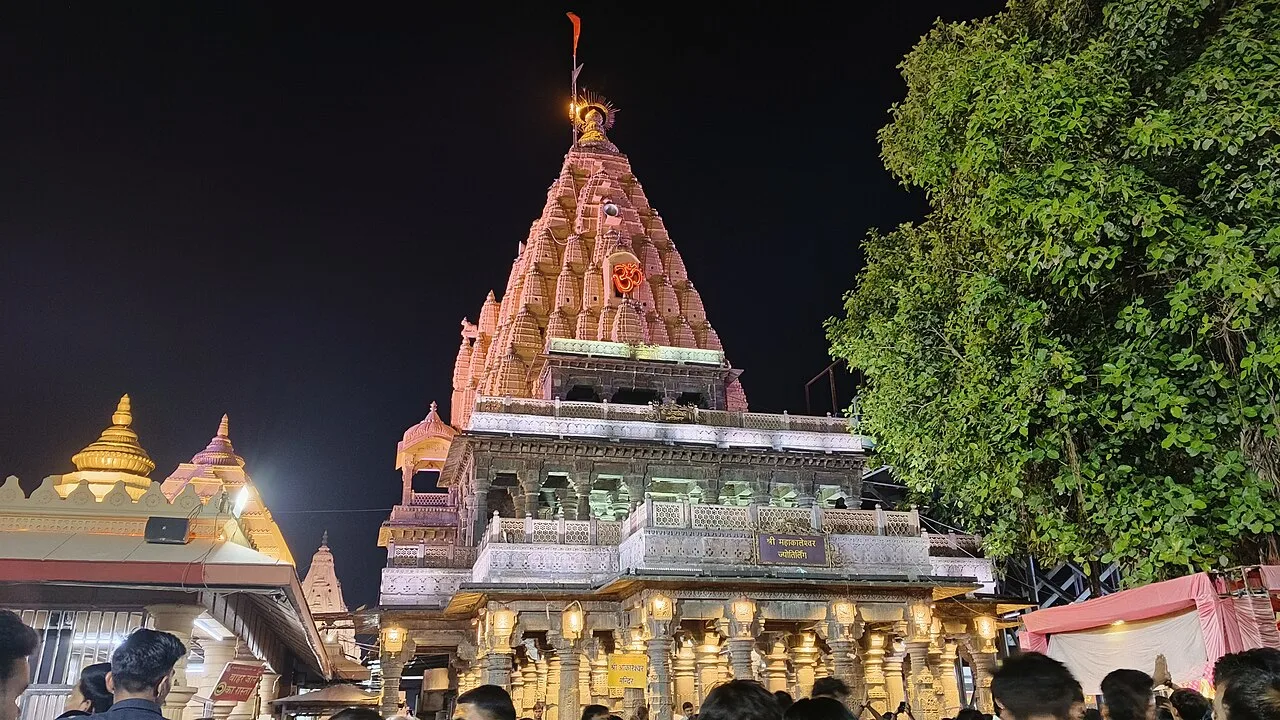
Mahakaleshwar Jyotirlinga
Mahakaleshwar Jyotirlinga is a Shiva temple in Ujjain, revered as one of twelve especially sacred Jyotirlinga shrines. Visitors come to worship its lingam, which is believed to be Swayambhu.
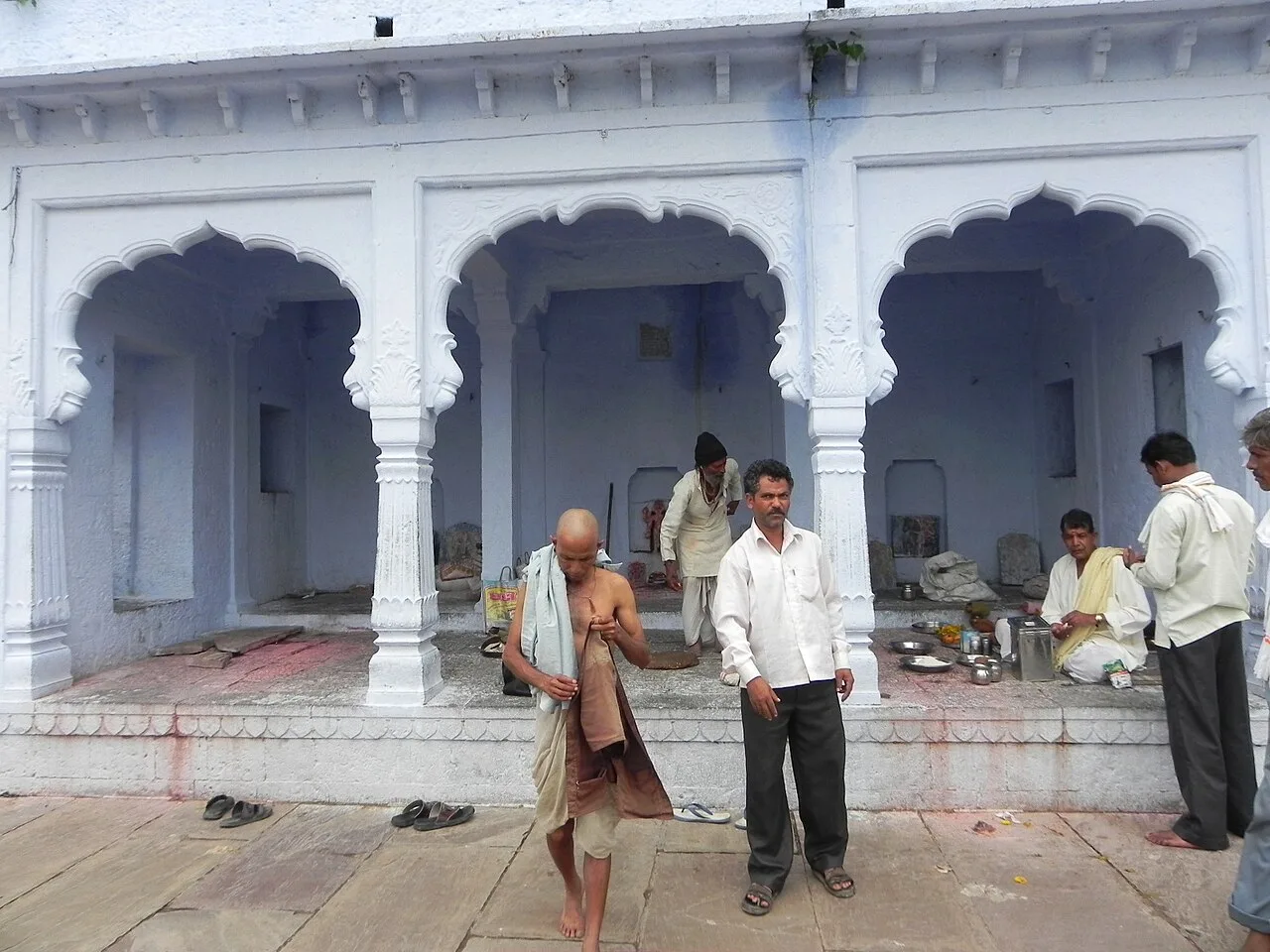
Ram Ghat
Ram Ghat is a heritage site in Ujjain district, Madhya Pradesh. Visitors come to see a place recognised for its heritage character.
Ujjain's food belongs largely to the wider Malwa tradition, with poha and jalebi a familiar breakfast pairing. Dal bafla, featuring baked wheat dumplings served with dal and ghee, is a substantial regional meal; bhutte ka kees, made from grated corn, is another Malwa speciality worth seeking out. Vegetarian eating is straightforward around the city's pilgrimage areas, though menus vary between establishments. Sweets such as mawa-bati and seasonal gajak are associated with the wider region rather than Ujjain alone. Small eateries may prepare only a few dishes each day, so ask what has been freshly cooked.
Bhairavgarh, near Ujjain city, is associated with batik textile printing, a wax-resist technique used to create patterned cloth. Artisans apply wax before dyeing, leaving protected areas uncoloured; repeated work can produce layered designs and colours. Look for fabrics, garments and household textiles, and ask sellers about where and how pieces were made. Madhya Pradesh also has important handloom traditions, notably Chanderi and Maheshwari weaving, but these originate in other parts of the state and should not be presented as crafts native to Ujjain district.
Mahashivratri, usually in February or March, draws pilgrims to Mahakaleshwar and can make the temple area busy. Ujjain is also a venue for Simhastha Kumbh Mela, a major bathing pilgrimage held periodically, traditionally at intervals of about twelve years; it brings exceptionally large crowds and makes accommodation difficult to secure. Navratri and other Hindu observances are marked at temples across the city. The wider Malwa region also celebrates seasonal fairs and harvest-related festivities. During major religious events, expect traffic controls, queues and changes to local access.
In this district
Ujjain district lies on the Malwa plateau, a landscape of gently rolling, largely cultivated plains rather than high mountains or extensive forests. The Shipra River runs through Ujjain city and shapes its sacred geography, especially around Ram Ghat. Fields, villages and market towns extend beyond the urban centre, with roads linking settlements across the plateau. The generally open terrain makes road travel practical, though rural routes may be slower and less direct than city journeys. In the city, temple lanes and riverfront steps are often best approached on foot.
Ujjain has hot summers, a monsoon season and comparatively mild, cooler winters. Summer, roughly from March into June, can bring strong heat, so plan outdoor walks for cooler parts of the day and carry water and sun protection. Monsoon weather, generally from June to September, can make roads wet and riverfront steps slippery. October to March is usually the most comfortable period for temple visits and exploring the city, though winter mornings and evenings can feel cool. Pack light, breathable clothing for warmer months, a rain layer during monsoon, and a light warm layer for winter. Modest dress is useful at religious sites.
Devi Ahilyabai Holkar Airport in Indore is the nearest practical airport for Ujjain city, with onward travel by road. Ujjain Junction is the principal railway gateway for the city and its major pilgrimage sites. Road connections link Ujjain with Indore, Dewas and other Malwa towns; buses and hired cars are useful for reaching the district. Within the city, auto-rickshaws and taxis serve temple areas, while some lanes and riverside stretches are best explored on foot. Pilgrimage crowds can affect vehicle access and journey times. Check current services locally.
Ujjain city is served by auto-rickshaws and taxis, which are useful for connecting the railway station, temple areas and other urban sights. Local buses and shared vehicles operate on some routes, while hired cars are practical for travel between Ujjain and nearby Malwa towns. Service frequency and availability can vary, particularly outside the city. Traffic restrictions and crowds may affect vehicle access near temples and the riverfront during festivals, so walking the final stretch is often easier. The Shipra is central to the city’s religious landscape, but it is not a routine transport route for visitors.
Ujjain city is the practical base for all the listed destinations, which are within the city and can be combined without changing accommodation. Stays range from hotels and guesthouses to dharamshalas and other pilgrimage-oriented lodging; some visitors may also find homestays. For a short temple-focused visit, choose a base with convenient access to the central city, while allowing for crowd-related road restrictions. During Simhastha and major festivals, rooms can be heavily in demand, so plan ahead and confirm arrangements locally.
Temple precincts and ghats can become very crowded during festivals; follow local instructions and agree on a meeting point if travelling in a group. Riverfront steps may be slippery, especially after rain, and visitors should take care near the water. Summer heat calls for shade, water and sun protection; use safe drinking water and take sensible food precautions. City roads can be congested, while rural roads may have variable surfaces, livestock or limited lighting, so avoid rushing and use caution after dark. Mobile connectivity is generally more reliable in the city than in outlying areas. No special permit is generally required for the listed city visits; confirm any current access rules with official local sources.
- Indoreabout 54 km
- Dharabout 106 km
- Omkareshwarabout 113 km
- Khargoneabout 117 km
- Khandwaabout 128 km
- Maheshwarabout 129 km
Straight-line distance between the centres of each district's destinations; road distance is longer.
All districts of Madhya Pradesh
Q: How many days should I spend in Ujjain district? A: Two days allow time for the main city pilgrimage sites; three days provide a more relaxed visit. Q: When is the best time to visit? A: October to March is generally the most comfortable season. Check festival periods, as crowds can be substantial. Q: What is the best base for visiting the listed destinations? A: Ujjain city is the best base for Mahakaleshwar Jyotirlinga, Ram Ghat and Kal Bhairav Temple. Q: How do I get to Ujjain? A: Ujjain Junction is the main rail gateway. For air travel, use Indore’s Devi Ahilyabai Holkar Airport and continue by road. Q: Is Ujjain suitable for families and elderly travellers? A: Yes, though temple queues, crowds, steps and walking distances can be challenging. Plan rest breaks and check current access arrangements.
This page draws on our 3 destination guides for Ujjain and is updated as our team checks it.
Be the first to share photos, stories, advice or a helpful contact for Ujjain.
Loading…