
District · Madhya Pradesh
Indore
Indore is a major urban and commercial centre of western Madhya Pradesh, set on the Malwa Plateau and well placed for exploring the surrounding region.
Indore district lies on the Malwa Plateau in western Madhya Pradesh, combining a busy urban centre with agricultural countryside and wooded hills. Its best-known historic landmarks reflect the influence of the Holkars, the Maratha dynasty closely associated with Indore’s development. Rajwada, also called the Holkar Palace, anchors this heritage, while Lal Bagh Palace offers another point of interest for palace enthusiasts. Kanch Mandir, built by Sir Seth Hukumchand Jain, represents the city’s Jain religious and mercantile traditions. Beyond the urban streets, Ralamandal Wildlife Sanctuary, established in 1989, provides a contrasting natural setting. Indore’s character is equally shaped by commerce and food, especially Sarafa Bazaar’s transformation from jewellery market to night-time eating destination.
Indore is a major urban and commercial centre of western Madhya Pradesh, set on the Malwa Plateau and well placed for exploring the surrounding region. Its best-known attractions reflect the Holkar dynasty’s influence, from Rajwada to Lal Bagh Palace, alongside Kanch Mandir’s Jain heritage. The city also offers a vivid food culture: Sarafa Bazaar changes from a jewellery market into a popular evening food destination. For a change of pace, Ralamandal Wildlife Sanctuary provides wooded terrain beyond the urban centre. Indore suits travellers interested in history, religious architecture, local food and a city-based introduction to Malwa.
Indore’s recorded prominence grew under the Holkars, a Maratha ruling house that rose to influence in the eighteenth century. Malhar Rao Holkar established the dynasty’s power in the region, and Indore developed as an important centre of Holkar administration and trade. The family’s legacy is visible in the city’s palaces and historic buildings; Ahilyabai Holkar, one of its best-known rulers, is especially associated with Malwa, though she governed from Maheshwar rather than making Indore her capital. In the nineteenth century, the Holkar state entered into a treaty relationship with the British and continued as a princely state under British paramountcy. After Indian independence, the princely state joined the Union of India and became part of the reorganised political units of central India. Indore district is now part of Madhya Pradesh, formed in 1956. Its administrative boundaries and governance have changed over time, while the city has expanded into a major centre for commerce, education and services.
5 destination guides · 4 on the map
Kanch Mandir
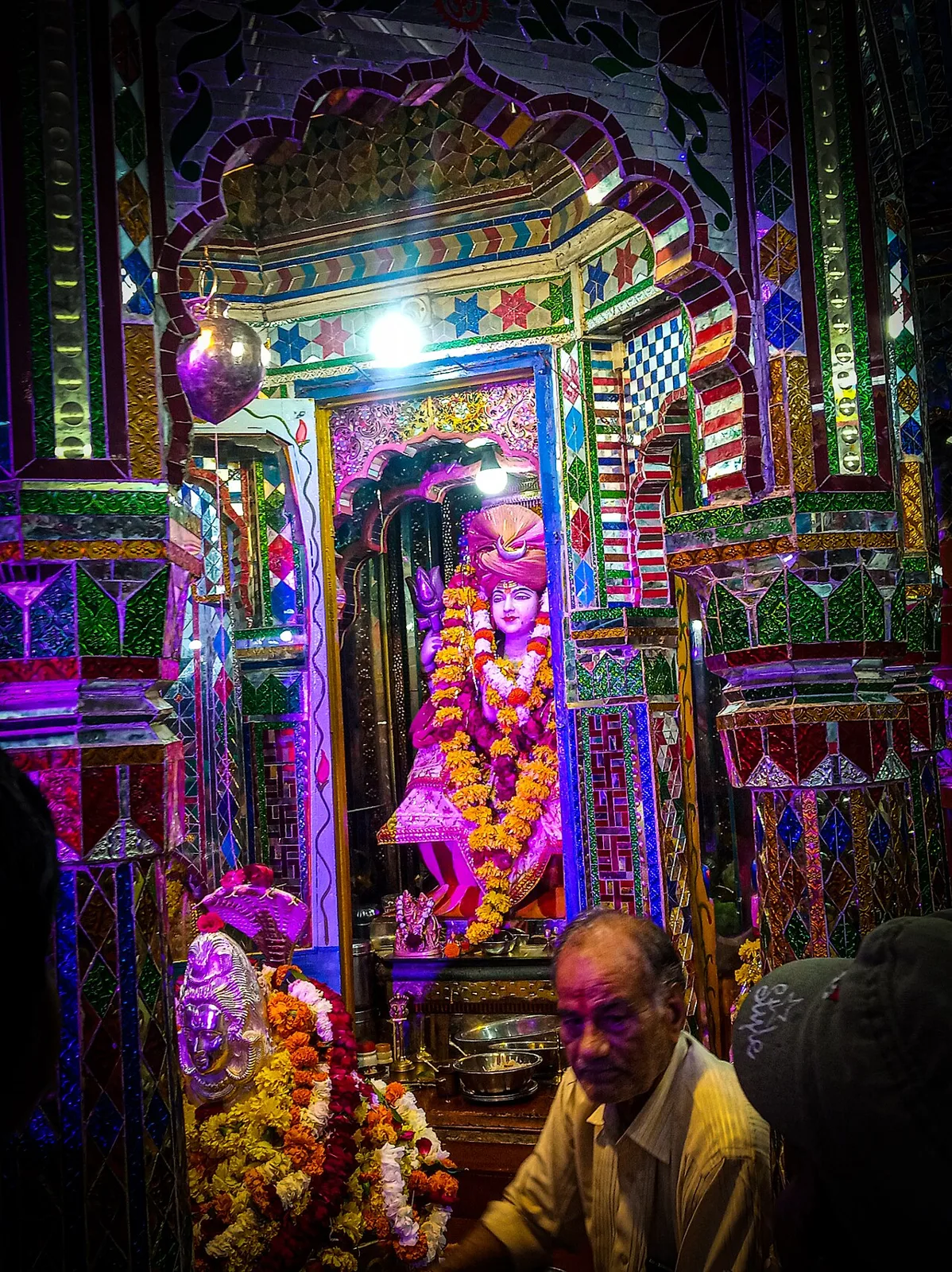
Kanch Mandir is a well-known Jain temple in Indore, built by Sir Seth Hukumchand Jain. Visitors come to see the place of worship whose name means Temple of Glass.
Lal Bagh Palace
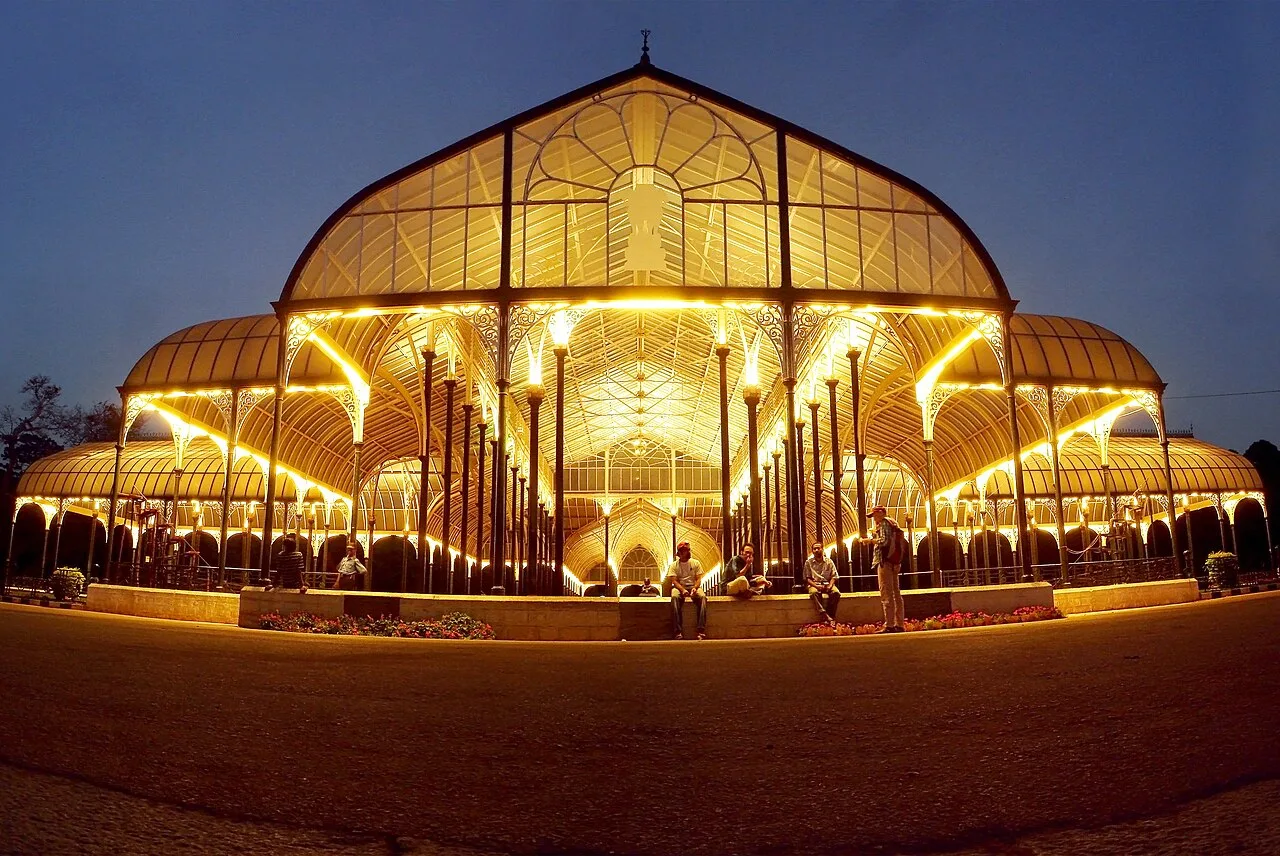
Lal Bagh Palace is a palace or haveli in Indore district, Madhya Pradesh. Visitors may come to see a place identified by this type of building.
Rajwada
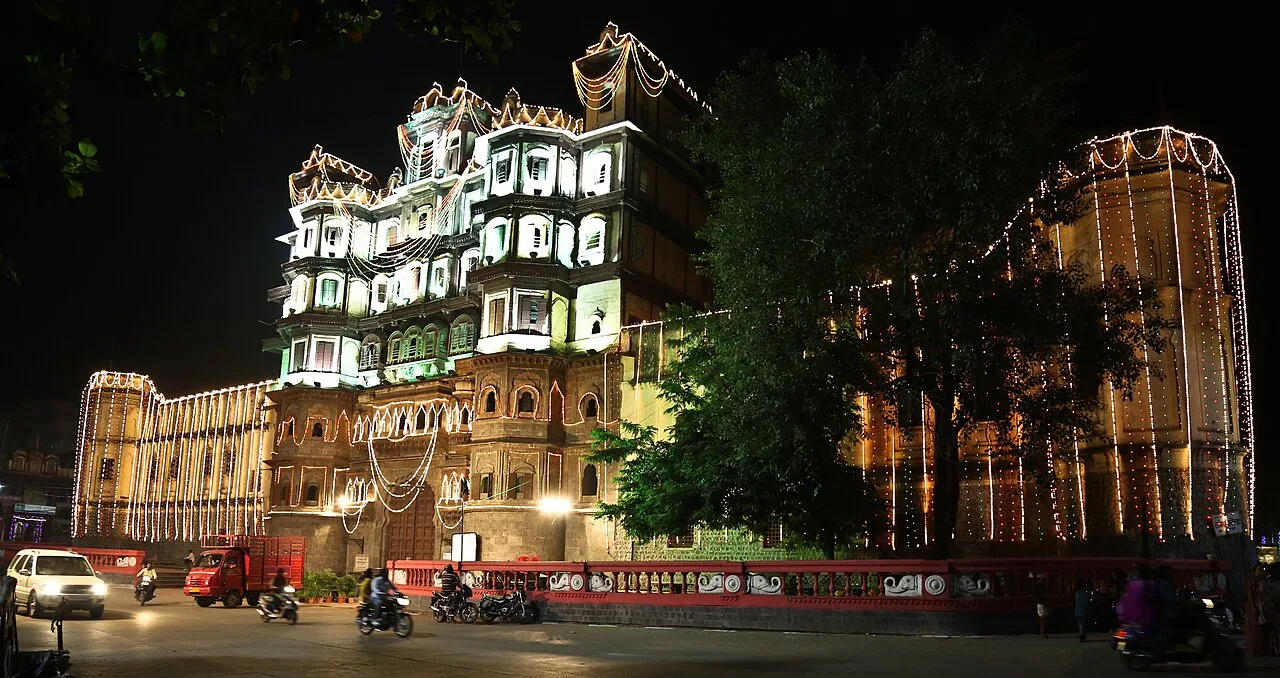
Rajwada is a historic, seven-storey Holkar residence in Indore. Visitors come for its period architecture, dynastic history and the garden with fountains and a waterfall.
Ralamandal Wildlife Sanctuary
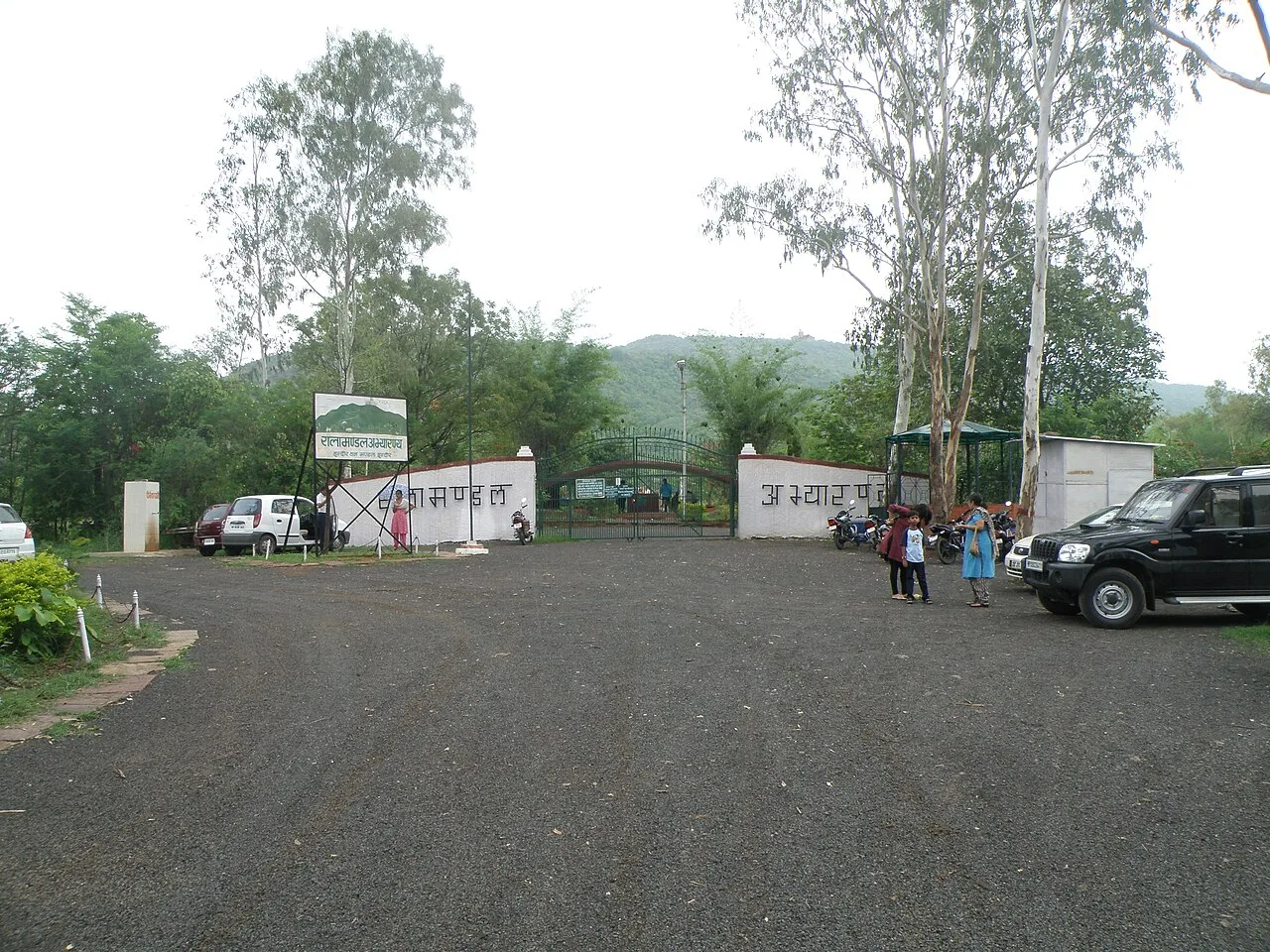
Established in 1989, Ralamandal Wildlife Sanctuary is a five-square-kilometre protected area in Indore district, Madhya Pradesh. Visitors come to see its birds, other wildlife and old hunting lodge.
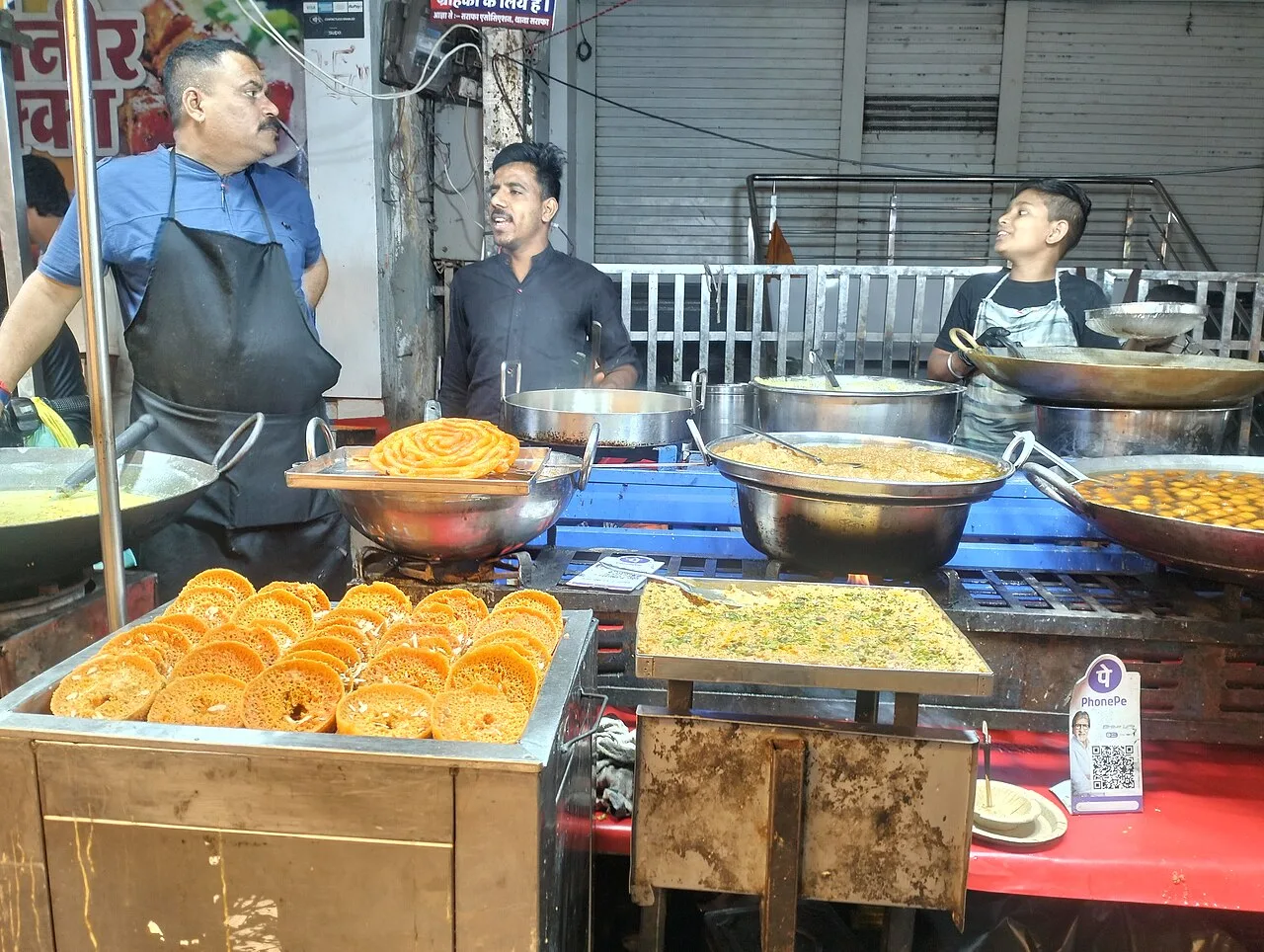
Sarafa Bazaar
In central Indore, Sarafa Bazaar is a jewellery-trading area by day that becomes a street-food destination at night, drawing visitors for its varied cuisine and evening atmosphere.
Indore’s food culture is especially welcoming to vegetarian travellers. Poha with jalebi is a familiar breakfast pairing, while bhutte ka kees, made with grated corn, is strongly associated with the city. Dal bafla belongs to the wider Malwa and Madhya Pradesh repertoire, pairing wheat dumplings with dal and ghee. Sarafa Bazaar is the district’s best-known food destination: a jewellery market that becomes a lively street-food gathering at night. Mawa-bati and gajak are sweets found across the wider state rather than specialities exclusive to Indore. At smaller eateries, ask which dishes have been freshly prepared that day.
Indore’s jewellery trade is visible in Sarafa Bazaar, although the market should not be treated as evidence of a craft unique to the district. Kanch Mandir’s glass decoration offers a distinctive example of decorative religious art within the city. For handlooms, the broader regional context is important: Maheshwari textiles come from Maheshwar in neighbouring Khargone district, while Chanderi weaving belongs to another part of Madhya Pradesh. These traditions are relevant when browsing textiles in Indore, but buyers should ask about weaving origin, fibre content and whether an item is handwoven.
Indore celebrates major Hindu festivals such as Navratri, Diwali, Holi and Ganesh Chaturthi, as well as Eid and other observances among its diverse communities. Rang Panchami, held after Holi, is particularly prominent in the city and can bring large crowds to public celebrations. Festival periods may mean busier roads, crowded market areas and greater demand for rooms, especially around central Indore. Dates vary each year because many festivals follow lunar calendars. Visitors planning a festival-season stay should check local announcements and arrange accommodation ahead where possible.
Elsewhere in Madhya Pradesh
Indore lies on the Malwa Plateau, amid gently rolling countryside, cultivated land and low hills. The wider region is shaped by seasonal streams and rivers, while the urban area is much more built-up than its rural surroundings. Ralamandal Wildlife Sanctuary offers a wooded, hilly contrast to the city, but should be treated as a separate road outing rather than an urban walk. The plateau setting makes road travel central to reaching nearby countryside; monsoon showers can affect rural roads and trail conditions. Within the city, traffic and dense market streets often shape journeys more than terrain.
Indore has hot summers, a monsoon season and comparatively mild, dry winters. Summer heat is most pronounced before the rains, so visitors may prefer to plan outdoor sightseeing for mornings or evenings. The monsoon generally brings greener surroundings but can also mean heavy showers, slippery surfaces and slower road journeys. Winter, broadly from October into early spring, is usually the most comfortable period for exploring palaces, markets and the sanctuary. Pack light clothing for warm days, a layer for cooler winter evenings, comfortable walking shoes and rain protection if travelling during the monsoon. Check the forecast before countryside excursions.
Devi Ahilyabai Holkar Airport in Indore is the district’s main air gateway, and Indore Junction is the principal railway arrival point for the city attractions covered here. Road connections link Indore with Ujjain, Dewas, Bhopal and other regional centres; intercity buses and hired cars provide onward options. Within the city, buses, auto-rickshaws and taxis are practical choices, with walking useful for exploring market streets where conditions permit. Ralamandal requires a separate road journey from the central sightseeing area. Allow for traffic rather than relying on straight-line map estimates, and check current services locally.
Indore is the practical base for the listed sights, with road links connecting the city to regional centres including Ujjain, Dewas and Bhopal. Within the urban area, buses, auto-rickshaws and taxis can connect central attractions, while walking is useful in compact market areas when traffic and crowds allow. A taxi or hired car is convenient for combining several sights or reaching Ralamandal Wildlife Sanctuary, which requires a separate road journey from the central city. Intercity buses and rail services support onward travel, but local routes and service conditions can change; confirm arrangements locally.
2 days: Day 1 Rajwada, Kanch Mandir, Sarafa Bazaar; sleep in Indore. Day 2 Lal Bagh Palace; sleep in Indore if staying another night. 3 days: Day 1 Rajwada and Kanch Mandir; sleep in Indore. Day 2 Lal Bagh Palace and Sarafa Bazaar; sleep in Indore. Day 3 Ralamandal Wildlife Sanctuary; sleep in Indore.
Indore is the most practical base for all the listed attractions, with a broad range of hotels and other city accommodation. Staying near the central area can make Rajwada, Kanch Mandir and Sarafa Bazaar easier to combine, though traffic and evening crowds may affect travel. Visitors planning a trip to Ralamandal can still use Indore as a base and arrange a separate road outing. Homestays and dharamshalas may also be available, but suitability and facilities vary; check current arrangements before booking.
Indore’s central markets can be crowded, so keep valuables secure and agree on a clear meeting point when travelling in a group. Use care crossing busy roads and allow extra time for traffic. At Ralamandal, stay on permitted routes, follow staff guidance and do not approach or feed wildlife; confirm any access or permit requirements through official channels before visiting. Carry drinking water, preferably sealed or treated, and use sun and rain protection suited to the season. Mobile connectivity is generally more dependable in the city than in wooded areas. Check road and weather conditions before setting out.
- Ujjainabout 54 km
- Omkareshwarabout 60 km
- Khargoneabout 68 km
- Dharabout 71 km
- Khandwaabout 79 km
- Maheshwarabout 86 km
- Burhanpurabout 146 km
- Amravati · Maharashtraabout 226 km
Straight-line distance between the centres of each district's destinations; road distance is longer.
All districts of Madhya Pradesh
Q: How many days should I spend in Indore district? A: Two days can cover the city’s main listed attractions; three days allow time for Ralamandal Wildlife Sanctuary. Q: When is the best time to visit? A: October to early spring is generally comfortable for sightseeing. Monsoon brings greener scenery but can disrupt road outings. Q: What is the best base for these sights? A: Indore is the most convenient base for the listed city attractions and a road trip to Ralamandal. Q: How do I get to Indore? A: Devi Ahilyabai Holkar Airport and Indore Junction serve the city. Road and rail connections link it with regional centres; check current services before travel. Q: Is Indore suitable for families or elderly travellers? A: Yes, with planning. Choose transport that limits long walks, allow extra time in traffic and take care around crowded markets and uneven surfaces.
This page draws on our 5 destination guides for Indore and is updated as our team checks it.
Be the first to share photos, stories, advice or a helpful contact for Indore.
Loading…