
District · Chhattisgarh
Kabirdham
Kabirdham, in western Chhattisgarh, brings together the forested Maikal foothills, rural settlements and cultivated plains.
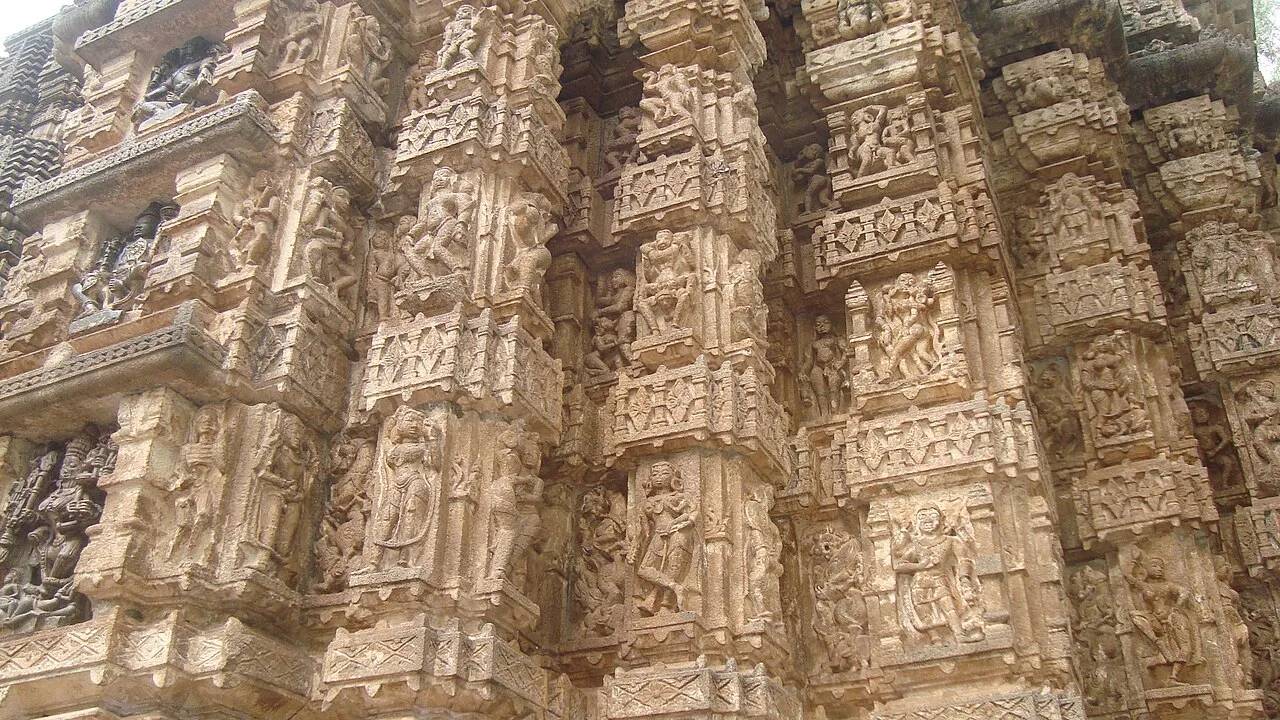
Kabirdham, also commonly associated with its headquarters town of Kawardha, lies along the forested Maikal foothills in western Chhattisgarh. Its landscape brings together wooded uplands, villages and cultivated plains, giving the district a largely rural character. The best-known heritage landmark is Bhoramdeo Temple, a medieval Shiva shrine celebrated for its richly carved stone exterior and setting near the hills. It offers a strong introduction to the area's religious architecture and historical connections with central India. Kawardha serves as the main base for visitors, while journeys into the surrounding countryside reveal agricultural life and forest-linked communities. Travel here rewards an unhurried approach, with attention to local customs and seasonal road conditions.
Kabirdham, in western Chhattisgarh, brings together the forested Maikal foothills, rural settlements and cultivated plains. It is best known to visitors for Bhoramdeo Temple, a medieval Shiva shrine whose carved stonework and hill-country setting make it a rewarding stop for those interested in religious architecture and regional history. The district also offers a quieter view of Chhattisgarh beyond its larger cities, with Kawardha serving as a practical base for exploring nearby countryside. Visits are most suited to travellers who enjoy heritage sites, road journeys and an unhurried pace rather than a dense schedule of attractions.
Bhoramdeo Temple is the region’s principal historic monument. The temple is generally dated to around the 11th century and is associated with the Nagavanshi rulers; its sculpted exterior reflects the wider traditions of medieval temple building in central India. The area later formed part of the Kawardha princely state, which existed under British paramountcy during the colonial period. After Indian independence, princely states were integrated into the new national and state administrations. Chhattisgarh became a separate state in 2000, having previously been part of Madhya Pradesh. The district was established in 1998 as Kawardha district from areas formerly within Bilaspur and Rajnandgaon districts. It was renamed Kabirdham in 2003, while Kawardha remained its headquarters. These administrative changes sit alongside older local histories shaped by farming, forest use, religious traditions and connections across the Maikal region.
Kabirdham shares the rice-centred food traditions of wider Chhattisgarh. Look for fara, steamed rice dumplings, and chila, a pancake commonly made with rice or lentils. Muthiya, bafauri and aamat also belong to the regional repertoire, while thethari and khurmi are familiar savoury and sweet snacks. Pej, a simple grain-based preparation, reflects everyday rural food traditions. Mahua-based preparations occur in some forest-linked communities, but availability and customs vary. Small eateries may offer only a limited daily menu, so ask what is freshly cooked. Vegetarian meals are generally easy to find; carry water and snacks when visiting outlying sites.
Bhoramdeo's carved stonework is Kabirdham's clearest introduction to the region's artistic heritage, with sculptural decoration forming an integral part of the temple architecture. For contemporary crafts, look more broadly to Chhattisgarh's traditions of bamboo work, woodwork, terracotta and handwoven textiles. Kosa silk weaving and bell-metal casting are well-known regional traditions, but their principal centres lie elsewhere in the state; goods sold locally should not automatically be described as Kabirdham-made. Ask sellers about the maker and place of production, and favour purchases directly from artisans or established craft outlets where possible.
Shivratri and Navratri are observed in the district, with devotees visiting temples and local celebrations varying by community. Bhoramdeo Mahotsav is a cultural event associated with the temple and is usually held in the spring; its programme and schedule can change, so check locally before travelling. Holi and other widely celebrated regional festivals also bring activity to towns and villages. Crowds may rise around major religious observances and festival events, particularly near Bhoramdeo. Kawardha has the broadest choice of accommodation, but booking ahead is sensible when a large event is announced.
Elsewhere in Chhattisgarh
Kabirdham lies where cultivated country meets the wooded Maikal foothills. Low hills, forest patches and rural plains shape the scenery, while streams and rivers drain the area toward the wider central Indian river systems. Bhoramdeo sits in a greener, hill-edged setting, unlike the more settled surroundings of Kawardha. Roads connect the main town with villages and forest-fringe areas, but conditions and journey times can vary, especially in the rainy season. The mix of upland and plain terrain makes local road travel the practical way to explore; access to remote areas should be checked locally.
Summer, broadly from March into June, can be hot, so plan outdoor visits for cooler parts of the day and carry sun protection and water. The monsoon usually spans June to September, bringing greener scenery but also the possibility of slippery roads, delays and disrupted access to rural areas. Winter, from around November to February, is generally the most comfortable season for temple visits and road excursions, although mornings and evenings can be cool. October to March is usually the most convenient period to visit. Pack light, breathable clothing, a warmer layer for winter evenings, sturdy footwear and rain protection if travelling during the monsoon.
Kawardha is the district's main road and service hub. Raipur's Swami Vivekananda Airport is a practical air gateway, while Bilaspur Airport is another option to investigate according to available connections. Raipur Junction and Bilaspur Junction are established rail gateways; onward travel to Kabirdham is by road. Kawardha has road links towards Raipur, Bilaspur and Rajnandgaon, with buses and hired vehicles providing onward access. For Bhoramdeo and rural excursions, arrange local transport in Kawardha and confirm the return journey beforehand. Allow extra flexibility during heavy rain, and check current services locally.
Kawardha is the district’s main road and service hub, with road connections toward Raipur, Bilaspur and Rajnandgaon. Buses serve principal routes, while local autos and shared vehicles may be available for shorter journeys. For Bhoramdeo Temple and countryside excursions, a hired car or locally arranged vehicle offers more flexibility than relying on connections in rural areas. Confirm the return transport before setting out, particularly outside the main town. There is no need for boat travel on the usual visitor route. Rain can affect road conditions, so allow extra flexibility and check locally before longer trips.
2 days: Kawardha → Bhoramdeo Temple → Kawardha; sleep in Kawardha on night 1. 3 days: Kawardha → Bhoramdeo Temple → Kawardha, with a relaxed return to the temple area if desired; sleep in Kawardha on nights 1 and 2.
Kawardha is the most practical base for a short visit to Bhoramdeo Temple and for arranging transport, meals and onward travel. The town generally offers simple hotels and guesthouse-style accommodation; availability and standards can vary. Staying nearer Bhoramdeo may suit visitors seeking a quieter setting, but options are more limited and should be checked in advance. Homestays, government lodges or dharamshalas may be available in the wider area, though services and booking arrangements are not uniform. For a relaxed rural circuit, return to Kawardha rather than assuming accommodation will be available in smaller settlements.
Roads to rural and forest-fringe areas may be narrow or affected by heavy rain; check conditions locally and avoid rushing after dark. Wear sturdy footwear around uneven temple grounds and take care on wet stone. Carry drinking water and use reliably treated or sealed water, especially on longer drives. Heat, insects and changing weather call for sun protection and suitable clothing. Wildlife may occur in forest areas, so keep a respectful distance and follow local guidance; do not enter restricted areas. Mobile connectivity can weaken outside towns. Confirm locally whether any current restrictions or permissions apply before entering forest areas.
- Kanha · Madhya Pradeshabout 53 km
- Amarkantak · Madhya Pradeshabout 88 km
- Bilaspurabout 98 km
- Durgabout 107 km
- Rajnandgaonabout 111 km
- Raipurabout 114 km
- Korbaabout 124 km
- Janjgir-Champaabout 144 km
Straight-line distance between the centres of each district's destinations; road distance is longer.
Q: How many days should I spend in Kabirdham? A: Two days is enough for a visit based in Kawardha and an excursion to Bhoramdeo Temple. Three days allows a slower pace and more time in the countryside. Q: When is the best time to visit? A: October to March is generally the most comfortable period. Monsoon travel can be scenic but may be affected by rain and road conditions. Q: What is the best base for visiting? A: Kawardha is the most practical base, with services and road connections for visiting Bhoramdeo Temple. Q: How do I get to Kabirdham? A: Travel by road from Raipur or another regional gateway. Raipur and Bilaspur have rail connections, and Raipur’s airport is a practical air gateway; continue to Kawardha by road. Q: Is Kabirdham suitable for families or elderly travellers? A: Yes, with planning. Kawardha provides a convenient base, but arrange reliable transport and consider uneven temple surfaces, heat and rural road conditions.
This page draws on our 1 destination guides for Kabirdham and is updated as our team checks it.
Be the first to share photos, stories, advice or a helpful contact for Kabirdham.
Loading…