
District · Chhattisgarh
Mungeli
Mungeli offers a quieter, rural view of central Chhattisgarh, where cultivated plains, small-town markets and village life shape the experience.
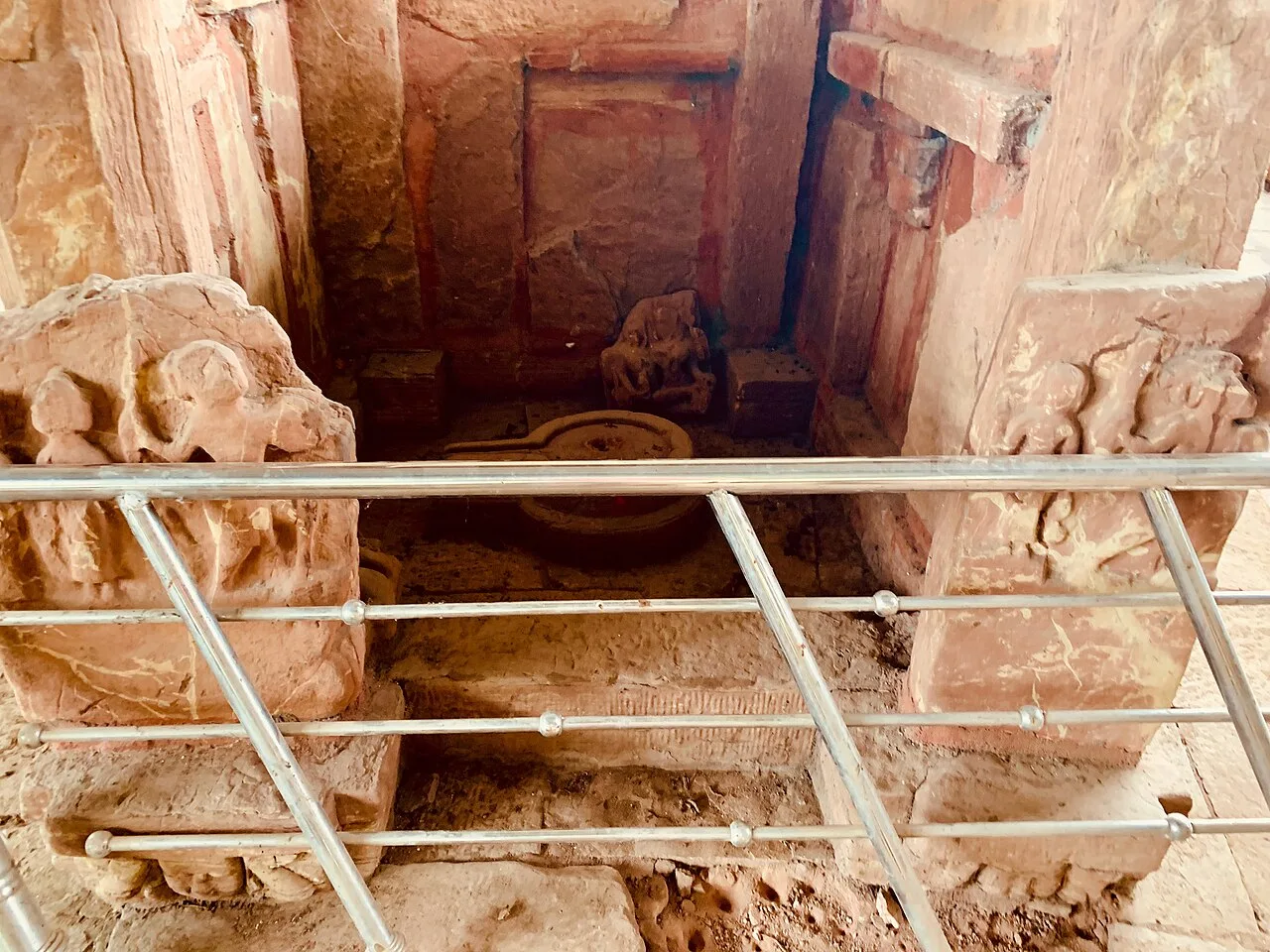
Mungeli is a largely agricultural district in central Chhattisgarh, with the district headquarters at Mungeli town. It was created from Bilaspur district in 2012. Open plains and cultivated fields shape much of the landscape, while forested country around Lormi offers a greener contrast. The district’s rivers and seasonal watercourses are part of everyday rural life. Madku Dweep, set in the Shivnath River, is a notable heritage site with temple remains and reflects the area’s long history of settlement. Mungeli’s character is grounded in farming, small-town markets and village life, with access to the forests and wider cultural traditions of Chhattisgarh.
Mungeli offers a quieter, rural view of central Chhattisgarh, where cultivated plains, small-town markets and village life shape the experience. The district was carved out of Bilaspur in 2012 and remains closely connected to the wider Bilaspur region. It is best known to visitors for Madku Dweep, a heritage site in the Shivnath River with temple remains, and for the greener forested country around Lormi. Mungeli suits travellers interested in regional history and everyday life rather than a packed sightseeing itinerary. It can also be a useful detour for those exploring the wider Bilaspur area.
Mungeli’s history is part of the wider story of the upper Mahanadi region. In the medieval period, much of this region was connected with the Kalachuris of Ratanpur, whose kingdom shaped political and religious life in what is now northern and central Chhattisgarh. Temple remains at Madku Dweep are evidence of earlier settlement and worship, though they do not by themselves establish a complete local chronology. Later, authority in the region passed through Maratha rule before British administration. Under colonial rule, the area was administered as part of the wider Bilaspur region in the Central Provinces; administrative boundaries and institutions changed over time. After Indian independence, Mungeli remained within Bilaspur district in the state of Madhya Pradesh, and then Chhattisgarh after the state was formed in 2000. Mungeli district was created from Bilaspur district in 2012, with Mungeli town as its headquarters. Today, agriculture and village networks remain central to the district’s identity.
Rice is central to everyday cooking in Mungeli and across Chhattisgarh. Regional favourites include chila, a rice-and-lentil pancake; fara, steamed rice dumplings; and muthiya, along with pej, a light rice preparation. Chana sela and bafauri are other dishes found in the wider state, while thethari-khurmi are popular snacks and sweets. Recipes and menus vary between households and towns, so these are regional rather than exclusively Mungeli dishes. Small eateries may prepare a limited selection each day; ask what is fresh. Carry water and snacks when visiting remote sites, where food outlets may be scarce.
Mungeli is not widely documented as a distinct, named craft centre, so visitors should treat craft traditions as part of the wider Chhattisgarh region. The state is known for practices including handloom weaving, bamboo and woodwork, and metal crafts; some are strongly associated with other districts, especially Bastar, rather than Mungeli. Local markets may offer useful everyday handmade goods, but availability varies. Ask sellers about an item’s materials and where it was made instead of assuming that a craft sold in Mungeli originated there.
The district shares many celebrations with the wider Chhattisgarh region. Hareli, a monsoon-season festival connected with farming, is observed in July or August; Pola, celebrating working cattle, usually falls later in the monsoon. Teeja, Navakhai, Diwali and Holi are also celebrated, with local customs varying between communities. Fairs and religious gatherings may take place at temples and other sacred sites, but their schedules can vary. Festival periods can bring busier markets and more local travel, while accommodation choices in smaller towns may be limited, so confirm availability ahead of a visit.
Elsewhere in Chhattisgarh
Mungeli is largely a landscape of open plains, agricultural fields and villages. The Shivnath River is a notable watercourse, with Madku Dweep set within it; seasonal streams and smaller waterways also matter to rural life. The forested area around Lormi provides a greener contrast to the cultivated country. Roads across the plains generally connect settlements, but access to river sites and forest-edge villages can be affected by rain or local road conditions. The changing landscape makes a road-based visit practical, with extra planning useful for rural stops.
Mungeli has hot summers, a monsoon season and generally milder, drier winters. Summer heat can make midday travel uncomfortable, while monsoon rains bring greener scenery but may slow journeys on rural roads and complicate access to riverine sites. Winter, broadly from November through February, is usually the most comfortable season for exploring outdoors. The post-monsoon months can also be pleasant, though conditions vary. Pack light, breathable clothing, sun protection and drinking water in warmer months; in winter, bring a light layer for mornings and evenings. During the rains, carry a rain jacket and suitable footwear, and check local road conditions before setting out.
Bilaspur Junction is the most practical major rail gateway for Mungeli. Bilasa Devi Kevat Airport near Bilaspur is the closest airport; Raipur’s Swami Vivekananda Airport is another option, with a wider range of connections. From Bilaspur or Raipur, road travel continues toward Mungeli by bus, private vehicle or taxi. Private buses and shared jeeps connect district towns, though services may be less frequent for smaller villages and heritage sites such as Madku Dweep. Arrange the final local leg in advance where possible, and carry essentials for remote stops. Check current services locally before travelling.
Road travel is the main way to move around the district. Mungeli town is the practical hub for local buses and shared jeeps serving nearby settlements, while autos may be available for shorter trips within towns. Services to smaller villages and sites such as Madku Dweep can be less frequent, so arrange a taxi or private vehicle when flexibility matters and confirm the final approach locally. Lormi is another useful town for exploring the forested side of the district. River conditions and seasonal road changes can affect access; do not assume a boat service is available.
2 days: Madku Dweep; sleep in Mungeli town on both nights. 3 days: Madku Dweep; sleep in Mungeli town on nights 1 and 2, then Lormi on night 3.
Mungeli town is the most practical base for a short visit to Madku Dweep and for access to district services. Lormi can suit travellers spending more time around the forested west of the district. Accommodation is likely to be simpler than in larger regional centres, with small hotels and guesthouses in town and fewer choices in smaller settlements. Homestays, government lodges or dharamshalas may be available in some places, but provision varies. Confirm accommodation and transport locally before travelling, especially outside the main towns.
Use a vehicle suited to local road conditions and allow extra time during monsoon rain, when rural roads may become slippery or difficult. At Madku Dweep, take care near the river, especially with children, and check local advice on water levels and access. Carry drinking water and basic medicines; use sealed or treated water if unsure of local supplies. Mobile connectivity can be patchy outside towns, so share plans and keep essentials with you. Forest-edge areas are rural and wildlife may be present; keep a respectful distance and follow local guidance. No special permit is known to be routinely required for these listed stops, but confirm any current access rules officially before travel.
Q: How many days should I spend in Mungeli district? A: Two days can cover a visit to Madku Dweep at an unhurried pace. Allow three days if you also want time around Lormi and the rural landscape. Q: When is the best time to visit? A: Winter is generally the most comfortable season. Post-monsoon months can also be pleasant, while heavy rain may complicate rural travel. Q: What is the best base for visiting Madku Dweep? A: Mungeli town is the most practical base for the heritage site and district services. Lormi is useful for exploring the forested side of the district. Q: How do I get to Mungeli? A: Bilaspur is the practical major rail and air gateway nearby. Continue by road from Bilaspur or Raipur, checking current bus and local transport options. Q: Is Mungeli suitable for families or elderly travellers? A: Yes, with planning. Town stays and road visits can suit families, but check site access, walking surfaces and river conditions; arrange private transport if mobility is a concern.
This page draws on our 1 destination guides for Mungeli and is updated as our team checks it.
Be the first to share photos, stories, advice or a helpful contact for Mungeli.
Loading…