
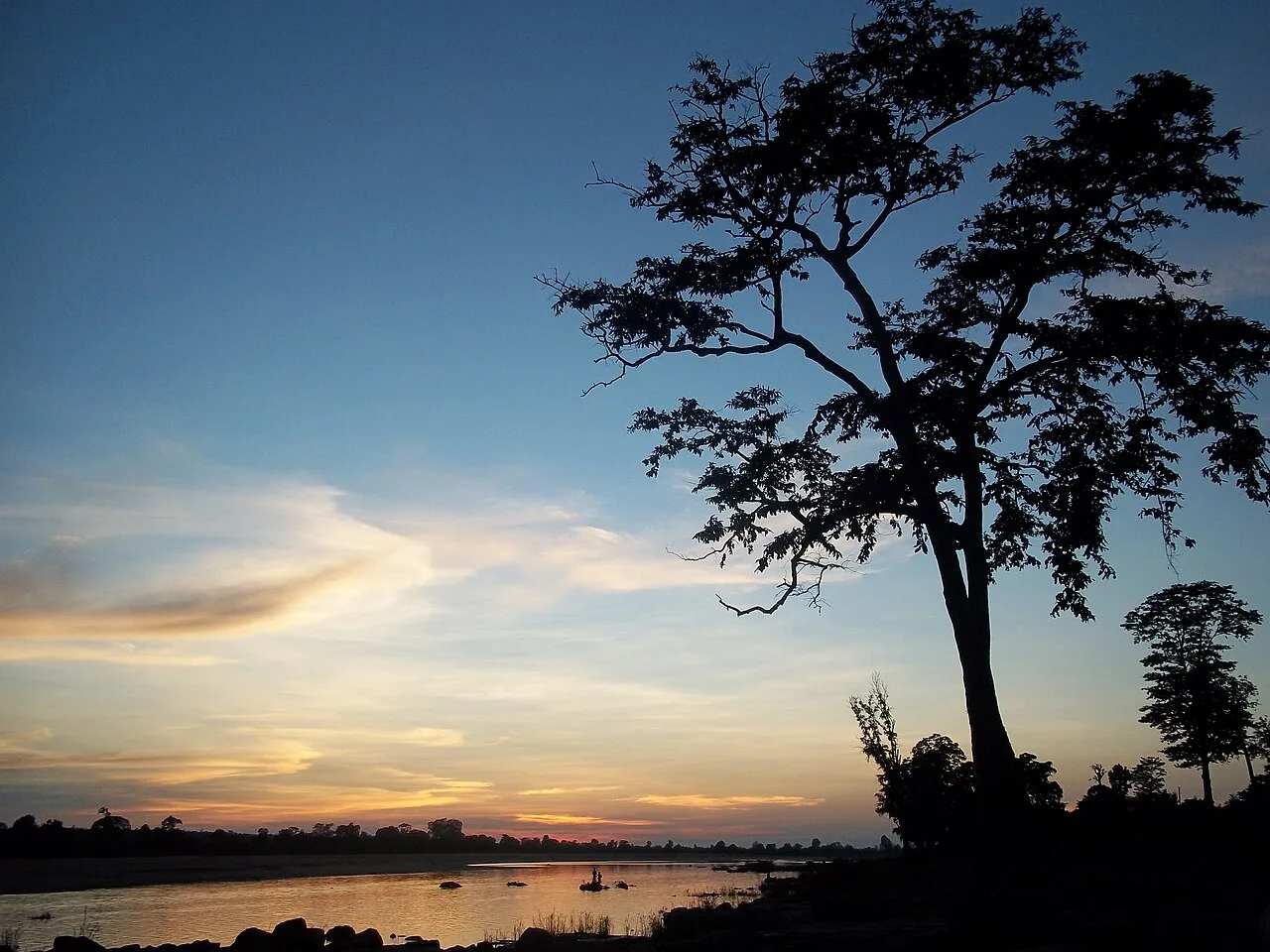
District · Chhattisgarh
Gariaband
Gariaband offers a mix of river heritage, pilgrimage and forested scenery in southeastern Chhattisgarh.
Gariaband district lies in the forested, river-crossed landscape of southeastern Chhattisgarh, where cultivated plains meet low hills and wooded areas. It was created in 2012 from the former Raipur district. The region’s character is shaped by rural communities, agriculture and nearby forests, as well as important pilgrimage and nature sites. At Rajim, the Mahanadi, Pairi and Sondur rivers meet near a group of historic temples, including the Rajiv Lochan Temple. Jatmai and Ghatarani are known for their waterfalls, while the Udanti-Sitanadi landscape is associated with forests and wildlife conservation. Gariaband offers a quieter complement to the larger towns of the state, with travel often centred on local settlements and natural attractions.
Gariaband offers a mix of river heritage, pilgrimage and forested scenery in southeastern Chhattisgarh. It is best known for Rajim, where the Mahanadi, Pairi and Sondur meet near historic temples, and for the waterfalls at Jatmai and Ghatarani. The wider district also includes wooded landscapes associated with wildlife conservation. Travellers can use Rajim as a cultural stop and explore the waterfalls and rural surroundings by road. Compared with the state’s larger urban centres, visits here tend to focus on smaller settlements and natural sites, so planning local transport and services ahead can make a trip more comfortable.
Rajim is the district’s most visible historical centre. Its temple group reflects the region’s early medieval religious and architectural traditions. The Rajiv Lochan Temple is associated with an inscription naming the ruler Vilasatunga, generally linked to the Nala dynasty; the inscription and temple are commonly placed around the seventh or eighth century. The area later formed part of the wider political landscape of Dakshina Kosala and experienced the influence of regional powers, including the Kalachuris of central India. In the colonial period, the region was administered as part of the Central Provinces, with Raipur serving as an important administrative centre. After Indian independence, Gariaband remained within Raipur district in Madhya Pradesh and, from 2000, Chhattisgarh. Gariaband district was created from Raipur district in 2012. Its history is also shaped by village life, cultivation, river routes and the religious importance of Rajim, rather than by a single urban centre.
3 destination guides · 1 on the map
Ghatarani
Ghatarani is a waterfall in Chhattisgarh’s Gariaband district. Visitors come to see the waterfall, the feature that defines this place.
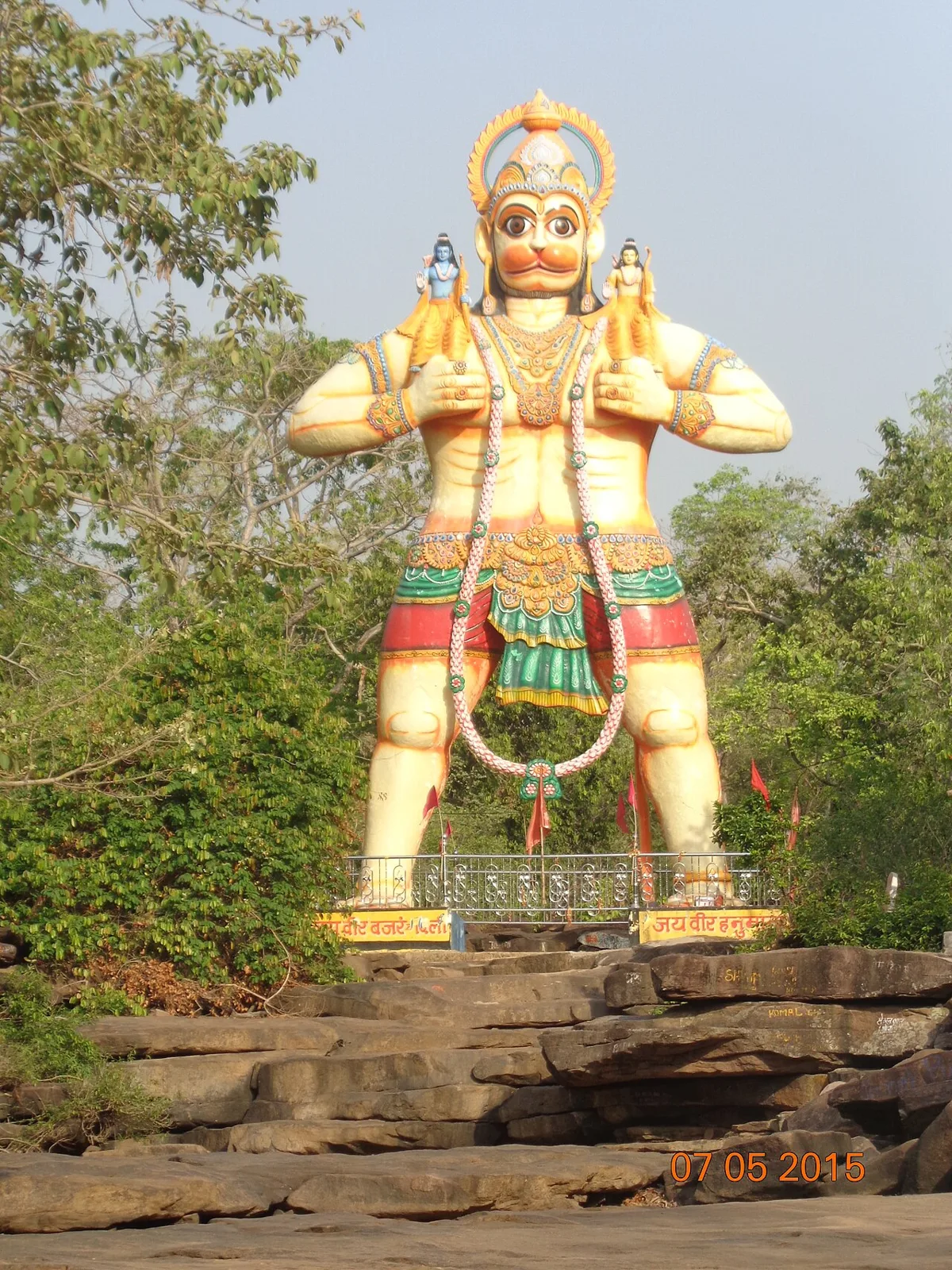
Jatmai
Jatmai is a waterfall in Gariaband district, Chhattisgarh. Visitors come to see the waterfall, which is the defining feature of this place.
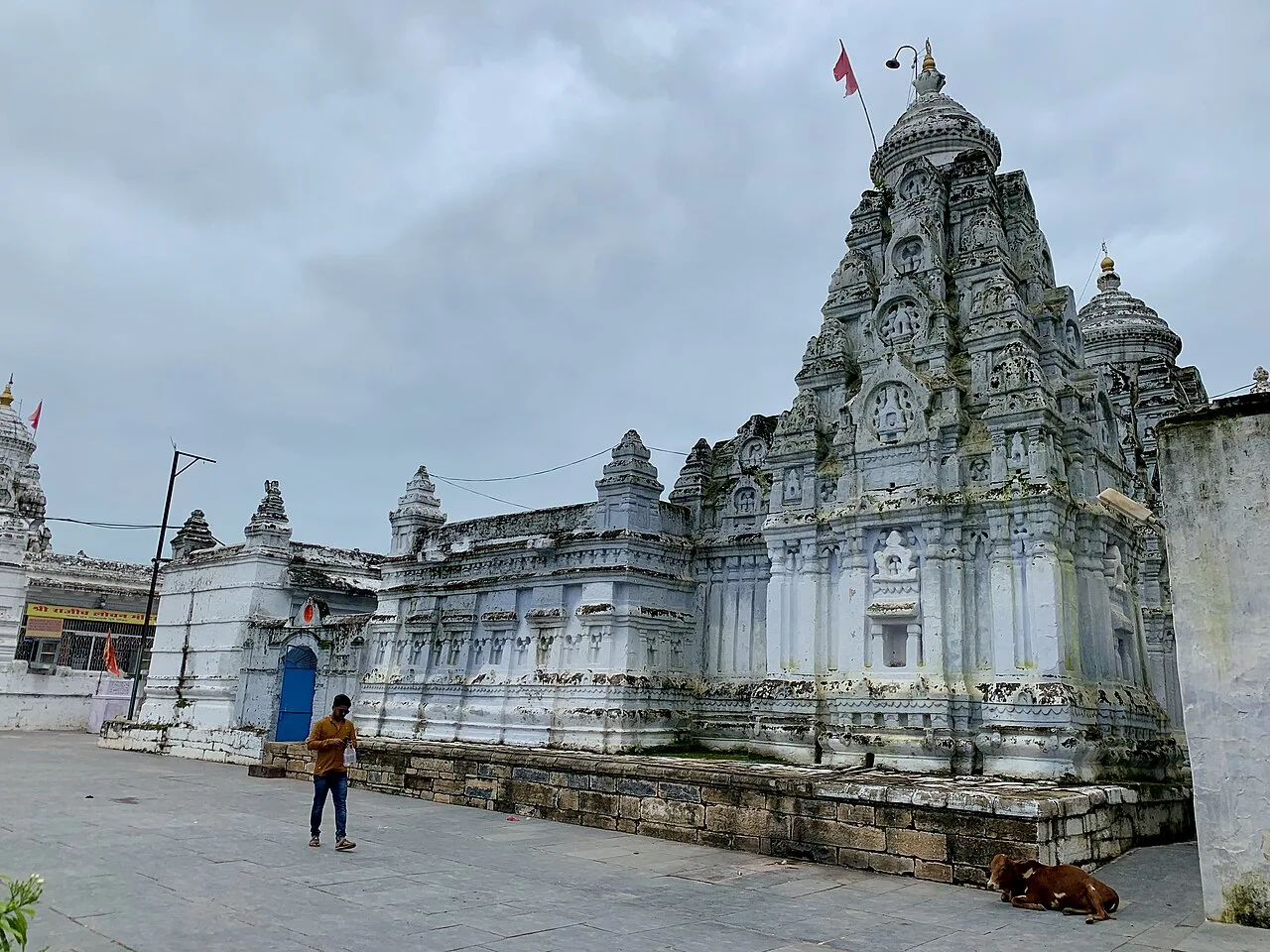
Rajim
Rajim is a town in Gariaband district, Chhattisgarh, India. People visit to spend time in the town and experience this part of the state.
Rice is central to food traditions across Chhattisgarh, and Gariaband shares the wider region’s home-style cooking. Dishes include fara, steamed rice dumplings; chila, a rice-and-lentil pancake; muthiya; and bafauri. Pej, a light rice preparation, is also part of regional food culture. Thethari and khurmi are familiar savoury and sweet snacks, while aamat and mahua-based preparations are associated with broader local and forest-food traditions. Menus at small eateries can be limited and depend on what is prepared that day. Ask locally about seasonal dishes, and carry food and water when visiting remote sites.
Craft traditions vary across Chhattisgarh, and not every art form is made widely in Gariaband itself. The broader state is known for bamboo work, woodcraft, terracotta and metal traditions, including bell-metal and wrought-iron work associated with some tribal communities. Handwoven textiles are also found in parts of the region. These crafts reflect local materials and community practices, but availability can differ between towns and villages. Visitors interested in buying handmade work should ask locally about its origin and seek out established craft sellers rather than assuming an item was made in the district.
Rajim is known for a major religious gathering commonly called the Rajim Kumbh Mela, held around the Magh season in winter. Pilgrims and visitors can make the town busier during the event, so arranging a room early is sensible. Local and regional celebrations such as Hareli, Teeja and Pola are observed in the wider Chhattisgarh region, with customs varying between communities and villages. Seasonal fairs and gatherings may also take place around temples and rural settlements. Outside festival periods, visitor facilities are generally less pressured, though options can be limited in smaller places.
Elsewhere in Chhattisgarh
The district’s landscape combines cultivated plains, river valleys, low hills and patches of forest. The Mahanadi, Pairi and Sondur meet near Rajim, while wooded and hilly terrain characterises parts of the wider region. Jatmai and Ghatarani are waterfall destinations, with access and conditions shaped by the season and local roads. Distances between attractions are travelled mainly by road, and rural routes may be slower or less serviced than those near larger towns. Forest areas are sensitive environments, so visitors should follow local guidance and avoid disturbing wildlife or vegetation.
Gariaband has hot summers, a monsoon season and generally cooler, drier winters. Summer heat can make midday outdoor visits tiring, while monsoon rains bring greener scenery and stronger water flow but may affect roads and access to waterfalls. Winter is usually the most comfortable season for sightseeing and visiting Rajim; the festival period can also bring larger crowds. The cooler months, broadly from late autumn into early spring, are a practical choice for many travellers. Pack sun protection and light clothing for warm days, a light layer for winter evenings, and rain protection and footwear with good grip during the wet season.
Raipur is the main air gateway for Gariaband district, with Swami Vivekananda Airport serving the city. Raipur Junction is a principal rail gateway; Mahasamund is another station to consider for parts of the district. From either area, road travel is needed to reach Gariaband town, Rajim and the waterfall sites. State and private buses connect district towns, while shared jeeps and local vehicles may help with the final leg. Services to rural attractions can be limited, so plan transport in advance and carry essentials for remote visits. Check current services locally before travelling.
Road travel is the practical way to move between Rajim, Gariaband town and the waterfall sites. Local buses connect some towns and settlements, while shared jeeps and autos may be available for parts of a journey; services to rural attractions can be infrequent. Taxis or a hired vehicle offer more flexibility, especially for combining Jatmai and Ghatarani in one outing. Ask locally about road conditions and the return leg before setting out. There is no need to plan on boat transport for the listed sights, and visitors should not assume regular transport reaches every attraction.
2 days: Rajim; sleep in Rajim. Jatmai and Ghatarani; sleep in Gariaband or return to Rajim. 3 days: Rajim; sleep in Rajim. Jatmai; sleep in Gariaband. Ghatarani; sleep in Gariaband or return to Rajim. 4 days: Rajim; sleep in Rajim. Jatmai; sleep in Gariaband. Ghatarani; sleep in Gariaband. Return to Rajim for a slower final visit; sleep in Rajim.
Rajim is the most convenient base for temple visits and the river confluence, with local hotels and dharamshalas that may be especially busy during major religious gatherings. Gariaband town can suit travellers visiting the waterfalls or seeking a practical base for road journeys; accommodation is more limited than in larger cities. Simple guesthouses or modest hotels are the usual options, while homestays and government lodges should be confirmed locally rather than assumed available. Remote waterfall areas have few services, so plan to stay in a town and travel out for the day.
Wear sturdy footwear around waterfalls, wet rocks and uneven paths, and take extra care during and after monsoon rain when tracks and roads may be slippery. Do not enter fast-flowing water or approach wildlife; follow forest staff and local instructions in wooded areas. Carry drinking water and essential medicines, and check road conditions and return transport before visiting rural sites. Mobile connectivity and facilities may be limited away from towns. Crowds can increase during festivals in Rajim, so keep personal belongings secure. Check official local guidance for any forest access restrictions or permits before entering protected areas.
- Janjgir-Champaabout 9 km
- Raipurabout 36 km
- Dhamtariabout 50 km
- Durgabout 59 km
- Mahasamundabout 65 km
- Balodabout 75 km
- Balangir · Odishaabout 115 km
- Rajnandgaonabout 119 km
Straight-line distance between the centres of each district's destinations; road distance is longer.
Q: How many days should I spend in Gariaband? A: Two days can cover Rajim and the waterfalls at a brisk pace; three days allow more time for road travel and a slower visit. Q: When is the best time to visit? A: The cooler, drier months are generally most comfortable. Monsoon brings greener scenery and fuller waterfalls but can make access more difficult. Q: What is the best base for exploring? A: Rajim suits temple visits, while Gariaband town is a practical base for the waterfall outings. Accommodation choices are limited in rural areas. Q: How do I get to Gariaband district? A: Travel via Raipur by air or rail, then continue by road. Check current bus and local transport options before setting out. Q: Is Gariaband suitable for families or elderly travellers? A: Rajim is a manageable cultural visit for many travellers. Waterfall paths and rural access can be uneven, so assess mobility needs and choose outings accordingly.
This page draws on our 3 destination guides for Gariaband and is updated as our team checks it.
Be the first to share photos, stories, advice or a helpful contact for Gariaband.
Loading…