Ghumoopedia — Explore, Discover, Experience
Sign in
Achanakmar Wildlife Sanctuary, Chhattisgarh

State · Central India

Chhattisgarh

Forested plateaus, roaring waterfalls and living tribal traditions of Bastar.

Capital
Raipur
Districts
20
Destinations
47
Plan a trip in Chhattisgarh

Overview

Understanding Chhattisgarh

Culture

Dhokra metal craft and Gond art.

Food

  • Chila
  • Fara

Festivals

  • Bastar Dussehra
  • Rajim Kumbh

Experiences here

  • Tribal
  • Wildlife
  • Heritage
  • Festivals

Verified by the Ghumoopedia editorial team on 21 Nov 2026. Written and reviewed by Ghumoopedia's editors. Timings, fees and permits can change, so check them with the managing authority shortly before you travel.

The complete guide

Chhattisgarh: a traveller's guide

Why visit

Chhattisgarh rewards travellers who enjoy moving between very different landscapes and experiences. In the north, forested hills and cool-season viewpoints give way to central plains, river towns and temple remains; farther south, Bastar is known for waterfalls, dense forests and distinctive Adivasi traditions. Raipur, the capital, is a practical starting point, while Jagdalpur opens the way to well-known natural and cultural sites. The state’s scale and variety make it a good choice for road trips, heritage visits, wildlife outings and slower journeys centred on local food and craft.

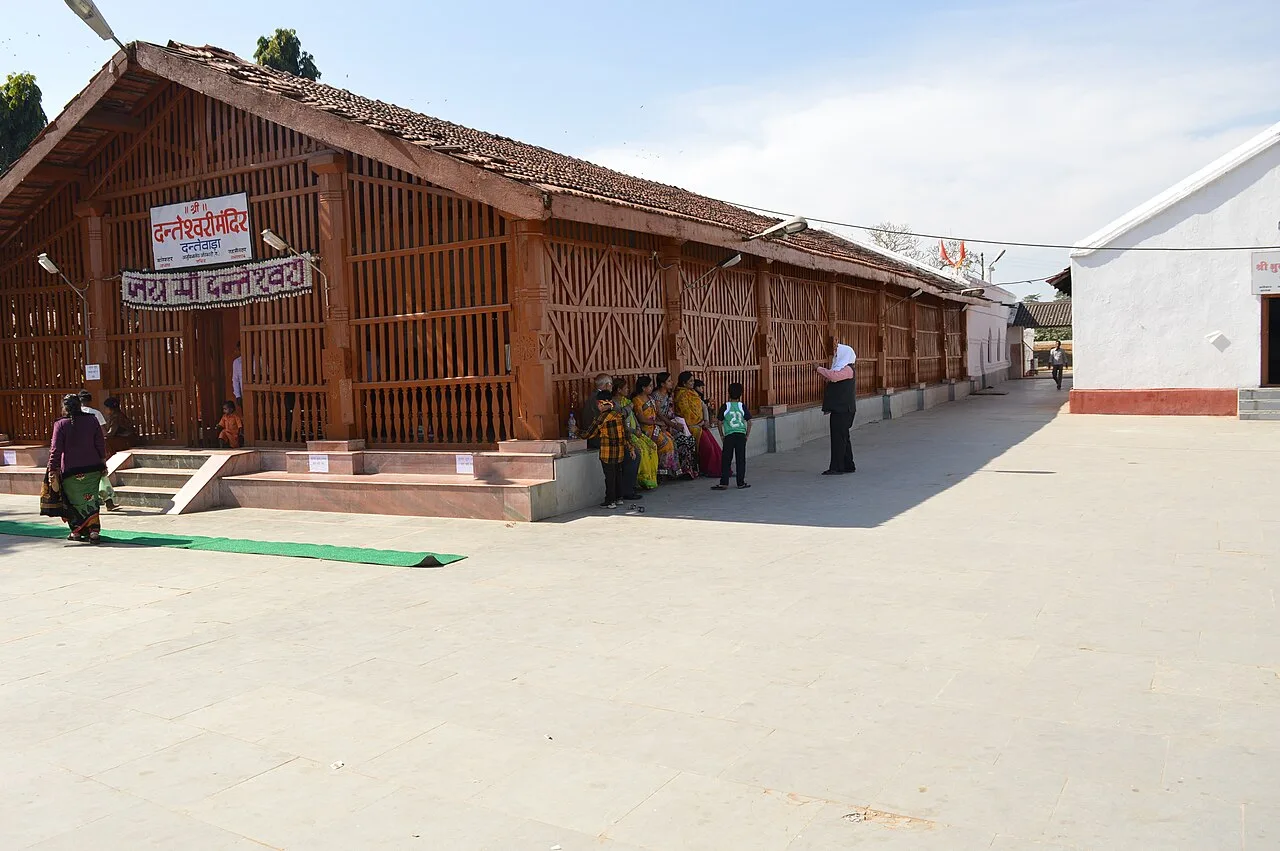
Highlights range from the broad cascade at Chitrakote Falls and the forest trails of Kanger Valley National Park to the archaeological sites of Sirpur and Malhar. Travellers can visit sacred places such as Danteshwari Temple and Rajim, or explore craft traditions including Bastar Dhokra and Gond art. Mainpat offers a change of scene in the north, while Bastar Dussehra provides a window into a locally rooted festival tradition. Chhattisgarh suits visitors willing to plan around distances, travel at a measured pace and approach cultural encounters with curiosity and respect.

Landscape & climate

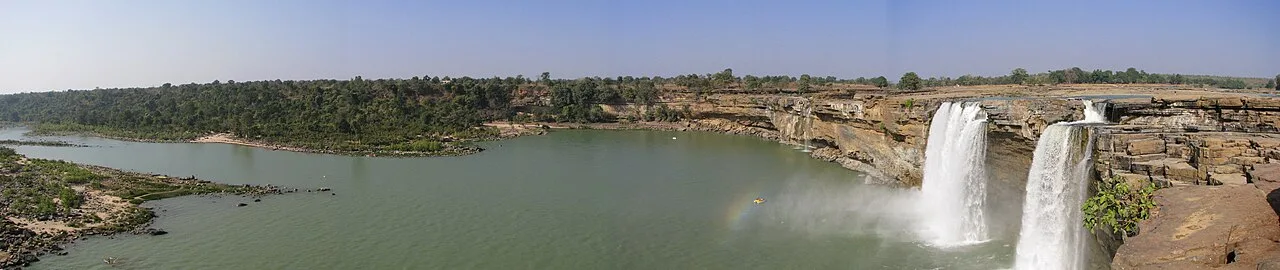
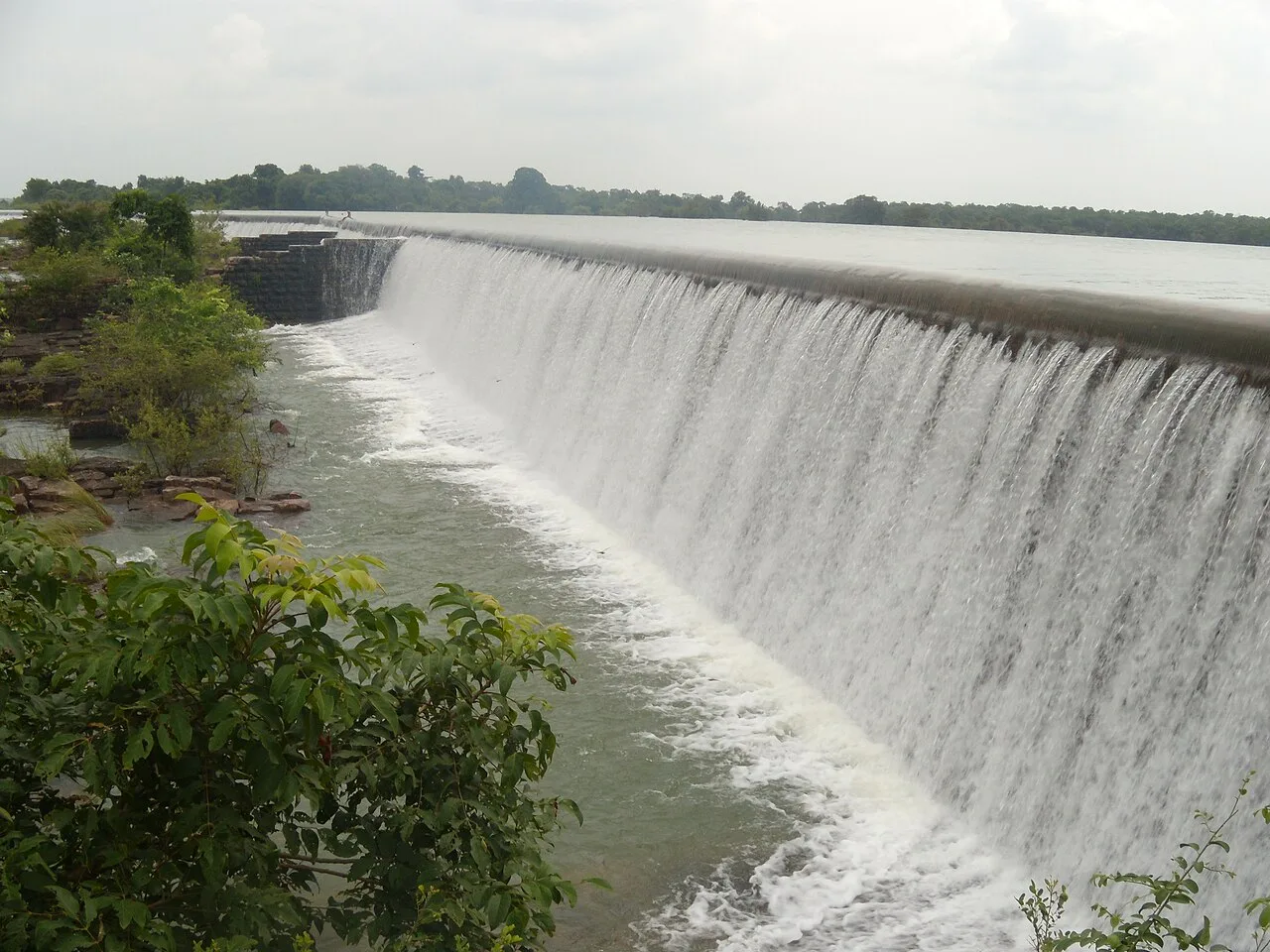
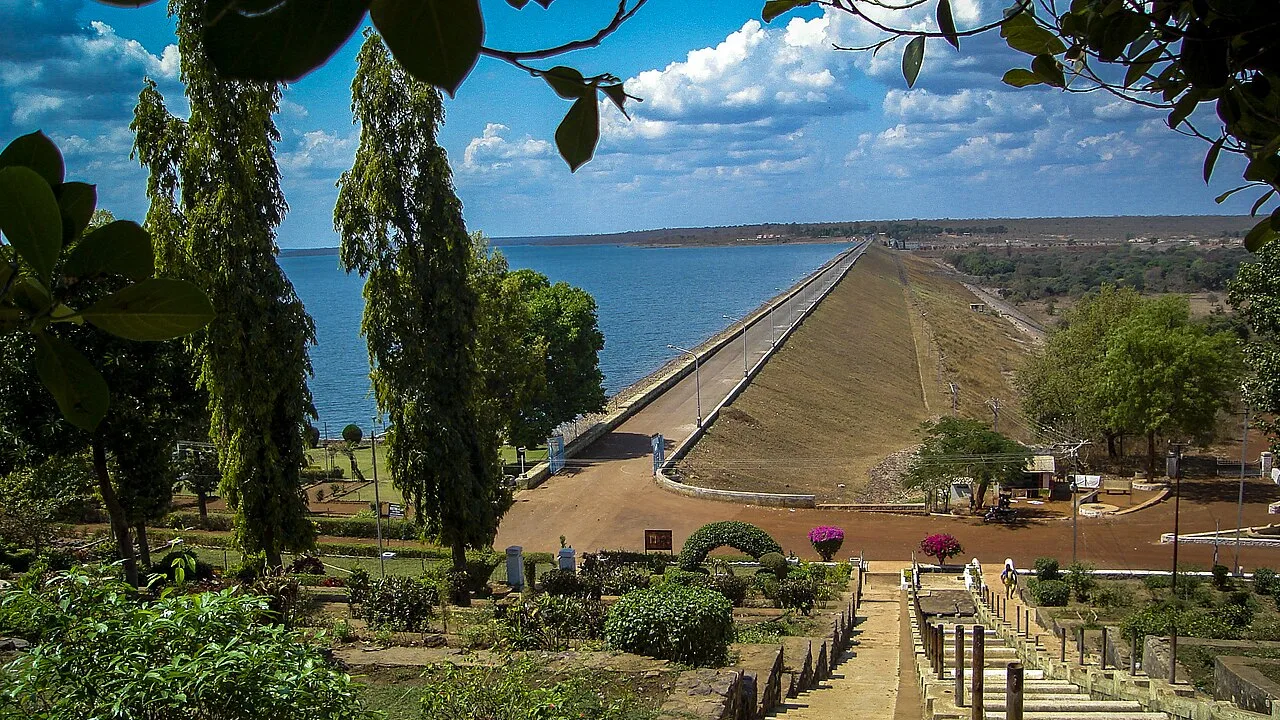
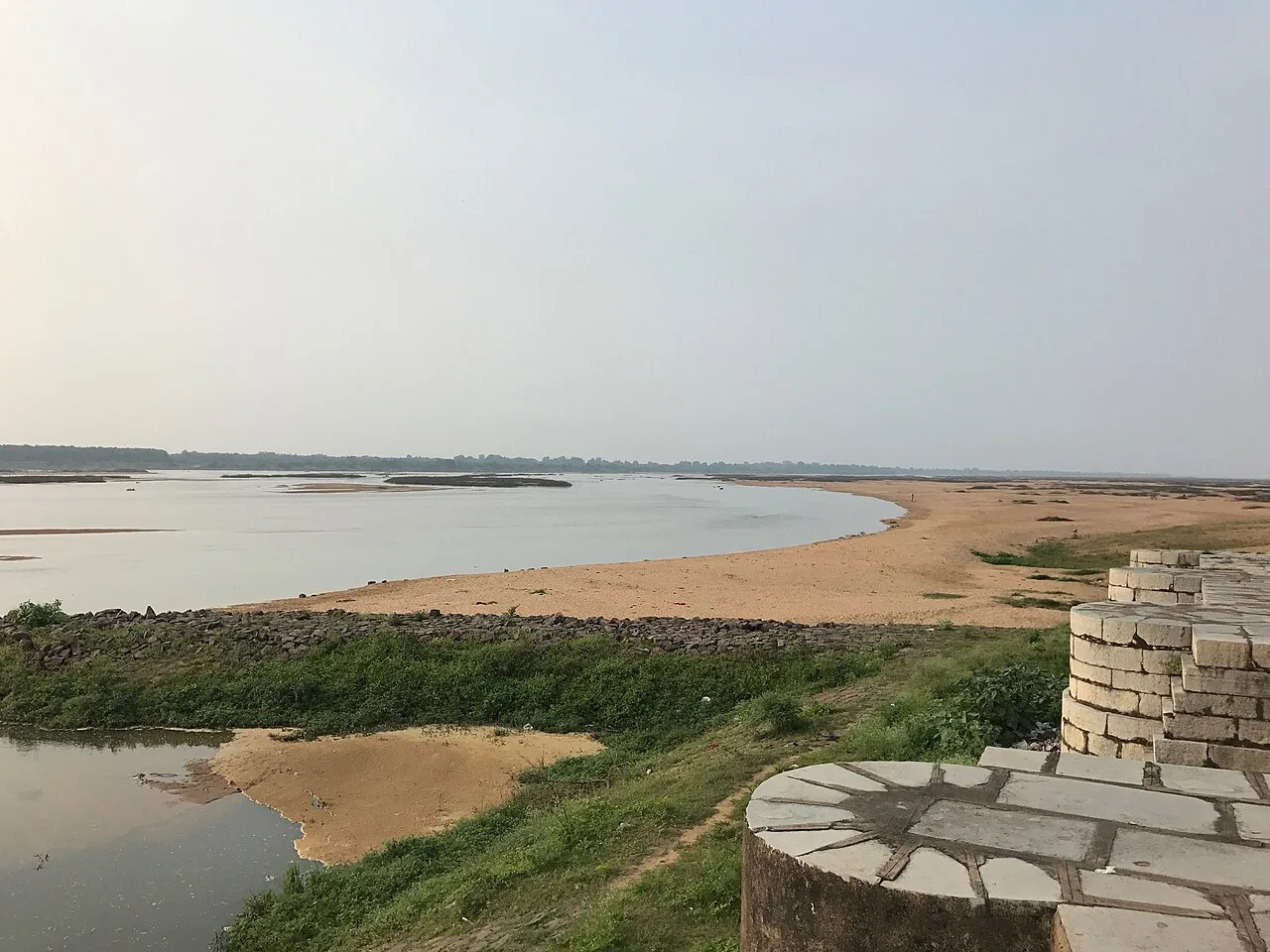
Chhattisgarh lies in Central India and has no coastline. Much of the state is a broad, fertile plain, with the Mahanadi and its tributaries shaping central and eastern areas. The Mahanadi flows past the historic region of Sirpur and is held back at Gangrel Dam, also called Pandit Ravishankar Sagar. The Indravati drains parts of the south and forms Chitrakote Falls near Jagdalpur. Other river valleys, reservoirs and seasonal streams create a varied landscape of farmland, wetlands and cascades. The Maikal range and adjoining uplands rise in the north and northwest, where Mainpat is known for its plateau setting; forested highlands also extend across parts of Bastar.

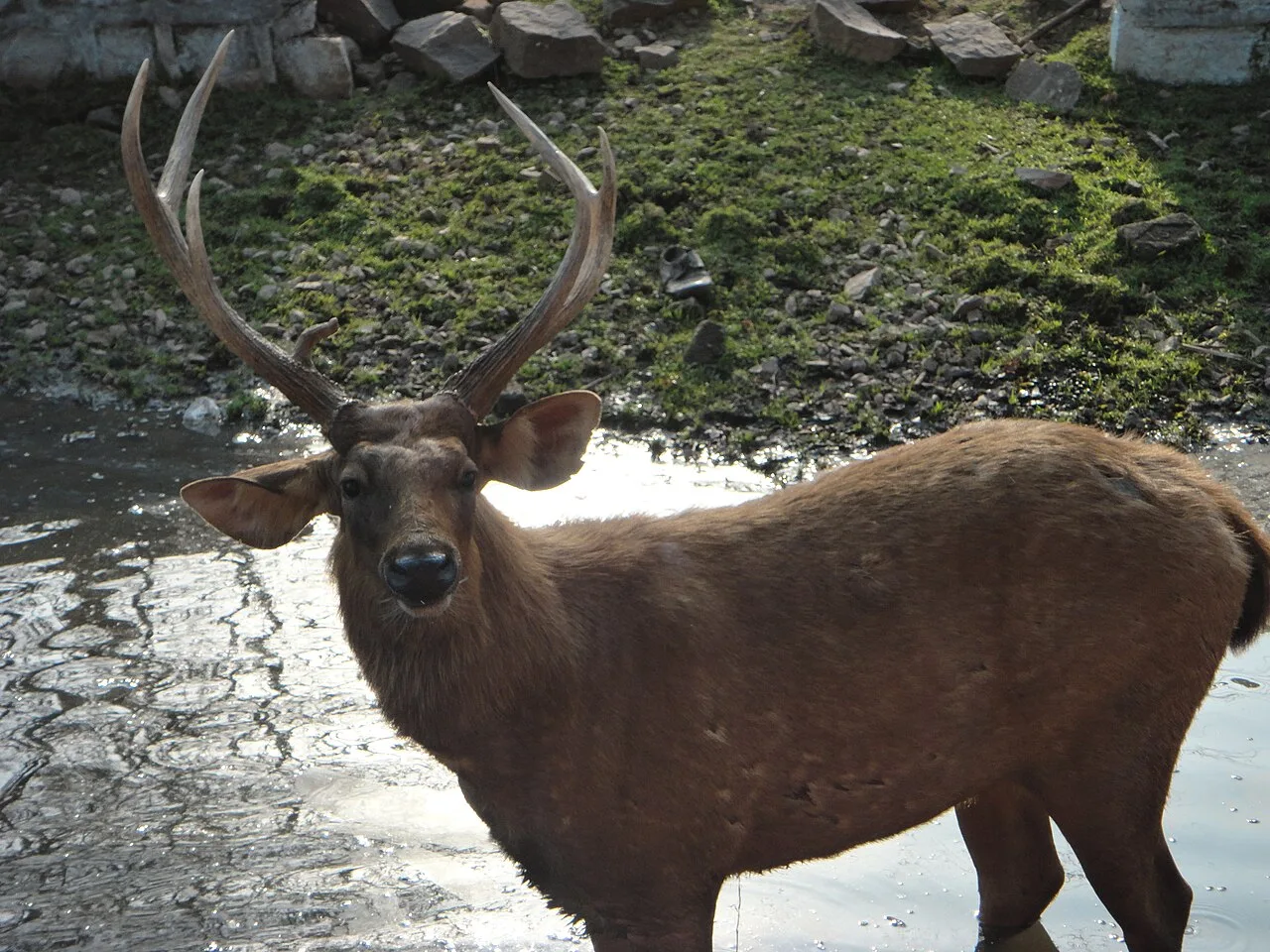
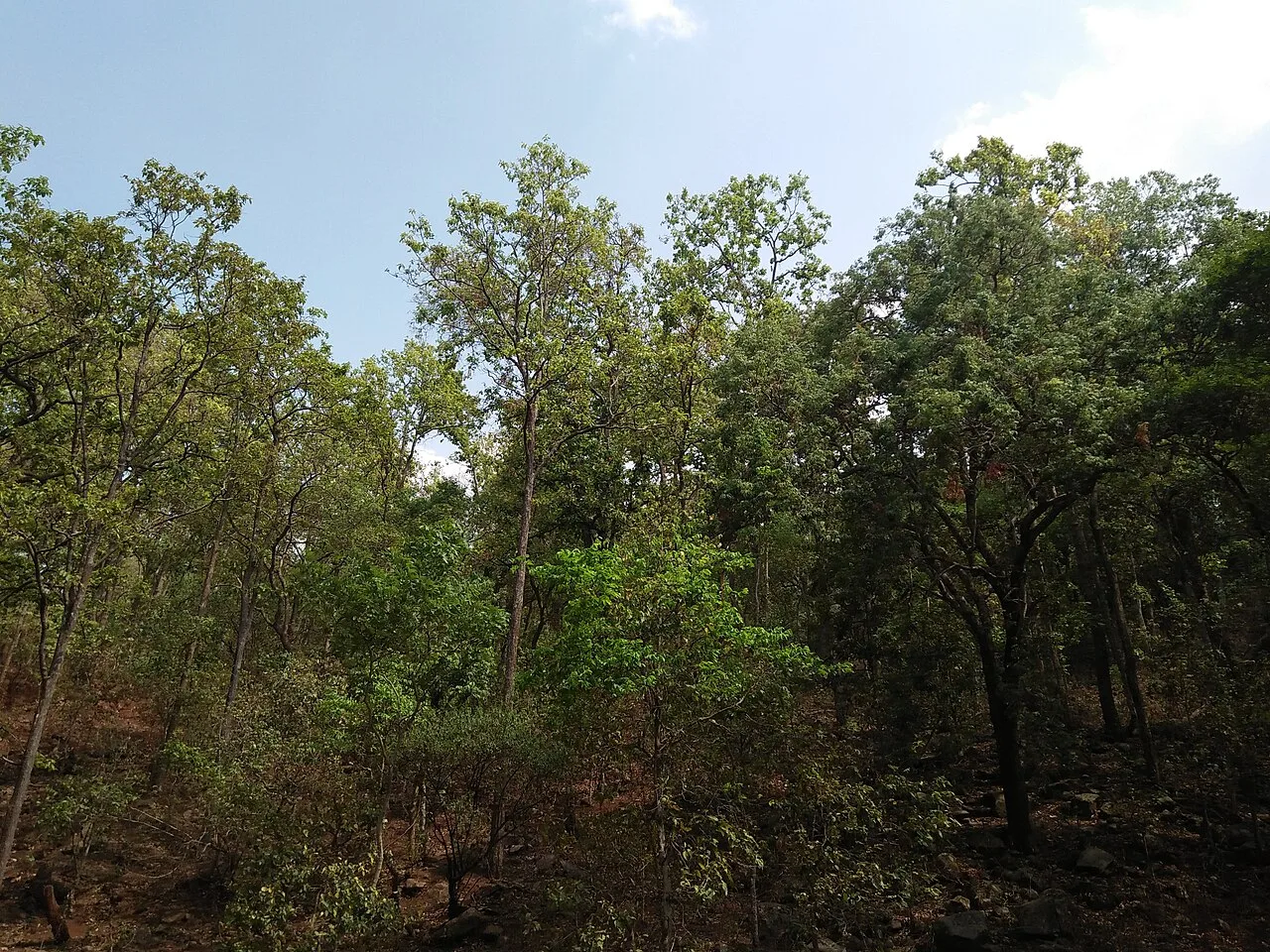
Sal, teak, bamboo and mixed deciduous forests cover large areas, particularly in the south and north. Protected places include Kanger Valley National Park, Achanakmar Wildlife Sanctuary, Barnawapara Wildlife Sanctuary and the wider Guru Ghasidas–Tamor Pingla landscape. Summers, generally from March into June, can be hot, especially on the plains. The monsoon usually arrives around June and lasts into September, bringing greener scenery and strong flows at waterfalls, though heavy rain can affect road travel. October to February is usually cooler and more comfortable for touring. Waterfall volume and access vary by season; some smaller Bastar falls are most impressive during or just after the rains, while forest walks are often easier in the drier months.

History & heritage

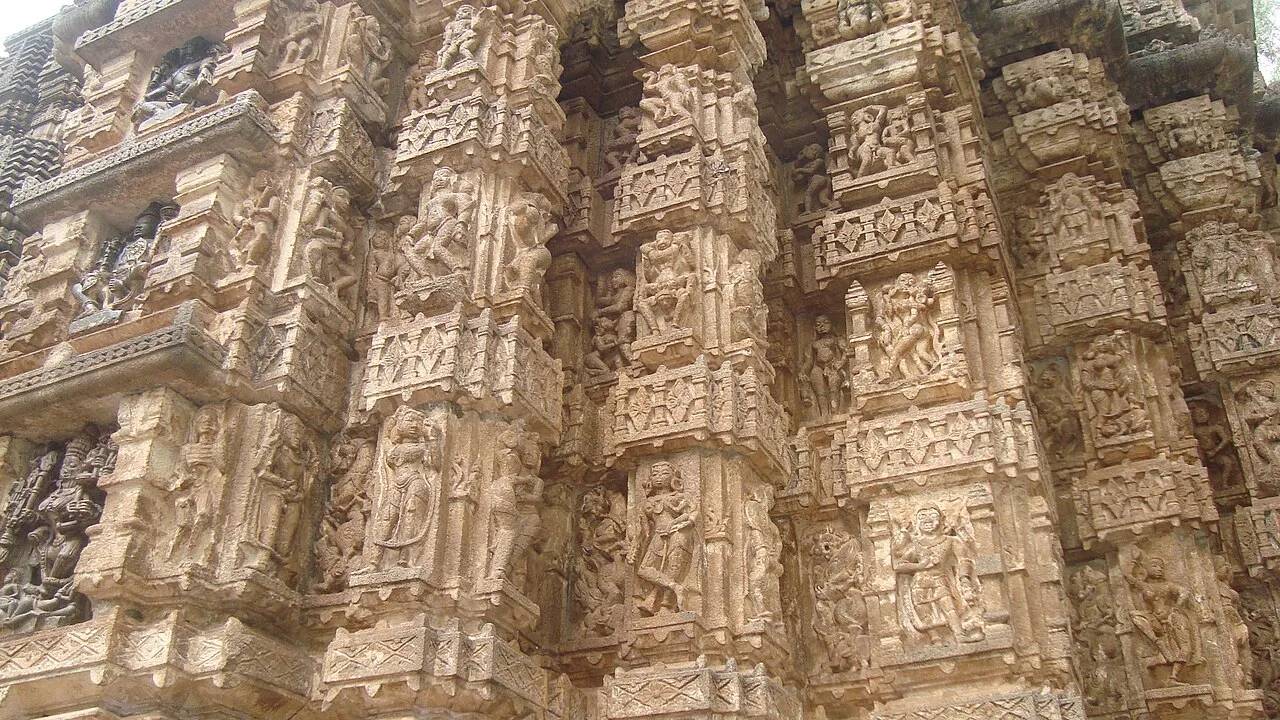
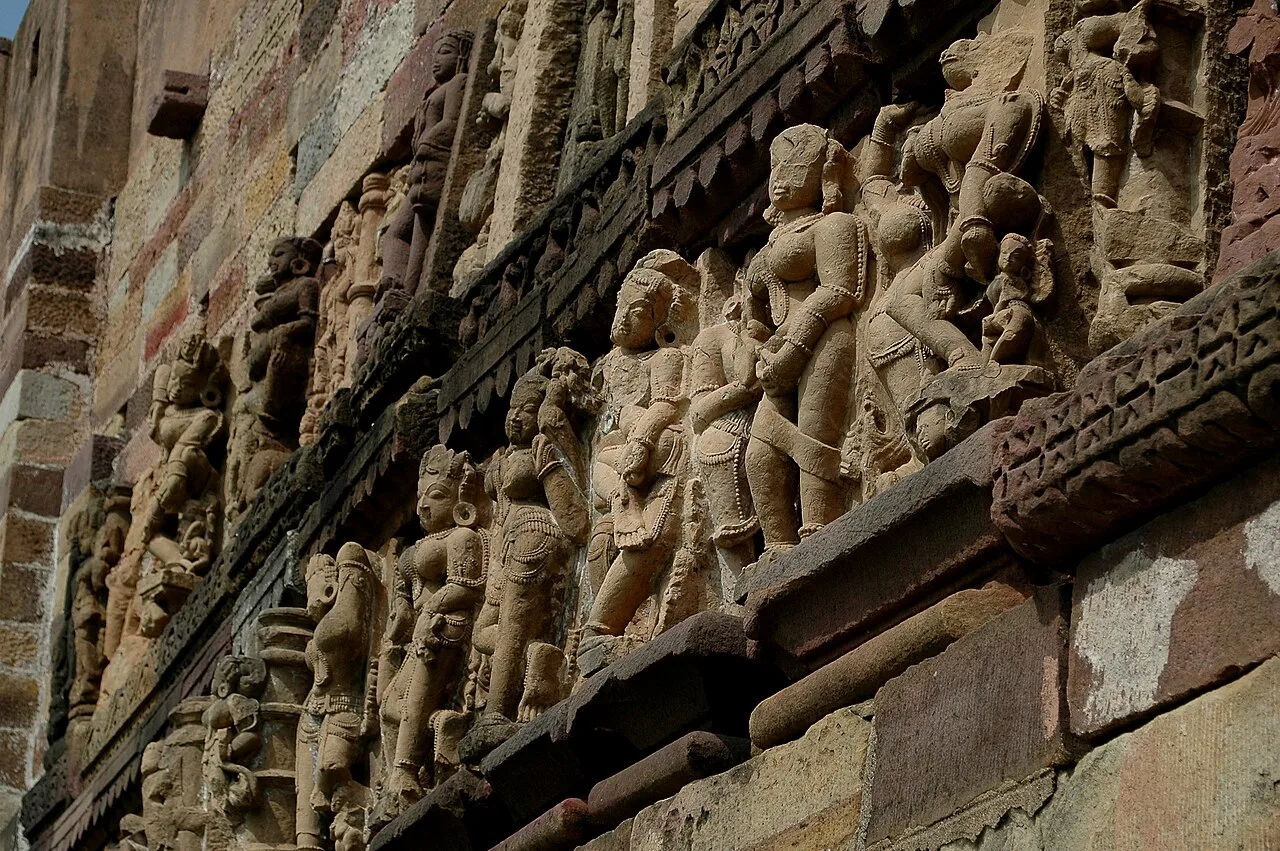
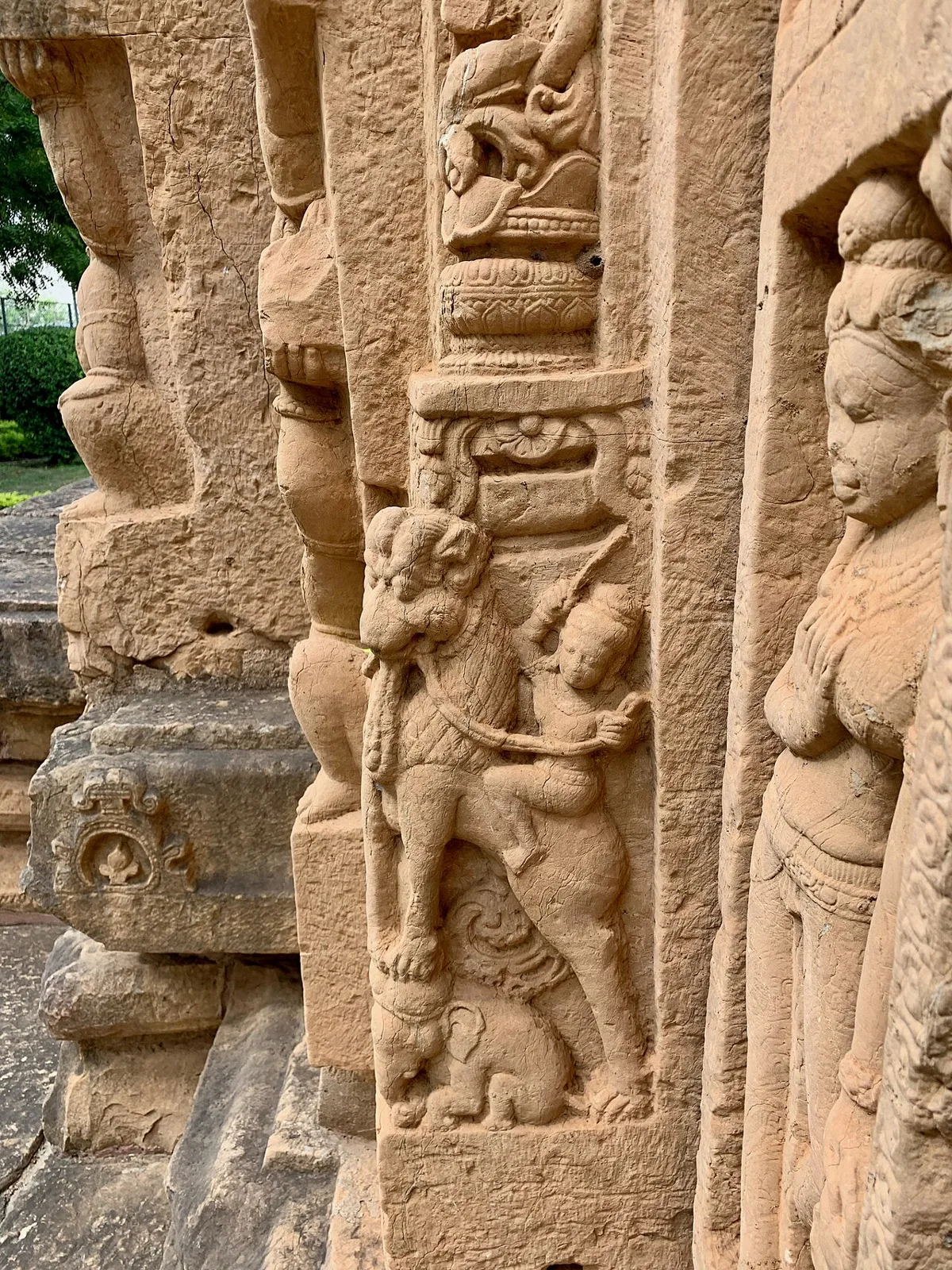
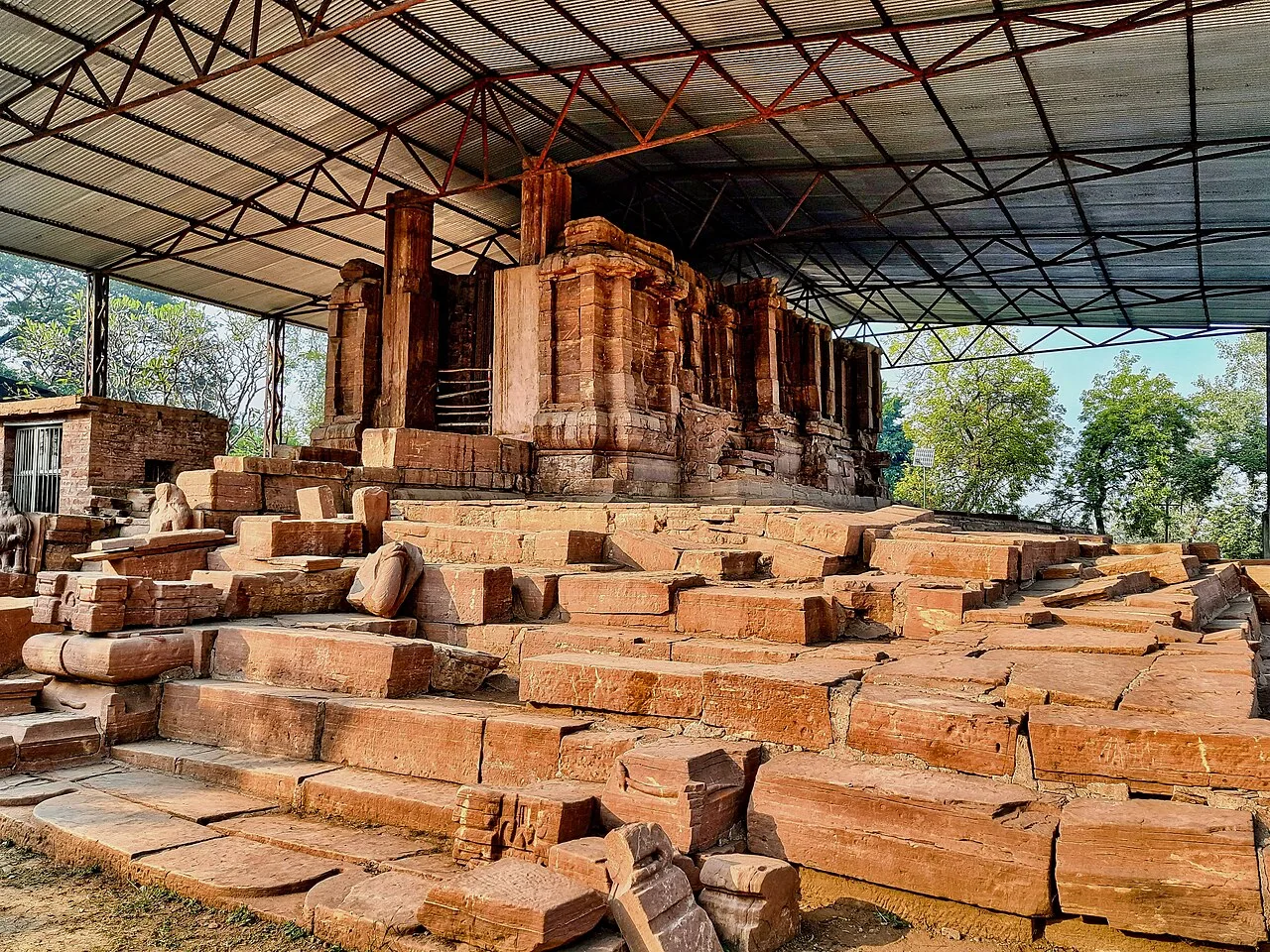
The region now called Chhattisgarh was part of the ancient cultural landscape of Dakshina Kosala. Its history is visible in temple remains, inscriptions and sculpture at sites such as Sirpur, Malhar and Tala. Sirpur, on the Mahanadi, was an important centre under early regional rulers and preserves evidence of Hindu, Buddhist and Jain traditions. Across later centuries, power shifted among dynasties including the Sarabhapuriya and Panduvamshi rulers and the Kalachuris of Ratanpur. These periods left temple complexes and other archaeological remains that help place the region within the wider history of central India. Ratanpur, near present-day Bilaspur, became a significant seat of Kalachuri power.

The area’s political history was not confined to its plains and towns. Bastar and other forested regions had their own ruling houses and strong local social systems, while communities maintained distinctive relationships with land, forests and seasonal livelihoods. Maratha influence expanded into the region in the eighteenth century. Under British rule, much of what is now Chhattisgarh was administered within the Central Provinces; Bastar remained a princely state under British paramountcy. Colonial administration, forest policies and changing forms of taxation affected communities unevenly, and local histories include resistance as well as negotiation. The surviving forts, palaces, sacred sites and oral traditions reflect these layered histories rather than a single continuous political story.

After Indian independence, the region formed part of Madhya Pradesh. A separate state was created on 1 November 2000, with Raipur as its capital. Statehood brought a new administrative identity to a region with a strong sense of place, as well as continuing debates about development, forest rights, mining and the preservation of cultural and ecological heritage. Visitors can encounter different chapters of this past at Bastar Palace, the temples of Bhoramdeo and Rajim, and the ruins at Sirpur and Malhar. These sites are best understood as parts of living landscapes, where worship, local memory and archaeological significance may overlap.

Culture, people & festivals

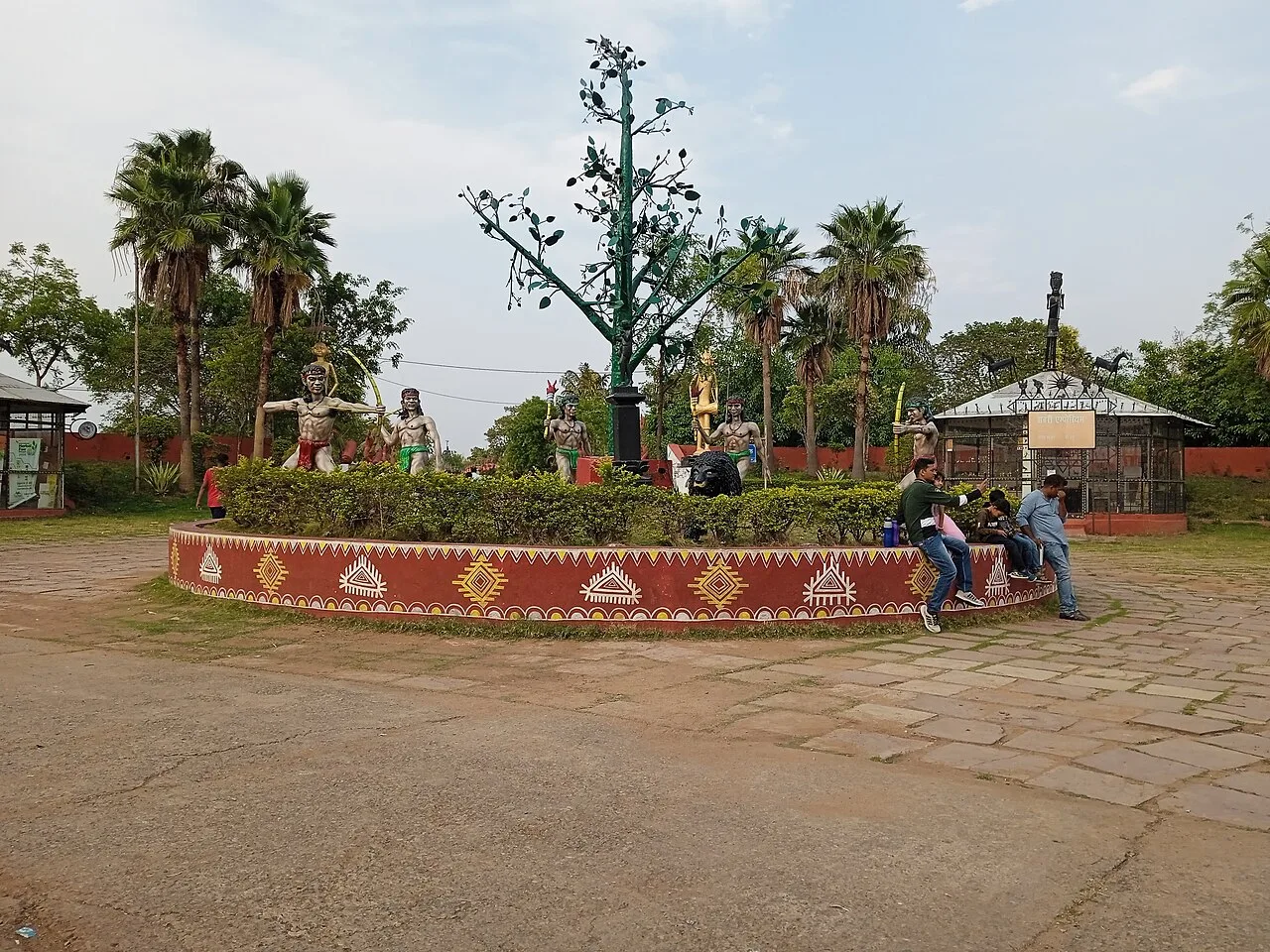
Chhattisgarh is home to many communities, including Adivasi peoples whose languages, arts and regional identities are diverse. Chhattisgarhi and Hindi are widely heard, alongside languages such as Gondi, Halbi, Kurukh and Sadri in particular areas. Music and dance accompany village celebrations, seasonal work and religious occasions. Forms vary from place to place; Panthi, associated with the Satnami community, and Raut Nacha, performed by Yadav communities, are among the better-known traditions. In Bastar, Madai gatherings and community performances reflect local calendars and relationships between villages. Ask before photographing people or ceremonies, and follow local guidance at sacred spaces.

Faith and festival life are varied, encompassing Hindu worship, Adivasi spiritual traditions, Jain and Buddhist heritage, and Christian communities. Bastar Dussehra, usually observed during the September–October festival season, is a major regional event with rituals and processions centred on local traditions; it differs in character from the familiar Ramlila-centred celebrations elsewhere. Rajim Kumbh, generally held around February or March, draws pilgrims to the meeting of rivers and the temples at Rajim. Hareli, usually in July or August, marks a monsoon-season celebration with agricultural associations, while Teeja is commonly observed around August or September. Goncha in Jagdalpur is generally a July festival. Dates can shift with lunar calendars and local decisions, so check current arrangements before travelling.

Food & flavours

Rice is central to everyday meals in much of Chhattisgarh, served with lentils, vegetables, greens and chutneys. Local cooking makes practical use of seasonal produce and grains, with recipes varying between the plains, northern uplands and forested south. Chila, a savoury pancake commonly made from rice or gram flour, is a popular snack or breakfast. Fara are steamed rice-flour dumplings, often seasoned or tempered before serving. Bafauri, a steamed preparation of ground pulses, offers another lighter, protein-rich option. Angakar roti and muthiya are among the other familiar regional foods, though ingredients and preparation differ from household to household.

Bore baasi, cooked rice soaked in water and eaten with accompaniments, is especially associated with hot weather and is valued as a simple, cooling meal. Meals may include dubki kadhi, leafy greens, pumpkin, forest produce or locally grown rice varieties. In Bastar, food traditions reflect local ingredients and community practices; visitors may encounter preparations using millets, mahua products or seasonal forest foods, but availability and custom vary. Sweets include khurmi, kusli and dehrori, often prepared for festivals or family occasions. Raipur and other towns offer a wider range of restaurants and street food, while rural menus can be simpler and seasonal. Asking about ingredients is useful for dietary needs, since recipes and cooking methods are not uniform.

Crafts, textiles & what to buy

Chhattisgarh’s crafts draw on metal, wood, clay, fibre and the visual traditions of its communities. Bastar Dhokra is made using the lost-wax method, producing distinctive metal figures, ritual objects and decorative pieces. Bastar is also known for carved wooden work and iron craft. Gond art, with its rhythmic patterns and vivid imagery, is associated with Gond artists across central India and is practised in Chhattisgarh as well. The state’s craft traditions are not interchangeable: techniques and designs differ by community and locality, and makers’ own descriptions are the best guide to an object’s meaning.

Among products with geographical indication recognition are Bastar Dhokra, Bastar Wooden Craft, Champa silk, Jeeraphool rice and Nagri Dubraj rice. Champa, in the Janjgir-Champa region, is associated with fine Kosa silk weaving; rice varieties are linked to their growing areas and local farming knowledge. Markets and craft outlets in Jagdalpur, Raipur and other towns can be places to look, though availability varies. Buying directly from artisans or reputable cooperatives can help support makers. Ask about materials, provenance and care, and be cautious of items described as handmade without clear information. For cultural objects, choose pieces offered for sale rather than removing natural or archaeological material from a site.

Getting there & getting around

Swami Vivekananda Airport at Raipur is the state’s principal air gateway, with connections that vary by season and airline. Jagdalpur and Bilaspur also have airports, but services may be limited or change, so verify current routes before planning around them. Raipur Junction and Bilaspur Junction are major rail gateways; Durg, Raigarh, Korba and other towns also have rail connections. The exact usefulness of each station depends on the itinerary, particularly for travel into Bastar or remote forest districts. Check current services through official airport, railway or operator sources rather than assuming that a route runs daily.

Road travel is important for reaching many attractions. National Highway 30 links Raipur with the Bastar region and Jagdalpur; NH 53 crosses the central corridor through the Raipur–Durg area, while NH 49 serves routes toward Bilaspur and Raigarh. NH 130 connects Raipur with northern destinations, including the Ambikapur direction. Conditions and alignments can change, so check a current map before setting out. State-run and private buses connect major towns, while taxis or hired cars offer more flexibility for waterfalls and rural sites. Local transport is easier to find in larger centres than near remote attractions. Build in time for road distances, monsoon disruption and breaks, and confirm the final approach to a site locally. For Bastar, Jagdalpur is a useful base for visits to Chitrakote Falls, Kanger Valley and nearby heritage places.

When to go & travel tips

For most of the state, October to February is a comfortable period for sightseeing, with cooler conditions for town visits, temples and wildlife areas. The monsoon and its immediate aftermath, roughly June to September, bring greener forests and stronger waterfalls in Bastar, but rain can make roads slower and some approaches difficult. Mainpat and other northern uplands are pleasant in cooler months; summer visits there can feel less intense than on the plains, though conditions still vary. Waterfall access and forest activities may be restricted at times, so check with local authorities or site managers before travelling.

Pack light, breathable clothing, a warmer layer for winter evenings and rain protection during the monsoon. Carry water, sun protection and sturdy footwear for uneven paths, and keep a small supply of essentials when travelling between towns. Confirm current road, weather and site conditions officially, especially for protected areas; do not assume a permit is needed or that access is unrestricted. Ask before photographing people, homes, ceremonies or sacred objects, dress considerately at places of worship, and follow guidance from local communities. In forests, stay on permitted routes, do not feed wildlife and avoid loud music or litter. Keep plans flexible, particularly for remote destinations and festival dates.

Highlights

Where to begin

City by city

Cities & hubs of Chhattisgarh

Every sight is grouped under its city — places within about 12 km together, day trips within 40 km alongside — even across district lines. Open a city to see its attractions.

See every city, town and village of Chhattisgarh

Away from the cities — 21 more places by district

District discovery

Chhattisgarh: 20 districts covered

Open a district to see its destinations and neighbours. More districts are added as our team writes them.

20 of 20 districts have destination guides

Destinations

Every guide in this state

Open a district to see its cities and towns, villages and places to see.

Balod1 place

Places to see

Balrampur4 places
Bastar8 places
Bilaspur5 places
Dantewada2 places
Dhamtari1 place

Places to see

Durg1 place

Places to see

Gariaband3 places
Janjgir-Champa1 place

Places to see

Jashpur2 places
Kabirdham1 place

Places to see

Kanker2 places
Korba3 places
Koriya1 place
Mahasamund2 places
Mungeli1 place

Places to see

Raigarh2 places
Raipur5 places
Rajnandgaon1 place

Places to see

Surguja1 place

Places to see

Festivals & fairs

The calendar here

Full calendar

Festivals of Chhattisgarh through the year

Usual season and where each is best known. Exact dates follow local calendars — linked festivals have dated guides.

  • Bastar DussehraSeptember–October, about 75 daysJagdalpur, Bastar district.
  • MadaiDecember–MarchTravelling tribal fairs in Bastar.
  • GonchaBastar's version of Rath Yatra.
  • Rajim KumbhMagh PurnimaGariaband district.
  • Hareli (July) and Pola (August): agricultural festivals
  • TeejaAugust–SeptemberWomen's festival.
  • ChherchheraDecember–JanuaryHarvest festival.
  • Sirpur FestivalJanuaryMahasamund district.
From travellers and locals

Be the first to share photos, stories, advice or a helpful contact for Chhattisgarh.

Loading…