
Tala
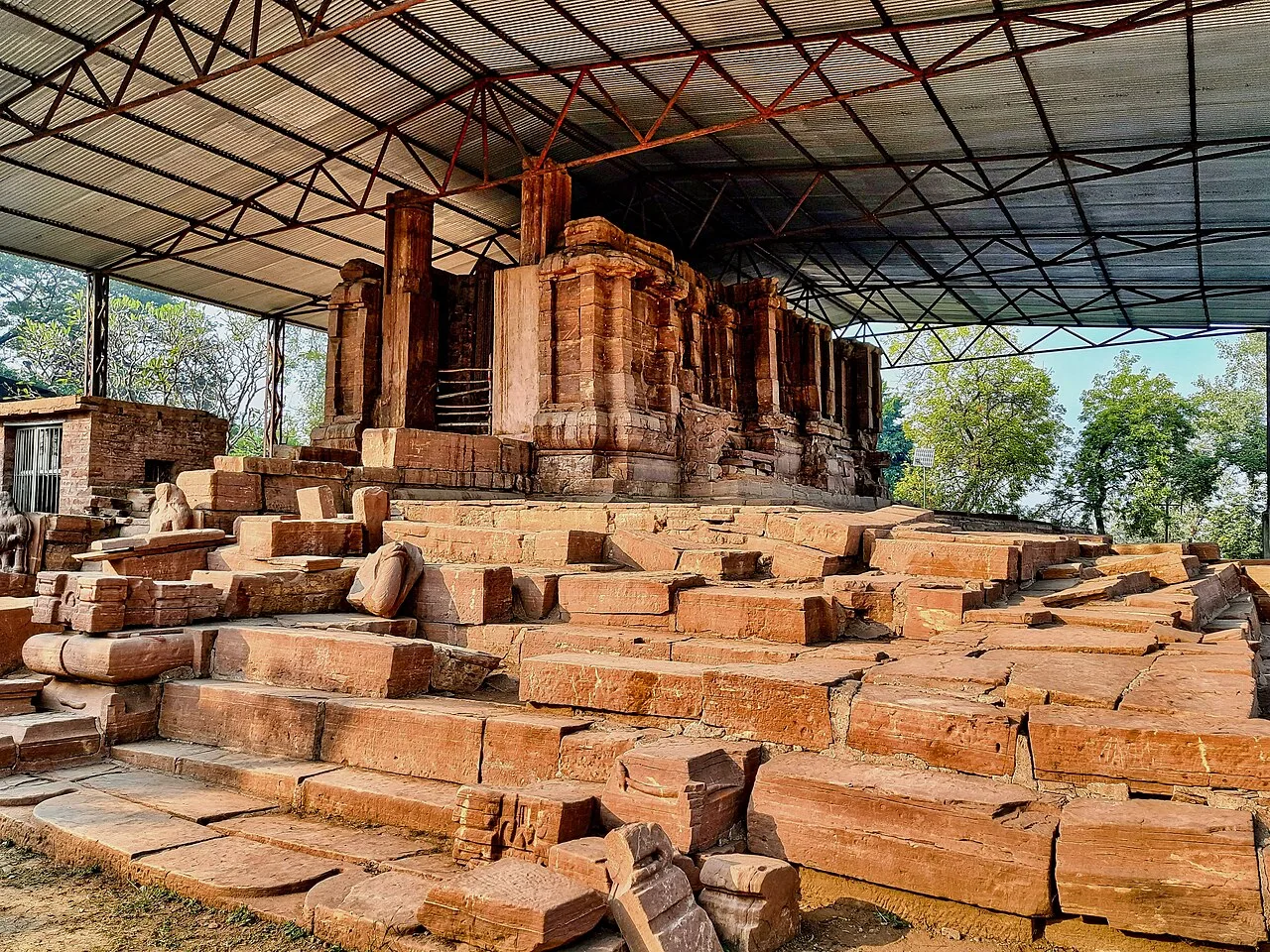
Tala is a village in Chhattisgarh’s Bilaspur district. Visitors are drawn to the Devrani and Jethani temples and its distinctive stone statue of Rudra Shiva.
Key facts · verified by Ghumoopedia editors
- Type of place
- Community & living culture
- Best time to visit
- October to February for sightseeing; July to September for the waterfalls at full flow
- Nearest railway station
- Bilaspur Junction · about 20 km (straight line)
- Nearest airport
- Bilaspur Airport · about 15 km (straight line)
- Verified
- 21 Nov 2026
Plan a trip from Tala — a day-by-day route through places nearby.
In Chhattisgarh, the village of Tala lies within Bilaspur district. The place is associated with the Devrani and Jethani temples, as well as a distinctive stone statue of Rudra Shiva. These temples and the statue are the main features of interest to visitors. The temples are known as Devrani and Jethani, while the stone image represents Rudra Shiva. Together, these features give Tala its recognisable character: a village linked with two temples and a singular stone representation of Rudra Shiva. Its appeal rests on these named landmarks. Chhattisgarh is known for its Gond, Maria and Muria tribal heritage, Bastar Dussehra, bell-metal and wrought-iron crafts, ancient temples at Sirpur and Bhoramdeo, and the wide Chitrakote Falls. Chhattisgarh has hot summers from March to June, a monsoon from June to September when Chitrakote and the other falls are at their most dramatic, and mild winters from November to February. The usual best time to visit is October to February for sightseeing; July to September for the waterfalls at full flow. Timings, fees and access arrangements must be confirmed locally. For official information, see Chhattisgarh Tourism at https://visitcg.in.
Why it matters
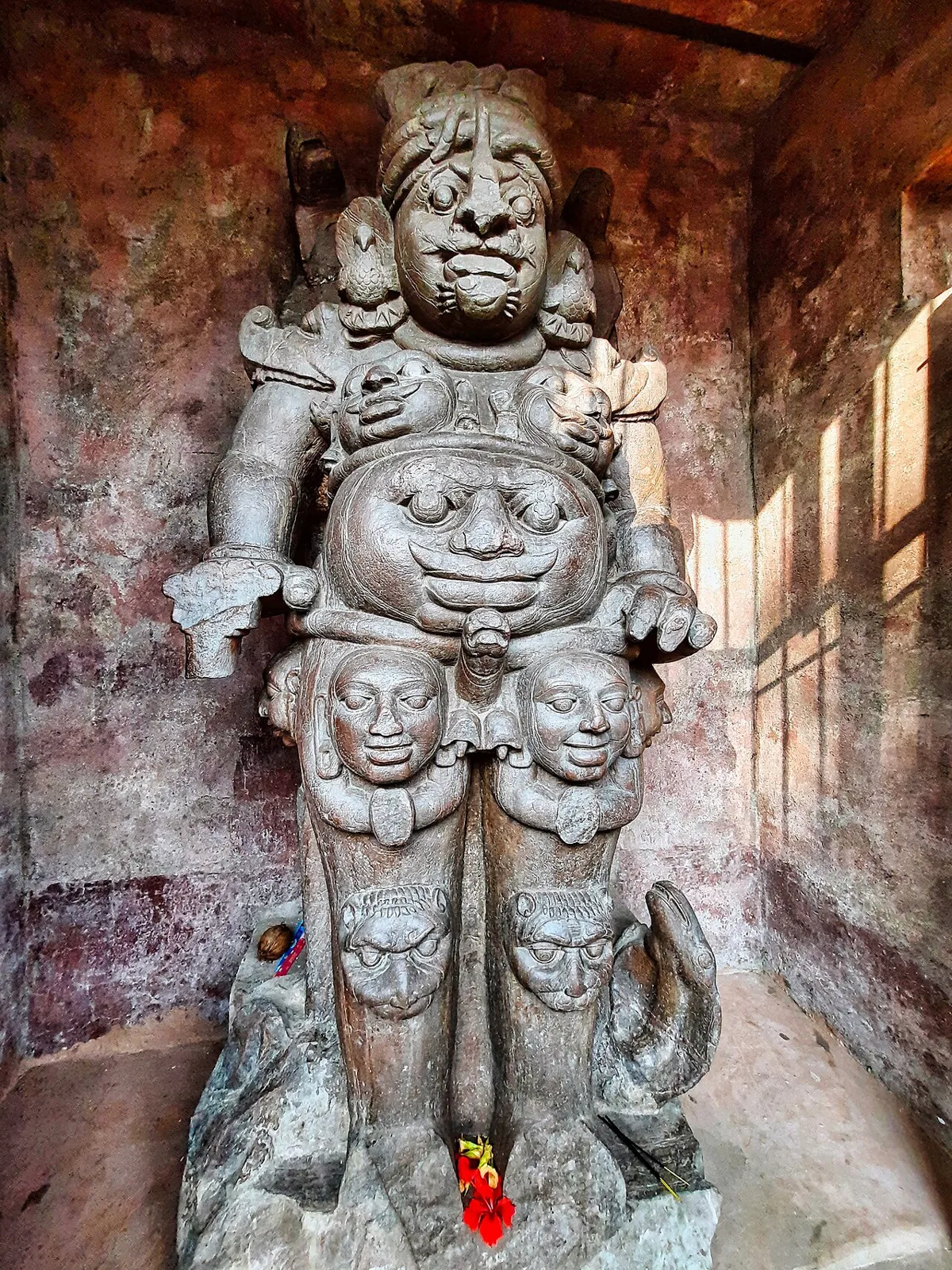
Tala is a village in Bilaspur district best known for the remains of the Devrani and Jethani temples and a distinctive stone image commonly called Rudra Shiva. These monuments give the village significance in the study of early temple architecture and sculpture in Chhattisgarh. The name Rudra Shiva describes the image’s unusual combination of carved forms; interpretations of its details may differ. Tala is a local heritage destination rather than a major urban attraction, and a visit is usually focused on the archaeological remains and their setting.
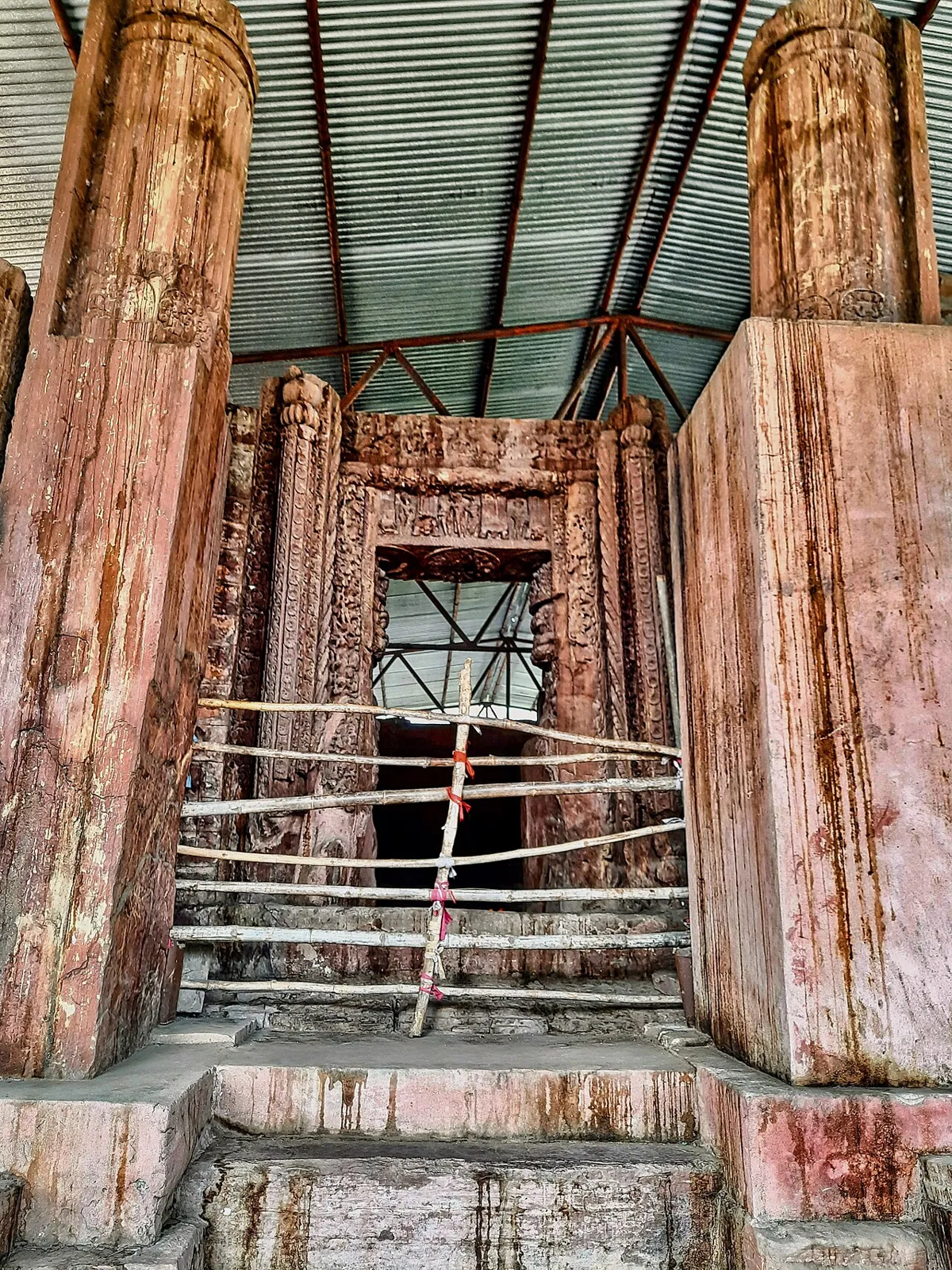
Tala’s archaeological importance rests chiefly on the remains known as the Devrani and Jethani temples and on the remarkable stone sculpture identified as Rudra Shiva. The temples are commonly placed around the fifth or sixth century, although dates and interpretations can vary between accounts. Their surviving masonry and sculptural details are evidence of an early phase of temple building in the region. The names Devrani and Jethani are now established names for the two temple remains; they do not, by themselves, prove who commissioned or built them. No builder or ruling dynasty should be treated as certain without supporting archaeological evidence. The Rudra Shiva image is particularly notable for its densely composed, composite appearance. Its carved elements have prompted differing explanations, so it is best viewed as an important work of sculpture rather than assigned a single definitive meaning. The site has been documented and made accessible as a heritage place, but detailed claims about excavation dates, restoration campaigns, or the original ritual use of each structure require confirmation from archaeological records. Today, Tala’s historic remains sit within a living village, where visitor access and conservation depend on respecting the site and local guidance.
Origin stories & folklore
The names Devrani and Jethani evoke the relationship between a husband’s younger and elder sisters, and visitors may hear local explanations connecting the two temples with figures from family or religious tradition. Such accounts should be understood as oral interpretation, not as established evidence about who built the structures. The Rudra Shiva sculpture also invites stories because its human, animal, and other carved forms appear combined in an unusual way. Interpretations may vary among local people and guides.
Visit Tala with time to observe daily prayers and rituals respectfully. Follow the posted rules on footwear, photography, head covering and dress, and avoid interrupting worshippers. Ask caretakers which areas are open to visitors, and beware of unofficial 'guides' asking for donations. A comfortable itinerary is one main visit in the morning, a local meal at midday and a short nearby stop before an afternoon return. Use the district list on this site to find other places in Bilaspur, but check the route and its condition before combining stops. If a festival or fair is on — such as Bastar Dussehra — roads and stays can be busy, and the experience can be unforgettable. Leave no litter: many sites are protected by the communities around them.
Suggested itineraries
Half day: Arrive in the morning; spend 1–2 hours viewing the Devrani and Jethani temple remains and Rudra Shiva image; take a quiet village-side break; return to Bilaspur. Full day: Visit Tala in the morning; allow 2–3 hours for the site at an unhurried pace; have lunch in or near Bilaspur; add Malhar or Ratanpur only after checking road conditions and travel time; return before evening. Gentler option: Arrange a vehicle close to the visitor access point, limit walking to the most accessible areas, take seated breaks, and skip additional stops.
Tala is a living village as well as an archaeological destination. Visitors may encounter everyday Chhattisgarhi rural life alongside the temple remains, including local worship and community routines. Chhattisgarhi and Hindi are widely used in the region, though language preferences vary. Customs at a place of worship may include removing footwear or keeping a respectful distance from prayer; follow signs and ask caretakers rather than assuming the same practice applies everywhere. Chhattisgarh has diverse music, dance, dress, and craft traditions, but these should not be presented as performances or customs specific to Tala unless residents identify them that way. Visit quietly and let local activity continue without interruption.
Local communities
Tala’s residents are the community most directly connected with the village and its heritage setting. People in the wider Bilaspur area pursue varied livelihoods, including agriculture, local services, trade, and work in nearby towns; individual circumstances differ. The wider state is home to many Adivasi communities, including Gond, Maria, and Muria peoples, but their presence elsewhere in Chhattisgarh should not be used to assume a particular community identity for Tala. The temples may be important to local worshippers as well as visitors interested in heritage. Ask permission before photographing residents, and do not seek out private or sacred knowledge.
Festivals & events
Local religious observances may take place, so visitors should ask residents or caretakers whether an event is occurring and whether public access is appropriate. In the wider region, Navratri is observed in the autumn, and Ratanpur’s Mahamaya temple is a prominent pilgrimage destination where festival periods can bring larger crowds. Chhattisgarh also celebrates festivals such as Hareli and Pola, with observance varying by community and locality. During religious events, expect busier roads and limited space; keep clear of processions and worship areas.
Local food in Chhattisgarh includes chana sela, fara (steamed rice dumplings), muthiya, chila (rice-lentil pancake), aamat, bafauri, thethari-khurmi, pej and mahua-based preparations; Bastar is known for red ant chutney (chaprah) for the adventurous. Ask what is fresh that day; many small eateries cook a limited daily menu. Vegetarian travellers eat very well across this region, and most towns also have non-vegetarian options. Remote sites may have no restaurant at all. Carry water and snacks, eat a proper breakfast before long drives, and ask your accommodation for a packed lunch if you are heading out early. If prasad or langar is offered, accept it according to local custom. Choose busy, clean places, drink sealed or filtered water, and carry your packaging back with you.
Shopping & local experiences
Tala may have limited visitor-oriented shops, so do not count on finding a dedicated craft market beside the temple remains. In Bilaspur, look for locally made goods and regional foods in established markets, asking sellers about the origin and materials of craft items. Chhattisgarh is known more broadly for traditions such as bell-metal and wrought-iron work, but availability in Tala should be checked rather than assumed. Buying directly from a maker or reputable shop can support local livelihoods. Avoid purchasing objects that appear to be antiquities or pieces removed from heritage sites.
Tala lies in the rural landscape of Bilaspur district, where village settlement and cultivated land form much of the surrounding scene. The Maniari river is associated with the wider local landscape, but water levels and safe access can vary seasonally; do not assume there is a maintained riverside visitor area. The monsoon generally brings greener surroundings, while the dry months can leave open ground dusty and exposed. The broader region includes varied habitats, but the temple visit itself is not a wildlife-viewing excursion. Common birds may be present in village and agricultural surroundings, though sightings are never assured. Avoid disturbing animals, entering fields without permission, or leaving waste near water or heritage structures.
October to February for sightseeing; July to September for the waterfalls at full flow
The nearest principal railway station by straight-line distance is Bilaspur Junction, roughly 20 km away. The nearest operating airport by straight-line distance is Bilaspur Airport, roughly 15 km away. These figures are calculated from map coordinates — actual road distance is longer. Raipur Junction and Bilaspur Junction are the main rail gateways, and Raipur has the busiest airport; Jagdalpur is connected by rail and has a small airport. For the final leg, Chhattisgarh State Road Transport Corporation buses, private buses and shared jeeps link district towns; shared jeeps usually leave early in the morning. A private taxi gives more flexibility for remote sites. When comparing train, bus and flight, count the complete door-to-door time: a flight saves the most time only if the onward road transfer is short, while an overnight train can save a hotel night. Book your return before you leave, because seats fill quickly on weekends, festivals and holidays. Current train numbers, timings, return services and fares are not listed here; check IRCTC and NTES for trains and the airline's own schedule for flights. No permit is needed to visit Chhattisgarh. Interior parts of Bastar, Dantewada, Sukma and Bijapur are affected by Left-wing extremism — check current advisories with the district administration, police or your host before travelling to remote areas, travel in daylight and follow instructions at check posts. Forest rest houses in the tiger reserves must be booked in advance.
Confirm onward and return timings on IRCTC / NTES, the state bus operator or your airline before travel. A dash means current timings or fares have not been verified.
Getting around
Tala is best approached from Bilaspur by road, with a private taxi offering flexibility for the final leg. Local buses or shared vehicles may serve routes in the district, but availability and departure points should be checked locally. Once in the village, expect to move between the heritage remains and nearby facilities on foot; ask before parking on private or restricted land. Auto-rickshaws may be easier to find in larger towns than at the site itself. Carry the return-trip plan with you, since onward transport options in a village can be limited later in the day.
Hours, tickets & permissions
Entry arrangements, opening periods, and any applicable ticket or camera rules can change. Confirm current hours and fees with the managing authority or a local caretaker before travelling; no specific schedule or charge is stated here. Ask which parts of the temple remains are open to visitors and whether any area is reserved for worship or conservation. Follow posted directions about footwear, clothing, identification, photography, and group access. If you arrive during a ceremony or maintenance work, wait for guidance rather than entering a closed section.
Facilities
Facilities at the archaeological remains may be limited. Toilets, drinking water, shade, food stalls, guides, and visitor parking should be checked locally rather than assumed to be available on site. Bilaspur is the more dependable place to plan meals, cash access, and other services before or after the visit. Carry drinking water and any personal essentials, and take rubbish back with you if bins are unavailable. If you want a guide, ask a caretaker or a trusted local source about their role and any agreed terms; do not feel pressured by unsolicited donation requests.
Accessibility
The heritage remains may involve uneven ground, exposed surfaces, and walking between structures. Steps or changes in level can make parts of the site difficult for wheelchair users, people using walking aids, and visitors with limited mobility; do not assume ramps or accessible toilets are present. Strollers may also be hard to manage on rough surfaces. Shade and seating can be limited, particularly in warm weather, so plan rests and carry water. Older visitors may find a short, vehicle-supported visit more comfortable. Check current ground conditions and access with a local caretaker before setting out.
No permit is needed to visit Chhattisgarh. Interior parts of Bastar, Dantewada, Sukma and Bijapur are affected by Left-wing extremism — check current advisories with the district administration, police or your host before travelling to remote areas, travel in daylight and follow instructions at check posts. Forest rest houses in the tiger reserves must be booked in advance. Carry a photo ID at all times and save the emergency number 112 and your accommodation's contact offline. Heat in summer and fog in winter are the main weather risks; carry water and allow extra travel time on foggy December–January mornings. Respect community rules, private property and posted instructions. Follow local guidance if access changes.
Visitor rules
Treat the remains as both heritage structures and a place that may be used for worship. Follow posted instructions and caretaker guidance on dress, footwear, photography, and access; do not touch, climb on, mark, or remove material from the stonework. Keep voices low near worshippers, and do not interrupt prayers or ceremonies. Ask before entering any restricted area or photographing people. Avoid littering and single-use plastic where possible, and do not leave offerings unless local guidance permits it. Decline unsolicited demands for donations and seek clarification from an identified caretaker.
Photography
Soft morning or late-afternoon light can help reveal the stonework, while midday sun may create strong contrast and heat. Photograph from paths or other areas permitted by the caretaker; avoid climbing on structures to find a viewpoint. Photography of the Rudra Shiva image or worshippers may be restricted, so check before taking pictures. Ask consent before photographing residents, especially children. Drone use can be subject to aviation, security, heritage, and local restrictions; do not fly one without confirming that it is permitted. Never interrupt a ritual for a photograph.
Choose a stay by the full journey to Tala, not just the district name. Raipur and Bilaspur offer the widest choice; in Bastar, Jagdalpur is the practical base. In summer, check air-conditioning or coolers; in December and January, check hot water. Book in advance for weekends, festivals and the peak season (October to February for sightseeing; July to September for the waterfalls at full flow). Confirm the exact location, meals included, check-in time and cancellation terms in writing. Avoid sending money to unverified contacts or touts at stations. Carry some cash, as card and digital payments can be unreliable in remote areas.
Malhar, also in Bilaspur district, is known for archaeological remains and can be considered as a separate heritage stop after checking road conditions. Ratanpur is another notable destination in the district, particularly for the Mahamaya temple and its pilgrimage setting. Bilaspur city is the principal nearby urban base for transport and services. These places are not necessarily convenient to combine in a single outing: confirm routes, travel time, access, and local conditions before planning several stops. Keep Tala’s visit unhurried and avoid entering religious or archaeological areas that are closed to visitors.
For couples, Tala rewards a slow pace: arrive early for soft light and fewer crowds, share a local meal and keep the evening free. The wide curtain of Chitrakote Falls at dusk or a tribal craft market makes the trip memorable. Public displays of affection can be frowned upon in conservative communities and at religious sites, so be discreet. Keep a buffer in your itinerary, because weather and road conditions can delay plans.
Q: How much time should I allow for Tala? A: Allow a relaxed half day for the temple remains and Rudra Shiva image; add time only if road conditions and other stops permit. Q: When is a comfortable season to visit? A: October to February is generally more comfortable for sightseeing. Monsoon weather can affect roads and walking surfaces. Q: Is entry free, and do I need permission? A: Current entry arrangements can change. Confirm any fees, access rules, and photography restrictions with the managing authority or caretaker. Q: Is the site suitable for children or elderly visitors? A: Families can visit, but uneven ground, heat, and limited facilities may make some areas challenging. Stay together and take breaks. Q: Where can I stay nearby? A: Bilaspur is the practical base for accommodation and services. Check current availability there before travelling to Tala.
Be the first to share photos, stories, advice or a helpful contact for Tala.
Loading…