
District · Chhattisgarh
Bilaspur
Bilaspur is a major railway and urban centre in northern Chhattisgarh, serving as a gateway to the region’s historic towns and countryside.
Bilaspur district combines an important railway city with agricultural plains, historic settlements and reservoir landscapes. The Arpa River shapes Bilaspur city's setting, while surrounding villages reflect the rice-growing countryside of Chhattisgarh. Ratanpur, a former Kalachuri capital, preserves a strong temple and pilgrimage identity. Malhar and Tala add archaeological depth through their ancient temples, sculptures and remains, making the district rewarding for travellers interested in central Indian history. Khutaghat Dam offers a contrasting waterside outing. Achanakmar is often approached through Bilaspur, but lies beyond the district's present boundaries and is better treated as a separate forest excursion. Together, these places support a varied itinerary of urban, rural and heritage visits.
Bilaspur is a major railway and urban centre in northern Chhattisgarh, serving as a gateway to the region’s historic towns and countryside. The district is best known for Ratanpur, a former Kalachuri capital and pilgrimage centre, and for the archaeological remains at Malhar and Tala. Around the city, rice-growing plains, the Arpa River and the reservoir at Khutaghat offer a change of scene from temple visits. Travellers can combine urban facilities with heritage stops and rural landscapes. Achanakmar is often reached from Bilaspur, but it lies outside the district’s present boundaries and is a separate excursion.
The wider region formed part of ancient Dakshina Kosala, a name associated with early kingdoms of central India. Archaeological remains at Malhar and Tala, including temples, sculptures and inscriptions, attest to long periods of settlement and religious activity. Ratanpur later became an important capital of the Kalachuri rulers of the region, whose influence is reflected in its temples and pilgrimage traditions. The area subsequently came under Maratha rule and then British administration. Under the British, Bilaspur was incorporated into the Central Provinces; its railway connection helped the town grow as an administrative and commercial centre. Bilaspur became part of the newly formed state of Chhattisgarh in 2000. District boundaries have changed since then: Mungeli district was separated in 2012, and Gaurela-Pendra-Marwahi district was formed in 2020. These changes are important when planning visits to nearby places such as Achanakmar, which is now outside Bilaspur district.
5 destination guides · 4 on the map
Achanakmar Wildlife Sanctuary
Achanakmar is a protected forest area and tiger reserve spanning parts of Chhattisgarh and Madhya Pradesh. Visitors come to experience its wooded hills, varied terrain and the Maniyari River.
Khutaghat Dam
In Bilaspur district, Chhattisgarh, Khutaghat Dam is a dam and reservoir; visitors come to see this local water feature and its setting.
Malhar
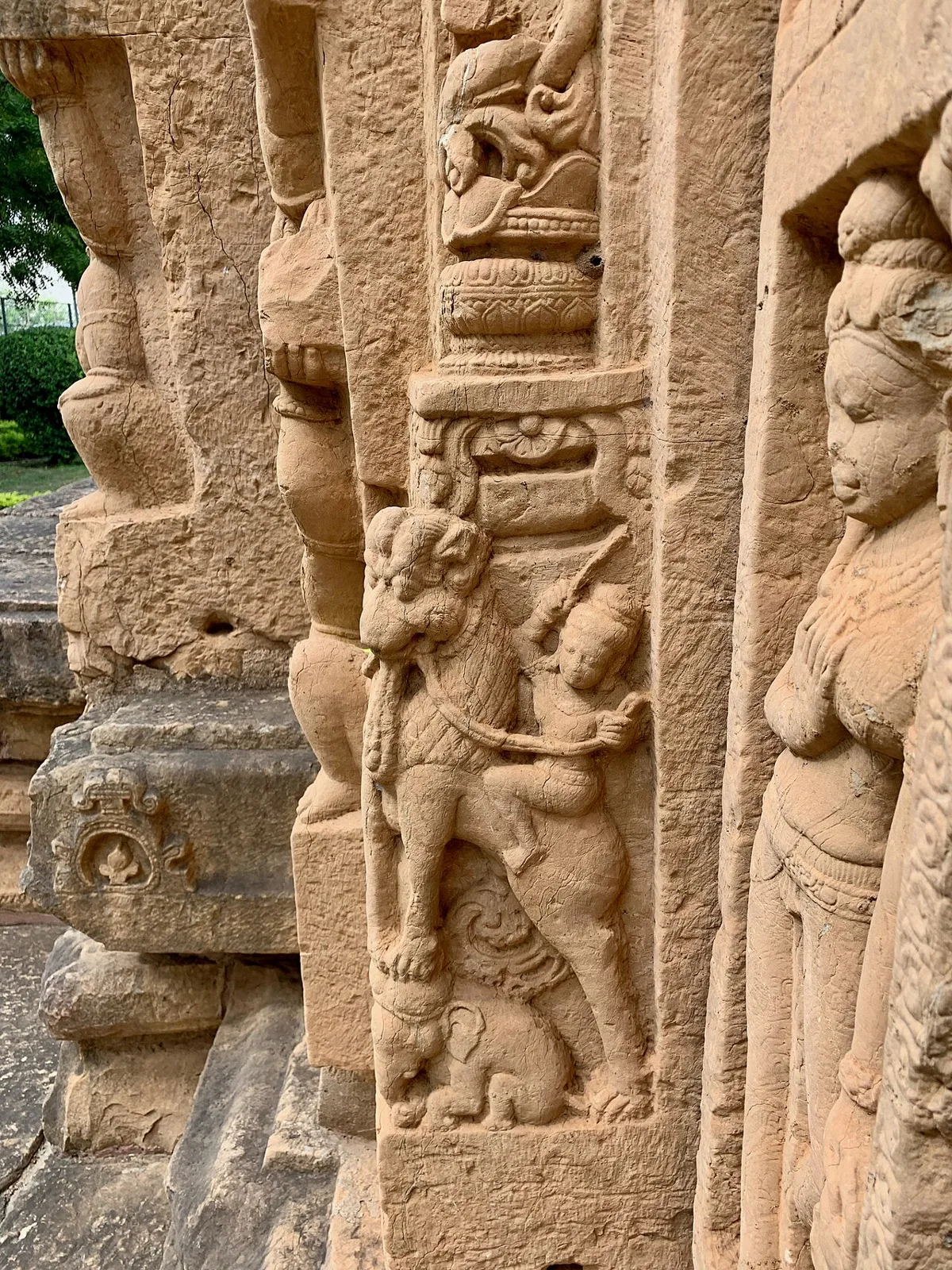
Malhar, in Chhattisgarh’s Bilaspur district, draws visitors interested in archaeology and its remains of an old fort, restored Shiva temples, and Hindu, Jain and Buddhist temples.
Ratanpur
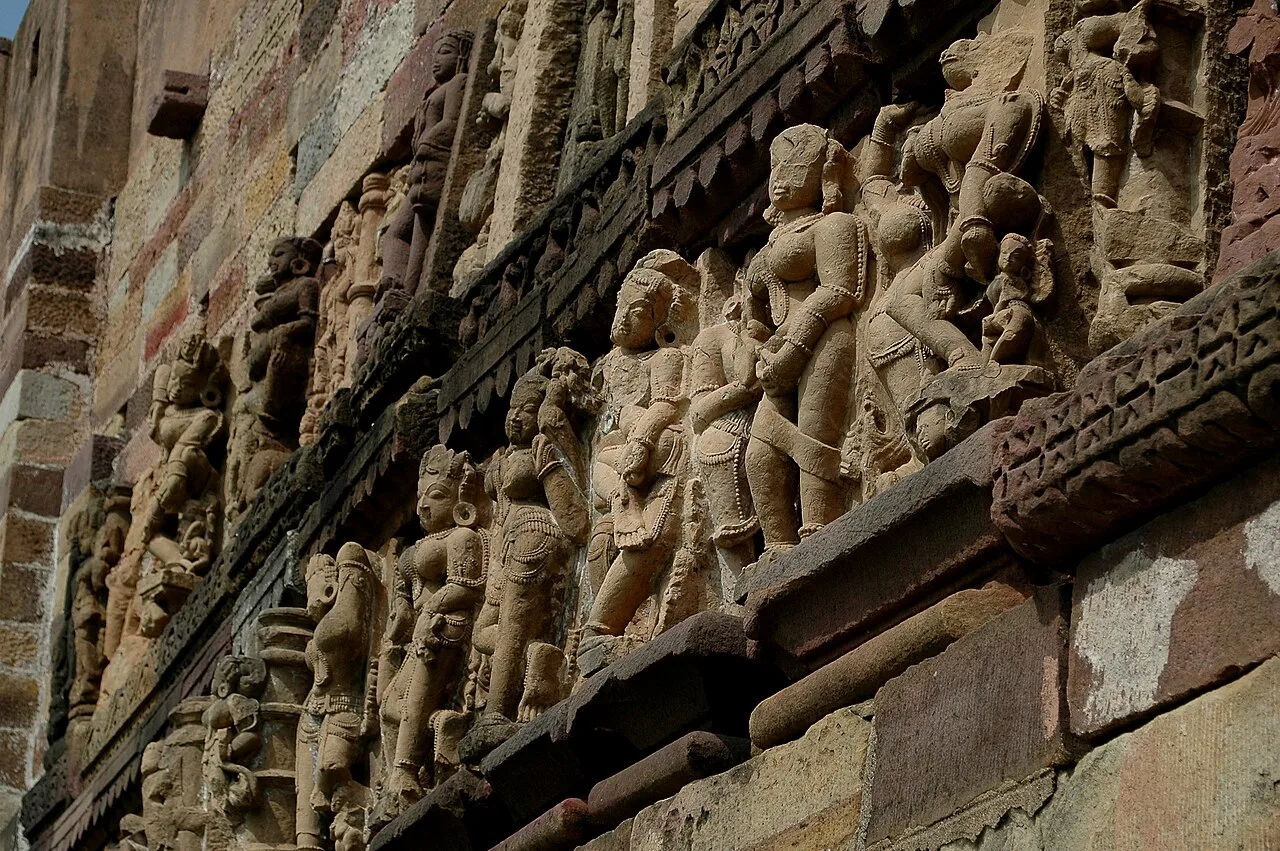
Ratanpur is a town and nagar palika in Chhattisgarh’s Bilaspur district. Travellers encounter it on National Highway 130, about 25 kilometres from Bilaspur on the way towards Ambikapur.
Tala
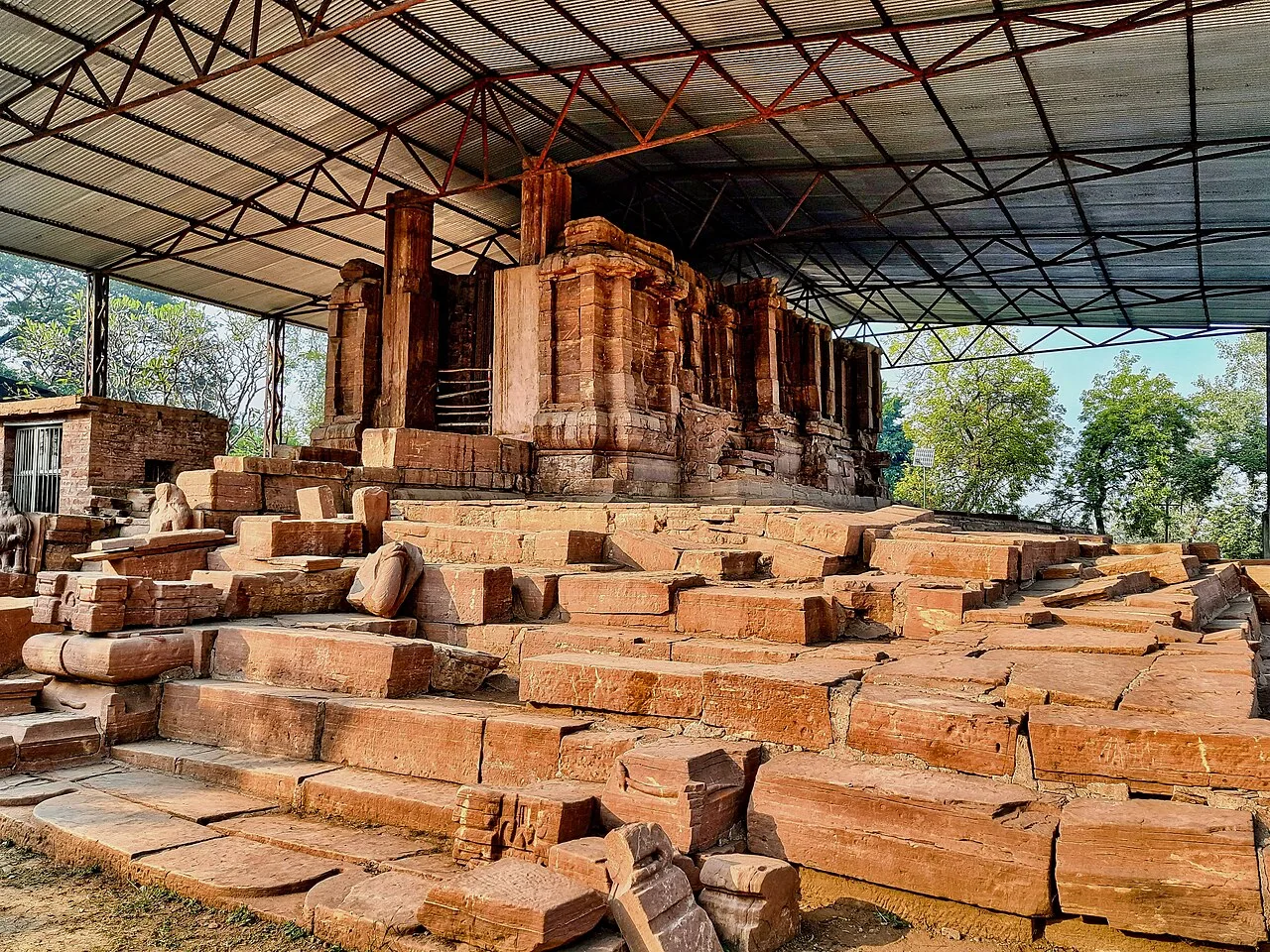
Tala is a village in Chhattisgarh’s Bilaspur district. Visitors are drawn to the Devrani and Jethani temples and its distinctive stone statue of Rudra Shiva.
Bilaspur is a useful place to explore the rice-based food traditions of wider Chhattisgarh. Look for chila, a savoury pancake, and fara, steamed rice dumplings, alongside muthiya and bafauri, a steamed pulse preparation. Aamat is a regional vegetable dish, while thethari and khurmi are familiar savoury and sweet snacks associated with festive hospitality. Pej, a simple grain-based gruel, reflects the region's everyday food traditions. These dishes are not exclusive to Bilaspur, and availability varies between homes, eateries and seasons. Ask small restaurants what has been freshly prepared, and carry drinking water and snacks for rural excursions.
Bilaspur provides a starting point for exploring Chhattisgarh's wider textile and craft traditions, rather than a single craft exclusive to the district. Kosa silk weaving is especially associated with the Champa belt elsewhere in the state; ask about the weaving location and fibre when buying saris or fabric. Regional crafts also include bamboo work, pottery and woodwork. Bastar's bell-metal casting is a distinct tradition from another part of Chhattisgarh, not a Bilaspur speciality. At Malhar and Tala, historic stone sculpture offers another perspective on the area's artistic heritage.
Navratri is observed across the district, with Ratanpur’s Mahamaya temple drawing pilgrims and creating busier streets and accommodation demand, especially during the autumn festival season. Chaitra Navratri in spring is also important there. Diwali and Holi are widely celebrated, while regional Chhattisgarhi observances such as Hareli, Pola and Teeja mark agricultural and seasonal traditions. Local fairs and temple gatherings can make towns busier than usual, though their scale and timing vary. Travellers planning to stay in Ratanpur or Bilaspur during major festival periods should arrange rooms ahead and allow extra time for crowded roads.
Elsewhere in Chhattisgarh
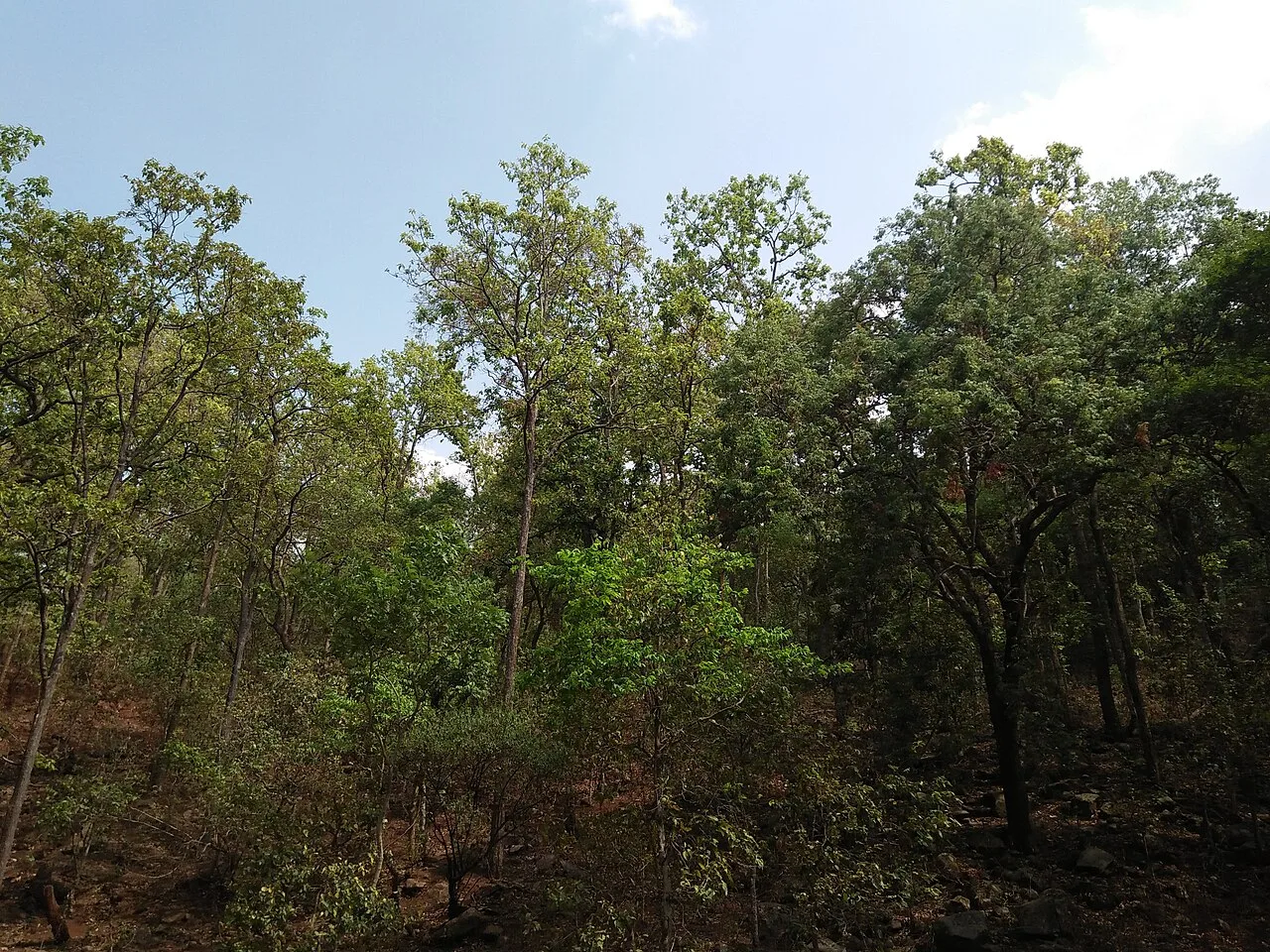
Bilaspur district is largely a landscape of settled plains and gently rolling countryside, with rice fields and villages around the urban centre. The Arpa River runs through Bilaspur city and is a defining feature of its setting. Low hills and forested areas occur toward the district’s edges, while Khutaghat Dam creates a reservoir landscape suited to a short outing. Roads connect the city with Ratanpur, Malhar and Tala, but rural approaches can be slower and services more limited than in town. The surrounding terrain is generally accessible, though monsoon rain can affect local roads.
Bilaspur has hot summers, a monsoon season and cooler, generally drier winters. The period from roughly October to February is usually the most comfortable for temple visits, archaeological sites and road travel; winter mornings and evenings can feel cool. March to June can be very hot, so plan outdoor stops for cooler parts of the day, carry water and use sun protection. Monsoon rains bring greener fields but can make rural roads slower or uneven. Pack light, breathable clothing for warm weather, a rain layer during the monsoon and a warmer layer for winter evenings. Check local conditions before setting out.
Bilaspur Junction is the district's principal railway gateway, with connections to major cities. Bilaspur Airport serves the area, while Swami Vivekananda Airport at Raipur is another option with a broader flight network. Road links connect Bilaspur with Raipur and neighbouring towns; buses, taxis and shared vehicles can help with onward travel. Within the city, auto-rickshaws and taxis are practical choices. For Malhar, Tala, Ratanpur and Khutaghat, arrange transport around your chosen stops and confirm return options before leaving, especially for quieter rural locations. Check current services locally.
Bilaspur city is the practical transport hub, with autos and taxis for local journeys. Road travel links it with Ratanpur, Khutaghat, Malhar and Tala, but the most convenient way to combine these stops is often a taxi or other arranged vehicle. Local buses and shared vehicles may serve some routes, though frequency and return options can vary, particularly for rural sites. Confirm onward transport before leaving town and allow extra time in the monsoon. Boats are not a standard means of getting between the listed destinations; check locally about any activities at the Khutaghat reservoir.
2 days: Malhar → Tala; sleep in Bilaspur both nights. 3 days: Ratanpur → Khutaghat Dam; sleep in Bilaspur both nights, then in Ratanpur on the third night. 4 days: Ratanpur → Khutaghat Dam → Tala → Malhar; sleep in Ratanpur on night one and Bilaspur on nights two, three and four.
Bilaspur is the most practical base for circuits combining Malhar, Tala and Khutaghat, with the broadest choice of hotels and other visitor services. It also works for a day visit to Ratanpur, though staying there can suit travellers focused on the temple town. Accommodation in smaller places is more limited and may include simple guesthouses or dharamshalas; availability and facilities vary. Homestays or government lodges may be available in the wider area, but should be confirmed before travel. For festival visits to Ratanpur, arrange a stay early.
Take care on rural roads, especially during the monsoon, when rain can reduce visibility and make surfaces slippery or uneven. Carry drinking water and use sealed or reliably treated water, particularly on longer outings. Heat can be tiring in summer, so limit strenuous outdoor activity during the hottest part of the day. Temple and festival crowds may slow movement around Ratanpur. Mobile connectivity and transport choices can be less reliable outside Bilaspur, so confirm return arrangements before visiting rural sites. Achanakmar lies outside this district; check current official guidance and any applicable protected-area requirements before a separate visit.
- Korbaabout 49 km
- Amarkantak · Madhya Pradeshabout 73 km
- Mahasamundabout 84 km
- Kabirdhamabout 98 km
- Raipurabout 109 km
- Janjgir-Champaabout 119 km
- Raigarhabout 126 km
- Gariabandabout 128 km
Straight-line distance between the centres of each district's destinations; road distance is longer.
Q: How many days should I spend in Bilaspur district? A: Two days can cover a focused heritage visit; three or four days allow time for more of the listed towns and sites. Q: When is the best time to visit? A: October to February is generally comfortable for sightseeing and road travel. Q: What is the best base for exploring? A: Bilaspur is the most practical base for transport and services; Ratanpur suits a temple-focused stay. Q: How do I get to Bilaspur? A: Bilaspur Junction is the main rail gateway. Bilaspur Airport and Raipur airport are flight options; check current connections. Q: Is the district suitable for families or elderly travellers? A: Yes, many visits are manageable, but arrange road transport, consider walking needs at heritage sites and avoid strenuous outings in summer heat.
This page draws on our 5 destination guides for Bilaspur and is updated as our team checks it.
Be the first to share photos, stories, advice or a helpful contact for Bilaspur.
Loading…