
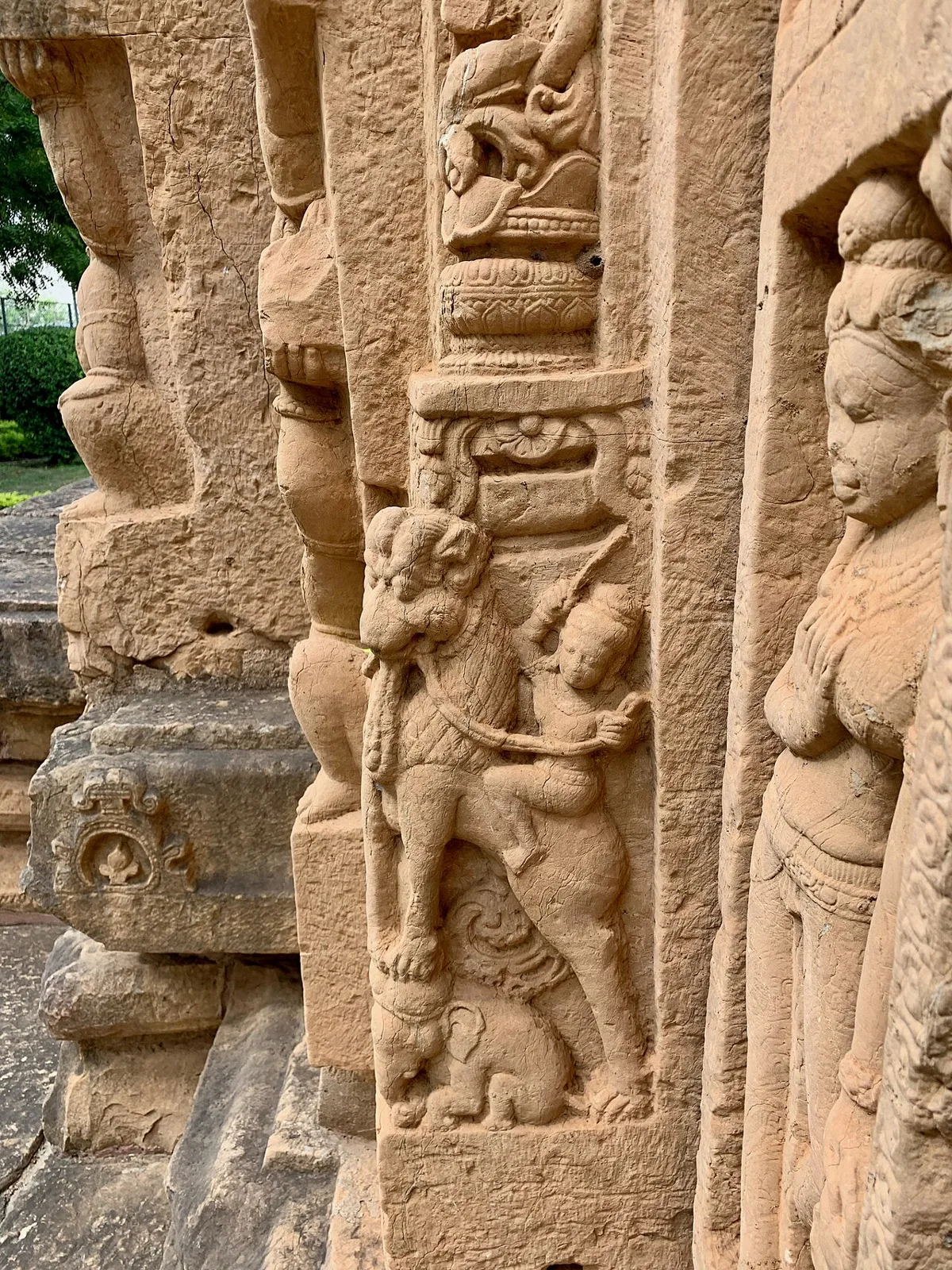
Malhar
Malhar, in Chhattisgarh’s Bilaspur district, draws visitors interested in archaeology and its remains of an old fort, restored Shiva temples, and Hindu, Jain and Buddhist temples.
Key facts · verified by Ghumoopedia editors
- Type of place
- Destination
- Best time to visit
- October to February for sightseeing; July to September for the waterfalls at full flow
- Nearest railway station
- Bilaspur Junction · about 20 km (straight line)
- Nearest airport
- Bilaspur Airport · about 20 km (straight line)
- Verified
- 21 Nov 2026
Plan a trip from Malhar — a day-by-day route through places nearby.
Located in Bilaspur district, Chhattisgarh, Malhar is now more village-like than urban. Its past was more prominent: it developed as a major city and functioned as a capital during the first millennium. Inscriptions and Indian literary works record names including Mallar, Mallari and Sarabhapur. Archaeological remains define much of the site today. Mounds and remnants of an ancient fort stand alongside two restored temples dedicated to Shiva. A museum holds ruins from a major group of temples associated with Hindu, Jain and Buddhist traditions, giving Malhar archaeological importance. Malhar lies in rural surroundings roughly 30 kilometres south-east of Bilaspur. A feeder road from National Highway 49 provides access. Chhattisgarh is known for its Gond, Maria and Muria tribal heritage, Bastar Dussehra, bell-metal and wrought-iron crafts, ancient temples at Sirpur and Bhoramdeo, and the wide Chitrakote Falls. Chhattisgarh has hot summers from March to June, a monsoon from June to September when Chitrakote and the other falls are at their most dramatic, and mild winters from November to February. The usual best time to visit is October to February for sightseeing; July to September for the waterfalls at full flow. Timings, fees and access arrangements must be confirmed locally. For official information, see Chhattisgarh Tourism at https://visitcg.in.
Why it matters
Malhar is an archaeologically important settlement in Bilaspur district, where visible temple remains and finds point to a much larger historic urban centre. The site is associated in inscriptions and historical writing with names including Mallar, Mallari and Sarabhapur; identifications and interpretations can vary between sources. Its remains represent Hindu, Jain and Buddhist traditions, making it valuable for understanding the religious and architectural history of the region. Today, visitors can see temple ruins, restored shrines, fort-related remains and a local museum. The available guide identifies Malhar as a place of archaeological significance but does not establish a specific UNESCO or other formal heritage designation. Confirm the current protection status and access arrangements with the relevant heritage authority before visiting.
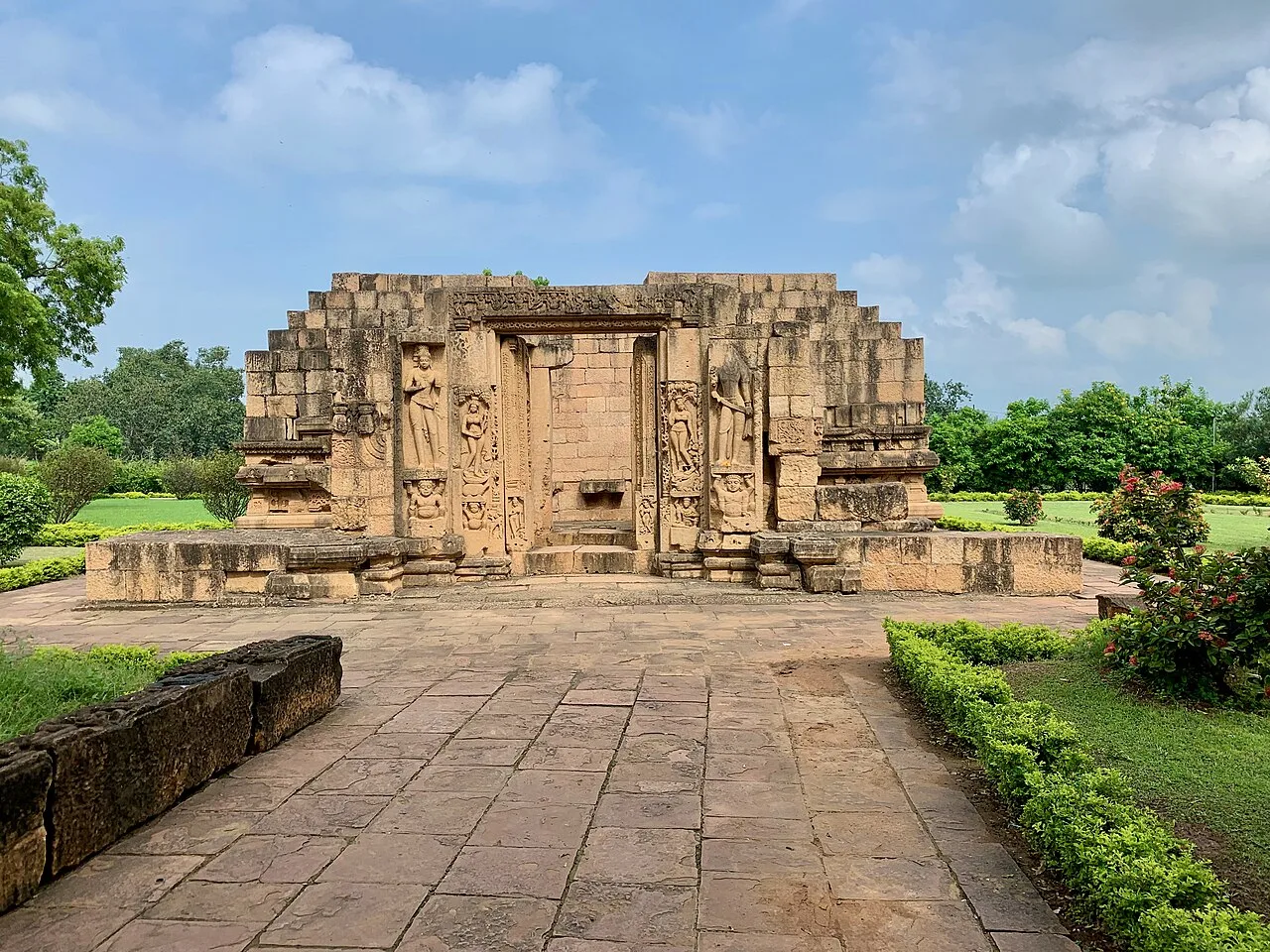
Malhar’s archaeological remains indicate that it was once a substantial settlement, unlike the small, village-like town visitors encounter today. Inscriptions and historical accounts have used names such as Mallar, Mallari and Sarabhapur, though the relationship between these names and particular historical periods is not always presented consistently. The settlement is described as having served as a capital during the first millennium, but visitors should treat broader claims about its political history with care unless supported by site interpretation or specialist sources. The archaeological landscape includes mounds, remains associated with an ancient fort, and vestiges of Hindu, Jain and Buddhist temples. These show that several religious traditions were represented at the site over time. Two Shiva temples have been restored, while other structures survive as ruins or fragments. A museum displays archaeological material and helps explain the former temple complex. Excavation and conservation have made Malhar an important place for studying the region’s past, but the precise dates, patrons and sequence of construction are not equally certain for every structure. Read local interpretation boards and consult an authorised guide for current scholarly context; avoid assigning a single date or builder to all the remains.
Explore Malhar slowly and read the interpretation boards, use the official audio guide where available or hire an authorised guide to understand its history. Check opening days, ticket counters and camera rules in advance; many monuments and museums close on one weekday and on some public holidays. Early morning gives softer light, cooler air and smaller crowds. A comfortable itinerary is one main visit in the morning, a local meal at midday and a short nearby stop before an afternoon return. Use the district list on this site to find other places in Bilaspur, but check the route and its condition before combining stops. If a festival or fair is on — such as Bastar Dussehra — roads and stays can be busy, and the experience can be unforgettable. Leave no litter: many sites are protected by the communities around them.
Suggested itineraries
Half day: Begin at the museum (about 45–60 minutes), walk the temple remains and fort-related mounds (about 1.5–2 hours), then visit the restored Shiva shrines (about 30–45 minutes). Full day: Explore the museum and archaeological area in the morning (about 2.5–3 hours), pause for a local meal, then visit a nearby attraction such as Tala or return to Bilaspur for a short city stop (allow the afternoon for travel and visiting). Gentler option: Visit the museum and the most accessible shrine area, take seated rest breaks, and skip uneven mounds or longer walks; arrange vehicle drop-off as close as locally permitted.
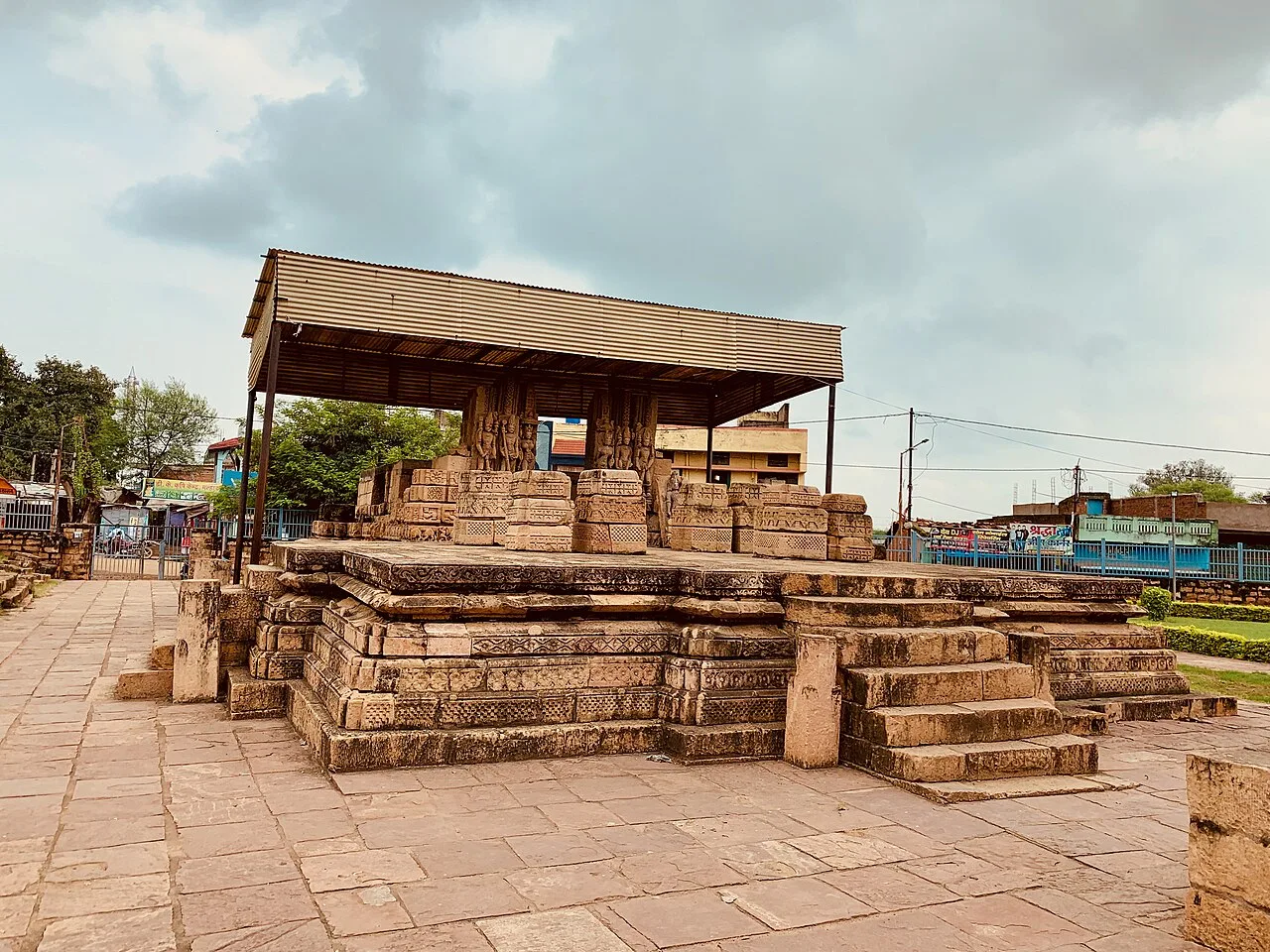
Malhar is part of the wider Chhattisgarhi cultural region. Chhattisgarhi and Hindi are commonly used in the area, alongside other languages spoken by local communities. Everyday life is village-oriented, and the archaeological site sits within a lived-in rural landscape rather than an isolated monument precinct. Hindu worship continues at restored Shiva shrines, so visitors may encounter devotional activity alongside archaeological interpretation. Chhattisgarh has rich Adivasi traditions, including distinct music, dance, dress and craft practices, but these should not be assumed to be specific to Malhar or performed for visitors. Ask before photographing people or religious observances, and follow local guidance at active shrines.
Festivals & events
Shivaratri and Navratri are observed at temples across the region and may bring worshippers to active shrines; check locally whether any organised observance takes place at Malhar. Holi and Diwali are also widely celebrated in Chhattisgarh. Seasonal village fairs may occur in the surrounding area, but dates and locations vary from year to year. Larger regional events, including Bastar Dussehra, are not Malhar-specific. Festival periods can mean busier roads, reduced availability of local transport or accommodation, and more activity around places of worship. Dress respectfully and leave space for worshippers.
Local food in Chhattisgarh includes chana sela, fara (steamed rice dumplings), muthiya, chila (rice-lentil pancake), aamat, bafauri, thethari-khurmi, pej and mahua-based preparations; Bastar is known for red ant chutney (chaprah) for the adventurous. Ask what is fresh that day; many small eateries cook a limited daily menu. Vegetarian travellers eat very well across this region, and most towns also have non-vegetarian options. Remote sites may have no restaurant at all. Carry water and snacks, eat a proper breakfast before long drives, and ask your accommodation for a packed lunch if you are heading out early. Try a home-cooked or dhaba meal when you can — it is often the best food on the route. Choose busy, clean places, drink sealed or filtered water, and carry your packaging back with you.
Shopping & local experiences
Malhar is not primarily a shopping destination. Small local shops may offer everyday goods and snacks, while Bilaspur has a broader choice of markets and regional products. Chhattisgarh is known for crafts such as bell-metal and wrought-iron work, but availability in Malhar itself should not be assumed. Ask locally about genuine makers and buy respectfully rather than collecting archaeological fragments or materials from the site. For a regional food experience, look for rice-based dishes and snacks such as chila or fara where available; recipes and availability vary between households and eateries.
October to February for sightseeing; July to September for the waterfalls at full flow
The nearest principal railway station by straight-line distance is Bilaspur Junction, roughly 20 km away. The nearest operating airport by straight-line distance is Bilaspur Airport, roughly 20 km away. These figures are calculated from map coordinates — actual road distance is longer. Raipur Junction and Bilaspur Junction are the main rail gateways, and Raipur has the busiest airport; Jagdalpur is connected by rail and has a small airport. For the final leg, Chhattisgarh State Road Transport Corporation buses, private buses and shared jeeps link district towns; shared jeeps usually leave early in the morning. A private taxi gives more flexibility for remote sites. When comparing train, bus and flight, count the complete door-to-door time: a flight saves the most time only if the onward road transfer is short, while an overnight train can save a hotel night. Book your return before you leave, because seats fill quickly on weekends, festivals and holidays. Current train numbers, timings, return services and fares are not listed here; check IRCTC and NTES for trains and the airline's own schedule for flights. No permit is needed to visit Chhattisgarh. Interior parts of Bastar, Dantewada, Sukma and Bijapur are affected by Left-wing extremism — check current advisories with the district administration, police or your host before travelling to remote areas, travel in daylight and follow instructions at check posts. Forest rest houses in the tiger reserves must be booked in advance.
Confirm onward and return timings on IRCTC / NTES, the state bus operator or your airline before travel. A dash means current timings or fares have not been verified.
Getting around
Malhar is a compact rural settlement, and walking is the practical way to move between nearby remains once you arrive, though surfaces may be uneven. Auto-rickshaws or local vehicles may be available in the area, but availability can be limited; arrange a return ride in advance if relying on one. A hired taxi from Bilaspur offers more flexibility for the visit and nearby stops. Local buses and shared vehicles serve district routes, but check their current operation locally. Confirm parking arrangements on arrival and avoid blocking village access or temple entrances.
Hours, tickets & permissions
Entry arrangements can differ between the museum, archaeological remains and active temples. Some areas may be managed separately, and ticketing, visitor registration, camera restrictions or temporary closures may apply. Follow notices on site and any directions from staff or temple caretakers; modest clothing is appropriate at shrines. Do not assume that all areas are open on the same days or that photography is permitted everywhere. Confirm current opening days, hours, entry requirements and fees with the managing authority before travelling.
Facilities
Facilities at the archaeological area may be basic. A museum or caretaker presence may be available, but toilets, drinking water, shade and seating are not guaranteed throughout the site; check locally and carry water. Food options are more likely in the town or along the route than beside every monument. Parking may be possible near the site, subject to local conditions. An authorised guide or useful interpretation boards may be available, but do not rely on either without confirming. ATMs, pharmacies and a wider choice of services are more readily found in larger centres such as Bilaspur.
Accessibility
Expect a mixture of paths, open ground and uneven archaeological surfaces, including mounds and scattered stone remains. Some shrines may have steps or raised thresholds. Walking distances within the site can add up, and shade may be limited, especially around exposed ruins. Wheelchair and stroller access is likely to be difficult in parts; do not assume there are ramps or smooth routes. Older visitors may find a shorter visit with frequent rests more comfortable. Wear stable footwear, avoid climbing on fragile remains and ask locally which areas are easiest to reach.
No permit is needed to visit Chhattisgarh. Interior parts of Bastar, Dantewada, Sukma and Bijapur are affected by Left-wing extremism — check current advisories with the district administration, police or your host before travelling to remote areas, travel in daylight and follow instructions at check posts. Forest rest houses in the tiger reserves must be booked in advance. Carry a photo ID at all times and save the emergency number 112 and your accommodation's contact offline. Heat in summer and fog in winter are the main weather risks; carry water and allow extra travel time on foggy December–January mornings. Respect community rules, private property and posted instructions. Follow local guidance if access changes.
Photography
Early morning generally offers softer light, cooler conditions and fewer visitors; later light can suit carved stone details, depending on the season. Photograph from established paths and viewpoints, and do not climb on or move archaeological remains. Rules may differ between the museum, temple interiors and outdoor ruins, so check notices or ask staff before using a camera. Drone use may require permissions and can be restricted around heritage sites; do not fly without checking with the relevant authorities. Ask permission before photographing people, worshippers or ceremonies.
Choose a stay by the full journey to Malhar, not just the district name. Raipur and Bilaspur offer the widest choice; in Bastar, Jagdalpur is the practical base. In summer, check air-conditioning or coolers; in December and January, check hot water. Book in advance for weekends, festivals and the peak season (October to February for sightseeing; July to September for the waterfalls at full flow). Confirm the exact location, meals included, check-in time and cancellation terms in writing. Avoid sending money to unverified contacts or touts at stations. Carry some cash, as card and digital payments can be unreliable in remote areas.
Tala, known for the Deorani and Jethani temple remains, is a possible archaeological addition to a Malhar visit; check road conditions before combining the sites. Ratanpur is another heritage stop in Bilaspur district, with the Mahamaya Temple and historic remains. Bilaspur city offers transport connections and urban services. Khutaghat Dam is a regional outing option, while Achanakmar Tiger Reserve is a nature destination that requires separate route and access planning. These places are not all close together, so check travel time and current access rather than treating them as one short circuit.
For couples, Malhar rewards a slow pace: arrive early for soft light and fewer crowds, share a local meal and keep the evening free. The wide curtain of Chitrakote Falls at dusk or a tribal craft market makes the trip memorable. Public displays of affection can be frowned upon in conservative communities and at religious sites, so be discreet. Keep a buffer in your itinerary, because weather and road conditions can delay plans.
Q: How much time should I allow for Malhar? A: A half day is enough for a focused visit to the museum, major remains and restored shrines. Allow longer if you plan a nearby stop. Q: When is the best season to visit? A: October to February is generally more comfortable for sightseeing. Summer can be hot, and monsoon conditions may affect rural roads and paths. Q: Is there an entry fee, and can I take photographs? A: Entry and camera rules may vary by area and change over time. Confirm current requirements with the managing authority and follow on-site notices. Q: Is Malhar suitable for children and elderly visitors? A: It can be, with supervision and a shorter route. Uneven ground, exposed areas and steps may make parts difficult for strollers or visitors with limited mobility. Q: Where should I stay nearby? A: Bilaspur is the practical base for a wider choice of accommodation and services. Check current options and transport arrangements before setting out.
Be the first to share photos, stories, advice or a helpful contact for Malhar.
Loading…