Ghumoopedia — Explore, Discover, Experience
Sign in

Tribal · Chhattisgarh

Bastar Dussehra

Jagdalpur

Dates

Last verified 17 November 2026. Confirmed: announced by organisers or government. Provisional: from a published almanac, not yet announced. Seasonal: no date announced.

Significance

Bastar's Dussehra honours Maa Danteshwari and the region's village deities rather than Rama and Ravana. Rites include the hand-hauled wooden chariot, Jogi Bithai and the Muria Darbar of village heads.

Ghumoopedia editorial summary.

Visitor guidance

  • The schedule of rites is issued by the Bastar Dussehra Samiti and district administration each year.
  • Many rites are religious; follow organisers' instructions and ask before photographing.

The complete guide

Bastar Dussehra: everything to know before you go

Origins & legends

Bastar Dussehra is a regional festival of devotion to Maa Danteshwari, the presiding goddess of Bastar, and to the many village deities honoured by its communities. Unlike the better-known Dussehra celebrations centred on Rama’s victory over Ravana, its meaning is rooted in local religious traditions and the relationship between the goddess, the former royal house and the people of the region. Rituals bring together communities from across Bastar, whose deities and representatives have distinct roles in the observances.

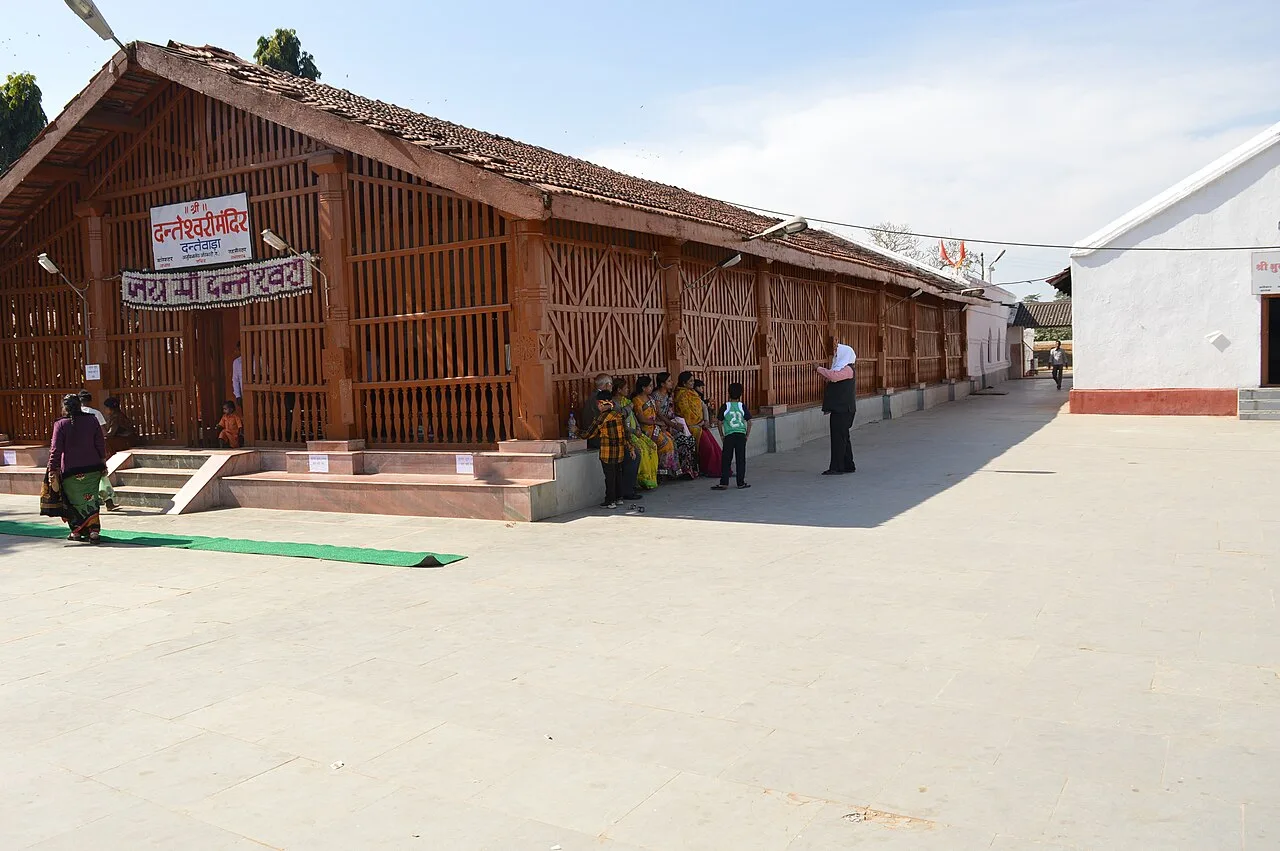
Local tradition links the goddess to the founding and protection of the Bastar kingdom. Accounts commonly associate the royal lineage with Annamdev, remembered as a ruler who came from the Kakatiya realm and established his seat in Bastar; stories of the goddess guiding or protecting the ruler form part of the festival’s heritage. The precise details belong to regional oral histories and are not always told identically. The Danteshwari temple at Dantewada is a major centre of her worship, while Jagdalpur is the principal setting for the festival’s public rites. Over generations, royal ceremonies, village-deity worship and community participation developed into an unusually long observance, often described as lasting about 75 days. Its scale and form reflect Bastar’s diverse Adivasi communities and local institutions; it is not simply a performance of a single legend, but a living religious and cultural tradition.

What happens: rituals & highlights

The festival unfolds through a sequence of rites rather than one central day. Its opening observances include Pat Jatra, associated with the ceremonial preparation of wood for the chariot, and other acts that seek the goddess’s blessing and mark the beginning of the ritual period. Names, order and public access can differ according to the annual programme. Jogi Bithai is among the well-known ceremonies: a jogi takes a devotional seat as part of an observance connected with the festival. Kachan Gadi, another important rite, is associated with the goddess and with appeals for protection and the community’s wellbeing. These ceremonies are religious events, not staged attractions, and some may be difficult for visitors to understand without local guidance.

The hand-hauled wooden rath is the most recognisable public highlight. It is drawn along a prescribed route by people using ropes, with participation and crowd movement overseen by organisers. The chariot’s appearance and the gathering around it make for a powerful sight, but viewing conditions can be dense and access may be limited. The Muria Darbar brings village heads and representatives together in a forum associated with the region’s communities and concerns. Further observances honour Danteshwari and village deities, with local participants carrying out responsibilities connected to their traditions. Visitors should check the Bastar Dussehra Samiti or district administration programme to learn which rites are public and when they occur. Arriving for a single headline event offers only a glimpse: the festival’s significance also lies in its many linked ceremonies and the participation of communities across the region.

Where it is celebrated

Jagdalpur, the headquarters of Bastar district, is the festival’s main public setting. Ceremonies are associated with the Danteshwari temple in the town, the Bastar Palace and other designated gathering places; the chariot procession follows a ritual route announced for the edition. The palace is a useful landmark for understanding the town’s former royal connections, but not every rite takes place there. The festival is spread across venues and dates, so visitors should consult the current programme rather than assume that one square or temple is the setting for everything. Crowd barriers and route arrangements can change from year to year.

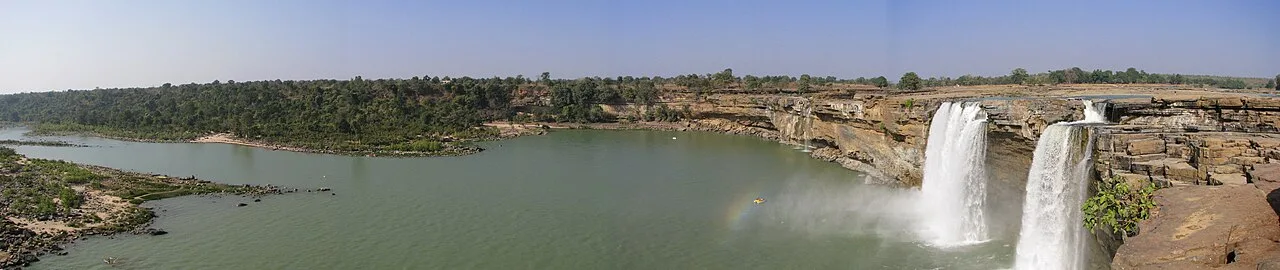
The Danteshwari temple at Dantewada, south of Jagdalpur, is an important pilgrimage centre for the goddess, but it is distinct from Jagdalpur’s principal festival venues. The wider Bastar region’s village deities and communities are part of the festival’s religious world, even when their ceremonies are not readily visible to visitors in town. Chitrakote Falls and Kanger Valley National Park are possible regional excursions, not festival venues; allow separate travel time and check local conditions. Likewise, a visit to a temple or natural attraction should not be treated as a substitute for attending the rites in Jagdalpur. The festival’s character is most readily experienced in the town, while its links extend across Bastar.

When it falls

Bastar Dussehra follows a traditional ritual calendar tied to the Hindu lunar months, rather than a fixed date in the Gregorian calendar. Its observances generally begin around the new moon in Shravan and continue through the monsoon and into the festival period of Ashwin, concluding according to the ritual sequence. This long span is why it is commonly described as a 75-day festival. The dates shift from year to year, and the timing of individual ceremonies is not necessarily the same as the overall opening and closing period.

The Bastar Dussehra Samiti and district administration issue the programme for each edition. Use that announcement for current ceremony dates, locations and any visitor arrangements; do not rely on a previous year’s schedule. Monsoon weather can also affect travel and outdoor viewing, even when the religious calendar remains unchanged.

Experiencing it as a visitor

For a first visit, choose one or two ceremonies from the published programme and leave time to understand the setting, rather than trying to follow every event across the town. The chariot procession is a dramatic public highlight, but the best viewing position depends on that year’s route and crowd controls. Ask local organisers or follow official directions to find an appropriate place to stand. Arrive well before a major procession, since nearby streets can fill and movement may be restricted. Keep clear of the chariot, ropes, ritual participants and emergency or working lanes; never assume that a gap in a crowd is an invitation to enter.

A day can include a visit to a temple or another public site in the programme, a break away from the densest crowds, and an evening or daytime ceremony if the schedule permits. Confirm opening and access arrangements directly rather than assuming that a shrine is open to all visitors at all times. Photography rules and the comfort of participants should guide every image: ask before photographing people, ritual action or close-up details, and put the camera away if requested. A local guide familiar with the festival may help explain names and context, but should not promise access to restricted rites. The programme is lengthy; plan for flexibility, rain, walking and periods of waiting.

Food, dress & crafts of the festival

Food available in Jagdalpur during the festival reflects the wider cooking of Chhattisgarh and Bastar, rather than a single fixed festival menu. Visitors may encounter rice-based meals, lentils and seasonal vegetables, along with regional staples such as pej, a thin rice preparation, or dishes made with millets where available. Chila and fara are familiar foods in parts of Chhattisgarh, but availability varies between homes, eateries and temporary stalls. Ask vendors about ingredients and preparation, especially if you have dietary restrictions, and choose food that is freshly prepared and safely handled.

Bastar’s cultural identity is also expressed through clothing and craft, but there is no single outfit worn by every community for the festival. Dress and adornment vary by occasion, age and local tradition; visitors should appreciate them without treating people as costumed subjects. The region is known for crafts including bell-metal work, wrought-iron objects, bamboo work and textiles. Buy from makers or reputable local sellers when possible, ask before photographing artisans at work and check that a souvenir is genuinely made in the region. Avoid bargaining in a way that disregards the maker’s time and skill.

Stay, transport & crowds

Base yourself in Jagdalpur, where the main ceremonies and most visitor services are concentrated. Demand can rise during prominent festival days, so arrange accommodation well ahead and confirm your booking directly, including arrival arrangements and cancellation terms. Do not assume that rooms will be available at short notice or that a property is close to a procession route. If you hope to visit Dantewada, Chitrakote Falls or Kanger Valley National Park, treat those as separate outings and check current road, weather and access conditions before setting out.

Travel to and around Bastar requires flexible planning. Check current rail, road and air connections through official operators; services and onward transport can change, and no single route suits every visitor. In Jagdalpur, walking may be practical around central venues, but road closures, diversions, parking controls and heavy pedestrian traffic can make short journeys slow. Follow police and organiser directions, agree on a meeting point if travelling in a group, and keep essential medicines, water and rain protection with you. The monsoon period may bring wet roads and delays. Allow extra time to reach transport connections after a major event, and avoid driving into restricted or crowded streets.

Etiquette & responsible travel

Remember that Bastar Dussehra is a religious observance as well as a public festival. Follow directions from the Bastar Dussehra Samiti, district officials, police and temple staff, and do not cross barriers or enter a ritual area without permission. Dress modestly at religious sites and be attentive to local instructions about footwear, seating and access. Some rites may not be suitable for close viewing, and a public gathering does not automatically mean every part is open to visitors.

Ask before photographing people, worship, offerings or ritual objects; respect refusals and any restriction on cameras. Keep voices low near ceremonies, do not touch sacred objects, and give participants and procession workers room to move. Carry litter out or use designated bins, avoid single-use waste where practical, and do not disturb plants or wildlife on regional excursions. A respectful visitor observes without demanding explanations or treating local traditions as a spectacle.

Frequently asked questions

Where is the best place to watch the chariot procession?

There is no guaranteed best spot because the route, barriers and crowd arrangements can vary by edition. Check the programme and follow directions from organisers or police. Arrive early, stand in a designated public viewing area and keep well clear of the chariot and its ropes.

How many days should I plan for the festival?

The full observance lasts about 75 days, but visitors do not need to stay for all of it. Plan at least a few days around ceremonies that interest you, using the current Samiti programme to choose dates and allowing time for weather and crowd delays.

Is Bastar Dussehra suitable for families and older visitors?

Families can attend public ceremonies, but major processions may involve dense crowds, long waits and difficult movement. Older visitors or anyone with mobility needs should seek a less crowded viewing area, avoid standing near the chariot route and confirm access arrangements with organisers beforehand.

How should I book a place to stay?

Book accommodation in Jagdalpur well ahead for the dates you intend to attend, and confirm the reservation and arrival details directly with the property. Check its location relative to likely venues, but remember that routes and traffic restrictions may change during the festival.

What should I wear to attend?

Choose modest, comfortable clothing and practical walking shoes; monsoon rain protection can be useful. At temples, follow local guidance about footwear and dress. There is no single festival costume for visitors, and you should not imitate community dress or ceremonial adornment without permission.

Nearby

Places to see around the festival