
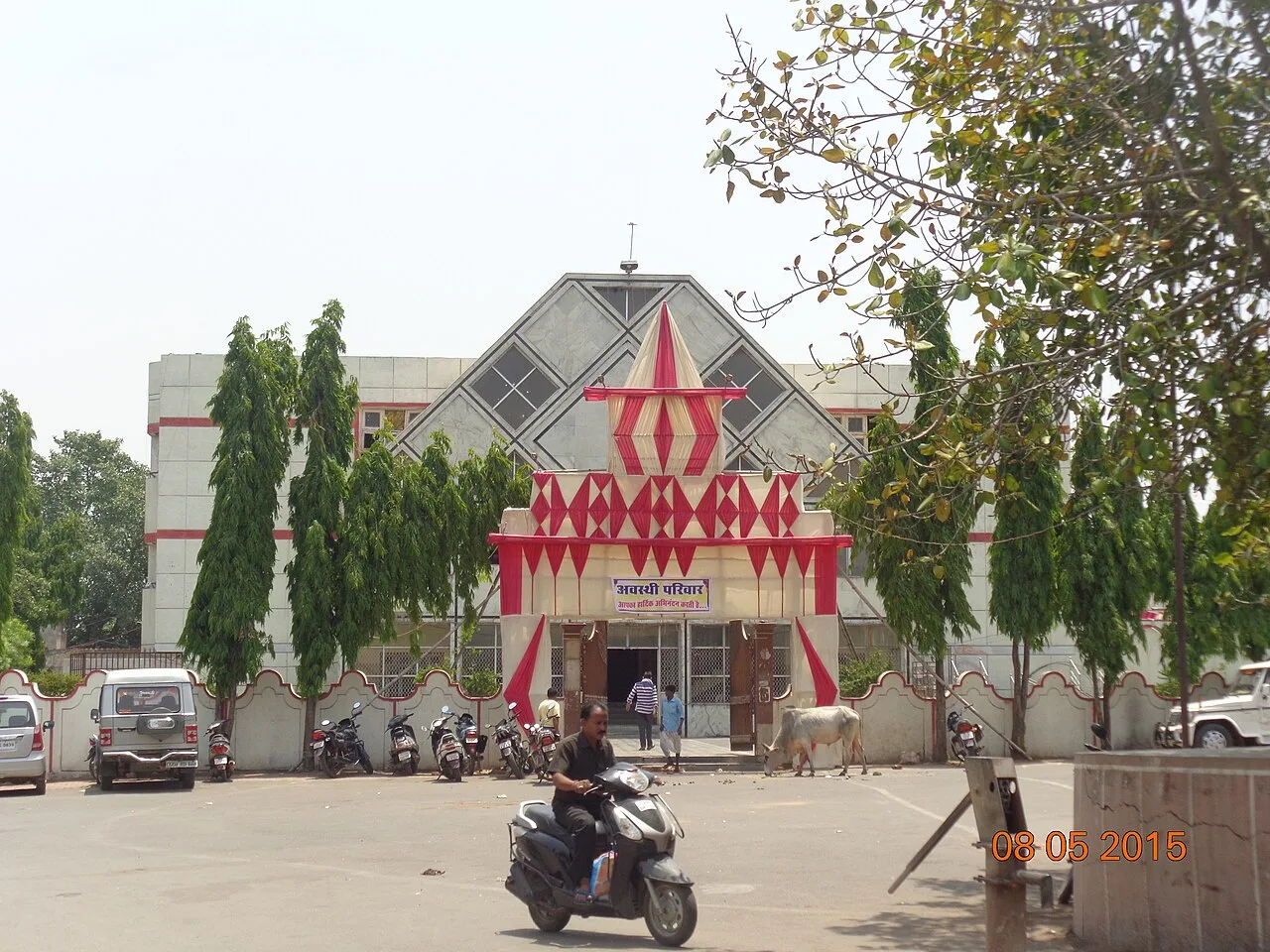
District · Chhattisgarh
Raipur
Raipur is the capital of Chhattisgarh and a practical introduction to the state’s central plains, combining a busy commercial city with religious, cultural and historical sites.
Raipur district lies in the Chhattisgarh plains, where agricultural landscapes surround a busy urban centre. Raipur, the state capital, combines commercial energy with older religious and cultural landmarks, while nearby Naya Raipur represents a newer phase of planned urban development. Dudhadhari Math offers a connection to the district’s sacred heritage, and Mahant Ghasidas Memorial Museum provides a starting point for exploring the region’s past. Swami Vivekananda Sarovar adds a lakeside setting to the city’s public spaces. In Naya Raipur, Purkhouti Muktangan’s cultural and sculpture garden introduces visitors to Chhattisgarh’s diverse traditions. Together, these places make the district a useful introduction to the state rather than simply a transport stop.
Raipur is the capital of Chhattisgarh and a practical introduction to the state’s central plains, combining a busy commercial city with religious, cultural and historical sites. Travellers can visit Dudhadhari Math, the Mahant Ghasidas Memorial Museum and Swami Vivekananda Sarovar in the city, then make a separate trip to Naya Raipur for Purkhouti Muktangan. The district is best known as an administrative and transport hub as well as a gateway to Chhattisgarh’s regional traditions. Its appeal lies in seeing urban life alongside cultural landmarks, rather than in a single concentrated monument district.
Raipur and the surrounding plains have long been part of the cultural and political history of Chhattisgarh. The region is associated with the Kalachuri rulers, whose centres of power included Ratanpur and Tummana; local histories also connect Raipur’s development with branches of the Kalachuri line. The area later came under Maratha rule, particularly the Bhonsles of Nagpur. British control followed the annexation of Nagpur in the nineteenth century. Raipur was organised as a district under British administration, commonly dated to 1861, and became an important centre in the Central Provinces. After Indian independence, it formed part of Madhya Pradesh. On 1 November 2000, Raipur became the capital of the newly created state of Chhattisgarh. Subsequent administrative reorganisations changed the district’s boundaries as new districts were formed. The city’s older religious sites and museum collections offer glimpses of this layered past, while planned Naya Raipur reflects a more recent phase of state development.
5 destination guides · 2 on the map
Dudhadhari Math
Dudhadhari Math is a temple and sacred place in Raipur district, Chhattisgarh. Visitors come to it for its religious significance and character as a place of worship.
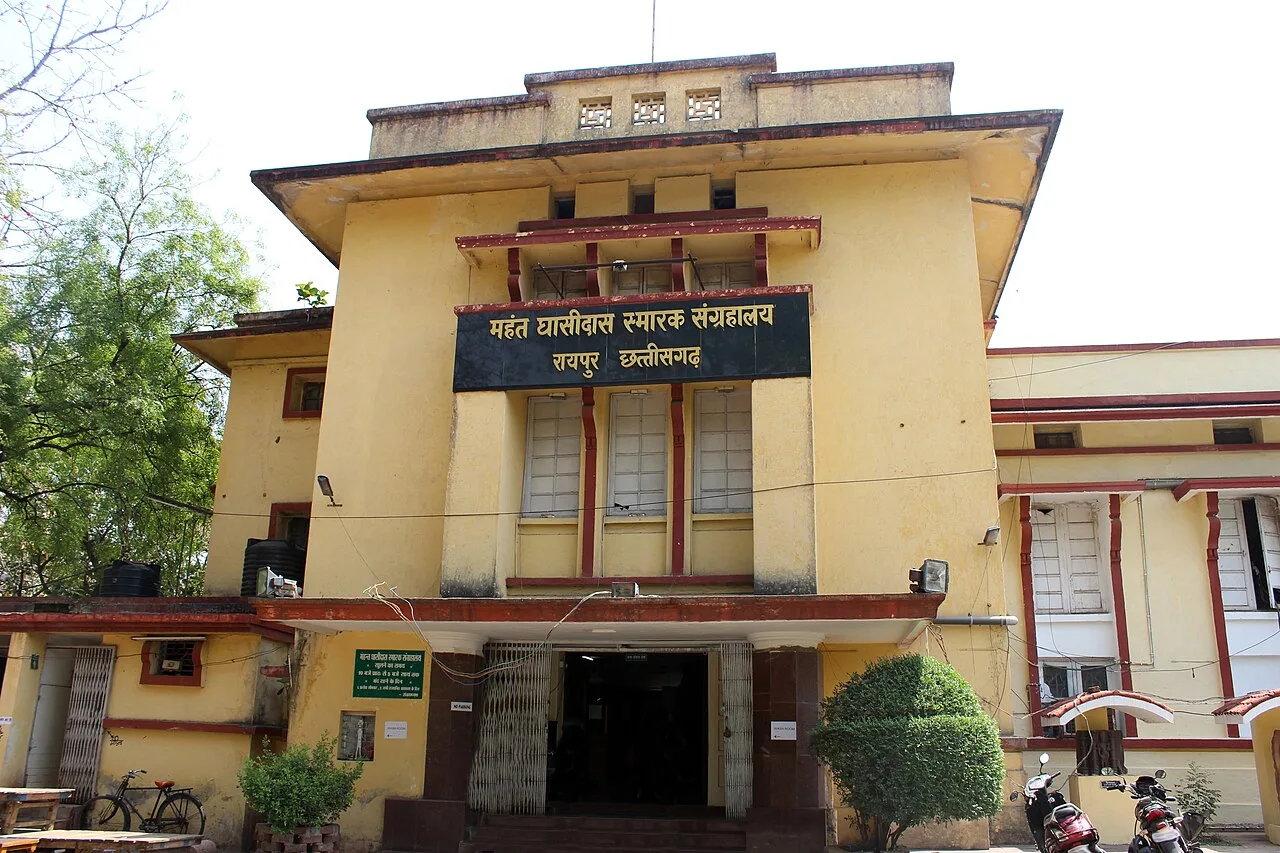
Mahant Ghasidas Memorial Museum
In Raipur district, Chhattisgarh, Mahant Ghasidas Memorial Museum is a museum and cultural centre. People visit to engage with its museum and cultural role.
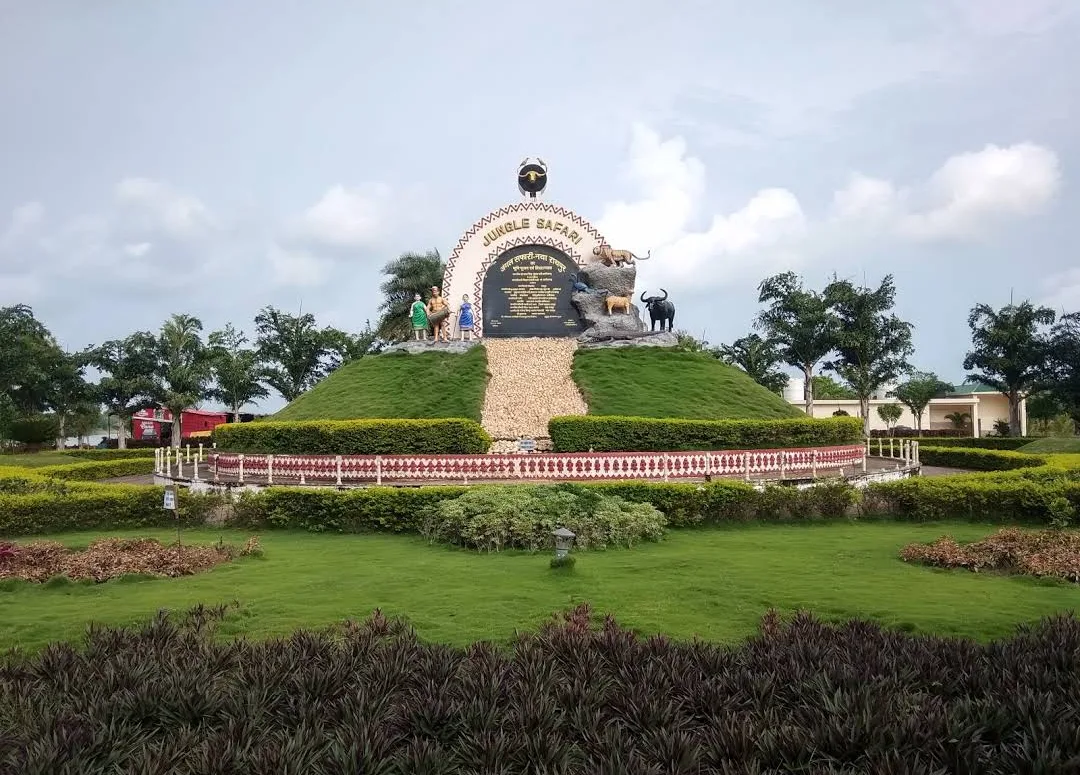
Nandan Van Zoo
Nandan Van Zoo, also called Nandan Van Jungle Safari, is a visitor attraction in Raipur district, Chhattisgarh. People visit the 800-acre site beside the Kharun River.
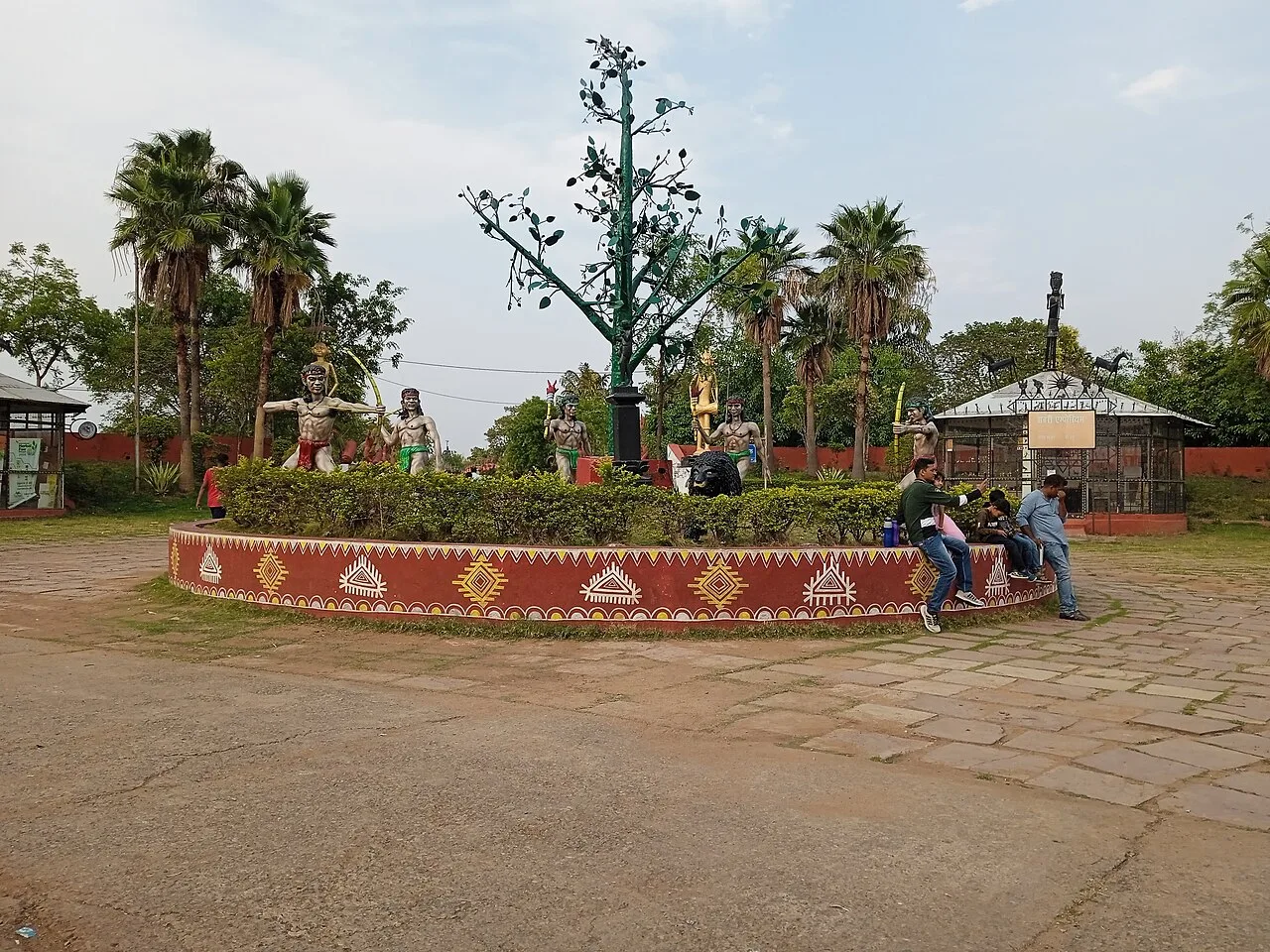
Purkhouti Muktangan
Purkhouti Muktangan is a 24.2-hectare cultural and sculpture park in Naya Raipur, where visitors can explore displays reflecting Chhattisgarh’s tribal communities and cultural life.
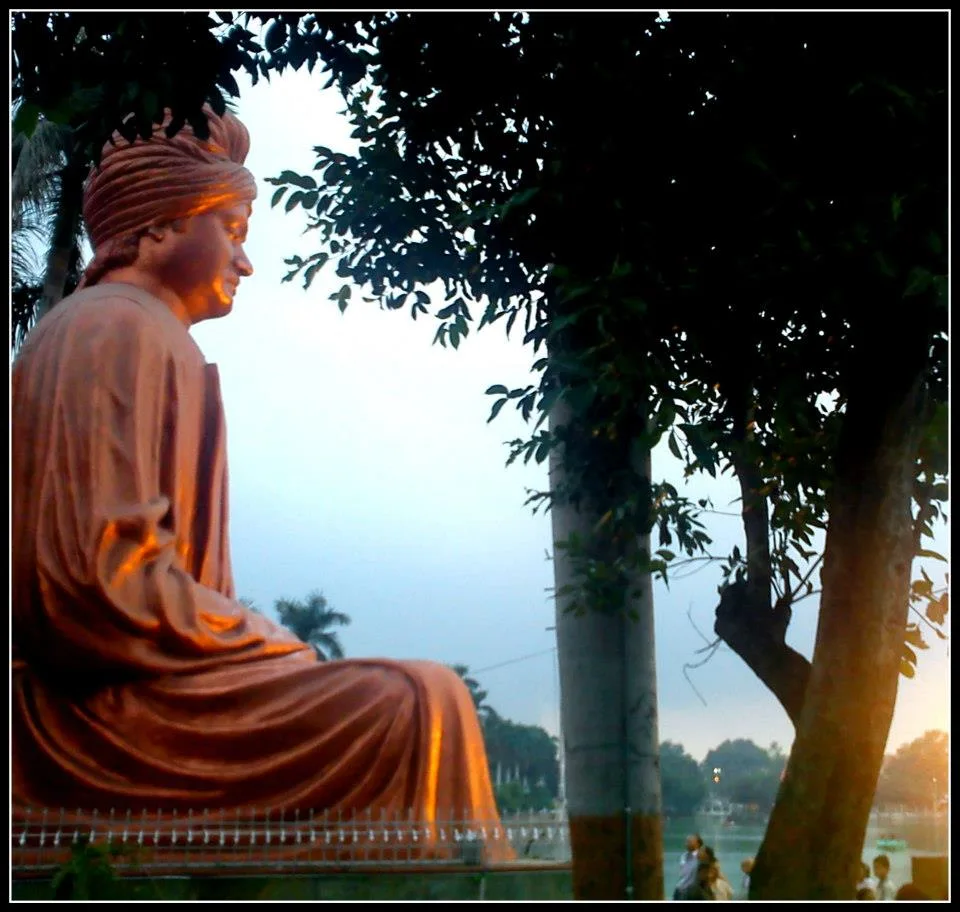
Swami Vivekananda Sarovar
Swami Vivekananda Sarovar is a lake in Raipur district, Chhattisgarh. People visit to see the lake, whose name identifies it as a local water body.
Raipur is a good place to seek out Chhattisgarhi cooking, especially its rice-based everyday dishes. Fara, steamed rice dumplings, and chila, a rice-lentil pancake, are useful starting points; muthiya and bafauri also feature in the wider regional repertoire. Look for thethari and khurmi among traditional savoury and sweet snacks, and ask about seasonal preparations such as aamat. These foods belong to Chhattisgarh more broadly and are not exclusive to Raipur. Small eateries may prepare only a limited daily selection, so ask what is fresh. Vegetarian choices are plentiful, alongside non-vegetarian options in the city.
Raipur offers an introduction to Chhattisgarh’s wider craft traditions rather than a single district-specific speciality. Regional work includes bell-metal casting, often called dhokra, wrought-iron art, terracotta, bamboo work and handwoven textiles. Bastar is particularly associated with bell-metal and iron craft; these should not be presented as exclusively Raipur traditions. Kosa silk textiles are another established Chhattisgarh tradition, with weaving centres elsewhere in the state. Museums, cultural displays and craft outlets can provide context. When shopping, ask where an item was made and whether it is handmade.
Hareli, a seasonal agricultural festival, is observed during the monsoon, while Pola, associated with cattle and farming, usually falls later in the rainy season. Teeja is also celebrated in the region, and Navratri, Diwali and Holi bring public and family gatherings in Raipur. Local observances vary between neighbourhoods and rural communities. Festival periods can mean busier roads, crowded markets and increased demand for rooms, especially around major urban events and holidays. Book ahead if travelling then, and check locally for event arrangements.
Elsewhere in Chhattisgarh
Raipur district lies mainly in the Chhattisgarh plains, with cultivated land, settlements and expanding urban areas. The Kharun River runs through the broader Raipur area, while seasonal watercourses and ponds form part of the local landscape. The terrain is generally gentle rather than mountainous, so most journeys are by road. Urban development is especially visible around Raipur and Naya Raipur; quieter rural landscapes lie beyond them. In the monsoon, waterlogged patches and wet road surfaces can slow travel, while open plains offer little shade on hot days.
Raipur has hot summers, a monsoon season and comparatively mild, drier winters. The hottest conditions generally occur before the rains, so outdoor sightseeing is more comfortable early or later in the day. Monsoon travel can bring heavy showers, humid conditions and occasional delays on local roads. Winter is usually the most comfortable season for exploring the city and making day trips, and the cooler months from roughly November to February are often a good choice. Pack light, breathable clothing and sun protection in summer; carry rain protection during the monsoon and a light warm layer for winter evenings. Check forecasts before setting out.
Swami Vivekananda Airport serves Raipur, while Raipur Junction is the main railway gateway for a district visit. Raipur has road connections with other major Chhattisgarh towns and neighbouring states, with intercity buses providing onward travel. Within the city, auto-rickshaws, taxis and app-based cabs are practical options; local buses may suit some journeys. Plan separate transfers for attractions in Naya Raipur rather than assuming all sights are clustered in central Raipur. Confirm the exact destination and entrance before setting out, particularly for zoo or safari visits where similar names can cause confusion. Check current services locally.
Raipur Junction and the city centre provide useful starting points for local travel. Auto-rickshaws, taxis and app-based cabs are practical for moving between urban sights; local buses serve some routes, though coverage may not suit every itinerary. Road travel is the main way to reach Naya Raipur and outlying attractions, and hiring a car can make a multi-stop day easier. Shared vehicles may be available on some routes, but services vary. Treat Nandan Van Zoo and similarly named safari destinations as separate points until you have confirmed the exact entrance and destination. Check current local transport arrangements before travel.
2 days: Dudhadhari Math → Mahant Ghasidas Memorial Museum → Swami Vivekananda Sarovar; sleep in Raipur. Next day: Purkhouti Muktangan; sleep in Raipur. 3 days: Dudhadhari Math → Mahant Ghasidas Memorial Museum → Swami Vivekananda Sarovar; sleep in Raipur. Next day: Purkhouti Muktangan; sleep in Raipur. Final day: Nandan Van Zoo; sleep in Raipur.
Raipur is the most convenient base for the district’s listed sights, with a broad choice of hotels and guesthouses, as well as some dharamshalas. Staying in the city also gives access to transport and services for day trips. Naya Raipur may suit visitors whose main interest is Purkhouti Muktangan or nearby planned-city attractions, but check accommodation and transport options for your dates. Homestays and government lodges may be available in the wider region, though choices are more limited than in the capital. Confirm location and onward transport before booking.
Raipur is a busy urban centre, so take ordinary care with traffic, belongings and crowded festival areas. Heat can make walking tiring; carry drinking water and use reliable treated or sealed water. Monsoon showers may leave roads slippery or temporarily slow journeys, and rural road conditions can vary. For Nandan Van Zoo, follow staff instructions and keep to visitor areas; do not assume that similarly named attractions share an entrance. Mobile connectivity is generally more reliable in the city than in less urban areas. No special permit is generally associated with the listed city attractions, but confirm any current entry or access requirements with official sources before travelling.
- Durgabout 31 km
- Janjgir-Champaabout 34 km
- Gariabandabout 36 km
- Dhamtariabout 65 km
- Balodabout 72 km
- Mahasamundabout 72 km
- Rajnandgaonabout 93 km
- Bilaspurabout 109 km
Straight-line distance between the centres of each district's destinations; road distance is longer.
Q: How many days should I spend in Raipur district? A: Two days can cover the main city sights and a visit to Naya Raipur; allow three days if you also want to visit Nandan Van Zoo. Q: When is the best time to visit? A: The cooler months, roughly November to February, are generally most comfortable for sightseeing. Q: Where is the best base? A: Raipur city is the most practical base for transport, services and most of the listed destinations. Q: How do I get to Raipur? A: Swami Vivekananda Airport and Raipur Junction serve the city, which also has road connections with other towns and states. Q: Is Raipur suitable for families or elderly travellers? A: Yes, many sights are accessible by road, but plan transfers, avoid the strongest heat and check walking requirements at each site.
This page draws on our 5 destination guides for Raipur and is updated as our team checks it.
Be the first to share photos, stories, advice or a helpful contact for Raipur.
Loading…