
District · Chhattisgarh
Balrampur
Balrampur-Ramanujganj occupies the northern edge of Chhattisgarh, in Surguja division, close to the borders with Jharkhand and Uttar Pradesh.
Balrampur-Ramanujganj lies in northern Chhattisgarh, in the state’s Surguja division, near the borders with Jharkhand and Uttar Pradesh. Forested uplands, hills, valleys and rural settlements shape much of the district’s landscape; conditions and access can vary between the more connected towns and remote areas. The district was formed in 2012 from the former Surguja district. Its character reflects the broader northern Chhattisgarh region, including the lives and traditions of Adivasi communities. Ramgarh and its cave sites, including Jogimara and Sita Bengra as listed in local travel references, add an archaeological dimension, while Tatapani is another recognised destination. Visitors will find a quieter, spread-out district where travel is often part of the experience.
Balrampur-Ramanujganj occupies the northern edge of Chhattisgarh, in Surguja division, close to the borders with Jharkhand and Uttar Pradesh. Its appeal lies in a quieter, rural landscape of forested uplands, hills and valleys, and in the cultural life of Adivasi communities. Ramgarh is known for its archaeological setting and cave sites, including Jogimara and Sita Bengra; Tatapani is another recognised destination. The district is best approached as a spread-out region rather than a cluster of easy day trips: road journeys between places are part of the visit, and planning ahead is useful for reaching more remote sites.
The area now called Balrampur-Ramanujganj formed part of the wider Surguja region, whose history includes a princely state ruled by a local royal house. The broader region’s past is reflected in its archaeological remains and in the histories and traditions of its communities. Ramgarh and its cave sites, including Jogimara and Sita Bengra, are important cultural landmarks; interpretations and dating of early remains should be checked against specialist sources. Under British rule, Surguja was a princely state under British paramountcy rather than a directly administered district. After independence, the princely territory was integrated into India and became part of Madhya Pradesh. Chhattisgarh was formed as a separate state in 2000. Balrampur-Ramanujganj district was created in 2012 from the former Surguja district, as part of a reorganisation of the state’s administration. Its present identity therefore combines a relatively recent district boundary with a much older regional and cultural history.
4 destination guides · 1 on the map
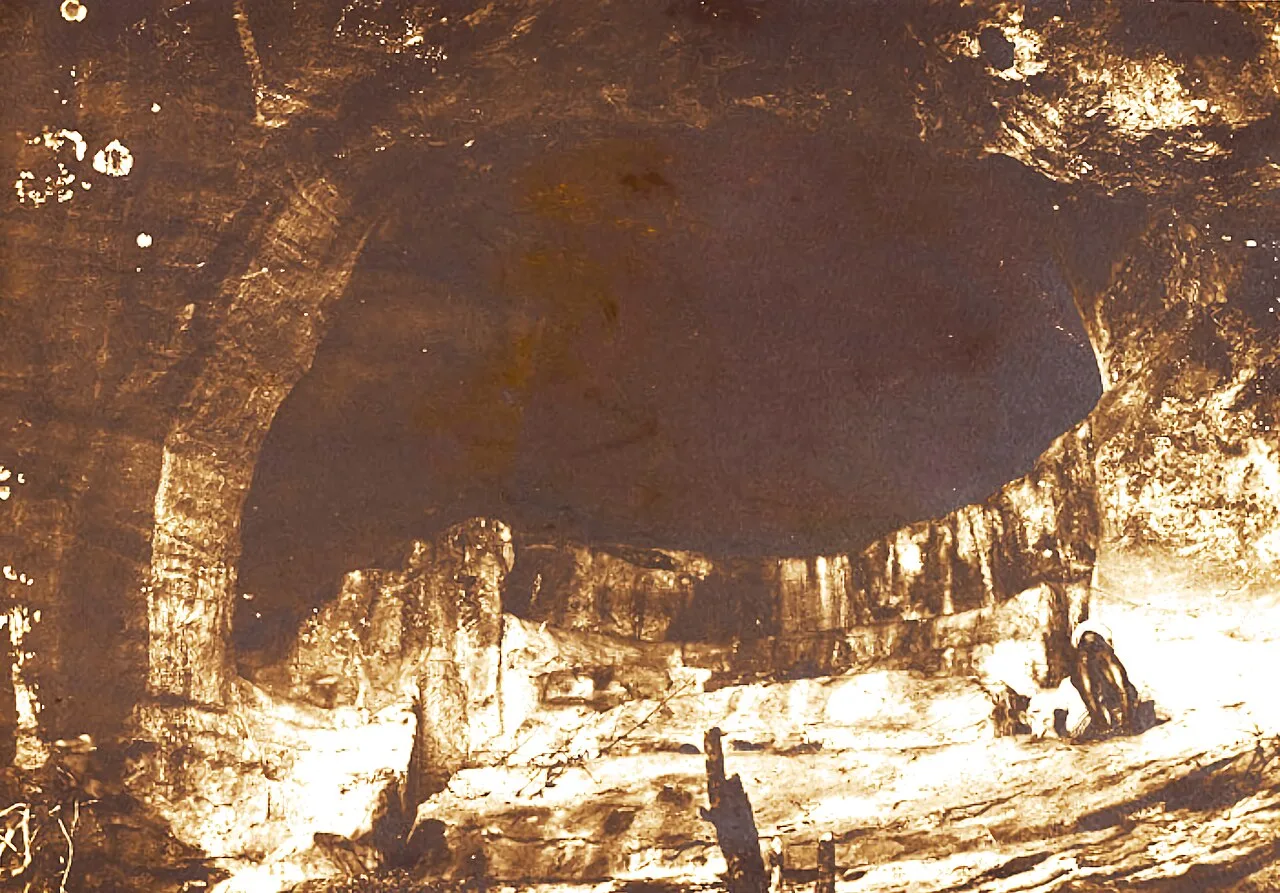
Jogimara Caves
Jogimara Caves are a cave site in Balrampur district, Chhattisgarh. Visitors come to see the caves and learn about this named place in the district.
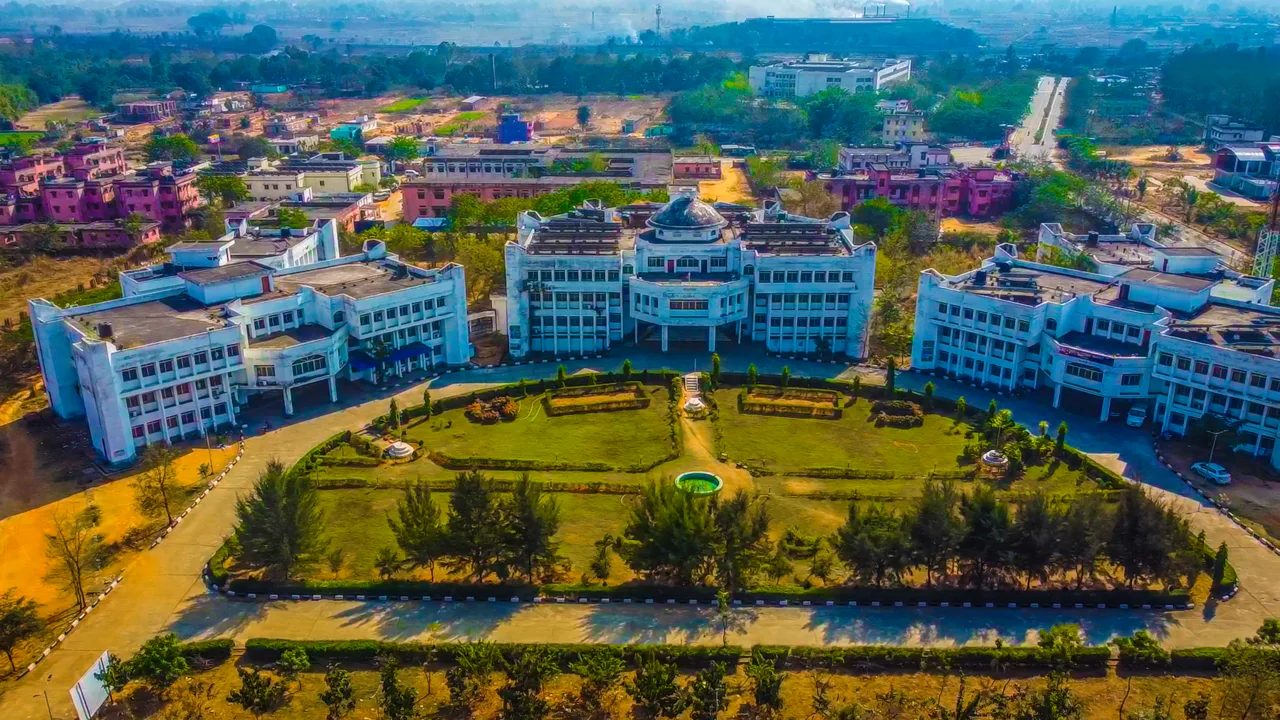
Ramgarh
Ramgarh is a village in Balrampur district, Chhattisgarh, close to the Ramgarh hills. Visitors come to see the well-known Jogimara and Sitabenga caves there.
Sita Bengra Cave
Sita Bengra Cave is a cave in Balrampur district, Chhattisgarh. Visitors come to see the cave at this location.
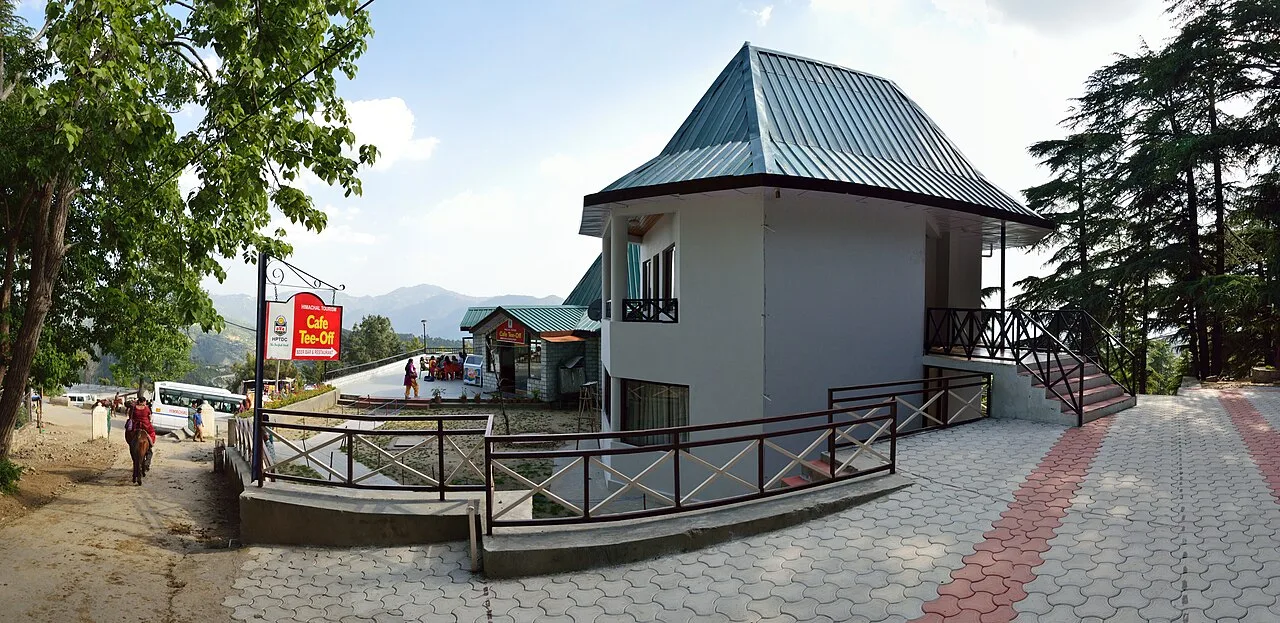
Tatapani
Tatapani is recognised as a heritage site in Balrampur district, Chhattisgarh. Its heritage designation may interest visitors exploring places of historical or cultural significance.
Food in Balrampur draws on the wider culinary traditions of Chhattisgarh and northern India, with menus varying between towns and villages. Regional dishes include fara, steamed rice dumplings; chila, a rice-and-lentil pancake; muthiya; bafauri; and pej, a light rice preparation. Chana sela and the sweet-savoury thethari-khurmi are also found in the state. Mahua-based preparations are part of some local food traditions. Small eateries may cook a limited selection each day, so ask what is freshly prepared. Remote sites may have no food stalls; carrying drinking water and snacks is sensible.
Craft traditions are not equally visible across the district, and visitors should not assume every village has a craft market. In the wider northern Chhattisgarh and adjoining tribal region, bamboo work, practical items made from forest materials, woodwork and traditional weaving are among the crafts visitors may encounter. Chhattisgarh is also known more broadly for metalwork and other regional folk-art traditions, though these are not necessarily specific to Balrampur. Where crafts are sold, buying directly from makers or a local cooperative can help support the people who produce them. Ask locally about current workshops and products rather than expecting a particular craft to be available everywhere.
The district’s festival calendar reflects both local Adivasi traditions and wider Chhattisgarhi observances. Karma and Sarhul are celebrated in parts of the region, while festivals such as Hareli, Diwali and Holi are also observed. Seasonal harvest celebrations vary between communities and villages. Tatapani is associated with a fair during the winter festival season around Makar Sankranti, which can bring more visitors to the area. Local events are generally smaller and community-centred, but rooms and transport near popular fair sites may be busier; confirm local arrangements before travelling.
Elsewhere in Chhattisgarh
Balrampur-Ramanujganj is an inland district of forested uplands, hills, valleys and rural settlements. Its northern position and varied terrain create differences in access between connected towns and remote villages or sites. Forest cover and undulating roads can make journeys slower than a map suggests, especially after rain. Rivers and seasonal streams form part of the wider landscape, but visitors should check local conditions before approaching water or crossing smaller routes. The terrain is central to the experience: travel between destinations often involves scenic countryside as well as stretches where services are sparse.
The district has hot summers, a monsoon season and cooler winters. Summer travel can feel demanding, particularly on exposed roads and during outdoor visits. Monsoon rains green the hills and forests but may make rural roads muddy, slower or difficult to use; check conditions before setting out. Winter is generally the most comfortable season for exploring, especially from around October through February, though mornings and evenings can be cool. Pack light, breathable clothing and sun protection for warmer months, rain protection and suitable footwear during the monsoon, and a warm layer for winter. Carry drinking water and keep plans flexible.
Ambikapur is a useful rail gateway for the district, with railway connections to the wider network. For air travel, Raipur’s Swami Vivekananda Airport is a major gateway; check whether any nearer regional airport has current passenger services before planning around it. Balrampur is reached by road from Ambikapur and other towns in northern Chhattisgarh, with onward journeys often taking longer on interior roads. State and private buses, along with shared jeeps, can help with the final leg, but services may be limited for remote sites such as caves. Arrange local transport in advance where possible, and check current services locally.
Road travel is the main way to move between Balrampur, Ramanujganj, Tatapani and the Ramgarh area. State and private buses connect some towns, while shared jeeps and local autos may help with shorter or onward journeys; availability is less dependable for remote sites. A hired taxi or vehicle offers more flexibility, especially for visiting the caves, but arrange transport locally in advance and confirm road conditions. Ambikapur is a useful base and gateway for Ramgarh. There are no routine visitor boat services relevant to these circuits. Build in extra time for interior roads and check return transport before leaving a town.
2 days: Tatapani → Ramgarh → Jogimara Caves → Sita Bengra Cave; sleep in Balrampur on night one and Ambikapur on night two. 3 days: Tatapani → Ramgarh → Jogimara Caves → Sita Bengra Cave; sleep in Balrampur on night one and Ambikapur on nights two and three. 4 days: Ramgarh → Jogimara Caves → Sita Bengra Cave → Tatapani; sleep in Ambikapur on nights one and two, and Balrampur on nights three and four.
Ambikapur is a practical base for travellers approaching Ramgarh and its caves, with a broader choice of hotels and services than smaller settlements. Balrampur can suit a circuit that includes Tatapani and other nearby areas, though accommodation options may be more limited. In smaller towns, basic lodgings or dharamshalas may be available; homestays and government lodges should not be assumed without checking current local arrangements. For remote visits, confirm lodging and transport together, and consider returning to a larger town rather than relying on last-minute rooms.
Roads to remote sites may be rough, slow or affected by monsoon weather, so check conditions locally and avoid pressing on in poor visibility. In forested areas, keep a respectful distance from wildlife, stay on established routes and follow local advice. Carry safe drinking water and basic medicines; medical services and mobile connectivity can be limited away from towns. Let someone know your route and arrange a return ride before visiting an isolated site. Crowds may increase around fairs. Do not assume a permit is required or that none is required: confirm any access rules with the relevant local authority before travel.
- Surgujaabout 36 km
- Korbaabout 86 km
- Koriyaabout 91 km
- Amarkantak · Madhya Pradeshabout 128 km
- Bilaspurabout 129 km
- Gumla · Jharkhandabout 135 km
- Latehar · Jharkhandabout 144 km
- Sidhi · Madhya Pradeshabout 161 km
Straight-line distance between the centres of each district's destinations; road distance is longer.
Q: How many days should I spend in Balrampur-Ramanujganj? A: Two or three days can cover Tatapani and the Ramgarh cave sites at a measured pace; allow longer if you want a slower journey or need to coordinate local transport. Q: When is the best time to visit? A: The cooler months, roughly October to February, are generally the most comfortable. Monsoon travel can be affected by rain and road conditions. Q: What is the best base for visiting the caves? A: Ambikapur is a useful base for Ramgarh and its cave sites. Balrampur may be convenient for a circuit that includes Tatapani. Q: How do I get to the district? A: Ambikapur is a useful rail gateway, while Raipur is a major air gateway. Continue by road and check current onward transport locally. Q: Is the district suitable for families or elderly travellers? A: Town-based visits can suit many travellers, but remote sites may involve long drives, uneven ground and limited services. Assess mobility needs and arrange transport and assistance in advance.
This page draws on our 4 destination guides for Balrampur and is updated as our team checks it.
Be the first to share photos, stories, advice or a helpful contact for Balrampur.
Loading…