
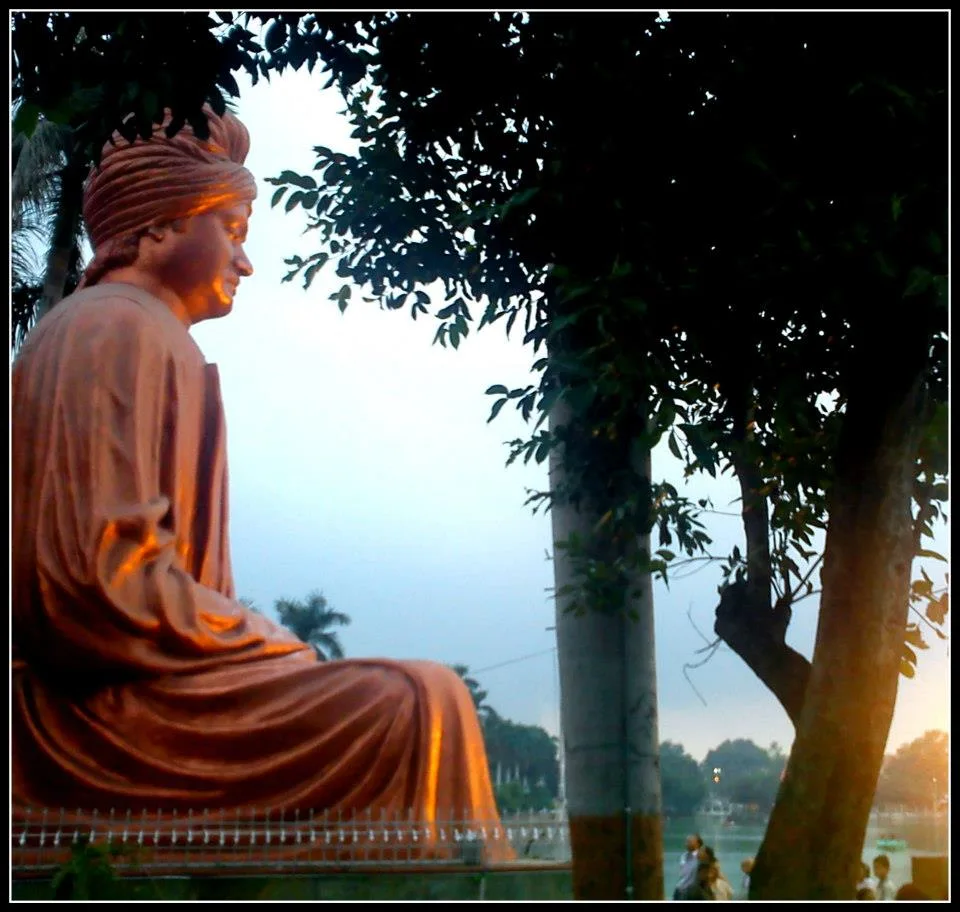
Swami Vivekananda Sarovar
Swami Vivekananda Sarovar is a lake in Raipur district, Chhattisgarh. People visit to see the lake, whose name identifies it as a local water body.
Key facts · verified by Ghumoopedia editors
- Type of place
- Natural attraction
- Best time to visit
- October to February for sightseeing; July to September for the waterfalls at full flow
- Verified
- 21 Nov 2026
Swami Vivekananda Sarovar is the name of a lake located in Raipur district, in the state of Chhattisgarh. Its basic description is defined by these two details: it is a lake, and its district is Raipur. The state associated with the place is Chhattisgarh. For visitors, the place is a lake to visit in Raipur district. The name Swami Vivekananda Sarovar refers to this water body, while the district and state give its location. In brief, it is a lake in Chhattisgarh, within Raipur district. Chhattisgarh is known for its Gond, Maria and Muria tribal heritage, Bastar Dussehra, bell-metal and wrought-iron crafts, ancient temples at Sirpur and Bhoramdeo, and the wide Chitrakote Falls. Chhattisgarh has hot summers from March to June, a monsoon from June to September when Chitrakote and the other falls are at their most dramatic, and mild winters from November to February. The usual best time to visit is October to February for sightseeing; July to September for the waterfalls at full flow. For official information, see Chhattisgarh Tourism at https://visitcg.in.
Why it matters
Swami Vivekananda Sarovar is identified in the Ghumoopedia Chhattisgarh index as a lake in Raipur district. The name alone does not establish when or by whom the lake was developed, or whether it has a formal memorial or protected status. Visitors seeking its current civic role, management arrangements or any official recognition should check with Raipur municipal authorities or Chhattisgarh Tourism. Until a reliable public reference and exact map location are confirmed, treat this as a locally listed destination and verify directions before setting out.
The available listing identifies it as a lake in Raipur district, but does not establish its original name, creation date, builders, earlier use or subsequent changes. The name associates the place with Swami Vivekananda, the Indian spiritual teacher and public figure, but it is not enough to confirm when that association began or whether a specific monument or commemorative event is part of the site. No restoration history or formally documented heritage status has been confirmed either. Raipur has grown as an important urban centre in Chhattisgarh, and water bodies can have changing civic, recreational and environmental roles as towns expand; that broader context should not be mistaken for a verified account of this lake. For a fuller history, ask the managing authority, consult local archival material, or check with a knowledgeable local guide. Confirm any dates, names of former structures and claims about the lake’s development independently before repeating them.
Origin stories & folklore
Its name may lead visitors to assume a story connecting Swami Vivekananda directly with the lake, but a name by itself does not establish such a connection. Local accounts, if shared by residents or guides, should be understood as oral tradition unless supported by reliable historical sources. Ask respectfully whether a story is a local belief, a recent account or a documented event, and avoid presenting unverified versions as fact.
Spend unhurried time at Swami Vivekananda Sarovar: walk the marked paths, use official viewpoints and ask locally whether a guide, entry ticket or forest permission is needed. Enjoy the water from safe, marked points; rocks near falls are slippery and currents are dangerous, especially in the monsoon — never swim below a waterfall. Wildlife sightings are never guaranteed — patience and quiet improve your chances. A comfortable itinerary is one main visit in the morning, a local meal at midday and a short nearby stop before an afternoon return. Use the district list on this site to find other places in Raipur, but check the route and its condition before combining stops. If a festival or fair is on — such as Bastar Dussehra — roads and stays can be busy, and the experience can be unforgettable. Leave no litter: many sites are protected by the communities around them.
Suggested itineraries
Half day: Confirm the location and access locally; spend 1–2 hours viewing the lake from permitted areas and taking a relaxed walk, then have a meal in Raipur. Full day: Begin with a verified visit to the sarovar; allow time for a meal and choose one Raipur attraction, such as Mahant Ghasidas Memorial Museum, after checking its access and route. Gentler option: Arrange a vehicle drop-off at the confirmed public entrance, enjoy a short visit from the nearest accessible viewpoint, and return without adding another stop.
In the wider Raipur area, Hindi and Chhattisgarhi are commonly used, alongside other languages spoken by residents and visitors. Chhattisgarh’s living cultural traditions include folk music and dances such as Panthi, Raut Nacha and Suwa, though performances should not be expected at the sarovar unless locally announced. Everyday visits may bring together families, walkers and other city residents. Be considerate of people using the water’s edge or public spaces, and ask before photographing individuals, performers or any religious observance. Check local notices for community events rather than assuming a festival or performance takes place here.
Local communities
As an urban-area destination, it may be used by local residents and visitors; nearby vendors or service providers may also serve people coming to the lake, though their presence should be checked on arrival. Raipur’s wider population includes people from diverse linguistic and regional backgrounds. Engage respectfully and do not assume that any person is a guide or spokesperson for a community.
Festivals & events
No festival or fair held specifically at Swami Vivekananda Sarovar has been confirmed. In Raipur and the wider region, public and religious celebrations can take place during occasions such as Ganesh Chaturthi, Diwali, Hareli, Teeja and Pola; their locations and arrangements vary by year and neighbourhood. Bastar Dussehra is an important regional festival, but it is associated with Bastar rather than this lake. If a local event is announced near the sarovar, expect possible crowding, traffic changes and limited quiet space. Check current municipal or tourism notices before planning a visit around a celebration, and do not assume that a festival programme takes place at the lake.
Local food in Chhattisgarh includes chana sela, fara (steamed rice dumplings), muthiya, chila (rice-lentil pancake), aamat, bafauri, thethari-khurmi, pej and mahua-based preparations; Bastar is known for red ant chutney (chaprah) for the adventurous. Ask what is fresh that day; many small eateries cook a limited daily menu. Vegetarian travellers eat very well across this region, and most towns also have non-vegetarian options. Remote sites may have no restaurant at all. Carry water and snacks, eat a proper breakfast before long drives, and ask your accommodation for a packed lunch if you are heading out early. Try a home-cooked or dhaba meal when you can — it is often the best food on the route. Choose busy, clean places, drink sealed or filtered water, and carry your packaging back with you.
Shopping & local experiences
In Raipur, visitors can look for Chhattisgarh handicrafts, including bell-metal and wrought-iron work, at established city shops or markets; check provenance and whether an item is locally made. Local food stalls and restaurants may offer regional dishes, but availability near the lake is uncertain. Ask residents or your accommodation host for current recommendations, and check ingredients if you have dietary needs. Buy respectfully, avoid products made from protected wildlife, and carry reusable bags to reduce waste.
As with any urban water body, conditions can vary with season and local maintenance. Visitors who enjoy nature can observe the water and surroundings quietly, while keeping to public, marked areas and avoiding disturbance to wildlife or other users. Do not enter the water unless local authorities explicitly permit it and identify a safe area. Water edges may be slippery, and litter or feeding wildlife can cause harm. Check locally for current access restrictions or environmental advisories.
October to February for sightseeing; July to September for the waterfalls at full flow
These figures are calculated from map coordinates — actual road distance is longer. Raipur Junction and Bilaspur Junction are the main rail gateways, and Raipur has the busiest airport; Jagdalpur is connected by rail and has a small airport. For the final leg, Chhattisgarh State Road Transport Corporation buses, private buses and shared jeeps link district towns; shared jeeps usually leave early in the morning. A private taxi gives more flexibility for remote sites. When comparing train, bus and flight, count the complete door-to-door time: a flight saves the most time only if the onward road transfer is short, while an overnight train can save a hotel night. Book your return before you leave, because seats fill quickly on weekends, festivals and holidays. Current train numbers, timings, return services and fares are not listed here; check IRCTC and NTES for trains and the airline's own schedule for flights. No permit is needed to visit Chhattisgarh. Interior parts of Bastar, Dantewada, Sukma and Bijapur are affected by Left-wing extremism — check current advisories with the district administration, police or your host before travelling to remote areas, travel in daylight and follow instructions at check posts. Forest rest houses in the tiger reserves must be booked in advance.
Getting around
Confirm the destination pin and current approach route with your driver or host rather than relying on the name alone. Local buses may serve parts of the city; check the route locally and expect to walk from a suitable stop if needed. Walking is practical only once you have confirmed the correct entrance and the condition of paths. Keep the return journey in mind, especially if travelling later in the day.
Hours, tickets & permissions
Do not rely on an assumed schedule. Check locally whether entry is controlled, whether a ticket or permission is required, and whether separate rules apply to photography, groups or particular areas. Ask the relevant civic authority or your accommodation host for current hours and fees before travelling. Carry identification if requested by the authority, follow posted signs, and respect any temporary closures or safety instructions.
Facilities
Toilets, drinking water, seating, food stalls, parking and visitor information may or may not be available; check locally and do not depend on them. ATMs and medical services should be sought in the city rather than assumed to be beside the water. Carry drinking water and any essentials you need, take your litter away, and ask a local authority or host about guides and current visitor arrangements.
Accessibility
Before visiting, ask locally about the entrance, uneven ground, slopes, seating and the distance from vehicle drop-off to the water. Do not assume there are ramps, accessible toilets or smooth paths. Wheelchair and stroller users may need assistance if surfaces are rough or paths are interrupted; elderly visitors may prefer a short visit with a companion and a vehicle arranged in advance. Avoid muddy or slippery edges, particularly after rain, and remain within clearly permitted public areas. If access details are unclear, consider postponing until they can be confirmed.
No permit is needed to visit Chhattisgarh. Interior parts of Bastar, Dantewada, Sukma and Bijapur are affected by Left-wing extremism — check current advisories with the district administration, police or your host before travelling to remote areas, travel in daylight and follow instructions at check posts. Forest rest houses in the tiger reserves must be booked in advance. Carry a photo ID at all times and save the emergency number 112 and your accommodation's contact offline. Heat in summer and fog in winter are the main weather risks; carry water and allow extra travel time on foggy December–January mornings. Waterfalls are dangerous in the monsoon: keep behind barriers, never enter the water near a fall, and leave the area if the water level rises suddenly. Follow local guidance if access changes.
Photography
For softer natural light, consider visiting in the morning or later in the day, subject to confirmed access arrangements. Ask permission before photographing people, vendors, children or any religious activity, and avoid obstructing paths or other visitors. Drone use may be restricted by aviation rules, local authorities or nearby sensitive sites; do not fly without checking current permissions. Protect cameras and phones around the water, keep a safe distance from the edge, and follow any signs or instructions against photography.
Choose a stay by the full journey to Swami Vivekananda Sarovar, not just the district name. Raipur and Bilaspur offer the widest choice; in Bastar, Jagdalpur is the practical base. In summer, check air-conditioning or coolers; in December and January, check hot water. Book in advance for weekends, festivals and the peak season (October to February for sightseeing; July to September for the waterfalls at full flow). Confirm the exact location, meals included, check-in time and cancellation terms in writing. Avoid sending money to unverified contacts or touts at stations. Carry some cash, as card and digital payments can be unreliable in remote areas.
Raipur-area places that may be considered for a separate or combined visit include Mahant Ghasidas Memorial Museum and Doodhadhari Math. Purkhauti Muktangan and Nandanvan Jungle Safari are also attractions in the wider Raipur area. Their current access, opening arrangements and suitability for the same-day route should be checked independently. Confirm routes with a local map, your host or a driver before combining visits, and allow for city traffic.
For couples, Swami Vivekananda Sarovar rewards a slow pace: arrive early for soft light and fewer crowds, share a local meal and keep the evening free. The wide curtain of Chitrakote Falls at dusk or a tribal craft market makes the trip memorable. Public displays of affection can be frowned upon in conservative communities and at religious sites, so be discreet. Keep a buffer in your itinerary, because weather and road conditions can delay plans.
Q: How much time should I allow for a visit? A: Allow a relaxed short visit, but confirm the correct location, access and path conditions locally before deciding how long to stay. Q: What is the best season to visit? A: October to February is generally comfortable for sightseeing in Chhattisgarh; check local conditions and lake access before travelling. Q: Is there an entry fee or set access arrangement? A: Ask the managing authority or your host before visiting. Q: Is the lake suitable for children and elderly visitors? A: Supervise children closely and check accessibility in advance. Q: Where can I stay nearby? A: Choose a stay after verifying the route and current access.
Be the first to share photos, stories, advice or a helpful contact for Swami Vivekananda Sarovar.
Loading…